Nail Care
Gel Polish and Acrylate Allergies: What You Need to Know Before Buying
A detailed guide to understanding acrylate allergies in gel nail products, which brands carry higher risks, and how to protect yourself when choosing gel polish.
Introduction
Acrylate allergies in gel nail products are becoming increasingly common, yet many people remain unaware of the risks or how these allergies develop. Unlike other allergies, acrylate sensitivity can strike anyone, regardless of prior allergy history, and once developed, it is lifelong and progressive. Understanding which products carry higher risks and how to protect yourself is essential before investing in gel polish or visiting a nail technician.
How Acrylate Allergies Develop
Acrylate allergies develop through repeated exposure to methacrylate compounds, particularly HEMA (Hydroxyethyl Methacrylate), which is found in most gel nail products. The allergy does not require prior sensitivity to other substances; it can develop in anyone over time, even with careful application and good hygiene practices.
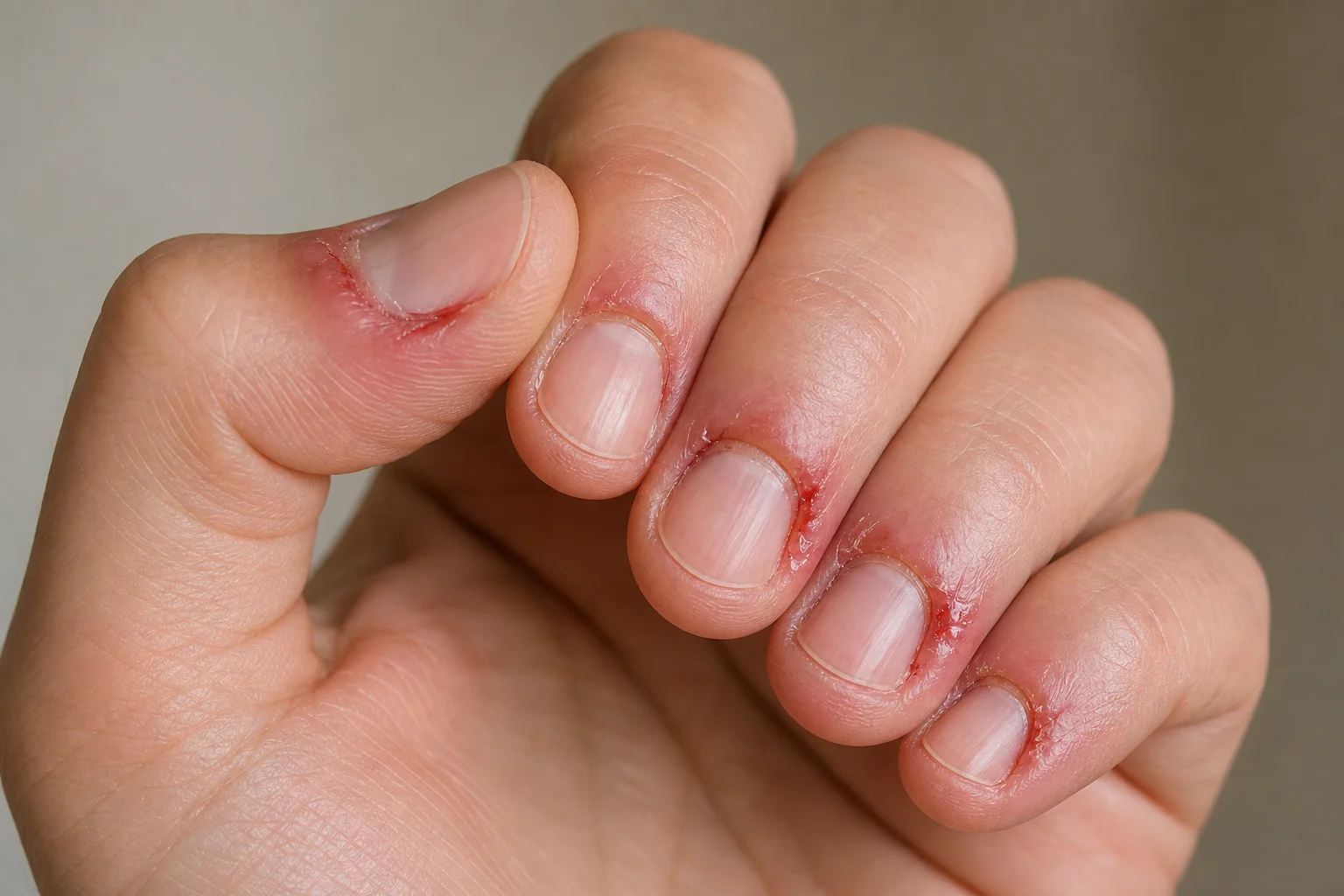
The reaction typically begins with itching and swelling around the cuticles and nail fold, often on one hand first. As exposure continues, the condition worsens, progressing to oozing, blistering, and peeling skin. Once an acrylate allergy develops, it is permanent and will only intensify with continued exposure. There is no desensitization process and no cure.
Understanding HEMA and Other Allergens
Most gel nail products contain methacrylates, which bond the product to the nail. However, HEMA is a particularly problematic ingredient because it is a very small molecule that is highly allergenic. Even with proper application and curing, HEMA molecules can seep through the nail plate, especially when products do not cure fully.

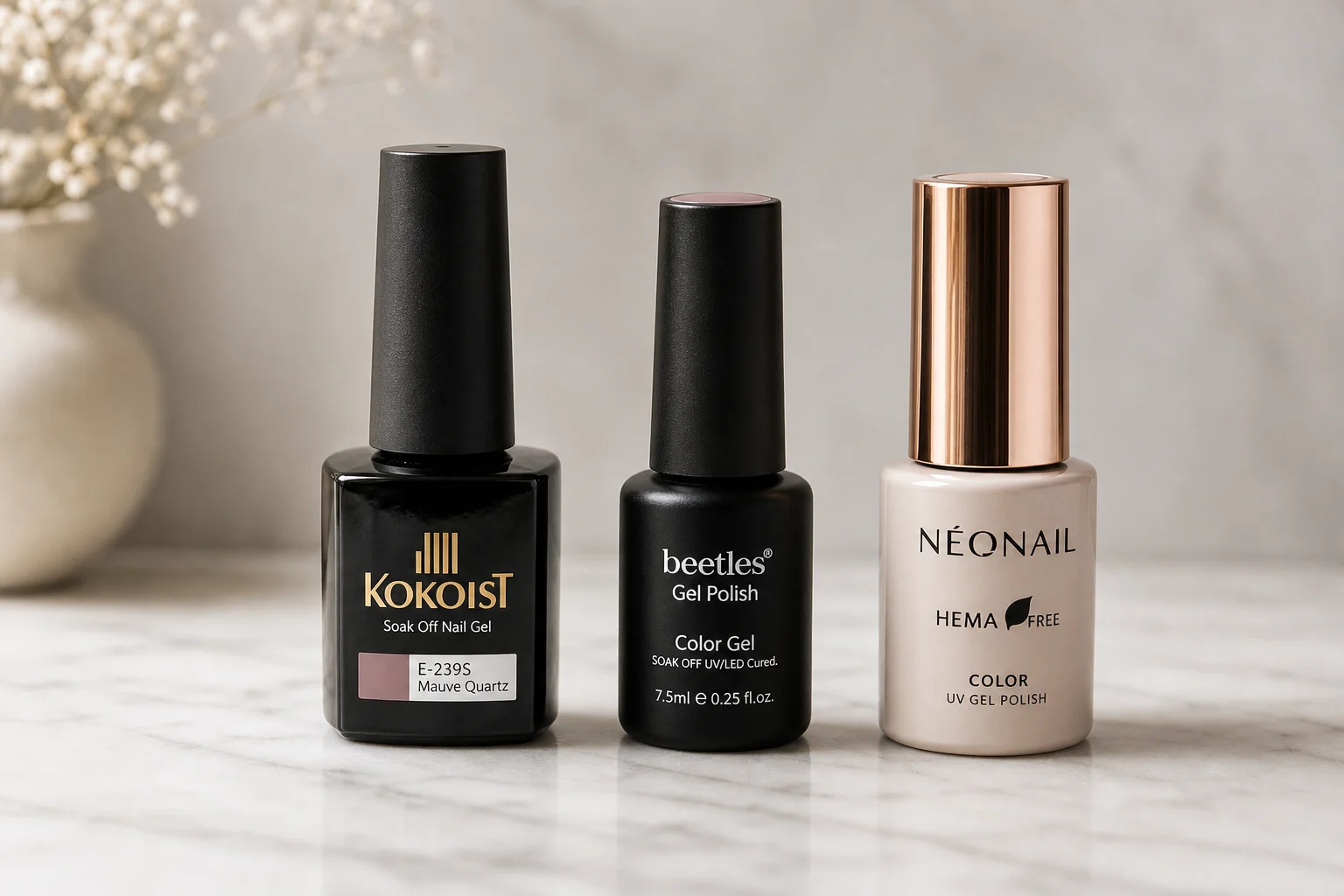
Independent testing has revealed that many budget brands from overseas, including Beetles, contain HEMA concentrations far exceeding what their safety data sheets claim. Some brands list HEMA at 5-10% while independent analysis shows concentrations above 35%. This discrepancy occurs because these brands are unregulated and often misrepresent their chemical composition.
HEMA is sometimes called the “gateway allergen” because once you develop sensitivity to it, you become more likely to develop allergies to other acrylates. This can eventually affect not just nail products but also skincare, makeup, eyelash glues, and even medical supplies like dental bonders and surgical adhesives.
Some brands have begun offering HEMA-free alternatives, replacing HEMA with HPMA (Hydroxypropyl Methacrylate). While HPMA has slightly larger molecules than HEMA, it remains problematic for those who have already developed an acrylate allergy.
The Role of UV Lamps in Curing
The lamp used to cure gel polish plays a critical role in whether products cure fully and safely. A lamp that does not cure gel properly leaves uncured methacrylate molecules on the nail and skin, significantly increasing allergy risk.
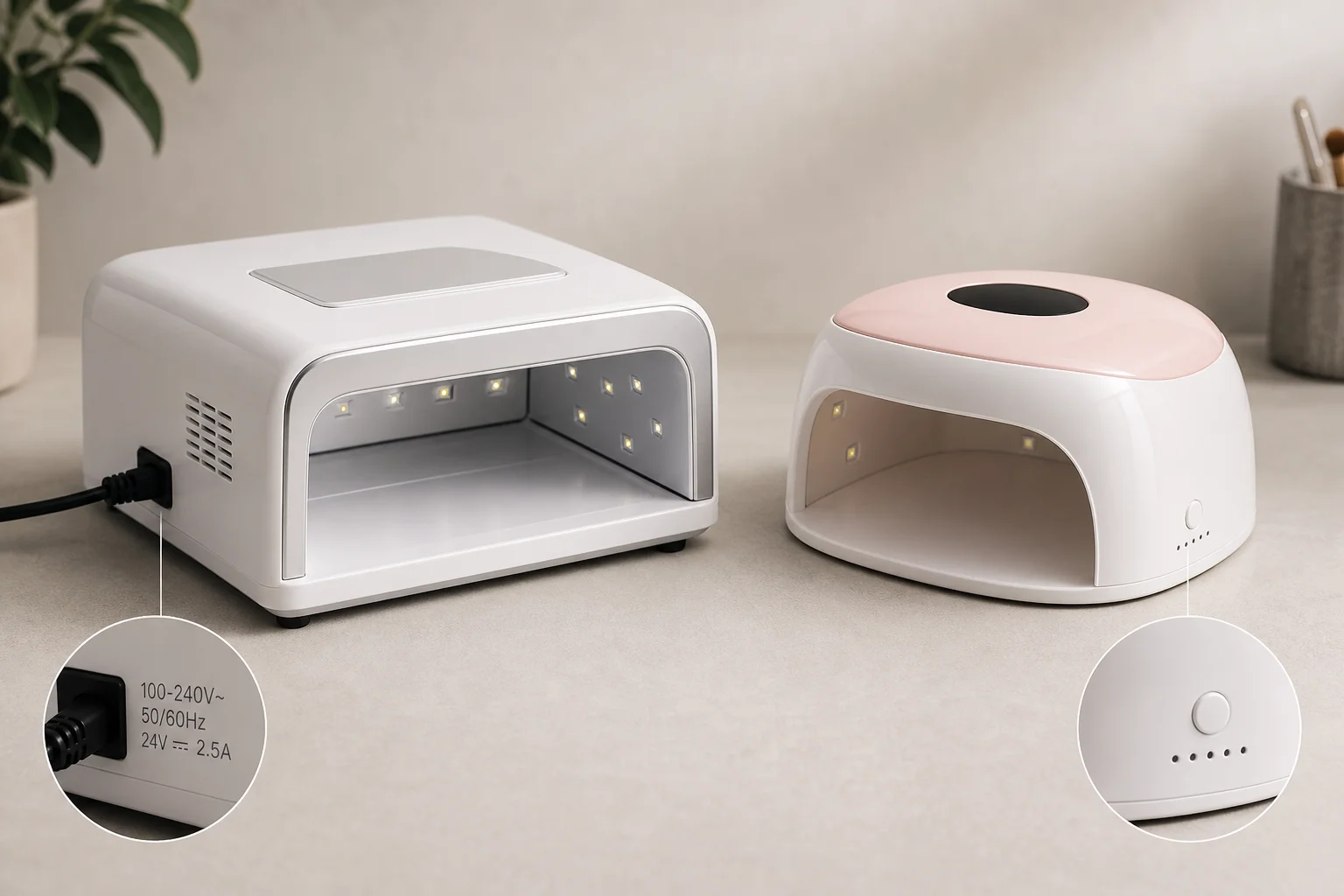
Each gel brand tests their formulations with specific lamps and can only guarantee proper curing with those matched lamps. Using a mismatched lamp, particularly a budget cordless model, reduces curing power and increases the likelihood of incomplete curing. Budget lamps often have shorter lifespans and begin to deteriorate without obvious signs, meaning you may not realize your lamp is no longer curing effectively until an allergic reaction occurs.
It is recommended to purchase a lamp from the same brand as your gel polish, or at minimum, a professional-grade lamp that matches the wavelengths (365nm and 405nm) specified by your gel brand. Cordless lamps, while convenient, sacrifice power and should be avoided if possible.
Featured Gel Polish Brands and Their Risks
Budget Brands with Higher Acrylate Content
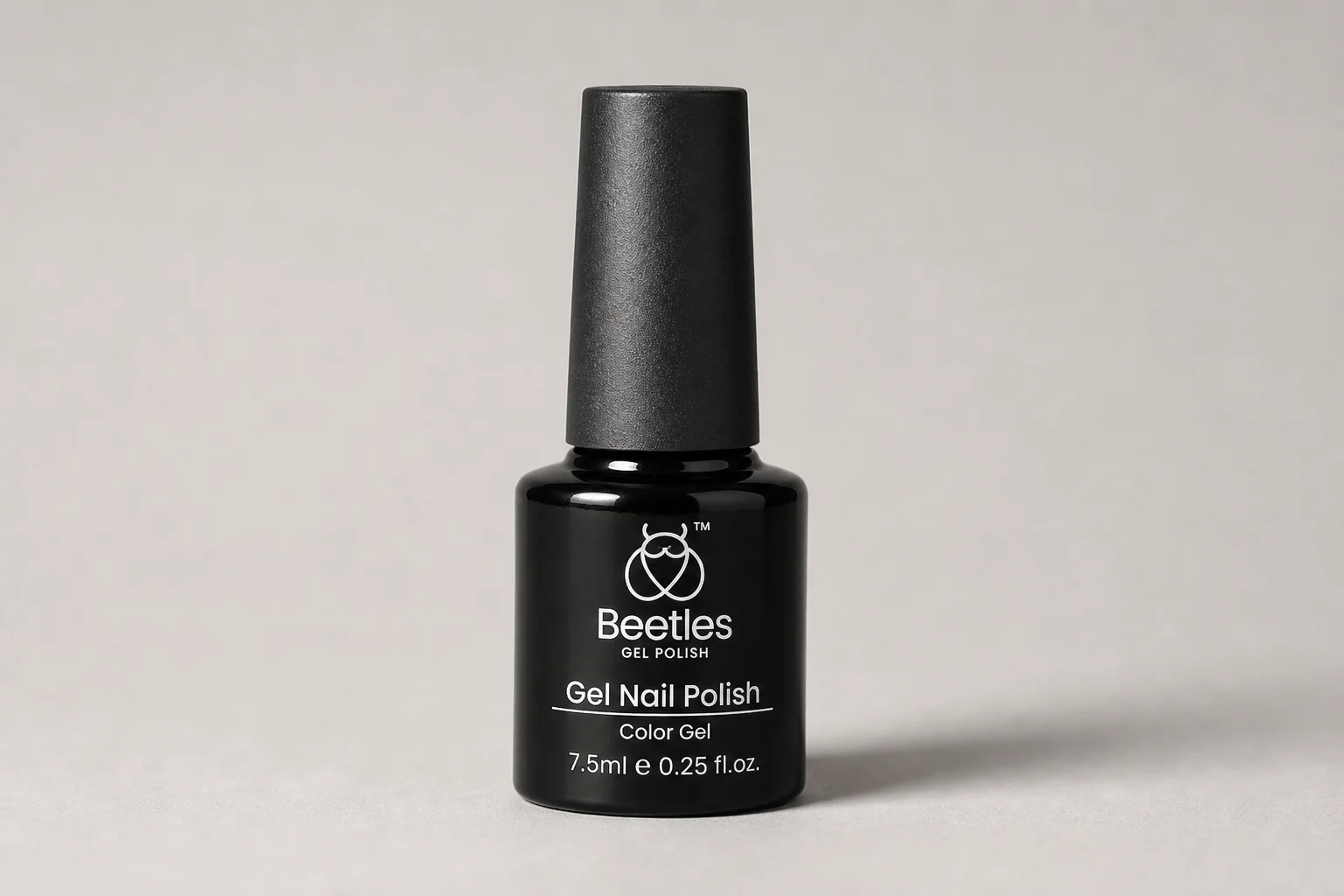
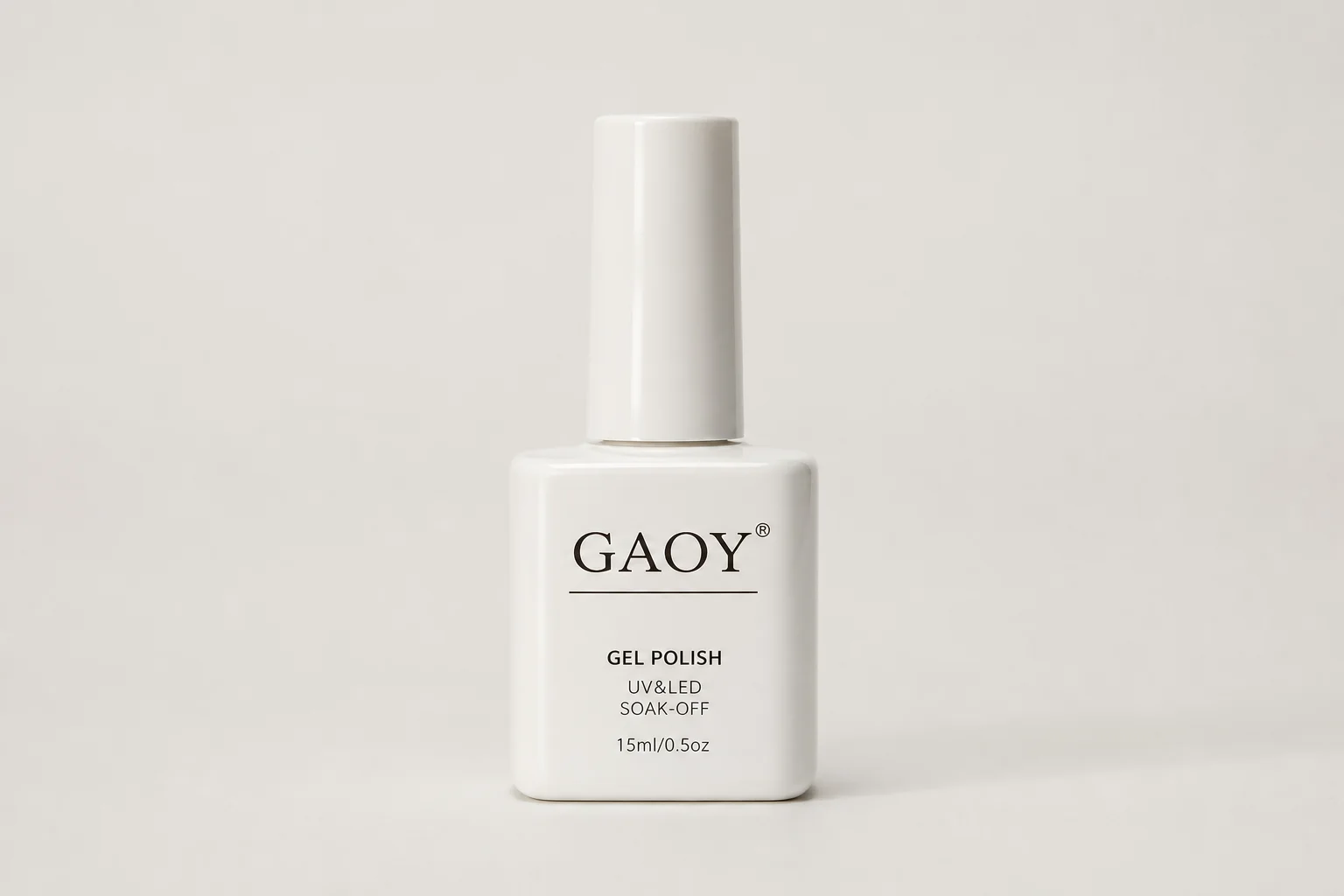
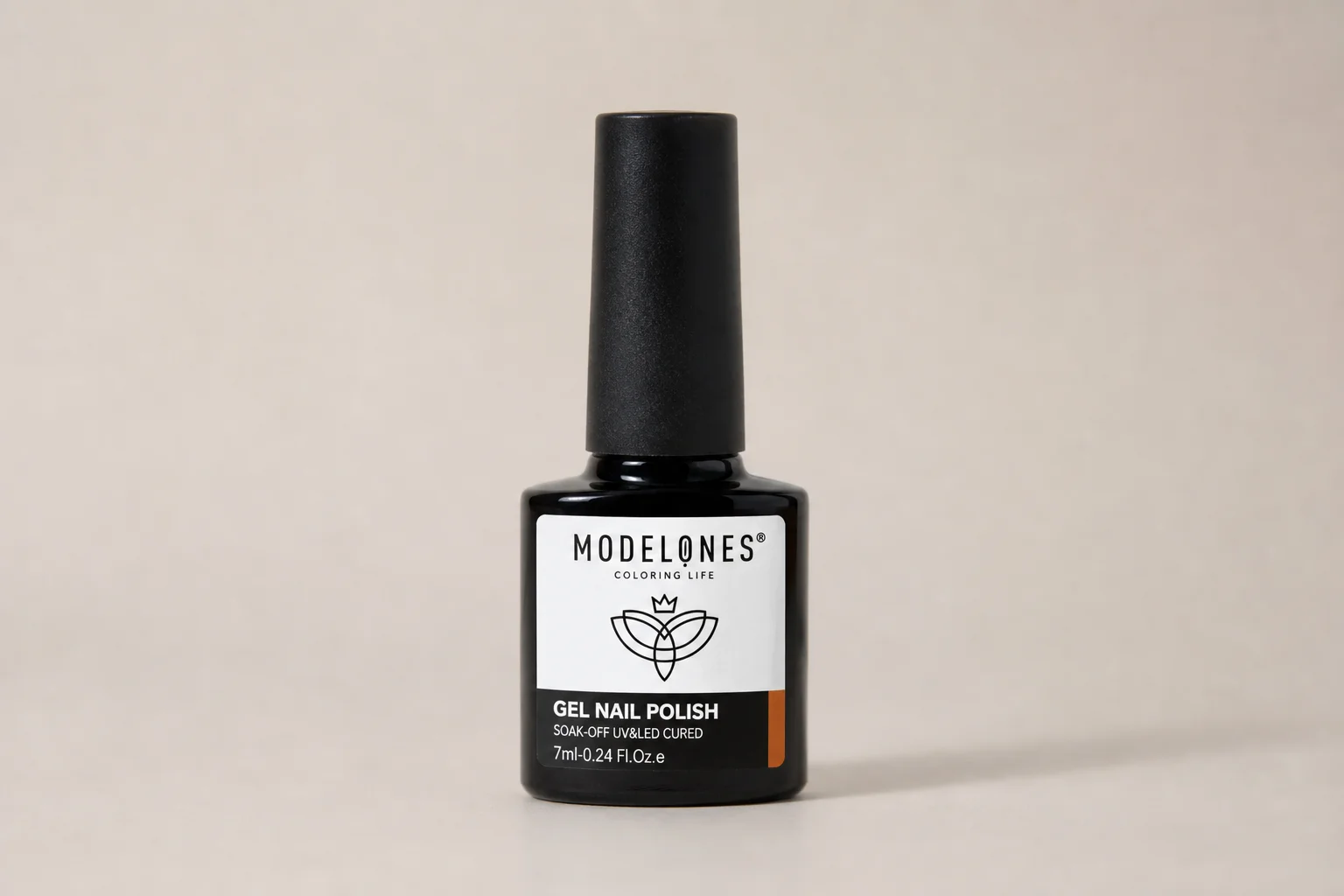
These budget brands, widely available on Amazon, are unregulated and have been found to contain significantly higher concentrations of HEMA and other allergens than claimed on their safety data sheets. They are frequently cited in online communities as triggers for acrylate allergies.
Mid-Range Brands
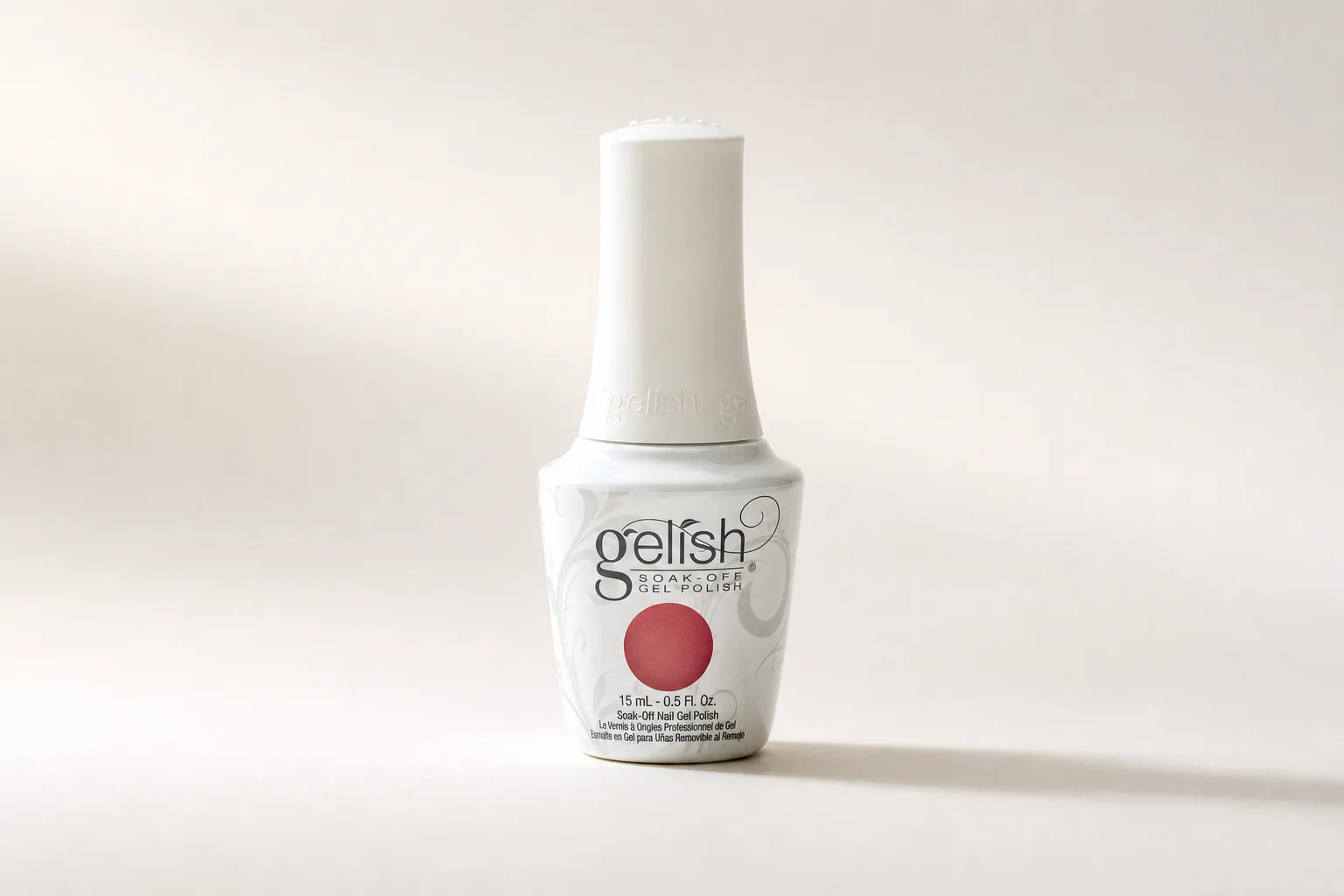
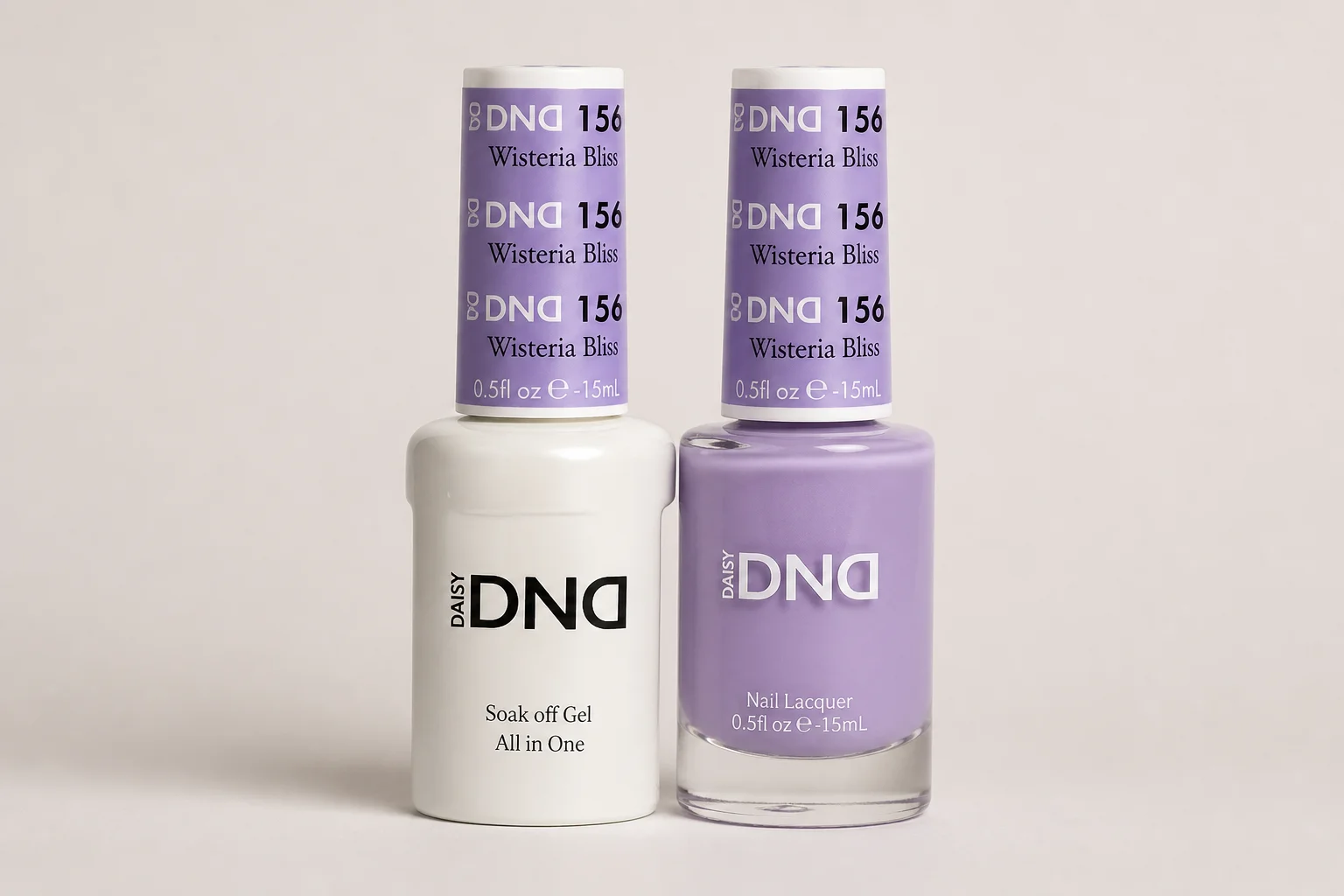
Gelish and DND are more established brands with better quality control than budget alternatives. DND uses Bis-HEMA, which combines the HEMA molecule with other compounds to create larger molecules less likely to penetrate the nail plate. While not the cleanest option available, these brands are significantly safer than budget alternatives and often have sales making them affordable.
Professional and Hypoallergenic Options
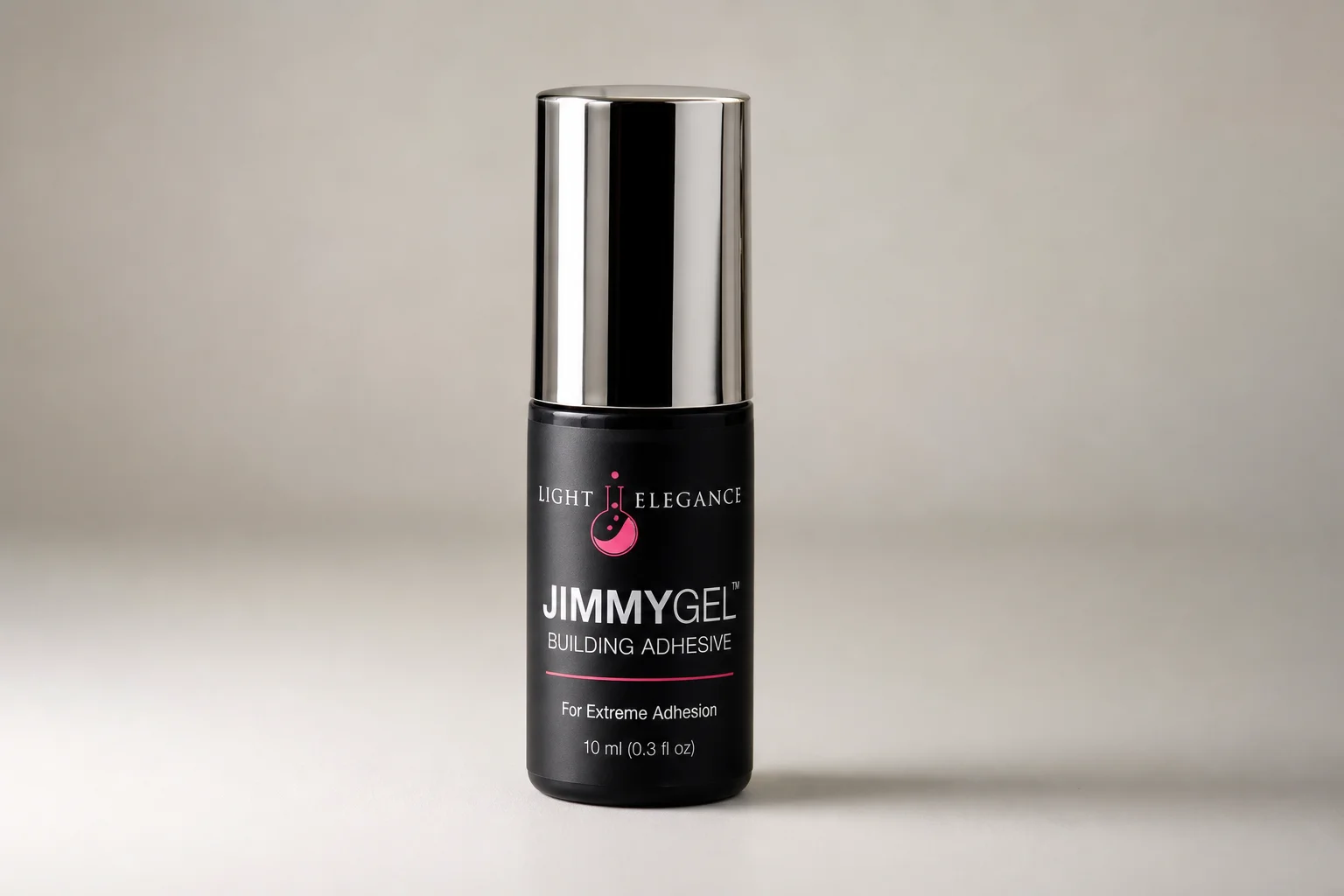
Light Elegance Jimmygel is a professional-grade adhesive used by experienced technicians. It is formulated with better quality control and lower allergen concentrations than budget brands.
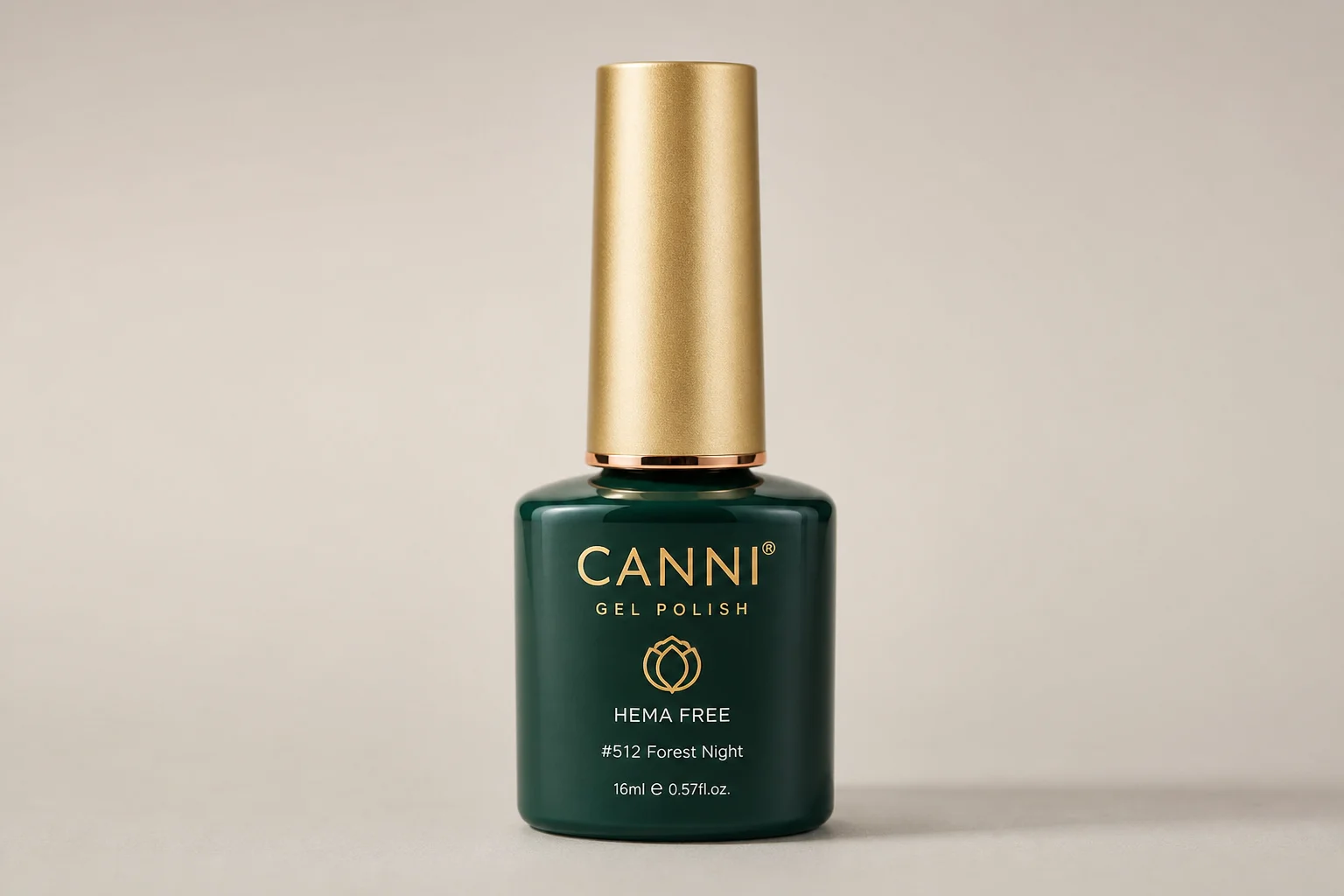
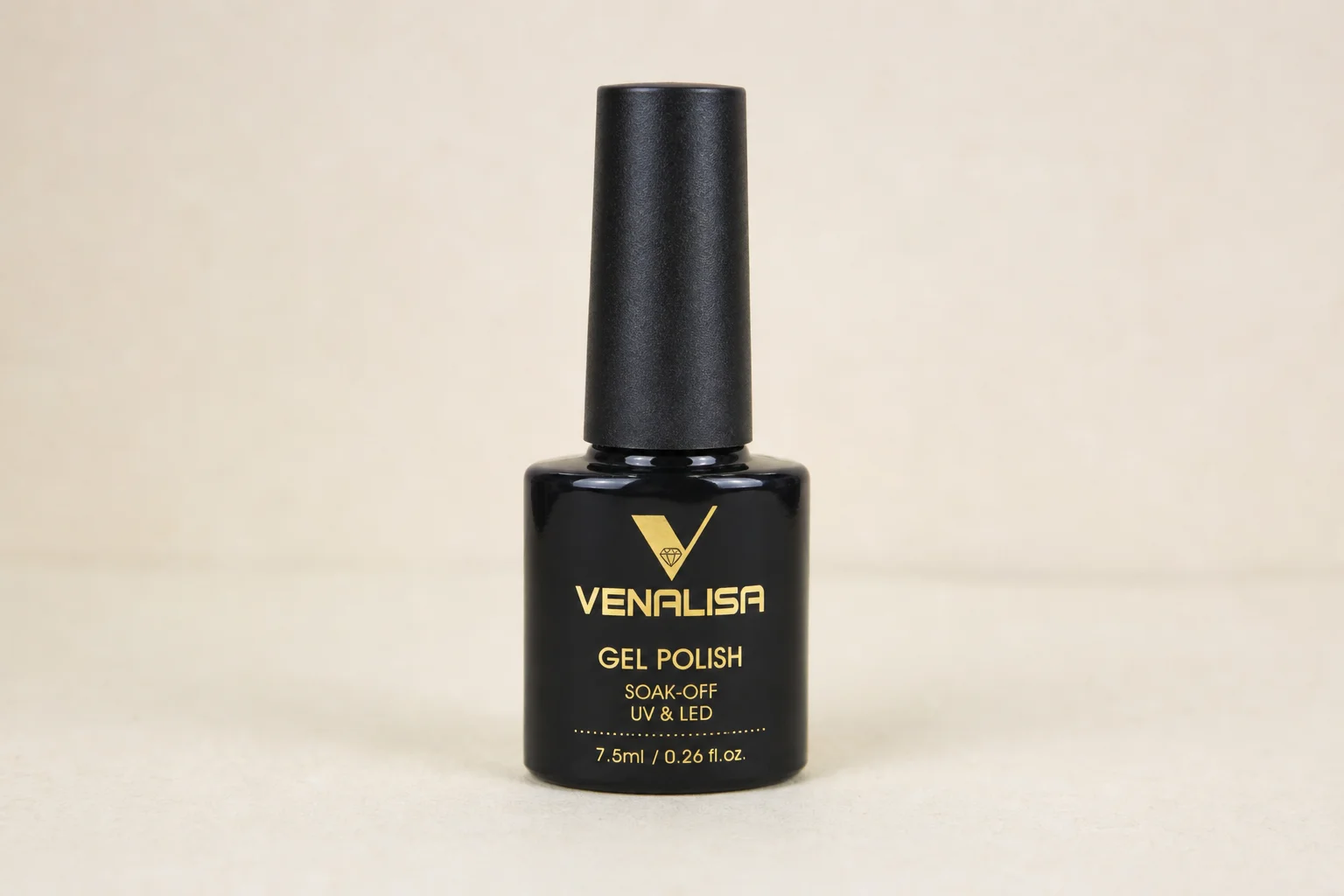
CANNI markets itself as HEMA-free and uses HPMA instead. However, CANNI is owned by Venalisa, another budget overseas brand, and HPMA remains problematic for those with existing acrylate sensitivities.
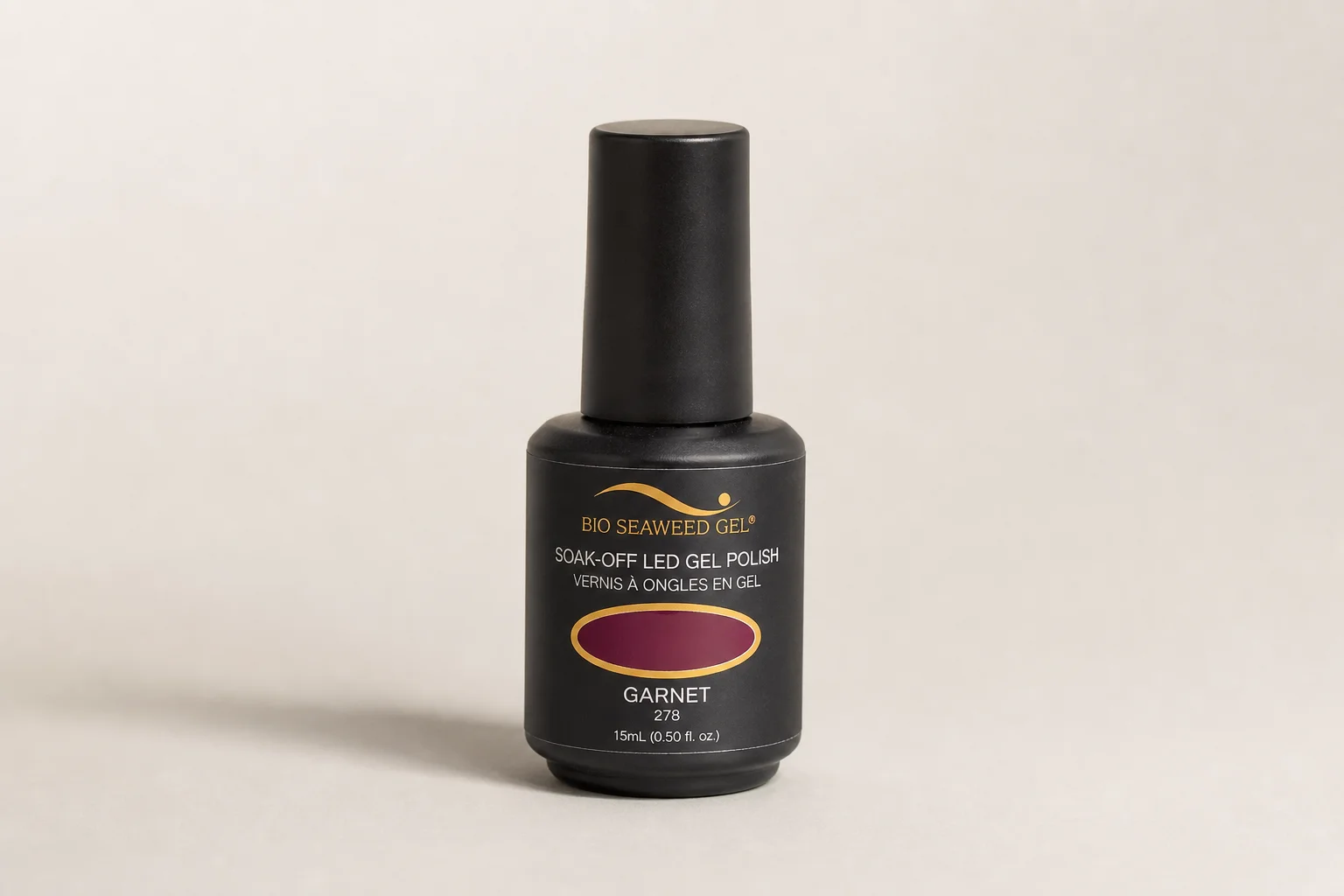
Bioseaweed Gel is a Canadian brand that contains no methacrylates at all and provides full safety data sheets on their website. This represents the safest option for those with acrylate allergies or those seeking to avoid the risk entirely.
Protecting Yourself: Gloves, Respirators, and Safe Removal
If you continue to use gel products, proper protective equipment is essential. Standard latex or cheap gloves do not provide adequate protection against methacrylate penetration. You need 8 mil professional nitrile gloves to create a barrier against even small molecules like HEMA.
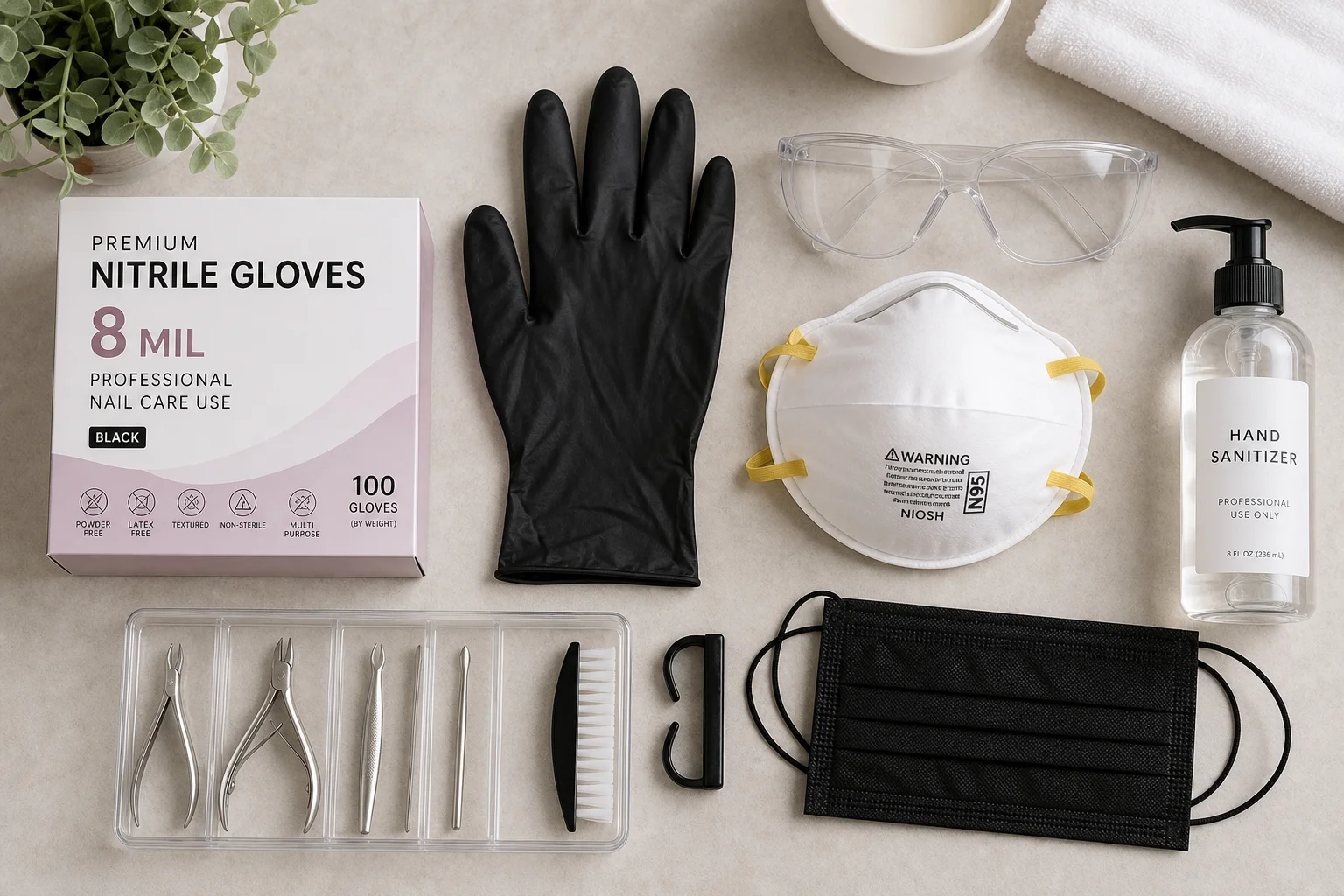
An N95 respirator mask is also recommended, particularly during removal. Soaking off gel nails leaves your fingers in chemical solutions for extended periods, exposing you to potentially uncured methacrylates. Filing off is also problematic because it creates dust that you inhale. Both methods carry risks; the goal is to minimize exposure as much as possible.
Allergy medications like Benadryl do not address acrylate allergies. Only topical or oral steroids provide relief, and managing a severe acrylate allergy requires ongoing medical supervision.
Buying Advice for Consumers and Professionals
If you are purchasing gel polish for personal use, prioritize brands that provide full safety data sheets on their website. If a company does not make their SDS readily available, that is a red flag. Reputable brands test their products rigorously and are transparent about their ingredients.
For nail technicians, using cheap unregulated brands on paying clients is ethically problematic. Your clients are trusting you with their health. A technician using Beetles, Modelones, or similar budget brands on unsuspecting clients is exposing them to unnecessary risk. Building a collection of five quality polishes is far better than fifty budget alternatives.
DND offers frequent sales and can be purchased for approximately $5 per bottle, making quality products accessible without significant cost. There is no excuse to use toxic budget brands on paying clients.
Conclusion
Acrylate allergies are serious, lifelong conditions that can end careers and severely impact quality of life. While any product can theoretically cause an allergy with misuse, the risk is dramatically higher with unregulated budget brands that contain undisclosed high concentrations of HEMA and other allergens. Investing in reputable brands, proper lamps, and protective equipment from the start is far less expensive than dealing with a developed allergy. If you are a nail professional, your responsibility to your clients’ health outweighs the cost savings of budget products.
Further reading