Hand Tools
GearWrench Screw Extractor Kit Review: A Different Take on Broken Bolt Removal
A pound-in screw extractor kit that works in both directions, with real trade-offs in drilling depth and clearance that buyers should understand first.
Introduction
Broken bolt removal is one of those jobs where the right tool makes the difference between a ten-minute fix and a ruined weekend. The GearWrench Screw Extractor Kit takes a different approach from traditional easy outs, and that difference shapes every part of how it performs, for better and for worse.
What Makes This Kit Different
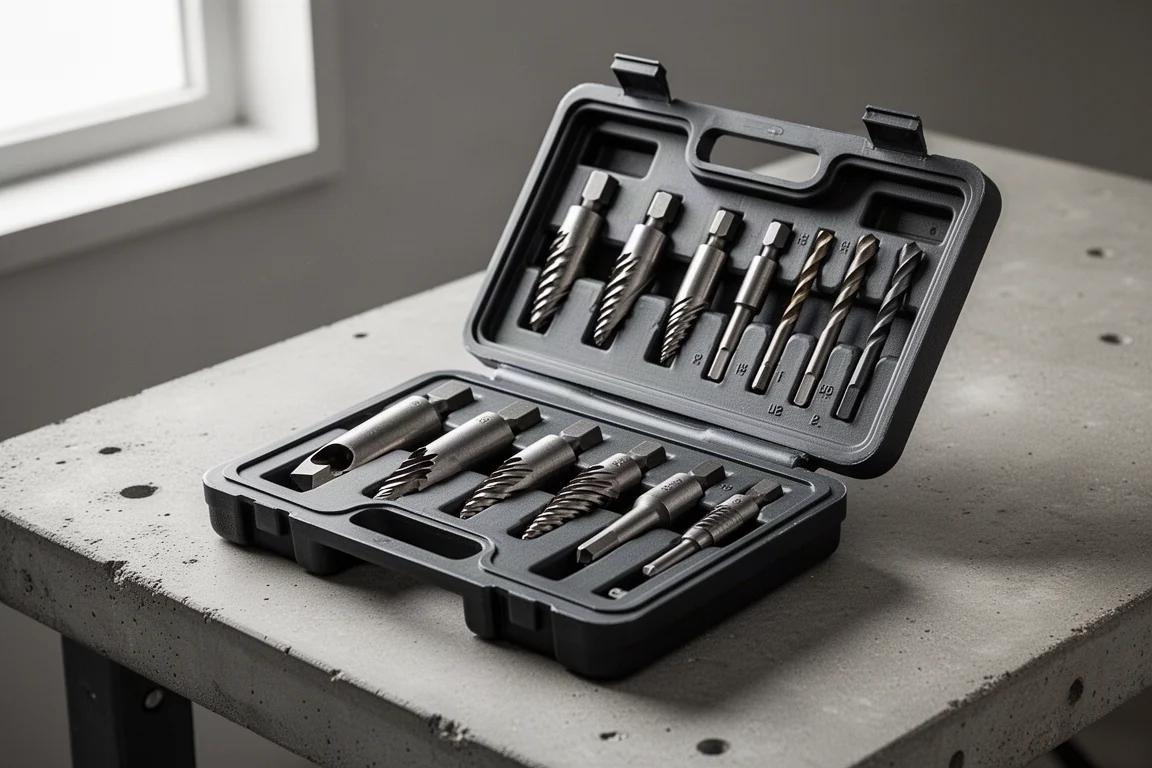
Traditional easy outs bite into a drilled hole by threading themselves in one direction. This kit works differently: the extractors are pounded into place rather than screwed in, and once seated they can move the bolt forward and backward. That two-way movement is genuinely useful, because sometimes a stuck bolt needs to be worked back and forth before it will come loose.
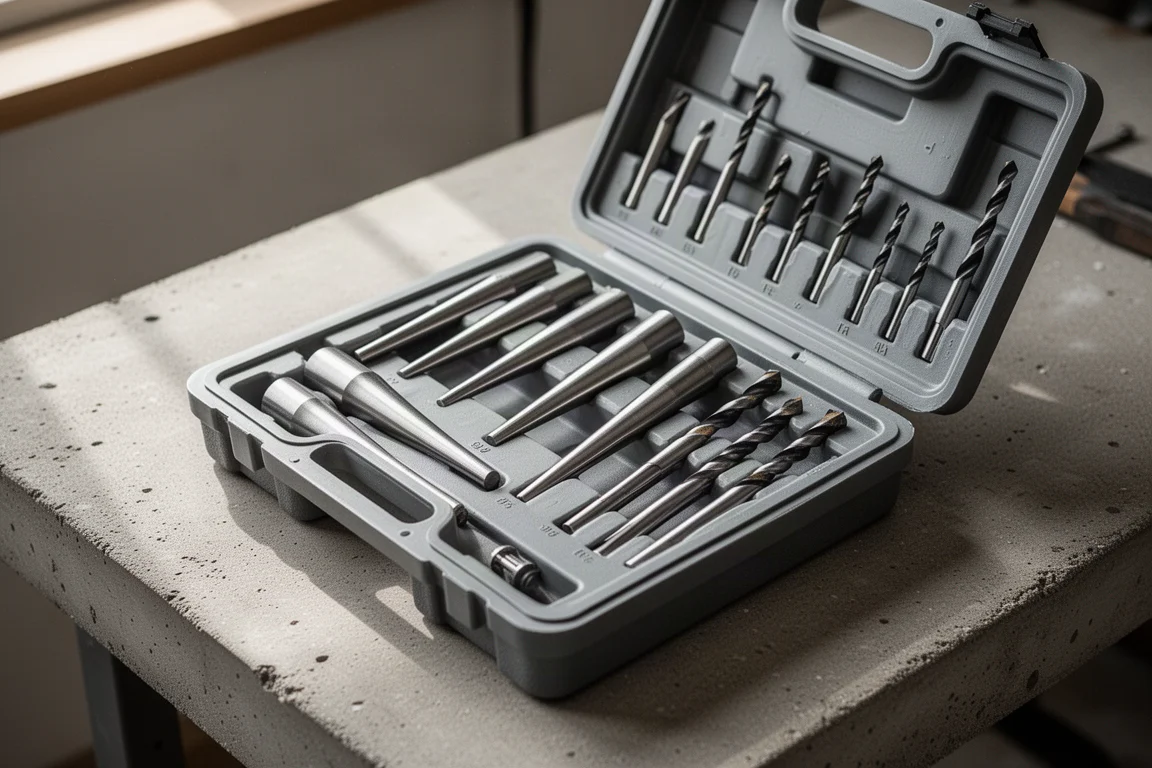
The kit ships in a molded case that keeps the extractors and their corresponding drill bits organized, and the back of the case lays out the sizing so you can match each extractor to the right drill bit.
Putting the Kit to Work on Stuck Bolts
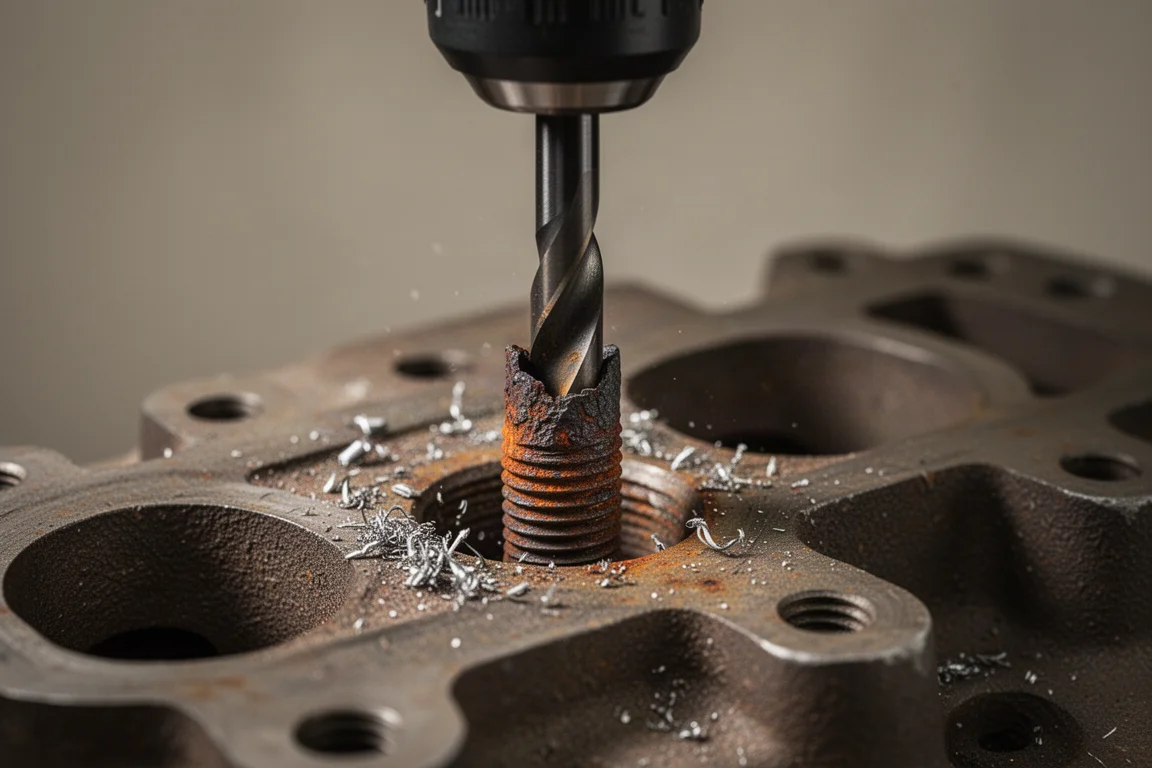
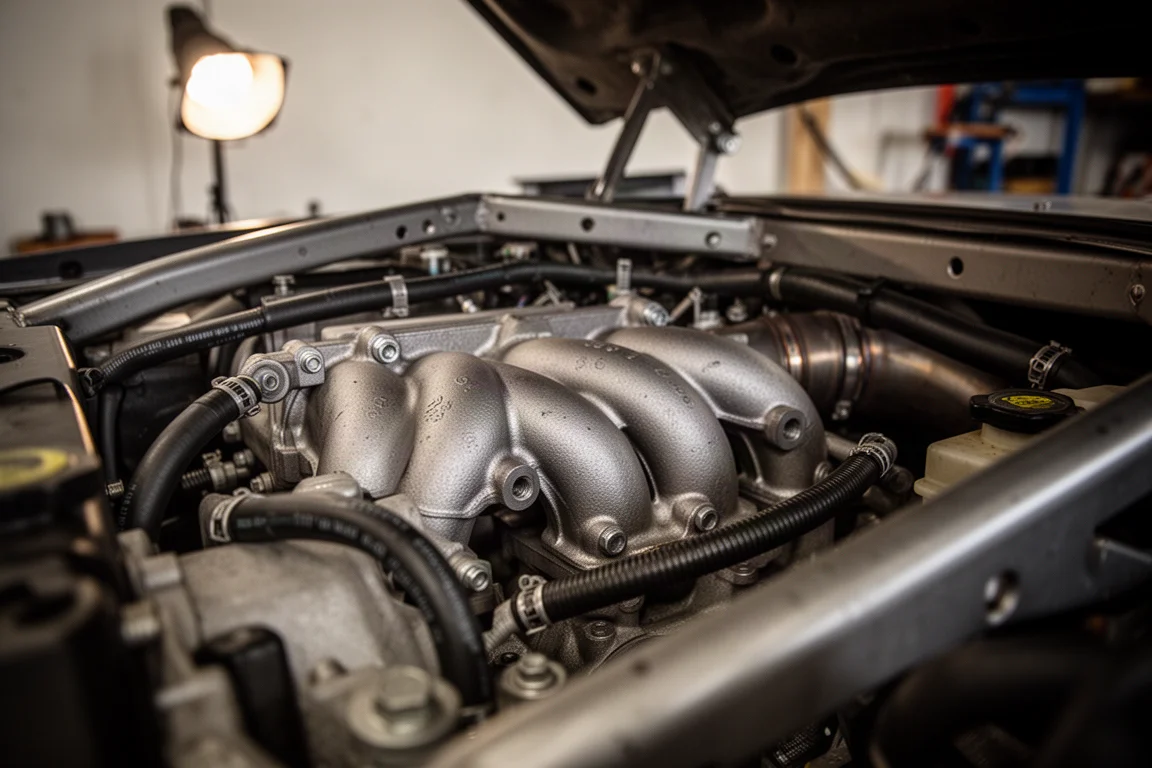
To see how it handled a real challenge, the kit was used on an intake manifold from a very old car, where two bolts had been stuck for a long time. The process starts the same way as any extraction job: drill a hole in the center of the broken bolt.
Here is the first meaningful departure from an easy out. With a conventional extractor, a shallow drilled hole can be enough. This design needs a much deeper hole, because the extractor has to be pounded in far enough to grip. On the test bolts, that meant drilling well over half an inch deep, in one case nearly all the way through the bolt, before there was enough purchase.
Where Things Got Difficult
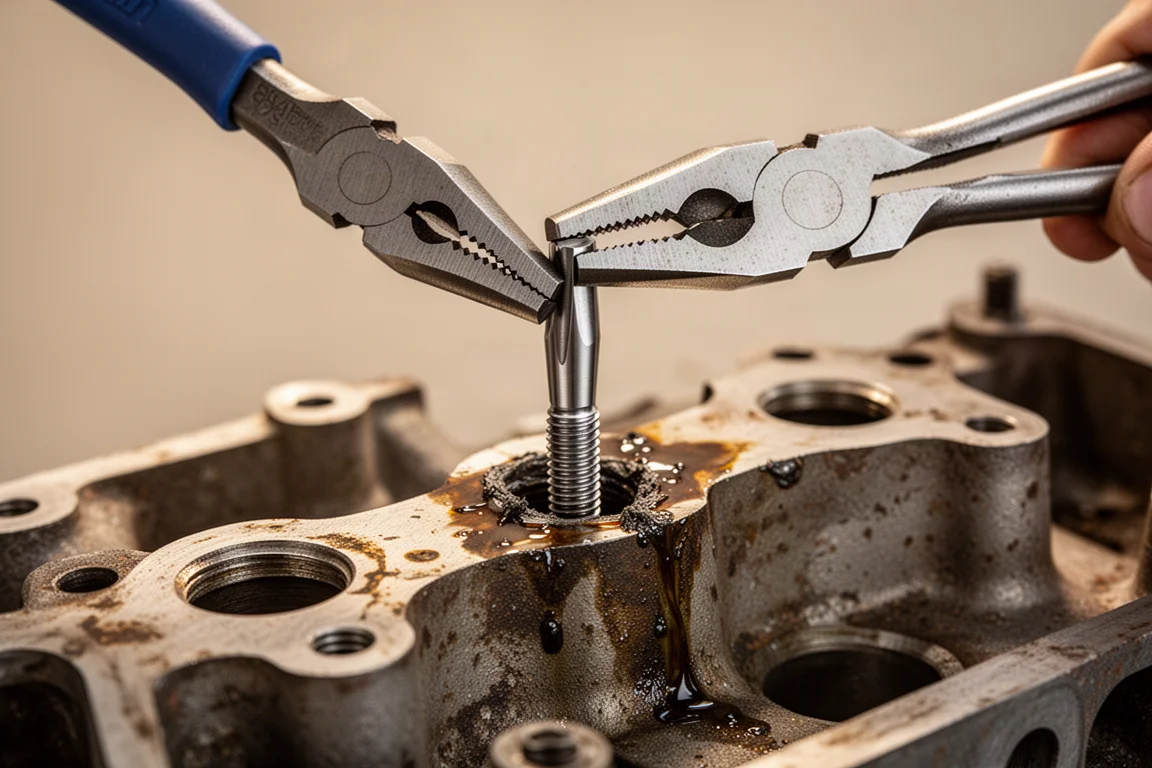
Once the extractors were tapped into place, the results were mixed. On a genuinely stuck bolt, the tool slipped inside the hole. Drilling deeper did not solve the problem. In one attempt the extractor started bending and twisting rather than turning the bolt. Following the instructions and switching from a wrench to pliers did not help either; the extractor just kept slipping.
One bolt eventually came out with relative ease, but the more stubborn one defeated the kit entirely. Drilling deeper to gain more grip led to the extractor breaking, and a spare from the set met the same fate. There is also a real risk of damage from the pounding step itself: because the extractor is hammered in, an unsupported bolt can split open, which happened in one test case.
Who This Product Is For
This kit is not useless; it likely performs better in some circumstances than others. Its strengths are the reversible two-way movement and the organized case with clear sizing. It makes the most sense for lighter-duty extraction jobs where the bolt is only moderately seized, where there is room to hammer the extractor into place, and where you are willing to drill deeply.
If the bolt is severely stuck, the test results suggest a traditional easy out may dig in and apply enough pressure to break the bolt free where this design slips. In some cases, alternatives like welding a nut onto a protruding stud are simply more effective.
Things to Consider Before Buying
The core trade-offs come from the design itself. Because the extractors are pounded in rather than threaded, you must drill much deeper than you would with an easy out. You also need physical room to swing a hammer or tap the extractor into place, which is a serious limitation in tight spaces like an exhaust manifold, where even getting a drill in can be a struggle.
If you are comparing this kit to what you see in the store, keep in mind that these extractors do not screw in or lock themselves. That is what allows the forward and backward movement, but it also means they rely entirely on how well they are seated, and that is where stuck bolts can expose the design.
Buying Advice
If your typical extraction jobs involve lightly seized fasteners with decent access, this kit could work well and the reversible action is a nice bonus. If you regularly tackle badly rusted, deeply stuck bolts in cramped engine bays, a traditional easy out set or alternative methods will likely serve you better. Consider how much drilling depth your typical jobs allow, and whether a hammer can realistically be swung where you work.
Conclusion
The GearWrench Screw Extractor Kit brings a genuinely different idea to broken bolt removal, with the useful ability to work a bolt in both directions and a well-organized case. But the deep drilling requirement, the pounding needed to seat the tools, and the slipping experienced on badly stuck bolts are real limitations. For moderate jobs with good access, it is worth a look; for the worst-case extraction scenarios, weigh the alternatives first.
Product link
View more details for GearWrench Screw Extractor Kit
This product is mentioned in the review. Check the specifications, options, and compatibility before buying.
View more details for GearWrench Screw Extractor KitFurther reading
Related Reviews
Hand Tools
Best Diagonal Cutters 2026: 16 Pliers Tested for Cutting Power and Durability
We put 16 diagonal cutters through nail, screw, drill bit, and hex key tests to find the best value picks for your toolbox.
Hand Tools
Best Hex L Key Sets 2026: Nine Sets Tested for Real-World Torque
Nine hex L key sets from budget to premium, tested for torque, fit, and durability. See which sets deliver real performance and which ones to skip.
Hand Tools
Best Locking Pliers 2026: Top Picks Tested for Grip and Durability
We tested 18 brands of 10-inch locking pliers for grip strength, jaw bite, build quality, and ease of release to find the best options for tough jobs.