EDC Gear
Gear That Makes You Double Take: 7 EDC Tools Built Differently
3D printed titanium knives, a pry bar that doubles as a sheath, a survival knife with a built-in ferro rod, and more gear that breaks the usual EDC mold.
Introduction
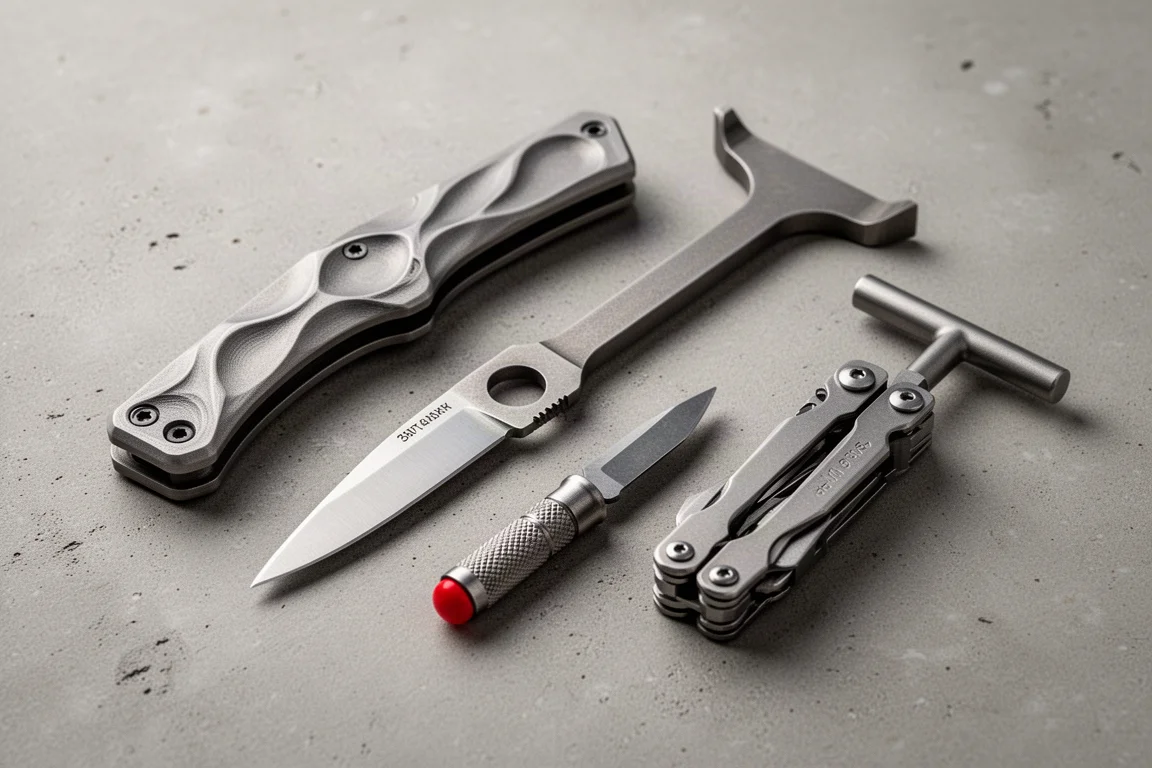
After enough pocket knives, multi-tools, and flashlights, most new gear starts to blend together. Every release feels a little less impressive than the last. But every so often, something comes along that makes you stop and double take. These seven tools all share that quality: each one takes a familiar concept and flips it on its head, whether through 3D printed titanium, replaceable blade systems, or unusual multi-function designs. None of them is perfect, and a couple come with real caveats, but all of them are genuinely interesting.
UG Tools Pango: 3D Printed Titanium Done Right
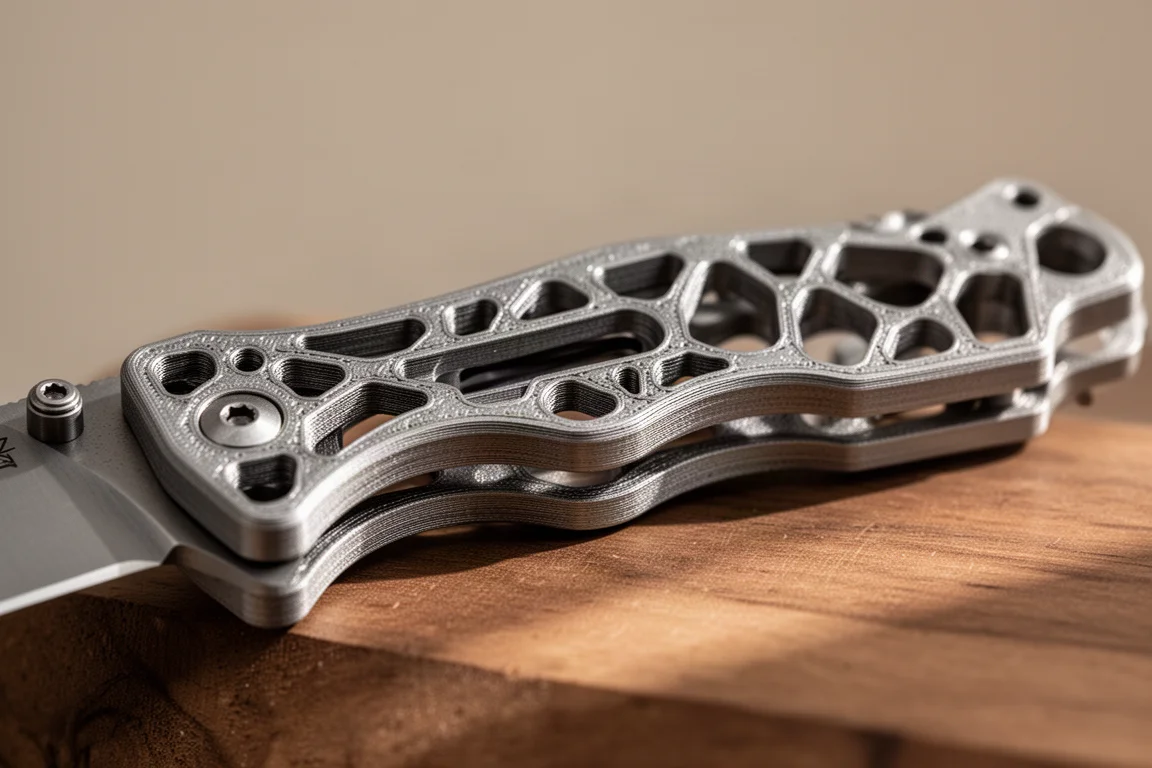
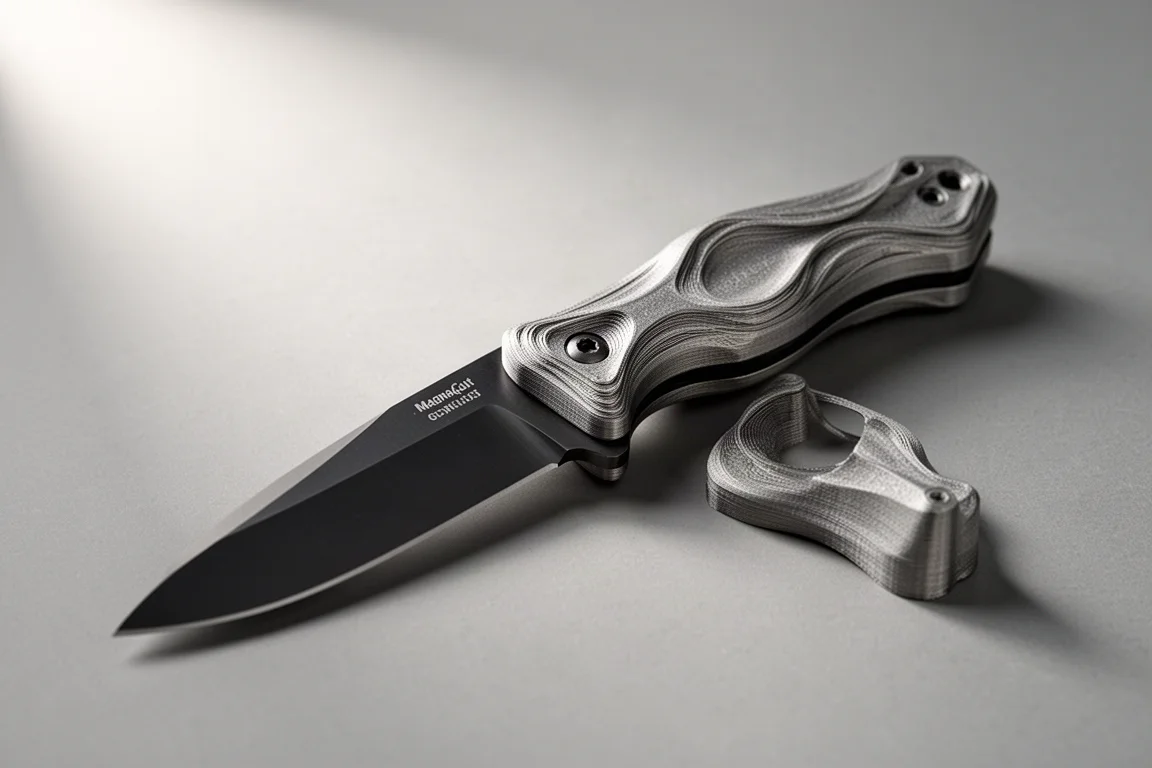
UG Tools, out of Germany, makes knives with 3D printed titanium handles, running primarily MagnaCut steel pushed to 65 HRC. The Pango is their standout design, with a flowing sculpted handle you simply cannot produce efficiently with traditional machining. The all-metal construction is remarkably strong, and the knife still comes in at around 2.3 oz. Torture testing, including batoning the handle through wood, could not break it. Titanium also has an odd advantage in the cold: unlike many metals, it stays fairly warm in the hand, which addresses the usual complaint about metal handles in winter.
The 3D printing approach opens up designs machining simply cannot match, like a sheath with built-in retention that could only exist as a printed part.
UG Tools Unity: Storage in the Handle
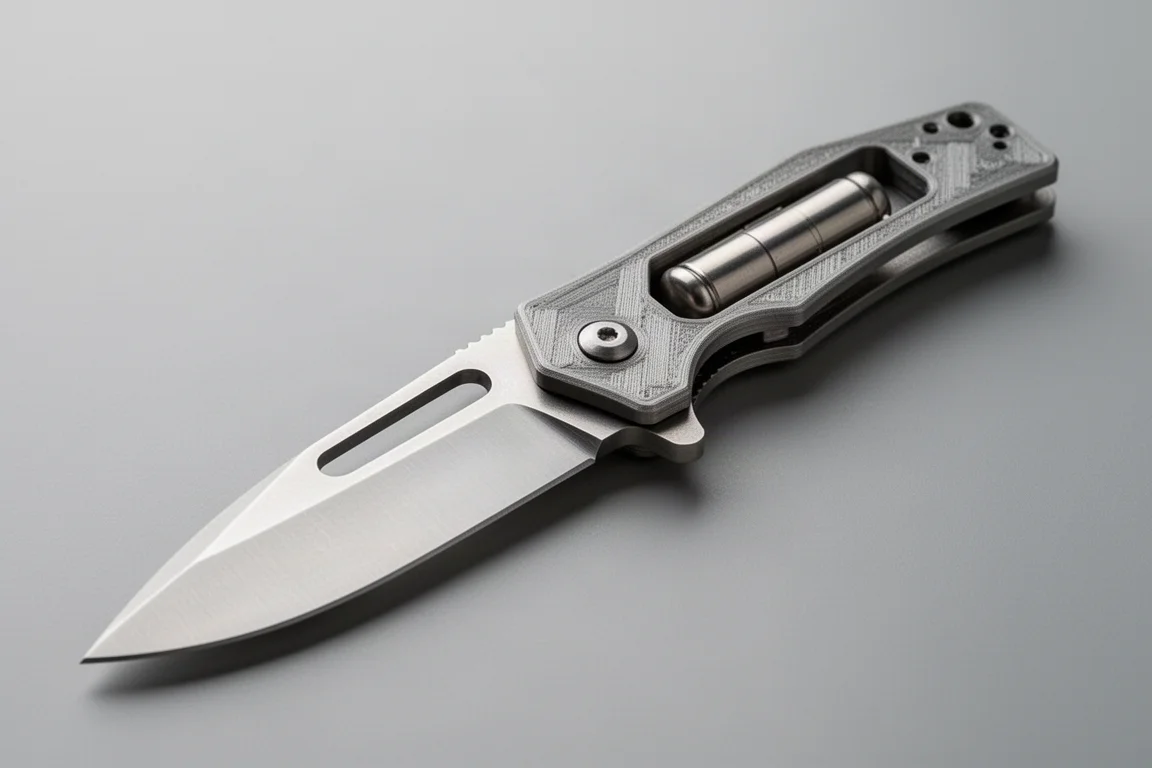
The Unity takes the same printed titanium philosophy further. It has a storage capsule built into the handle, plus a U channel through the frame for a lanyard. UG Tools also makes clever companion accessories, including a small keychain french fry fork and spork that stow inside a printed sheath, and a compact knife sharpener with a ruby dust cylinder and angle guide that can be stored inside the handle of a compatible knife. The handle itself is hollow yet very strong, and producing those contours by machining would be nearly impossible. If you like the idea of a knife that does more than just cut, the Unity is the more feature-packed option in the lineup.
Tyrant Ultra: The Replaceable Blade Done Seamlessly
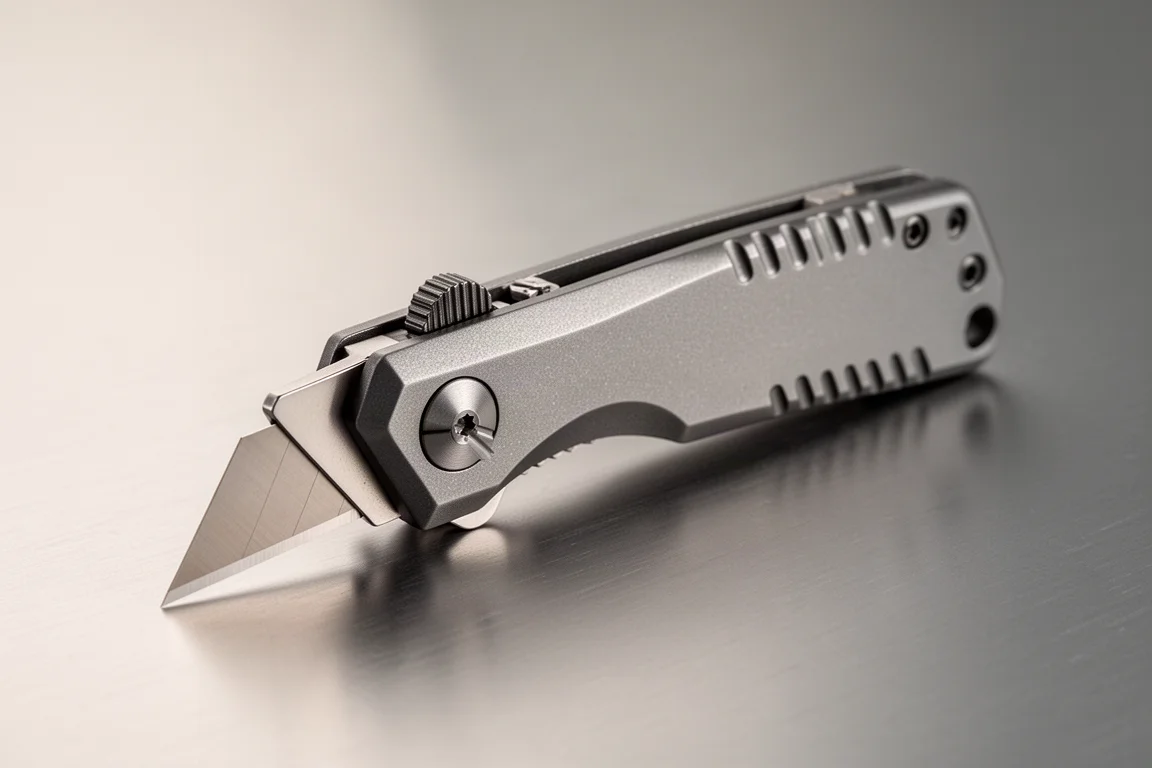
Replaceable blade knives are not new, but the Tyrant Ultra does it better than anyone so far. It ships with a utility blade insert for straightforward box work, and you can swap in a D2 folding blade insert instead. The inserts cost about nine dollars. The scenario it solves is real: your blade goes dull at work, you pop it out, drop in a fresh one, and keep going. For box teardowns, run the utility insert so you are not dulling your main blade.
It also comes with a full set of spare hardware, including a replaceable lock bar insert, so the knife is effectively endlessly serviceable. The standard version starts at $170, which is not cheap, but for a knife you could use indefinitely with a stockpile of fresh blades, it is a compelling concept executed very well.
Sanctum Hard Bar: A Pry Bar That Is Also a Sheath
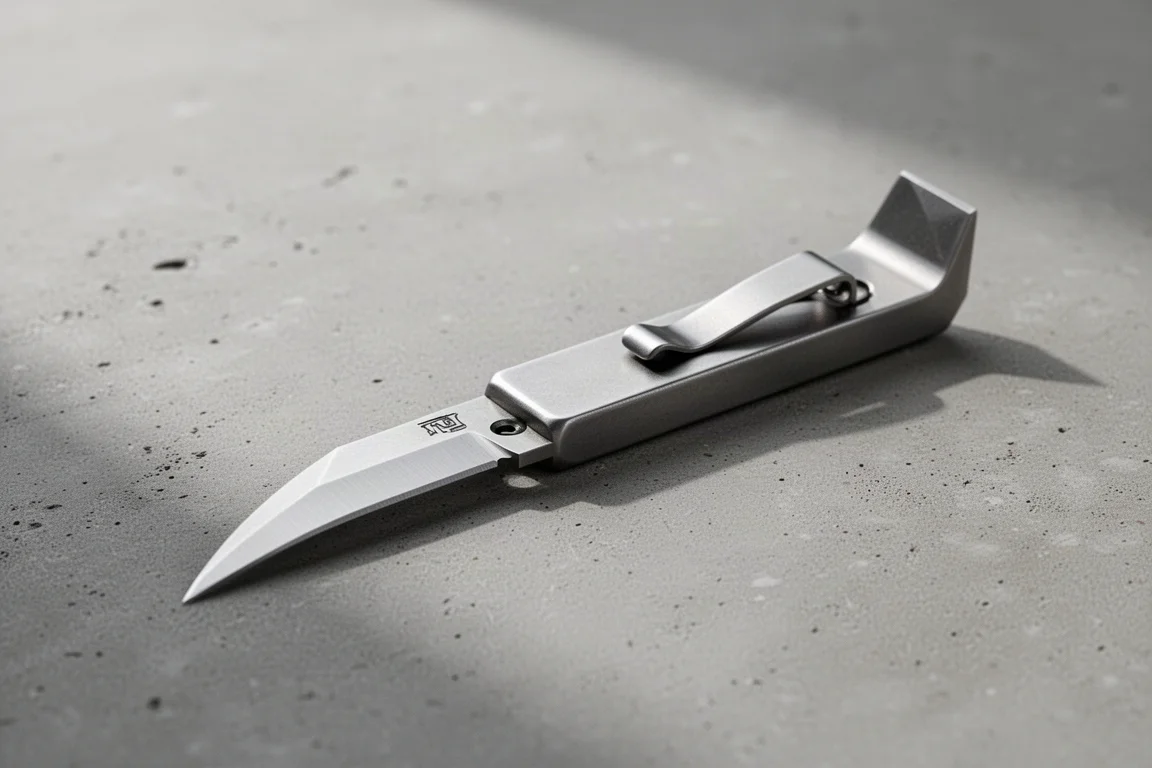
The Hard Bar from Sanctum is a titanium pry bar that also acts as the sheath for a small fixed blade. It packs a pry end, a bottle opener, a tiny utility fixed blade, and an integrated pocket clip into one compact piece. Does it solve a real problem? Honestly, not really. The small blade will not impress anyone, but for the day-to-day reality of breaking down boxes and opening packages, which covers most of what we actually use knives for, it gets the job done.
There are honest caveats: titanium is not the ideal pry bar material, and running the blade across the bar risks dulling it, though the upswept profile means the edge should not touch past a certain point. It is cool rather than essential, and that is precisely its appeal.
Bad Feather Knives Raider Creek: Clever Idea, Rough Edges
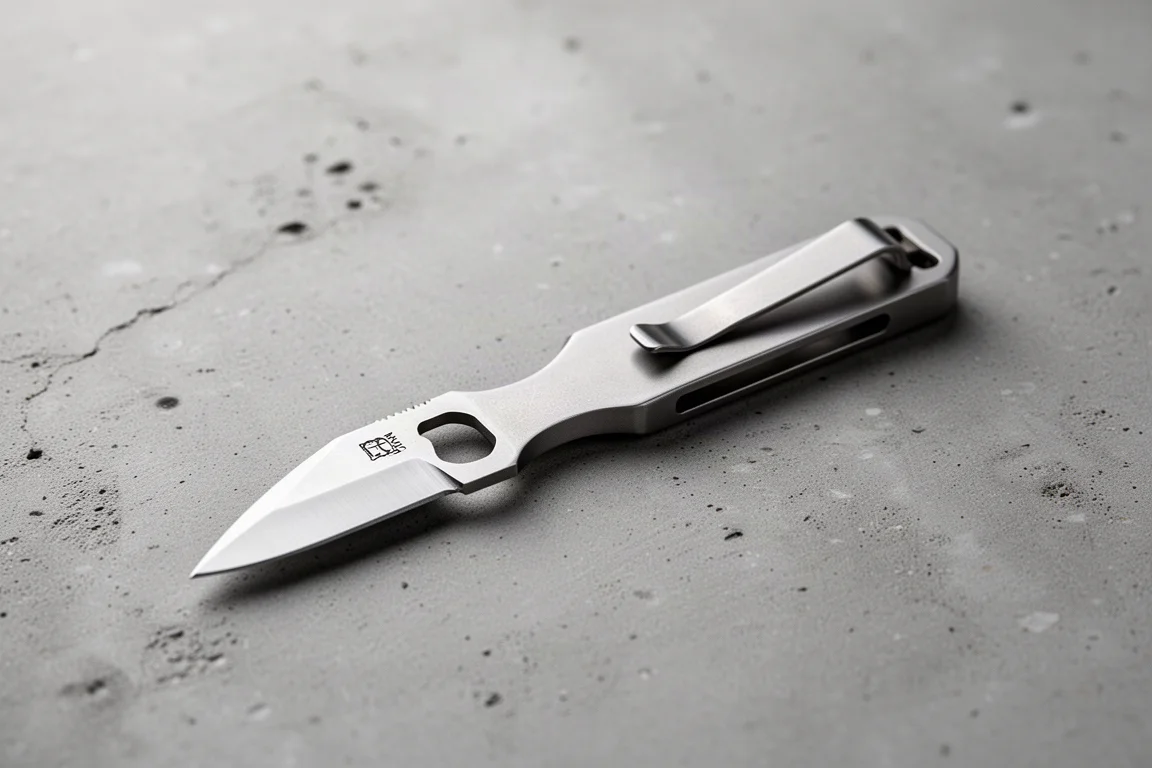
The Raider Creek arrived as a genuine surprise: a full tang fixed blade with a cam system that ejects the blade from the handle. The design is genuinely simple, only six pieces including the magnet, and the whole thing is tool-less. You use a fingernail to loosen the keeper nut, the torsion bar comes out, and the blade slides free. Once assembled, you tune the tension so the cam works, and since your hand always pushes on the tension bar during use, it has no good way to work itself loose.
The best part is the selectable blade exposure: pull the lever and slide the blade out to choose how much tip is exposed, useful when you need more control or do not want to cut too deep into a box. The comfort, size, and handling as a fixed blade are genuinely good. The letdowns are the fit and finish: the shiny surface still shows laser and water jet marks, and the sheathed look leaves something to be desired. Great concept, imperfect execution.
Panacea X Firefly: A Survival Kit in Knife Form
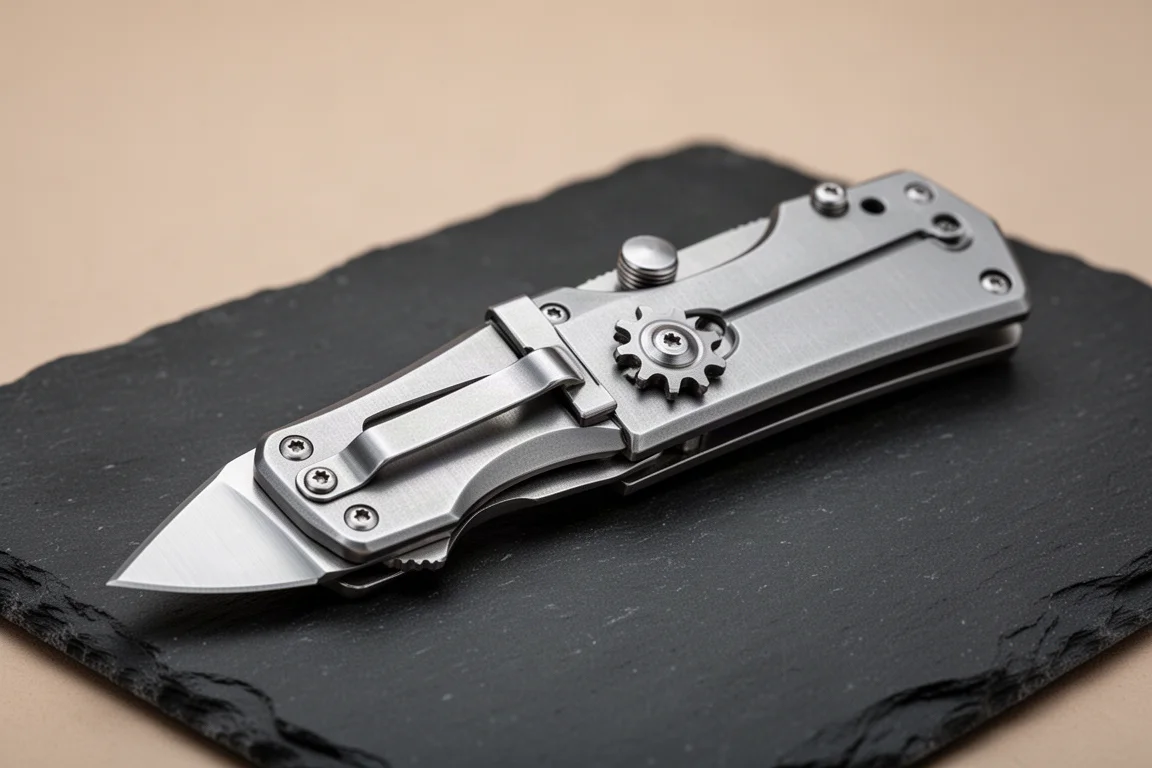
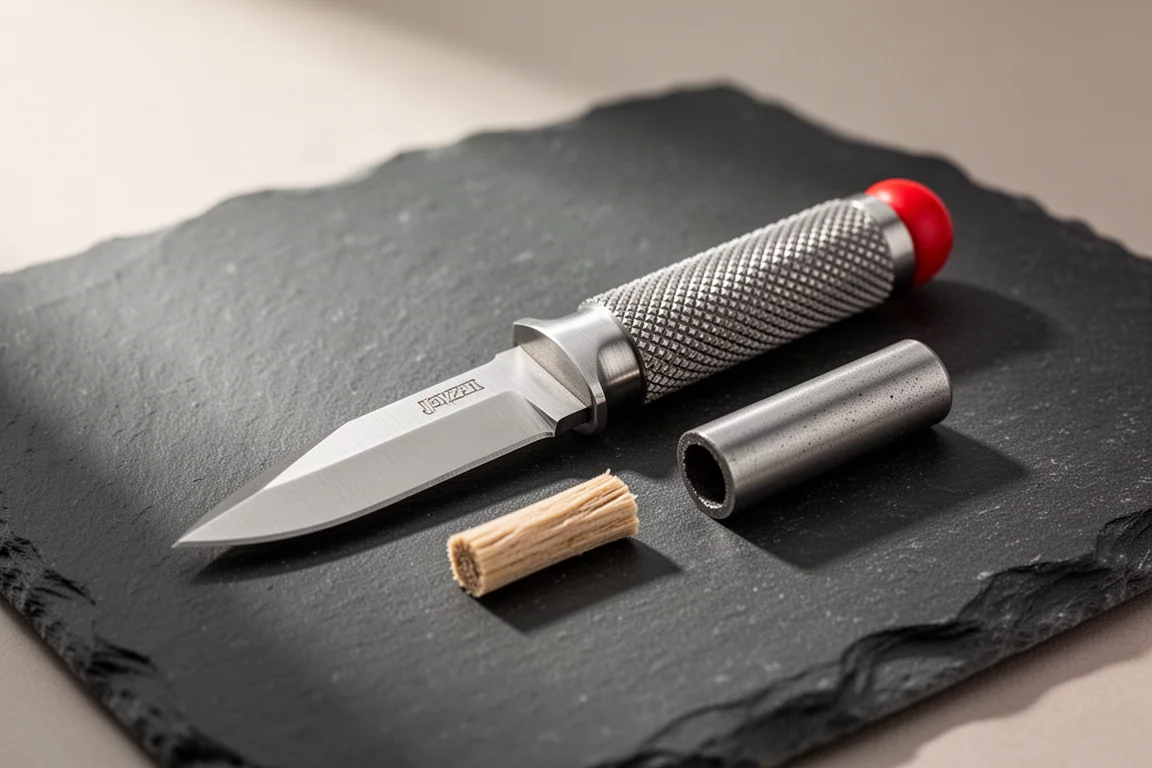
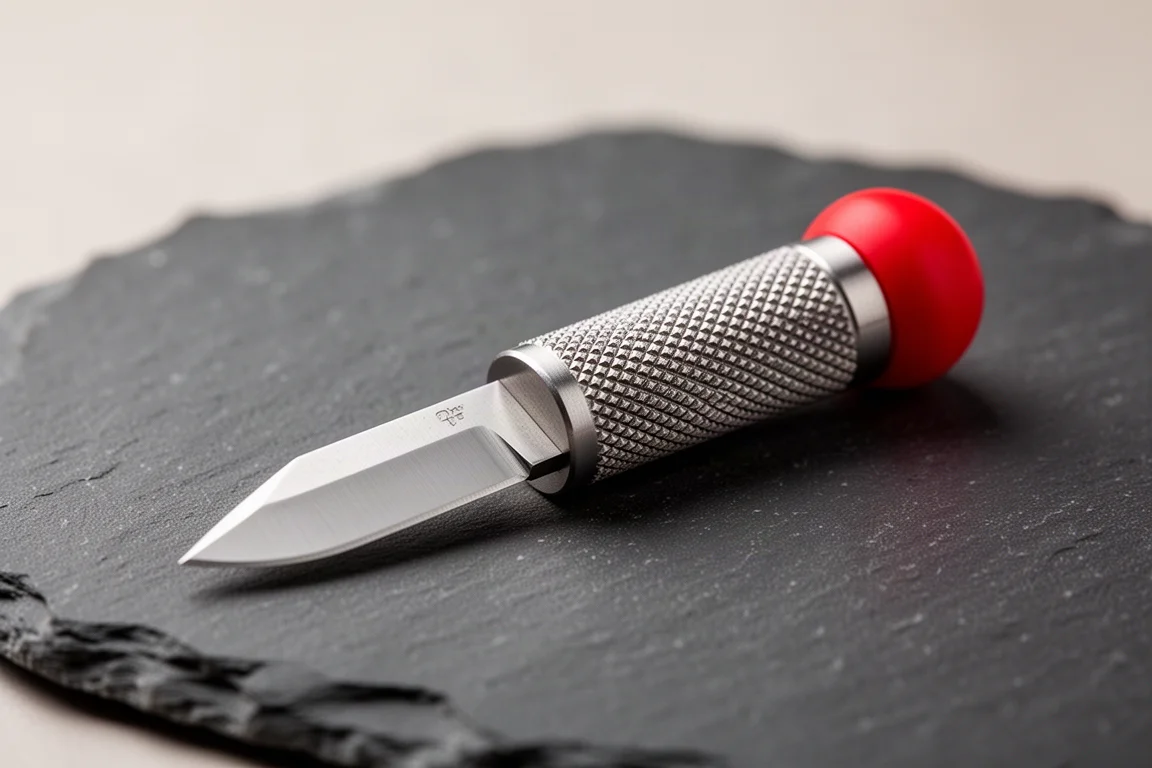
The Firefly is a tiny survival knife machined from a single piece of D2 steel, with a small drop point blade and a very tactile knurled handle. The version tested opts for an upsized “fat bottom” end cap instead of the standard flush one, and that is where it gets interesting: unscrew the bottom and there is a ferro rod built in. Unscrew a further piece and you get a tinder plug for fire starting material. There is even a whistle mode, which is pretty loud once you get the technique down.
It does not fit the typical survival knife mold at all, but it approaches the whole problem from a completely different angle: fire starter, tinder, whistle, and knife in one palm-sized tool.
Roller Tool Co M1: Pliers, Driver, and Pry in One
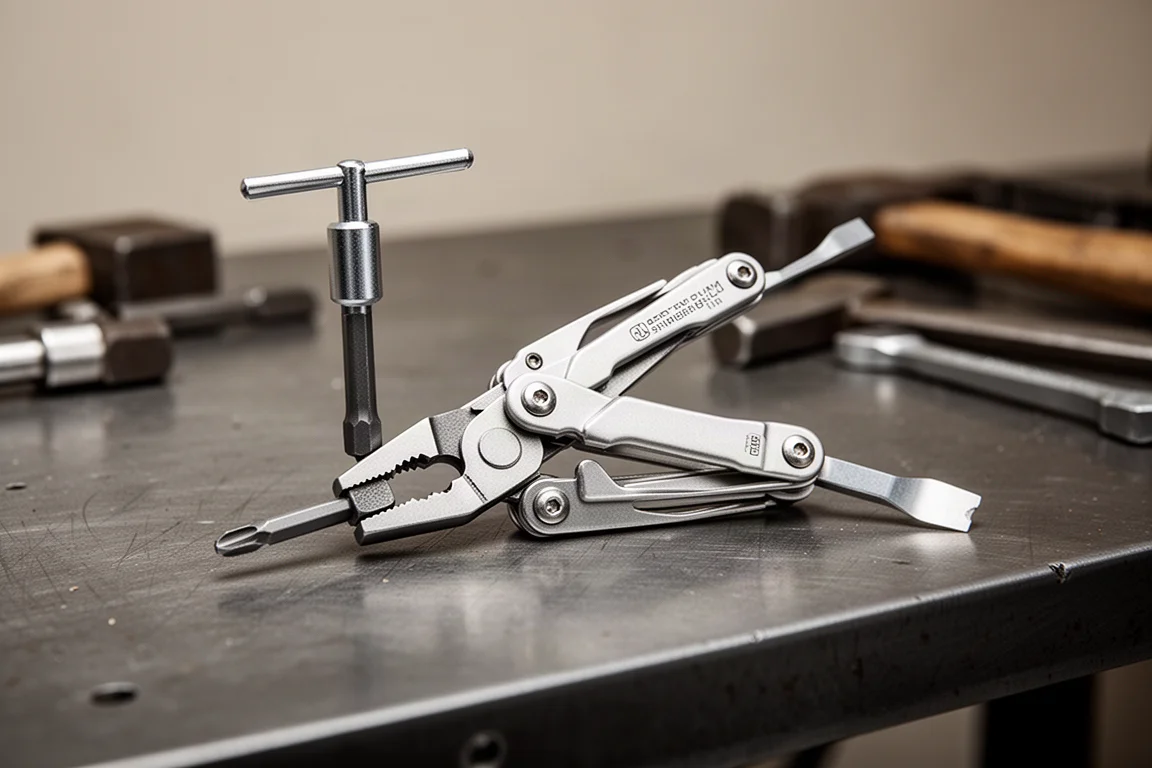
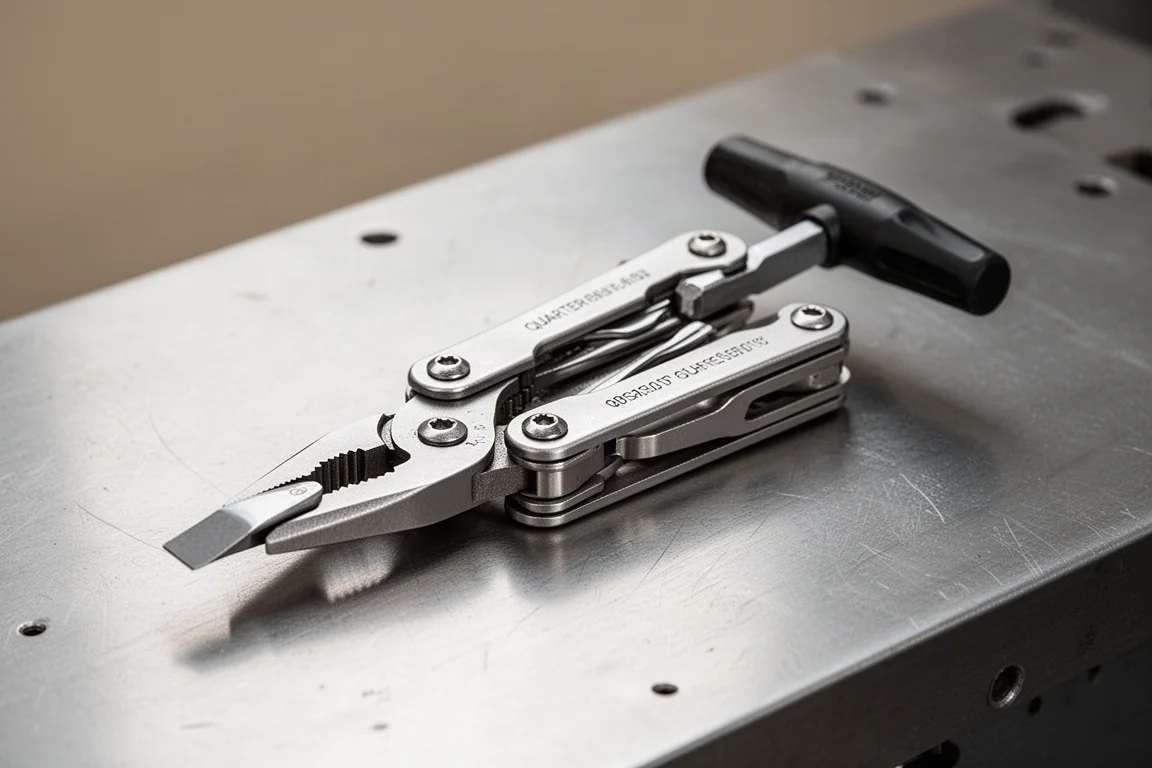
The M1 is a compact tool combining slip jaw pliers, a T-handle 1/4-inch driver on one side, and a flathead slash pry on the other. Three tools in one very small package. It is the kind of indie concept that makes you want to support a small maker and see it for yourself, and the concept really is cool.
The concerns are real, though. The tools are held closed by magnets with no detent to hold them open, so you have to keep them extended with your finger while working. More importantly, the tool is made from 303 stainless, which traditionally is not hardened, and this one is not hardened either. Over time, the jaws may mar and deform under hard use. A newer FR (full ring) version has since been released and looks like it would be more usable. Shipping has also reportedly been slow. The M1 lands on the watch list: great concept, execution still evolving.
Which One Should You Buy?
If you want the most transformative idea here, the UG Tools Pango or Unity is the strongest pick: printed titanium handles, proven strength, and designs machining cannot match. If practicality matters most, the Tyrant Ultra turns a $9 blade swap into an endlessly fresh edge, which is genuinely useful for work. The Sanctum Hard Bar and Panacea X Firefly are compact novelty-forward picks that still function well for daily tasks. The Bad Feather Raider Creek rewards patience with a clever mechanism but shows rough finishing. The Roller Tool Co M1 is the one to watch rather than buy urgently until the hardening question is resolved. Not every item here is a game changer, and that is fine. The point is that someone is rethinking designs that have been made the same way for decades.
Conclusion
Gear gets exciting again when a maker takes a familiar concept and turns it on its head. 3D printed titanium handles, a sheath that is a pry bar, a blade you can tune to expose just the tip, a survival knife with its own fire kit: these are the ideas that stand out in a crowded market. If you are tired of the endless new-product cycle, look for the piece here that genuinely makes you want to get hands-on. That instinct is usually the right one.
Further reading
Related Reviews

EDC Gear
Clip and Carry SLYDEX Wallet Review: A Slim Kydex EDC Option
A detailed look at the Clip and Carry SLYDEX wallet, a slim Kydex card holder with a simple design, generous capacity, and a few sharp edges to consider.
EDC Gear
Battlefield Custom Creations Review: Handmade Leather EDC Gear Worth a Look
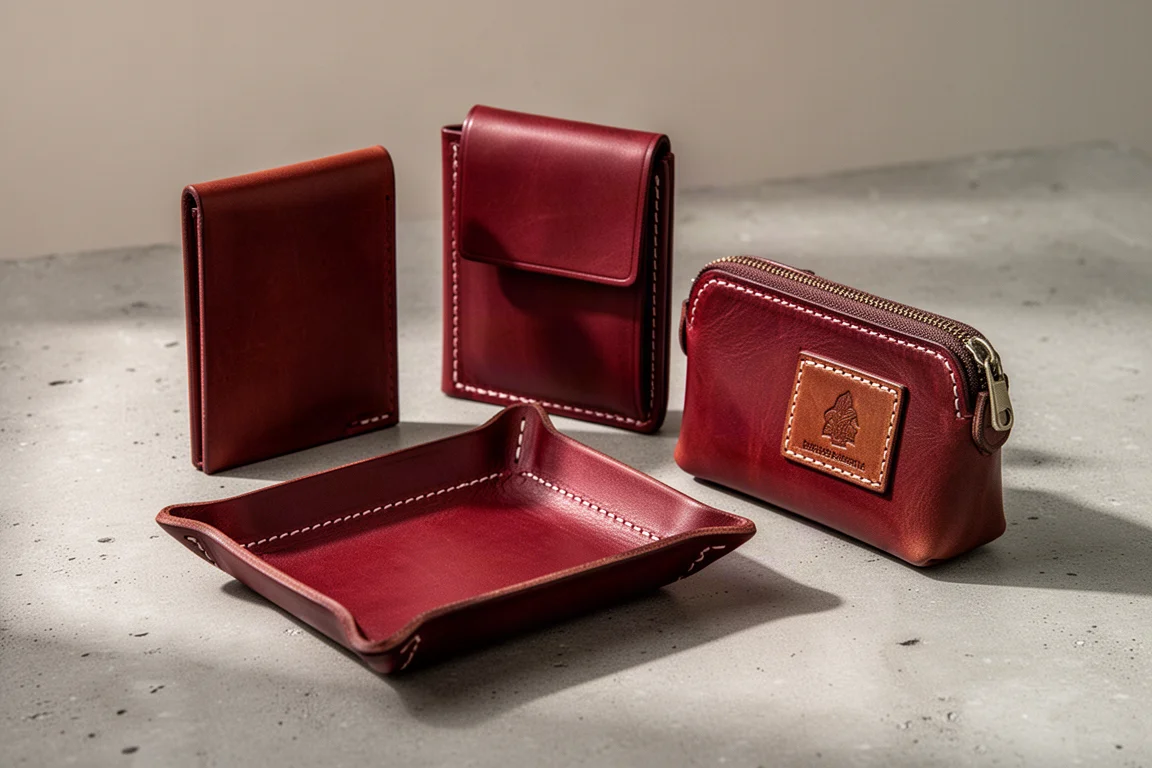
A small-batch leather shop making wallets, valet trays, and EDC pouches by hand, including the Garrison wallet, Holdfast valet tray, and Frontline Mini EDC pouch.
EDC Gear
Budget EDC Gear Roundup: A Wallet, Multi-Tool, Knives, and Sharpeners Worth a Second Look
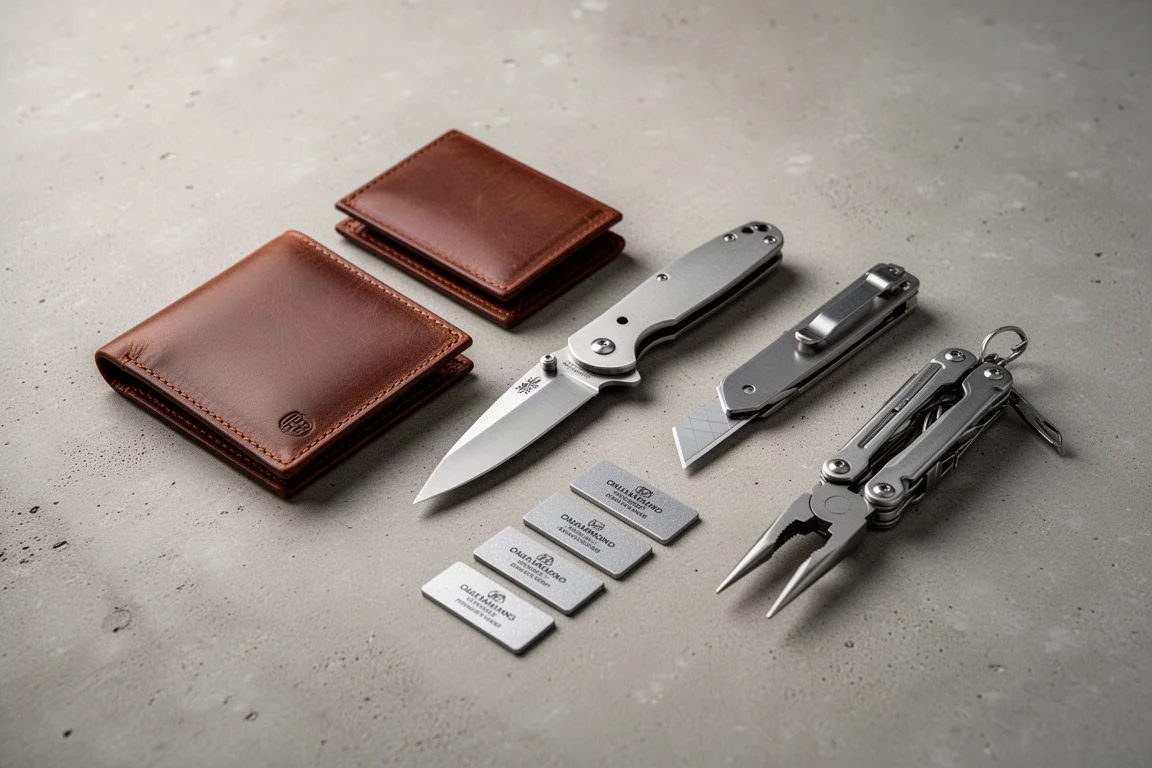
Five budget EDC products, including a genuine leather RFID bifold wallet and a keychain multi-tool, with honest notes on what works and what does not.