Everyday Carry
Gear of the Week: Multi-Tools and Everyday Knives Worth a Look
Nine compact tools and knives, from budget-friendly Nextool multi-tools to premium Victorinox hardware and well-priced EDC folders.
Introduction
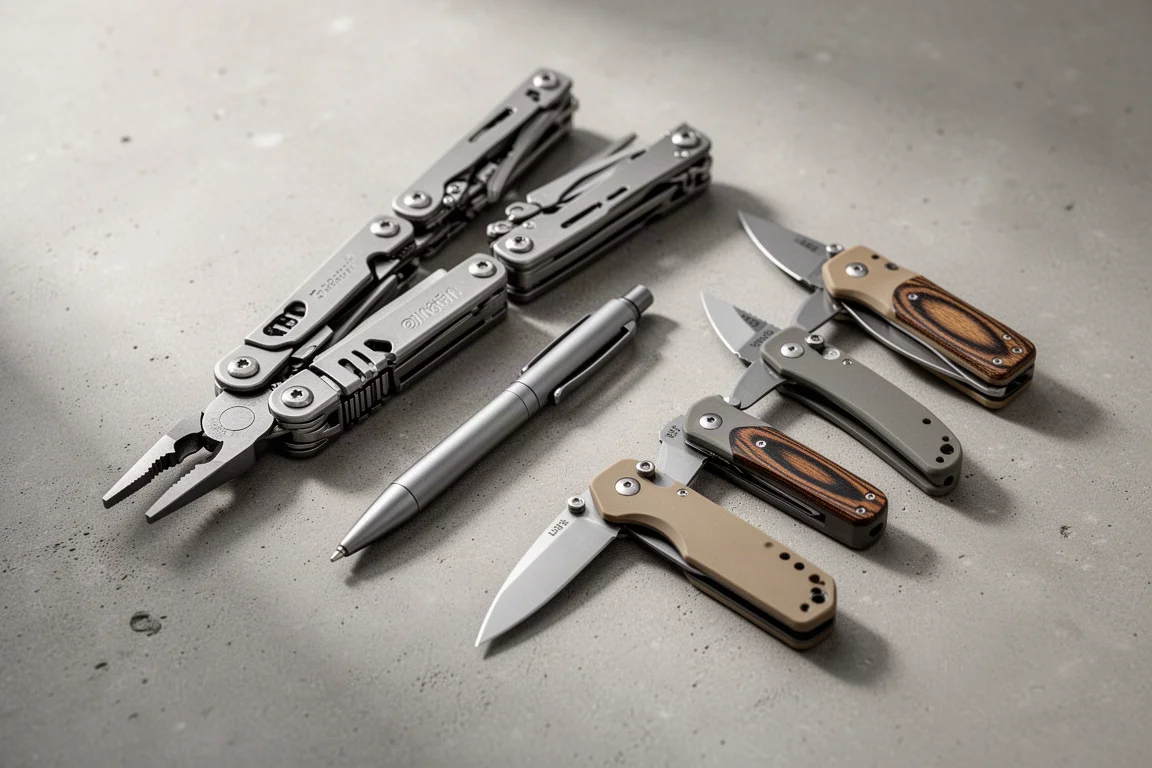
This week’s gear roundup covers a lot of ground: two Nextool multi-tools in different sizes, a pair of long-awaited Victorinox one-handed options, a multi-tool pen with an interesting twist, and five folding knives spanning budget and mid-range prices. Some of these are easy recommendations, a few come with real trade-offs, and one or two are simply fun designs worth knowing about. Here is how they stack up.
Nextool Flagship Pro
Nextool is one of the few brands that genuinely competes in the sub-$50 multi-tool space, with a good range of sizes and thoughtful designs. The Flagship Pro, ordered through AliExpress, is a strong example: it uses a 5Cr blade with a saw on the outside, and one of the standout features is the massive pair of inner scissors that cut remarkably well. Inside, you get spring-loaded pliers with replaceable wire cutters, and the overall weight feels nicely balanced in hand.
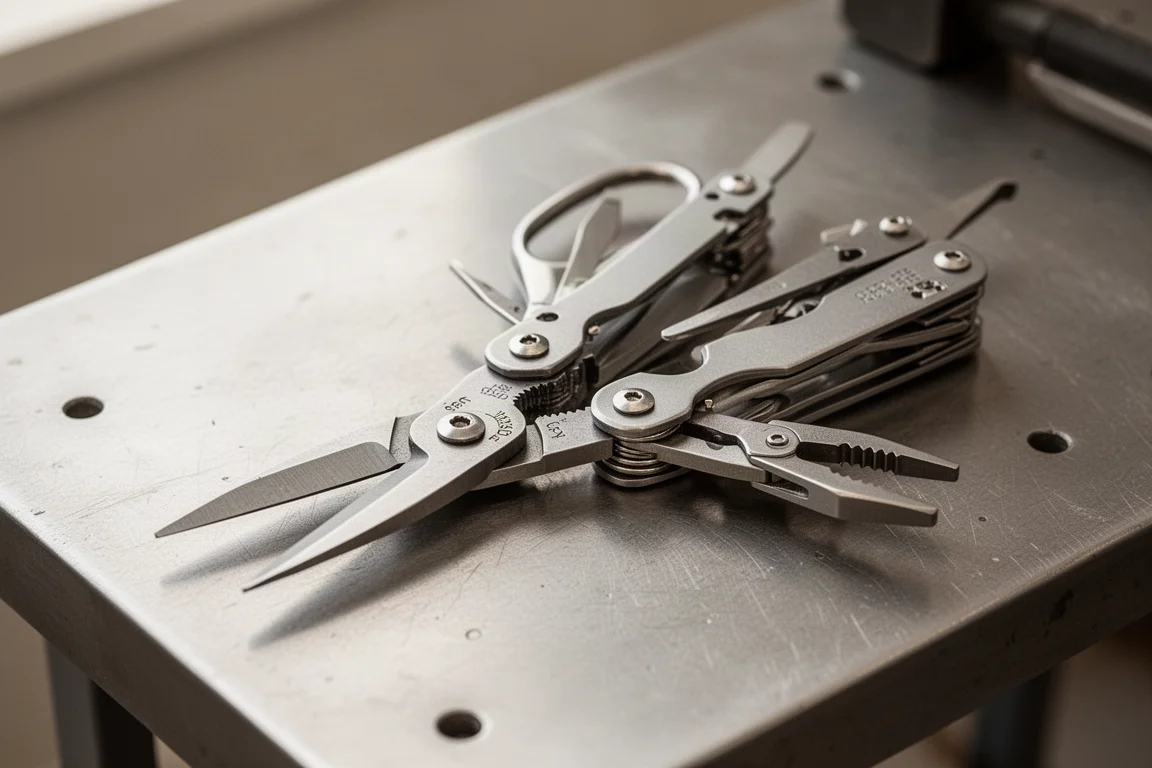
Where it falls short is the small implements. They do not lock, and the combinations are odd: a pull cutter paired with a Phillips driver with no locks, a standalone can opener, and a bottle opener plus Flathead. Without decent steel or locking, these feel like an afterthought. There is also a model in the range that uses snap-off blades instead of a standard blade, which would be interesting to see transplanted into other multi-tools. A dedicated Kydex case designed specifically for the Flagship Pro is available alongside the tool, which came in under $40.
Nextool Mini Flagship Pro
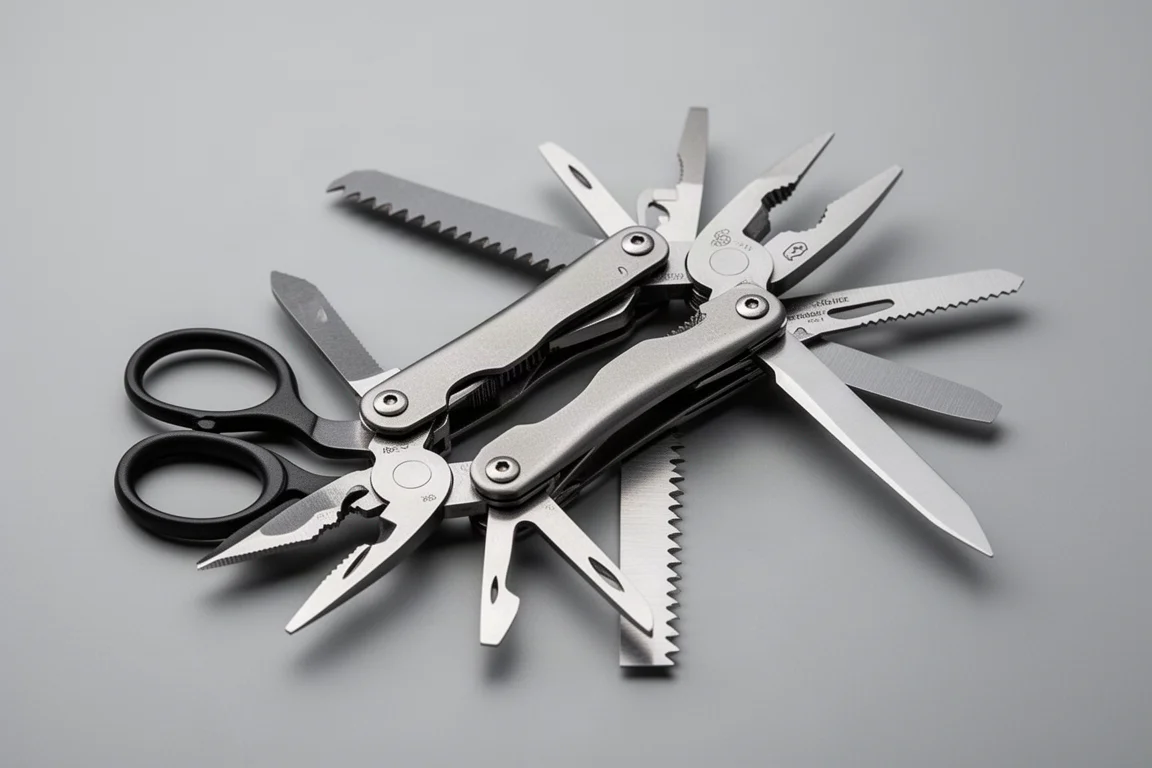
The Mini Flagship Pro has a claim as one of the better small multi-tools available, and the version reviewed here is branded by Oite but is identical to the Nextool. In this scissor variant, the pliers are swapped for a large pair of scissors, and the combination of pliers plus scissors at roughly 3 oz is genuinely hard to beat at this size.
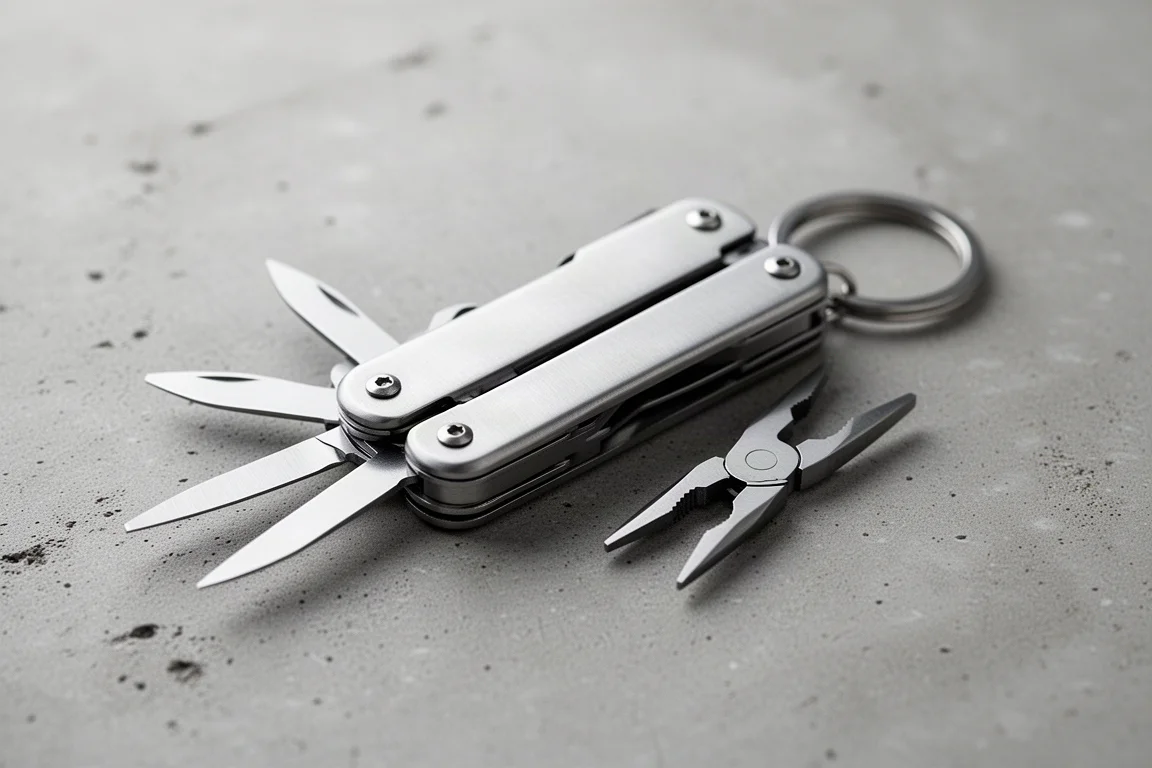
The trade-off is worth understanding. The large scissors cut very well, but the small pliers that replace the full-size ones are essentially unusable. Since precision tasks usually need a short scissor edge rather than a long one, the plier version of this tool is almost always the smarter buy: it keeps the excellent small scissors and a genuinely functional plier head. One intriguing idea for the future: replacing the blade with a file would create a TSA-friendly multi-tool, under $25, that could fill the gap left by the discontinued Leatherman Squirt PS4. The scissor version does include that file, which is the main reason to consider it.
Victorinox Swisstool One-Handed
Victorinox makes some of the highest-quality multi-tool implements in existence, but the company changes slowly, so a one-handed blade plus pocket clip on a Swisstool was a genuine surprise. After a minor modification (grinding the blade tangs slightly to ease deployment), this became one of the most-carried multi-tools on hand, and it is arguably the easiest multi-tool to recommend once that quirk is addressed.
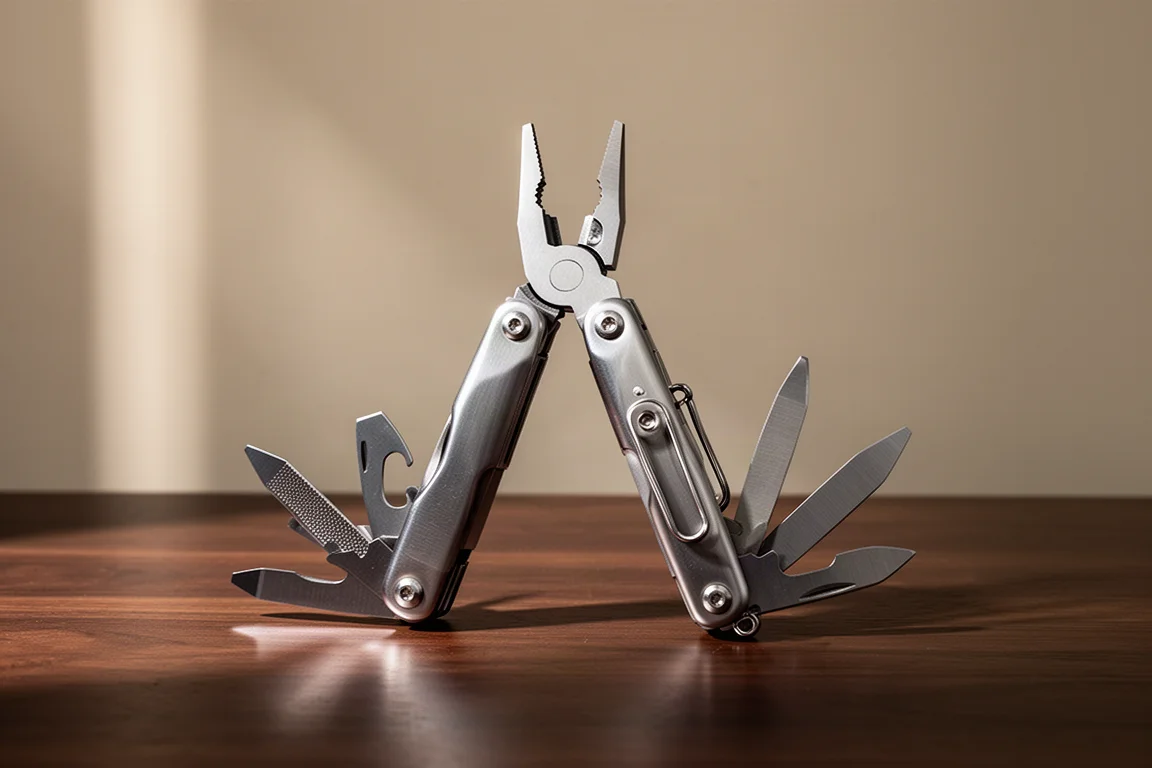
At around 9 oz it carries better than the weight suggests. The headline advantages over the smaller Spirit are the scissors, which open far wider and perform noticeably better, plus longer implements and a larger, more substantial plier head. The trade-offs: the Swisstool uses an older combo tool design, whereas the Spirit has the improved version, and the Flathead combination tool on the large model has been eroded somewhat to fit the bottle opener. It is back in stock now, which has not always been the case.
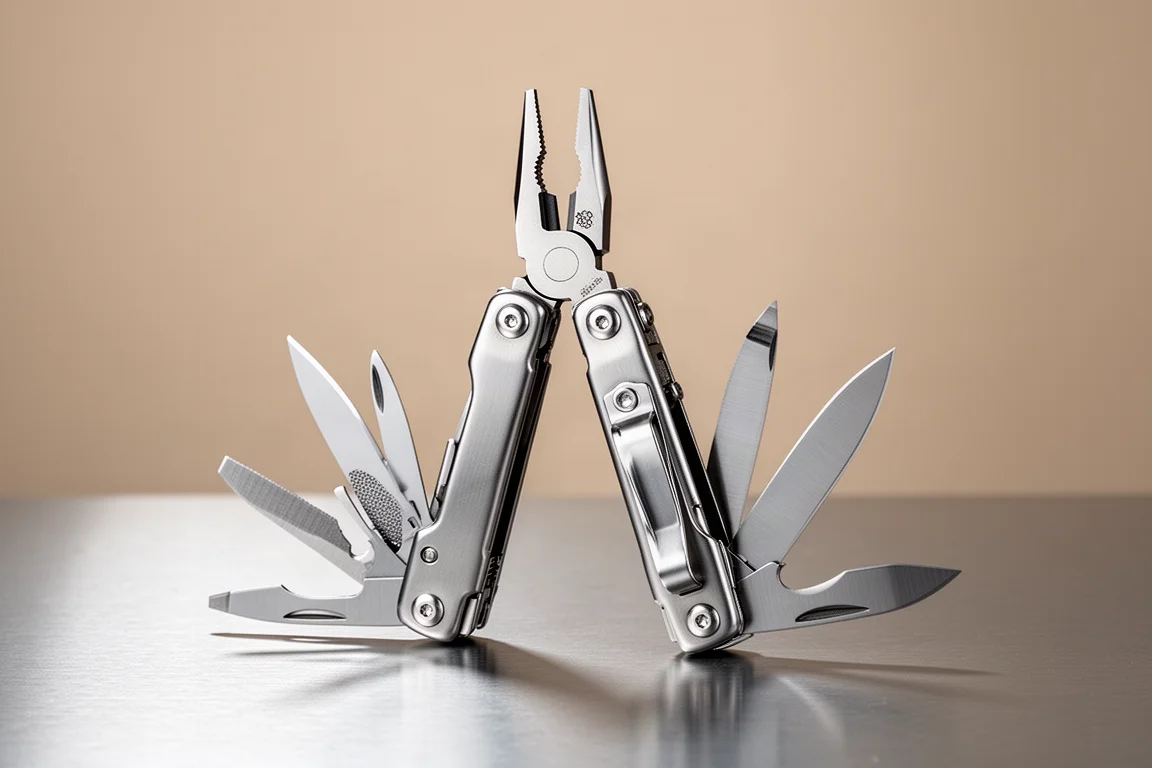
Victorinox Spirit
The Spirit shares the one-handed blade and pocket clip treatment and is the lighter of the two at 7.9 oz. Its advantages are real: the improved combo tool (a package opener, chisel, large wire stripper, and V-notch wire stripper in one) is one of the cleverest implements around, and the Flathead combination tool is the superior of the two designs.
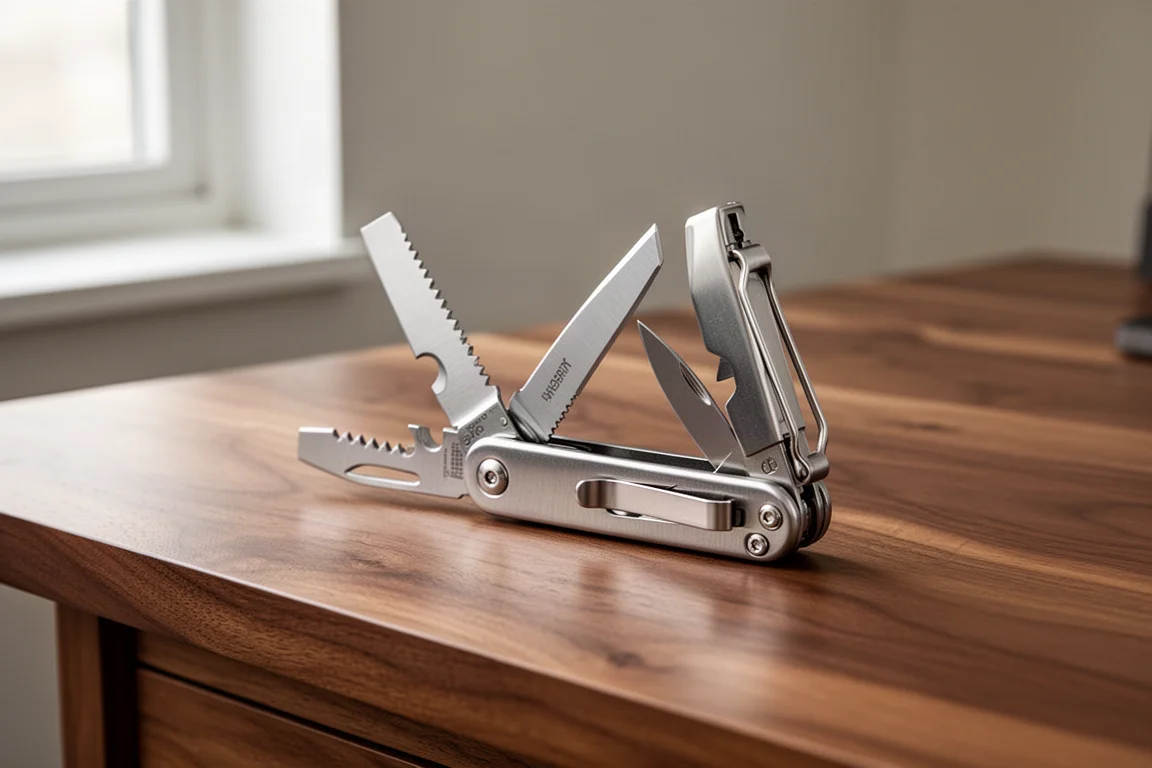
Between the two, quality is exceptional either way; this is plausibly the highest-quality multi-tool you can buy, comfortably above competing brands. Choose the Swisstool if better scissors and bigger pliers matter most, and the Spirit if you value the lighter carry and the better small implements. One note for both: the fold-over tab on the blade is simply how Victorinox does it, so do not expect that to change.
Bullet Ant 2.0
The Bullet Ant 2.0 is a multi-tool pen that has earned a permanent spot in a holster since its original Kickstarter run. The mechanism is clever: push down for the pen, stop in a neutral middle position to expose a bit, and lock it in place to access the other bit stored at the top. It ships with a Lamy pen insert, and typical loads include T6 and T8 bits that pair with whatever else you carry.
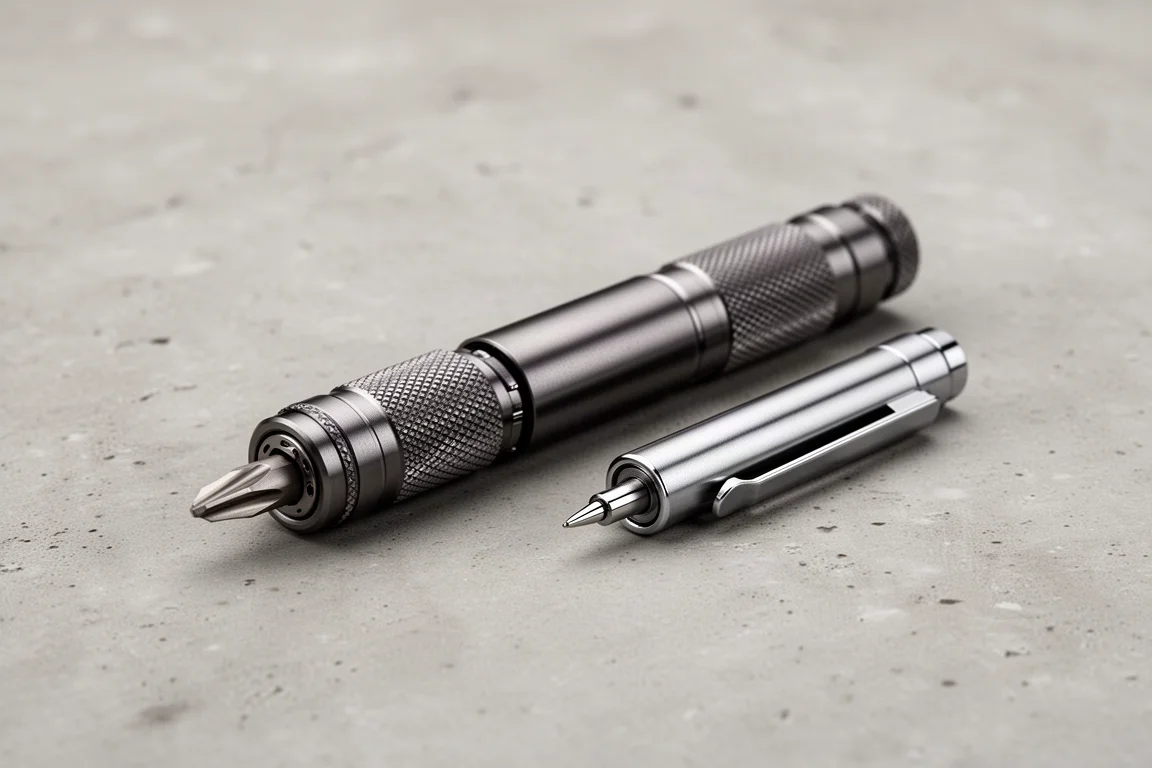
A new shorter variant is currently on Kickstarter, swapping the pen insert for a lead attachment so it works as a pencil, with a glass breaker on one side and the same bit driver and storage. It is a sensible option for people in construction or trades who prefer pencil over pen, though for everyday carry the pen version remains the more versatile pick.
Bestech Glock
The Bestech Glock is an interesting design from a maker who clearly enjoys compound grinds, and it is easy to see why. The two grind sections create different edge geometries: a thicker, tougher tip and a thinner cutting edge further back, which changes how the blade performs depending on where you cut.
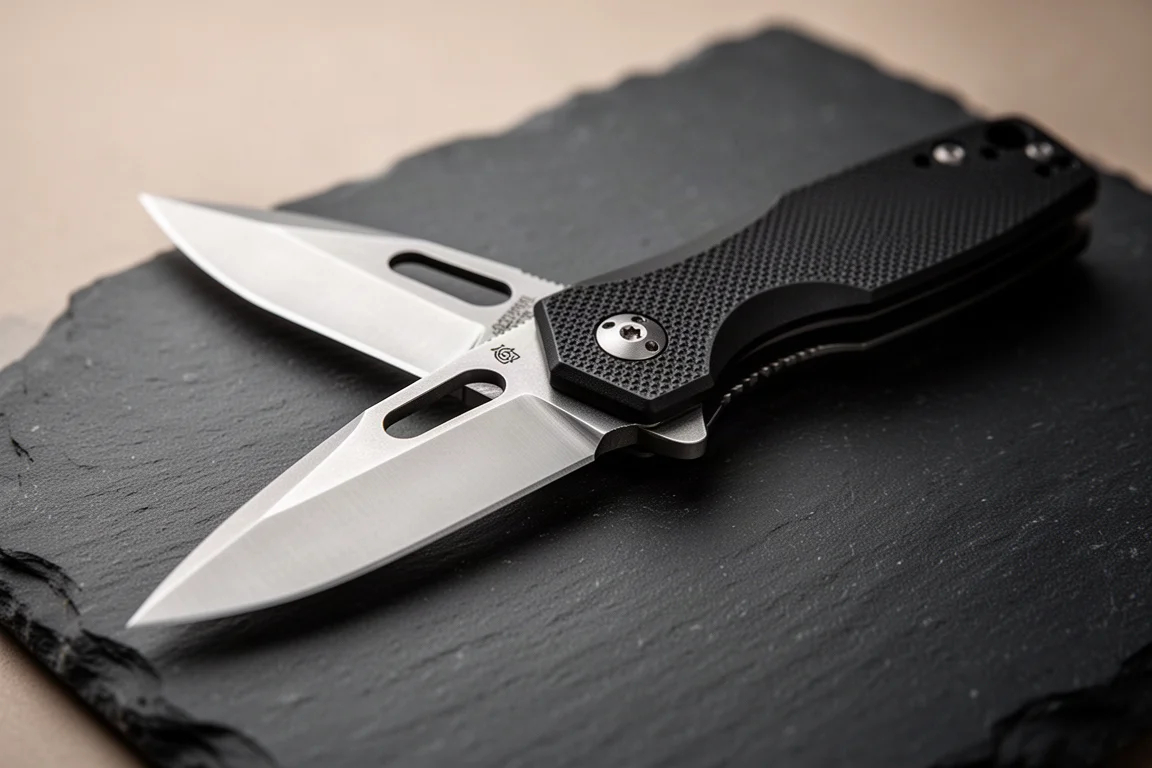
The button lock is one of the smoothest actions encountered, and the 14C28N steel is a meaningful upgrade over the D2 seen in earlier Bestech releases. The jimping deserves special mention: it is dense and close-set, gripping like finger velcro without hurting, and it sits exactly where it should for easy press-out. The handle shape is unusual, wide and form-filling, though the angle could arguably be more gradual. As a budget-priced folder, this is worth considering.
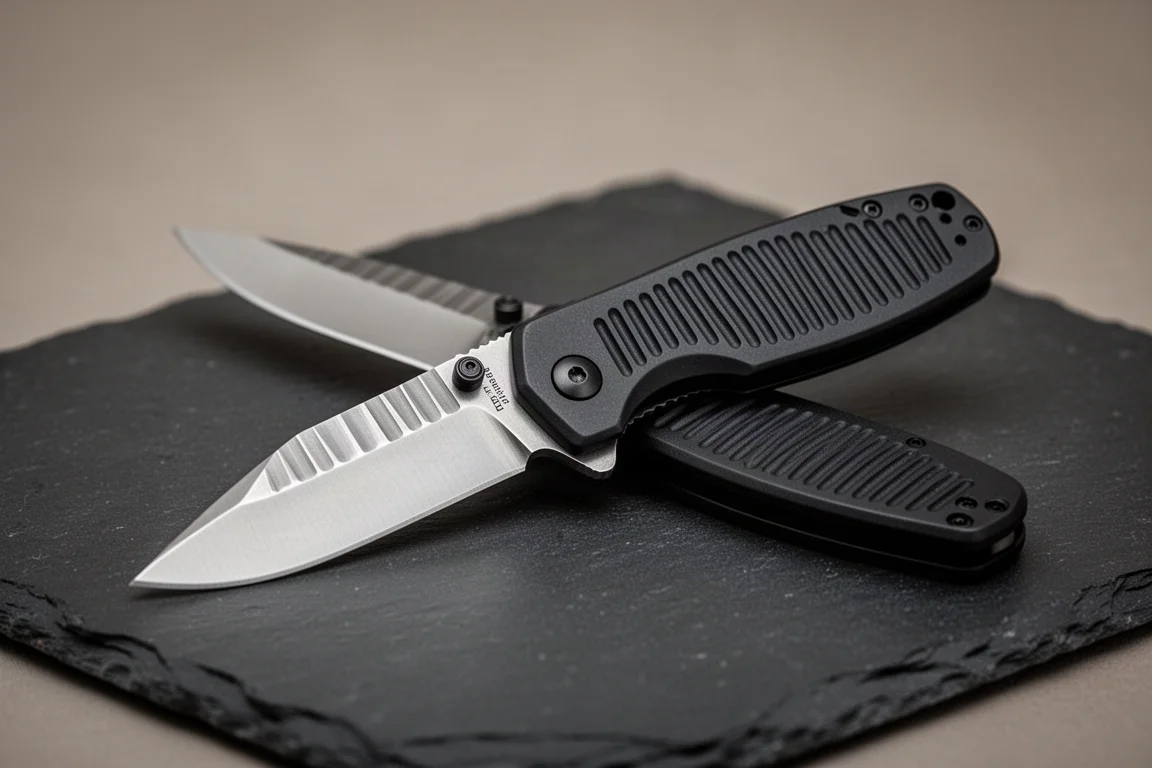
Sencut Trexler
Sencut, a WE Knife Co brand, delivers reliable fit and finish, though its pricing often sits slightly above where the steel suggests it should. At sub-$40 with Micarta handles, the Trexler is one of the more reasonable entries in the lineup on 9Cr-series steel.
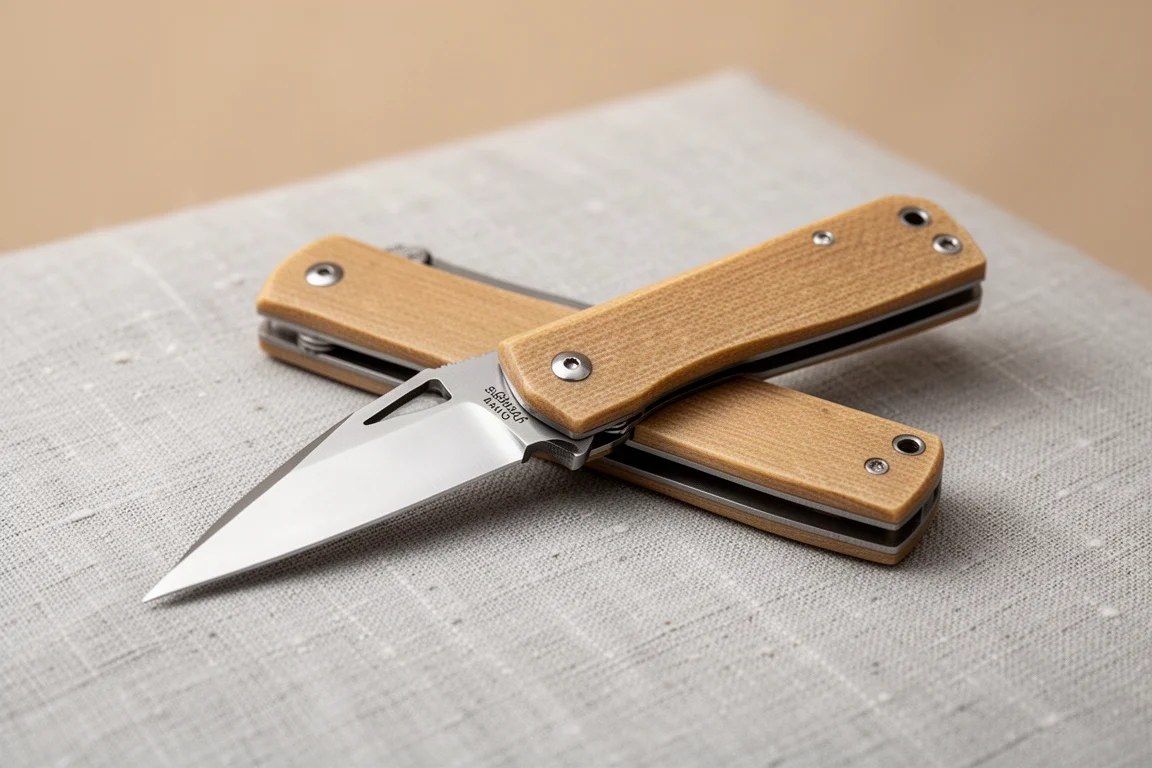
The blade shape is the interesting part. The tip design is not particularly functional and a simple drop to the point might have worked better, but the blade weight distribution makes it launch open exceptionally well. If you collect different blade shapes, it is an intriguing one; the handle is serviceable without being remarkable.
CJRB Pyrite Mini
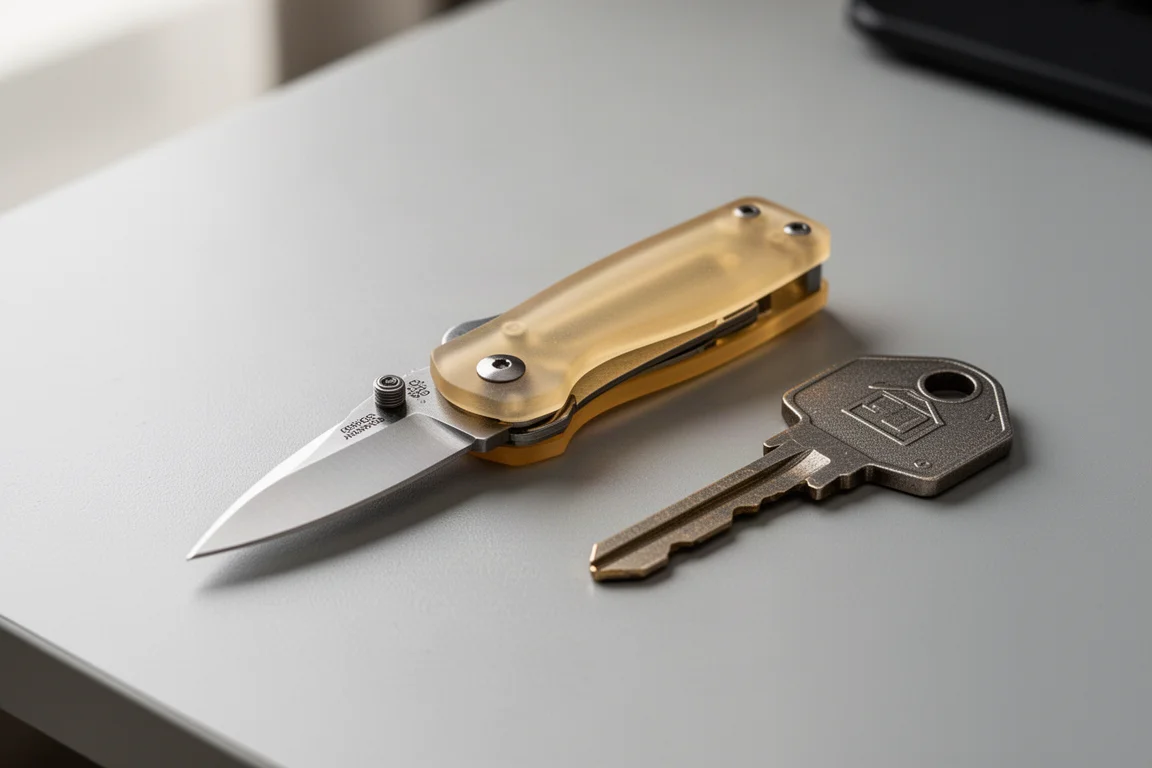
The CJRB Pyrite Mini shares its handle design with the Micah but uses a sheepsfoot-style blade shape that suits small knives well, since these are mostly draw-cutting tools rather than heavy utility blades. The version shown here in polished ultem is genuinely striking, and ultem as a handle material is having a real moment in the knife community. If ultem is not for you, G10 and mil-spec carbon fiber versions are also available.
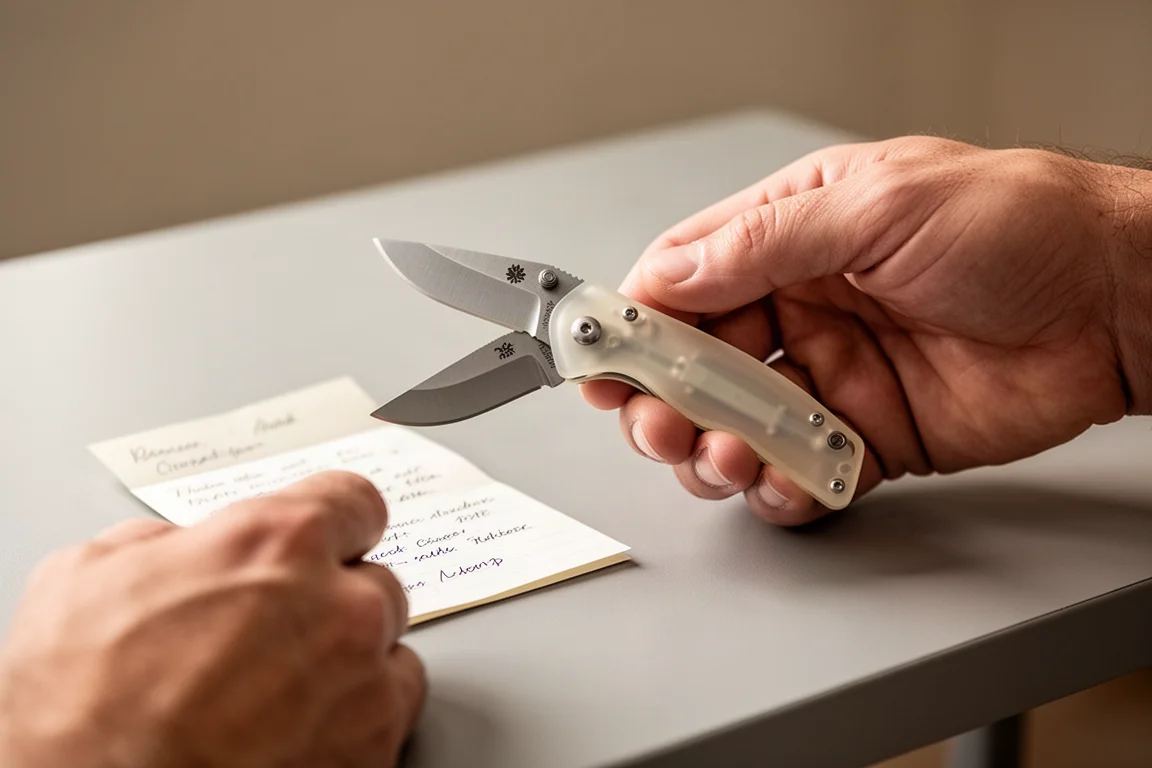
It is surprisingly small, much smaller than the Baby Banter it inevitably gets compared to, but still offers close to a four-finger grip. The forward finger position is a touch small, but pressing into the handle rather than the blade feels fine. Unlike the thumb-stud Micah, this one has a blade cutout that makes two-handed opening easy and intuitive, which matters for anyone still building opening technique. The blade curves away from the handle, adding clearance for using more of the edge. Of the two small CJRB knives, this is the stronger pick, and it looks like a home-run release.
CJRB Micah
The Micah uses the same handle platform with a drop-point blade and a thumb stud instead of the cutout. This review unit pairs black Micarta with a black finish on 14C28N steel, with an excellent blade shape and handle.
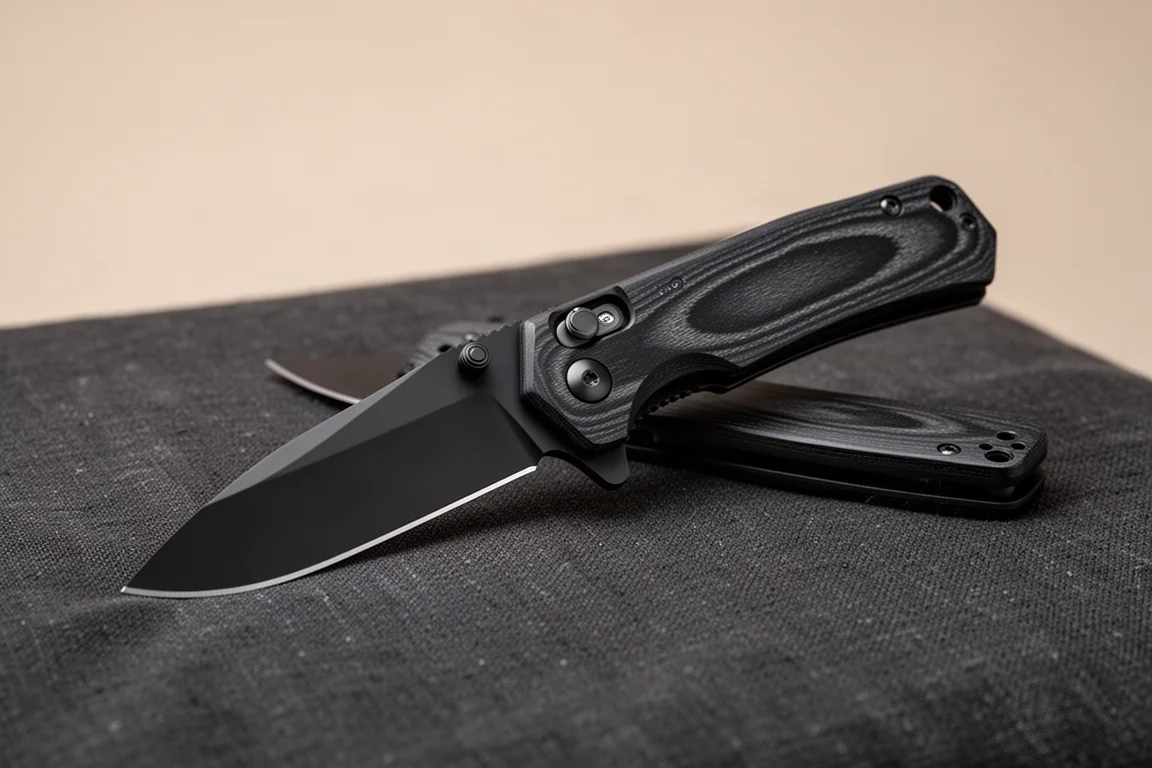
What makes it genuinely different is the mechanism. Most button locks on bearings let the blade drop free the moment the button is pressed, which demands muscle memory to keep fingers clear. The Micah adds a ball detent pressing against the blade as it travels, slowing the close dramatically even on bearings. That makes it a genuinely good choice for anyone intimidated by fast-closing button locks, or for learning a new mechanism two-handed with far less risk. It is also heavily discounted right now, which makes it an even easier recommendation.
Buying Advice
If you want one multi-tool, the Victorinox one-handed options are the quality ceiling, with the Swisstool for heavier tasks and the Spirit for lighter carry. For tight budgets, the Nextool Mini Flagship Pro in the plier version is the small-tool pick, and the Flagship Pro covers full-size needs under $40. Among the knives, the CJRB Pyrite Mini stands out for design and usability, the Bestech Glock for action and steel at a budget price, and the Micah specifically for anyone nervous about button-lock closing speed. Watch for brand sales: the Sencut and CJRB parent companies run them regularly, including around Black Friday.
Conclusion
This week’s lineup shows how much choice exists at both ends of the everyday carry market. The Victorinox tools justify their reputation, the Nextool options prove a good sub-$50 multi-tool is possible, and the knife selections range from a slowing-detent button lock that beginners can trust to a polished ultem gem. The right pick depends on whether you prioritize carry weight, price, or a specific mechanism, and there is something here for each of those priorities.
Further reading
Related Reviews

Everyday Carry
Everyday Gear That Deserved a Second Look
A roundup of solid everyday carry items: watches, pens, a pencil, a knife, and a smart ring that each earned a place on the table.

Everyday Carry
KORE Tactical Bifold Wallet Review: A Durable Everyday Carry Option
A close look at the KORE Tactical Bifold Wallet, a reinforced nylon wallet with magnetic closure and room for cards, cash, and IDs.

Everyday Carry
Krabby Wallet Review: A Slim, Simple Carry That Has Stood the Test of Time
A closer look at the Krabby Wallet, a slim canvas and elastic design with a loyal following and a simple, functional approach to everyday carry.