Power Tool Accessories
Gator Prospec Reptilian Sanding Discs: A Smarter Design That Really Does Last Longer
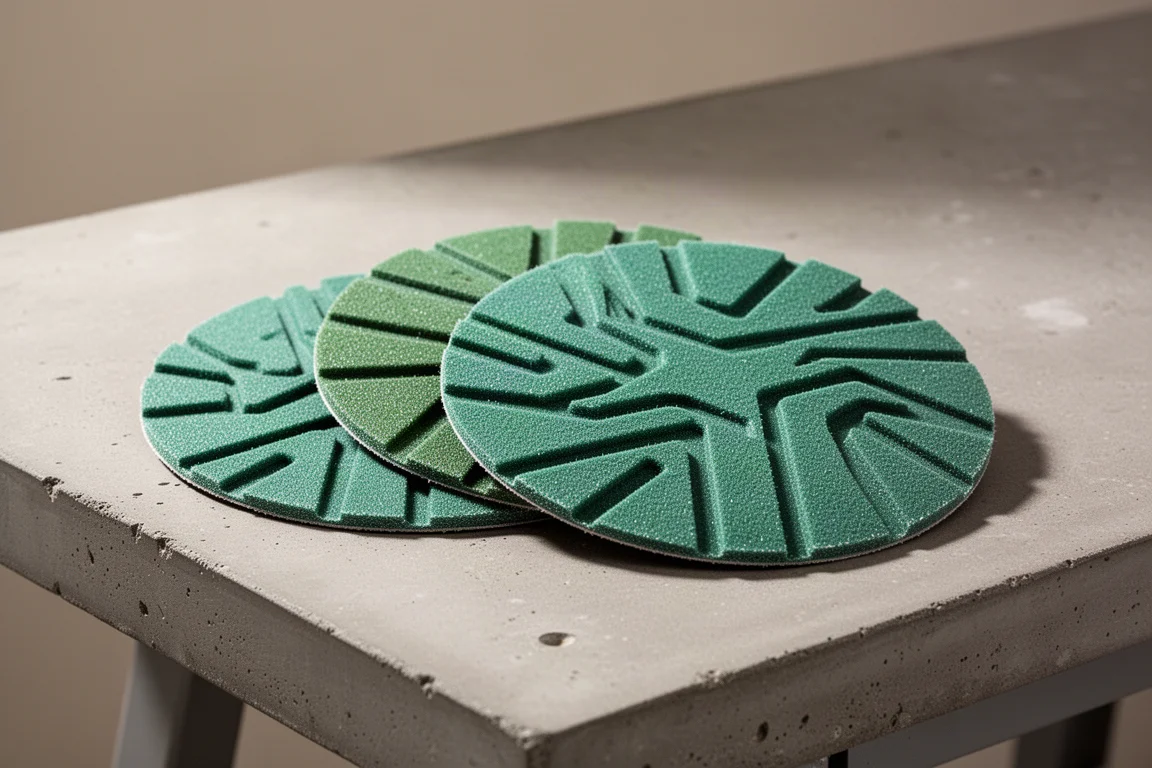
Gator's Reptilian line uses an arrow-shaped active matrix pattern to channel debris away from the disc, resisting clogging and extending sanding time in real projects.
Introduction
Sanding discs are one of those consumables most of us buy without thinking much about, and then grumble about every time one clogs up halfway through a job. Gator’s Prospec Reptilian line of sanding discs and pads takes a genuinely different approach to the problem, and after putting it to work on a real project, the difference is easy to see.
The headline claim is a “4X longer lasting” active matrix technology. That is a bold number for a sanding disc, but the design itself is visible the moment you look at one, and the real-world behavior backs it up better than most marketing claims in this category.
What Makes the Reptilian Design Different
The easiest way to picture the Reptilian pattern is a slotted and drilled brake rotor. Instead of one flat piece of raw sandpaper, the disc surface is built from raised arrow-shaped abrasive sections with flat channels between them. Those channels give dust and debris somewhere to go as you sand, rather than letting it pack into the abrasive face and clog it up.
It is a simple idea, but it addresses the number one reason sanding discs slow down and die early: clogging. Traditional discs load up with sawdust, glaze over, and stop cutting long before the abrasive is actually worn out. The Reptilian channels actively work against that, helping the disc sand faster and keep cutting for longer.
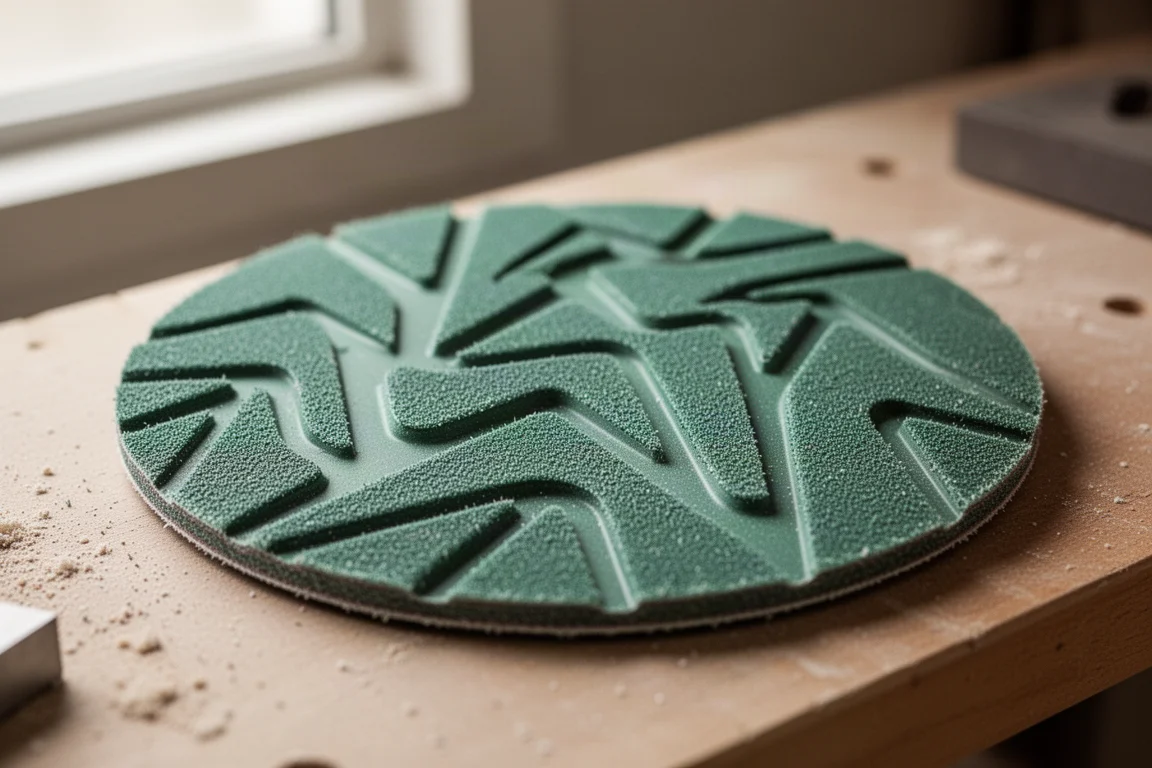
On a standard disc, you would expect the surface to be packed with material after just a few minutes of work. With this design, debris is pushed through the channels and out through the sander’s dust extraction, which keeps the abrasive face clean and working.
Real Project Test: Restoring an Outdoor Table
To see how the discs perform in practice, a small rustic outdoor garden table made a good test subject. The plan was to sand off the top layer of paint and get the surface down closer to bare wood so it could be restained in a darker accent color.
Since the table was already fairly smooth, starting with 120 grit made more sense than jumping to 80 grit. The goal was removing the finish layer, not reshaping the wood. As always with this kind of work, safety glasses and an N95 mask are non-negotiable.
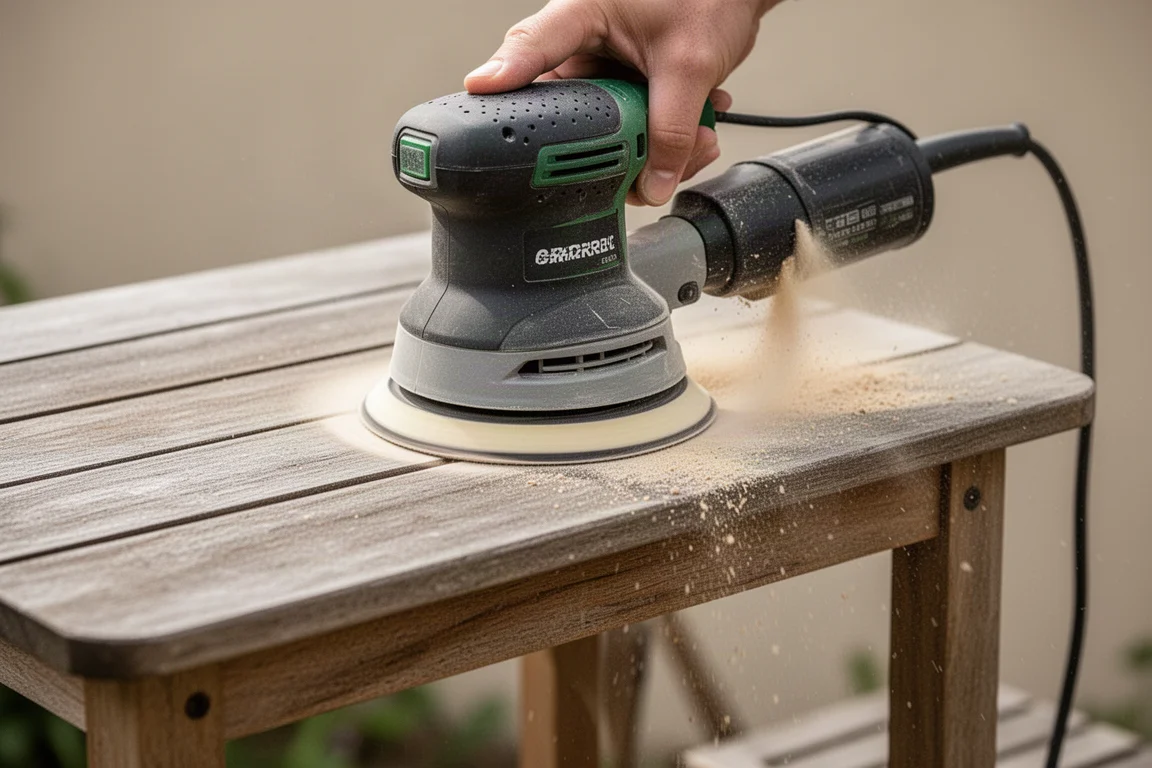
The result after roughly two and a half minutes of sanding was striking: about 95 percent of the paint came off in that time, leaving only a few small spots to clean up. Just as telling, the disc itself came away almost completely free of debris. With most other discs, that same session would have left the surface caked with sawdust and the abrasive glazed over.
Another detail worth noting: the sander’s exhaust port was visibly blowing debris out during use. That confirms the channels are doing their job, moving dust off the disc and into extraction instead of letting it build up on the abrasive face.
Finish Quality and Ease of Use
Cutting speed matched expectations for a 120 grit abrasive, which is exactly what you want. The disc removed material quickly and left a clean, even surface that was ready for a follow-up pass with a finer grit before staining.
Wear was also minimal after that first session. On these discs, fresh abrasive shows green, and worn areas turn blue. After significant use, only small patches had turned blue, with most of the surface still untouched and ready to keep cutting.
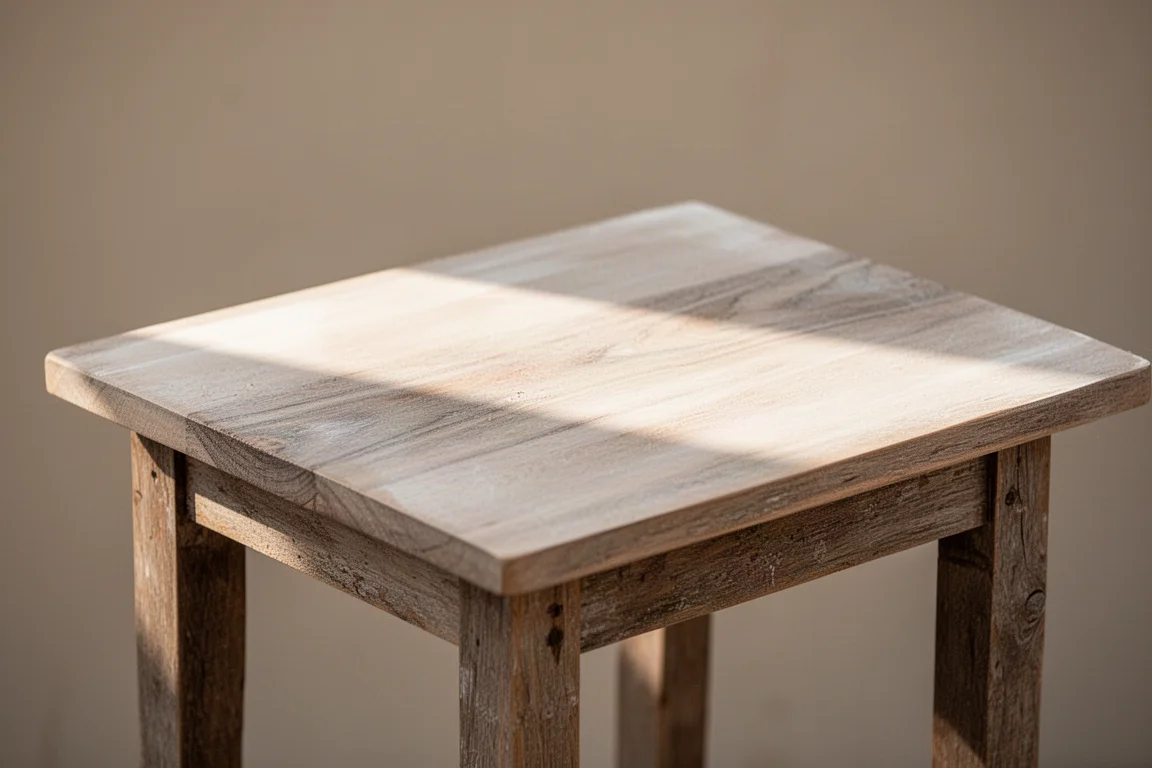
For anyone doing furniture restorations, paint removal, or general prep work before staining, that combination of fast cutting and a clean finish is the whole point. Less time fighting clogged discs means the job simply goes faster.
Durability: Does the 4X Claim Hold Up?
An exact 4X lifespan is hard to verify, because real wear depends heavily on the material being sanded and how aggressive the work is. What can be said confidently is that these pads lasted noticeably longer than anything else used in comparable projects, staying cleaner and cutting for far more time before wearing out.
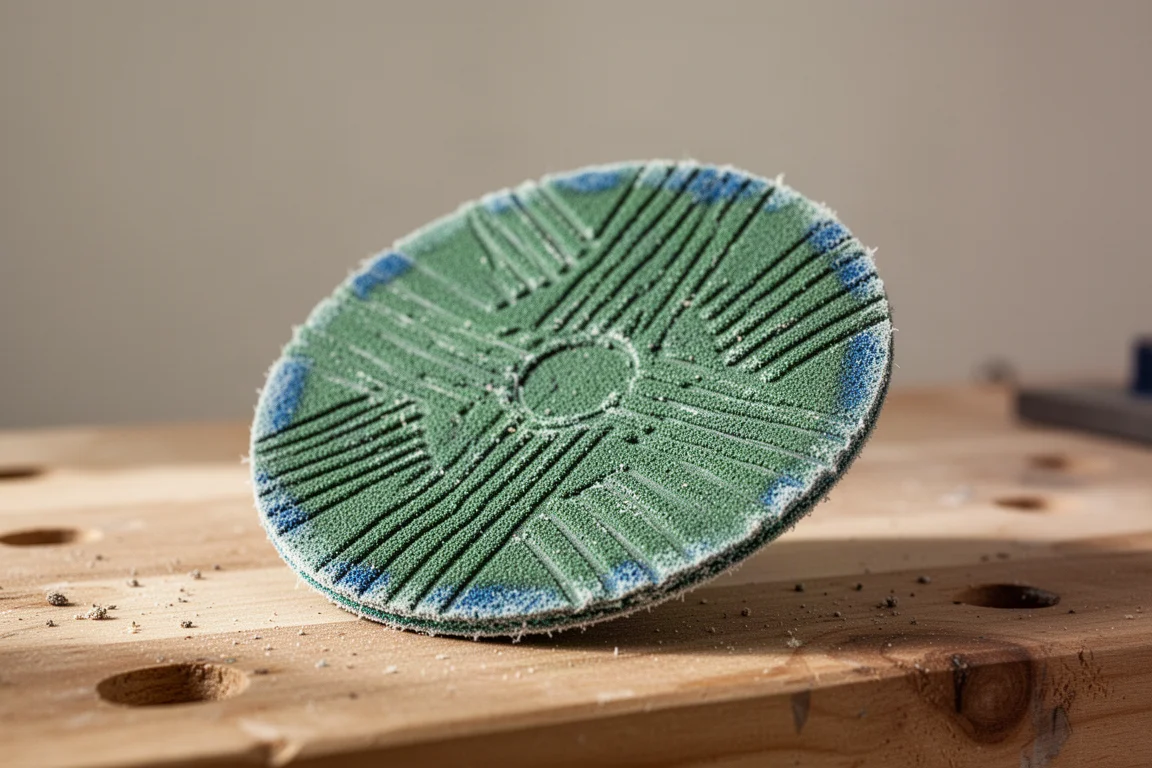
The wear indicator is a nice touch in its own right. Being able to glance at a disc and see green versus blue gives you a practical read on how much life is left, instead of guessing. If the 4X claim holds even partially for your material, the discs pay for themselves in fewer replacements and less downtime swapping pads.
Buying Advice and Availability
These discs make the most sense for DIYers and woodworkers who sand regularly and are tired of discs clogging early. If you only sand once a year, a standard disc is fine. If you go through pads on paint removal, furniture prep, or restoration work, the debris-channeling design addresses a real cost and frustration.
Gator products are widely available now, including at Walmart and Lowe’s, so picking up a pack to try on your next project is easy. If you are restaining furniture or stripping a finish, starting around 120 grit and stepping up to 220 for the final pass is a sensible approach with these.
Conclusion
The Gator Prospec Reptilian sanding discs take a refreshingly practical idea, channels that keep debris off the abrasive face, and turn it into discs that cut fast, stay clean, and last noticeably longer than standard sandpaper. The 4X claim is difficult to verify precisely, but the visible resistance to clogging and the low wear after real use speak for themselves. For anyone who sands often enough to care about disc lifespan, this line is well worth a look.
Product link
View more details for Gator Prospec Reptilian Sanding Discs
This product is mentioned in the review. Check the specifications, options, and compatibility before buying.
View more details for Gator Prospec Reptilian Sanding DiscsFurther reading
Related Reviews

Power Tool Accessories
Best Drill Attachments 2026: Three DeWalt Tools Worth Buying
A practical look at three DeWalt drill attachments that deliver real value, plus the sketchy options you should skip.

Power Tool Accessories
Best Drill Bits 2026: 14 Sets Tested on Mild Steel, Spring Steel, and AR500 Armor
We tested 14 drill bit sets across mild steel, spring steel, and AR500 armor plating to find the best value, speed, and durability.

Power Tool Accessories
Best Right Angle Impact Adapters 2026: Five Options Tested for Speed, Torque, and Durability
We tested five right angle impact adapters from DeWalt, Milwaukee, Warrior, Titan, and Milescraft to see which ones deliver real performance without failing early.