Lawn Care
Gas vs Electric Lawn Mowers: Why the Price Gap Has Disappeared
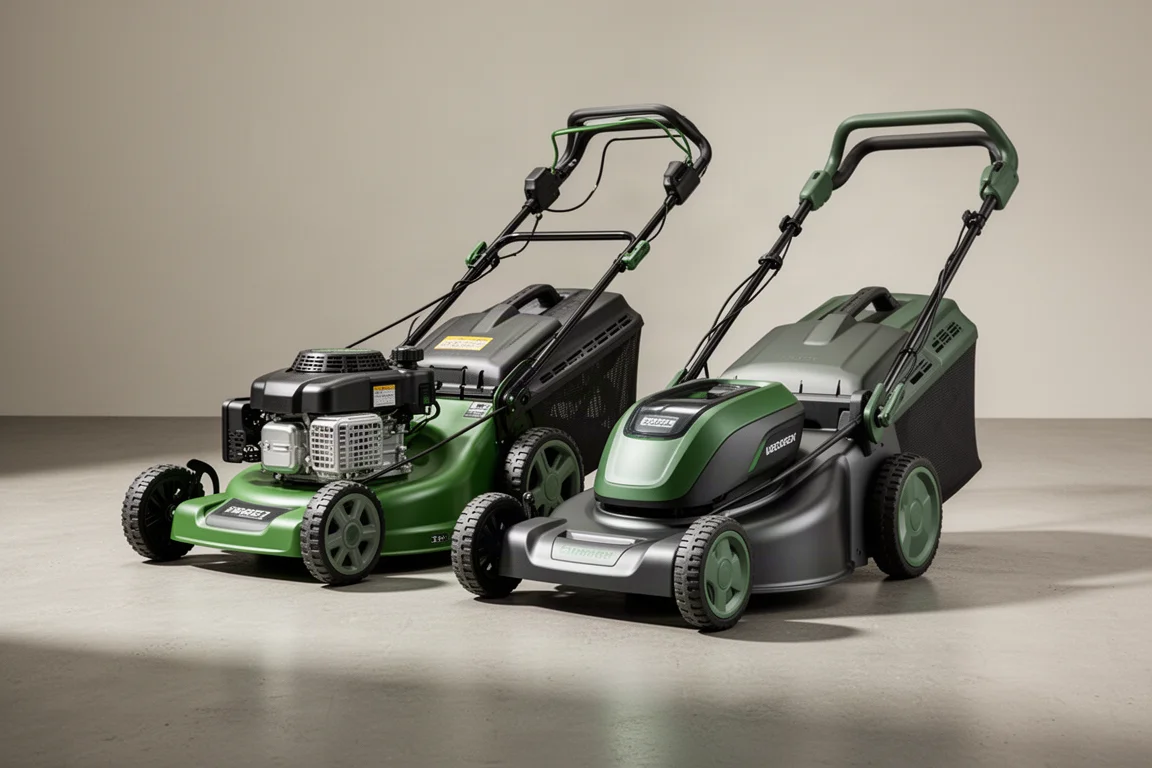
Side-by-side comparisons of gas and electric walk-behind mowers show running costs are now nearly identical, and many electric models include the battery at the same price.
Introduction
For years the argument against battery-powered mowers was simple: you pay for the fuel up front. Batteries were expensive, gas mowers were cheap, and the math seemed settled. That math no longer holds. Today, comparable gas and electric mowers often sell for nearly the same price, and when you factor in yearly running costs, the difference is roughly a dollar or two per year.
The bigger picture helps too: most American yards are smaller than half an acre, and most are under a quarter acre. That is exactly the territory where walk-behind mowers, especially electric ones, are designed to shine. This roundup walks through real price comparisons at several tiers, so you can see where gas still makes sense and where electric quietly wins.
Why Running Costs Matter More Than Sticker Price
Batteries are consumables. A lithium-ion pack can only be recharged so many times before capacity fades, so replacement cost belongs in any honest comparison. When recharge electricity and eventual battery replacement are factored in, a basic gas push mower costs about $71 per year to run, a self-propelled gas mower about $92, and an electric mower roughly $72. That is with DIY maintenance included and national average fuel and electricity prices.
In other words, electric costs about a dollar or two more per year at worst, and some models come out ahead. Buying an electric mower today is no longer pre-paying for fuel; at current pricing, the included battery is essentially free fuel for the battery’s warranty life.

Budget Tier: YardMax vs Greenworks
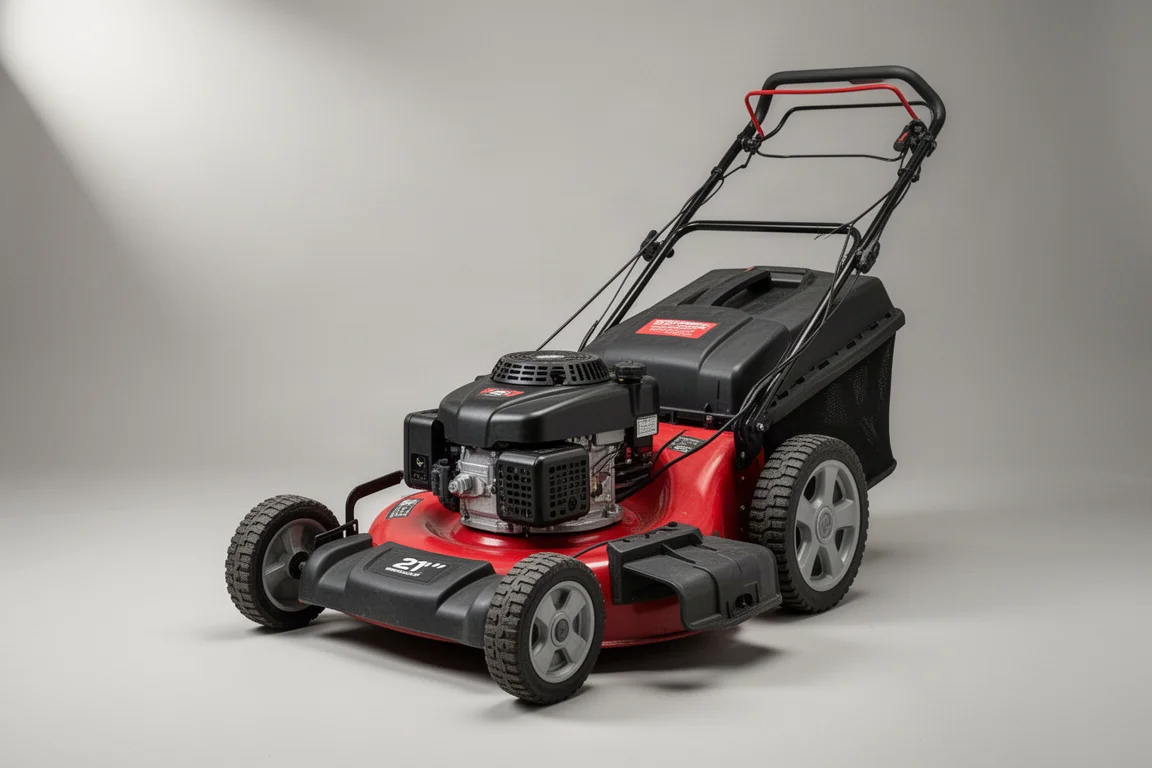
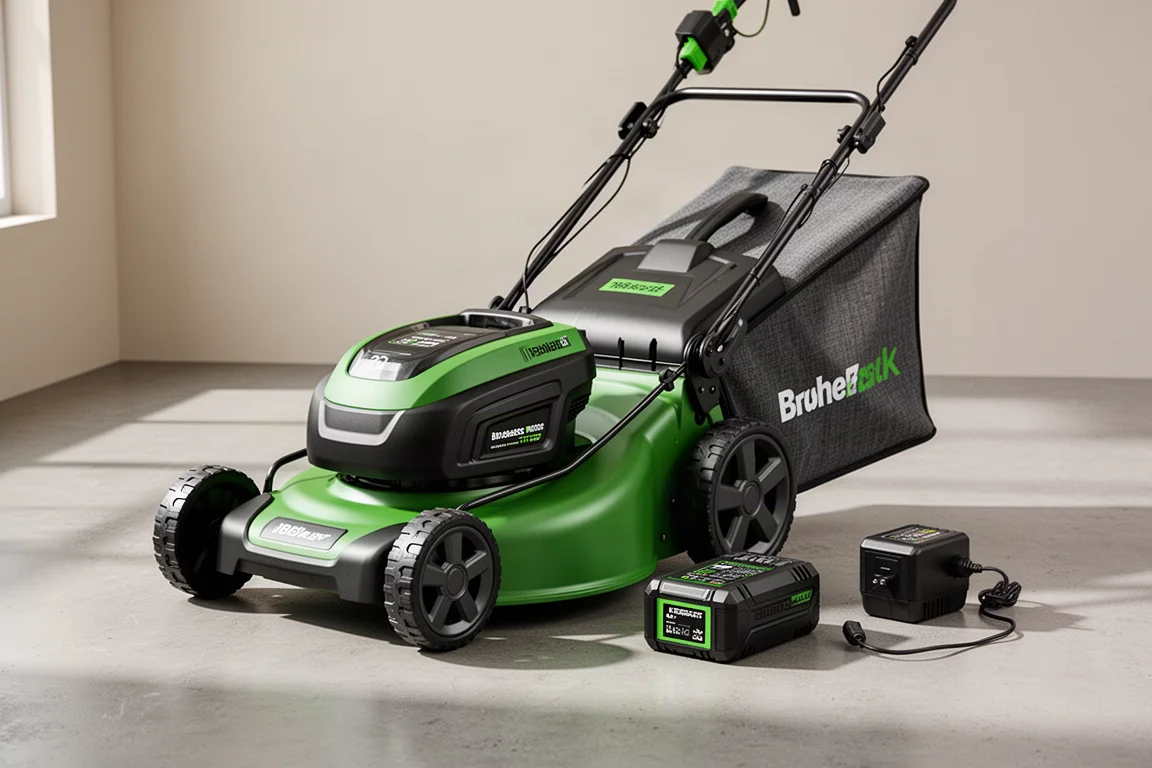
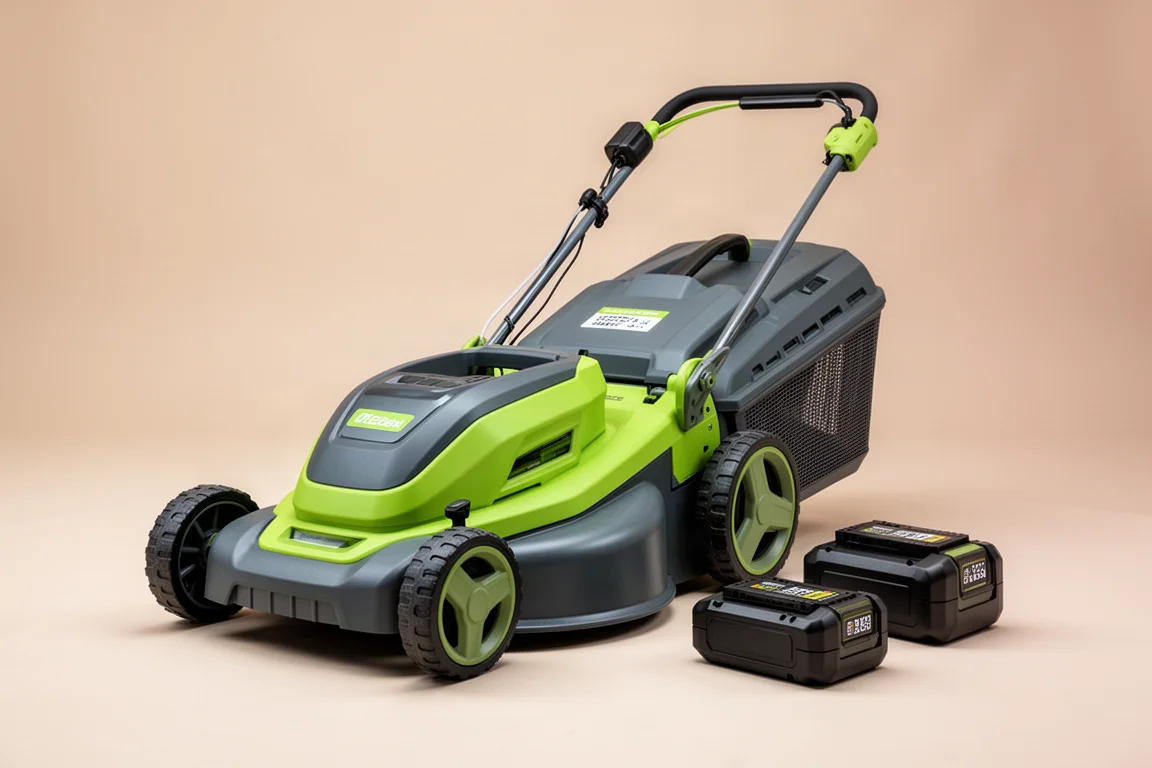
The cheapest gas mower at a major national hardware retailer is the YardMax 21-inch 170cc, a two-in-one walk-behind with high rear wheels at $250.99. It has no self-propulsion and no bag. Against it, the Greenworks 40V 20-inch brushless mower with a 4.0Ah battery and quick charger sells for $274, with the battery and charger included. The roughly $25 difference essentially buys you the bag. Greenworks is one of the largest sellers of outdoor power equipment in the US and also supplies other brands, so parts and support are not a concern here.
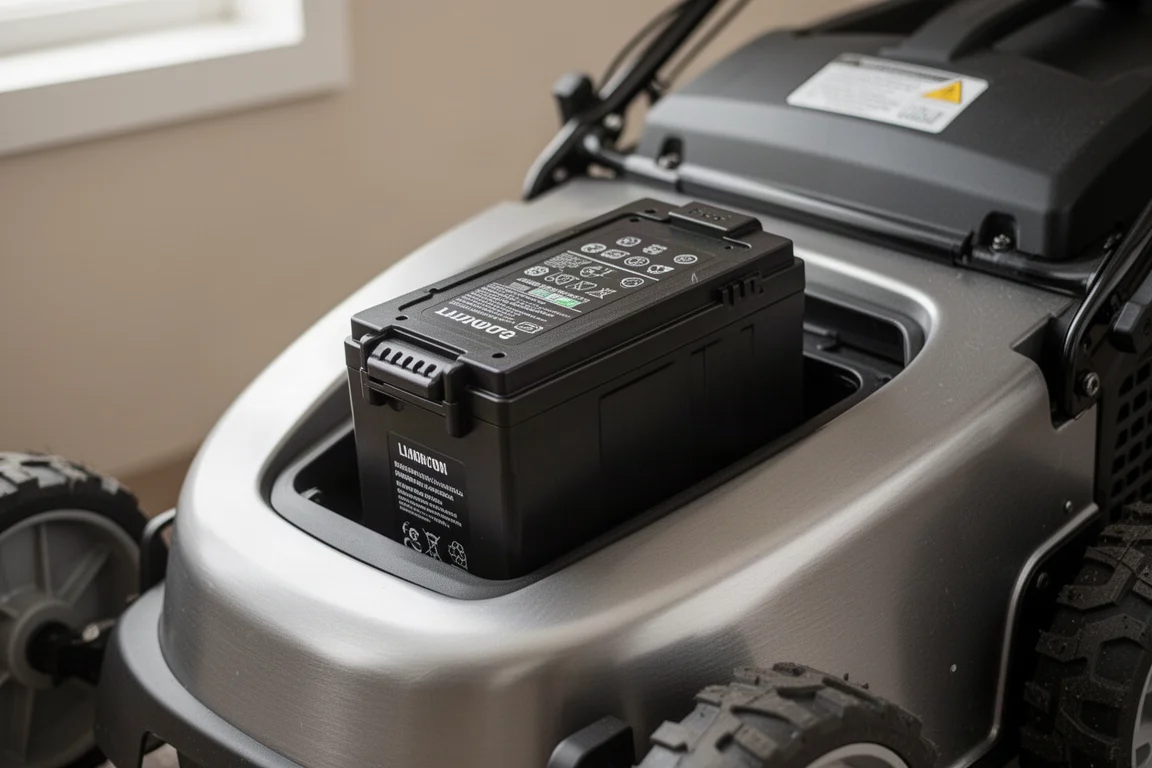
On runtime, both are scaled for the same job: a quarter to half acre. The Greenworks will do a half acre on a single charge, and battery swapping is faster than refueling a gas tank. The classic objection, that you can keep refilling a gas mower for larger properties, applies mainly to jobs nobody should be doing with a mower this size anyway.
Mid Tier: Troy-Bilt vs Hart
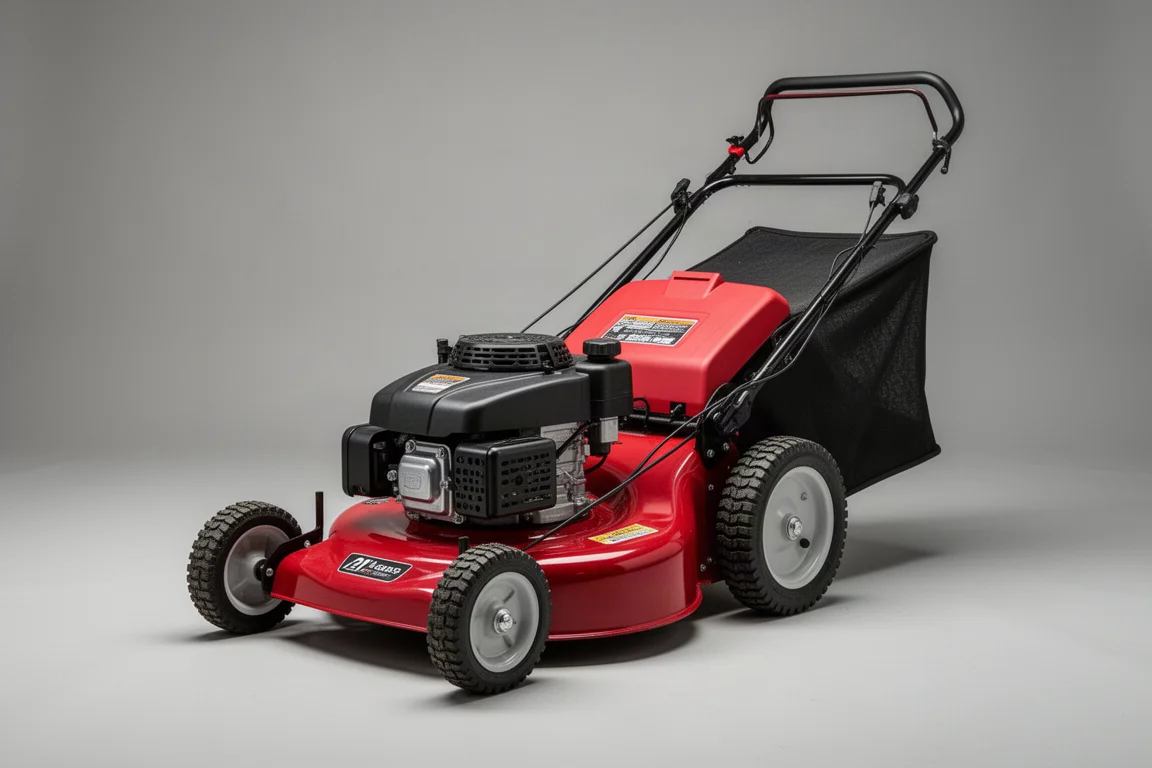
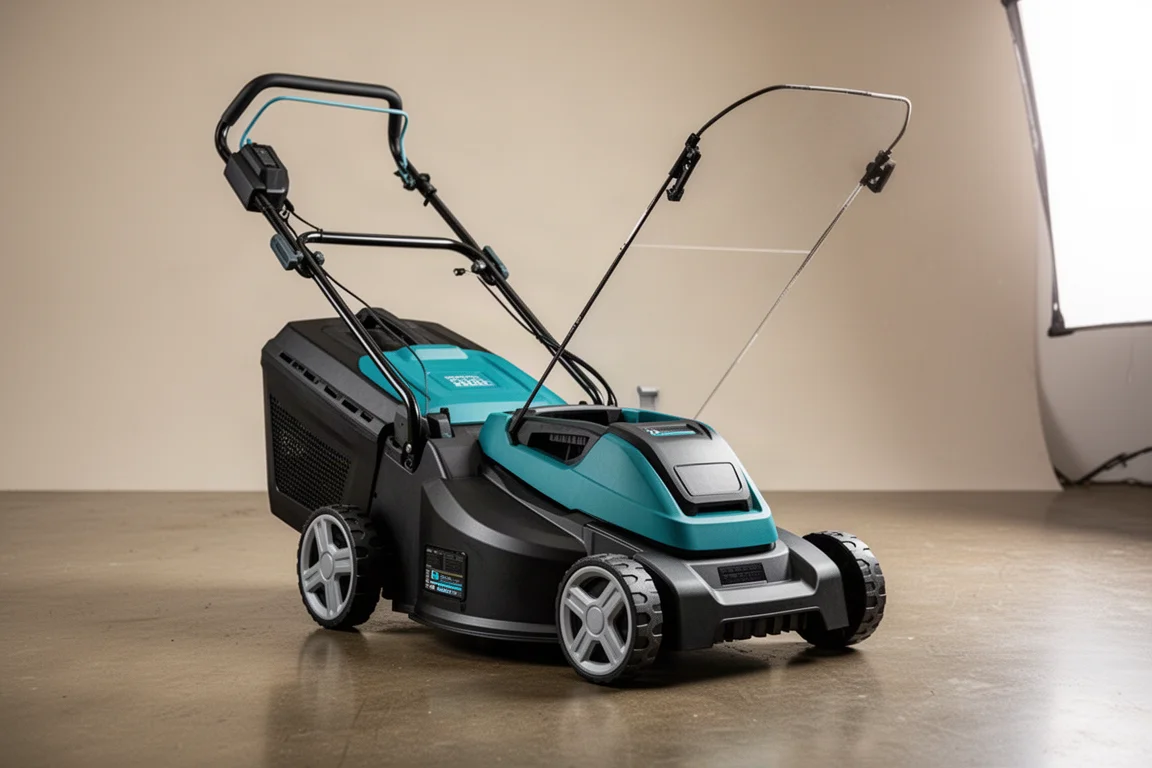
At $350, the Troy-Bilt 21-inch with a 140cc Briggs & Stratton engine includes a bag and standard gas-mower upkeep. For $384, the Hart self-propelled mower gives you self-propulsion for a few dollars more, and its battery is sized for the same quarter to half acre use case it is sold for. With electric, there is no stopping to refill mid-yard; the whole job finishes on one charge, front and back.
Upper Mid Tier: Honda vs Ryobi
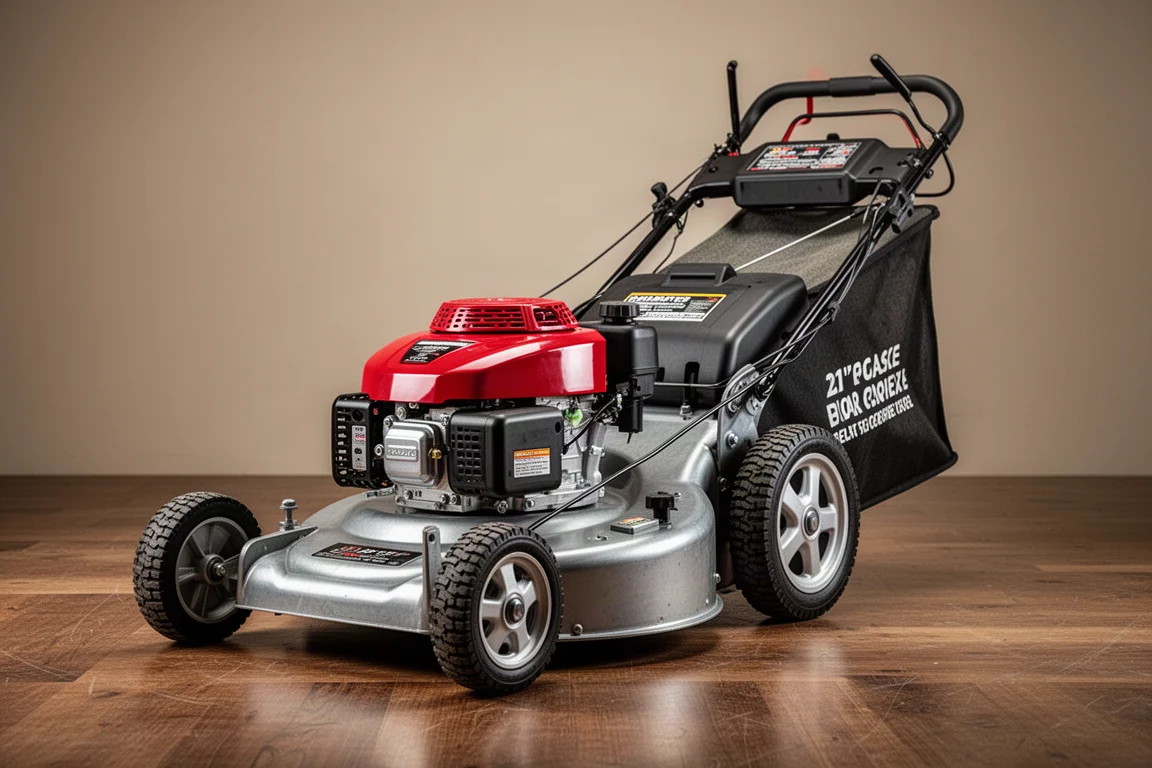
The Honda gas walk-behind at $550 is a rock-solid machine with auto choke and a bag, but it still needs fuel, oil, and seasonal prep. For about the same price, the Ryobi self-propelled mower comes with two batteries and can realistically cover an acre or two if needed. It is made in the USA with global components and matches the Honda feature-for-feature at essentially the same price point.
Premium Tier: Toro vs Toro
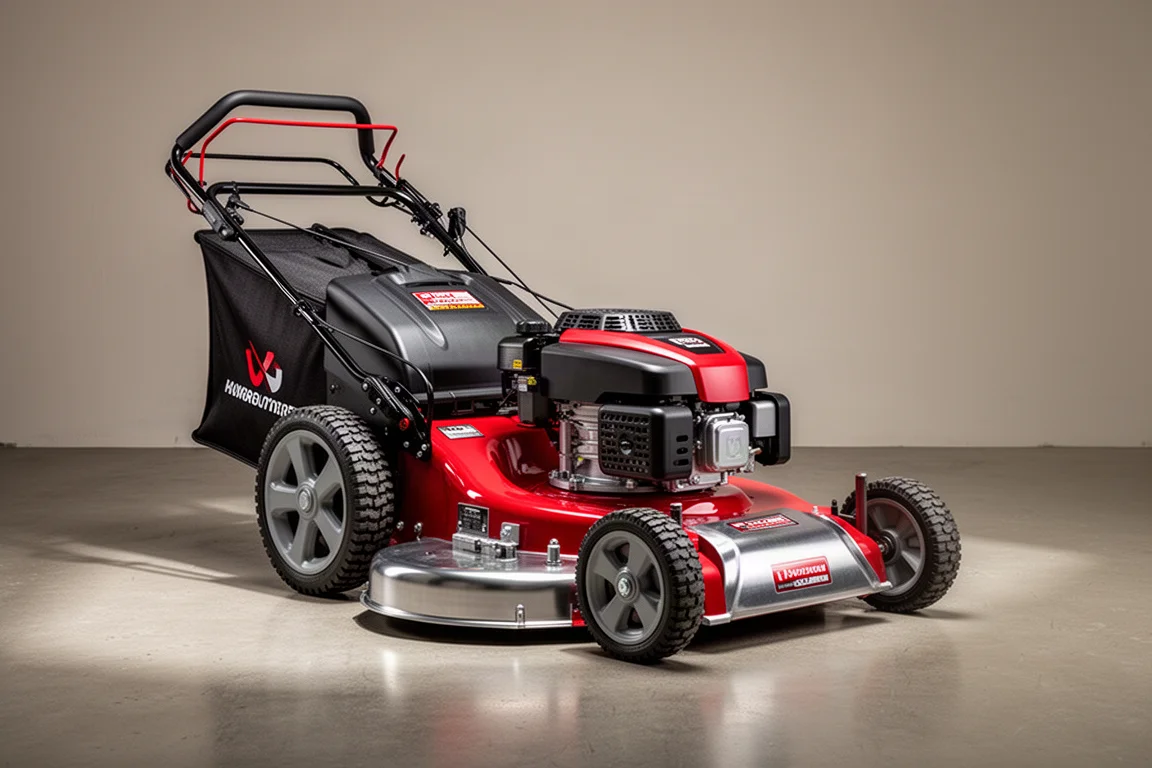
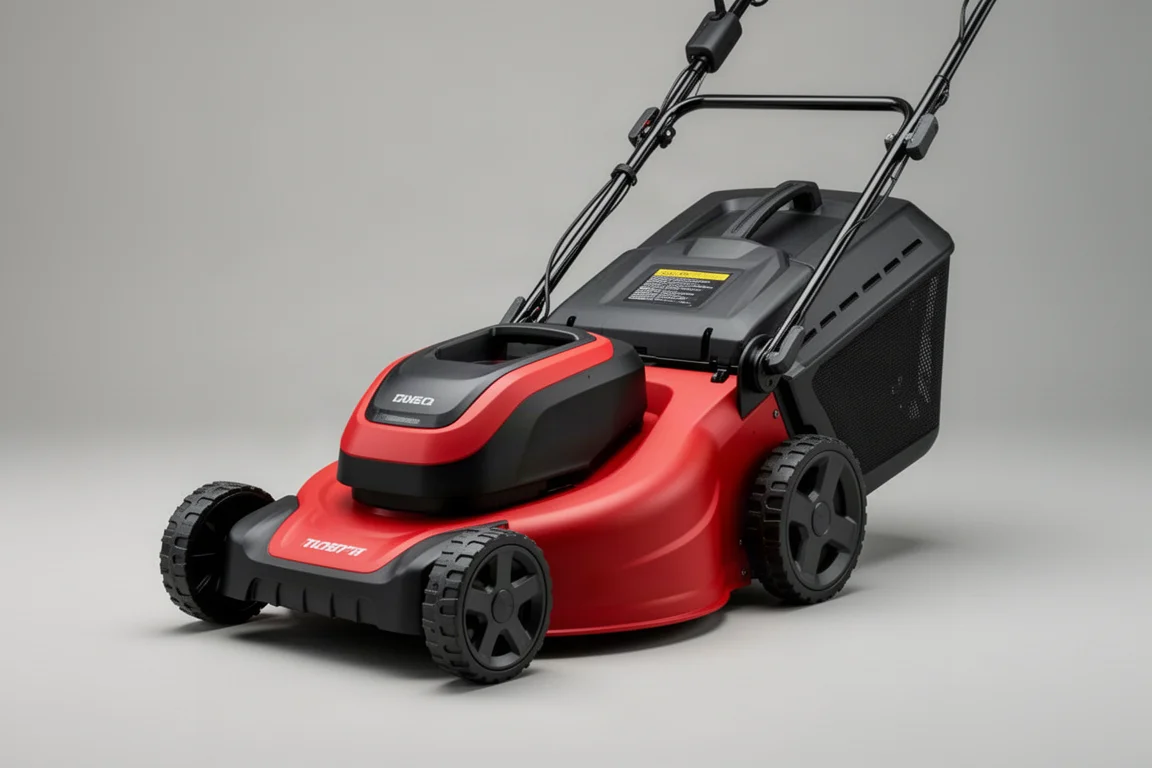
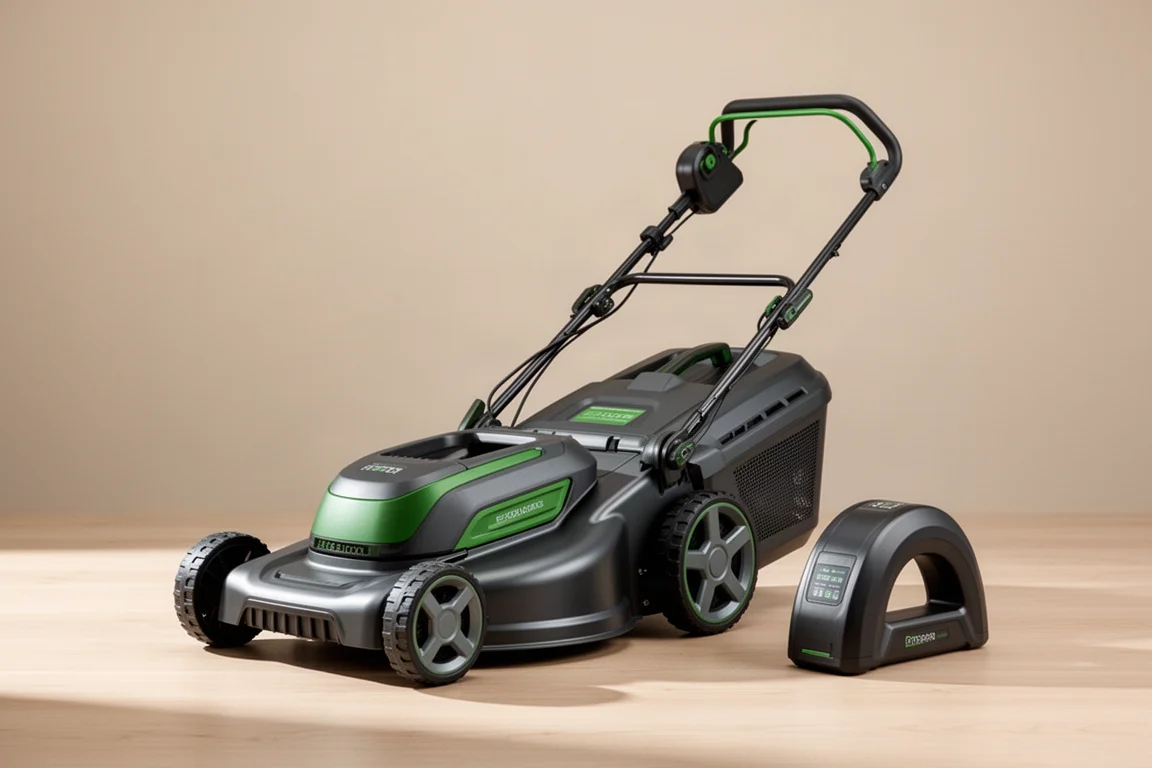
Toro is America’s number one walk-behind gas mower brand, and its gas mowers are excellent. The nearly top-of-the-line gas Toro runs $799. Yet Toro itself sells the 60V Max Flex Force system mower for $50 less. When the leading gas manufacturer prices its own electric platform below its own gas flagship, that says a lot about where the market is heading. At the very top, top-line gas and top-line EGO models sit around the $900 mark, side by side.
Riding Mowers: Ryobi Zero Turn
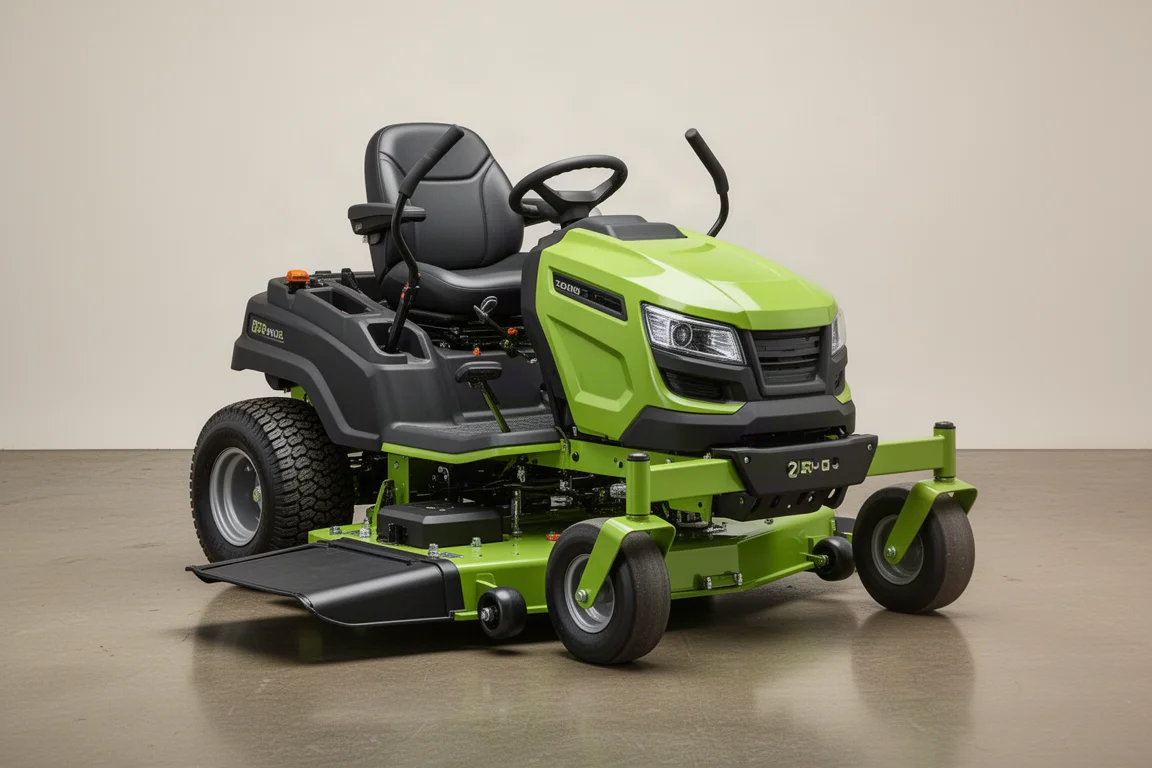
Riding and zero-turn mowers are the one category where gas still holds a cost advantage; electric options here are not nearly as cost efficient. Still, if your heart is set on going electric for a larger property, the Ryobi zero turn comes in at roughly $372 per year in the same cost model, which is the price of convenience rather than a bargain.
The Extra Benefits Nobody Mentions
Cost is only part of the story. Electric mowers are dramatically quieter, which matters if you value your hearing; even hearing-protection guidance for loud equipment is well documented. There is no gas stabilizer, oil, spark plug, or air filter to manage, no pull cord, and no seasonal prep ritual. You press a button and go.
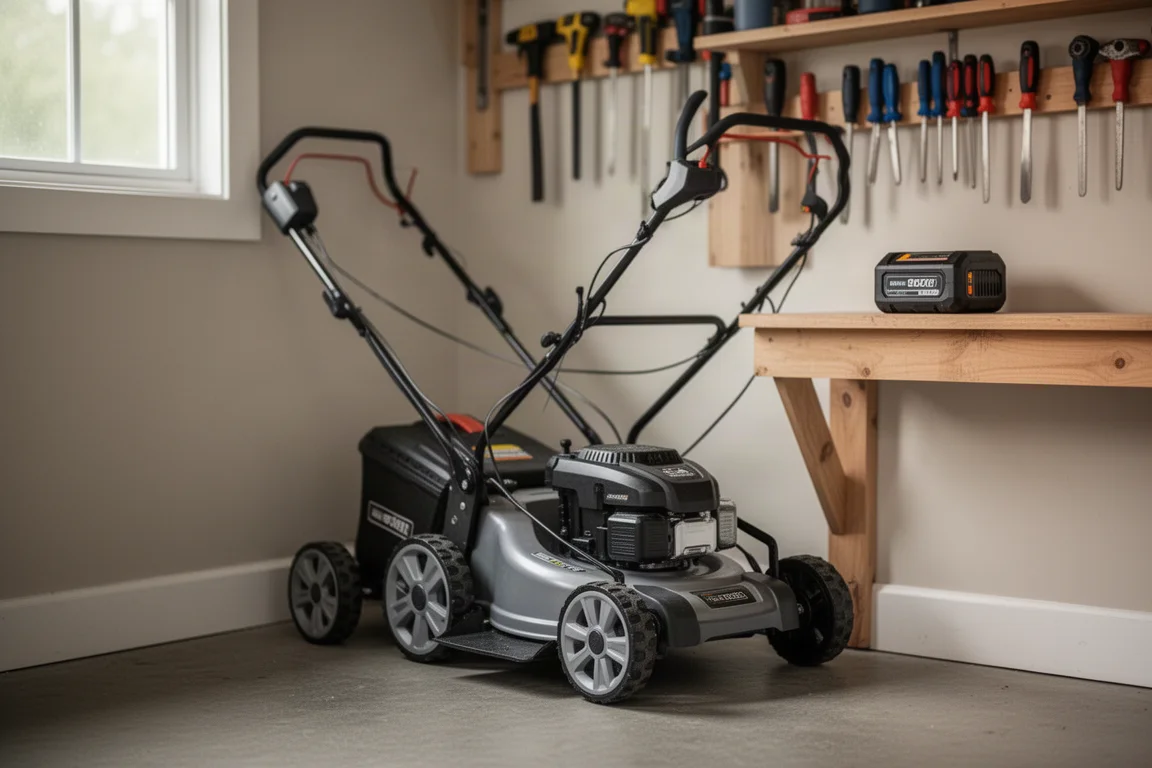
Storage and handling are easier too. Remove the batteries and these mowers are light enough to lift with one hand and load into a truck bed, something you cannot do with a gas mower unless you drain the fluids.
On parts availability: any established brand, gas or electric, will occasionally have a part that is back-ordered or discontinued. No-name brands carry more risk either way, but this is not an electric-only problem.
Buying Advice
If your yard is a quarter to half an acre, an electric walk-behind at today’s prices is effectively the same purchase price as gas with the running costs nearly identical, and you get quieter operation and near-zero maintenance. If you need an acre or more regularly, gas still has a practical edge in continuous runtime and, especially in riding mowers, in yearly cost.
Conclusion
The old argument that electric mowers make you pre-pay for your fuel no longer matches the market. Battery and charger are now bundled at prices matching comparable gas models, running costs are within a couple of dollars per year, and the everyday experience is quieter and simpler. For the small-to-mid yards most people actually have, electric is no longer the compromise; it is the default.
Further reading
Related Reviews

Lawn Care
Best Robot Lawn Mowers 2026: 13 Models Tested for Real-World Performance
We tested 13 robot lawn mowers across battery life, cut quality, navigation, object avoidance, and edging to find the best options for different yards and budgets.

Lawn Care
DeWalt 21-Inch 196cc RWD Self-Propelled Lawn Mower Review
A closer look at a gas-powered self-propelled mower with a commercial-grade engine, variable speed drive, and three-in-one cutting flexibility.
Lawn Care
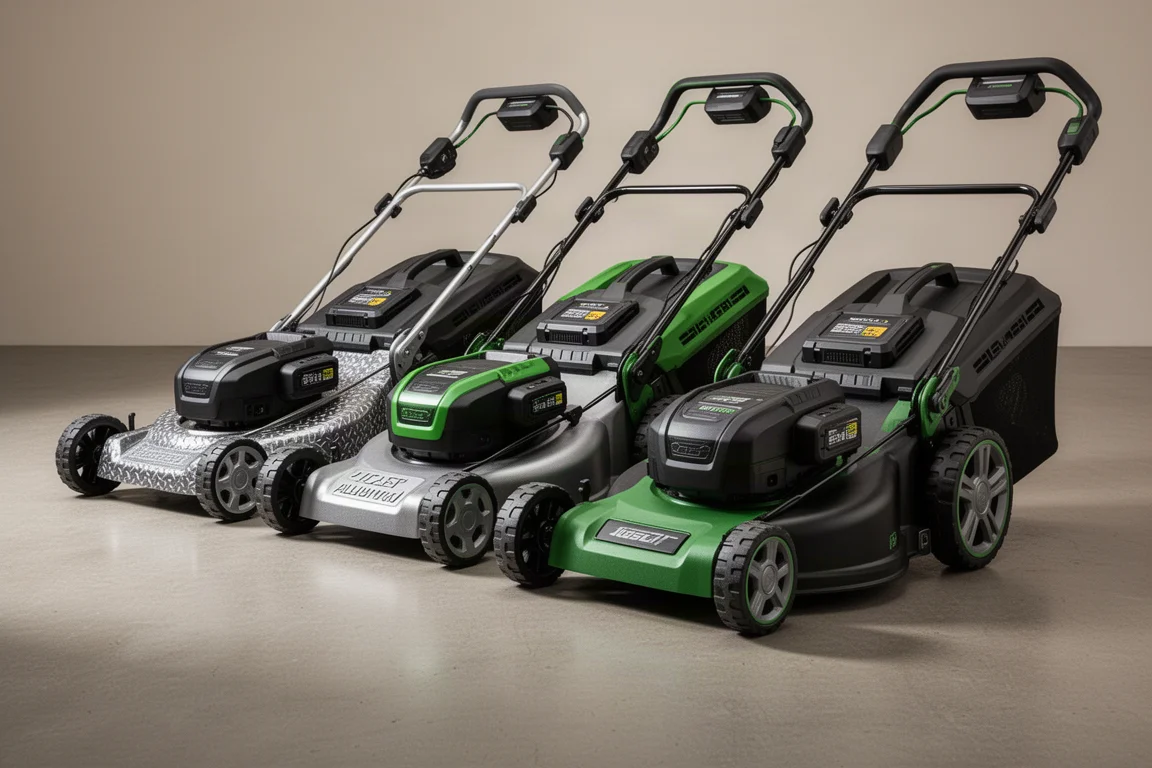
Best Battery-Powered Self-Propelled Lawn Mowers: 10 Flagship Cordless Models Compared
Ten flagship cordless self-propelled mowers from DeWalt, Echo, Ego, Greenworks Commercial, Makita, Milwaukee, Ryobi, Skil, Stihl, and Toro, compared on build, ergonomics, noise, and runtime.