Lawn Care
Gas vs Electric Lawn Mowers: Four Machines Put to the Test
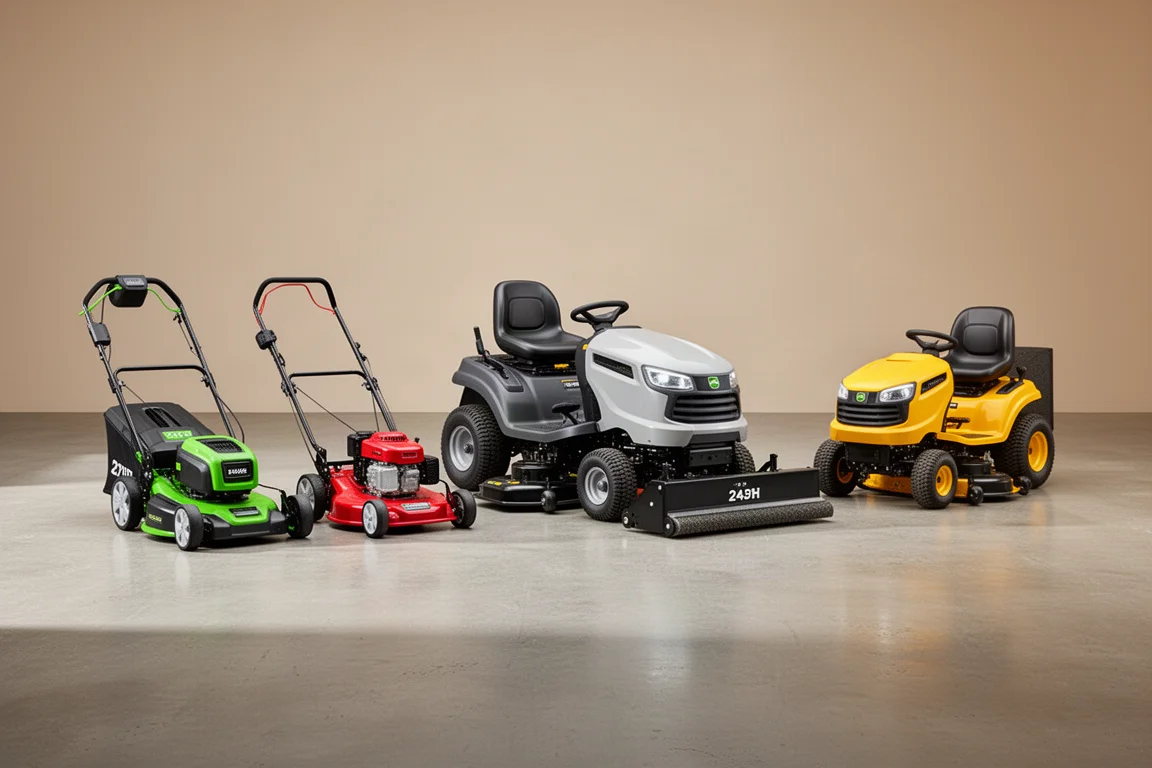
We put four mowers head to head: the Greenworks 21" and Briggs & Stratton 16" push mowers, plus the EGO 42" and Cub Cadet CC30 ride-ons, to see which side of the gas-versus-electric debate holds up.
Introduction
Battery-powered yard equipment keeps chipping away at gas, and nowhere is the debate louder than with mowers. To settle it, we put four machines to work: a Greenworks 21-inch electric push mower, a Briggs & Stratton 16-inch gas push mower, the EGO 42-inch electric ride-on, and the Cub Cadet CC30 gas ride-on. Here is how each one performed and who should buy it.
Push Mowers: Greenworks 21-Inch vs Briggs & Stratton 16-Inch
The Greenworks 21-inch electric mower runs on two 80-volt batteries and has been a genuine workhorse in our testing. It starts instantly with no priming or pulling, and it measured noticeably quieter than the gas alternative, sitting around the low 90-decibel range near the deck. The trade-off showed up in thick, high grass, where it bogged down and left some stragglers behind on a single pass.
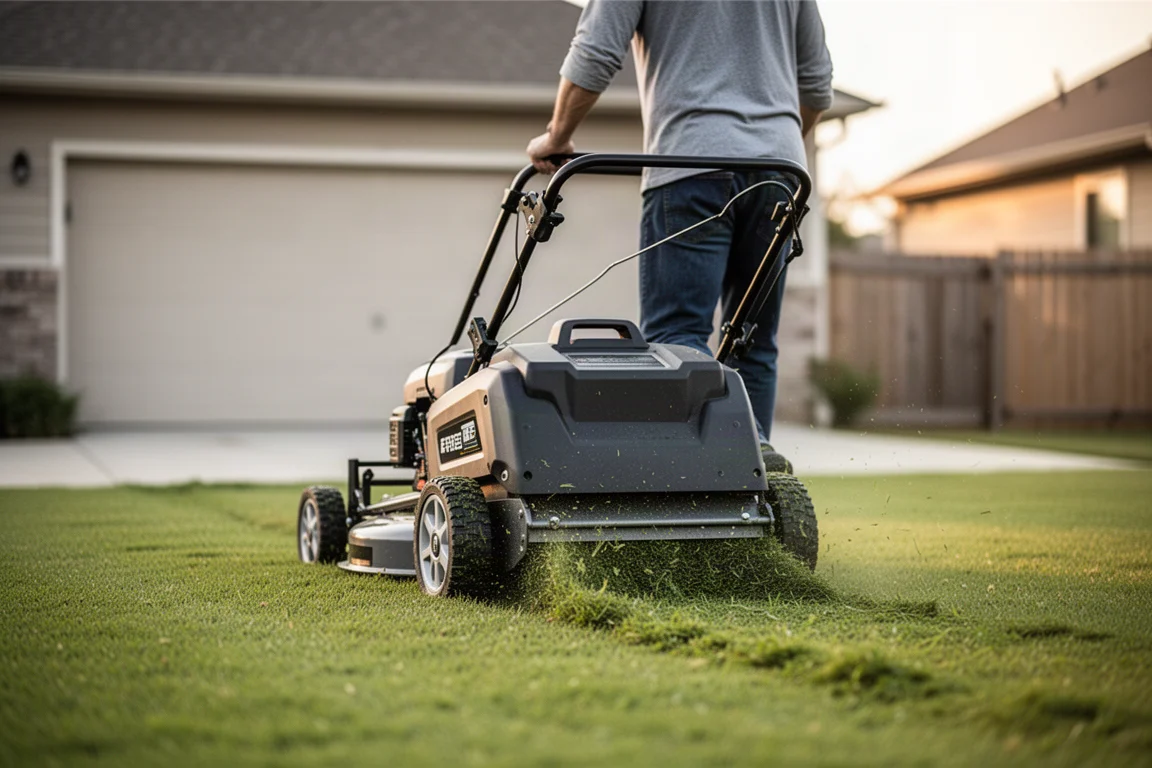
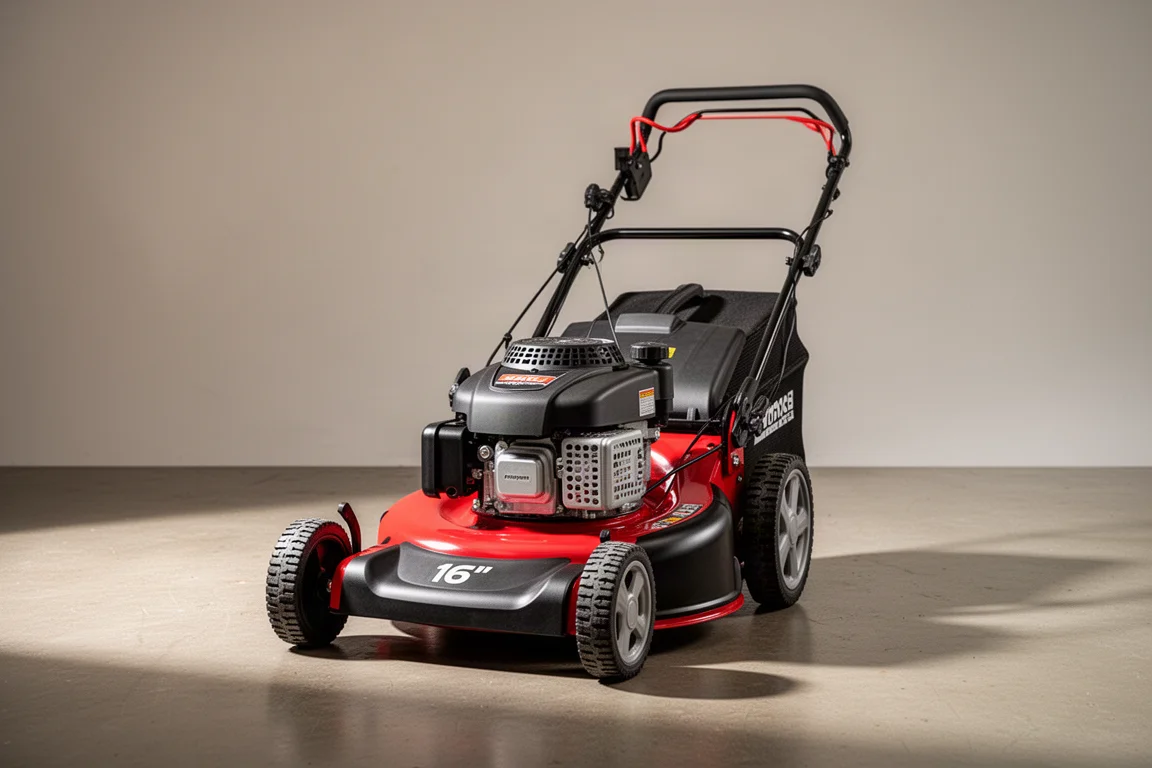
The Briggs & Stratton 16-inch gas mower, priced around $219, is push-propelled in the literal sense, but it earns its keep on overgrown grass. It cut cleaner through the tall stuff and won the straight-line speed run down to the far end of the lot and back. Noise readings peaked around 94 decibels, slightly louder than the electric.
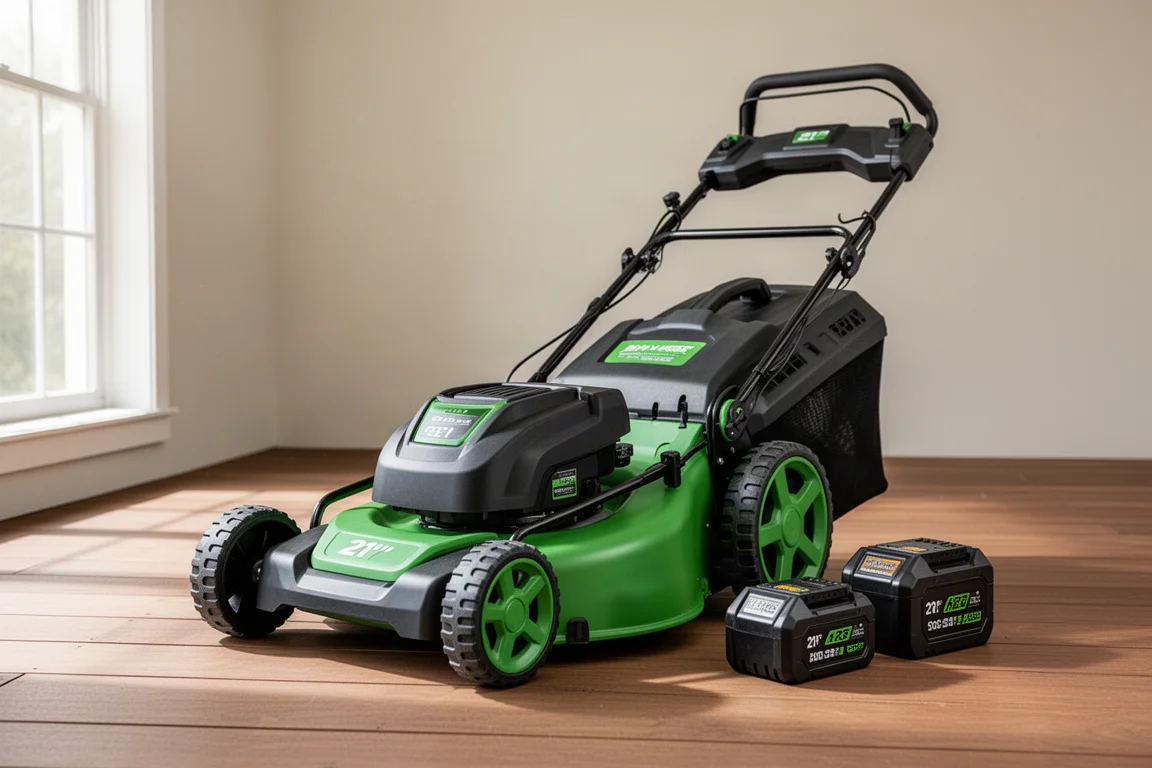
The Briggs & Stratton is the pick if your lawn regularly gets away from you, since the gas engine recovers from bogging where the Greenworks stalled. If you mow frequently and want quiet, instant starts, the Greenworks 21-inch is the easier machine to live with.
Ride-On Mowers: EGO 42-Inch vs Cub Cadet CC30
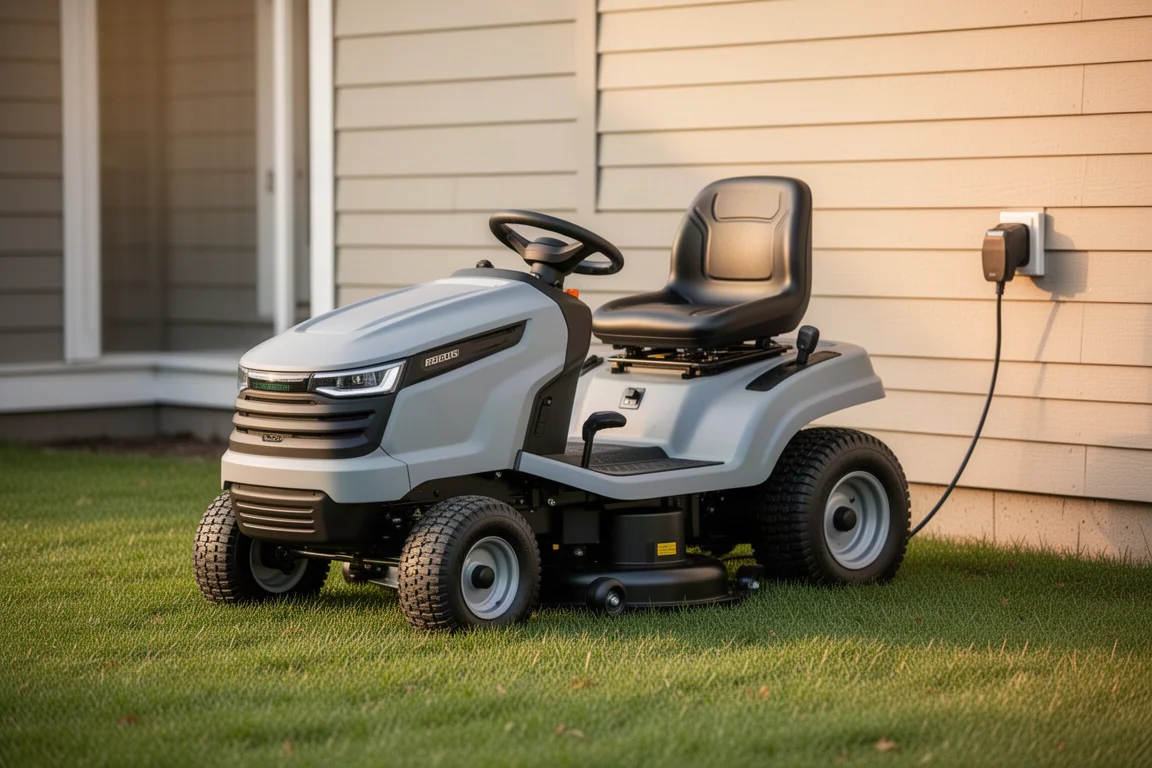
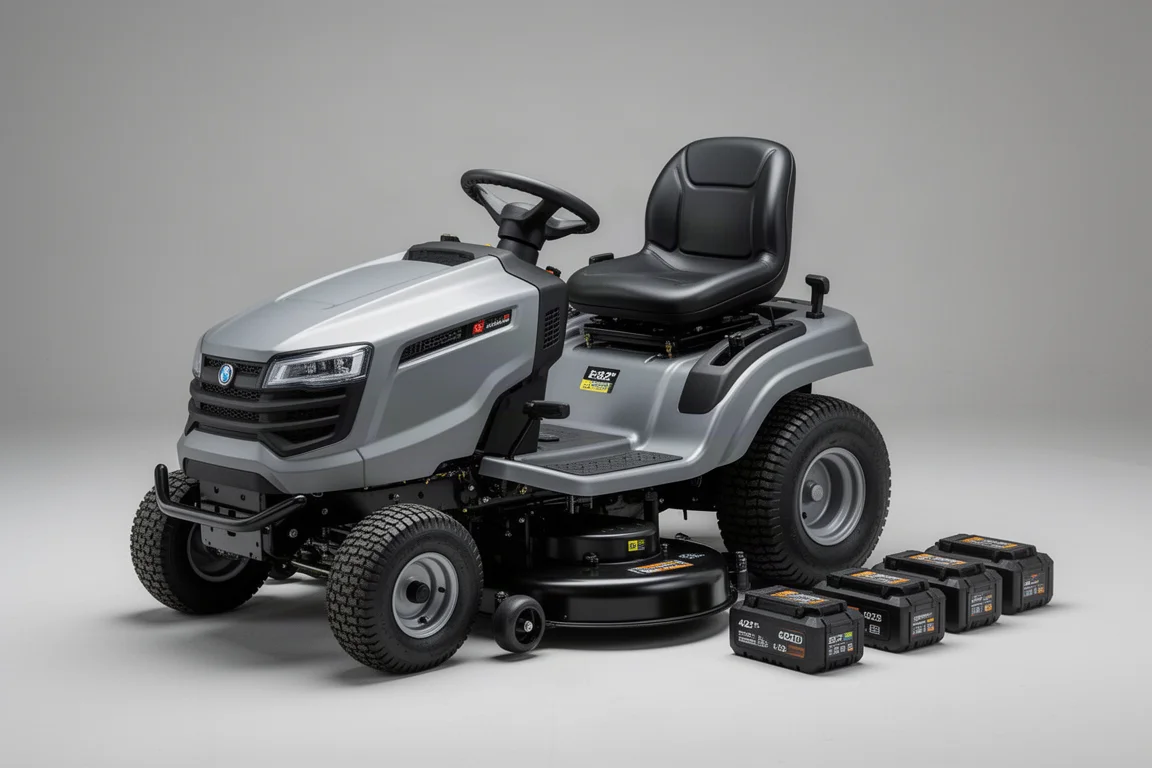
On the ride-on side, the EGO 42-inch deck is a heavily featured electric tractor. It takes six batteries, charges fully in a little over an hour and a half, and includes forward and reverse, multiple speeds, a PTO, a parking brake, cup holders, and a deck-cleaning port on the side. It can also tow from the back. It is priced absurdly high, in our testing more expensive than the brand’s zero-turn model, which is hard to justify on paper.
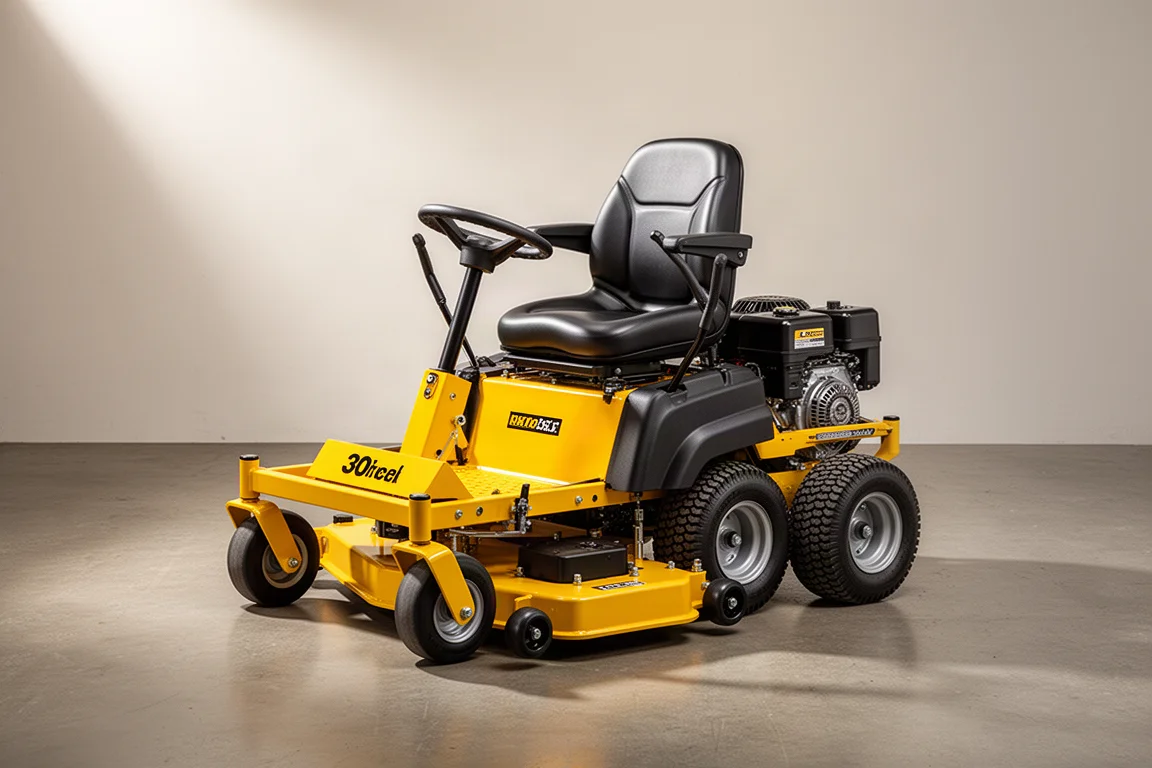
The Cub Cadet CC30 is the opposite philosophy: a rear-engine gas tractor with a 30-inch deck, a six-speed manual transmission, a single-cylinder engine, and everything else kept barebones and rudimentary. It runs about $1,900 at local retailers, has a quick-release deck-cleaning function, and is genuinely easy to service since you can get right under it.

Cut Quality and Speed
On cut quality at slow speed, the two ride-ons were nearly identical: clean, straight cuts with no fraying on the blades of grass. At full speed the EGO left fewer uncut patches, but neither machine was perfect, and we ultimately called that test a tie.
In high grass, both machines struggled. The EGO bogged down twice and needed two passes on its slowest usable setting, burning about 10% of its battery on a single strip. The Cub Cadet could not cut on its slowest speeds either and needed to be bumped up a gear, but the gas engine pushed through the bog, albeit with a rougher finish.
On straight-line speed and the hill climb, the Cub Cadet’s gas responsiveness clearly won. The EGO’s slow throttle takeoff was its biggest weakness; you would expect an electric to snap off the line, but this one does not.
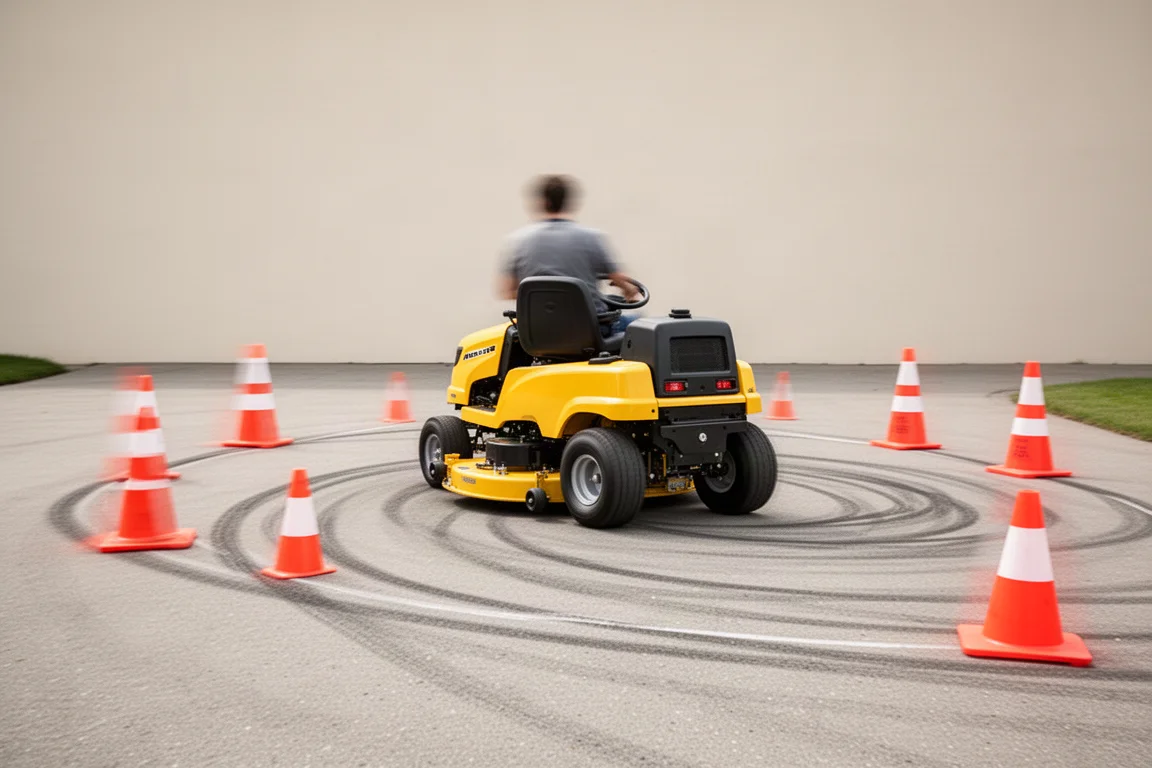
In the tight obstacle course, the story flipped: the EGO, with its better handling and lower weight feel, posted the faster cumulative time once penalties were counted, beating the wider, clumsier Cub Cadet in maneuverability. In the towing test, hauling a utility vehicle 20 yards uphill, the EGO was faster when driven aggressively, and it beat the CC30’s 21-second time.
Handling, Noise, and Everyday Use
Noise is where electric genuinely separates itself. The EGO idled around a startling 60 decibels and peaked near 119 at blade level, while the Cub Cadet ran 100 to 110 with the engine and about 120 at the blades. If quiet operation matters to you, the EGO is in a different league.
The EGO’s other practical advantage is upkeep: no fuel, no oil, no pull starts. The CC30 counters with cheap and nimble maintenance, a single blade that is easy to work on, and quick deck cleaning.
Overall Buying Advice
Across all four machines, the pattern is consistent. Electric wins on noise, startup, and refinement; gas wins on raw power recovery, speed, and thick grass. The Greenworks 21-inch is the better frequent-use push mower, while the Briggs & Stratton 16-inch handles neglected lawns better. For ride-ons, the EGO 42-inch suits quiet, well-maintained suburban lawns if the budget allows, and the Cub Cadet CC30 remains the value pick for traditional gas performance.
Conclusion
There is no single winner here, and that is the honest takeaway. Match the mower to your lawn: frequent, tidy cuts favor the electric options, while overgrown yards and speed-focused work still belong to gas. Each of these four machines earns its place in the right hands.
Further reading
Related Reviews

Lawn Care
Best Robot Lawn Mowers 2026: 13 Models Tested for Real-World Performance
We tested 13 robot lawn mowers across battery life, cut quality, navigation, object avoidance, and edging to find the best options for different yards and budgets.

Lawn Care
DeWalt 21-Inch 196cc RWD Self-Propelled Lawn Mower Review
A closer look at a gas-powered self-propelled mower with a commercial-grade engine, variable speed drive, and three-in-one cutting flexibility.
Lawn Care
Best Battery-Powered Self-Propelled Lawn Mowers: 10 Flagship Cordless Models Compared
Ten flagship cordless self-propelled mowers from DeWalt, Echo, Ego, Greenworks Commercial, Makita, Milwaukee, Ryobi, Skil, Stihl, and Toro, compared on build, ergonomics, noise, and runtime.