Smartwatches
Garmin Venu X1 Review: Garmin's Thinnest Watch With a Big-Screen Twist
A thin, 2-inch-screened sports watch that blends Fenix 8 and Forerunner 970 features into the Venu line, with full offline maps and a few notable gaps.
Introduction
The Garmin Venu X1 is a genuinely unusual watch. It is the thinnest watch Garmin has ever made at 8 mm, yet it carries the company’s largest display at 2 inches. More interesting than either spec is what it represents: a blend of the Forerunner 970 and Fenix 8 feature sets poured into the Venu series, aiming at buyers who might otherwise consider the Apple Watch Ultra 2 but want something far thinner and far more sports-focused.
This is the first time Garmin has produced a watch like this. Square Garmin watches are not new, as the original Venu line grew out of the vívoactive series announced back in 2015, which was Garmin’s previously thinnest watch at 8 mm. But the X1 is the first to pull this much capability from the Fenix and Forerunner tiers into the slim Venu body.
Design and Display: Big Screen, Feather-Thin Body
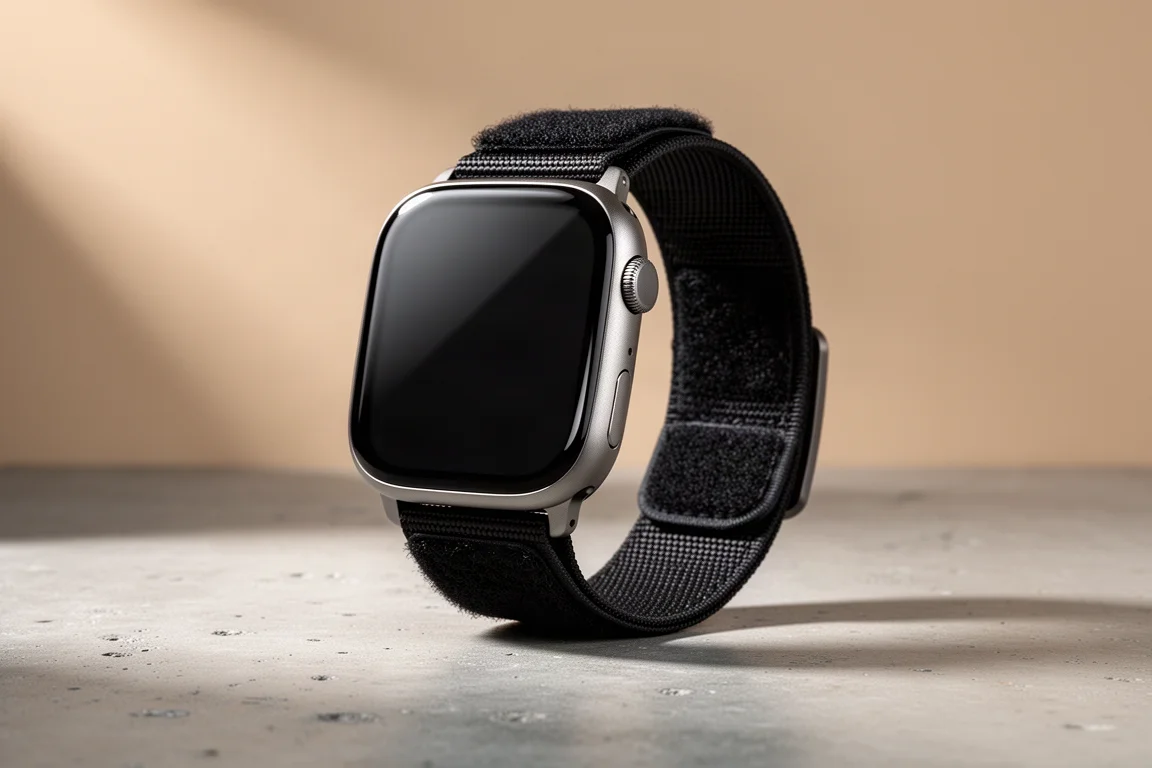
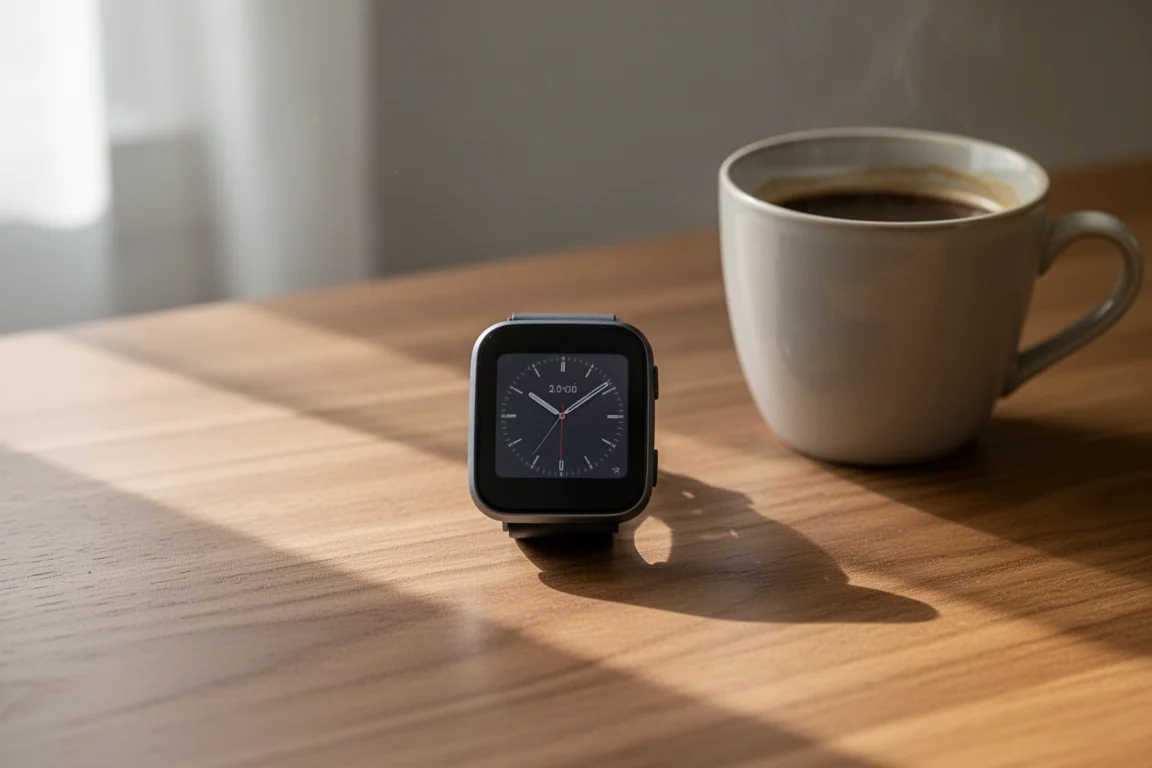
The headline hardware is the 2-inch display. Placed next to an Apple Watch Ultra, it is clearly bigger on paper and it feels significantly bigger side by side. Whether that size works on the wrist is a matter of taste, but the 8 mm thinness goes a long way toward making it wearable. For comparison, the previous Venu 3 measured 12.5 mm, and the Apple Watch Ultra 2 is thick enough that you could almost fit two of these inside its case.
The default strap is a nylon band with velcro adjustment, and it is genuinely pleasant. As with any fabric band, it will hold water after a swim or shower and transfer that dampness to your sleeves, so keep that in mind. It uses a standard quick-release attachment, so swapping it out is easy.
Two buttons only here, rather than the five on a Fenix or Forerunner. It works fine once you adjust, but if you are a heavy button user, you may wish for more.
Hardware Details: Flashlight, Battery and a Missing ECG
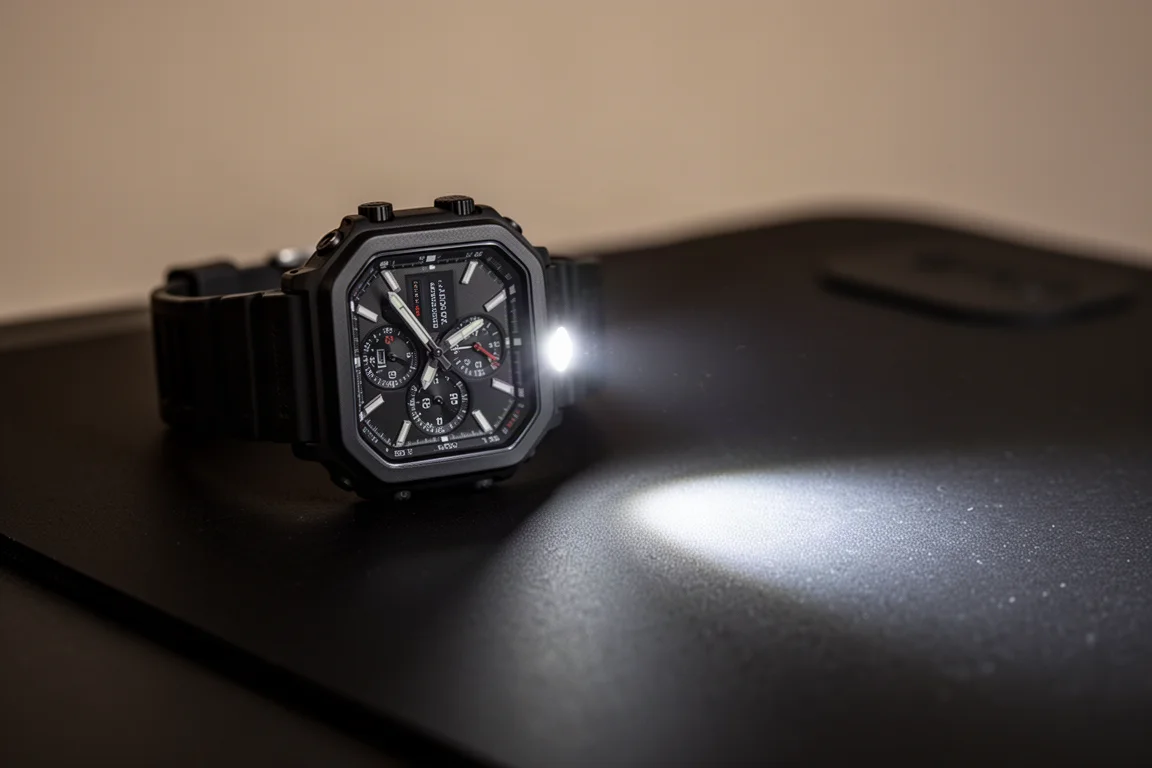
Hold the bottom-right button and the built-in flashlight activates, with four white brightness levels plus a red mode, identical to the Fenix and Forerunner top-end watches. The display is substantially brighter than the Venu 3; Garmin does not publish nit values, but peak brightness is plausibly at least 2,000 nits. That brightness, along with the razor-thin case, explains why battery life is lower than the Venu 3. With the always-on display enabled you get roughly two days; with it off, four to five days.
On the back sits the Gen 5 optical heart rate sensor, but there is a catch: ECG is not enabled at launch, and per Garmin, the hardware for it simply is not present, so it will not arrive later either. At this price point, that is a difficult gap to overlook.
Navigation: Full Offline Mapping That Actually Routes
The biggest software feature is full offline mapping with the same TopoActive maps found on the Fenix 8. Competitors may offer offline base maps showing rivers and trails, but this is 100% fully routable. You can create roundtrip routes, tap a point 50 km away and get routed to it for riding or running, and load in courses with audible turn-by-turn notifications delivered through Bluetooth headphones or the watch’s own speaker.
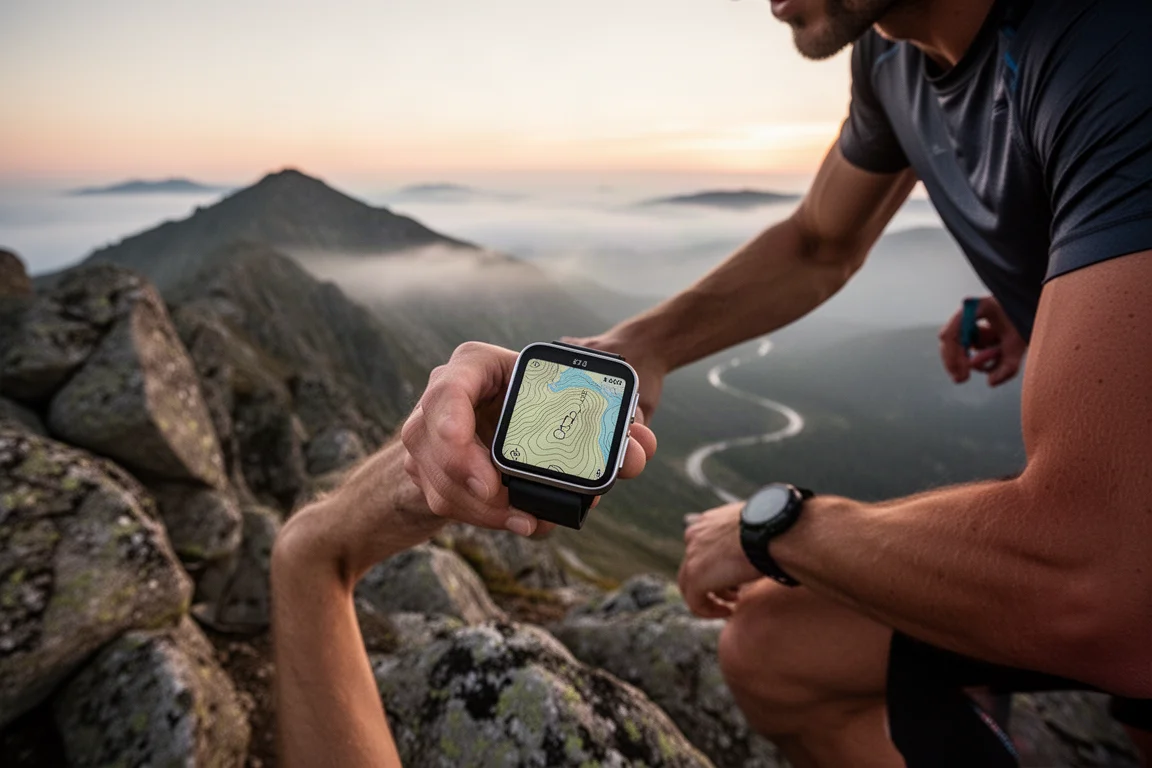
Climb Pro also makes the jump from the higher-end watches, showing ascents and descents on the map in real time so you always know how much distance and elevation remain on the current climb. Nearby point-of-interest search is available too, though it is not fast; think adequate rather than Google-on-your-wrist.
The speaker and mic from the Venu line carry over with some Fenix 8 additions: voice commands such as “Hey Garmin, open up the running app,” and voice notes for capturing ideas mid-run.
Training Features: The Forerunner 970 Toolkit, With a Few Holes
On the training side, you get nearly everything expected from the 970 or Fenix 8. Training readiness scores how prepared you are to train on a given day based on recent load, recovery, sleep and stress, and it shifts throughout the day. Training status adds the coaching angle with productive, unproductive or maintaining labels. Endurance score and hill score are here as well.
Race planning is comprehensive: load a race, get predicted finish times, a countdown and a training plan that builds toward the goal. One nuance versus the Forerunner 970: the X1 shows predicted finish time as of today, while the 970 projects forward based on training load to race day. Recent Garmin features like Garmin Share, which beams a course between two watches at a trailhead with no connectivity, are also included, alongside roughly 100 sport profiles.
There are gaps. Compared to the newly released Forerunner 970, the new running features such as running tolerance, impact load and running economy are absent today, and it remains to be seen whether they arrive later. The Venu series historically has been poor at post-launch updates, staying largely static while Fenix and Forerunner watches gain features every quarter, and which model Garmin follows here will matter a lot.
Waterproofing is 50 m versus the Fenix 8’s 100 m, so deep-water and high-speed water sports are out. No diving, no water skiing. Open water swimming, kayaking and standup paddleboarding are all supported. Sensor support for ANT+ and Bluetooth accessories essentially matches the Fenix 8 list.
Price and Verdict
At $799, the Venu X1 sits well above the $449 Venu 3, but the fairer comparison is the Forerunner 970 at $750 and the Fenix 8 at $1,000. The X1 earns part of its price with a full titanium case, sapphire glass and the big display, and it undercuts the Fenix 8 while offering more sports-focused depth than Apple’s Ultra.
There are odd choices, though. No multiband or dual-frequency GPS, even though some mid-tier Garmin watches have it. That said, Garmin’s latest chipsets deliver excellent GPS accuracy even without multiband, arguably surpassing competitors that have it, so accuracy may not suffer in practice. Whether the software choices land well in daily use is the open question, and this watch’s long-term appeal will hinge on whether Garmin updates it like a Fenix or lets it sit like a Venu.
Conclusion
The Garmin Venu X1 is a genuinely new kind of watch: Venu thinness and style, Fenix 8 maps and navigation, and nearly all of the Forerunner 970’s training depth, all wrapped around a 2-inch screen. It makes strong sense for athletes who want premium Garmin features without the bulk, provided they can live with the missing ECG, the 50 m waterproofing and the battery trade-off that comes with such a thin body.
Product link
View more details for Garmin Venu X1
This product is mentioned in the review. Check the specifications, options, and compatibility before buying.
View more details for Garmin Venu X1Further reading
Related Reviews
Smartwatches
Best Budget Smartwatches 2026: Five Affordable Options That Actually Work
Five budget smartwatches tested for real daily use. From entry-level options to premium features at fraction of the cost, here's what actually delivers.
Smartwatches
Best Smartwatches on AliExpress 2026: Five Practical Options for Different Needs
Five smartwatches with strong customer feedback and competitive pricing, each suited to different priorities: premium design, battery life, outdoor durability, advanced health tracking, and sports versatility.
Smartwatches
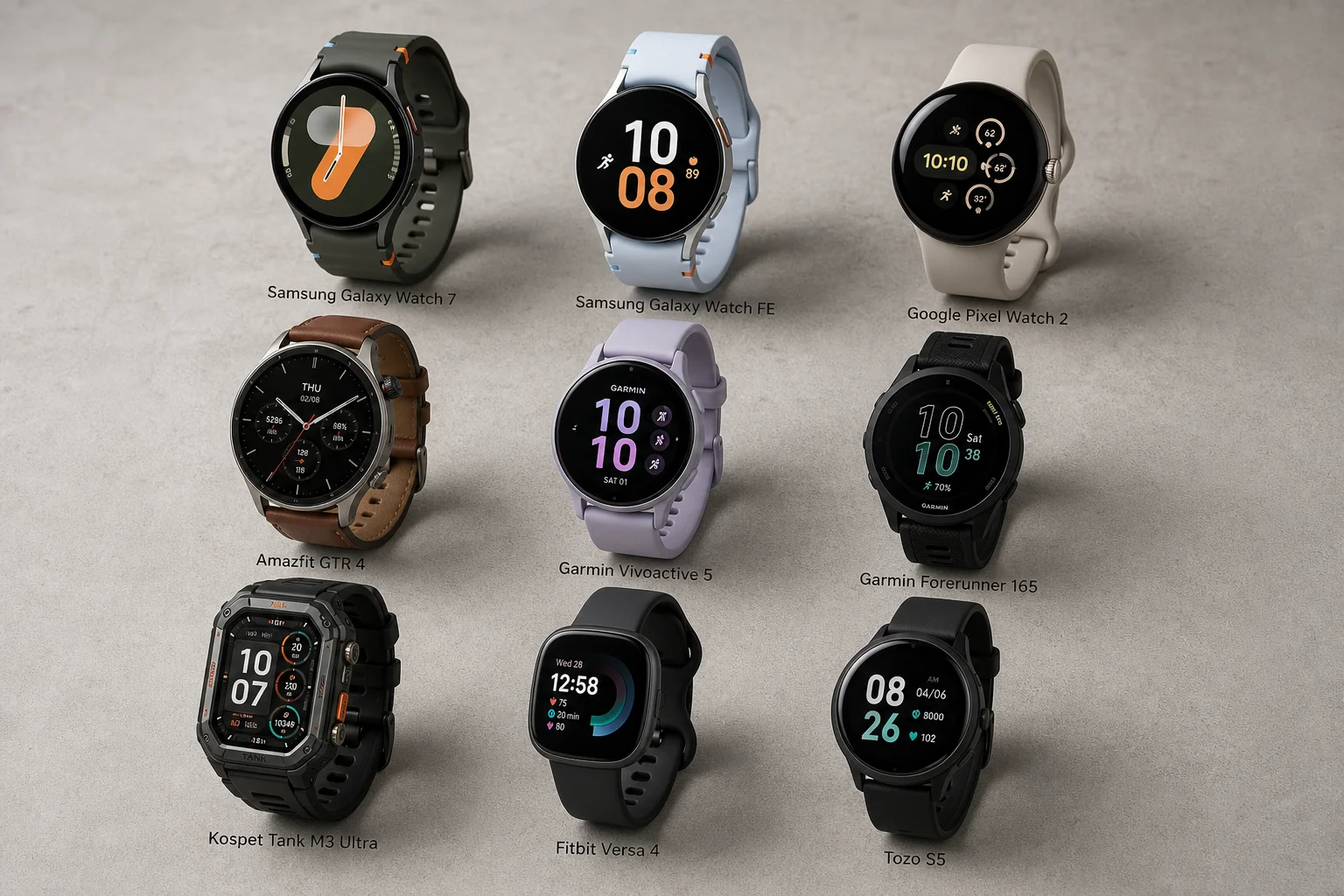
Best Smartwatches Under $300: 9 Practical Options for Every Need
A curated selection of nine smartwatches under $300, each excelling in health tracking, durability, battery life, or fitness features. Find the right match for your lifestyle.