Smartwatches
Garmin Venu 4 First Look: A Sports Watch That Now Does Almost Everything
The Venu 4 closes the feature gap with the Fenix-level sports lineup, adding an LED flashlight, multiband GPS, ECG, and new health and sleep tools.
Introduction
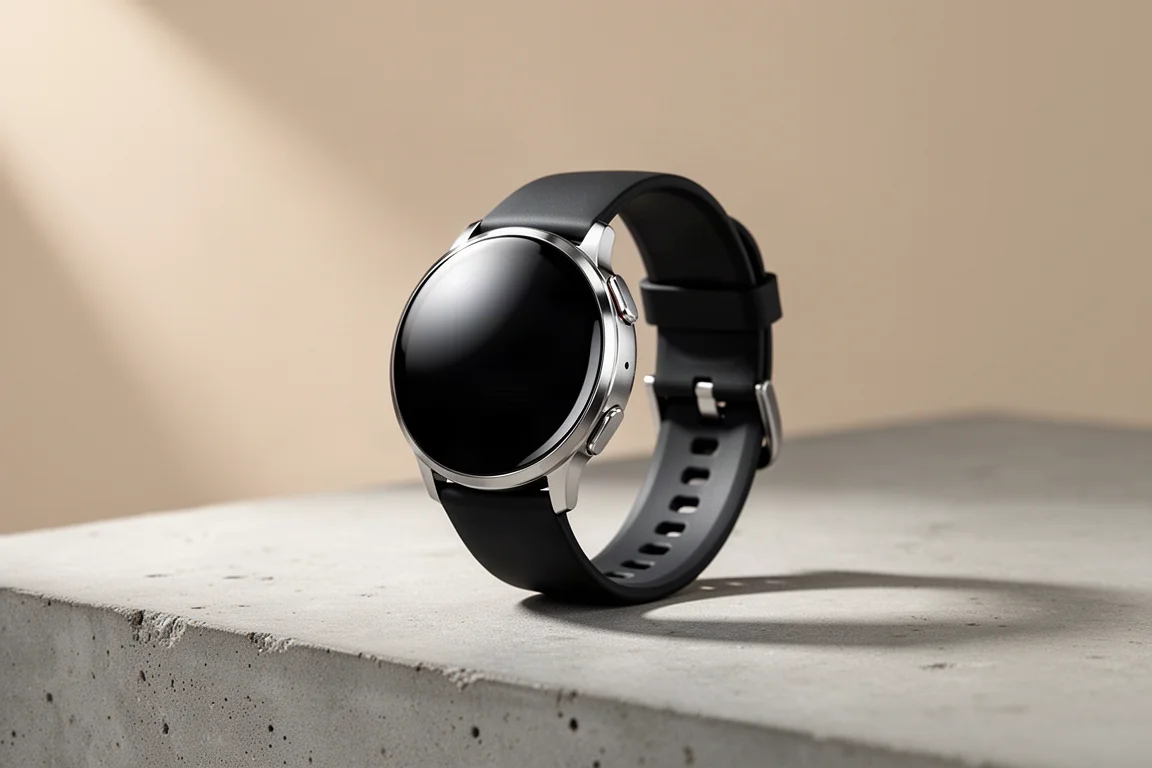
Garmin’s Venu 4 looks a lot like the previous Venu 3, but under the hood it now carries nearly the same feature set as the brand’s more sports-focused Fenix-class lineup. That includes a wider range of sport profiles, richer health and training feedback, and multiband GPS for better accuracy in tough conditions. It also adds a built-in LED flashlight, a genuinely useful bonus for early morning or late evening sessions.
Alongside the sports upgrades, Garmin introduced several new health tools: a health status feature that tracks whether your overnight metrics stay in range, a lifestyle logging feature for connecting daily habits to health data, and expanded sleep coaching. Price is the main catch: the Venu 4 costs $100 more than the Venu 3, matching the price of the sports watch it now closely mirrors.
Who This Product Is For
The Venu 4 suits anyone who wants a stylish, traditional-looking smartwatch that can still handle serious training. Compared with the sports-focused alternative in Garmin’s lineup, it trades five physical buttons for a cleaner two-button design with a touchscreen, which many will prefer on the wrist day to day.
It’s also a strong pick if health insight matters as much as workout tracking. The ECG capability, 24-hour heart rate monitoring, HRV tracking, skin temperature, blood oxygen saturation, and overnight breathing variation data all carry over from the Venu 3, and the new features tie those metrics together more usefully.
Design, Build, and Display
The Venu 4 comes in 41mm and 45mm sizes, and the smaller version no longer carries the S designation from previous generations. The larger case is listed at 45mm, though closer to 46mm when measured, and case thickness has increased slightly, likely to accommodate the built-in LED flashlight. Construction has also improved: where the Venu 3 used a stainless steel bezel, the Venu 4 adds more stainless steel into the case itself, though the back remains plastic. It is a touch heavier as a result, but still lightweight and comfortable.
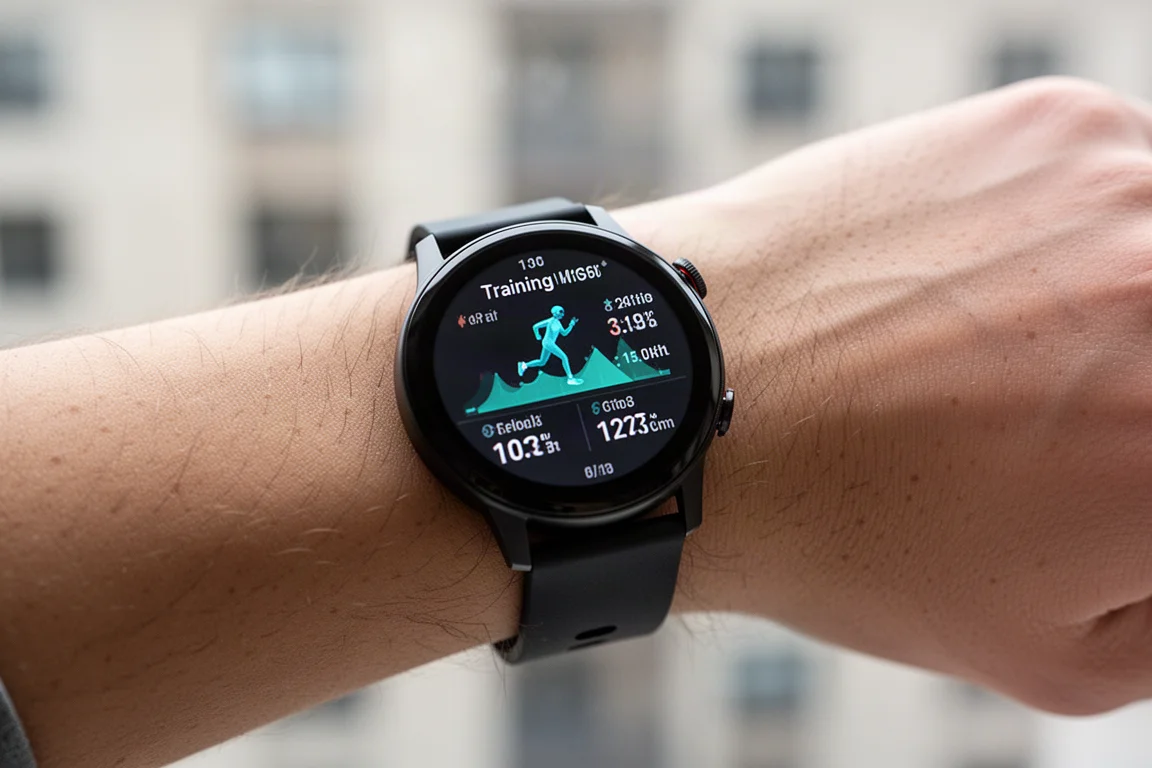
The screen sizes and resolution stay the same, but the Venu 4 uses Garmin’s latest generation AMOLED display, which gets significantly brighter, in line with the brand’s newest watches. One caveat worth noting: there are still only three brightness levels, and even the lowest setting can feel very bright indoors. The increased outdoor brightness is welcome, but more granular indoor options would be appreciated.
Smartwatch Features and Everyday Use
On the smartwatch side, the Venu 4 is very close to the Venu 3. You get notifications, on-wrist calls through the built-in microphone and speaker, and access to your phone’s voice assistant, all of which require your phone to be connected and in range since there is no built-in cellular. Offline music works with Spotify, Deezer, and Amazon Music, and Garmin Pay handles contactless payments.
New this time is a voice command feature for controlling watch functions directly, such as starting a workout, setting an alarm or timer, or jumping to a deeply buried setting. Accessibility has also improved with a spoken watch face that announces the time and hourly health updates through the speaker, plus new color filter display options for users with different forms of color blindness.
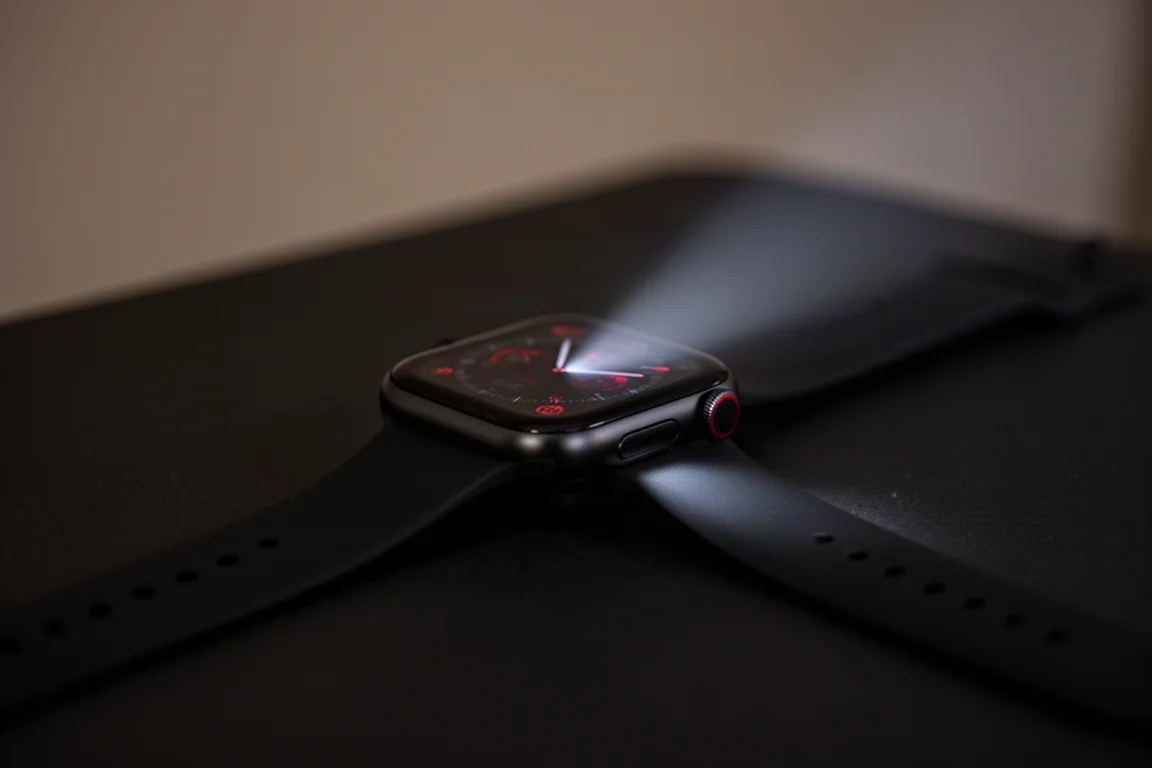
One small downgrade: the Venu 3’s third shortcut button is gone. The Venu 4 uses two buttons plus the touchscreen, with the upper button opening sport profiles and the lower button acting as back. Long-pressing the lower button now activates the LED flashlight instead of opening settings, and you can adjust brightness or switch to a red light through the touchscreen, which is easier on the eyes at night.

New Health and Sleep Features
The Venu 4 carries the same fifth-generation heart rate sensor as before, tracking heart rate around the clock, HRV during sleep, skin temperature, blood oxygen saturation, and breathing variations overnight. ECG capability also returns, which remains a meaningful advantage over some sports watches that lack the required hardware.
The headline additions are the new health status and lifestyle logging features. Health status pulls together heart rate, HRV, blood oxygen, and breathing variations from sleep into a single view, flagging whether your metrics are in or out of your typical range, which can hint at things like coming down with an illness. It takes roughly three weeks to establish baselines, though data from a previous compatible Garmin watch can carry over.
Lifestyle logging lets you track over 40 predefined habits such as caffeine intake, exercise, stretching, and cold showers, or create custom ones. After four weeks of logging, you get reports on how those habits may align with health metrics, such as whether late meals correspond to lower HRV. Notably, both features live in Garmin Connect, so most Garmin wearables can use them, though only the Venu 4 currently lets you log habits directly on the watch.
Sleep tracking also gains depth. The updated sleep coach now shows how well your sleep aligns with your natural circadian rhythm and how consistent your schedule is, alongside a sleep need estimate that factors in recent sleep history, training load, and HRV status.

Sports, Workouts, and Training Feedback
This is where the Venu 4 makes its biggest leap. Garmin added a large set of new workout types, including triathlon and multisport profiles, more cycling profiles, more outdoor recreation profiles such as rucking with a weighted vest, and a new mixed session workout type that lets you link several workouts together, for example weights, then a run, then intervals, all grouped into one multisport activity in Garmin Connect.
Training feedback also expands considerably over the Venu 3, adding training status to show how productive your training is, VO2 max estimates for both running and cycling, and the training readiness score that indicates how prepared you are for your next workout or race. Support for external sensors grows too, with electronic shifting, inReach satellite communicators, bike computers, and golf club sensors now pairable.
Multiband GPS is another major upgrade. The dual-band chipset uses two satellite frequencies at once for better accuracy when trees or tall buildings block a clear view of the sky. Because that costs power, Garmin’s auto select mode dynamically switches between dual-band and single-band on the fly, and it should be set by default. Leaving it enabled gives the best balance of accuracy and battery life.
Battery Life
Battery life is close to the previous generation. The 41mm model lasts around 10 days as a smartwatch without the always-on display. The larger version runs up to 12 days without always-on, down slightly from 14 days before, and up to 5 days with the always-on display, an improvement from 4 days previously. The trade-off seems reasonable given the added hardware inside.
Things to Consider Before Buying
The price increase is the most obvious consideration: the Venu 4 costs $100 more than the Venu 3, matching the pricing of the sports watch it now closely rivals. Given that the Venu 4 adds ECG and the LED flashlight, some may feel the sports-focused alternative should sit slightly cheaper, though that watch does offer five buttons alongside the touchscreen for more flexible control during workouts.
It is also worth remembering that health status and lifestyle logging are Garmin Connect features available across most Garmin wearables, so you do not need the Venu 4 specifically to use them, unless you want on-wrist habit logging.
Buying Advice
If you want a good-looking everyday smartwatch with genuinely capable sports features, the Venu 4 is now arguably the more complete choice in its price bracket, with ECG, the flashlight, and a feature set that mirrors the sports lineup. If you prioritize physical buttons and a sportier look, the five-button alternative at the same price remains the better fit. If budget matters most, the outgoing Venu 3 still covers the fundamentals well, just without multiband GPS, the flashlight, and the newer training features.
Conclusion
The Venu 4 is a meaningful step up from its predecessor, closing nearly the entire feature gap with Garmin’s sports watches while keeping the cleaner, more traditional design. Multiband GPS, expanded training tools, ECG, and the LED flashlight make it a far more capable all-rounder, and the higher price reflects that. Whether it performs as well in daily testing as it looks on paper is the remaining question, but on features alone, this is one of the most complete everyday sports smartwatches Garmin has made.
Product link
View more details for Garmin Venu 4
This product is mentioned in the review. Check the specifications, options, and compatibility before buying.
View more details for Garmin Venu 4Further reading
Related Reviews
Smartwatches
Best Budget Smartwatches 2026: Five Affordable Options That Actually Work
Five budget smartwatches tested for real daily use. From entry-level options to premium features at fraction of the cost, here's what actually delivers.
Smartwatches
Best Smartwatches on AliExpress 2026: Five Practical Options for Different Needs
Five smartwatches with strong customer feedback and competitive pricing, each suited to different priorities: premium design, battery life, outdoor durability, advanced health tracking, and sports versatility.
Smartwatches
Best Smartwatches Under $300: 9 Practical Options for Every Need
A curated selection of nine smartwatches under $300, each excelling in health tracking, durability, battery life, or fitness features. Find the right match for your lifestyle.