Smartwatches
Garmin Venu 3 Review: Smarter Sleep, Better Battery, and a Brighter Display
The Garmin Venu 3 and Venu 3S bring sleep coaching, nap tracking, cycling power support, and a more accurate heart rate sensor in two sizes at $449.
Introduction
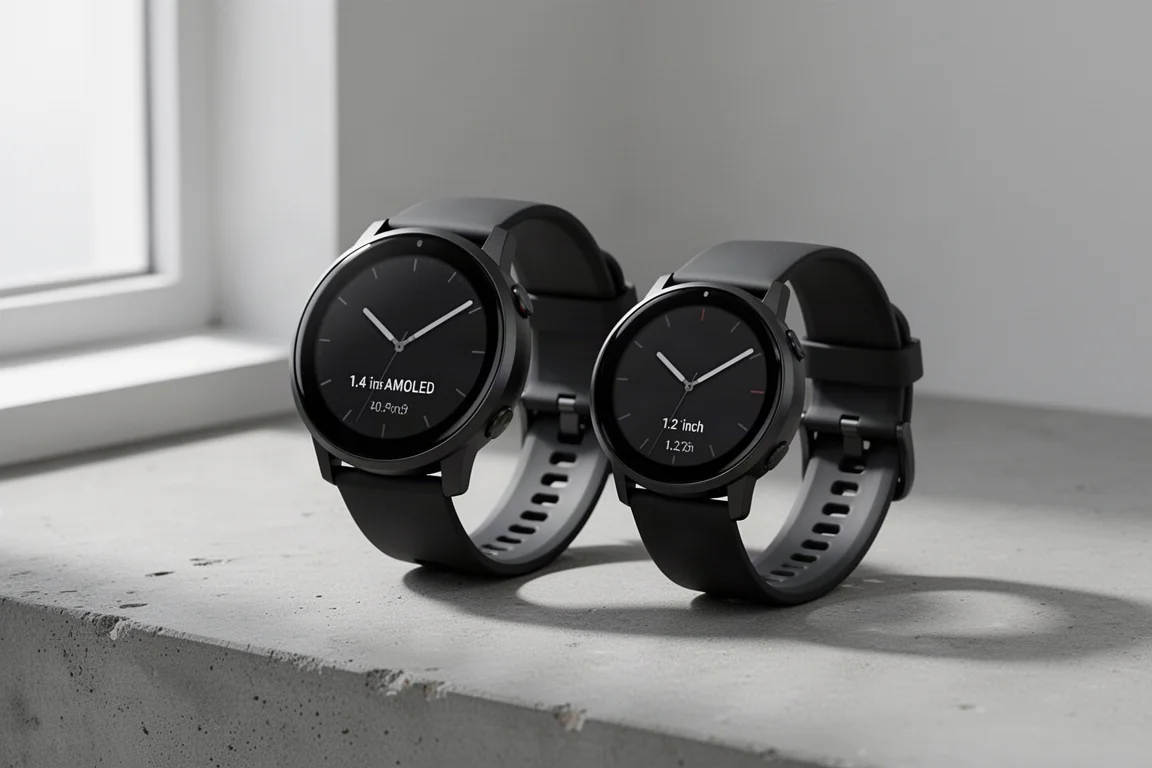
The Garmin Venu 3 arrives as a well-rounded refresh of Garmin’s AMOLED lifestyle-sports line, and for the first time in a while the series returns to two sizes. There is the larger Venu 3 with a 1.4-inch display, roughly equivalent to a 45mm watch, and the smaller Venu 3S with a 1.2-inch display, roughly a 41mm fit. Both are priced at $449, which restores a choice that disappeared with the Venu 2 Plus and matches the sizing approach used across Garmin’s more sport-oriented watches.
This is not a spec-sheet exercise. Everything here comes from real daily training use, including running, cycling, swimming, and ordinary days in between. The short version: no single change is revolutionary, but the sheer number of refinements, roughly 40 by a generous count, adds up to a genuinely better watch.
Sleep Tracking and Sleep Coaching
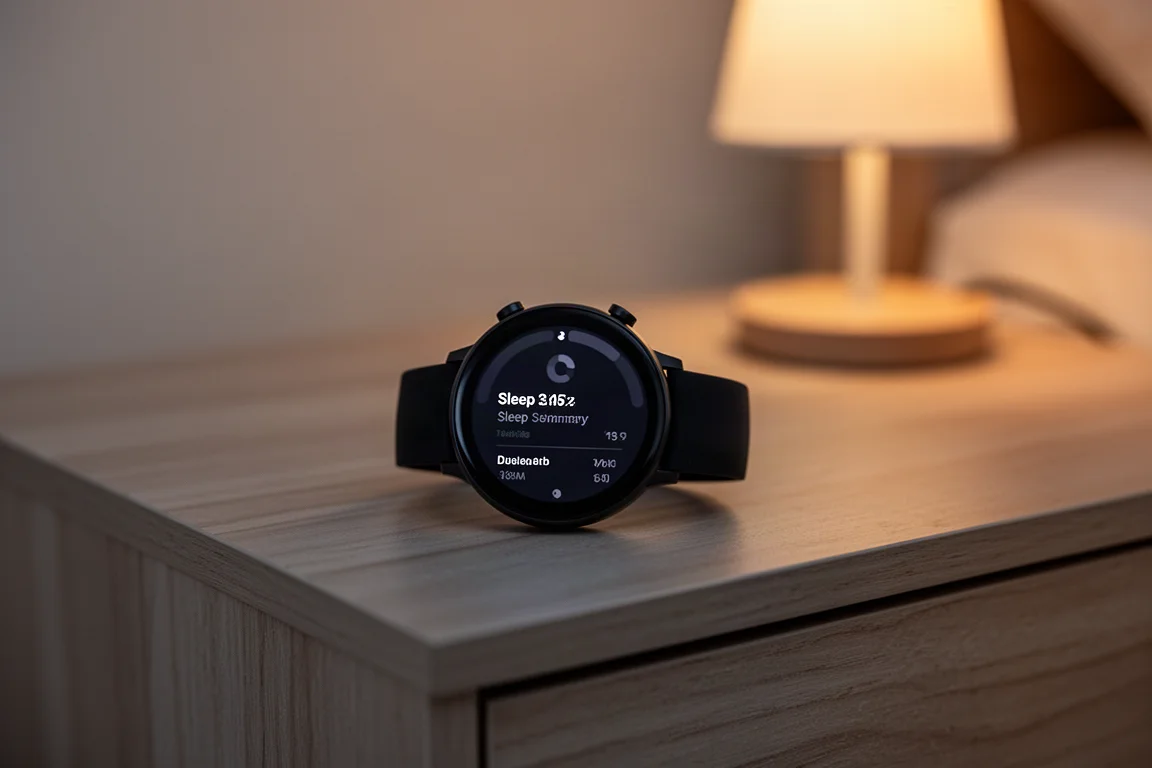
Sleep is where the Venu 3 pushes hardest. The Sleep Coach feature now establishes a personal baseline, showing the sleep you should be targeting each night and adjusting the recommendation based on sleep history, activity, HRV, and naps. On one tested unit, for example, the baseline suggested 7 hours and 50 minutes, and the watch recommended around 8 hours and 30 minutes for that particular night.
One caveat is worth knowing: the “personal” baselines we checked came out identical across multiple testers, which undercuts the personalization claim somewhat. It may just be coincidence, but it is worth watching.
Two supporting features round this out. Nap detection is automatic and works well, logging even a short 40-minute morning nap and gently noting that it should ideally have been kept under 30 minutes. HRV status tracking is also on board, showing nightly values, baselines, and seven-day averages, giving a useful read on recovery and fatigue trends.
Morning Report and Evening Summary
The morning report, carried over from Garmin’s other recent watches, appears the moment you wake up with weather, sleep, HRV status, and calendar widgets. It is customizable and fully disableable if you find it intrusive.
New on the Venu 3 is a daily summary, essentially a mirror of the morning report at the other end of the day. Two hours before your set bedtime, the watch pops a notification summarizing your day and offering suggestions for better sleep that night. It is a small idea, but it fits the overall sleep-first direction nicely.
New Sport Profiles and Structured Workouts
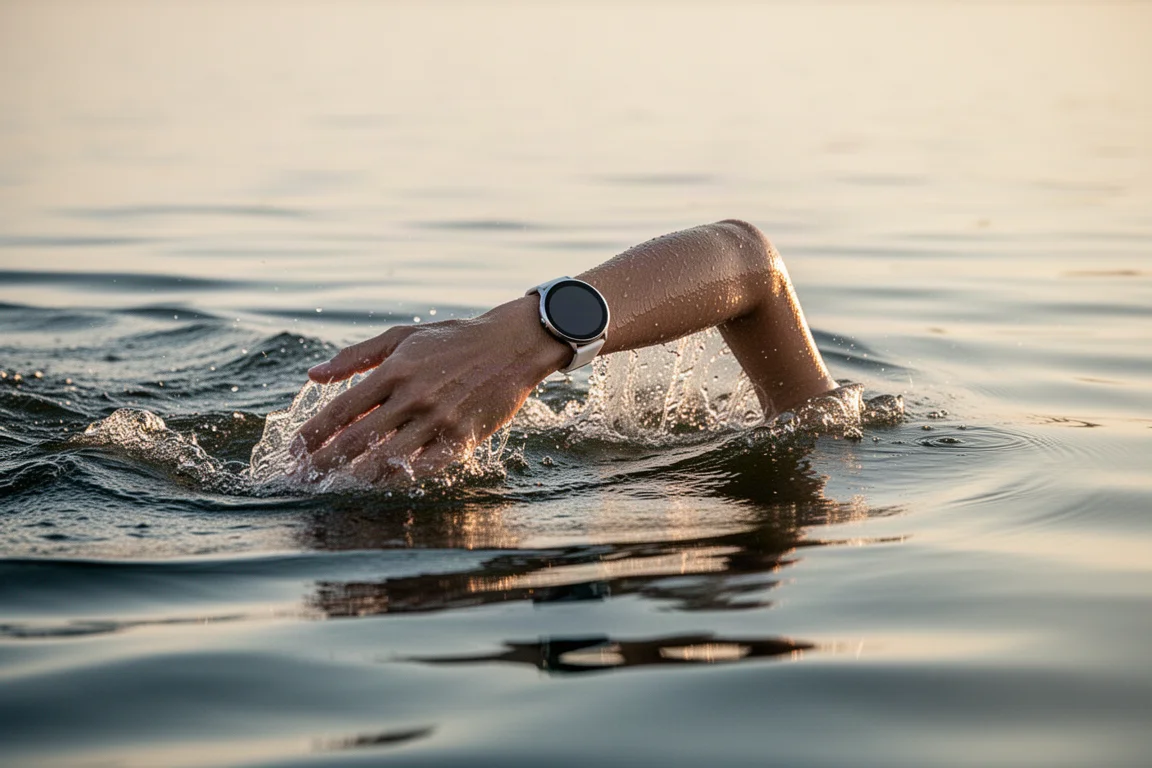
The Venu 3 gains a long list of new sport profiles, with the headline additions being hand cycling and wheelchair support, including wheelchair push tracking, plus Open Water Swimming. Open water GPS tracks in testing were spot on.
Structured workouts have also expanded: you can now build interval workouts directly on the watch, including open or structured repeats with distance or time intervals, rest periods, repeats, and warm-ups, without needing your phone or a third-party platform. Downloaded workouts from Garmin Connect or TrainingPeaks still work as before.
Cycling Power Support
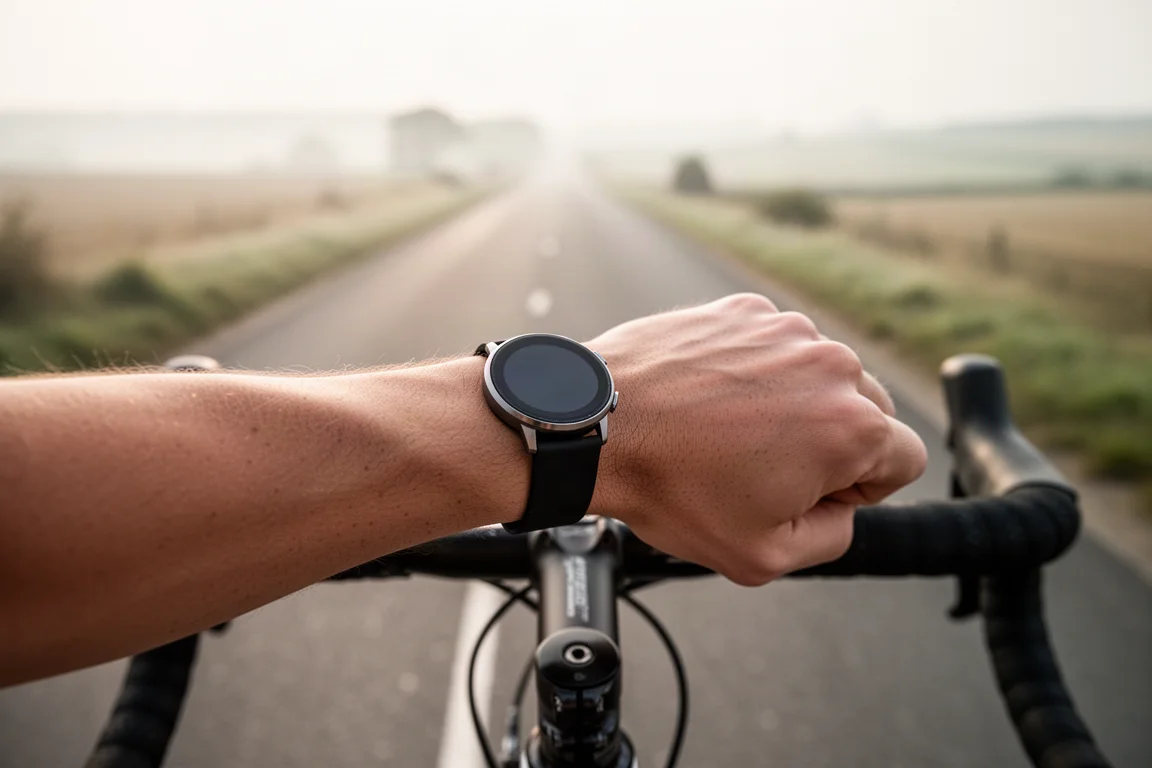
For cyclists, the Venu 3 can now pair with power meters, smart trainers, and e-bikes over ANT+, pulling in power, cadence, and speed automatically. Recording from the watch matched other devices precisely during testing, which is exactly what you want.
The limitation is data fields: you get only current power, average power, and power zone, whereas most other Garmin watches at this price or lower offer far more. It works cleanly, but power-focused riders may want more flexibility.
Heart Rate and GPS Accuracy
The Venu 3 uses Garmin’s new Elevate V5 optical heart rate sensor, the same unit found in the Fenix 7 Pro and epix Pro. In practice it delivered consistently strong results: a 90-minute run tracked cleanly, interval workouts were nailed almost perfectly, and an outdoor ride, traditionally a weak spot for wrist sensors due to handlebar vibration, stayed accurate where an older Elevate V4 watch struggled.
One notable omission is ECG. The hardware is capable of it, just as the Venu 2 Plus was before certification arrived, but it is not enabled on the Venu 3, and Garmin will not confirm whether it ever will be. If ECG matters to you, wait until it is actually live.
On GPS, the Venu 3 uses multi-GNSS rather than multi-band dual frequency, which seems like a downgrade on paper given cheaper Garmin watches offer multi-band. Real-world testing says otherwise. The Venu 3 consistently beat multi-band rivals like the COROS Apex 2 Pro in city tracking, performed close to the dual-frequency Forerunner 955, and delivered excellent open water swim tracks. Implementation clearly matters more than the spec sheet here.
Battery Life
Battery life has improved across the board. In daily smartwatch mode the increase is roughly 50 percent, and GPS mode gets a smaller bump. In always-on mode with about 90 minutes of GPS workouts per day, real testing landed around four days against a claimed five, which is reasonable given the heavy training load. Charging takes roughly an hour.
Everyday Usability and Smartwatch Features
The software experience picks up a pile of useful refinements: new watch faces including live ones, a new Sports and Apps menu separating third-party apps from activities, a recents shortcut borrowed from the Fenix and epix series, customizable swipe shortcuts, and a large fonts mode for easier readability. Body Battery now shows the factors affecting your day, including workouts and naps.
There is also a flashlight feature, with white and red modes at multiple brightness levels. It lacks the dedicated front-facing LED of the Fenix and Instinct 2X, but it is bright enough to navigate a dark hotel room comfortably.
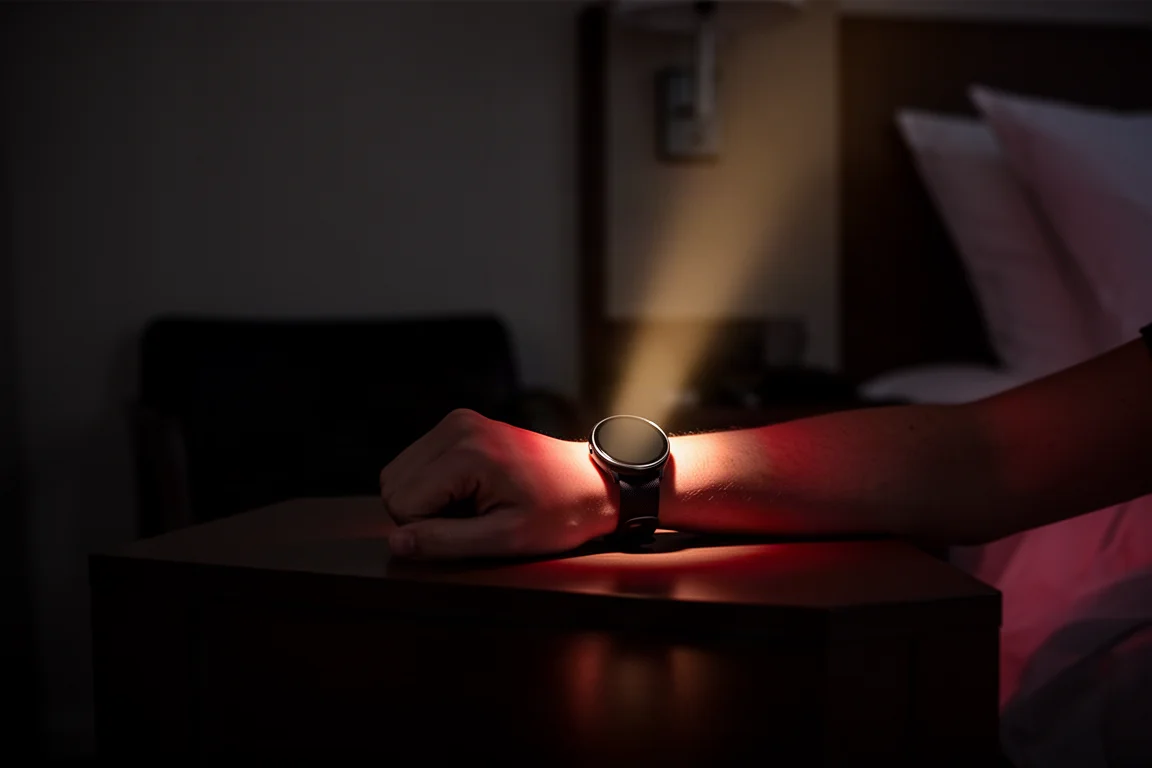
Things to Consider Before Buying
The microphone and speaker enable on-wrist phone calls and speaker music playback without Bluetooth headphones, plus an emergency contact call or text via a long button hold. Call quality through the speaker is usable but not remarkable.
The bigger trade-off is smartwatch depth. There is no cellular LTE connectivity, so calling and notifications require your phone in range, unlike Apple and Samsung watches. And while sport profiles, data, and analytics remain best in class against Apple, Samsung, COROS, Polar, and Suunto, the Venu 3 is clearly slanted toward fitness rather than smartwatch features.
Buying Advice
If your priorities lean toward training tools, recovery insights, and battery life, the Venu 3 is easy to recommend. Pick the Venu 3S if you prefer the smaller 41mm fit; both sizes share the same feature set and price. If cellular independence or ECG is a must-have today, look elsewhere or wait. For everyone else, the sum of these refinements makes this the most capable Venu yet.
Conclusion
The Garmin Venu 3 is not defined by one headline feature but by dozens of thoughtful improvements: smarter sleep coaching, nap and HRV tracking, cycling power support, a more accurate heart rate sensor, better battery life, and a bigger, brighter display in two sizes. Its accuracy results even outperform some multi-band rivals. If you want a sports-first smartwatch that still handles daily life well, this is a confident choice.
Product link
View more details for Garmin Venu 3
This product is mentioned in the review. Check the specifications, options, and compatibility before buying.
View more details for Garmin Venu 3Further reading
Related Reviews
Smartwatches
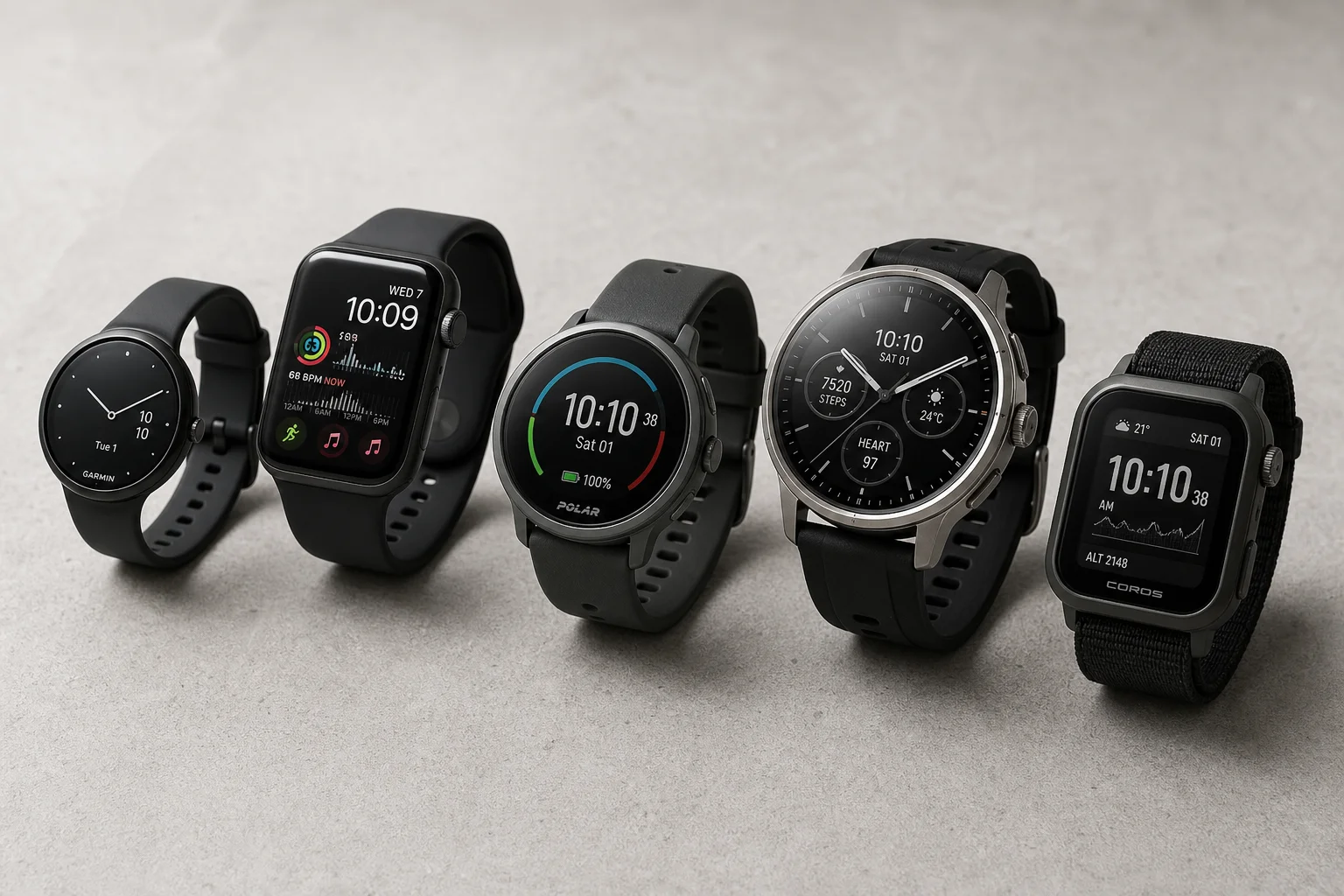
Best Budget Smartwatches 2026: Five Affordable Options That Actually Work
Five budget smartwatches tested for real daily use. From entry-level options to premium features at fraction of the cost, here's what actually delivers.
Smartwatches
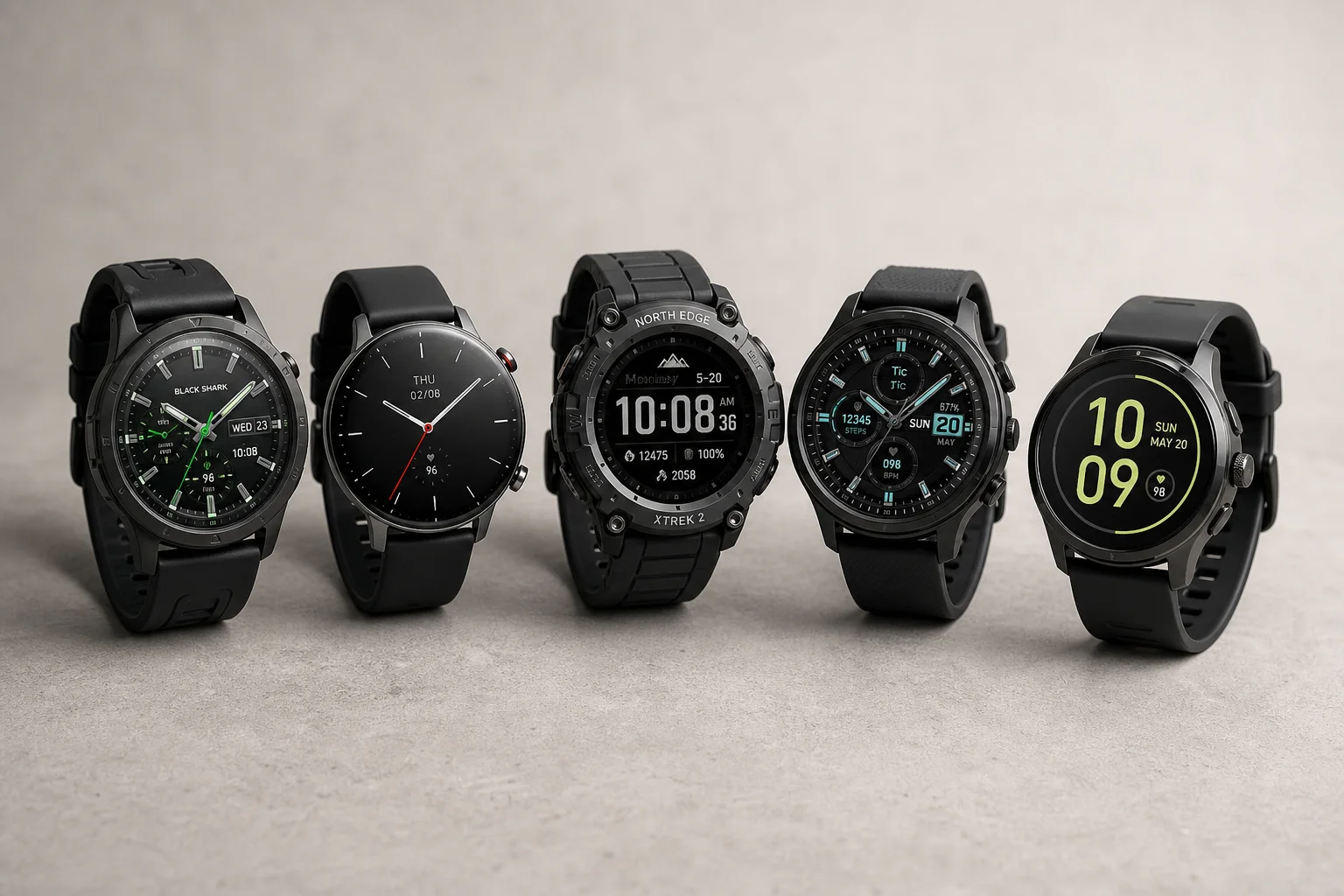
Best Smartwatches on AliExpress 2026: Five Practical Options for Different Needs
Five smartwatches with strong customer feedback and competitive pricing, each suited to different priorities: premium design, battery life, outdoor durability, advanced health tracking, and sports versatility.
Smartwatches
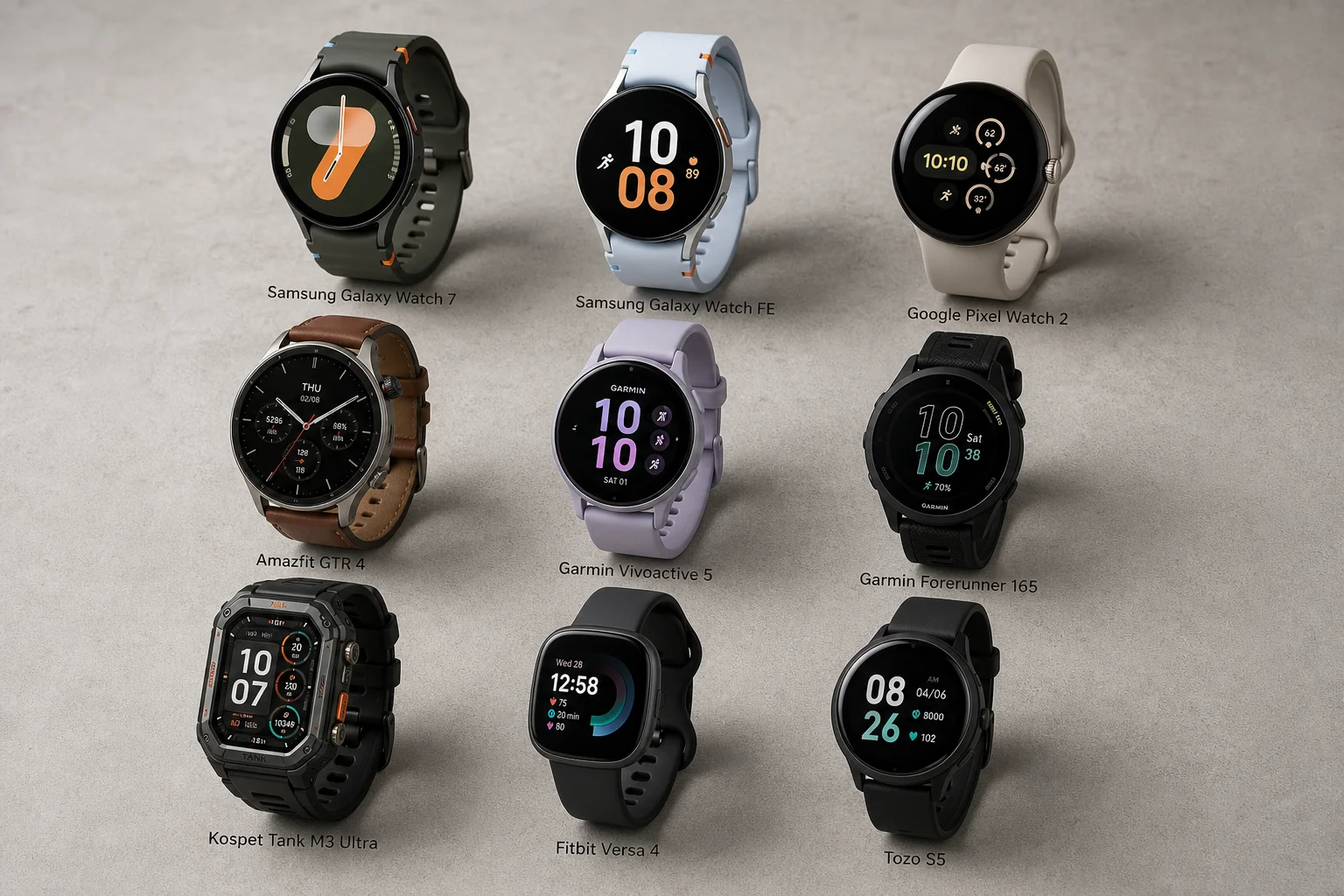
Best Smartwatches Under $300: 9 Practical Options for Every Need
A curated selection of nine smartwatches under $300, each excelling in health tracking, durability, battery life, or fitness features. Find the right match for your lifestyle.