Smartwatches
Garmin Venu 2 Plus vs Venu 2: Which Garmin Smartwatch Makes More Sense for Runners?
Two closely related Garmin watches with the same core run tracking. The differences come down to voice features, case size, and battery life.
Introduction
Garmin’s Venu range sits at the point where serious run tracking meets a full smartwatch experience. The Garmin Venu 2 Plus joins the Venu 2 and the square Venu SQ, and on paper the three are close relatives: all use color AMOLED displays, all run Garmin’s familiar fitness platform, and all target runners who also want everyday smartwatch features.
The question worth asking is not whether the Venu 2 Plus is good. It is. The question is whether it offers enough over the Venu 2 to justify choosing one over the other. After living with the Venu 2 Plus through regular run testing, the answer comes down to three things: voice features, case size, and a small drop in battery life.
Design and Fit: A Family of Round Watches
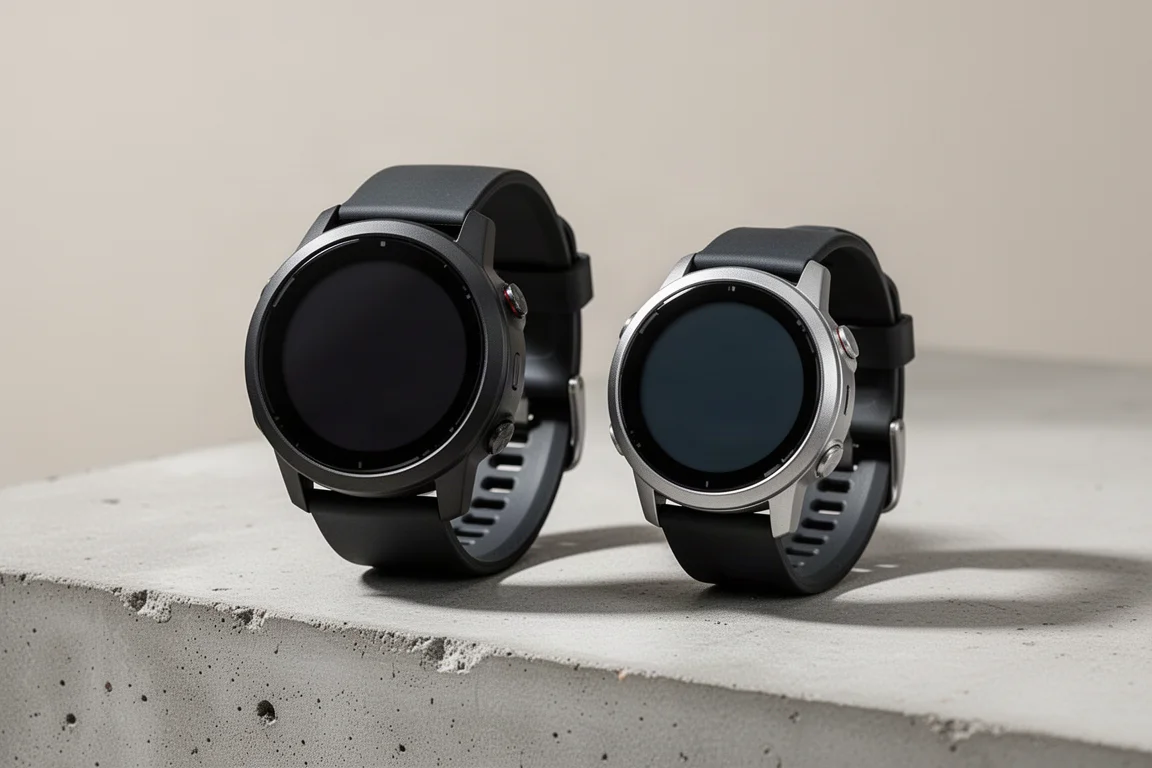
The Venu 2 Plus keeps the round design, polymer case, and interchangeable strap of the Venu 2, and it uses the same screen size. The case measures 43mm, sitting between the Venu 2’s 45mm and the Venu SQ’s 40mm. Despite packing in a microphone and speaker, the extra thickness and weight are not noticeable in daily wear.
Design options include several bezel finishes, with black, cream, and silver bezel choices, plus a leather strap option that pushes the price up a little. If you like a sporty-looking running watch, that is what you get here. If you would rather something a bit more stylish, the bezel options and strap swapping let you move in that direction.
Garmin Venu 2 Plus: Voice Features Take Center Stage
The defining difference is the middle physical button. Pressing it connects the watch to your phone’s voice assistant, and you can choose which one to use if your phone offers several. Once connected, you can ask the same questions you would on your phone, check the weather, and respond to texts by voice. The connection takes about five seconds, so it is not instant, but the microphone and speaker performed reliably and loudly both indoors and outdoors in testing.
Bluetooth calling also works well, with a keypad and access to up to 50 contacts. There is no cellular connectivity, so everything depends on being paired to your phone over Bluetooth. The same connection lets you handle safety and incident detection calls directly from the watch, which previously required your phone.
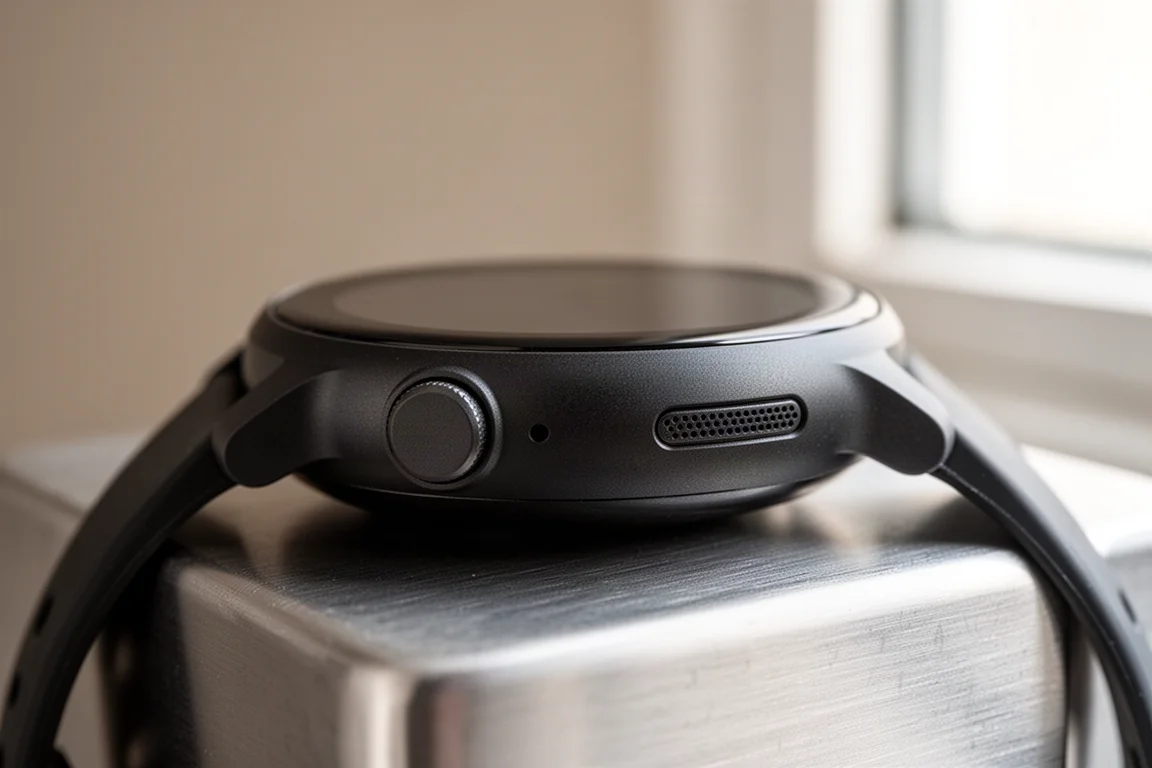
For runners, the voice assistant stays available mid-run: hit the middle button while tracking and you can interact as usual. The features are not groundbreaking, and similar capabilities exist on other watches, but they are nicely integrated and genuinely useful if you want them on a sports watch.
Garmin Venu 2: The Familiar Core Experience
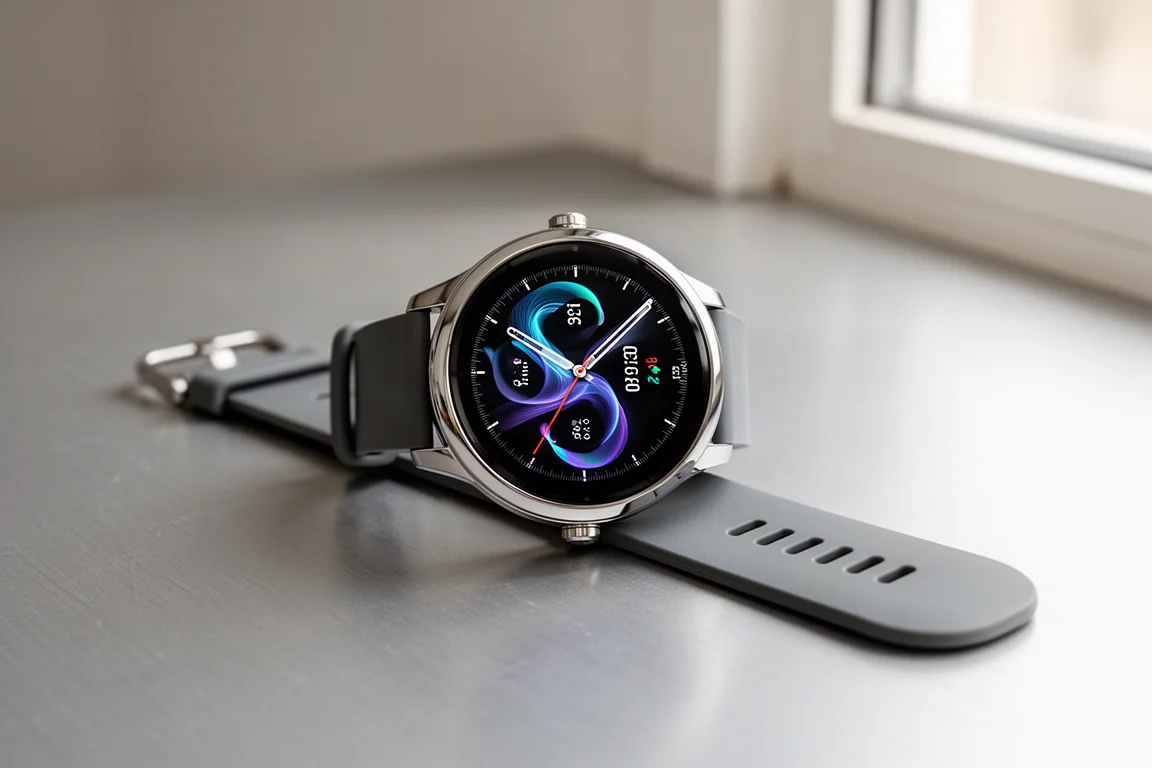
The Venu 2 remains the reference point for this whole comparison. It offers the same always-on AMOLED display, the same Garmin Coach training plans, fitness age, Body Battery, and stress tracking, and the same core software experience that has steadily improved across the Venu range.
What it lacks is the microphone and speaker hardware, so there is no voice assistant access or Bluetooth calling. You also get two buttons instead of three and a larger 45mm case. If none of those things matter to you, the Venu 2 delivers essentially the same run tracking for less money.
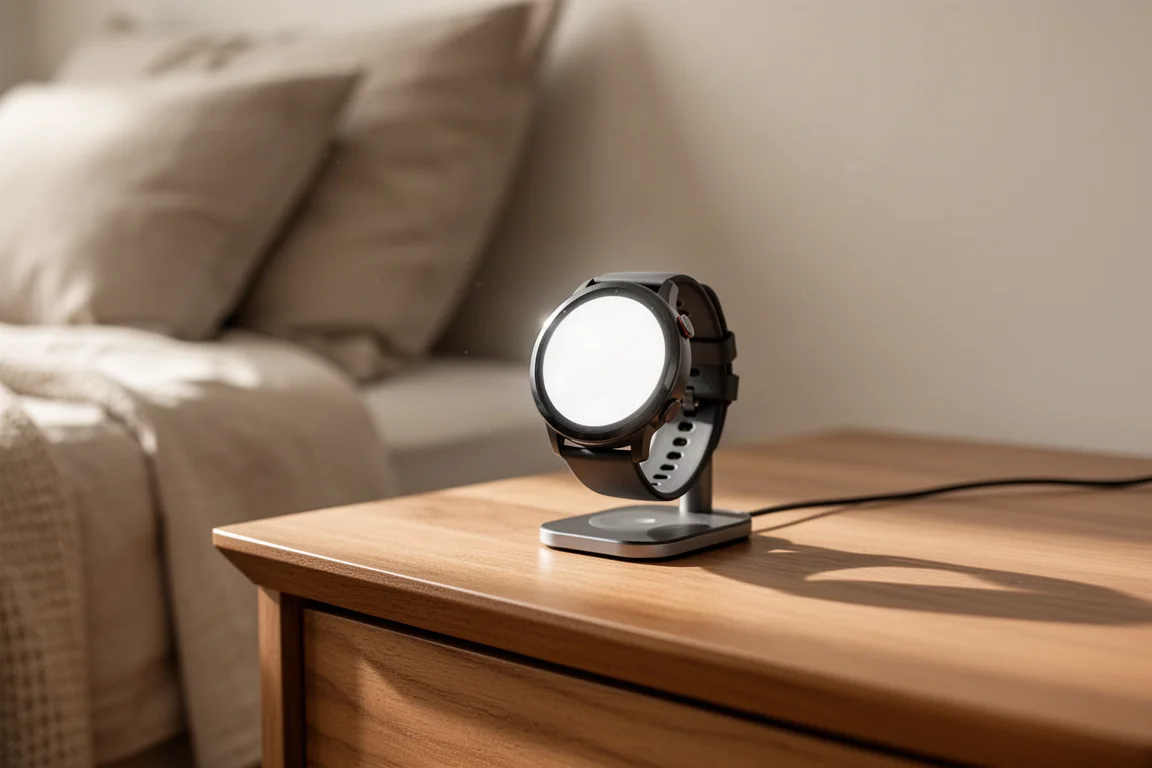
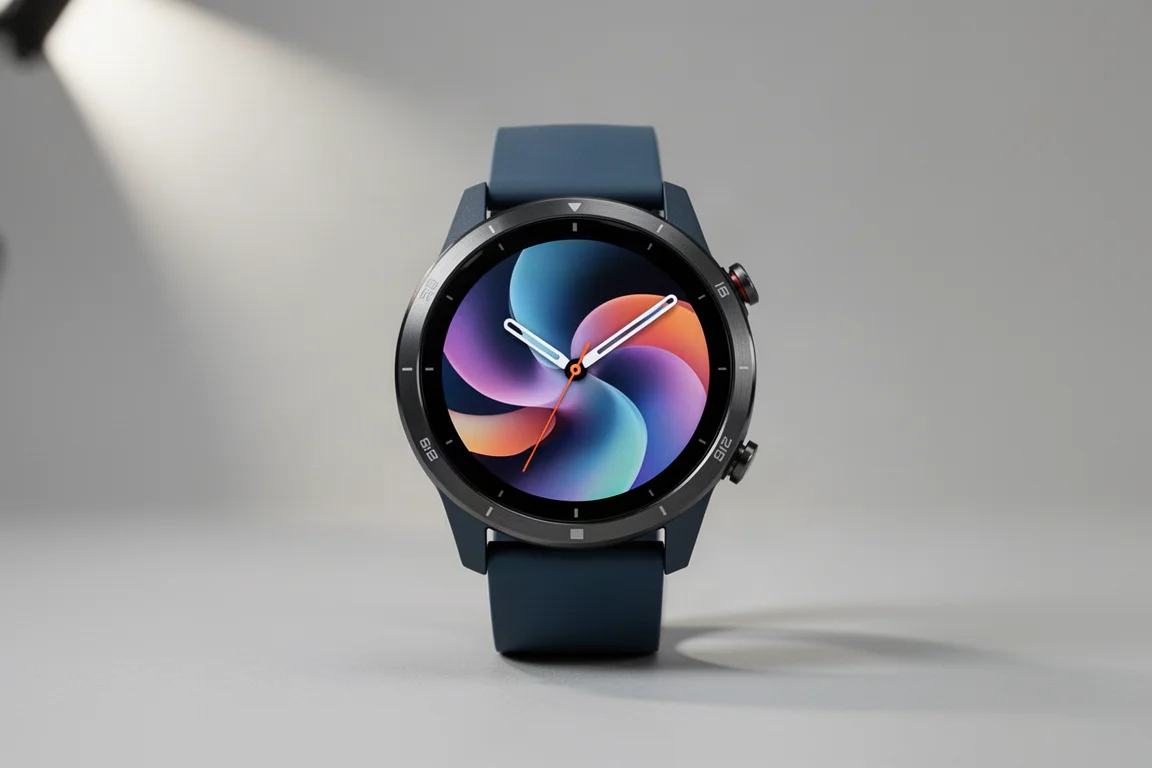
Run Tracking and Battery Life
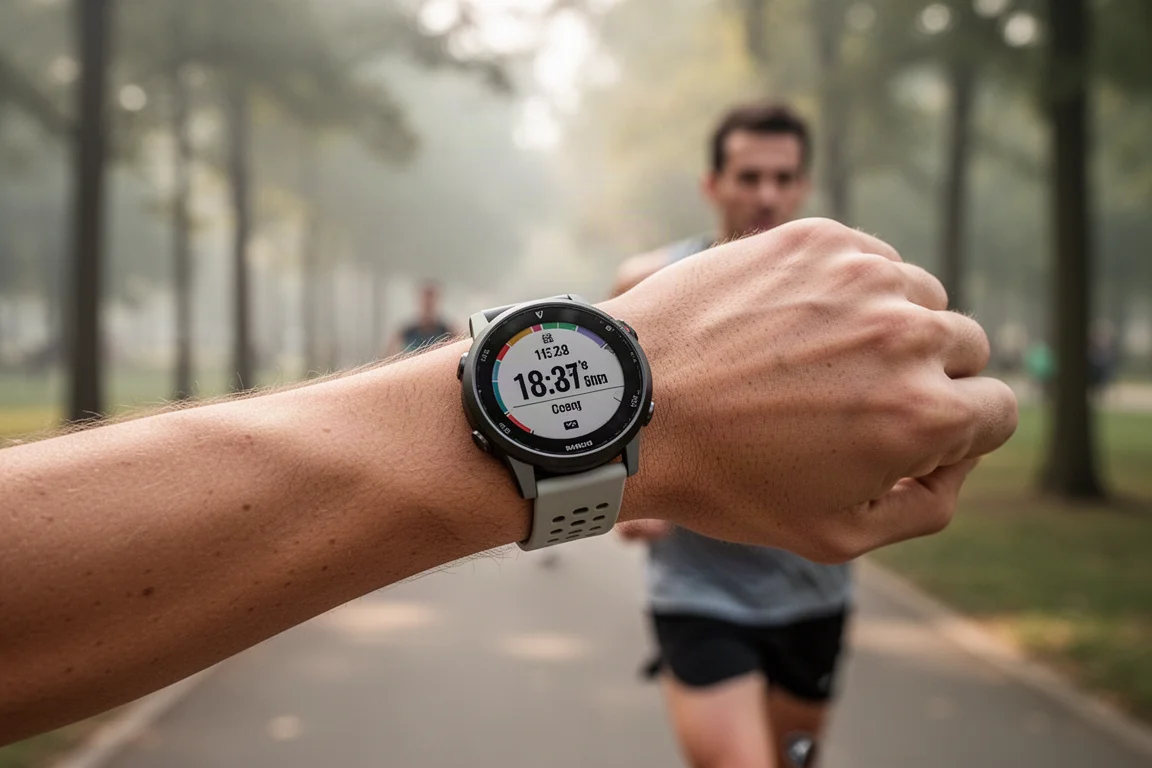
On the wrist during runs, the Venu 2 Plus feels nearly identical to the Venu 2. GPS lock-on was quick, and average pace readings matched tracking from Strava and another Garmin across both shorter and longer runs. The always-on display mode is available, though raise-to-wake takes a couple of seconds when it is off.
Heart rate performance mirrors the Venu 2: continuous monitoring is reliable, but max heart rate readings ran noticeably higher than a Wahoo TICKR chest strap, even on steadier runs. Averages were fine, but if you care about high-intensity training, pair the watch with an external strap. ANT+ and Bluetooth connectivity make that easy, and it is the recommendation.
Battery life sees a slight drop compared to the Venu 2, but a week of training was still achievable in practice without the always-on display. It will be less with always-on enabled, so factor that in if a full week is your baseline.

Which Should You Buy?
If you have an Android phone and want solid run tracking alongside a real smartwatch experience, the Venu 2 Plus is a strong option, with the Huawei Watch GT 3 as the other obvious alternative in that space. The familiar Garmin experience is exactly what you get here.
If you are an iPhone user, the Apple Watch still makes more sense, unless battery life combined with solid run tracking is the priority. In that case, the Venu 2 is the smarter pick over the Venu 2 Plus unless you specifically want the voice features.
View more details for Garmin Venu 2 Plus
Conclusion
Both watches deliver a near-identical, dependable run tracking experience, and neither is perfect for advanced training analytics, which remain the territory of pricier Forerunners. The Venu 2 Plus earns its place with well-integrated voice features and a mid-sized case, while the Venu 2 wins on value and battery life. If forced to pick one from the Venu range for running, the Venu 2 still edges it, but either choice is a solid one.
Further reading
Related Reviews
Smartwatches
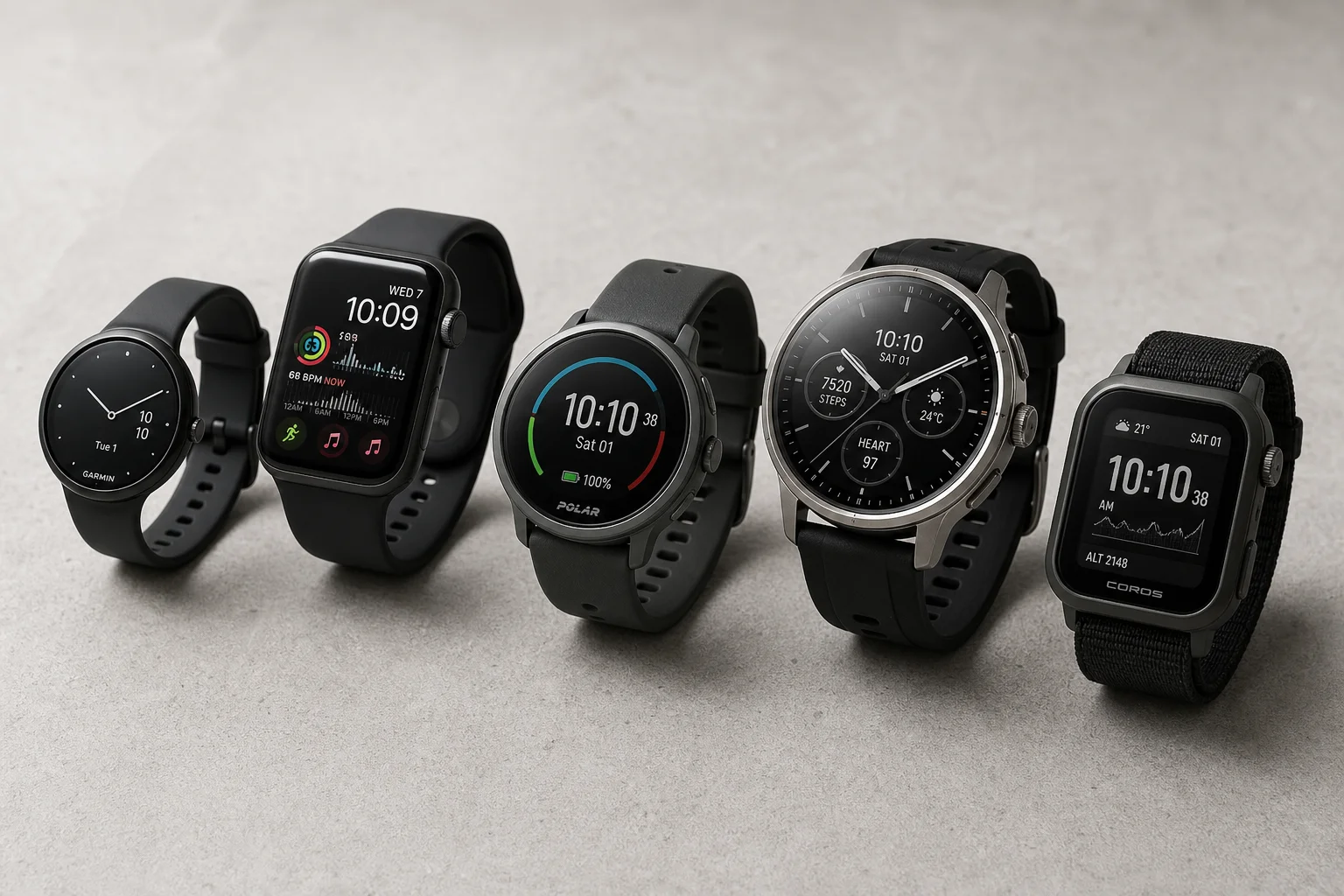
Best Budget Smartwatches 2026: Five Affordable Options That Actually Work
Five budget smartwatches tested for real daily use. From entry-level options to premium features at fraction of the cost, here's what actually delivers.
Smartwatches
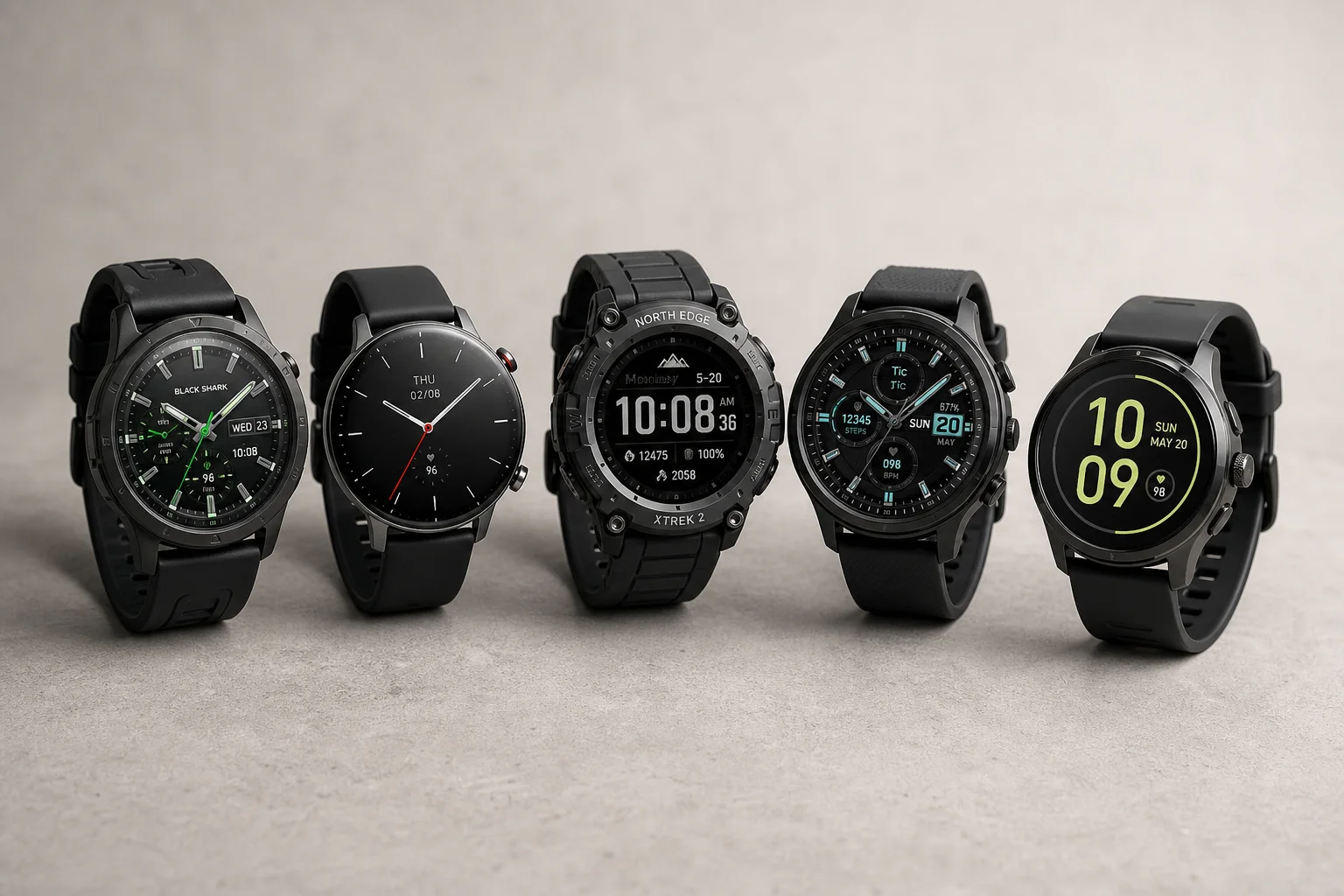
Best Smartwatches on AliExpress 2026: Five Practical Options for Different Needs
Five smartwatches with strong customer feedback and competitive pricing, each suited to different priorities: premium design, battery life, outdoor durability, advanced health tracking, and sports versatility.
Smartwatches
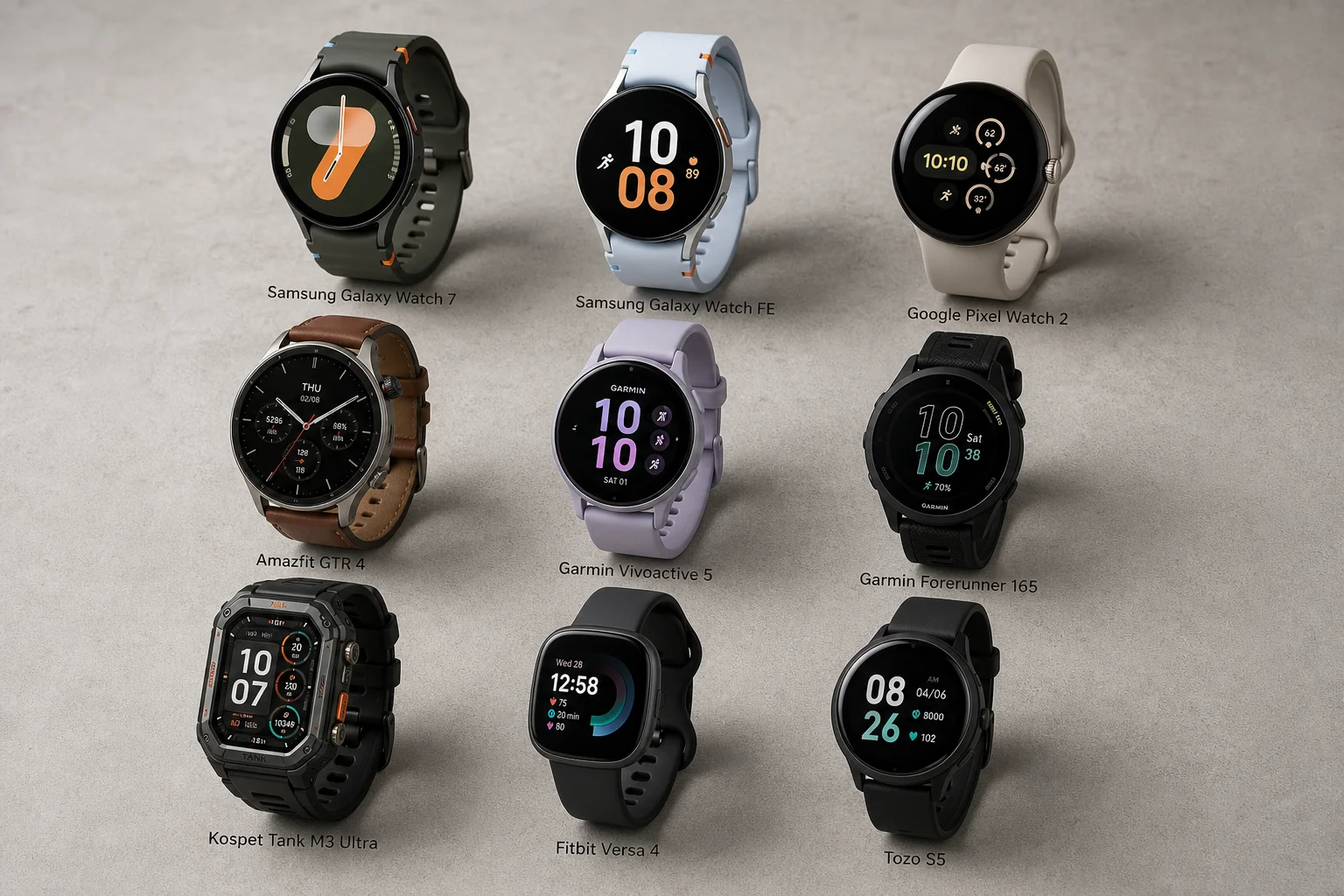
Best Smartwatches Under $300: 9 Practical Options for Every Need
A curated selection of nine smartwatches under $300, each excelling in health tracking, durability, battery life, or fitness features. Find the right match for your lifestyle.