Smartwatches
Garmin Venu 2 Plus vs Venu 2 vs Venu Sq: Which Should You Pick?
The Venu 2 Plus adds a microphone, speaker, and voice features to an otherwise familiar formula. We compare it against the Venu 2 and the budget-friendly Venu Sq to help you choose.
Introduction
The Garmin Venu 2 Plus sits in a familiar spot: it looks and behaves almost exactly like the Venu 2, with a couple of genuinely useful additions bolted on. If you are choosing between these two, or wondering whether the cheaper Venu Sq is close enough, the differences boil down to case size, voice features, and price. Here is how they stack up.
Design: Near Identical at a Glance
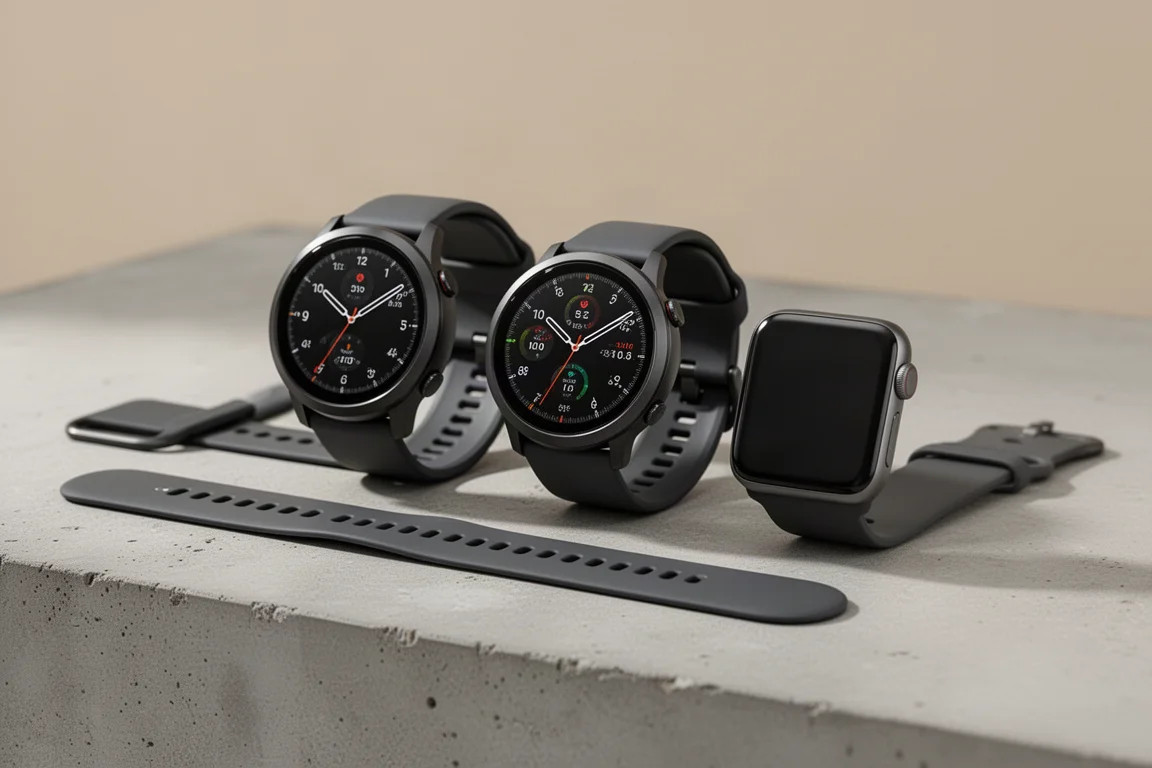
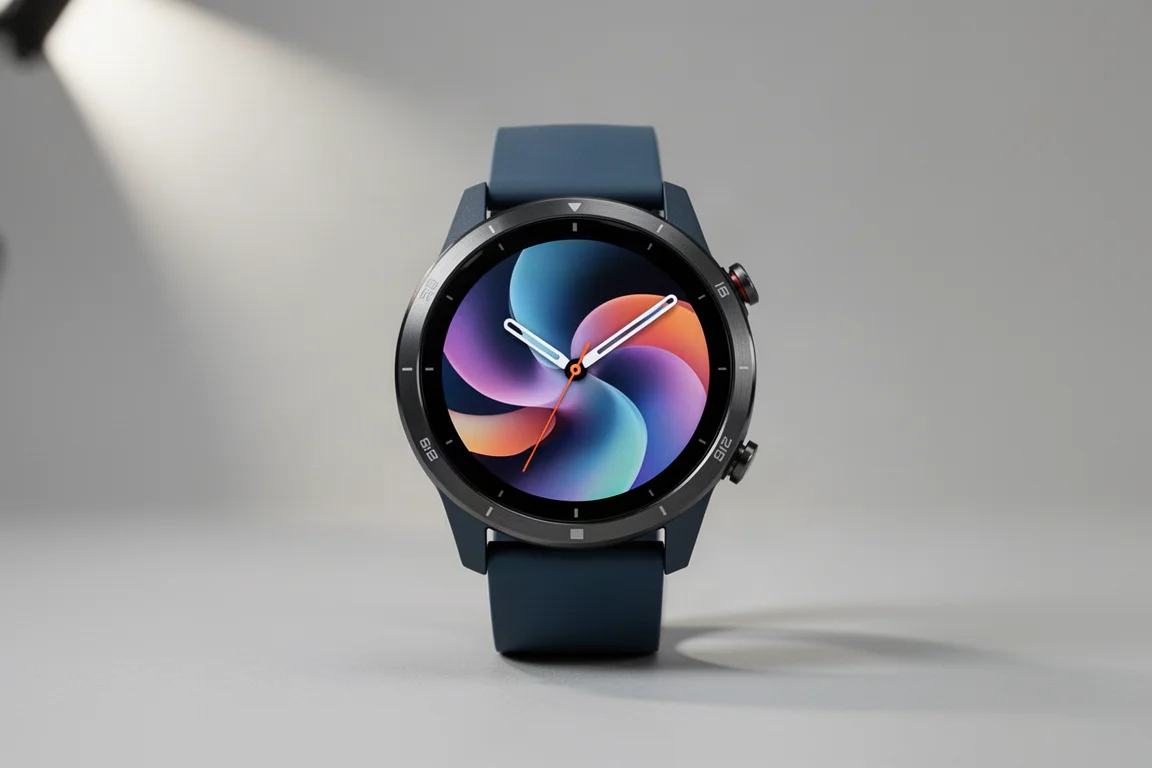
The Venu 2 Plus uses a 43mm case, while the Venu 2 steps up to 45mm. Both share the same screen size and resolution, the same AMOLED always-on display option, and the same 20mm interchangeable straps. Garmin offers its own official silicone options, and a leather strap is also available for the Venu 2 Plus.
The one visible difference is that the Venu 2 Plus has three physical buttons instead of two, which ties directly into the microphone and speaker it carries that the Venu 2 does not. Bezel color options differ slightly between the two, but otherwise the designs are near identical. On the wrist, the Venu 2 Plus is a touch thicker and heavier, but it is not something you really notice. Both are comfortable for all-day wear, run tracking, and sleep tracking.
Features: The Voice Advantage
Feature-wise the two watches are almost the same. The Venu 2 Plus adds a microphone and speaker, which unlocks your phone’s voice assistant over Bluetooth and lets you make and take calls from the watch. You can also place calls through Garmin’s safety and incident detection features, which previously required reaching for your phone. Note that you need your phone paired for all of this, since there is no cellular connectivity.
Beyond that, both watches share the same sports modes, metrics, Garmin Pay, and a music player with around 650 songs of storage with Spotify support. The Venu 2’s fitness age feature, a more reliable fitness assessment than the original Venu, is also present. Wellness tracking matches up too: Body Battery, the Health Snapshot feature, stress monitoring, respiration rate data, and sleep tracking all appear on both. Sleep duration tracking can still run a little generous, but the sleep stage breakdown holds up well against other devices.
Battery life is similar. On paper the Venu 2 promises a couple of days more in smartwatch mode, but realistically you get about a week of training out of either. Both deliver roughly eight hours of GPS with music streaming, and both support quick charging.
Running Performance: You Can’t Really Separate Them
Run with either watch and the experience is essentially the same. GPS tracking is solid on both, and the heart rate sensor struggles at higher intensities and even on steadier runs, but both can pair with external heart rate monitors and other sensors to fill that gap.
The data output is similar across the two, the good and the bad alike. The Venu 2 Plus’s voice features are accessible during a run, and while most people will not feel a strong need to call up a voice assistant mid-run, the safety and incident detection integration is the more meaningful part: if you cannot reach your phone, you can make that call from the watch.

You will get a richer analytics experience from Garmin’s platform itself, but as a blend of smartwatch and sports watch, both of these are genuinely compelling. Pick one over the other and you will get very similar running performance either way.
Where the Venu Sq Fits
The Venu Sq is the cheapest option in the range, but it drops the AMOLED display and loses some of the functionality of the Venu 2. If you are weighing it against these two, the Venu 2 is still the better pick: the extra screen resolution, the size, the tracking performance, and the smarter watch features are worth paying more for.
Buying Advice: Which One Makes Sense
The choice really comes down to two things. First, size: the 45mm Venu 2 is a nicely sized watch, and the 43mm Venu 2 Plus does not feel dramatically different given the same screen, similar weight, and similar day-to-day comfort. Second, voice features: if you genuinely care about accessing Siri, Bixby, or Google Assistant from your watch, and you run with your phone anyway since there is no cellular connection, that tips you toward the Venu 2 Plus.
If you do not care about those extras, the Venu 2 is the smarter buy. Running performance is effectively identical, battery life works out the same in practice, and it typically costs less. The Venu 2 Plus is a lovely watch, but you are paying a premium for voice features that will matter to some people and not to most.
Conclusion
The Venu 2 Plus and Venu 2 are near-twins in design, features, and running performance. The Plus earns its price only if calls, voice assistant access, and watch-based safety calls are things you will actually use. For everyone else, the Venu 2 delivers the same core experience for less money, and both comfortably beat the Venu Sq on screen and tracking quality.
Further reading
Related Reviews
Smartwatches
Best Budget Smartwatches 2026: Five Affordable Options That Actually Work
Five budget smartwatches tested for real daily use. From entry-level options to premium features at fraction of the cost, here's what actually delivers.
Smartwatches
Best Smartwatches on AliExpress 2026: Five Practical Options for Different Needs
Five smartwatches with strong customer feedback and competitive pricing, each suited to different priorities: premium design, battery life, outdoor durability, advanced health tracking, and sports versatility.
Smartwatches
Best Smartwatches Under $300: 9 Practical Options for Every Need
A curated selection of nine smartwatches under $300, each excelling in health tracking, durability, battery life, or fitness features. Find the right match for your lifestyle.