Smartwatches
Garmin Venu 2 Plus vs Garmin Epix (Gen 2): Key Differences Before You Buy
Two very different Garmin smartwatches: the mainstream Venu 2 Plus and the sport-focused Epix (Gen 2). Here is how they compare on price, mapping, battery life, and training features.
Introduction
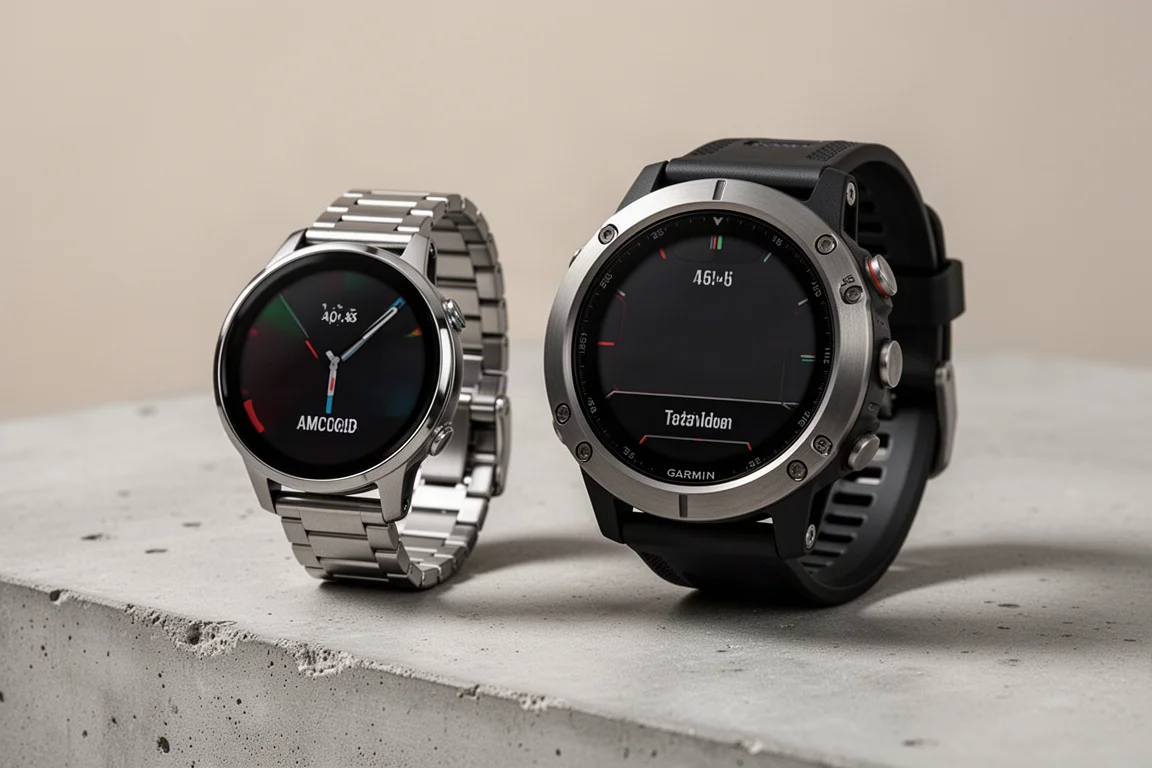
The Garmin Venu 2 Plus and the Garmin Epix (Gen 2) look like they belong to the same family, but they are built for noticeably different users. After spending time with both units side by side on rides, hikes, and everyday wear, the pattern is clear: the Venu 2 Plus is aimed at the mainstream day-to-day audience, while the Epix (Gen 2) is designed for serious sport and outdoor use. Below are the core differences that actually matter when choosing between them.
Price, Hardware, and Build
The price gap is the first thing to absorb: the Venu 2 Plus is $449, while the Epix (Gen 2) starts at $899 and can reach $999 for the Sapphire edition. Sapphire adds more storage, multiband GPS, a sapphire glass display, and titanium bezels.
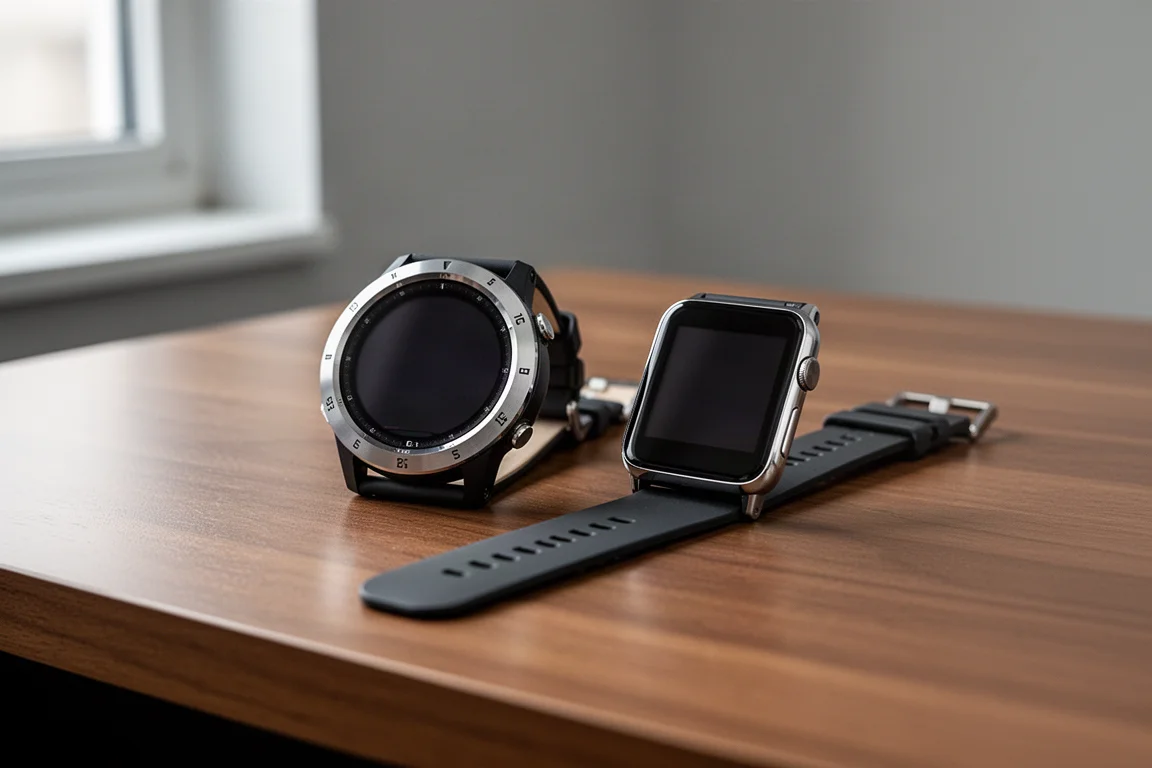
Physically the Epix (Gen 2) is the larger watch, with five buttons compared to three on the Venu 2 Plus. On the Epix you can use the buttons or the touchscreen, while the Venu 2 Plus requires using both depending on what you want to do. Waterproofing also differs: the Epix is rated to 100 meters versus 50 meters on the Venu 2 Plus, though both are fine for swimming and both have swimming modes. Weight favors the Venu 2 Plus at 51 grams against 71 grams for the Epix.
Display
Here is a surprise: both watches use the exact same 1.3-inch AMOLED display with 65,000 colors and a 416x416 resolution. The Epix case just makes the screen look bigger. Both are equally easy to read in dark conditions and in bright direct sunlight.
The differences are in how the display is used. The Epix has a dedicated dim sleep watch face at night, so tapping the button after dark will not blind you. The Venu 2 Plus lacks that and shows a regular watch face at normal brightness. Garmin has said it is considering bringing that feature over, with no promises. The Epix also offers deeper customization of brightness and behavior per day of the week.
On burn-in: no burn-in has been observed on the Venu 2 line, which shares the Venu 2 Plus display, after roughly nine months of use. For normal usage, burn-in is not a major concern.
Mapping, Routing, and Navigation
This category is where the two watches diverge the most. The Epix (Gen 2) has full onboard maps with popularity routing heatmaps, trail visibility, topography, and ski areas. It can pull in routes from third-party providers like Komoot and Strava, or routes you build yourself in Garmin Connect, and overlay ClimbPro to see how much elevation remains on a climb. It can even generate random routes of a given distance, duration, or direction when you are traveling and just want somewhere to run 5K or ride 100K.
The Venu 2 Plus has no mapping at all. Its only navigation feature is saving a location, such as your house or a trailhead, and following an arrow pointing in that direction as the crow flies. If there is a lake or no roads in between, that is on you. A partial workaround is a Connect IQ app like DwMap, which offers very basic course routing if you only need to follow a single trail.

Speaker, Microphone, and Voice Assistant
The Venu 2 Plus has features the Epix lacks: a speaker and a microphone. It can play music directly through the speaker and take calls on the watch as long as your phone is nearby. Neither watch has LTE, so both depend on your phone for calling, but the Venu 2 Plus handles it from the wrist, and the quality is good enough for daily use, if not premium audio territory.
The Venu 2 Plus also has a voice assistant: hold the middle right button and it connects to your phone’s assistant, Siri on iPhone, Bixby on Samsung, or Google Assistant on other Android phones. You ask through the watch microphone and get the answer through the speaker. The Epix only has a beeper for chirps like off-course alerts and notifications, so none of this is possible on its hardware.
Sport Profiles and Sensor Support
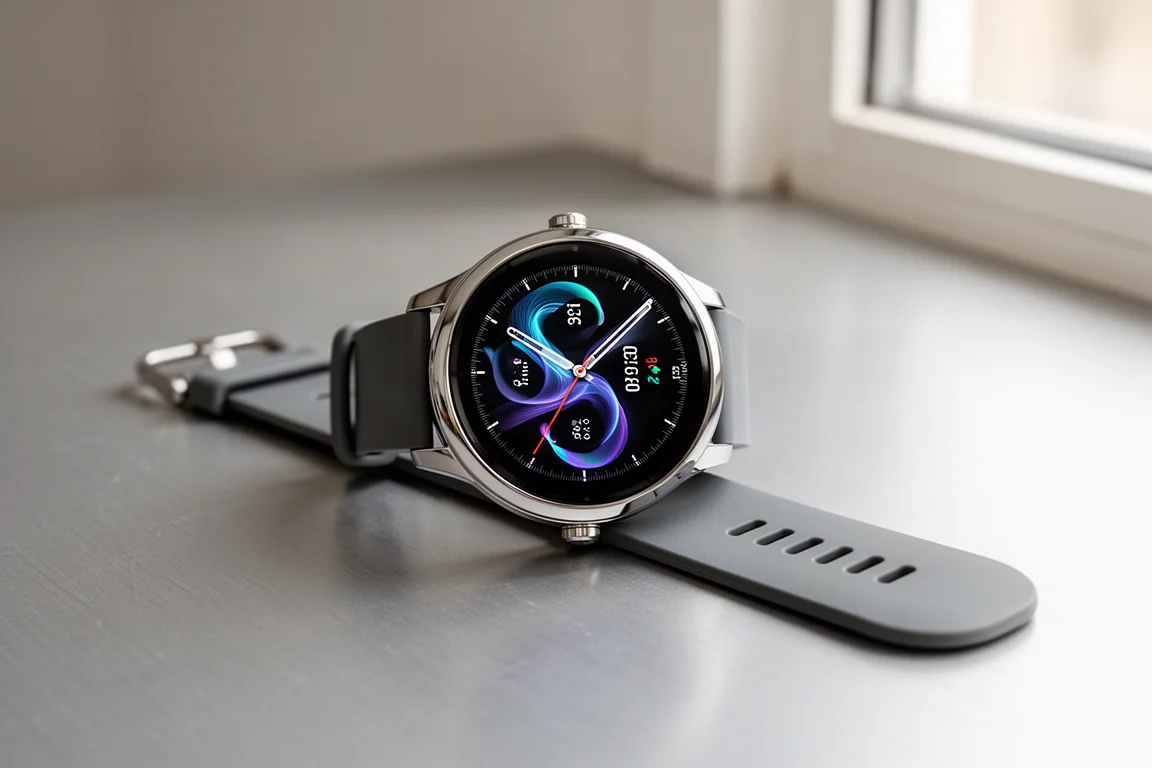
Both watches cover the core sport profiles: cycling, running, downhill skiing, and more. But the Epix is clearly the more sport-focused of the two. The Venu 2 Plus lacks open water swimming and triathlon or multisport modes. On the Epix you get essentially unlimited data pages with up to eight data fields per page, including elevation graphs and a compass, versus just three pages, a heart rate chart, and four data fields per page on the Venu 2 Plus. The Epix, alongside the Fenix 7, is also among the first Garmin watches to support phone-based configuration of all those data fields.
Sensor support is similar at the base level: both pair with ANT+ and Bluetooth Smart sensors, heart rate straps, and two cycling radars or lights. The Epix goes further, pairing with smart trainers and power meters, and pulling advanced metrics like cross-country skiing power, running dynamics such as vertical oscillation and ground contact time with the right Garmin sensors, and mountain biking metrics like jumps and grit and flow. None of that is on the Venu 2 Plus.
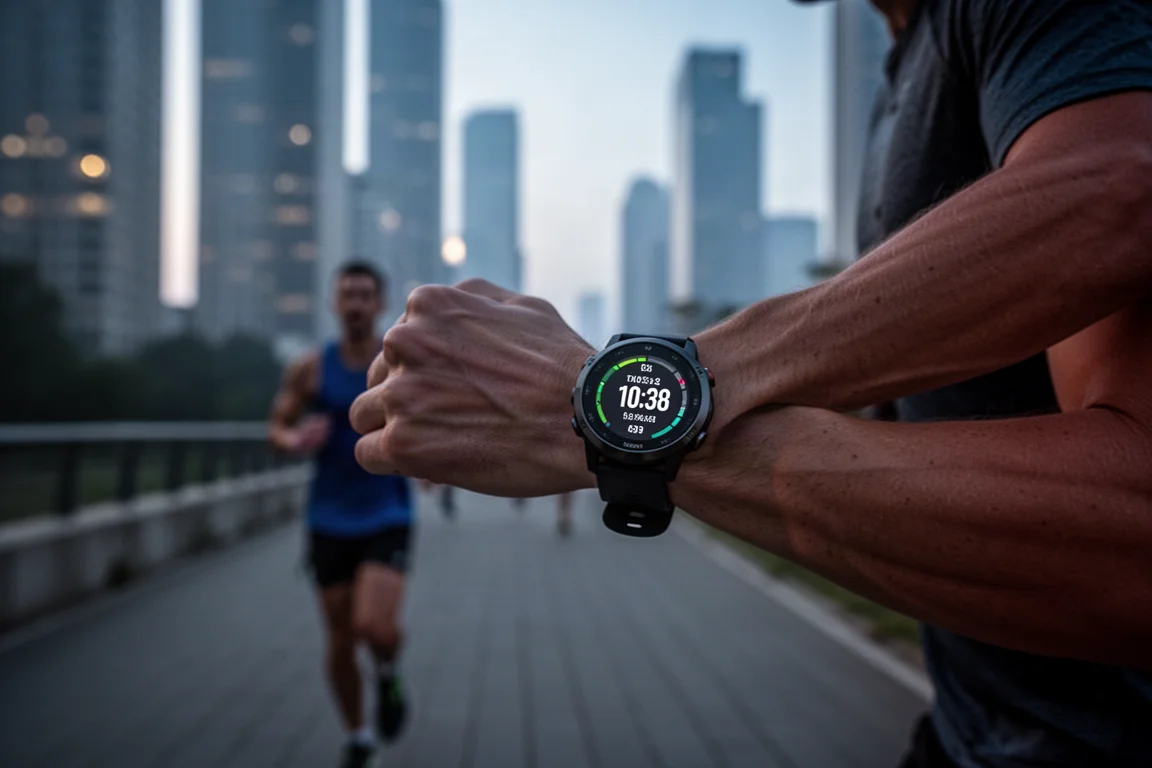
One thing that is nearly identical: structured workouts. Both watches download and run structured workouts created in Garmin Connect in much the same way. The difference is that the Epix lets you create and customize interval workouts directly on the watch, while the Venu 2 Plus offers only a handful of pre-canned intervals unless you build them in the app and push them over.
Training Metrics
Training is another major split. The Venu 2 Plus is about doing your workout and getting on with your life: one page of basic stats like distance, time, and calories. The Epix (Gen 2) tracks the entire training load and recovery process, with five pages of post-workout stats on the watch covering training load, training focus, recovery time, and suggested workout zones, plus matching detail in the app.
The Epix also offers daily suggested workouts for running and cycling based on training load, recovery, and sleep, and tracks stamina during a workout so you can see whether your current pace is sustainable for the distance you have planned. None of that is available on the Venu 2 Plus.
Battery Life and Display Behavior
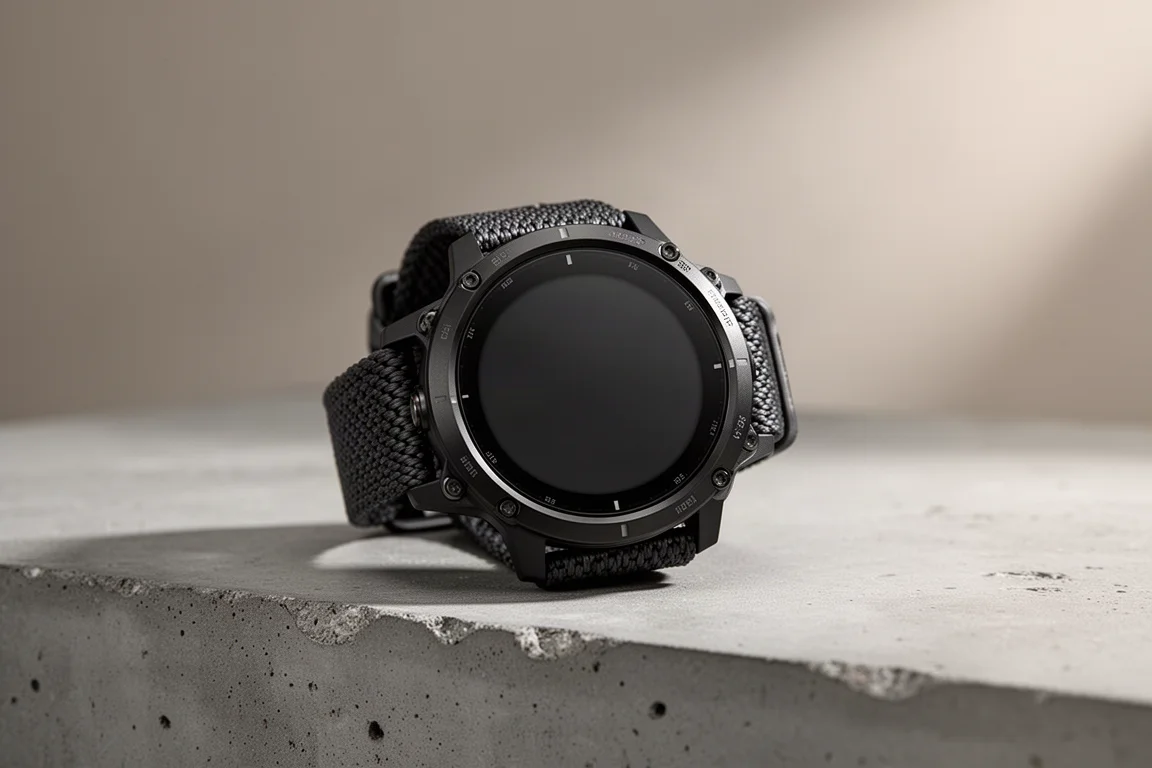
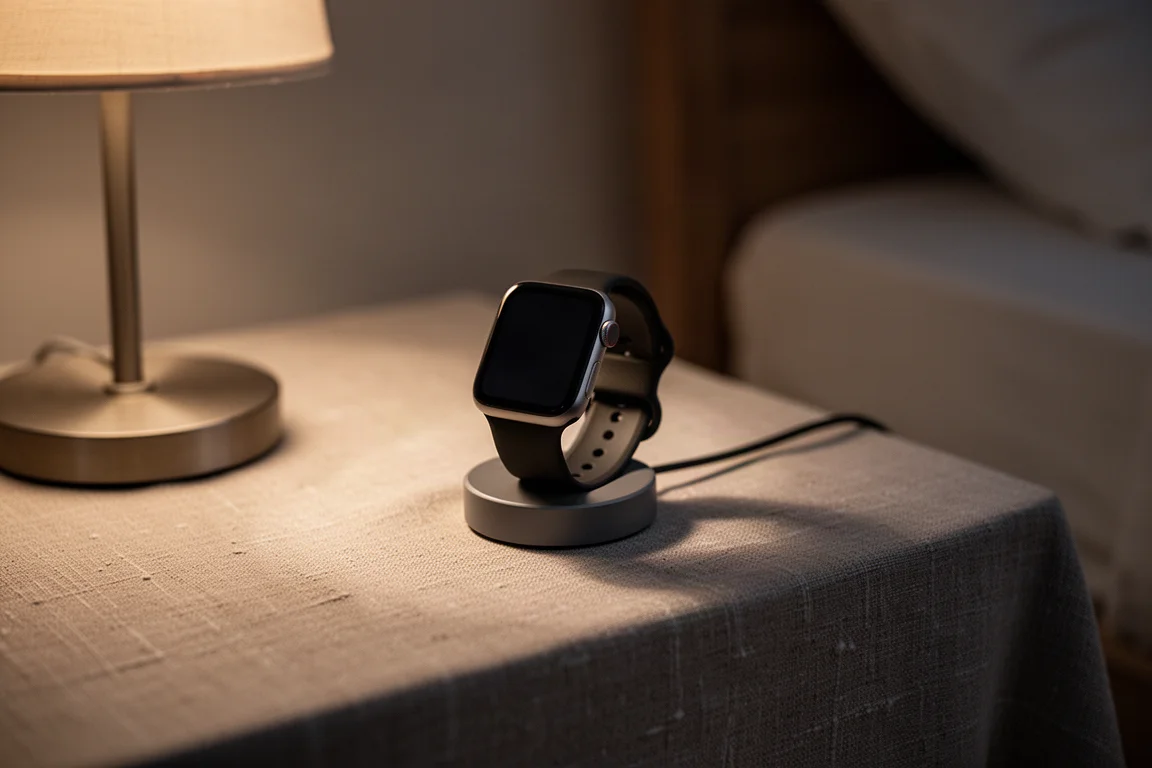
Battery life heavily favors the Epix. In always-on smartwatch mode, the Venu 2 Plus lasts about two to three days versus about six days for the Epix, based on hands-on testing. In gesture mode, with the display off when the wrist is down, it is roughly nine days for the Venu 2 Plus against about 16 days for the Epix. GPS battery life depends on which functions and satellite modes you use.
Music and Storage
Music capability is virtually identical: both support offline playlists from Spotify, Amazon Music, and Deezer, plus your own MP3 files and podcasts, played back through Bluetooth headphones. The Venu 2 Plus has the bonus of playing through its own speaker. The Epix counters with far more storage: 16 to 32 GB depending on the version, versus 4 GB on the Venu 2 Plus. That 4 GB still holds roughly five to six hundred songs, which is plenty for most workout purposes.
Heart Rate, Health, and Safety Features
Both watches use the same Garmin Generation 4 Elevate optical heart rate sensor, with identical support for 24/7 and workout heart rate, respiration rate, stress, and Body Battery. Both have pulse ox for blood oxygen on demand, 24/7, or during sleep, and both include the health snapshot feature that bundles key metrics into a single report you can print and share with a doctor.
Safety features overlap too: both have crash detection, the ability to notify a contact if you feel unsafe, and live tracking to share your location, all requiring your phone nearby. The Venu 2 Plus can additionally place a phone call on your behalf, even to emergency services, using its speaker and microphone. The Epix instead can pair with Garmin inReach, a satellite communicator that keeps you connected far beyond cellular coverage, and the inReach works on its own as well.
Buying Advice
Both are capable watches. Either one can train you for a fast marathon with structured workouts, and either handles a hike just fine. The differences appear when you need course navigation, advanced elevation data, deep training metrics, or multisport support; all of that belongs to the Epix. If you want wrist calls, a voice assistant, and a friendlier everyday price, the Venu 2 Plus makes more sense.
It is also worth noting you do not need to spend $899 to get many of the Epix’s sport features within the Garmin lineup. The Forerunner 945 offers almost every feature mentioned here at roughly half the price, and the Forerunner 745 costs about $100 less than the 945 with nearly the same feature set, minus full maps. On the running side, advanced running metrics are available on watches costing half the price of the Venu 2 Plus, and for endurance sports generally, brands like Coros, Polar, and Suunto offer stronger options in the two to three hundred dollar range than Garmin does at that price point.
Conclusion
The Venu 2 Plus is the better everyday smartwatch with the features most people actually notice: wrist calls, voice assistant, music through the speaker, and a lighter, cheaper case. The Epix (Gen 2) is the better sport and outdoor tool, with maps, routing, richer training analysis, longer battery life, and deeper sensor support. Choose based on whether your wrist time is spent around town or deep into training and terrain.
Further reading
Related Reviews
Smartwatches
Best Budget Smartwatches 2026: Five Affordable Options That Actually Work
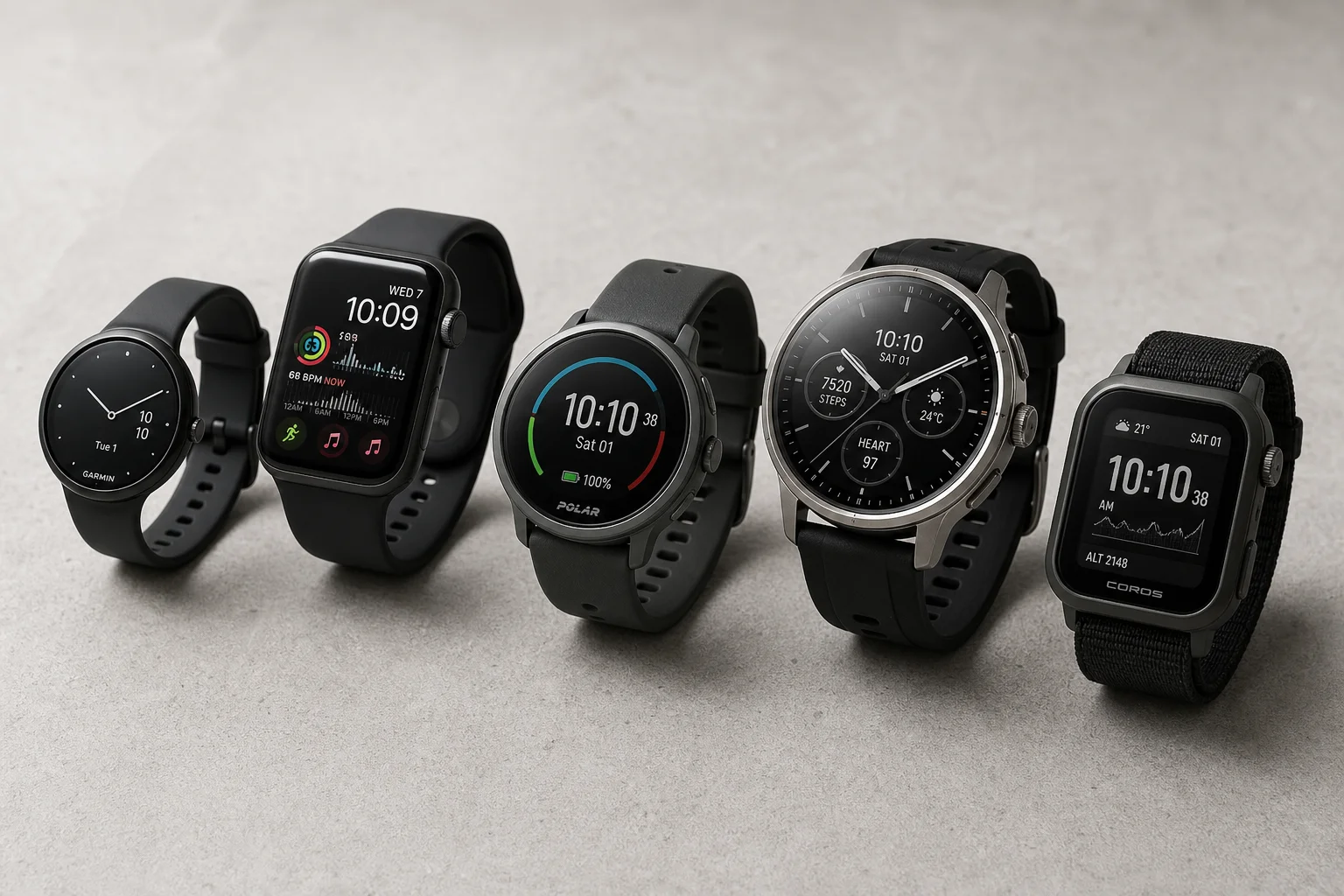
Five budget smartwatches tested for real daily use. From entry-level options to premium features at fraction of the cost, here's what actually delivers.
Smartwatches
Best Smartwatches on AliExpress 2026: Five Practical Options for Different Needs
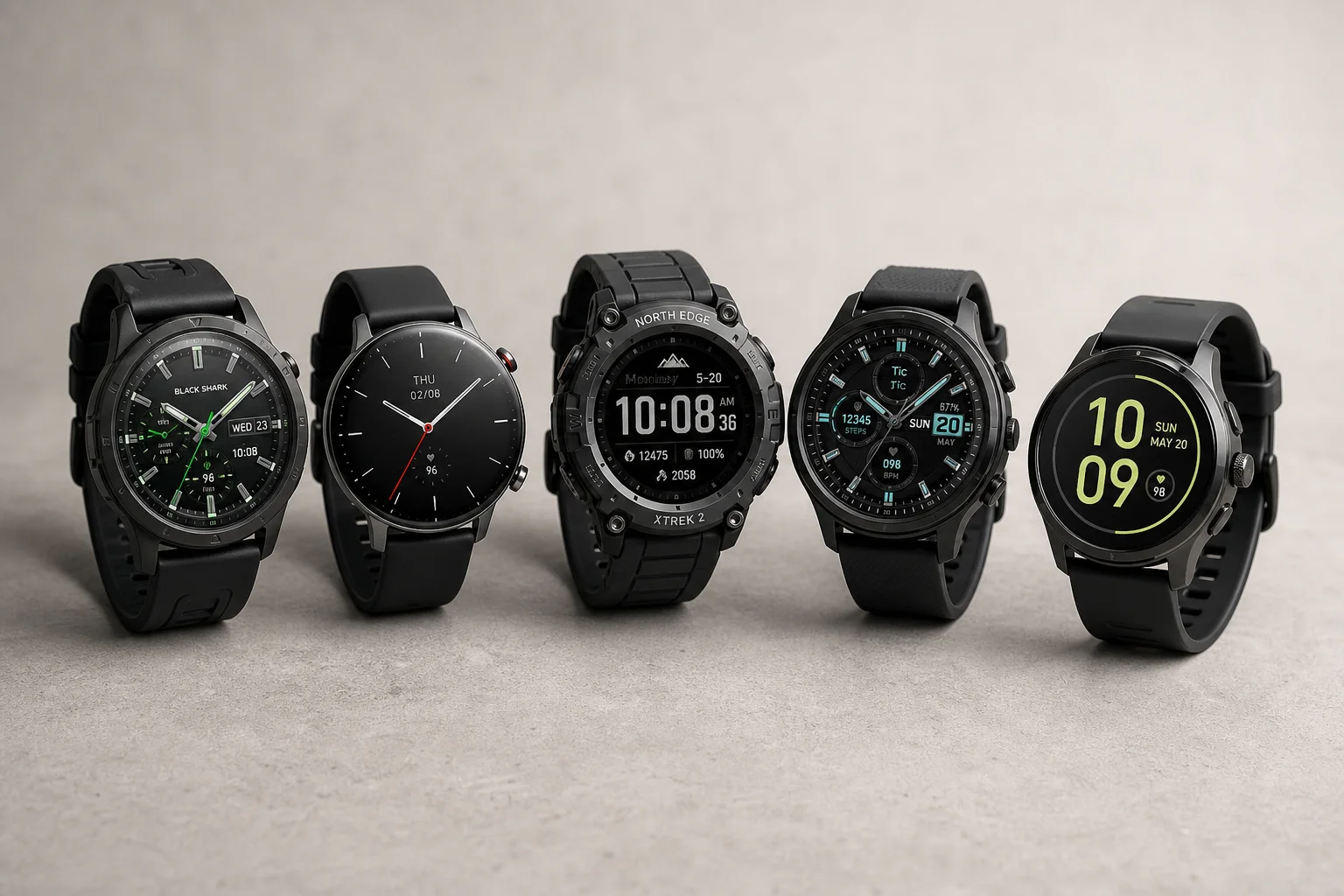
Five smartwatches with strong customer feedback and competitive pricing, each suited to different priorities: premium design, battery life, outdoor durability, advanced health tracking, and sports versatility.
Smartwatches
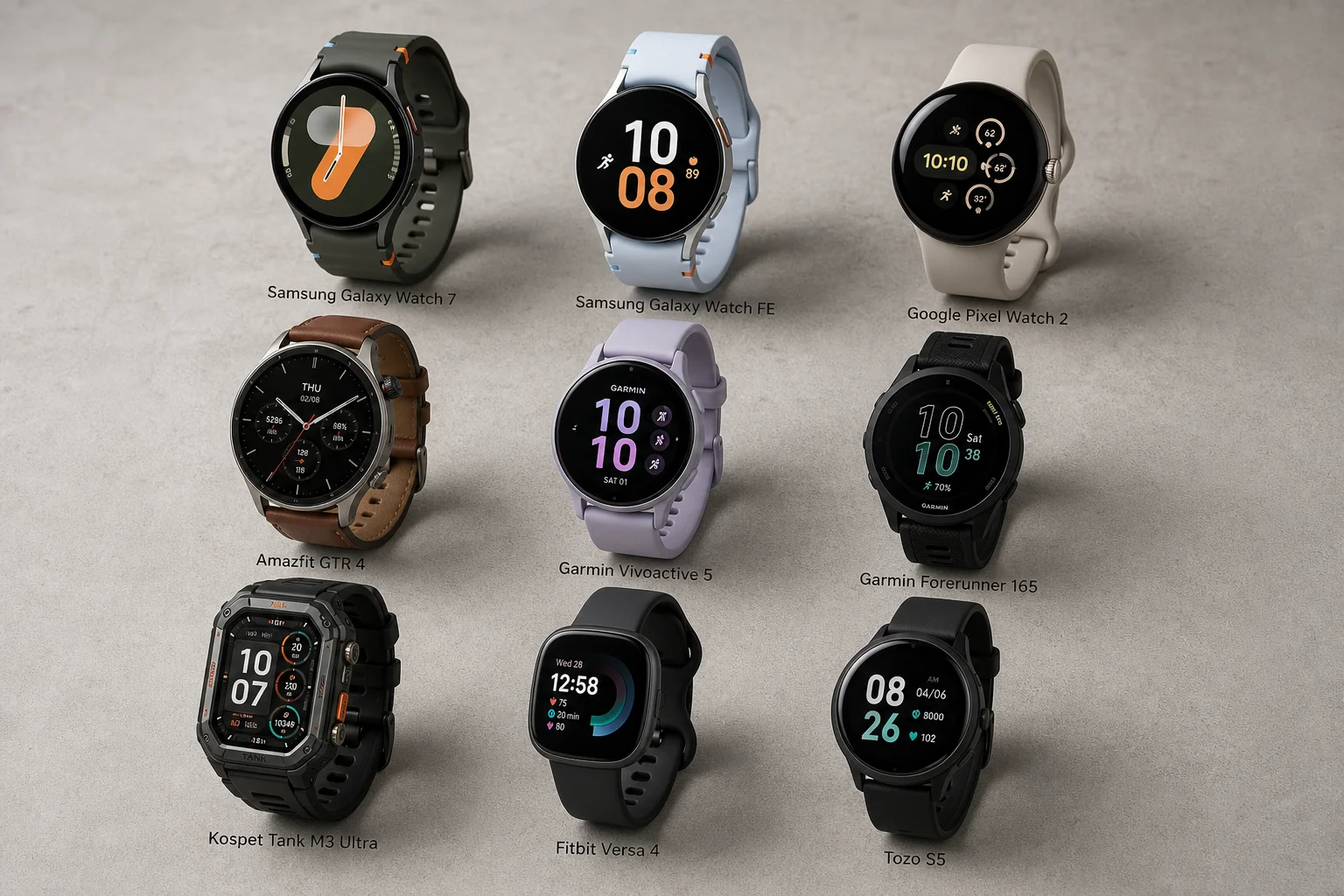
Best Smartwatches Under $300: 9 Practical Options for Every Need
A curated selection of nine smartwatches under $300, each excelling in health tracking, durability, battery life, or fitness features. Find the right match for your lifestyle.