Cycling Tech
Garmin Varia RTL 515 vs RCT715: Which Rear Radar Makes More Sense in 2026?
A practical comparison of Garmin's two mainstay rear radars, covering charging, camera trade-offs, price, and which one fits different kinds of riders.
Introduction
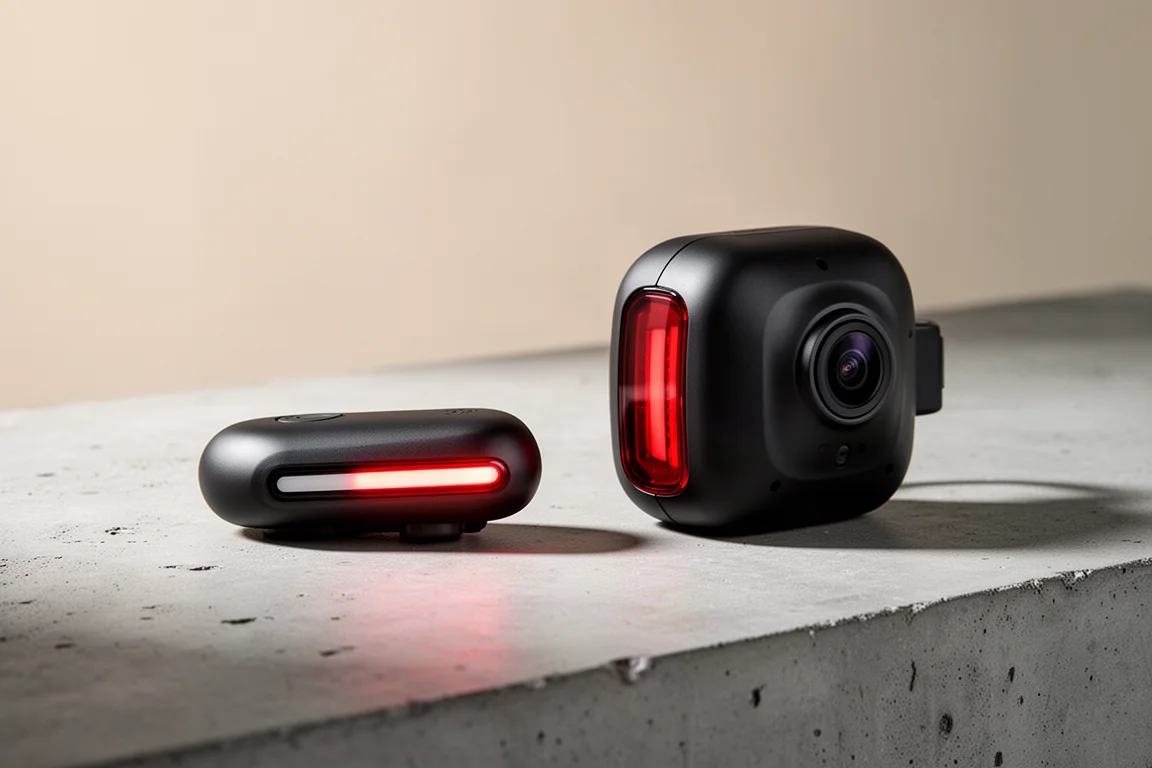
Rear-facing radar has quietly become one of the most useful safety upgrades you can add to a road bike. Garmin’s Varia line is the category’s mainstay, and the choice mostly comes down to two units: the RTL 515, the long-running radar tail light, and the RCT715, the version that adds a built-in camera. They share the same core job, but they differ in charging, size, price, and what they actually record. Here is how the two compare in practice.
The Short Version
The RTL 515 is the mainstay of the lineup. It does radar and nothing else, it usually sells for around $150 (officially $200 but commonly discounted), and it has served plenty of riders well for years. Its main annoyance is charging: it is the last micro USB device in many households, which is genuinely awkward in a world that has moved on to USB-C.
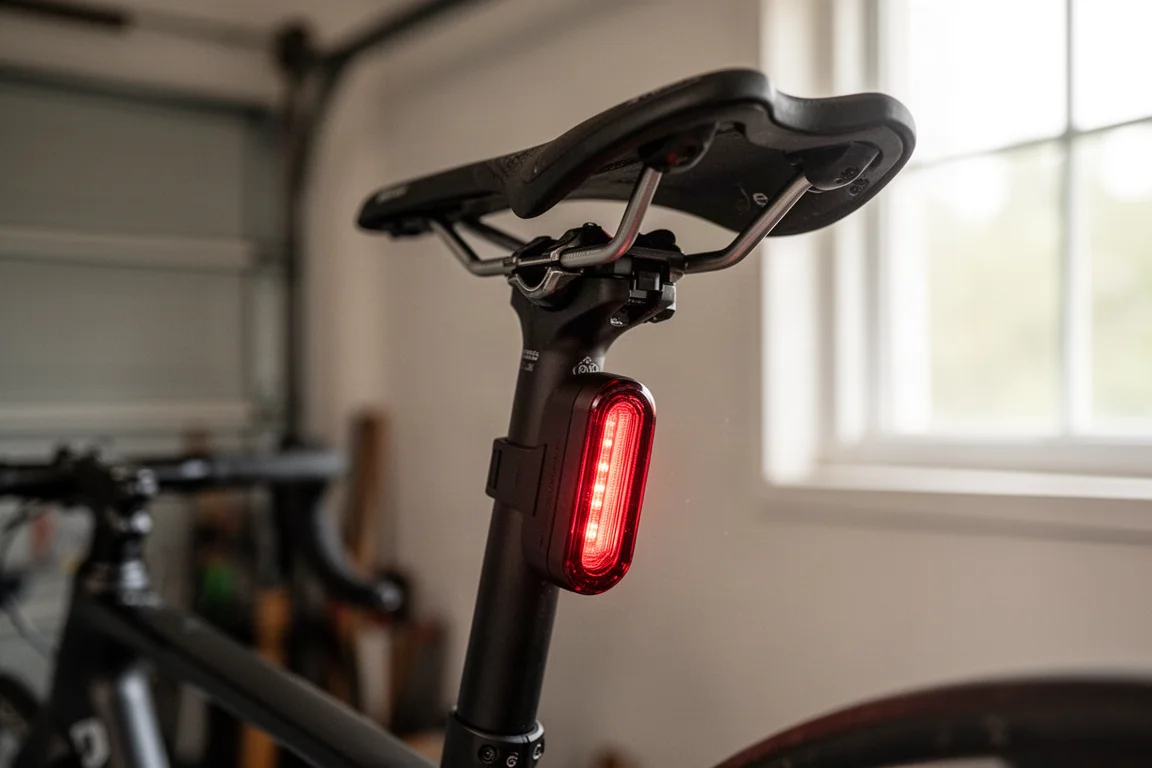
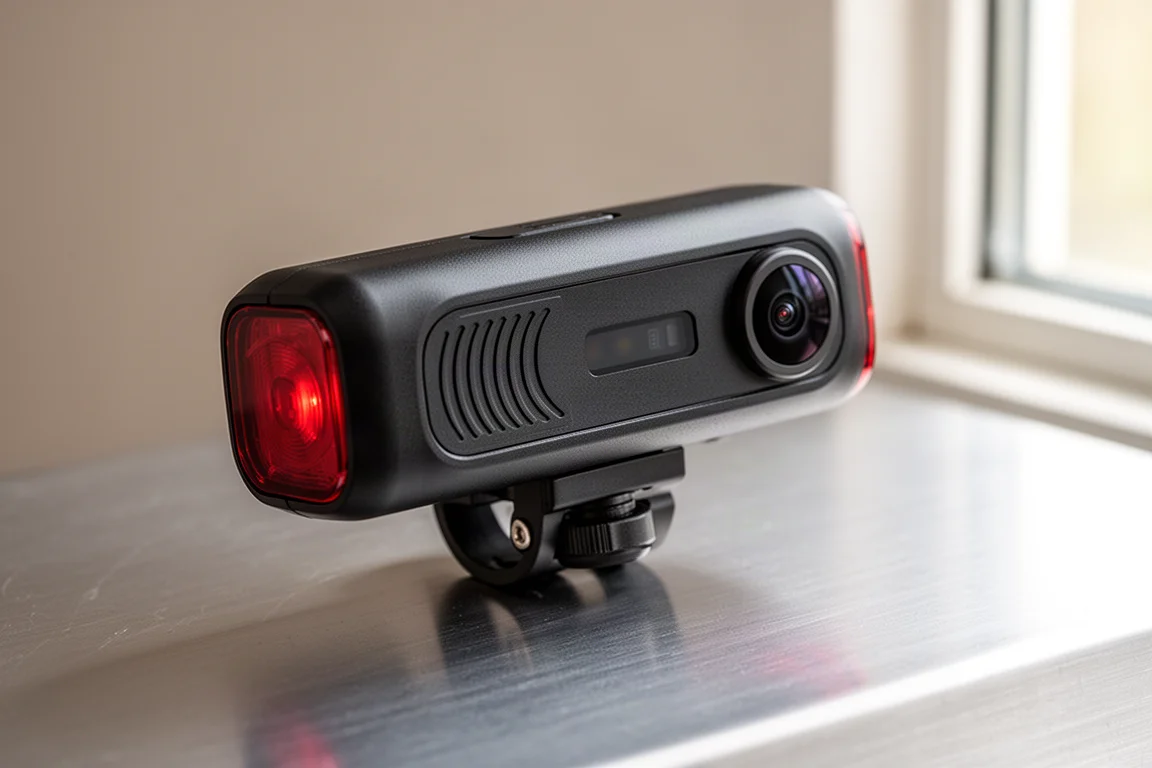
The RCT715 keeps the radar but adds a camera, charges over USB-C, and costs about $400. That camera is the whole pitch, and it comes with real trade-offs in bulk and image quality.
Price and Value
The price gap is the first thing to confront. At roughly $150 versus $400, the RTL 515 delivers the core safety benefit, rear-traffic awareness on your head unit, for less than half the money. If you only want radar and a bright tail light, paying the premium for the camera version is hard to justify.

The RCT715 makes sense if having footage matters to you, whether for incident documentation or simply for review after a ride. If it does not, you are paying a lot for a feature you may never use.
Charging: USB-C vs Micro USB
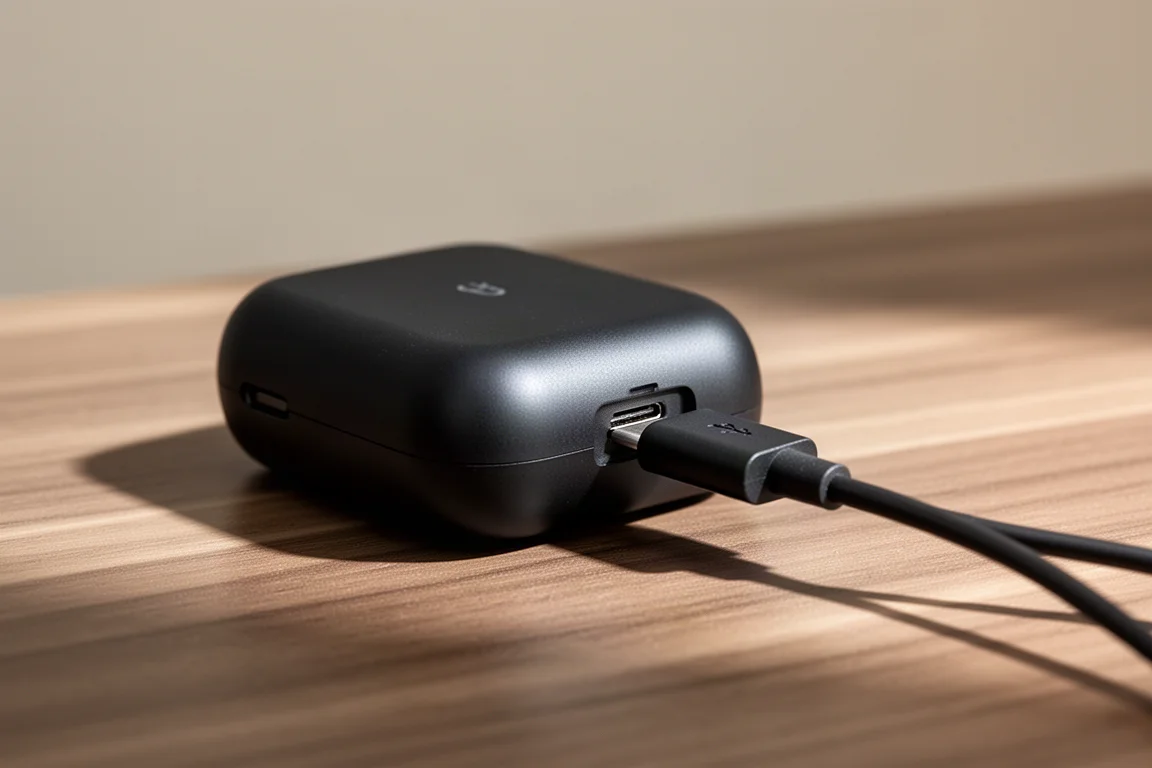
This is where the comparison gets pointed. The RCT715 charges over USB-C. The RTL 515 does not, and for many riders it ends up being the sole remaining micro USB device in the house. That alone pushes some buyers toward the newer standard.
It is worth noting that Garmin does have a USB-C radar, and it is the RCT715; there is no USB-C version of the plain radar-only unit. So if USB-C is a hard requirement and you do not want a camera, you are currently stuck choosing between an inconvenience and a $400 device.
One related tip for Shimano Di2 riders: the small Di2 battery chargers that ship with Shimano e-bike systems are easy to lose track of, and an inexpensive USB-C dual-battery charger, commonly around $13, charges two Di2 batteries at once with simple status lights (red for a fault, orange while charging, green when done). Shimano’s e-TUBE and ACCESS batteries are the same design, so they interchange freely between bikes. Garmin claims the USB-C versions charge roughly 30% faster, though in practice both radar units take a couple of hours and are usually topped up after a ride with time to spare.
Camera Reality Check
The RCT715’s camera is the differentiator, but its image quality lands roughly at the level of an older GoPro Hero 3 or Hero 4 era action cam. If recording footage is your priority, a modern dedicated action camera will outperform it while sitting in a much lighter, more flexible mounting position.
The counterargument is convenience: the RCT715 is always mounted, always charged with the radar, and always recording without a separate setup step. Whether that convenience outweighs the image quality gap and the added bulk and weight on the seatpost is a personal call. For day-to-day riding, many riders find the extra hardware hard to live with when they would rather run the lighter radar-only unit.
So Which One Should You Buy?
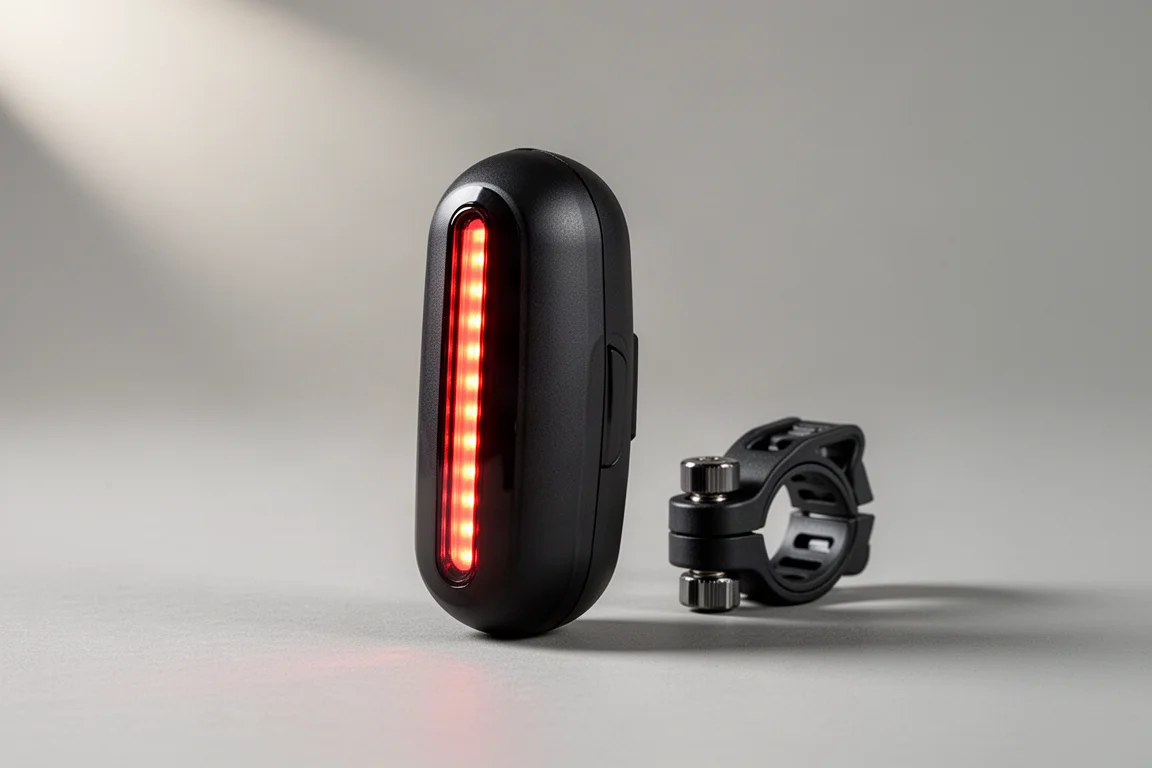
For most riders, the RTL 515 remains the sensible default: it delivers radar and a strong tail light at a reasonable price, and its weaknesses are limited to an aging charging port.
The RCT715 is the pick if you specifically want always-on footage and USB-C charging in one unit and are comfortable with the size, weight, and price that come with it.
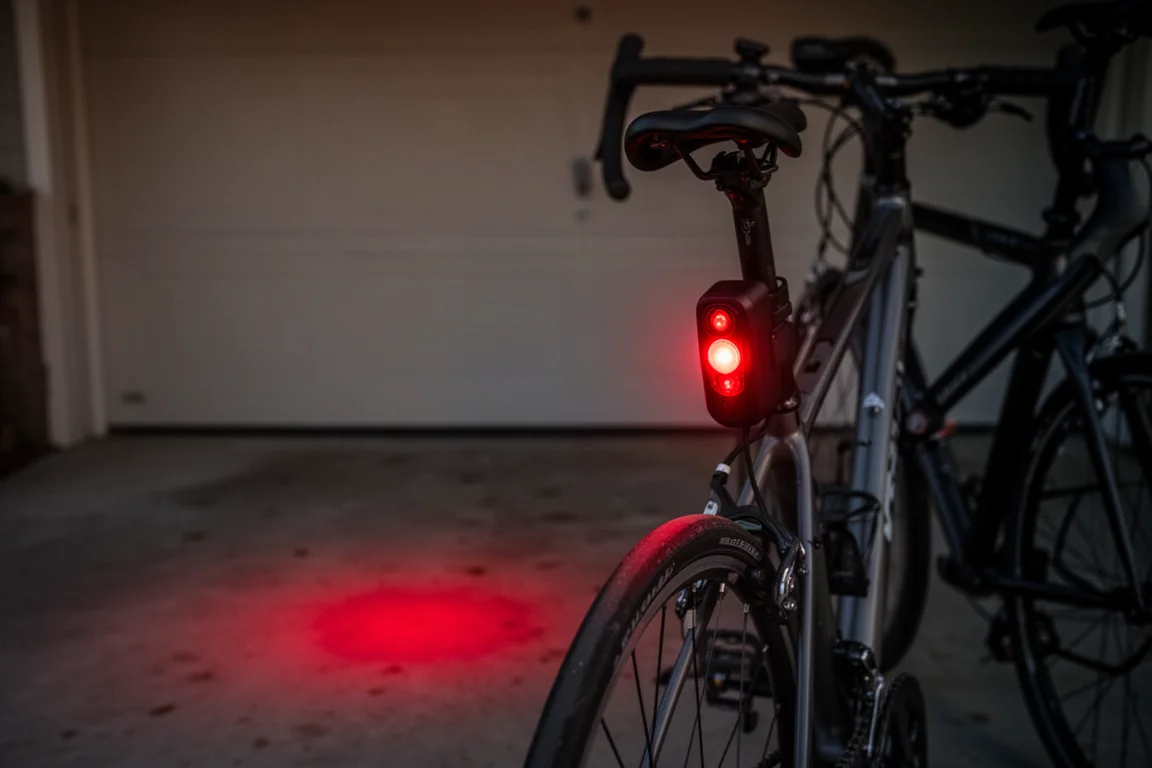
If you want USB-C, better battery life, and no camera, it is also worth comparing Garmin’s radar against newer competitors in the category before deciding, since the landscape has been moving quickly.
Conclusion
Both units do their core job well: they tell you what is behind you before you can see it. The RTL 515 wins on price and simplicity, and it remains the radar most riders should start with. The RCT715 earns its premium only if the built-in camera genuinely matters to you. Choose based on whether you want a radar, or a radar that also records.
Further reading
Related Reviews
Cycling Tech
Best Cycling Tech: Nine Standout Products Worth Considering
Nine pieces of cycling kit that earned their place through long-term use, from a keenly priced World Tour race bike to a multi-tool that has survived two years of hard riding.
Cycling Tech
Best Pro Peloton Bikes and Components 2023: 8 Standout Upgrades
A roundup of the most technically interesting pro peloton bikes and components for 2023, from the Cannondale SuperSix EVO to Shimano Dura-Ace and Continental GP5000 S TR tires.
Cycling Tech
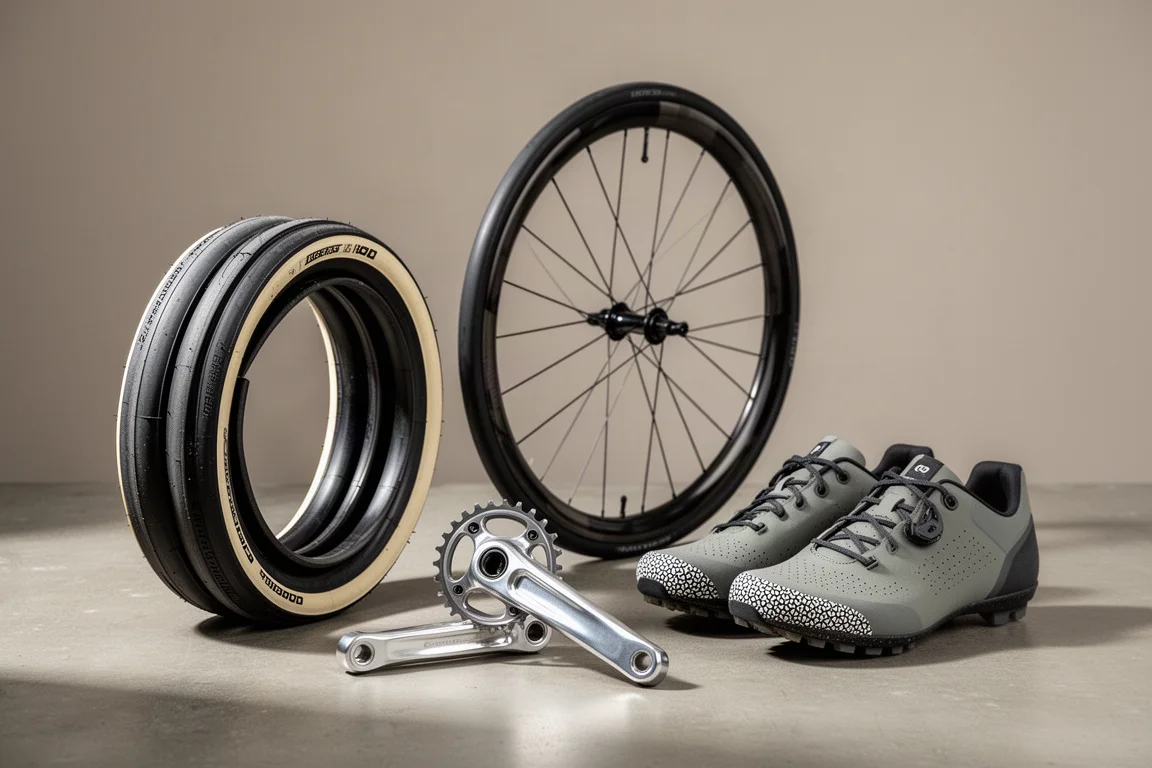
Bike Tech Roundup: Five Standout Upgrades Worth a Closer Look
A four-season tubeless tire, a featherweight climbing wheelset, a hangar-free drivetrain and two pairs of gravel shoes, assessed on the details that matter.