Cycling Tech
Garmin Varia RCT715 Review: A Great Radar Wrapped Around a Frustrating Camera
Seven years after the original Varia radar, Garmin combined radar, tail light, and camera into one unit. The safety story works, but the camera experience leaves a lot to be desired at this price.
Introduction
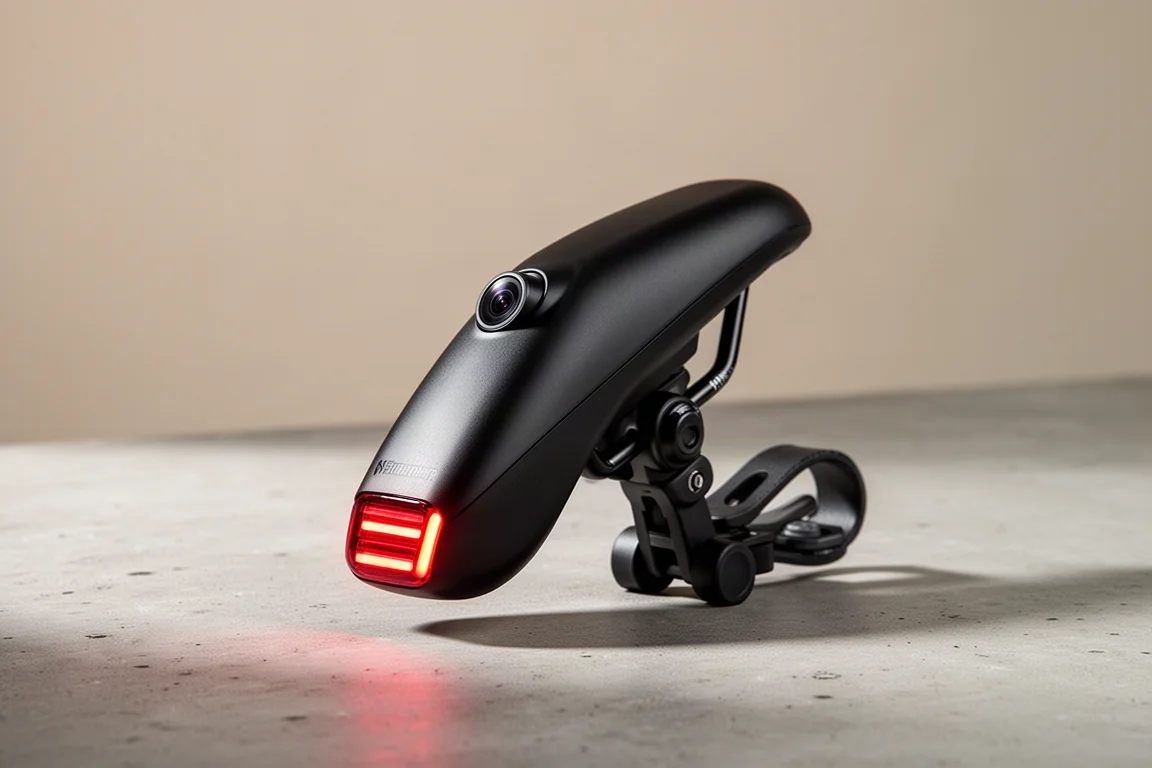
The idea behind the Garmin Varia RCT715 sounds almost too good. Cycling radar has been around for seven years, and rear-facing cameras for even longer. Combine them, add a tail light, and you get a single unit that watches the road behind you, alerts you to approaching traffic, and records everything in case something goes wrong. The name even spells it out: radar, camera, tail light.
In practice, the RCT715 is a tale of two products. The radar side is excellent and builds on one of the most universally loved pieces of cycling tech of the last decade. The camera side, and especially the app used to manage it, is where things fall apart. At a $400 price point, expectations are high, and not all of them are met.
What You Get in the Box
The unit itself is a single elongated housing that snaps onto a saddle rail mount. Three rubber adapters are included, covering round, aero/V-shaped, and D-shaped or flat-backed seatposts, so most bikes are covered. The unit charges over USB-C, which is welcome, and underneath a small cover sits a microSD card slot.
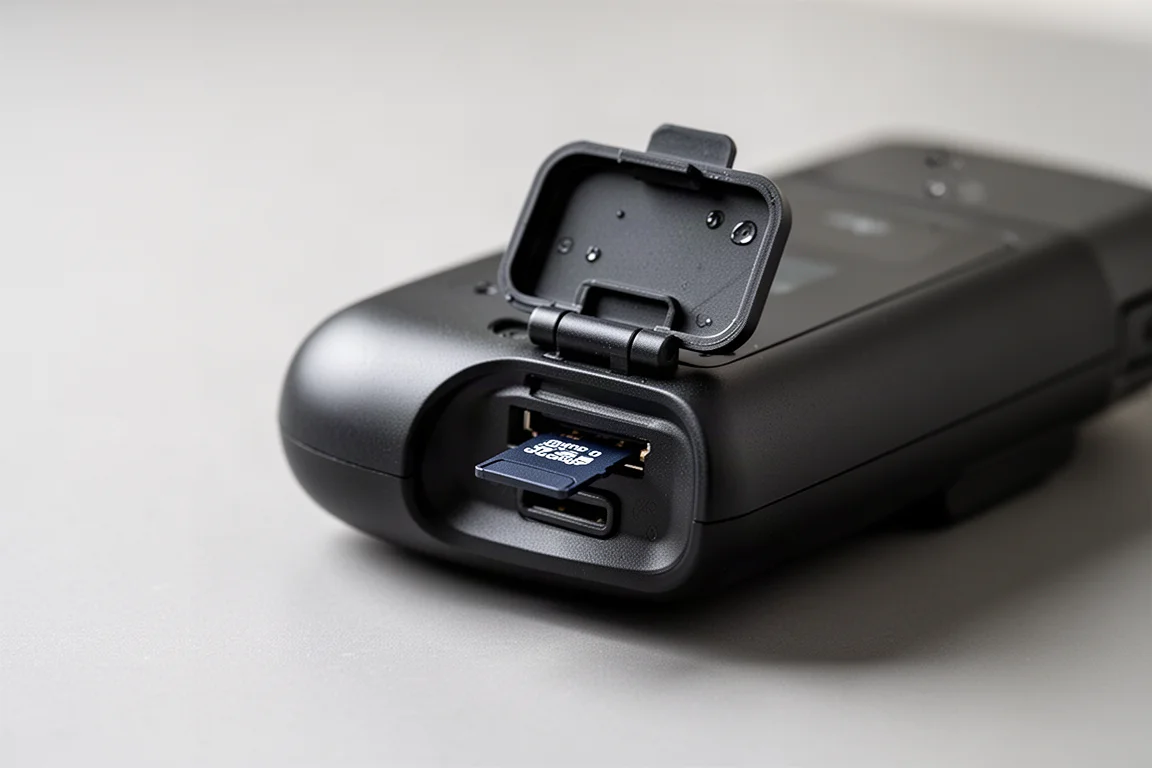
Out of the box you get a 16GB card, which feels stingy on a $400 device. You can swap in any card you like, but the companion app only supports cards up to 128GB, so plan accordingly. One important compatibility note: the mount is a much thicker design than Garmin’s older quarter-turn system, so it is not compatible with existing Varia accessories or mounts.
Battery life is rated at four to six hours with radar, camera, and tail light all running. The lights are by far the biggest battery drain, so dialling the light mode down extends runtime significantly.
Radar: The Proven, Universally Loved Part
The radar works exactly as previous Varia units did, which is to say: very well. The unit broadcasts a radar signal behind you and detects anything overtaking, whether that is another cyclist, a car, a bus, or anything else. On a compatible bike computer, approaching objects appear as dots on the right side of the screen, moving up as they get closer, with colour coding and a distinct alert tone that you will not confuse with navigation prompts.
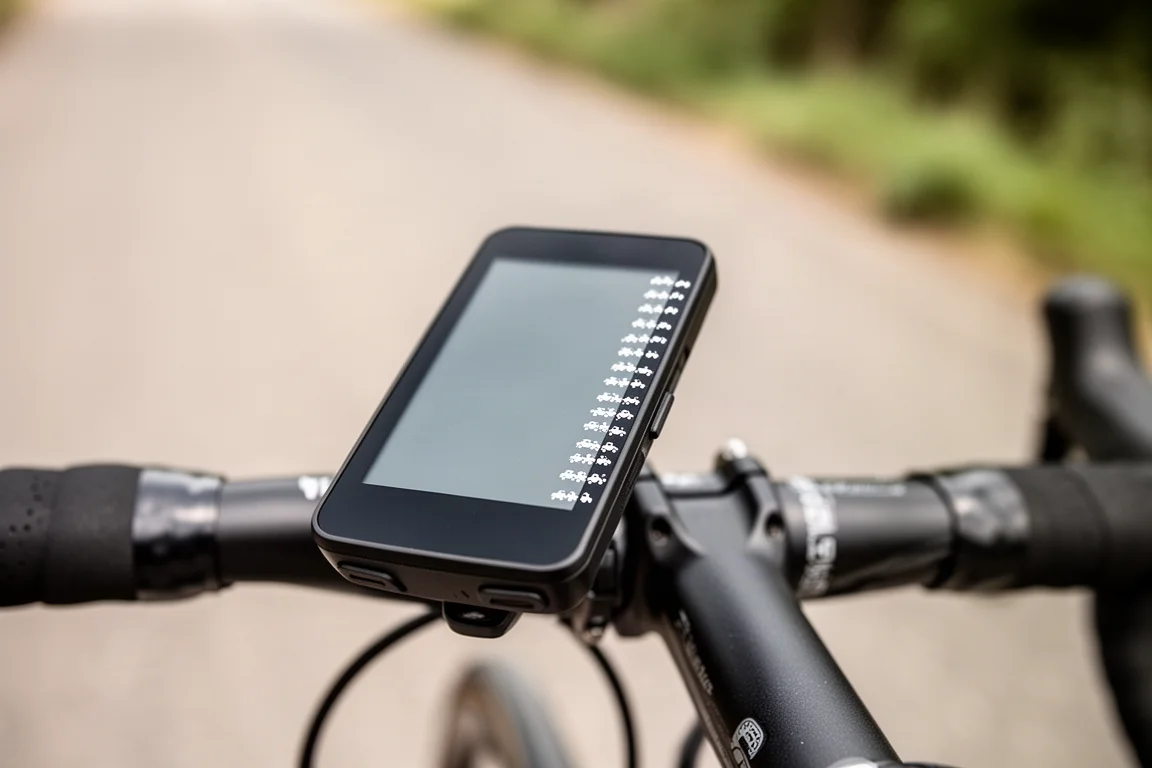
It pairs as two standard profiles, radar and light, so it works with a wide range of computers from Garmin and other brands. Group rides behave sensibly too: riders moving with you at a constant pace generally do not trigger alerts, while genuinely overtaking objects do. After years of real-world use across the cycling community, this radar technology is proven, and on the RCT715 it performs as well as ever.
Tail Light: Bright and Reliable
Garmin treats the light as a core part of the package, not an afterthought. Light modes include low, peloton, day flash, night flash, and off, selectable from the settings menu or, on some computers, from a quick-access dropdown so you can change modes on the fly without stopping.
The claimed visibility is up to a mile, and real-world observation backs that up: the light is very bright and easy to spot, even from several hundred meters at night. A handy network feature lets the light switch on automatically when you power on your bike computer or press start, so you can leave the unit on the bike and forget about it. It also plays nicely with a broader light network, pairing with compatible front lights from Garmin and other brands into one cohesive system.
Camera: Great Idea, Poor Execution
Here is where the review gets complicated. The camera records in 1080p or 720p at 30fps with a 140-degree field of view. Always choose 1080p; there is no meaningful battery saving at the lower resolution, and you will want every pixel available.
The most glaring omission is stabilization. There is none, neither hardware nor software, and the footage shows it. Even budget action cameras at a fraction of the price ship with stabilization as standard, and Garmin itself had software stabilization in its action camera lineup years ago. The flip side: footage is sharp enough that license plates on overtaking cars were readable in nearly every scenario, including dusk and nighttime conditions, which matters enormously for the safety-camera use case.
Two recording modes are offered. Continuous mode records the entire time the unit is on, and this is the mode most people will want. Radar-activated mode only captures when the radar triggers, which saves storage but means incidents that do not register on radar, such as being hit from the side, go unrecorded. There is also incident detection, which saves clips automatically when a crash is detected. On supported Garmin units this uses the computer’s richer crash detection data. On the unit alone, or with a third-party computer, it relies on a simple accelerometer and produced several false positives on a short test ride, including something as minor as entering a driveway.
The App Is the Weak Link
The companion app is where the RCT715’s promise unravels. The gallery is built around 30-second clips, so a two-hour ride generates roughly 240 files to sift through. Thumbnails load slowly and unreliably. Previewing a single clip can take 30 to 60 seconds. Downloading one 30-second clip took several minutes, and that wait was not unusual.
The Wi-Fi connection itself is unreliable, frequently failing on first attempt. Basic features have odd quirks: the save-clip length setting is sometimes ignored, the interface appears frozen while a clip is being saved, and downloading from within a clip is not possible, forcing you back out to the list. Perhaps most frustrating, there is no way to start recording on demand from a bike computer in radar-activated mode. If something interesting happens and the unit is not recording, your only option is to reach back and fiddle with the device or dive into settings.
To be fair, some of the slowness appears to be device-specific rather than universal, and firmware or app updates could improve it. But the fundamental design, dozens of tiny clips browsed one by one over a slow Wi-Fi link, feels years behind what other camera apps manage today, and that is a design problem, not a bug.
Things to Consider Before Buying
The core issue is what you actually want from a $400 device. As a set-and-forget safety camera that sits permanently on the bike, quietly recording while the radar and light do their jobs, the RCT715 is genuinely good. The hardware itself, aside from the missing stabilization, is well built and thoughtfully integrated.
But most riders spending this much probably also want to capture the good moments: the group sprint, the odd velomobile you finally chased down after years of seeing it fly past. Getting that kind of clip off this camera is close to painful unless you own one of the handful of supported Garmin units. With an older Garmin computer or a third-party head unit, camera controls like photos and clip saving simply do not appear, and the app becomes even more essential, which is not a position you want to be in given how the app performs.
Who Should Actually Buy This
If your priority is safety and evidence capture above all else, and you ride with a recent Garmin Edge or a compatible wearable, the RCT715 delivers a genuinely useful three-in-one package: proven radar, a bright light, and a camera that reliably captures license plates. That combination is real peace of mind, and no other single unit offers it.
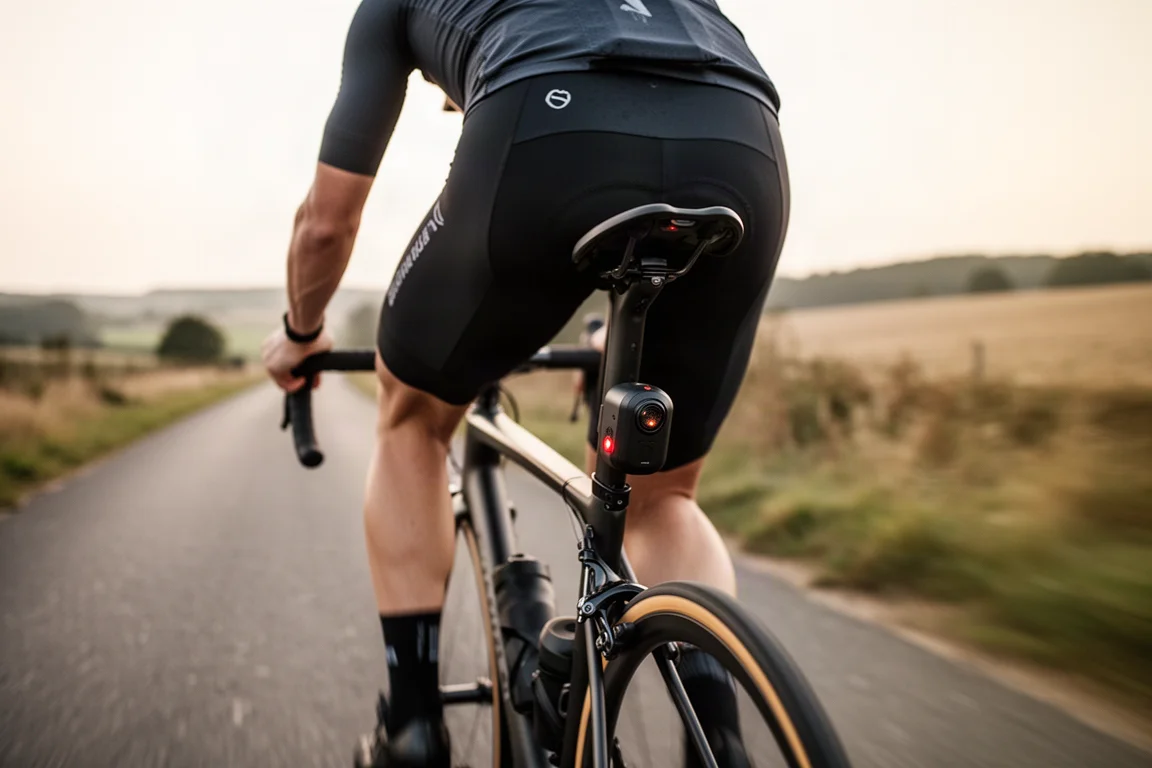
If, on the other hand, you want a camera to document your rides and share highlights, you will be better served by a dedicated action camera, which costs roughly half as much, offers far better footage quality and stabilization, and has a mature, fast app ecosystem. The RCT715 is best understood as a safety device that happens to record, not a ride camera that happens to keep you safe.
Conclusion
The Garmin Varia RCT715 finally delivers the combination riders have been asking for since radar first arrived: radar, camera, and tail light in one unit. The radar and light halves are excellent, the camera hardware is capable where it counts, and the always-on safety story is compelling.
But at $400, the missing video stabilization, the clip-based gallery design, unreliable connectivity, and slow transfers make the camera half hard to recommend for anything beyond pure safety use. Garmin has checked the boxes on radar, lights, and always-on recording. Whether it can fix the usability side remains to be seen. For now, buy it if safety is your sole priority; look elsewhere if you want your rides captured well.
Product link
View more details for Garmin Varia RCT715
This product is mentioned in the review. Check the specifications, options, and compatibility before buying.
View more details for Garmin Varia RCT715Further reading
Related Reviews
Cycling Tech
Best Cycling Tech: Nine Standout Products Worth Considering
Nine pieces of cycling kit that earned their place through long-term use, from a keenly priced World Tour race bike to a multi-tool that has survived two years of hard riding.
Cycling Tech
Best Pro Peloton Bikes and Components 2023: 8 Standout Upgrades
A roundup of the most technically interesting pro peloton bikes and components for 2023, from the Cannondale SuperSix EVO to Shimano Dura-Ace and Continental GP5000 S TR tires.
Cycling Tech
Bike Tech Roundup: Five Standout Upgrades Worth a Closer Look
A four-season tubeless tire, a featherweight climbing wheelset, a hangar-free drivetrain and two pairs of gravel shoes, assessed on the details that matter.