Cycling Accessories
Garmin Rally Next-Generation Power Meter Pedals Review: A Smarter, More Durable Choice
Garmin has launched the next-generation Rally power meter pedals, featuring a rechargeable battery, improved pedal body design, and expanded cycling dynamics. Discover how these upgrades can transform your training.
Introduction
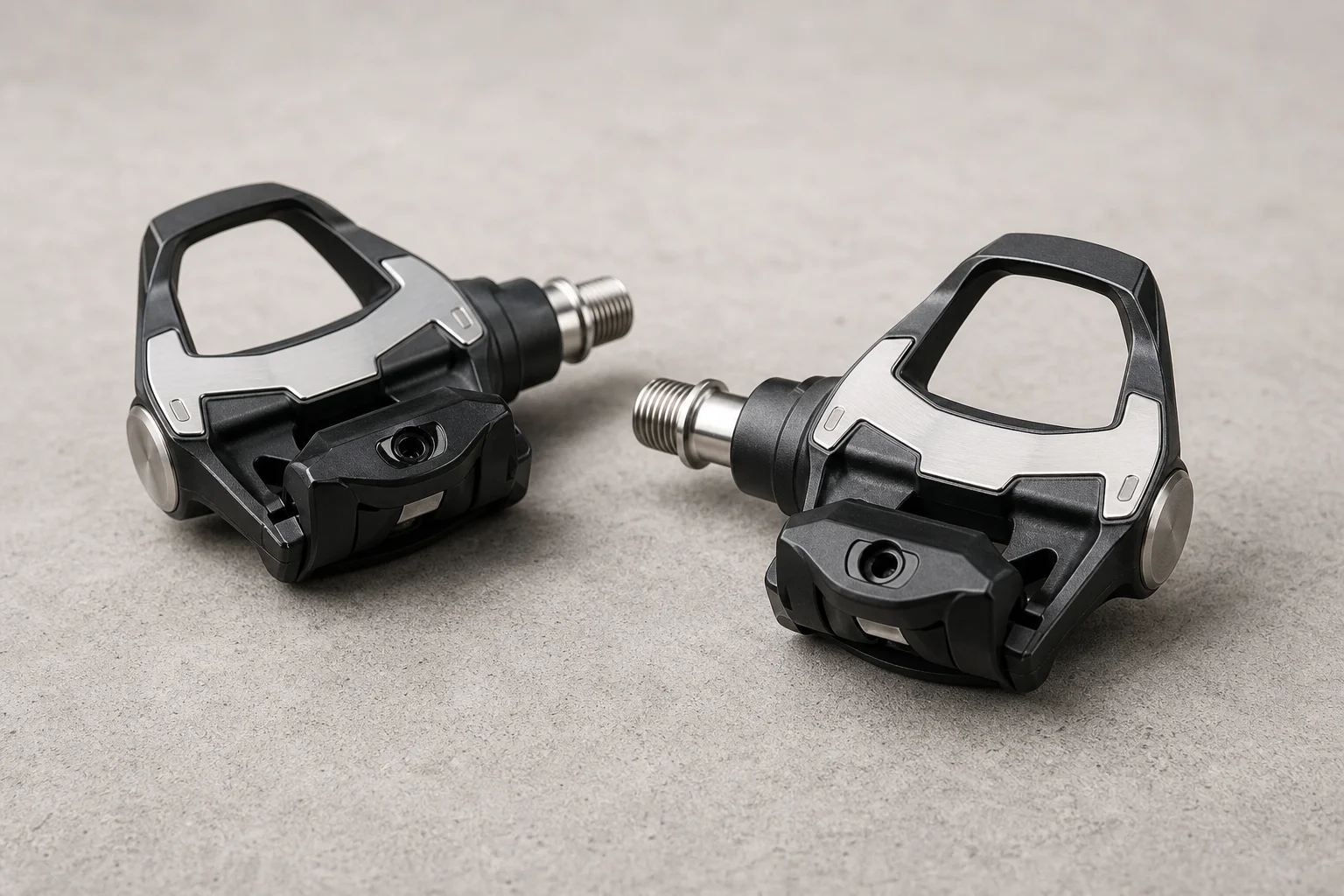
After more than four years, Garmin has launched the next generation of its Rally power meter pedals, bringing a suite of substantial upgrades to the table. The new Rally pedals are not only more durable but also introduce a rechargeable battery design and provide even richer Cycling Dynamics. Whether you are a dedicated competitor or a data enthusiast, these advancements are well worth your attention.
Who These Pedals Are For
The next-generation Garmin Rally pedals are ideal for:
- Road and mountain bike riders seeking highly accurate power metrics.
- Athletes looking to track detailed performance metrics such as left/right power balance and pedaling forces.
- Cyclists already using Garmin bike computers who want to take full advantage of ecosystem integration.
- Riders willing to invest in premium training tools to optimize their performance.
- Multi-bike owners who need to swap their power meter between different frames.
Main Strengths
Rechargeable Battery Design The new Rally pedals finally ditch the coin-cell batteries of the past in favor of an internal rechargeable design. A single charge delivers roughly 90 hours of riding time, while a fast-charge feature yields 12 hours of runtime from just a 15-minute plug-in. The magnetic charger and long USB-C cable make the charging process incredibly straightforward and convenient.
Improved Pedal Body Swap System The updated design significantly simplifies the process of swapping pedal bodies. Armed with just a standard 15mm pedal wrench and a 5mm Allen key, you can easily exchange the pedal bodies. This makes owning both road and mountain pedal sets highly practical, especially considering Garmin’s combo kit—which packages two sets of pedal bodies and one set of spindle cores—is priced at $1,449.
More Durable Construction The road-specific bodies sport a more streamlined silhouette, shaving excess material while improving overall structural durability. On the dirt side, the Rally XC mountain bodies have been completely overhauled with an all-metal construction, a lower stack height, and a smaller footprint to drastically minimize pedal strikes—a direct resolution of the most common complaint leveled at the original generation.
Expanded Cycling Dynamics The dual-sided version (Rally 210) delivers a treasure trove of metrics, including left/right power balance, seated vs. standing time, power phase, and platform center offset. A new “Pedaling Force” metric helps you understand exactly how much force you need to apply at different cadences to generate the same wattage, which is highly beneficial for smoothing out your pedal stroke and structuring adaptive training.
Highly Responsive Power Readings The redesigned strain gauges and internal gyroscopes provide more instantaneous feedback as your power output fluctuates. While accuracy remains locked at the gold-standard ±1% threshold, the overall responsiveness feels significantly crisper.
What to Consider Before Buying
Pricing Premium The next-generation Rally pedals carry a price increase over their predecessors. The single-sided road version starts at $749, with the dual-sided version at $1,199. The off-road single-sided model is priced at $799, while the dual-sided equivalent sits at $1,299. These prices are notably higher than some competitors, such as Favero’s latest offerings.
Feature Access Restrictions Certain premium software features—namely the Pedal IQ auto-calibration system and advanced pedaling force analytics—are only accessible when paired with a compatible Garmin bike computer over a secure Bluetooth connection. They are not supported via ANT+, meaning riders outside the Garmin ecosystem will miss out on these specific metrics.
Installation Learning Curve While swapping the pedal bodies is much simpler now, it still requires a basic set of tools and mechanical competence. We highly recommend using a torque wrench during installation to guarantee correct torque specs.
Charger Not Included The packaging does not include a wall charging brick, meaning you will need to supply your own USB port. Fortunately, the included USB-C split charging cable is exceptionally long, easily reaching from a wall outlet to your bike stand.
Buying Advice
If you are already integrated into the Garmin ecosystem and place a high priority on pinpoint power accuracy and deep biomechanical metrics, the new Rally pedals are a highly compelling upgrade. The shift to a rechargeable battery and the streamlined body-swap system make them far more practical than the previous generation.
For multi-discipline riders, the combo kit is a cost-effective route, allowing you to share a single pair of high-tech spindle cores between your road and mountain rigs.
However, if you are not committed to a Garmin head unit or are working with a more constrained budget, power pedals from other manufacturers may offer better bang for your buck. Before pulling the trigger, evaluate the specific metrics you actually need and how they align with your current bike computer.
Conclusion
Garmin’s next-generation Rally pedals represent a genuine leap forward in power meter technology. The transition to rechargeable power, enhanced structural durability, and expanded data metrics combine to make them a powerhouse tool for serious athletes. While they demand a premium price tag, the upgrades provide clear, undeniable value for riders already embedded in the Garmin ecosystem.
Product link
View more details for Garmin Rally 210 Dual-Sided Power Meter Pedals
This product is mentioned in the review. Check the specifications, options, and compatibility before buying.
View more details for Garmin Rally 210 Dual-Sided Power Meter PedalsFurther reading
Related Reviews
Cycling Accessories
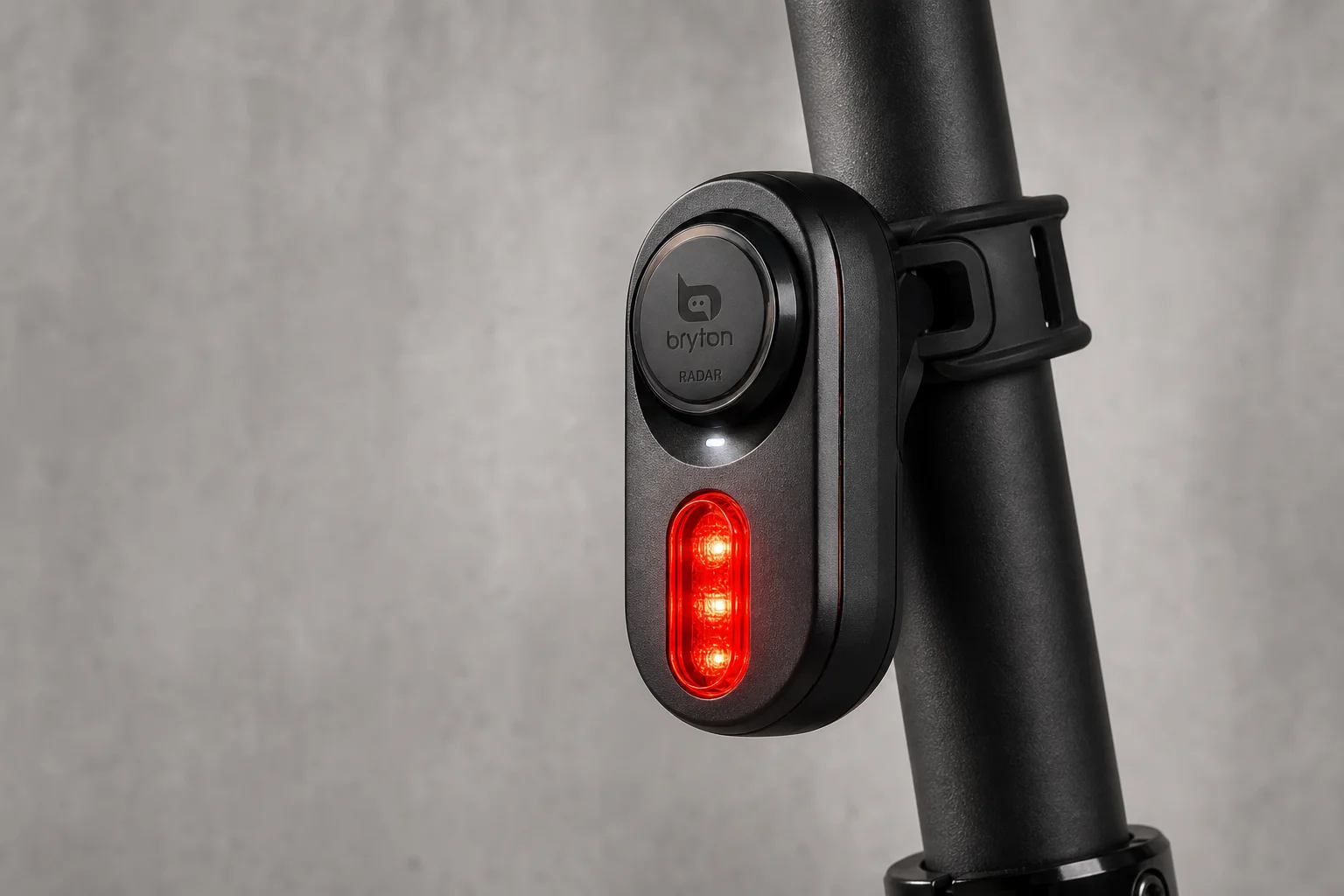
BBB Signal Radar Rear Light Combo Review: Performance & Reliability Analysis
The BBB Signal Radar (BLS 251) is a newly released cycling radar rear light with a unique built-in speaker. We extensively test its detection accuracy, battery life, and real-world riding performance.
Cycling Accessories
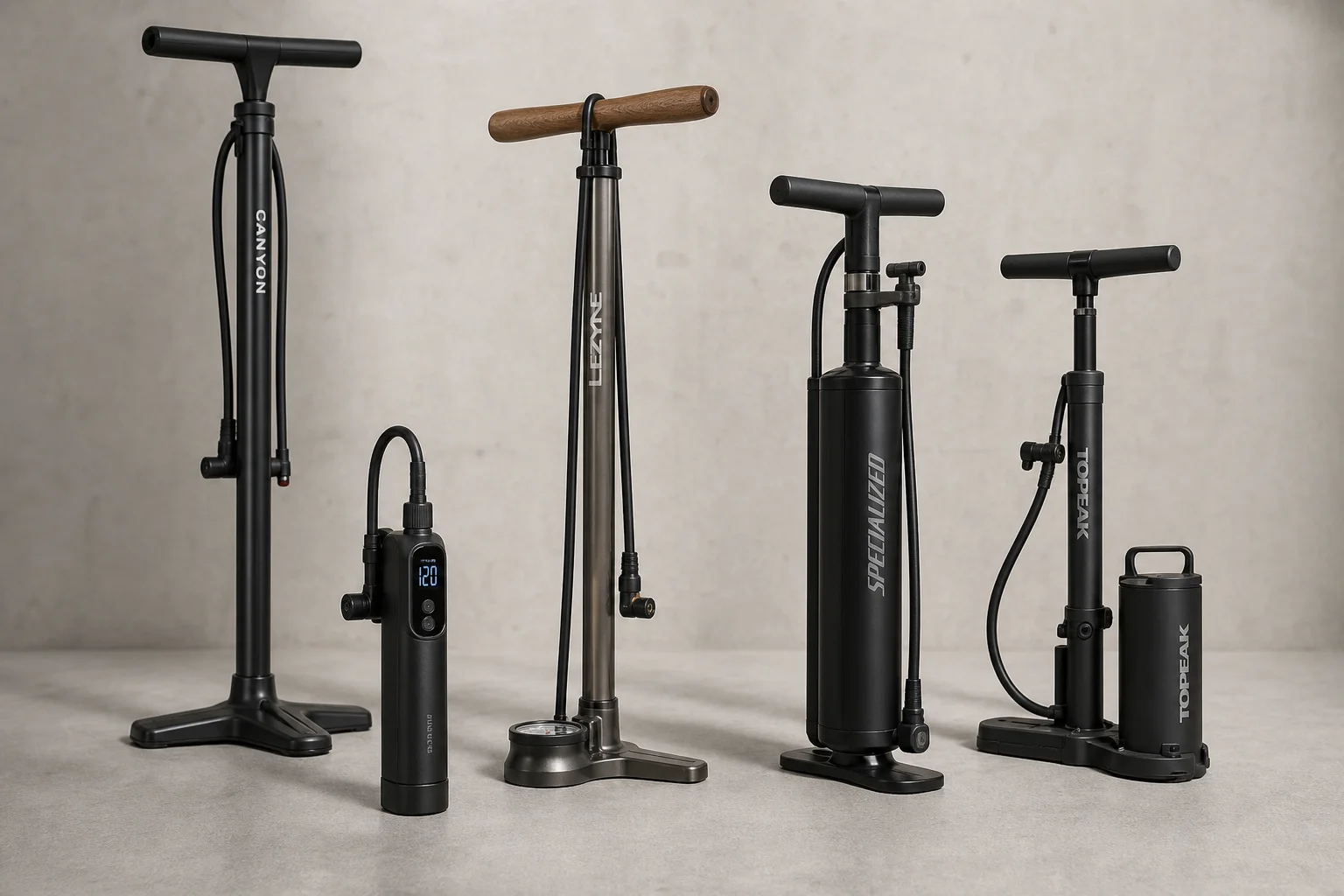
Best Bike Pumps 2026: Five Top Models for Every Riding Style
A practical guide to five high-quality bike pumps, from reliable floor models to versatile tubeless-ready options, with clear strengths and trade-offs for each.
Cycling Accessories
2026 Cycling Accessories Awards: Nine Pieces of Cycling Gear Most Worth Buying
A curated selection of nine real-world tested cycling accessories, covering Best Value, Biggest Surprise, Best Innovation, Best Performance Upgrade, and Best Product Awards, helping you spend every dollar where it counts.