Smartwatches
Garmin Lily 2 Review: A Stylish Smartwatch That Finally Fixes the Original's Flaws
The Garmin Lily 2 adds new sport profiles, a metal case, standard 14 mm straps, and better sleep insights, but it still leans on your phone for GPS.
Introduction
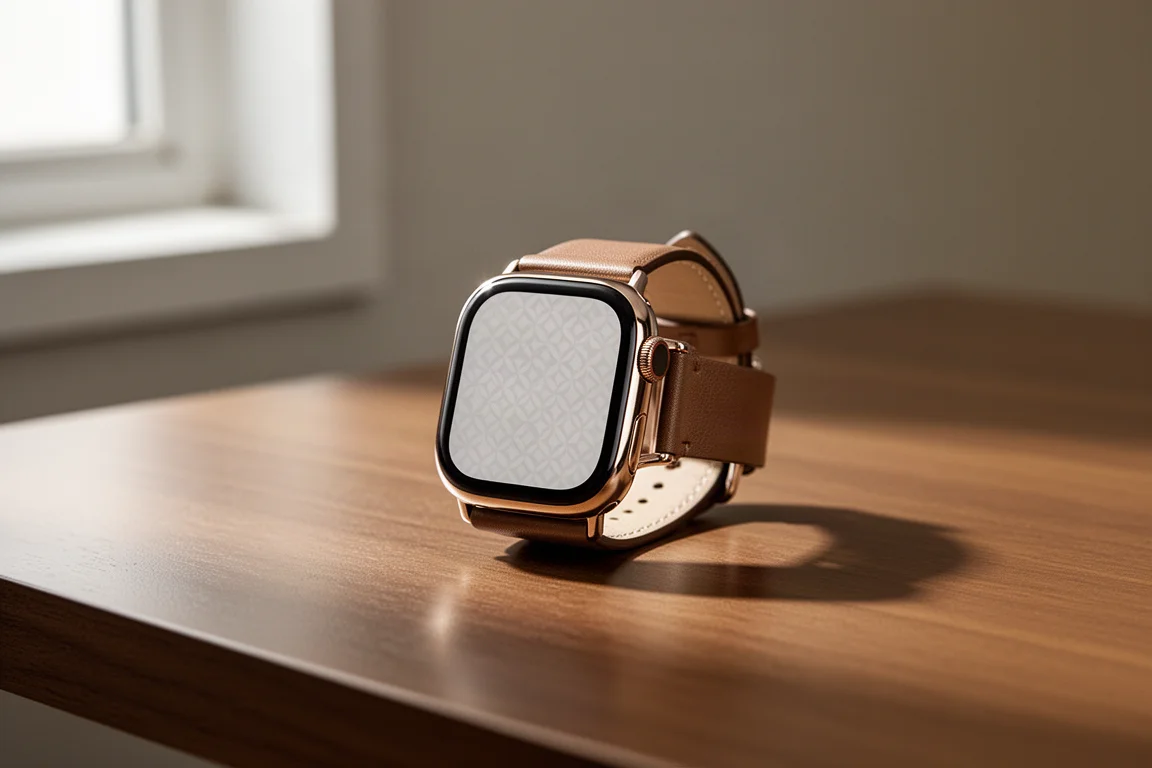
The Garmin Lily 2 is a refresh of a watch that always had a clear identity: it looks like a piece of jewelry first and a fitness tracker second. This generation adds a batch of new data metrics, new sport profiles, a metal case, and a new band design, while keeping the same compact 35 mm case that made the original appealing.
Over the past several weeks, the watch has been tested thoroughly for daily wear, sleep tracking, notifications, payments, and workouts. Here is how it all shakes out, including what works well and what still falls a bit short.
Design, Case, and Straps
The most welcome hardware change is the switch to a metal case, replacing the plastic of the original. The case size stays at 35 mm, so the watch remains genuinely small and light on the wrist. The top editions with nylon or leather straps are called Classic editions, and they include just the one strap rather than a secondary sports strap.
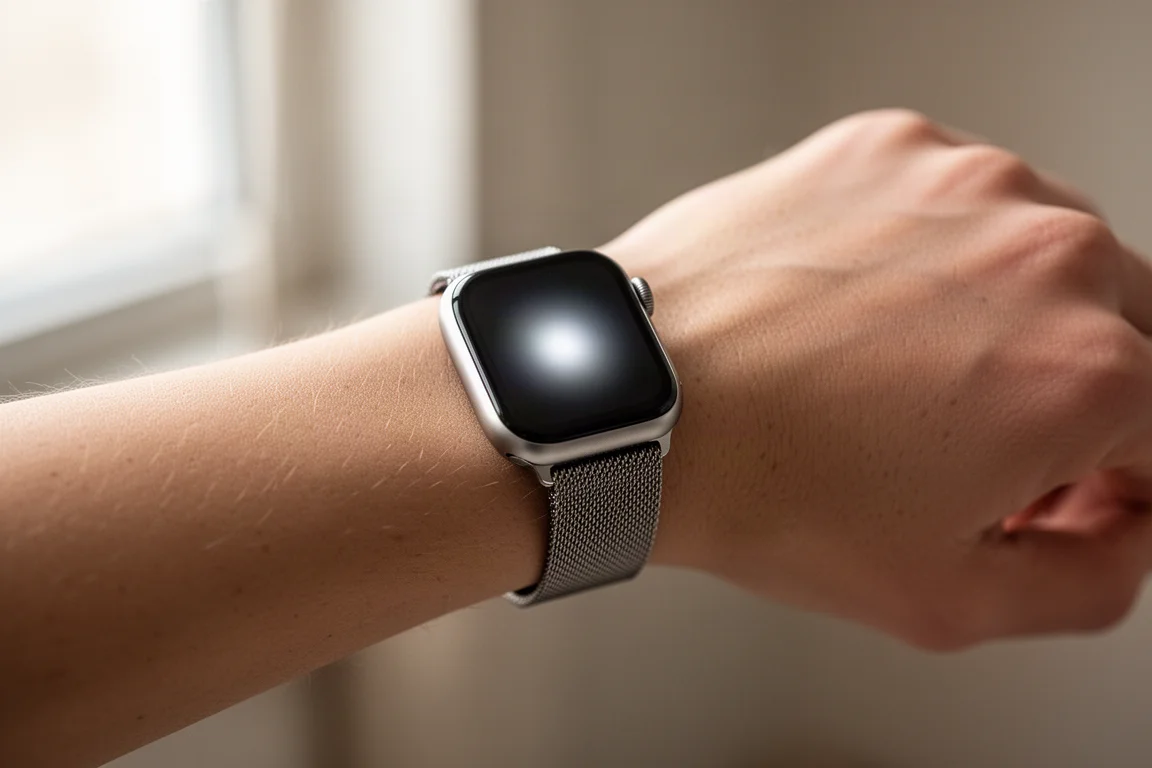
The bigger practical upgrade is the move to a standard 14 mm strap with standard spring bar pins. The original used a proprietary attachment, which made finding replacements annoying. Now you can pick up any cheap sports strap or a nicer dressy strap and swap it in yourself, which is a real quality-of-life improvement for a watch sold partly on style.
Display and Daily Interaction
This is a touchscreen watch with a patterned blank display when idle; it is not always-on in the traditional sense. Tapping the screen or raising your wrist wakes it, and the raise-to-wake response is one of the biggest improvements over the original. On the Lily 1 that gesture was sluggish, but here it is essentially immediate, and the settings let you tune the reaction time either way.
Swiping left and right moves through the widget stack, and a small tap area at the bottom of the display acts as a back button. There are no physical buttons at all. Watch face options are fairly similar in style, with tappable complications for rotating through data fields.
Health Tracking and the Garmin Connect App
The widget stack covers steps, intensity minutes, sleep, heart rate, stress, Body Battery, weather, hydration logging, and female health tracking, all customizable from the Garmin Connect app. Notifications from your smartphone appear on the watch and can be viewed and cleared there.
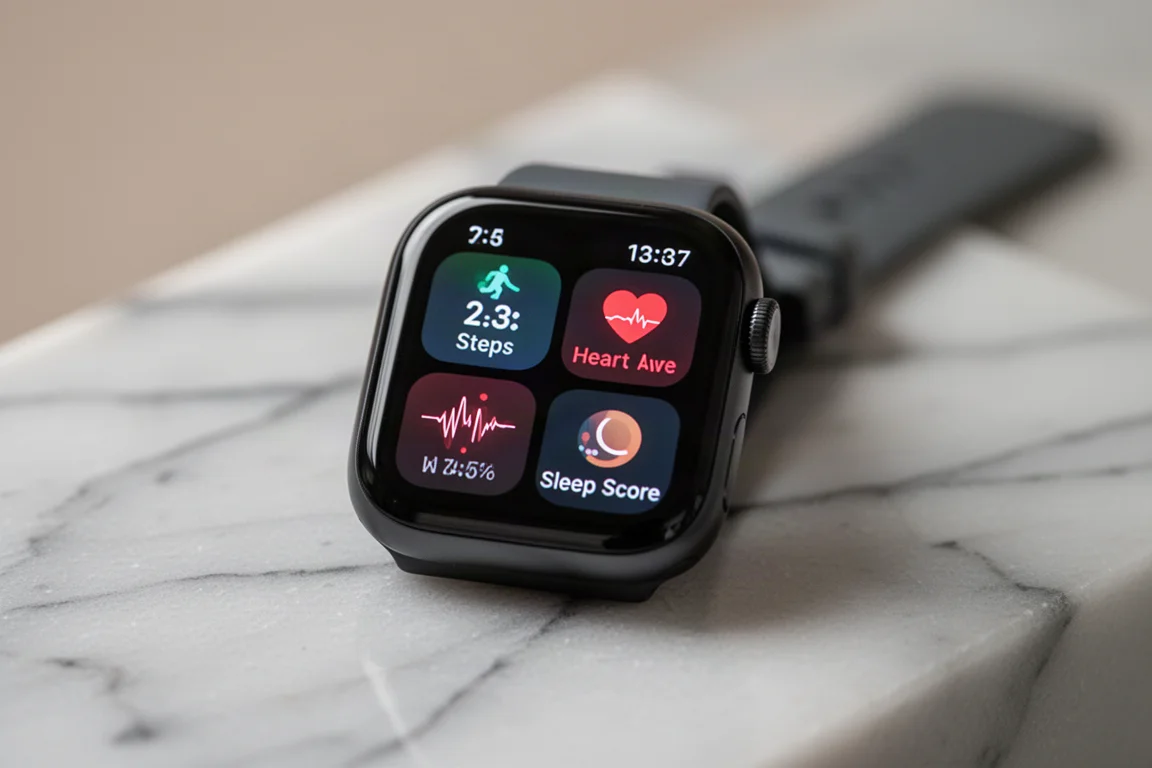
Sleep is a genuine bright spot for this generation. Sleep tracking itself existed before, but you could never see the data on the watch; now you can, including a new sleep score and short suggestions about the previous night. Accuracy was generally good in testing, though one late-night movie marathon confused it: it correctly logged the wake-up time but assumed sleep ran continuously from around 10 PM. Female health tracking has proven accurate over long-term use, with period predictions typically landing within a day.
All data syncs concurrently to Garmin Connect on your phone and the web dashboard, including pulse ox and respiration rate. Note what is not here: the Lily 2 uses Garmin’s Gen 4 optical heart rate sensor, so there is no wrist temperature sensing and no ECG, features found on the newer Gen 5 sensor. Given that competitors include wrist temperature in $150 products, that feels like a gap at this price.
Garmin Pay and Controls
Swiping down from the top opens the controls menu, which includes Garmin Pay. After entering a passcode, a tokenized credit card can be used at any NFC reader, subject to your bank and region. Coverage is strong in the US, but international support is hit or miss; in the Netherlands, for example, most banks were covered but the tester’s own bank was not.
The same menu houses sleep mode, which stops the display from waking automatically when you move around in bed. Instead, you tap the bottom area to see the time, which works well for overnight wear.
Battery Life and Everyday Use
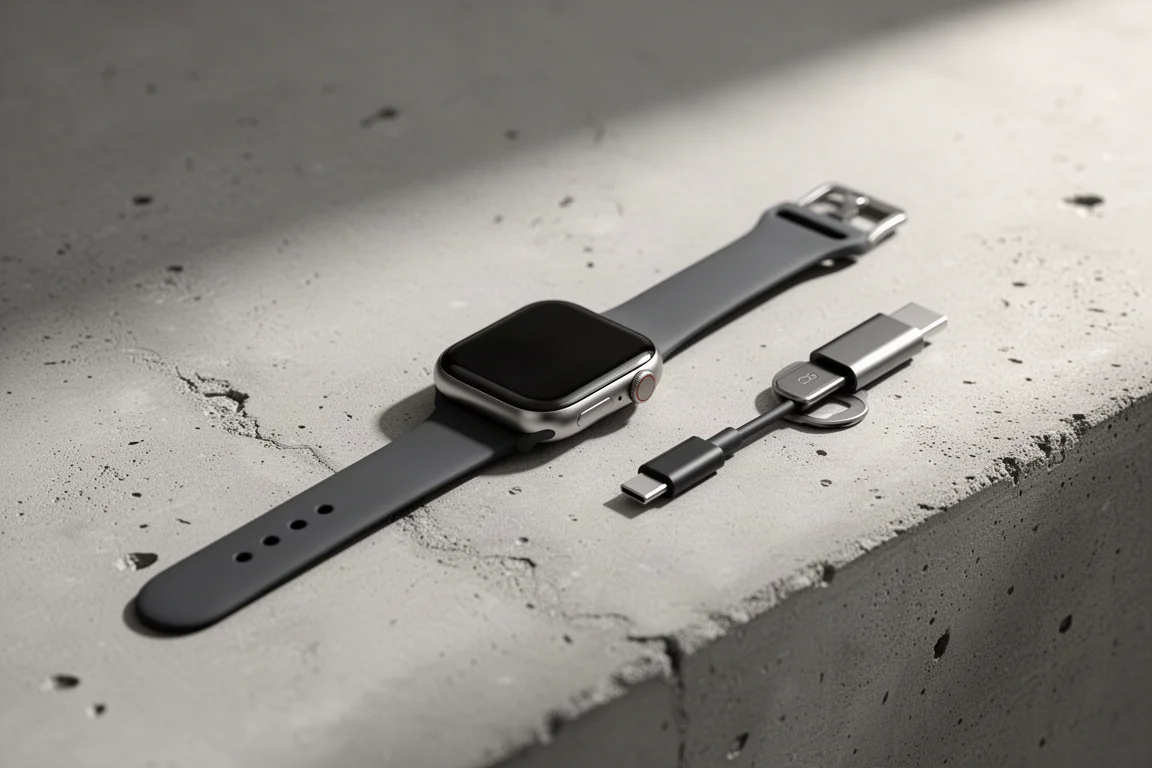
Garmin claims about five days of battery life between charges, and real-world testing matched that even with plenty of workouts logged and the display timeout set to medium rather than short. Charging uses a proprietary clip that snaps onto the back of the watch and connects via USB-C.
Sport Tracking and Connected GPS
Sport modes are accessed through the bottom tap area, with profiles including running, strength, fitness, and the new Dance Fitness profile unique to the Lily 2. Dance Fitness lets you mark songs and choose dance types such as pop and jazz, line dancing, Latin, and hip hop. Data pages, data fields, alerts, and timers can all be configured per sport in Garmin Connect.
The Lily 2 has no internal GPS. For outdoor activities it uses your phone’s GPS, and the handoff that frequently failed on the original now succeeded every single time in testing. Without your phone, you still get heart rate and timers, just no distance or route. Auto-pause mid-run, a constant annoyance on the Lily 1, never occurred on the Lily 2, which is another meaningful fix.

Display visibility is excellent in both bright sun and at night, comfortably better than some older Garmin watches with fancier display technology that washed out outdoors.
Accuracy: Heart Rate and GPS
Connected GPS held up well. In a run past large buildings with an iPhone in a shorts pocket, the trace looked good at a high level with only minor wobble near tall structures, and it never dropped out during runs or commutes.
Heart rate accuracy was solid for the watch’s size. In treadmill runs it matched a Polar Verity Sense and a Garmin Fenix 7 Pro closely. A high-intensity indoor cycling workout was very good apart from two brief couple-second excursions. A steady-state outdoor run matched the comparison devices almost perfectly, and the Lily 2 actually outperformed a far more expensive Garmin watch whose stiff strap kept it loose on the wrist. Short burst intervals were less consistent, with one missed and one partial, likely due to light leakage on a sunny day given how small the sensor housing is. Overall, it is not perfect, but it is impressively good for something this compact.
Should You Buy the Garmin Lily 2?
Almost every major criticism of the original has been addressed: the wake gesture is now excellent, false run pauses are gone, and the strap situation is fixed with standard 14 mm bands. The metal case and added features help justify the price increase over the original, though it now costs $50 more.
This is not the watch for serious sport-focused training. At the same price point, Garmin’s Vivoactive or Venu lineups offer far more sports capability. But for the non-sport side, the data flowing into Garmin Connect is nearly identical to a Vivoactive 5; the difference is that one looks like a generic smartwatch and the other looks like a fashion piece. If you want a stylish, lightweight watch that still delivers genuinely capable health and activity tracking, the Lily 2 is a very good middle ground.
Conclusion
The Garmin Lily 2 is what a second-generation product should be: it keeps the original’s charm while fixing its biggest frustrations. Standard straps, a metal case, on-watch sleep data, and reliable connected GPS make it much easier to recommend, provided you accept the lack of onboard GPS, ECG, and wrist temperature sensing.
Product link
View more details for Garmin Lily 2
This product is mentioned in the review. Check the specifications, options, and compatibility before buying.
View more details for Garmin Lily 2Further reading
Related Reviews
Smartwatches
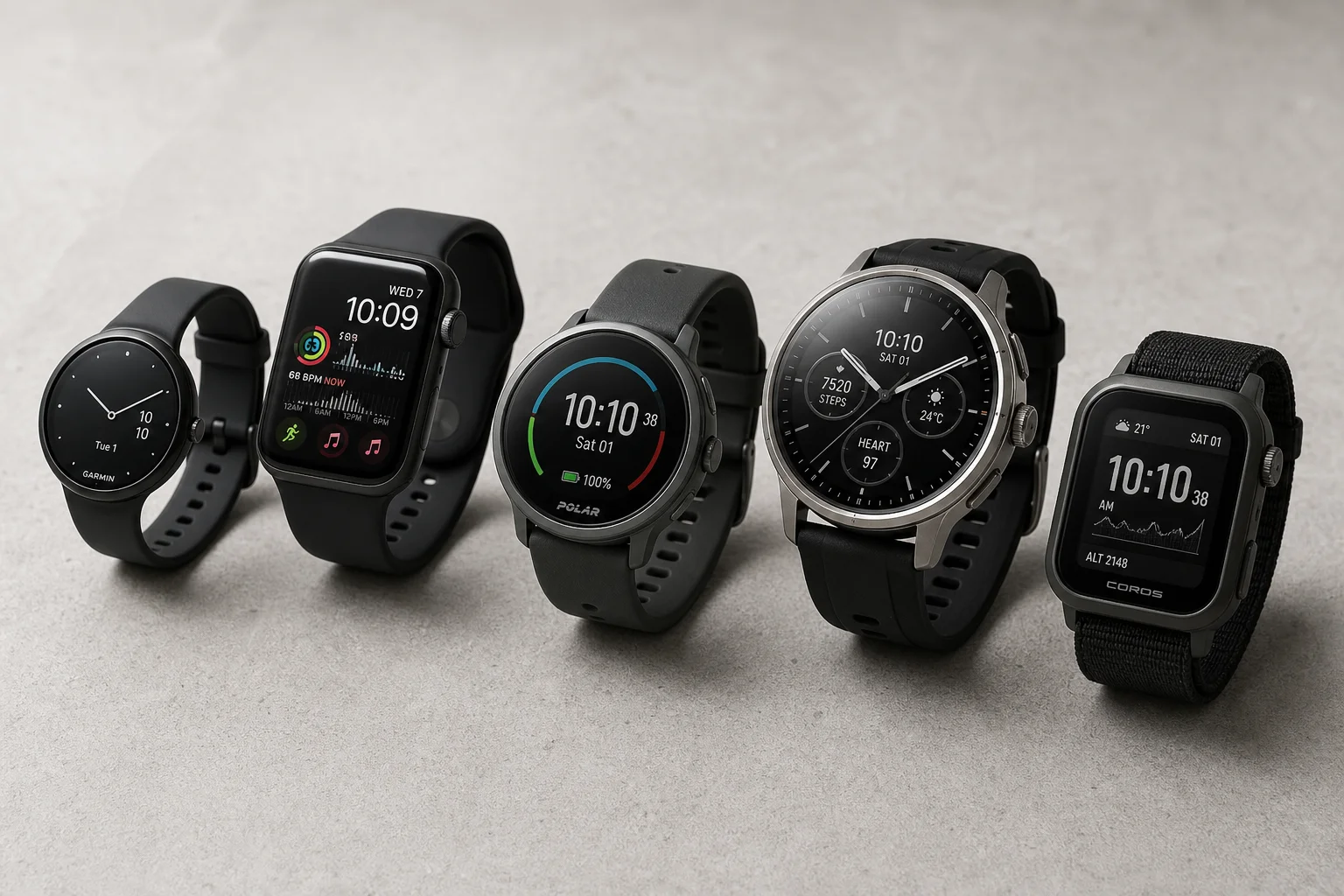
Best Budget Smartwatches 2026: Five Affordable Options That Actually Work
Five budget smartwatches tested for real daily use. From entry-level options to premium features at fraction of the cost, here's what actually delivers.
Smartwatches
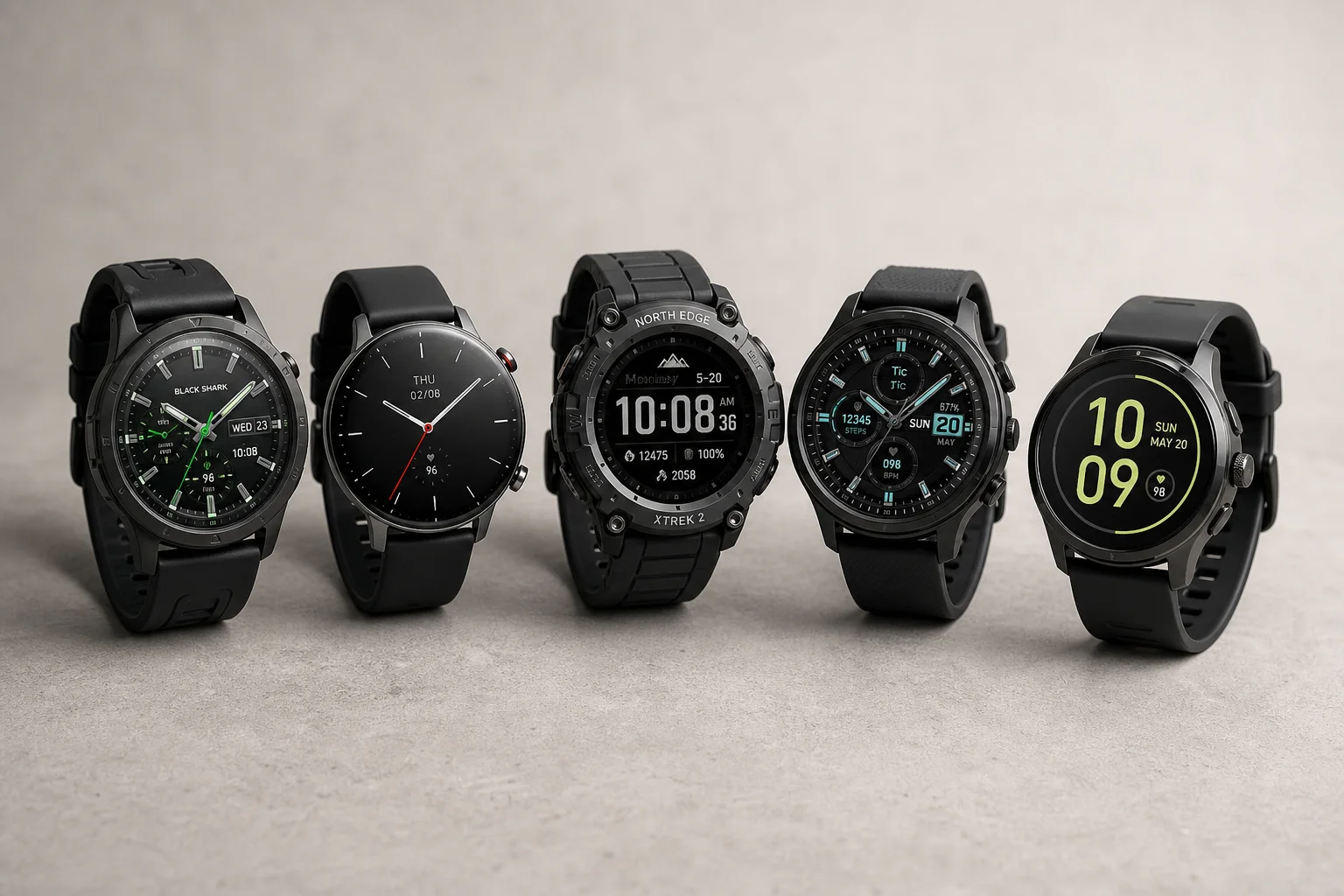
Best Smartwatches on AliExpress 2026: Five Practical Options for Different Needs
Five smartwatches with strong customer feedback and competitive pricing, each suited to different priorities: premium design, battery life, outdoor durability, advanced health tracking, and sports versatility.
Smartwatches
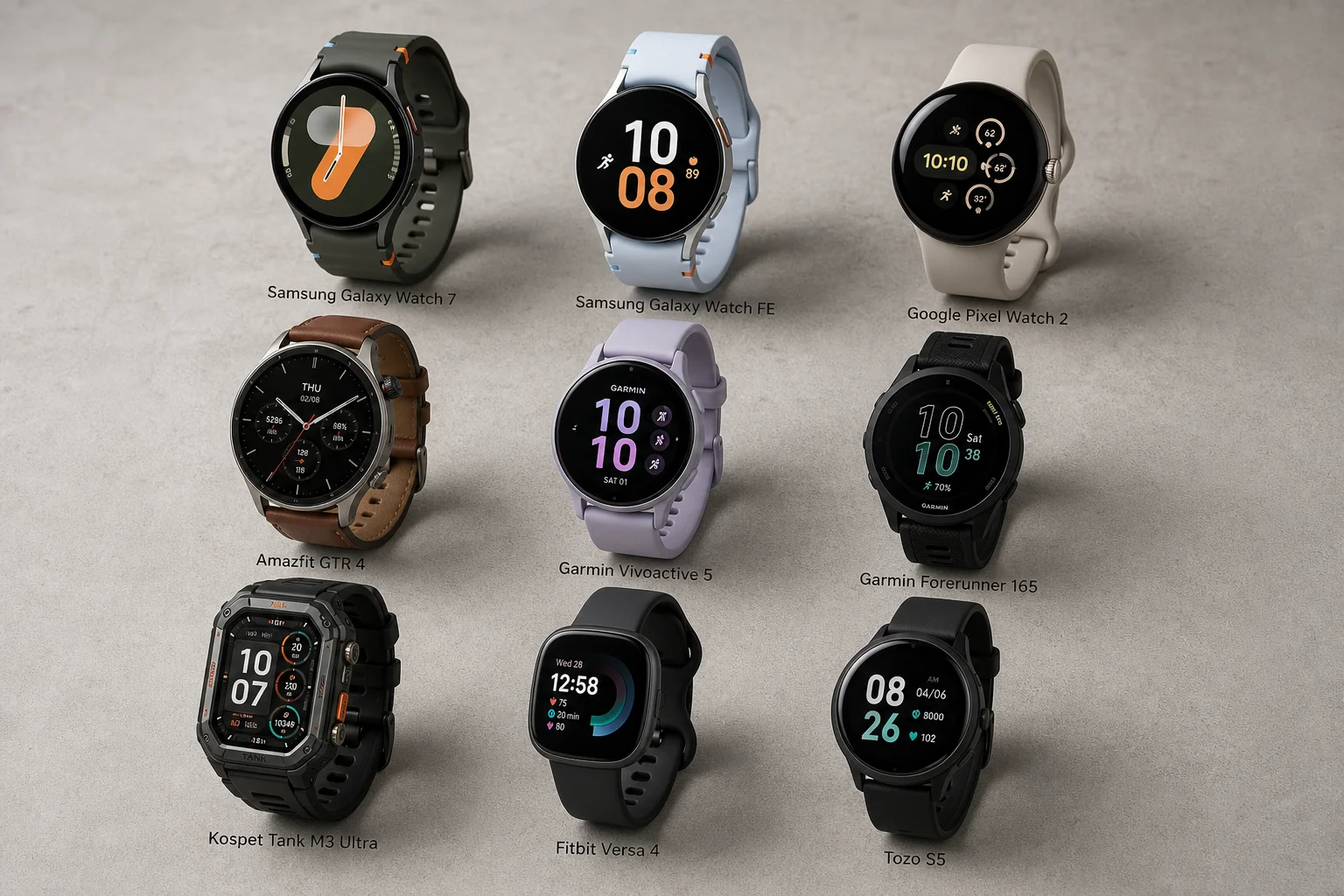
Best Smartwatches Under $300: 9 Practical Options for Every Need
A curated selection of nine smartwatches under $300, each excelling in health tracking, durability, battery life, or fitness features. Find the right match for your lifestyle.