Smartwatches
Garmin Instinct Solar vs Garmin Fenix 6 Pro Solar: Which Adventure Watch Fits You?
A practical comparison of two solar adventure watches: battery life, ruggedness, training tools, maps, and the $400 gap between them.
Introduction
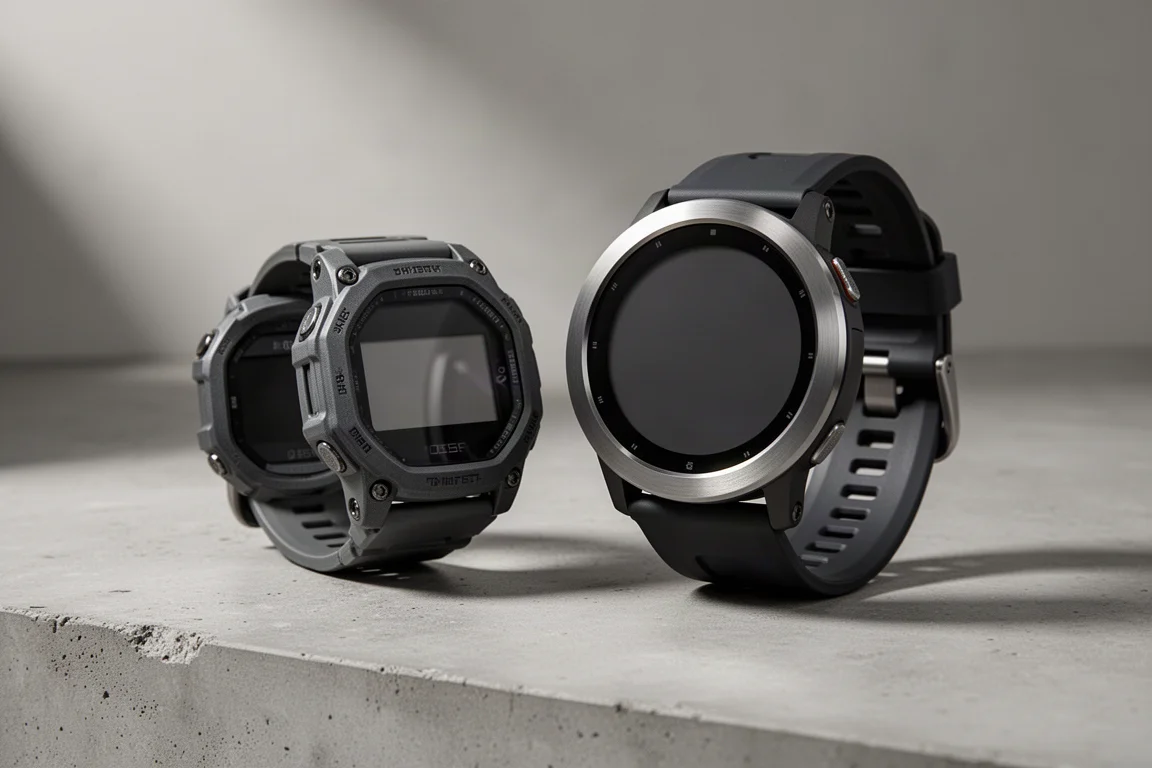
The Garmin Instinct Solar and the Garmin Fenix 6 Pro Solar sit at two different points on the same idea: a solar-assisted adventure watch that tracks training, logs outdoor activity, and takes some of its power from daylight. Both cover GPS, heart rate monitoring, and a broad sensor suite, and both have held up well through months of regular use.
The difference is what happens away from the trail. The Instinct Solar is priced at $400 and the Fenix 6 Pro Solar at $800, so the useful question is whether the Fenix’s extra everyday features, training tools, and navigation justify doubling the spend.
What the Instinct Solar and Fenix 6 Pro Solar Share
Before the differences, it is worth noting how much these two watches have in common. Each handles GPS tracking, heart rate monitoring, and a wide set of sensors for outdoor activity. Both are solar models that draw energy from sunlight to extend battery life, and both use a crystal lens rather than sapphire, which is not an option on solar-capable watches at this level. In practice the crystal on both has proven resistant to everyday scuffs.

Both watches also connect to a satellite communication device, and either one can be used to trigger an SOS from the wrist once paired. If an emergency plan is part of your kit, that shared capability matters more than any spec sheet difference.
The core tracking experience is therefore very similar. The decision comes down to the extras, and there are several worth understanding before you buy.
Garmin Instinct Solar: Battery Life, Ruggedness, and Price
The Instinct Solar is the more rugged of the two. A raised bezel sits around the outside of the display, which makes the crystal harder to scratch when the watch catches walls or rock. Its styling is deliberately outdoors-focused, and the bolder colour options look less at home in a formal setting than the Fenix.
Battery life is where the Instinct pulls clearly ahead. It is rated for 24 days in smartwatch mode without solar, and up to 54 days with solar charging. A large share of the face is covered by a full photovoltaic solar panel, which is efficient at gathering light but cannot display anything underneath it.
The trade-off is on-screen information. The Instinct has a smaller area available for showing data than the Fenix, and it does not include topo maps, a weight training program, or the running analysis tools found on the Fenix.
Garmin Fenix 6 Pro Solar: Everyday Wearability
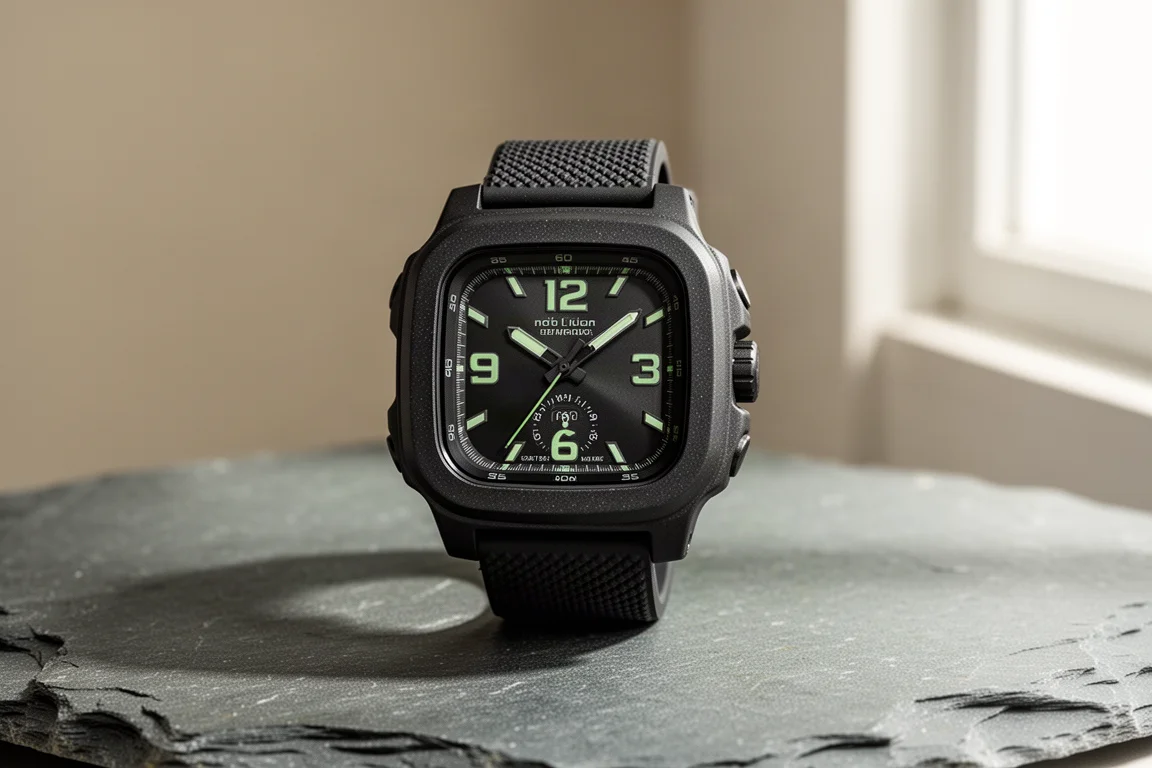
The Fenix 6 Pro Solar is built to be worn every day, not only on adventures. It looks professional enough for an office and works with a dress shirt, which makes it easy to keep on the wrist through the working week. The bands can be swapped, so the supplied silicone strap can be replaced with a leather band for a more formal look.
Battery life is rated at 14 days in smartwatch mode without solar and up to 16 days with solar. The Fenix has a larger face for displaying information, though only a thin ring of the full photovoltaic panel fits around it, which explains the shorter solar endurance compared with the Instinct.

That combination of a bigger display and a slimmer solar ring is the heart of the Fenix proposition: more information on the wrist, with less surface area available to harvest light.
Training and Gym Features on the Fenix
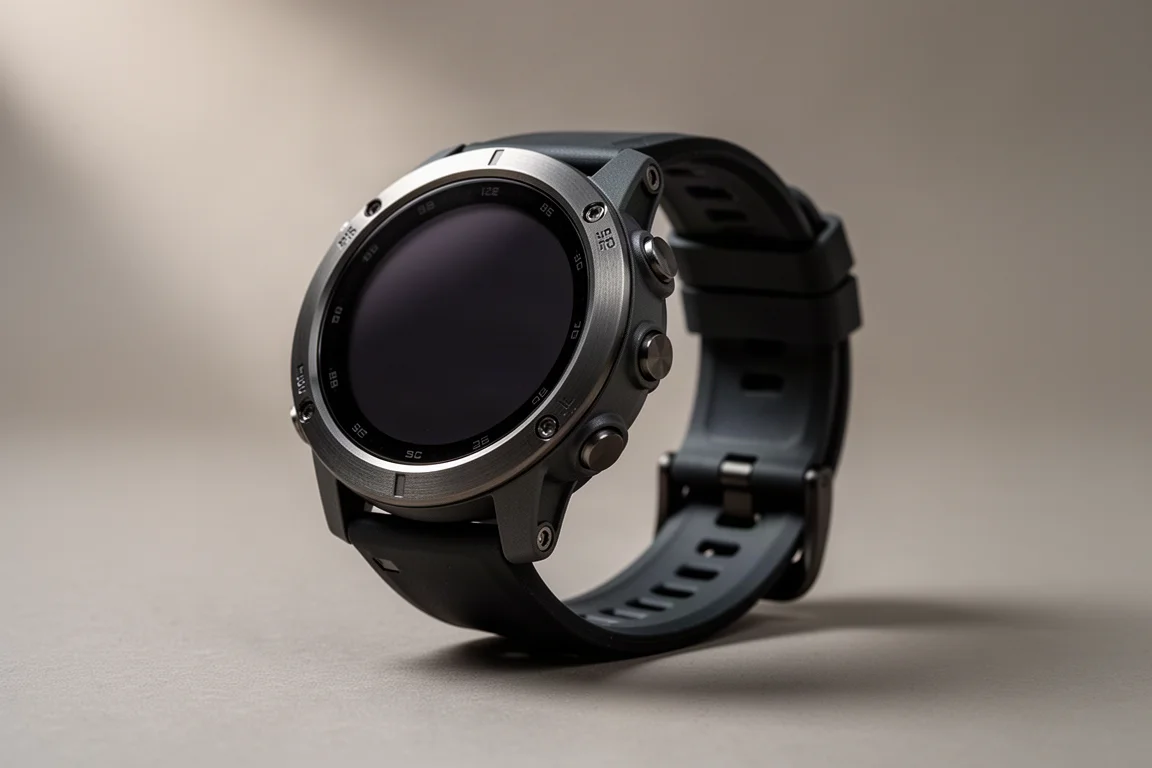
For structured training, the Fenix offers tools the Instinct does not. A dedicated weight training program shows animations on the screen to demonstrate how an exercise is performed, and automatic rep counting tracks a set without any manual input, then ends the set on its own so rest periods are timed consistently.
The Fenix also plays Spotify through Bluetooth headphones directly from the watch, so a phone can stay at home during gym sessions, runs, and podcasts. Running analysis and tracking programs are more developed on the Fenix as well, which matters if you want meaningful feedback on pace and form rather than a simple distance log.
Solar Charging and Battery Life Compared
Both watches are solar models, and the technology is split between two panel types. One is a full photovoltaic panel that absorbs light efficiently but cannot display anything underneath it, so it can only occupy space that does not need to show the time or data. The other absorbs around 10 percent of incoming light and allows the display to sit on top of it.

The result is a clear split in priorities. The Instinct devotes more of its face to the high-efficiency panel and delivers far longer endurance, while the Fenix uses a larger display and accepts a shorter battery life in exchange. If you spend long stretches away from a charger, the Instinct’s 24 to 54 day range is the more practical figure, and it is the stronger argument for anyone whose trips run for weeks rather than days.
Maps and Navigation on the Fenix
Topographic maps are the single biggest functional difference between these two watches. The Fenix can display topo maps on the wrist, and routes can be loaded onto the watch before a trip so you can follow the line on the map without pulling out a phone. That saves phone battery and keeps navigation quick at a junction, where a glance at the watch is enough to pick the right trail.
For bushwhacking, more aggressive adventures, or simply getting lost often, the map screen is a strong reason to choose the Fenix. The Instinct does not offer this capability, and no amount of battery life compensates for it if on-wrist navigation is the feature you actually need.
Which Watch Should You Buy?
The $400 difference is the whole decision. Choose the Fenix 6 Pro Solar if you want a watch that works in an office, supports band swapping for a dressier look, includes weight training and running features, and puts topo maps on your wrist. Those extras are the reason it has been the everyday wear choice for years, and they are the reason it costs more.

Choose the Instinct Solar if those features are not important to you and you would rather have the longer battery life, the more rugged case with its raised bezel, and the lower price. Both watches cover the same core tracking and solar charging ground, so the choice is about the extras rather than the fundamentals.
Conclusion
The Instinct Solar and the Fenix 6 Pro Solar are both capable adventure watches with GPS, heart rate monitoring, solar charging, and satellite communicator pairing. The Fenix earns its higher price through everyday wearability, band options, gym and running features, and on-wrist topo maps. The Instinct earns its place through 24 to 54 days of battery life, a more rugged build, and a price that leaves room for other gear. Match the watch to how you actually use it, and either one will serve you well.
Further reading
Related Reviews
Smartwatches
Best Budget Smartwatches 2026: Five Affordable Options That Actually Work
Five budget smartwatches tested for real daily use. From entry-level options to premium features at fraction of the cost, here's what actually delivers.
Smartwatches
Best Smartwatches on AliExpress 2026: Five Practical Options for Different Needs
Five smartwatches with strong customer feedback and competitive pricing, each suited to different priorities: premium design, battery life, outdoor durability, advanced health tracking, and sports versatility.
Smartwatches
Best Smartwatches Under $300: 9 Practical Options for Every Need
A curated selection of nine smartwatches under $300, each excelling in health tracking, durability, battery life, or fitness features. Find the right match for your lifestyle.