Smartwatches
Garmin Instinct 3 Crossover vs Instinct 3 AMOLED: Which One Makes Sense for You
Garmin's new hybrid smartwatch pairs real analog hands with a bright AMOLED display. Here is how it compares to the standard Instinct 3 AMOLED.
Introduction
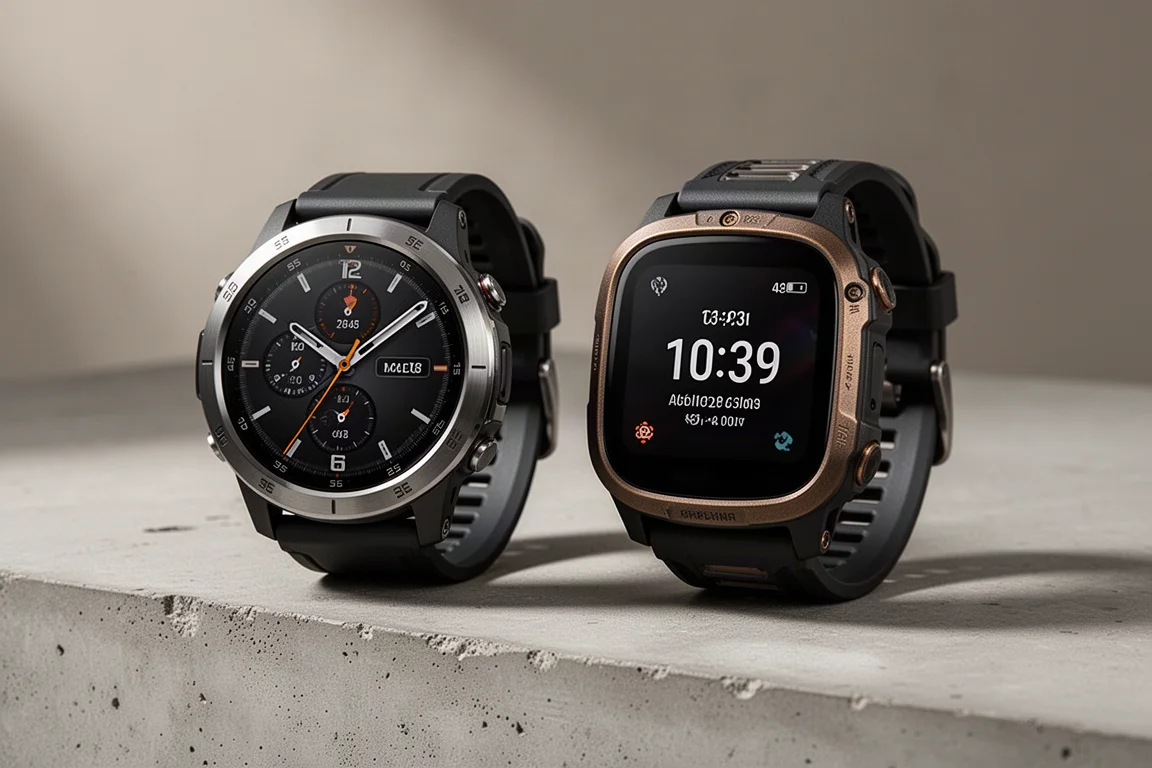
Garmin’s Instinct lineup has always been about rugged practicality, but the new Instinct 3 Crossover takes a different route. It takes the Instinct 3 AMOLED platform and gives it the hybrid treatment: real analog hands sit on top of a bright AMOLED display, blending the look of a traditional timepiece with the features of a full smartwatch. Garmin has also upgraded the materials, adding a sapphire lens in place of the chemically strengthened glass on the standard Instinct 3.
The question is whether that style and hardware upgrade justifies the price jump. Here is how the two watches compare in the areas that matter most.
Design, Materials, and Fit
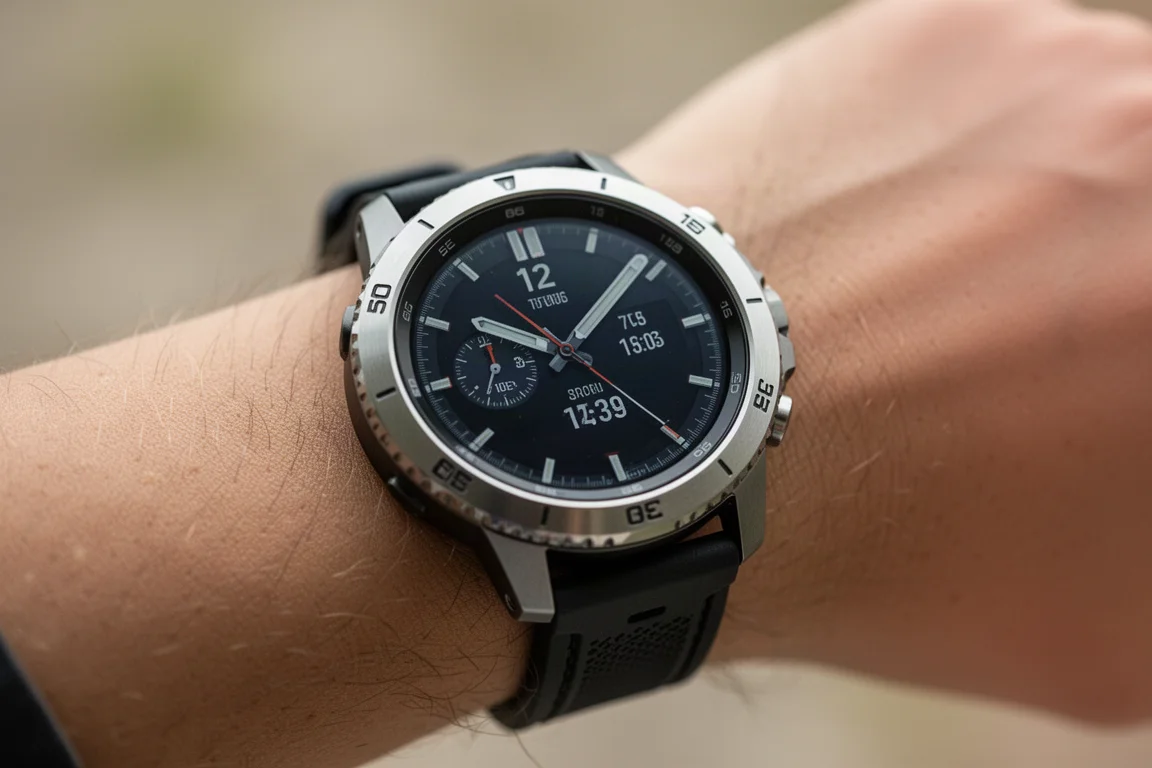
The Crossover comes in one size with a 46.6mm case, while the Instinct 3 AMOLED is available in both 45mm and 50mm versions. On the wrist, the Crossover wears closer to the 45mm AMOLED model, though it is slightly thicker and a touch heavier, likely due to the additional internal components and the sapphire lens.
That sapphire lens is a meaningful upgrade. Sapphire is more scratch resistant than the chemically strengthened glass on the standard Instinct 3, and the bezel on the Crossover sits in a way that helps protect the lens. That combination should make the watch far more durable in daily use than the previous generation hybrid, which was more vulnerable to scratches.
The main case remains plastic, similar to the standard Instinct, but the Crossover swaps the aluminum bezel of the standard models for stainless steel, with more of the metal exposed. Color options include charcoal, black, and a distinctive bronze brown yellow finish that grows on you quickly.
Display and Visibility
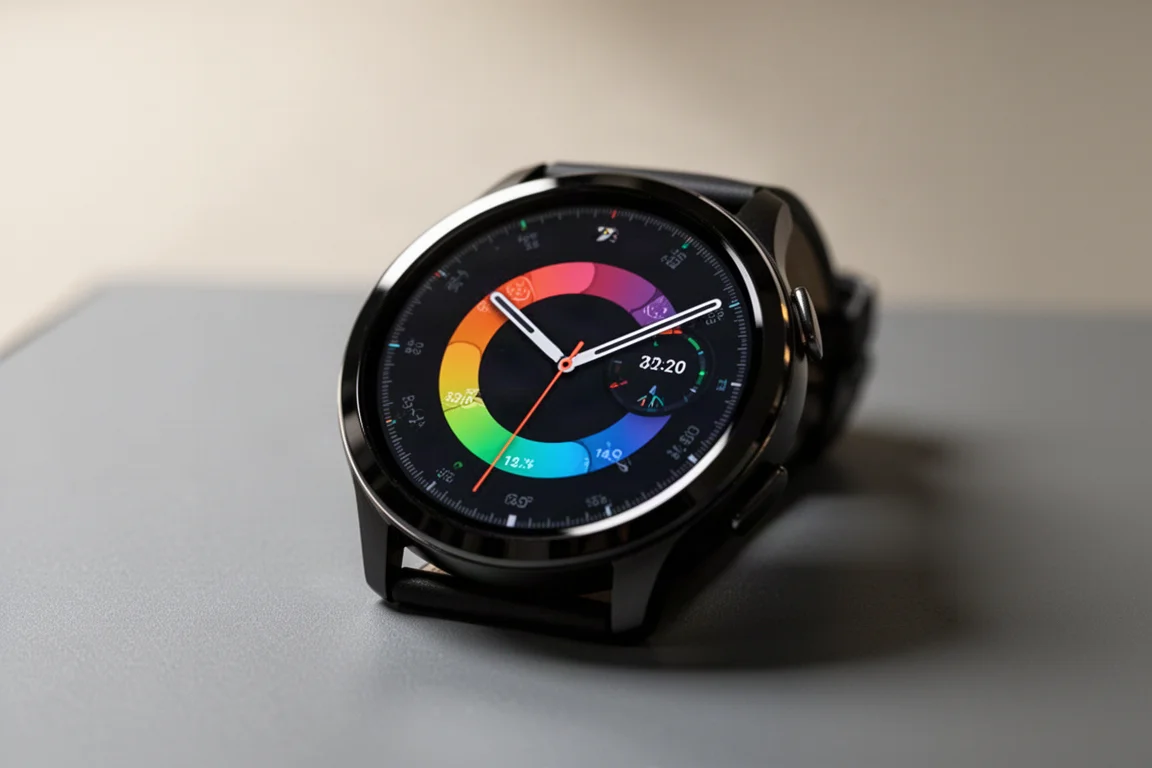
The Crossover uses a 1.2-inch AMOLED display at 390 by 390 pixels, similar to the Instinct 3 AMOLED, with one obvious difference: a cutout in the center for the analog hands. Garmin adjusted the interface in several areas to account for this, shrinking some elements and enlarging others, and the Crossover arguably uses its display real estate more cleverly than the standard AMOLED model.
Brightness is supposed to match the Instinct 3 AMOLED, though the sapphire lens can make the screen appear slightly dimmer at certain angles due to how sapphire refracts light. Neither display is the newer brighter generation found in Garmin’s flagship models, but visibility is fine in practice. This watch is really about the look of the analog hands, and in that department it delivers.
Analog Hands and Interface Tricks
The hands are more than decoration. Garmin has built genuinely clever interactions around them:
- Dynamic watch faces shift data elements around the dial depending on the time of day, so the hands never obscure your stats
- Pressing the back button momentarily moves the hands out of the way on more traditional faces
- The AMOLED layer beneath the hands can change their highlight color, or you can go with a classic lume glow
- During workouts, the hands can act as a heart rate zone gauge, and workout screens support up to six data fields
- The compass turns the hands into compass dials, and the breathwork app moves the hands alongside your breathing exercises
Calibration is handled with automatic recalibration after impacts, plus a manual procedure. The manual process can be slightly finicky, so you may need to adjust it once or twice to get the hands perfectly aligned.
Health and Smart Features
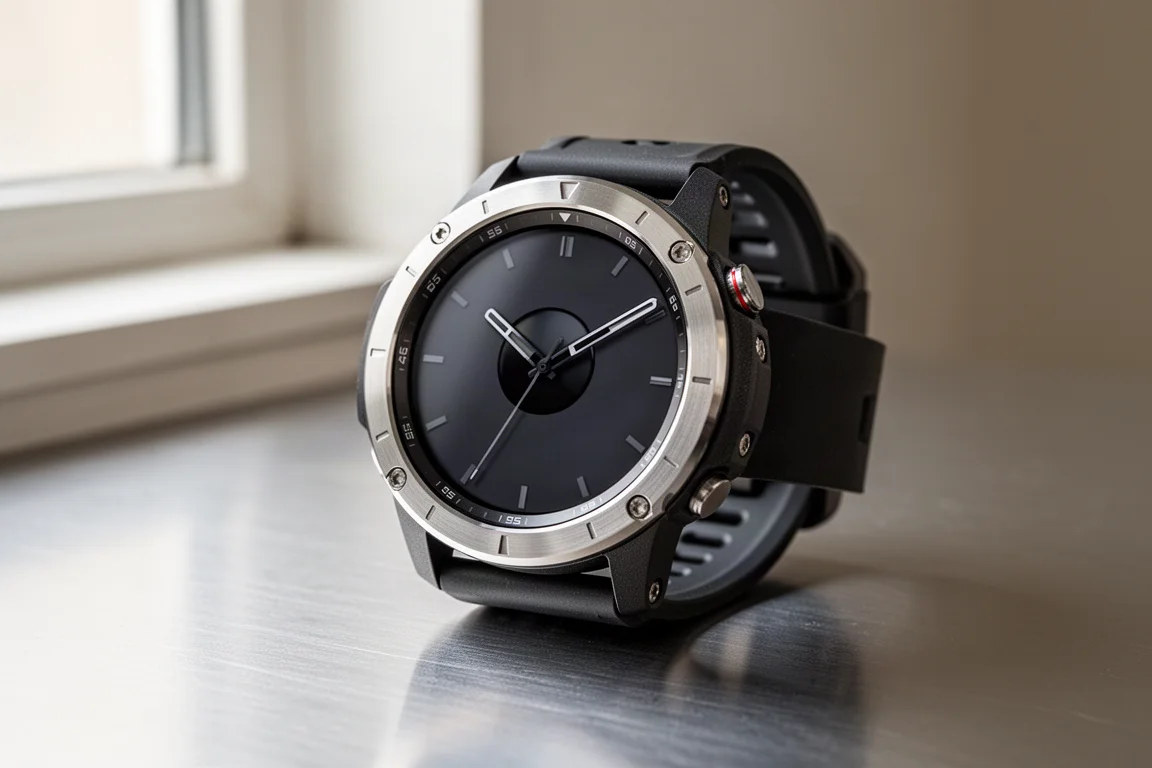
Health tracking is largely identical between the two watches: 24/7 heart rate, blood oxygen saturation, sleep tracking, and breathing variations. Both use Garmin’s fourth generation heart rate sensor rather than the newer fifth generation one, which means no skin temperature tracking and no ECG.
Alongside the Crossover, Garmin is introducing new features in Garmin Connect. Health status collects key metrics during sleep and flags when readings fall outside your typical range, taking about three weeks to establish baselines. Lifestyle logging lets you track habits from a list of over 40 options, or create your own, and after four weeks shows how those habits may correlate with health metrics, such as a late meal or alcohol relating to lower HRV. These are largely app-level features available to most Garmin wearable owners, though available data varies by device.
GPS and Sports Tracking
Both watches share the same sports platform: a full-featured multisport watch with a vast list of profiles, from running, cycling, and swimming to triathlon, skiing, and water sports, plus all the training and recovery feedback of the Instinct 3 line, including training status, recovery time, HRV status, and training readiness.
GPS hardware is also shared, with a multiband dual-frequency chipset and SatIQ auto-select mode that balances accuracy against battery life. Real-world results have been solid: distances and barometric elevation gain lined up well, and tracks through narrow canyons with heavy tree cover held together nicely, even on tight switchbacks and fast descents.

On heart rate, the fourth generation sensor performs well for indoor cycling, road and gravel biking, and running, with only occasional drift. It struggles more with weight training and high-intensity interval training, where gripping and varied arm movement throw it off. The upside is full external sensor support, including heart rate straps, speed and cadence sensors, power meters, cycling radar and lights, and more. Still, at this price the absence of the fifth generation sensor is a legitimate drawback.
Everyday Features Worth Knowing
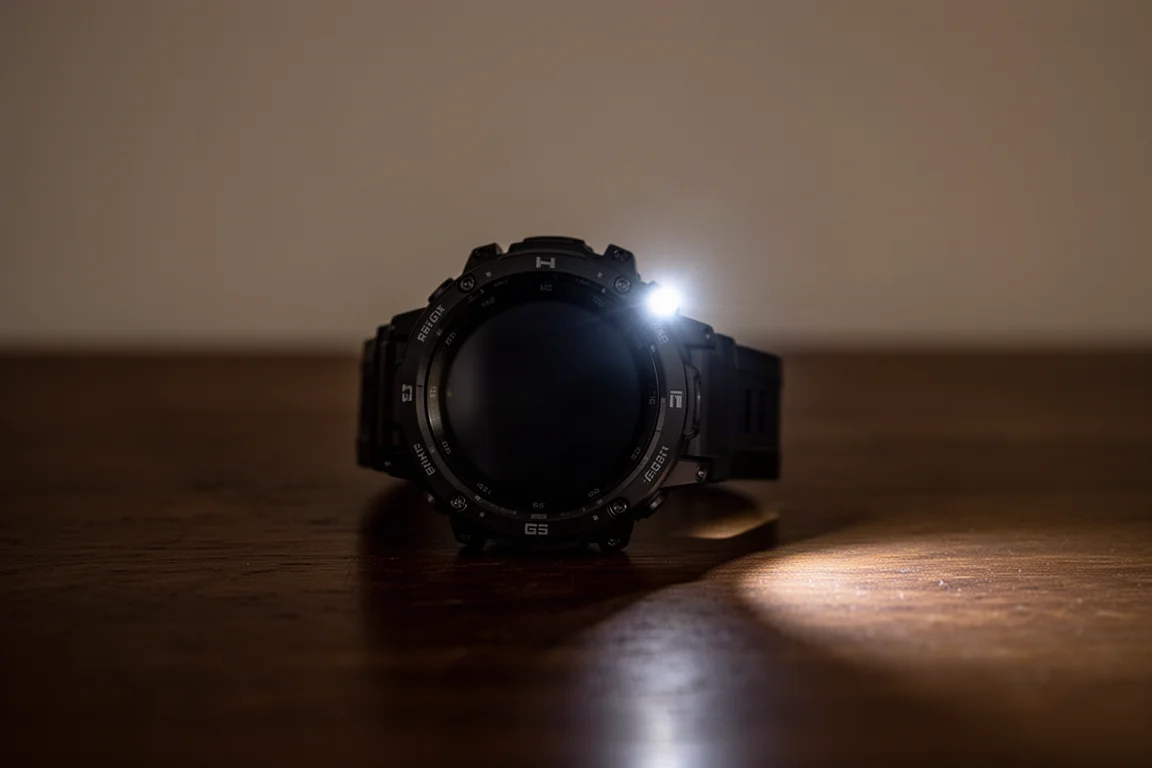
Like the rest of the Instinct 3 family, the Crossover keeps the built-in LED flashlight in the top right of the case, with multiple brightness levels and a red LED mode. It is one of those features that sounds gimmicky until you use it, and it carries over unchanged here.
Which One Should You Buy
If you want maximum value and a straightforward rugged AMOLED smartwatch, the Instinct 3 AMOLED remains the sensible pick. It comes in two sizes, wears lighter, and offers the same core feature set.
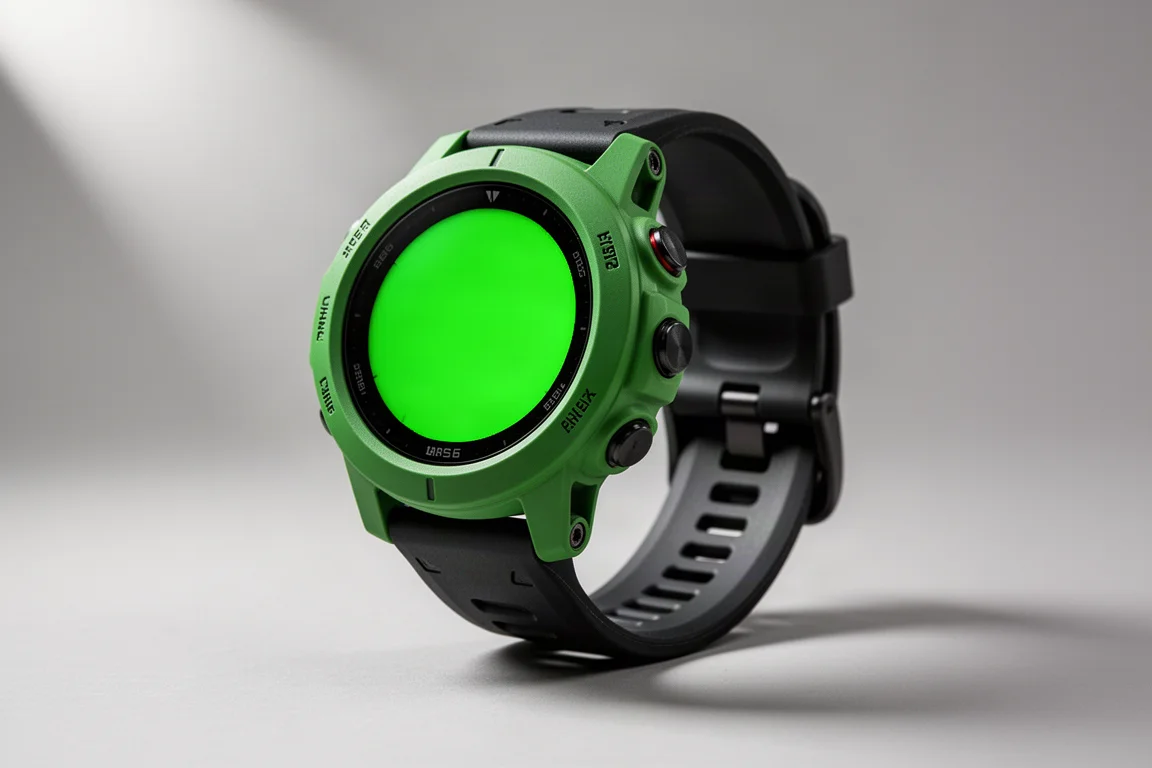
If the hybrid look appeals to you, the Crossover is a genuinely well-executed take on it. The sapphire lens, stainless steel bezel, larger display, and clever hand integrations make it feel like a more premium product, and Garmin has priced it that way at $649, or $749 for the Tactical Edition. That puts it roughly $150 to $200 above the Instinct 3 AMOLED depending on size. You are paying for style and materials as much as features, and if that trade-off makes sense to you, it is hard not to be impressed by what Garmin did here.
Conclusion
The Instinct 3 Crossover is one of the more convincing hybrid smartwatches Garmin has made. The analog hands are not just a design flourish; they integrate with watch faces, workouts, the compass, and even breathing exercises in ways that feel thoughtful. Its main weaknesses are the older heart rate sensor and the premium price. Choose the AMOLED model for value, or the Crossover if you want a rugged sports watch that looks at home with anything you wear.
Further reading
Related Reviews
Smartwatches
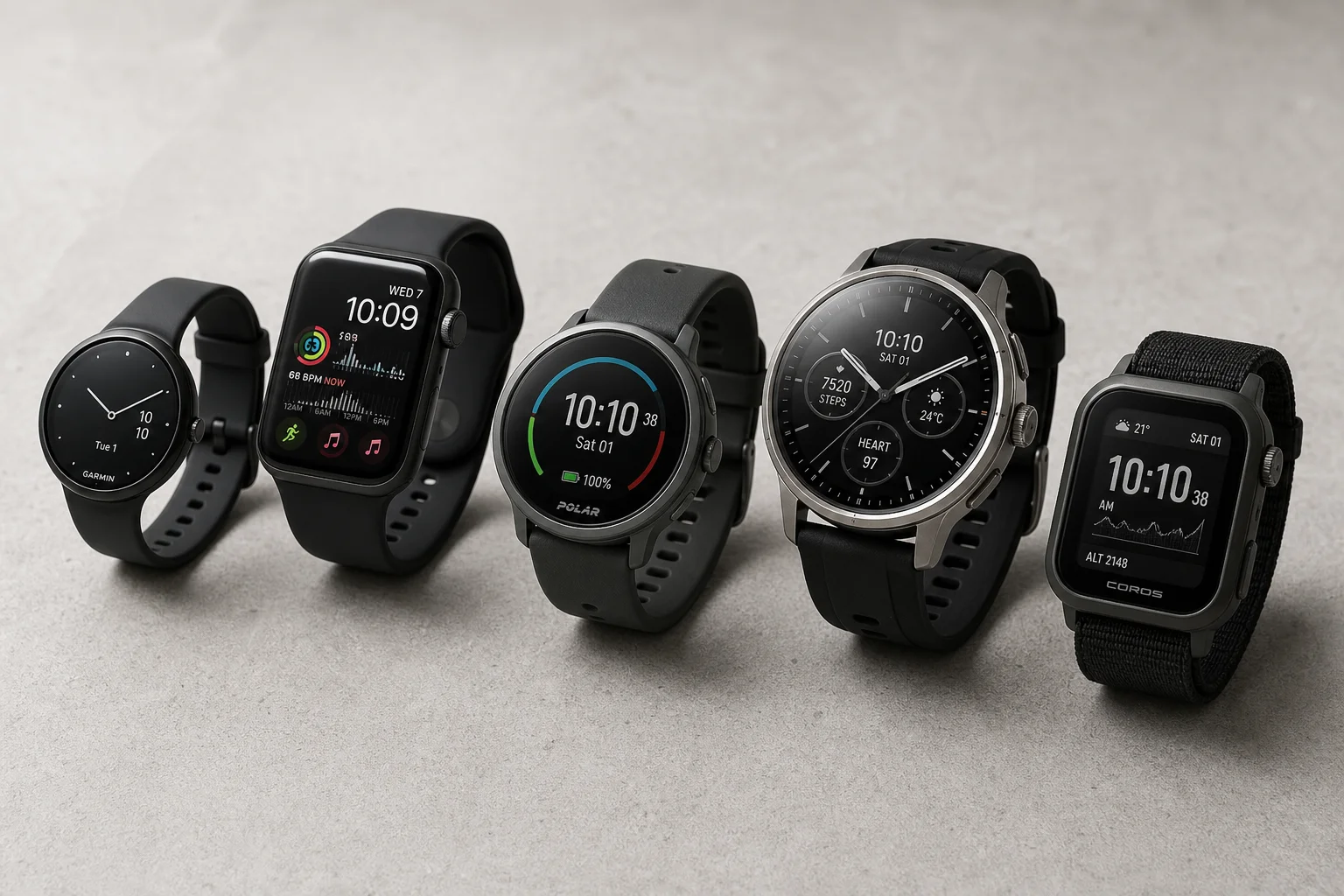
Best Budget Smartwatches 2026: Five Affordable Options That Actually Work
Five budget smartwatches tested for real daily use. From entry-level options to premium features at fraction of the cost, here's what actually delivers.
Smartwatches
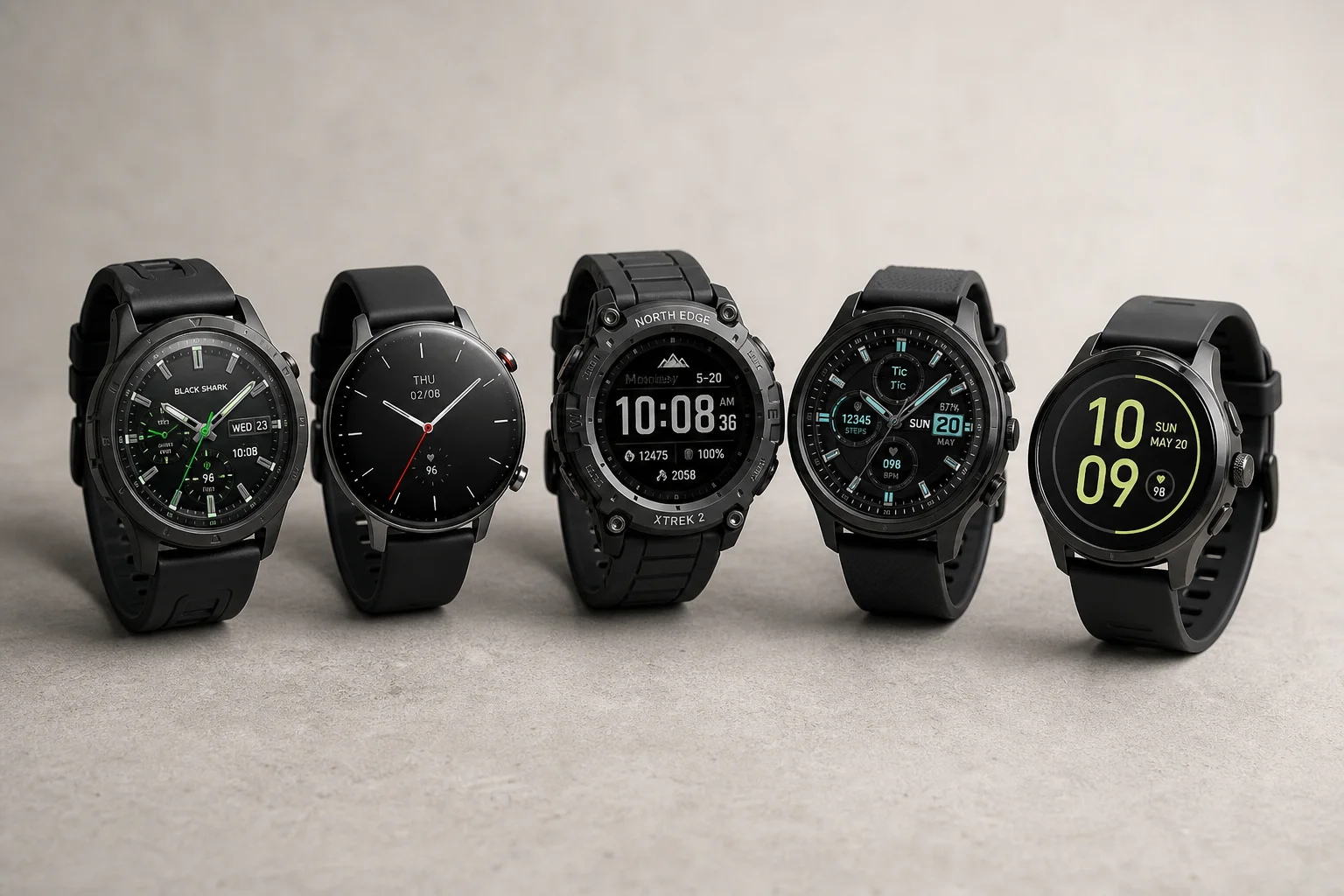
Best Smartwatches on AliExpress 2026: Five Practical Options for Different Needs
Five smartwatches with strong customer feedback and competitive pricing, each suited to different priorities: premium design, battery life, outdoor durability, advanced health tracking, and sports versatility.
Smartwatches
Best Smartwatches Under $300: 9 Practical Options for Every Need
A curated selection of nine smartwatches under $300, each excelling in health tracking, durability, battery life, or fitness features. Find the right match for your lifestyle.