Smartwatches
Garmin Fenix E Review: The Essential Fenix, and What It Leaves Out
A solid multisports watch with the full Fenix software experience, but some dropped hardware features make it a harder recommendation than it should be.
Introduction
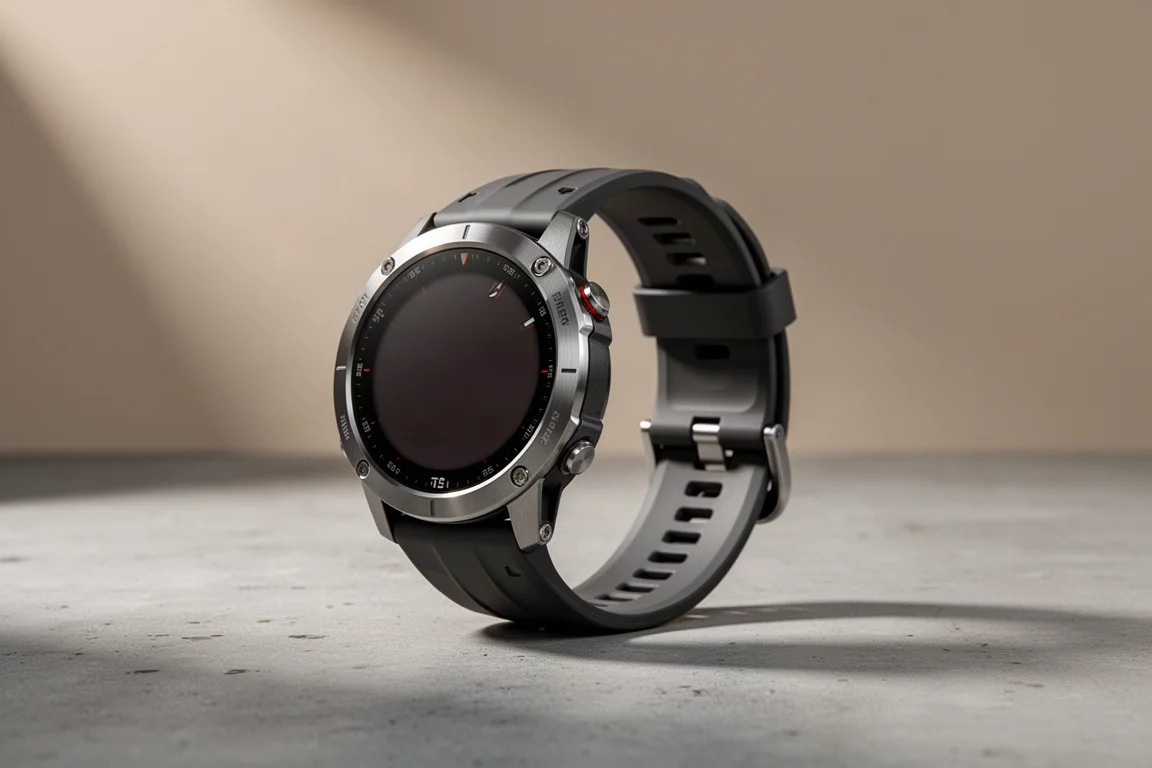
Back in 2024, alongside the Fenix 8 and Enduro 3, Garmin quietly added a new member to the Fenix family: the Fenix E. The E stands for Essential, and the idea is simple. You get the core Fenix experience, the same software and the same training tools, in a cheaper design with a handful of features stripped back.
It sits at what you might call the affordable end of the top-end watch market, priced around watches like the Polar Grit X2 Pro, the Apple Watch Ultra 2, and the Garmin Epix Pro. After spending time running with it, the picture is mixed. This is a good running watch and a good Fenix, but where it sits in Garmin’s own lineup raises some questions.
Who This Watch Is For
The Fenix E is for runners and multisport athletes who want the full Garmin software experience without paying Fenix 8 money. You get the same running smartwatch, mapping, navigation, and training features as the pricier Fenix models, including Garmin’s multiband GPS and SatIQ modes.
There is a single 47mm case size with an AMOLED display, waterproof to 100 metres. It misses the Fenix 8’s leak-proof buttons, LED flashlight, and the option of a sapphire crystal lens. Storage is 16GB rather than 32GB, and voice features are absent too.
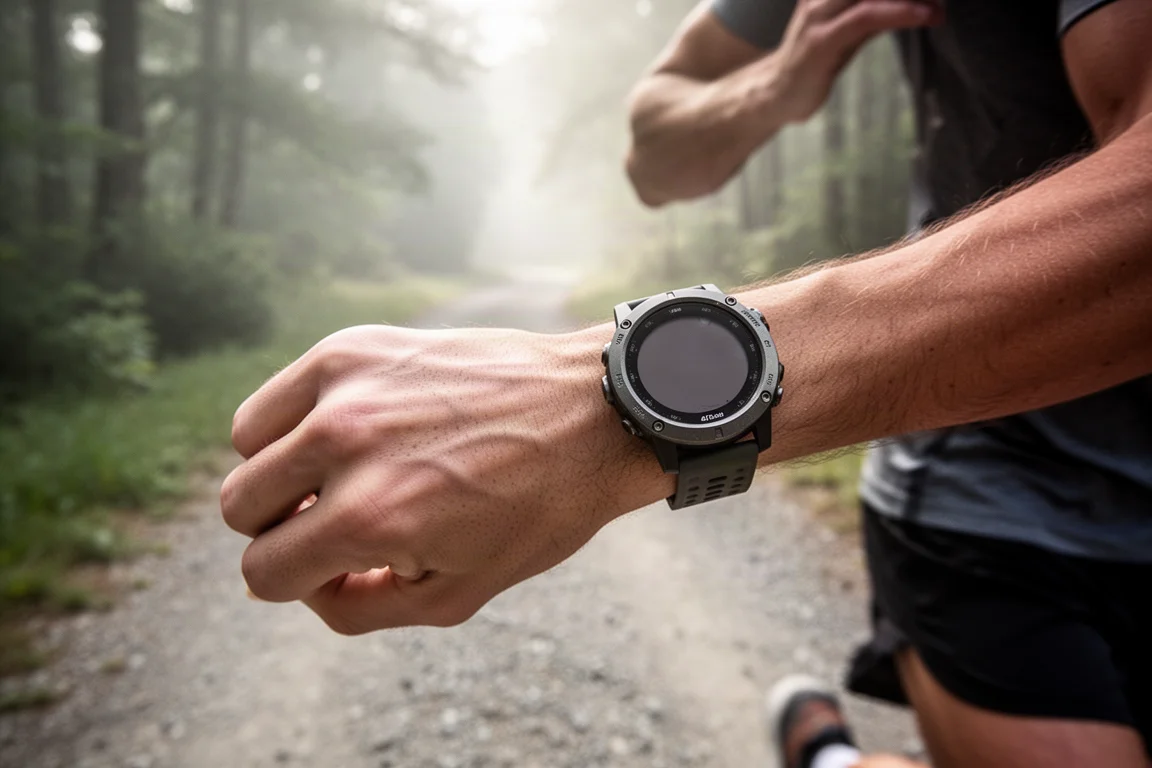
If you mostly run outdoors, want detailed training insights, and care more about the software than premium hardware extras, this is squarely aimed at you.
Main Strengths
From a design point of view, it genuinely feels like a Fenix watch. The 47mm size is the right choice for most wrists, and while the AMOLED resolution is not the highest you will find on a Fenix, it is absolutely fine in practice. Visibility is good and the software runs slickly on that screen.
The software is the big draw. It runs the latest version of Garmin’s platform, the same one on the Fenix 8 and Enduro 3, and it should support future software updates for anything that is software-centric. Garmin’s full gamut of training insights and metrics is here, including training readiness, and the presentation on the watch and in the Garmin Connect app is arguably the best in the sports watch market.
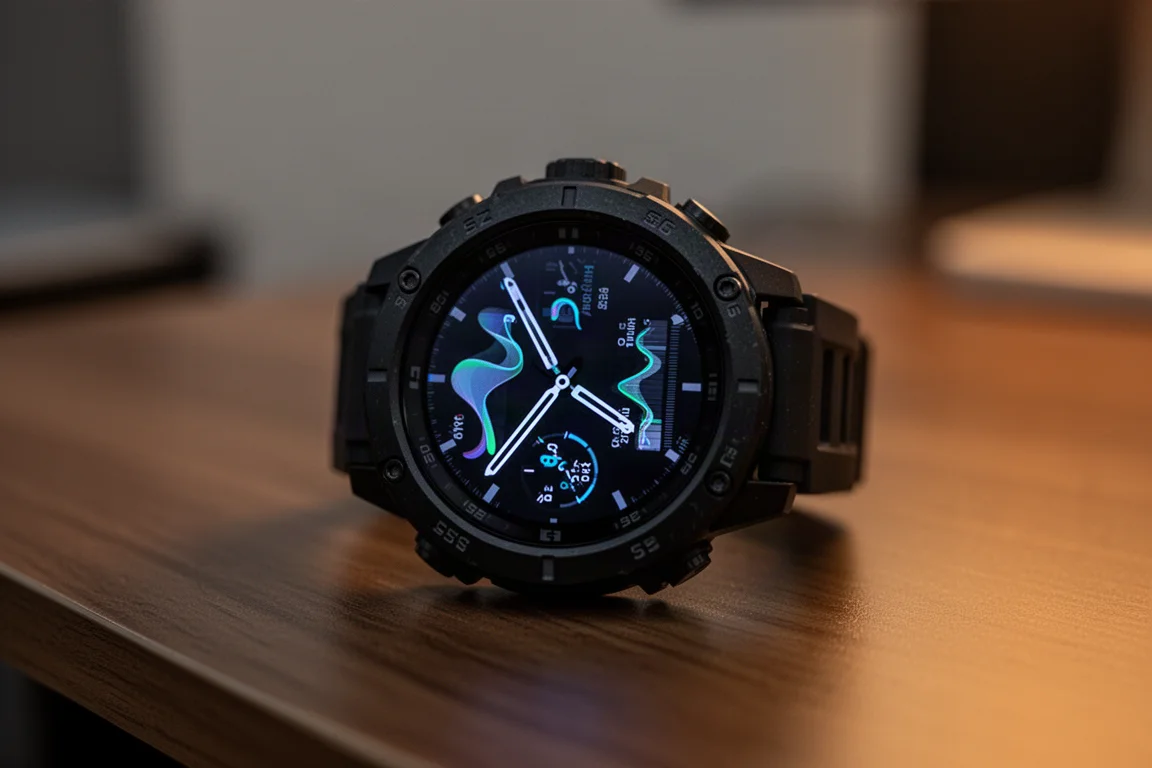
Battery life also holds up well for an AMOLED Fenix. Garmin claims up to 16 days, or 6 days with the always-on display. In practice, lighter days dropped around 10 to 15 percent, heavier days around 20 to 25 percent. An hour of running in the top GPS mode costs roughly 3 percent. With the always-on display and regular tracking you will get less than a week, but sacrificing that screen gets you closer to the claim. Max Battery and Expedition GPS modes can push things further at the cost of the most accurate GPS data.
Things to Consider Before Buying
Most of the compromises stem from what Garmin stripped away. The speaker and microphone are gone, as are the leak-proof buttons, and some extra durability elements. Those are understandable cuts. The missing LED flashlight is more surprising, as it has proved more useful in practice than it first appeared.
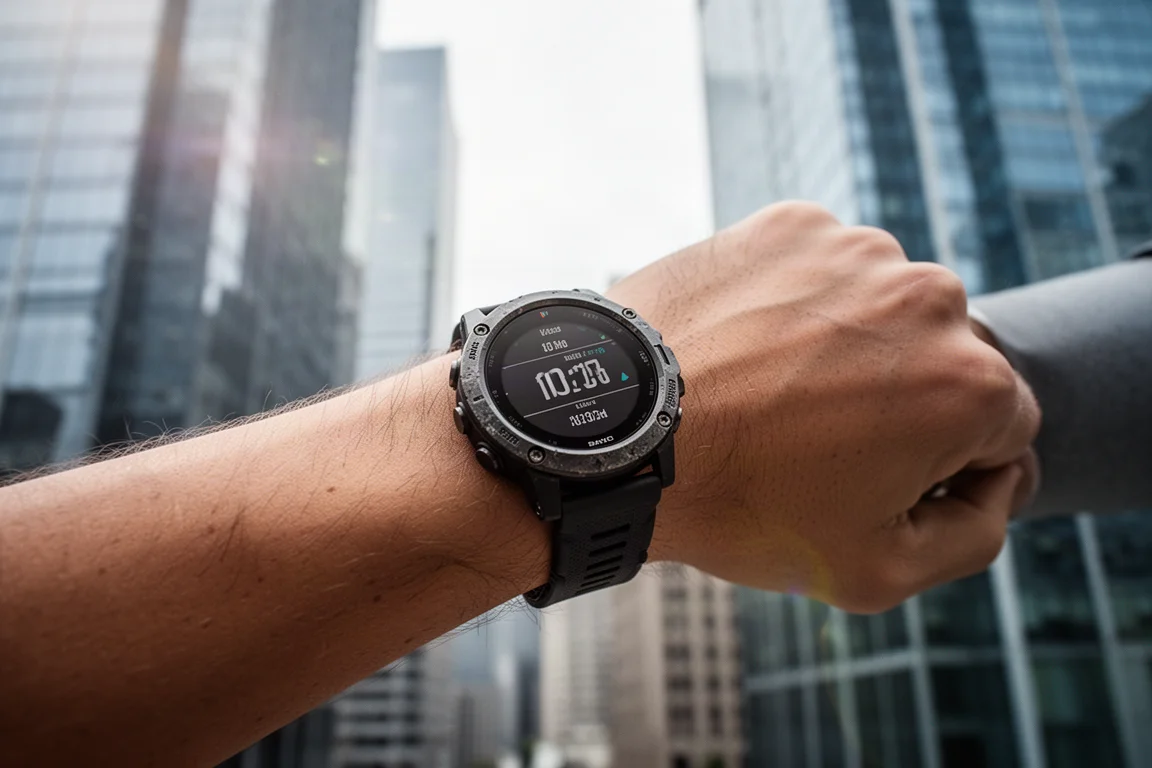
GPS is the other sticking point. You get multi-GNSS support, but not the multiband or dual-band mode. In general use it works fine, but in more extreme environments, like a trip to Dubai surrounded by tall buildings, the lack of dual-band performance was disappointing.
The heart rate sensor is also a generation behind: you get the Elevate Gen 4 sensor rather than the newer Gen 5. For steady-pace workouts it is generally fine, but for higher-intensity sessions and max heart rate readings it struggles, consistent with other Garmin watches using that sensor.
Buying Advice
Nothing is inherently wrong with the Fenix E. The problem lies in how it compares within Garmin’s own range. The Epix Pro is only slightly more expensive, and in its Sapphire edition you gain sapphire glass, dual-band GPS, and the flashlight, the very hardware features the Fenix E left out. Garmin may be phasing the Epix Pro out in favour of the Fenix AMOLED line, but it still has its place.
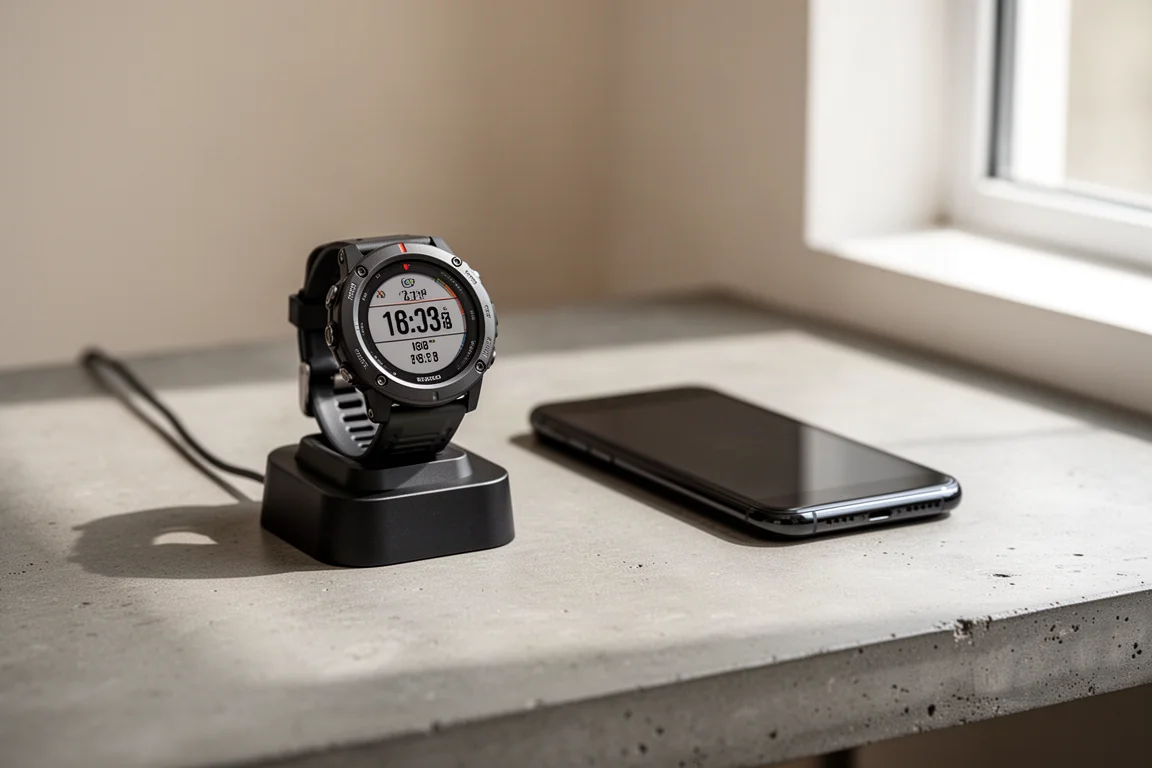
Against the Apple Watch Ultra 2, the Fenix E likely wins on battery life and offers better native mapping support for running. But the Apple Watch Ultra 2 delivers strong dual-band performance, good mapping through third-party apps, and a lot to like for iPhone users. If Garmin had been more strategic about which features it kept, the Fenix E would be the easy pick. Instead, the decision is genuinely harder.
If newer Fenix software for less money is the only thing drawing you in, it is worth weighing the alternatives first.
Conclusion
The Garmin Fenix E is a solid multisport watch with the complete Fenix software experience, good battery life, and a comfortable 47mm design. The trade-off is a set of hardware cuts, from the LED flashlight to dual-band GPS and the newer heart rate sensor, that make it a tougher sell against Garmin’s own higher-end models and the Apple Watch Ultra 2. Buy it if the software matters most to you and the price is right; otherwise, look at what slightly more money buys.
Product link
View more details for Garmin Fenix E
This product is mentioned in the review. Check the specifications, options, and compatibility before buying.
View more details for Garmin Fenix EFurther reading
Related Reviews
Smartwatches
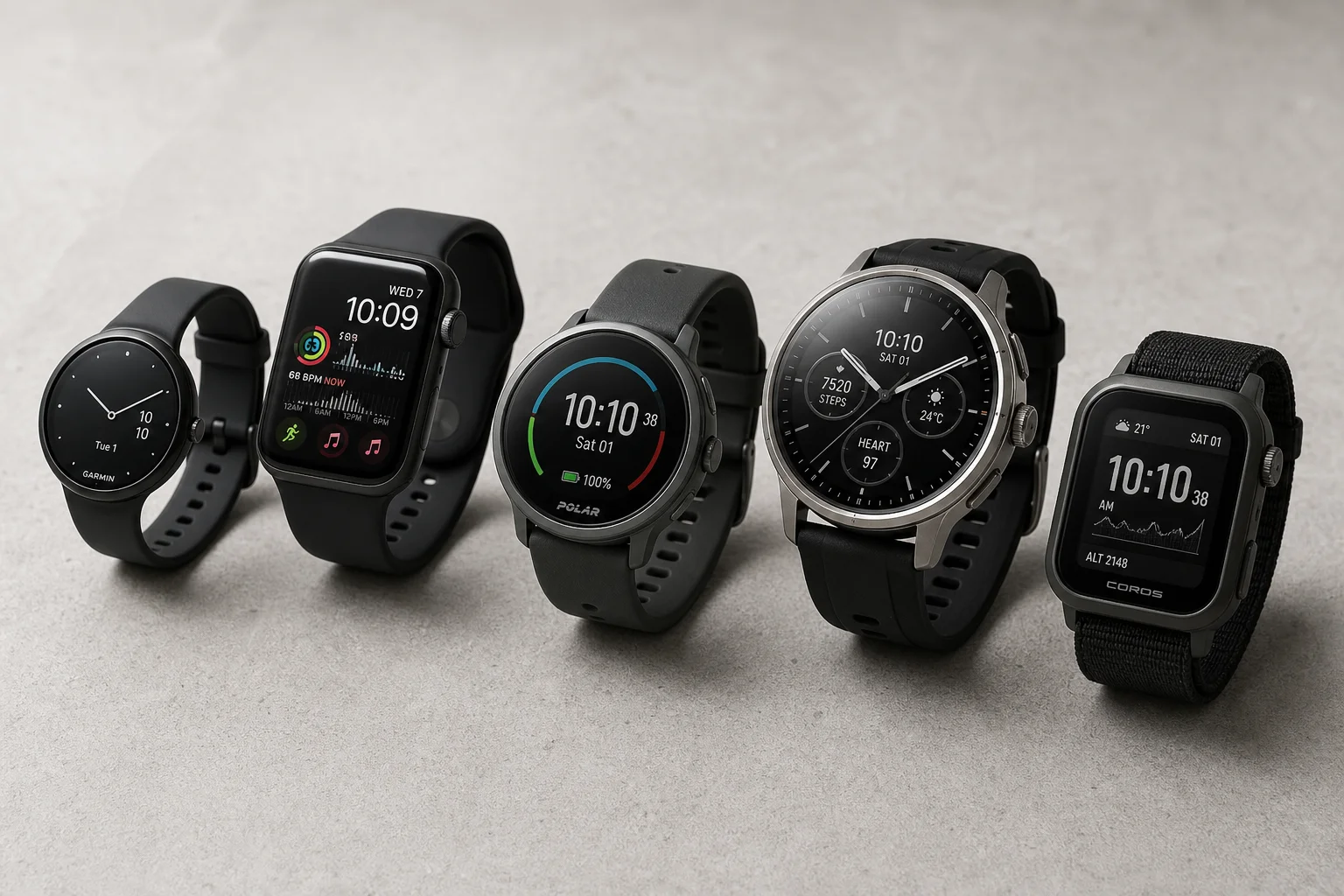
Best Budget Smartwatches 2026: Five Affordable Options That Actually Work
Five budget smartwatches tested for real daily use. From entry-level options to premium features at fraction of the cost, here's what actually delivers.
Smartwatches
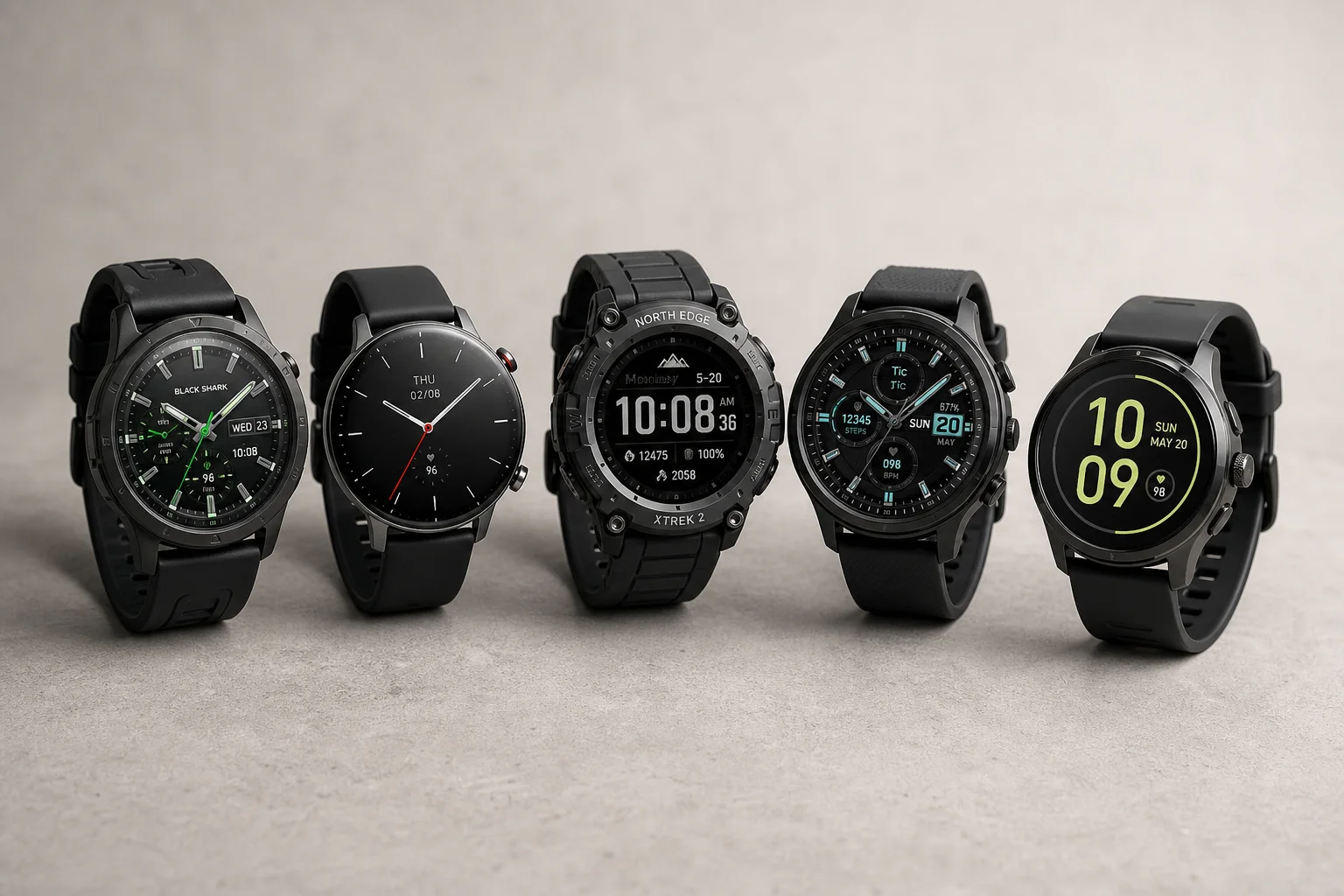
Best Smartwatches on AliExpress 2026: Five Practical Options for Different Needs
Five smartwatches with strong customer feedback and competitive pricing, each suited to different priorities: premium design, battery life, outdoor durability, advanced health tracking, and sports versatility.
Smartwatches
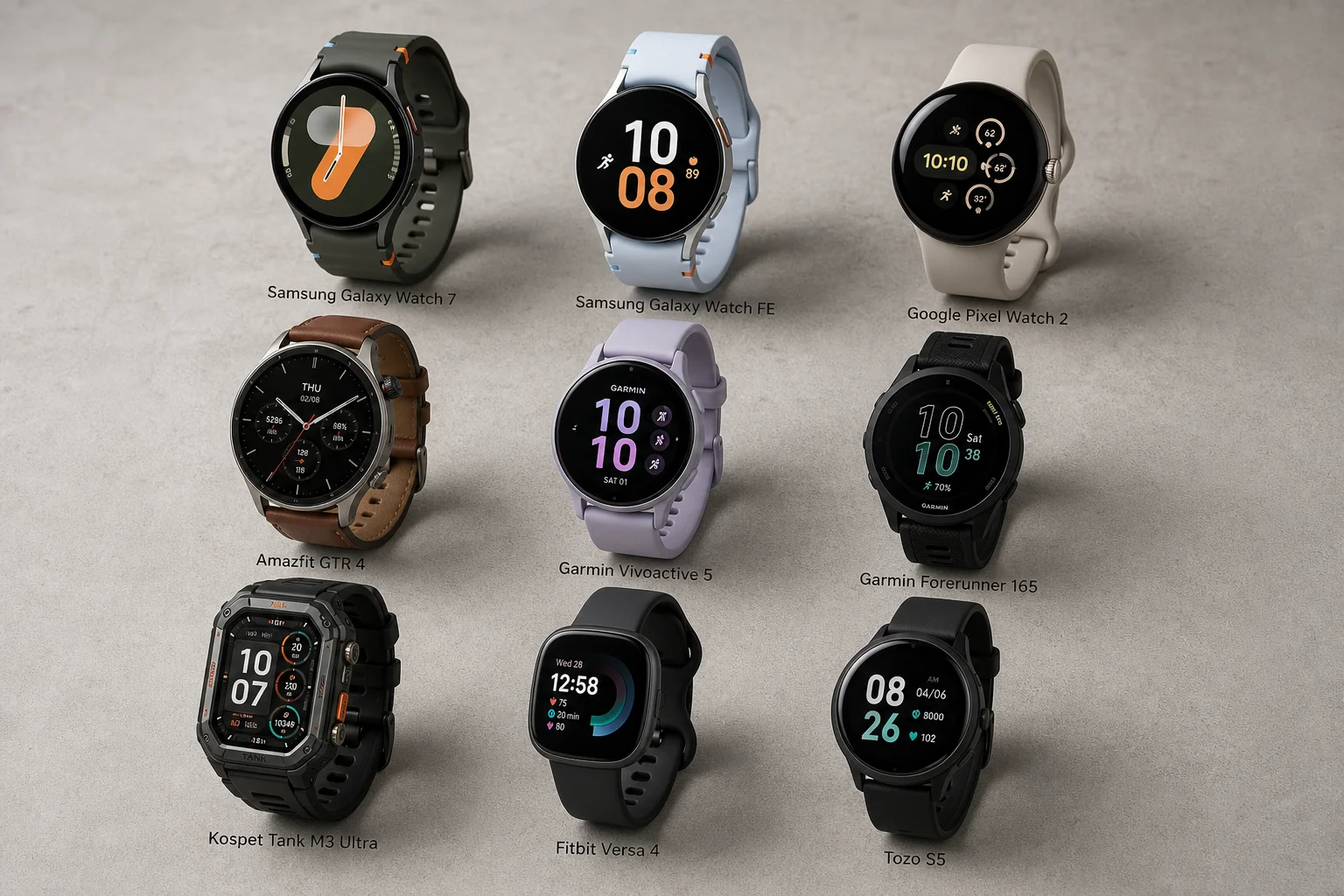
Best Smartwatches Under $300: 9 Practical Options for Every Need
A curated selection of nine smartwatches under $300, each excelling in health tracking, durability, battery life, or fitness features. Find the right match for your lifestyle.