Smartwatches
Garmin Fenix 9 and Fenix 9 Pro Review: What's New and Who Should Buy It
After weeks of running, cycling, swimming, hiking, and rowing with the Fenix 9 series, here is how the new hardware and software hold up in real life.
Introduction
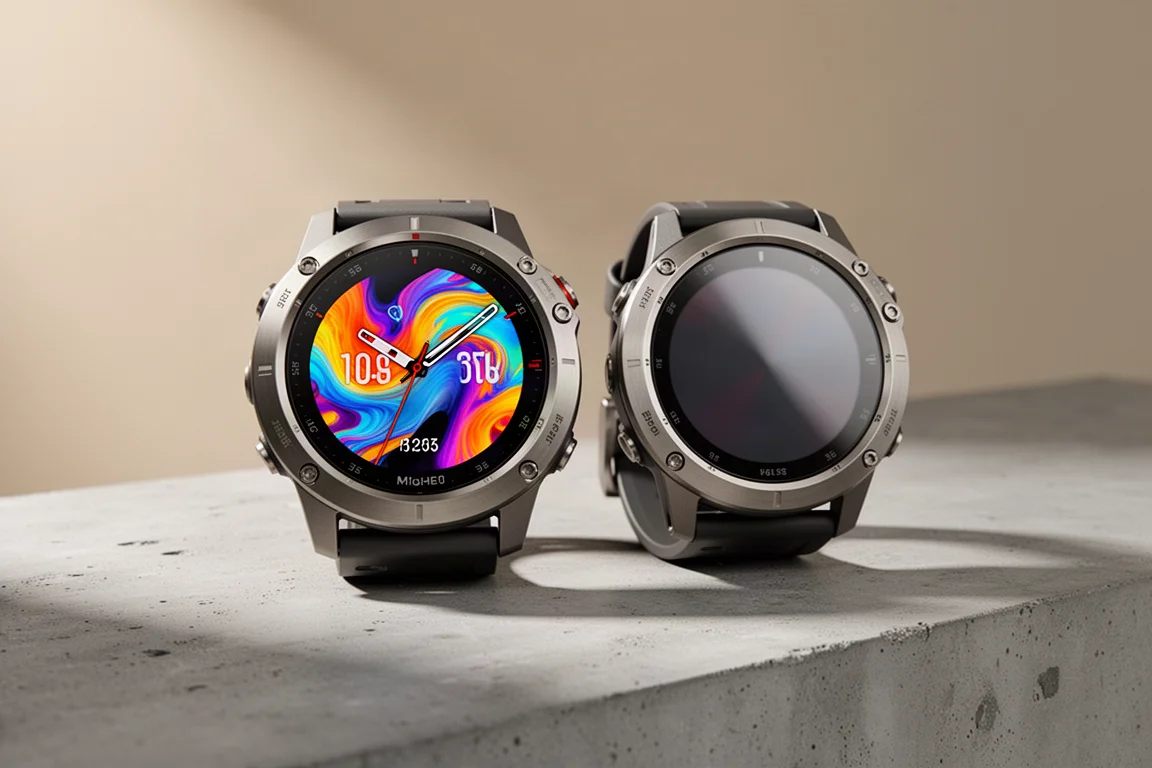
The Garmin Fenix 9 series is a very solid generation, and the interesting story is not just the new hardware. For the first time, Garmin is rolling its new software features back to previous generation models, including the Fenix 8, Forerunner 970, and several others. That changes the buying math considerably: do you pay for the new hardware, or save money on a discounted Fenix 8 knowing the software keeps coming?
This review covers weeks of real use across running, cycling, swimming, long hikes, and indoor rowing, including a 10-hour, 50 km hike with four watches on both wrists at once.
Choosing the Right Model: Display and Size
The first decision is display type. The Fenix 9 comes with either a bright AMOLED display or a MIP-based solar display. AMOLED panels are much brighter, while MIP-based solar versions last longer on battery. All MIP-based Fenix 9 displays have solar built in; AMOLED versions do not. In practice, modern AMOLED is easy to read in every lighting condition, including direct Mediterranean sun, so the real reason to pick solar is battery life, not visibility.
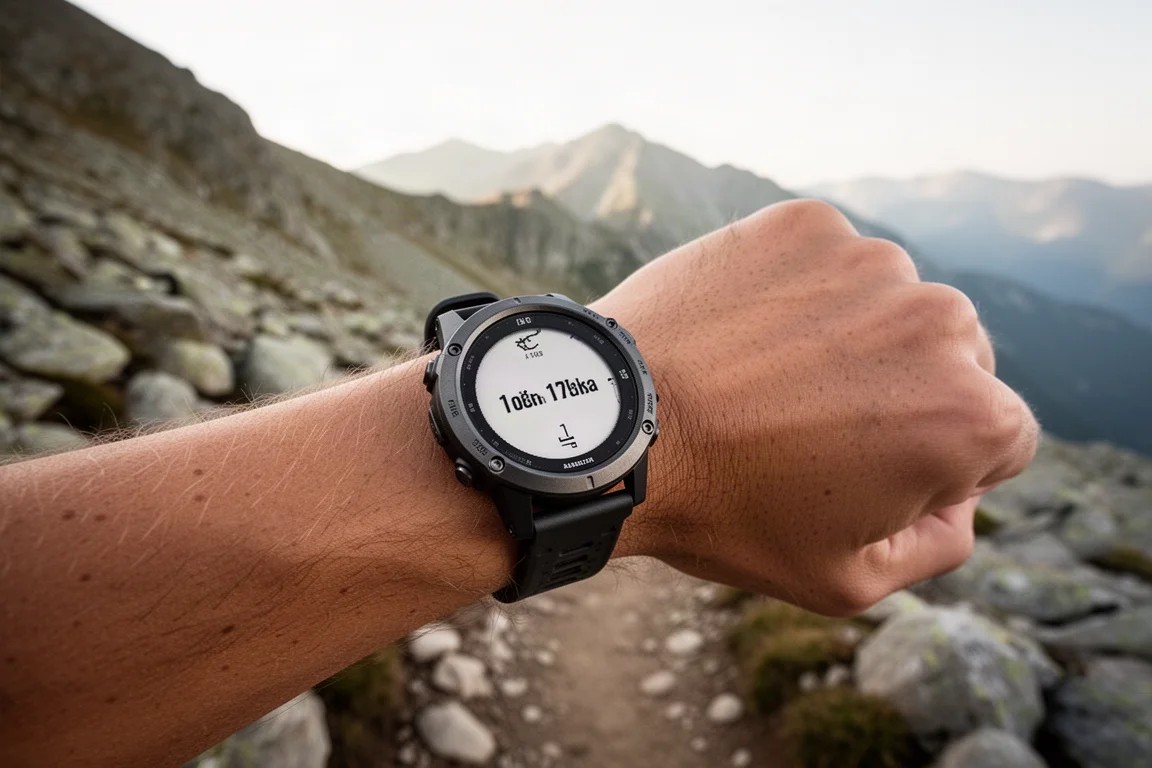
Sizes come in 43 mm, 47 mm, and 51 mm. Notably, there is no solar/MIP option on the 43 mm, but unlike the Fenix 8 Pro generation, a 43 mm Pro does exist this time. The 51 mm carries the largest display Garmin has ever made at 1.5 inches.
Base, Pro, or Pro inReach
The Pro model adds an all-titanium case, 64 GB of storage, sapphire glass, a new faster processor, and a 3,000-nit display versus 2,000 nits on the base model. Because those brightness figures are peak rather than all-day numbers, the difference is easy to miss in real use. The base model has all the same software features, just without satellite messaging or LTE connectivity.
The Pro inReach edition layers on LTE plus satellite messaging. With no phone at all, you can send and receive messages via satellite, check the weather over satellite, and use LTE features such as live tracking. Both connectivity services cost $8 per month bundled together, and you cannot bring your own SIM.
The microLED variant is gone for now. Its 4,500-nit panel was the brightest smartwatch display available, but after switching from microLED to the Fenix 9, real-world visibility in bright sun has been effectively identical.
Flashlight, Bands, and Everyday Hardware
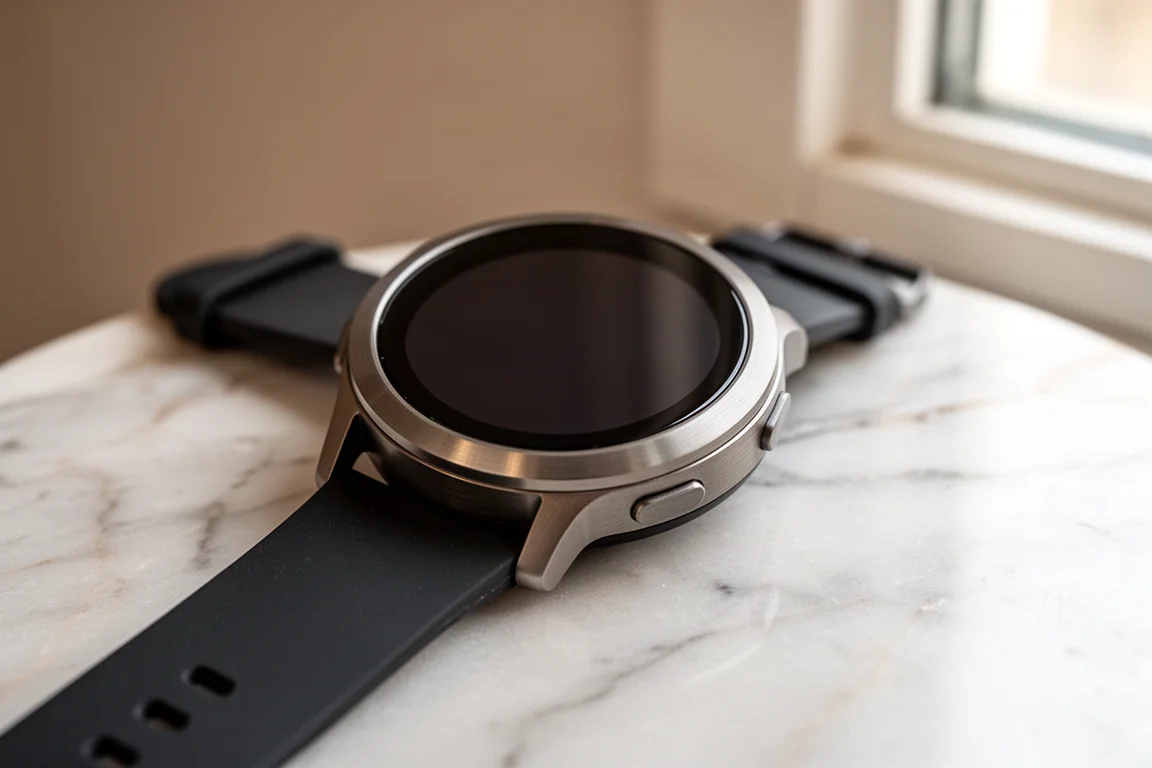
The built-in flashlight gains a new green light alongside four levels of white and red, similar to the tactix editions. It remains one of the most quietly useful Garmin features for hotels, dark hallways, and finding lost items, though the throw is similar to a phone flashlight, so serious night running still calls for a headlamp. One note: the green LED has no brightness levels and it is genuinely bright.

New QuickFit comfort-fit nylon bands are a highlight. They are close in material quality to premium trail-loop style straps, endlessly adjustable, and more comfortable than standard silicone. The trade-off is familiar to nylon fans: after a shower or swim, a damp band will leave a mark on your leg or shirt for the first 15 to 20 minutes until it dries.
New Software: Maps, Garmin Epic, and Stamina
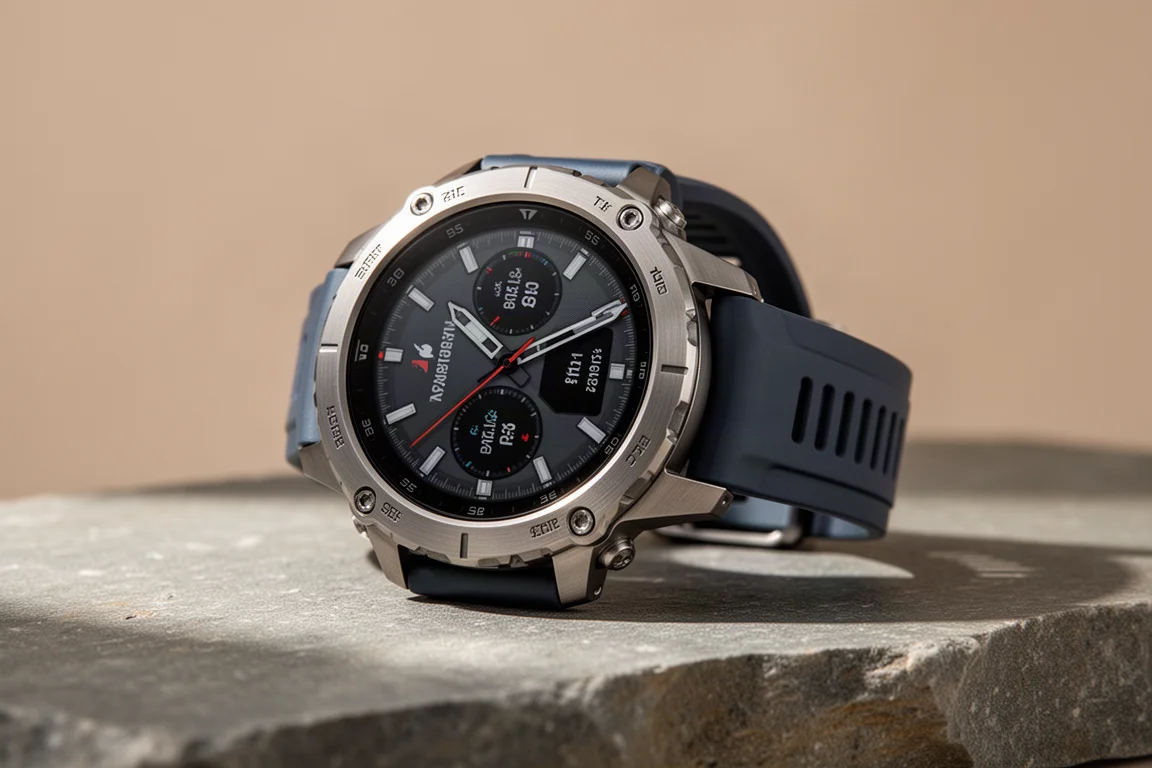
All Fenix 9 models get 50% more RAM, and Pro models get a faster processor. Garmin claims up to 40% faster route calculation and 30% faster map panning on Pro units. Side by side, the difference versus the Fenix 8 Pro is slight but visible; between the Fenix 9 base and Pro, it is hard to spot. Garmin’s maps still render slower than competitors, but they remain far more detailed and fully routable from the watch itself.
Two software features do not carry back to older watches: the new 3D-ish map perspective view and the renamed satellite modes with SatIQ baked in. Everything else lands on the Fenix 8 series and a long list of other Garmin watches.
The headline feature is Garmin Epic, a trip-bundling tool you can build in Garmin Connect. A trip spans up to 92 days, pulls in routes, activities, photos, sleep scores, HRV, and nightly stats into one tidy bundle. You can finally get real continuity for multi-day hikes or an Ironman training camp, and it works with activities from watches years old. Expect some rough edges: there are plenty of minor bugs outside simple hike use, though nothing showstopping, and it should settle over time.
Stamina gets a serious revamp with stamina zones, time allocation buckets, stamina trending across activities, and running and cycling stamina curves. A new rucking activity profile lets you set and change pack weight mid-activity, shows a calorie breakdown of pack versus body weight, includes a rucking calculator and structured workouts through a GoRuck partnership, and joins multisport profiles. The calorie numbers deserve skepticism though: on a 10-hour, 50 km hike with a 30 lb pack, Garmin credited only around 600 calories for carrying it, which most independent estimates suggest should be considerably higher.
Indoor Rowing and Running Extras
Indoor rowing gets the biggest sport-profile upgrade: customizable heart rate zones, power zones and power curves, automatic FTP detection (requires a power meter, such as a Concept 2 with PM5), indoor rowing VO2 max after a 15-minute session at 70% of max heart rate, predicted lactate threshold, performance condition, and a first-for-Garmin 5-second countdown. Rowing workouts with power now count toward training status. A cross-country ski indoor profile also pulls power and stroke rate from compatible SkiErg-style machines.
Runners get a rolling GAP (grade adjusted pace) data field for 1 km or 1 mile, useful on hilly terrain. There is also a new on-device watch face editor and a consolidated field tools bucket with ABC features, measure height, and reference point.
Battery Life in the Real World
Battery claims have shifted only modestly across categories. In a controlled 10-hour hike with four identically configured watches, the solar MIP model managed roughly double the battery life of the AMOLED versions, even with the solar watch deliberately facing the sun. Out on a 6-hour open water session with unobstructed sky, solar gains were even higher.

The practical takeaway: solar pays off in consistently sunny climates. In overcast winter regions, the benefit shrinks considerably. AMOLED versions can actually fit a larger battery inside because their merged display and touch layers leave more internal space.
GPS and Heart Rate Accuracy
The Fenix 9 keeps the same Gen 5 optical heart rate sensor as the Fenix 8 generation. Across steady runs, trail runs, gravel and road rides, results tracked very closely to a chest strap, with only the usual few seconds of optical latency and one brief dropout mid-rowing session.
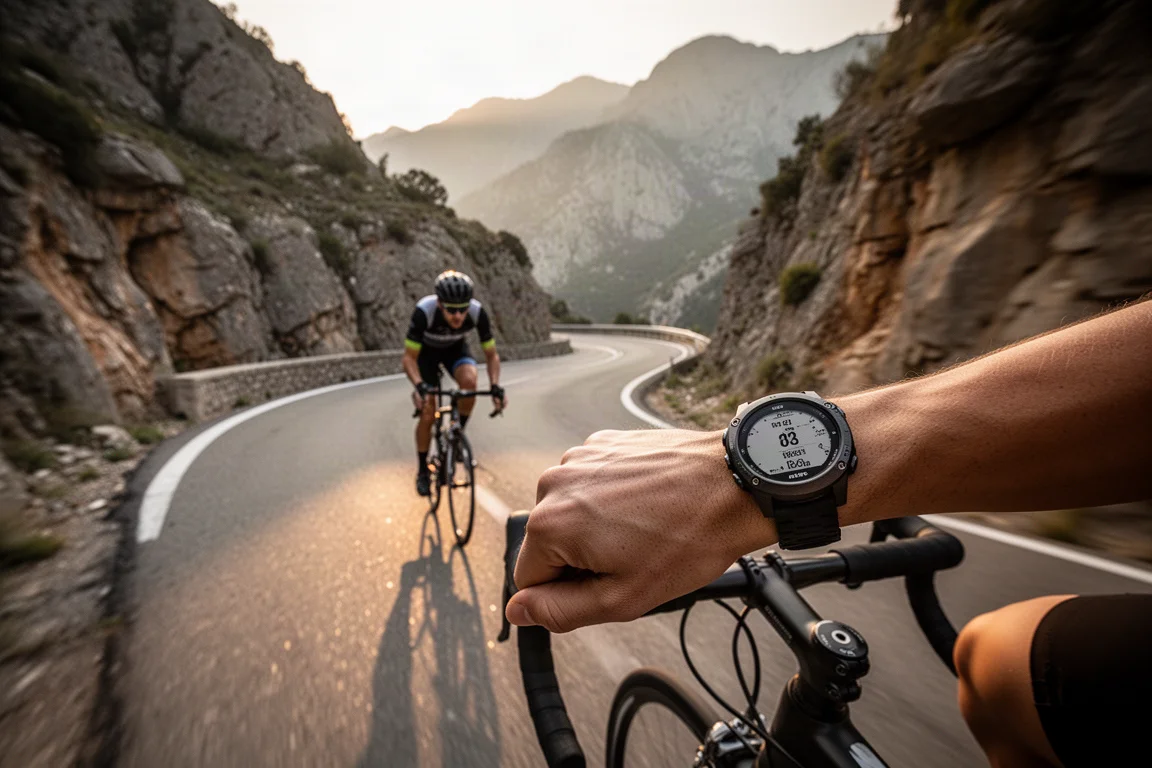
GPS testing covered city cores, bridge undersides, cliff overhangs, mountain switchbacks, and open water. Results were consistently strong, within a meter or two on simple routes, and essentially indistinguishable between models. Elevation plots came within 1 meter across all four units after a 10-hour hike. One open water swim showed a visible wrist-to-wrist difference, which is common in that environment.
Buying Advice
If you are upgrading from a Fenix 8, the case is less urgent than usual, because most of the new software is coming to your existing watch anyway. The Fenix 9 makes most sense if you want the new hardware: the 43 mm Pro option, the comfort-fit bands, extra RAM, or the Pro inReach connectivity in a smaller case.
If you are buying new, choose the base model unless you specifically want titanium, sapphire, more storage, or the connectivity package. Pick solar MIP for maximum battery life in sunny climates, or AMOLED for the brightest and sharpest display. And if satellite messaging matters, remember the $8 per month commitment on top of the watch price.
Conclusion
The Fenix 9 series refines a proven formula with a return to sport-focused features that had gone quiet for a couple of generations. The stability is good overall, accuracy is excellent, and the software rollback to older models makes the whole lineup friendlier to budget-conscious buyers. For serious multi-sport athletes, it is one of the most complete options available today.
Further reading
Related Reviews
Smartwatches
Best Budget Smartwatches 2026: Five Affordable Options That Actually Work
Five budget smartwatches tested for real daily use. From entry-level options to premium features at fraction of the cost, here's what actually delivers.
Smartwatches
Best Smartwatches on AliExpress 2026: Five Practical Options for Different Needs
Five smartwatches with strong customer feedback and competitive pricing, each suited to different priorities: premium design, battery life, outdoor durability, advanced health tracking, and sports versatility.
Smartwatches
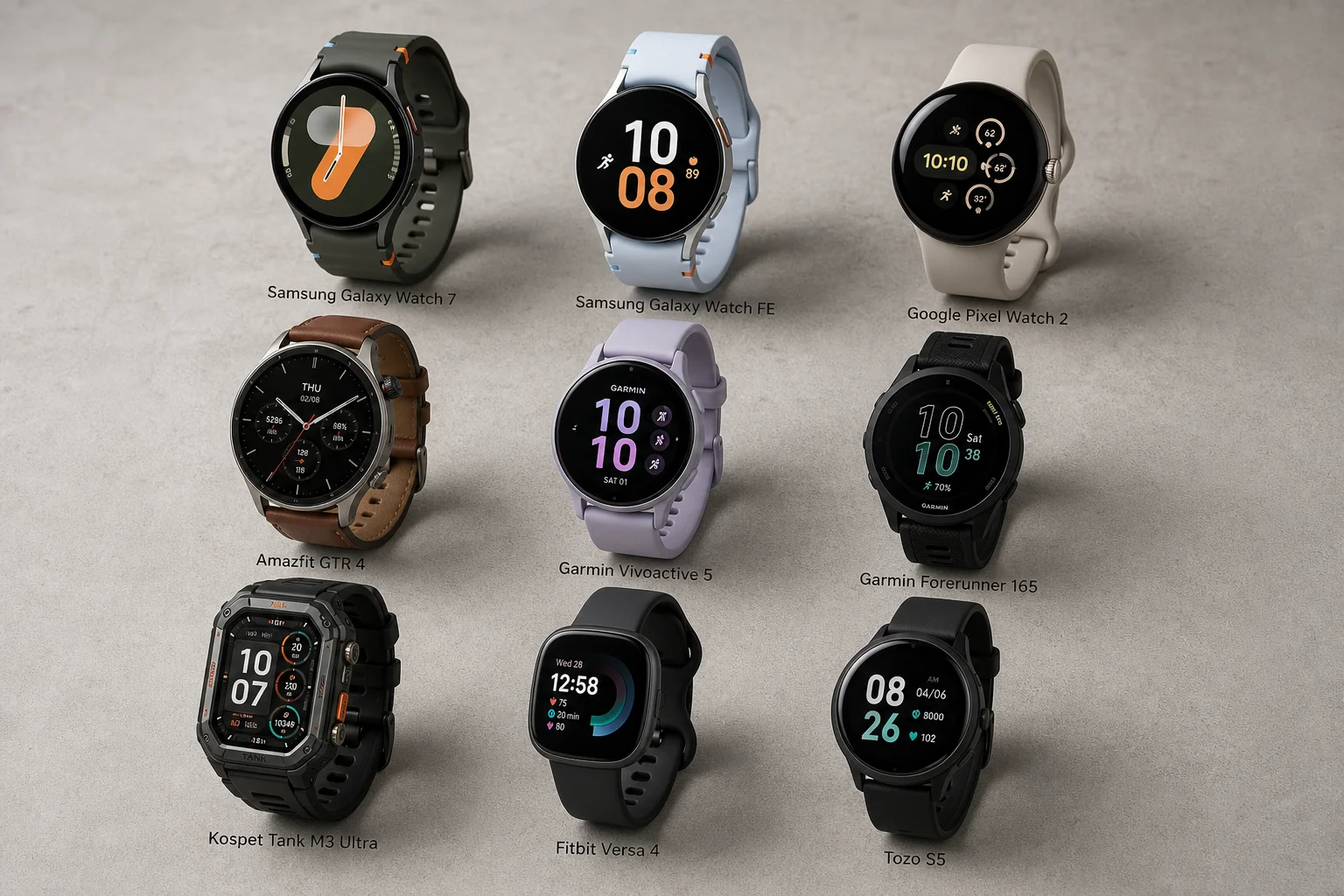
Best Smartwatches Under $300: 9 Practical Options for Every Need
A curated selection of nine smartwatches under $300, each excelling in health tracking, durability, battery life, or fitness features. Find the right match for your lifestyle.