Smartwatches
Garmin Fenix 8 Review: What to Know Before You Spend $1,200
A practical Garmin Fenix 8 review after several weeks of daily use, covering the tracking, battery, and screen strengths alongside the launch software problems worth knowing about.
Introduction
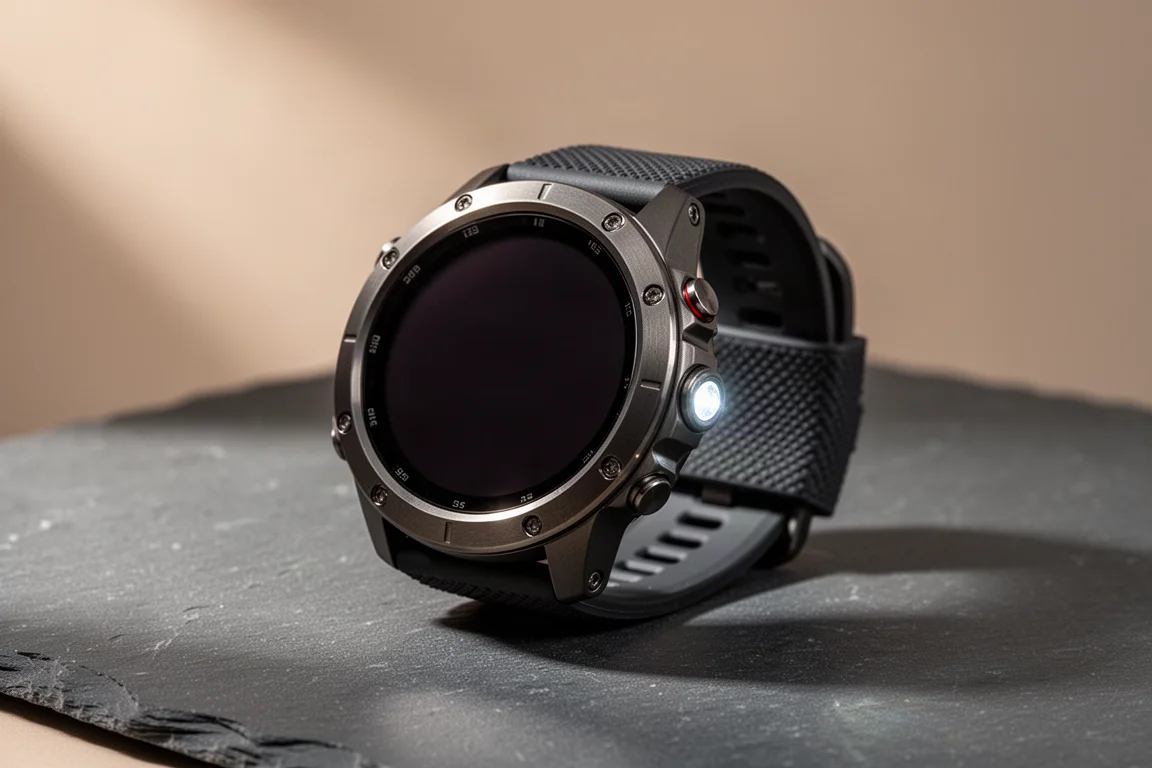
The Garmin Fenix 8 is the flagship outdoor watch in Garmin’s lineup, and at roughly $1,200 it is priced like serious equipment. After several weeks of daily wear, the honest summary is that the hardware mostly delivers while the software did not match the price at launch.
This is not a spec sheet walkthrough. It focuses on the details that shape everyday ownership: how tracking behaves, how long the battery lasts, what changed in the interface, and which of those changes are actually worth paying for. The reference point throughout is the Garmin Epix Pro 51mm, a watch with very similar tracking, battery, and screen behavior, which makes it a useful baseline for anyone weighing an upgrade.
Who this product is for
The Fenix 8 suits outdoor athletes and hikers who want a watch they can navigate with, read in direct sunlight, and wear for days without charging. Battery life comfortably covers one to two weeks of day-to-day wear with activities mixed in, so charging becomes a weekly habit rather than a nightly one. The AMOLED display is bright and legible outdoors, and map detail is easier to make out than on older display types.
It is not the right pick for someone who wants a light, app-centric smartwatch. There is no LTE on this model, so calls and connected features require a paired phone, and call audio quality does not match what a dedicated smartwatch can manage.
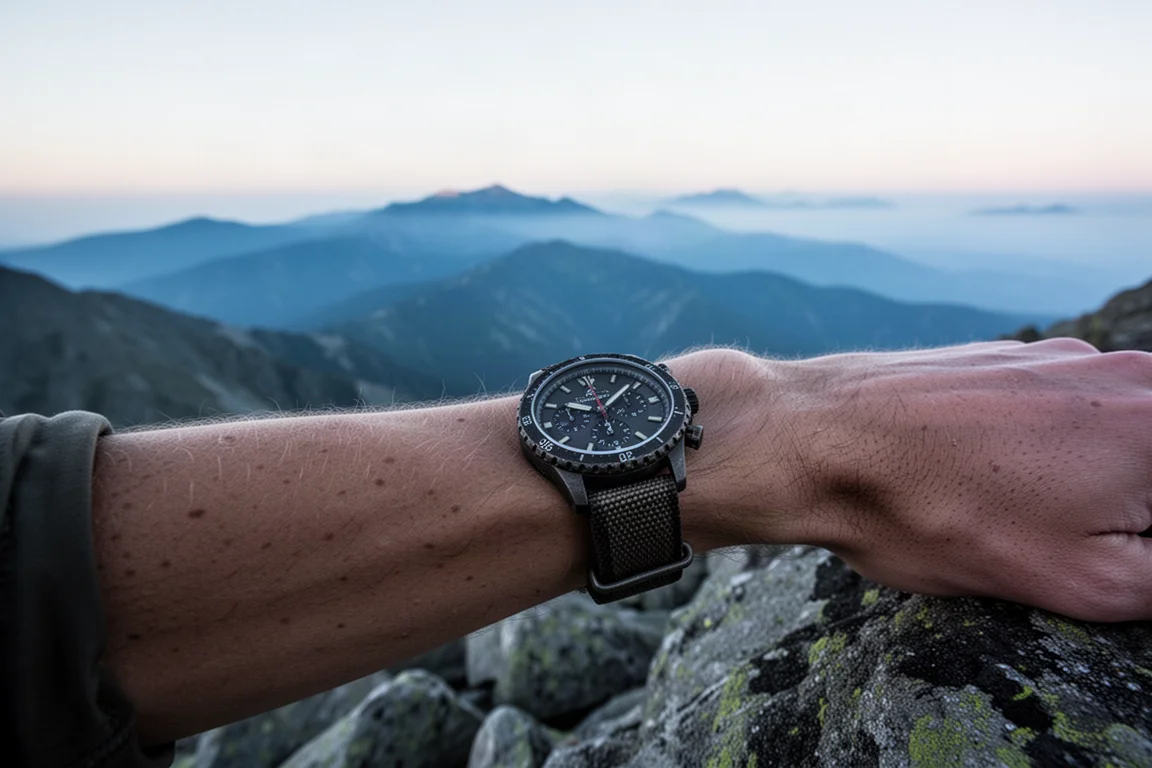
Buyers coming from a Fenix 7, an Epix, or any recent Garmin will find tracking, battery, and screen performance familiar rather than transformative. That matters a great deal when the decision is whether to spend the money at all.
Main strengths
Tracking accuracy is essentially unchanged. GPS performance is almost identical to the Epix Pro 51mm, and the chipset and antenna appear to be carried over, which is good news for anyone who already trusts the numbers those watches produce.
Battery life sits in the same territory. Garmin’s published figures actually favor the Epix Pro in some areas, but in real use the Fenix 8 ran about the same, lasting a week or two between charges with normal activity tracking. The AMOLED panel is easy to read in sunlight and shows more map detail than the older MIP approach, which remains the strongest reason to prefer it.
The flashlight is a small but genuine improvement over the previous generation, with a slightly stronger beam. The buttons were also redesigned to be more watertight for diving, a change that matters little for hiking and trail use but does no harm.
The new software experience
The Fenix 8 runs a rewritten operating system that Garmin is not pushing back to older models. Much of it looks familiar, with some meaningful differences. The upper right button now opens a list of apps rather than dropping straight into an activity. Navigation settings are reachable before you start an activity, and swiping left and right mid-activity moves between navigation, the main data screen, and music. Course creation can now be done on the watch itself instead of only in the phone app or Garmin Connect on the web, a welcome change even if it is a limited one.
When it behaves, the interface feels snappier than the Epix Pro or the Fenix 7, although map redraws are still slow compared with an Apple Watch.
Voice features are new as well. You can start a hike with a voice command, record voice notes, and route a button press to a phone assistant such as Siri or the Android equivalent, which requires holding the button rather than lifting the wrist to speak. Calls can be taken through the watch when a phone is connected, though the audio is not as clear as on an Apple Watch. None of these are essential, but they are there.

Small design decisions matter too. The interface uses thinner fonts and more gradients, a choice that looks refined at a desk and less helpful when your eyes are tired above the tree line.
Things to consider before buying
Software stability is the biggest caveat. At launch the watch was riddled with bugs and would occasionally restart on its own, which is a real concern if you depend on navigation for safety on a long hike. Firmware updates have since made it considerably more stable, but small issues remain. That is not the experience most buyers expect from a premium watch at this price.
Auto-dimming is another annoyance. At night, on the same brightness setting, the Fenix 8 dims and becomes harder to read than the Epix Pro 51mm, which stays noticeably brighter. A future firmware update may make this adjustable.
The redesigned buttons trade mechanical feel for water resistance. They have less travel than the older mechanical buttons and produce a faint electronic buzz when pressed. In cold weather with gloves, the older buttons may offer better feedback, though that has not yet been tested in genuinely extreme conditions.
Watch faces are a sore point. Only a handful ship with the watch, the previous generation’s faces were not carried over, and some Garmin faces cost $5 on top of the purchase. Third-party faces are available for free but are often less optimized and can drain the battery faster. The Connect IQ store also failed to work with the Fenix 8 initially before being fixed a couple of weeks later.
Upgrade advice for existing Garmin owners
The Fenix 8 is meant to be a major upgrade from the Fenix 7, and the feature set does not really make that case. The improvements are real but incremental: a slightly better flashlight, on-watch course creation, a faster interface, and a redesigned button set. If you already own an older Garmin with maps and solid battery life, such as a Fenix 5X, there is little reason to move.
There are also early reports of a Fenix 8 Pro with a microLED display and better battery life, which is worth knowing if you are not in a hurry. The Enduro runs the same operating system, so its software experience is likely to be similar.

For anyone currently on an Epix Pro 51mm or a Fenix 7, the most sensible position is to wait rather than pay a premium for a modest step forward.
Buying advice
The Fenix 8 is a capable outdoor watch that struggles to justify its price for most buyers right now. It makes sense if you specifically want AMOLED maps, multi-day battery life, on-watch course creation, and the improved flashlight, and if you are comfortable with the remaining software polish still arriving over time.
If you are upgrading from a recent Garmin, the value is harder to defend. Tracking, battery, and screen are all very close to the Epix Pro 51mm, and the changes in the Fenix 8 are refinements rather than breakthroughs. Holding on to a working watch, or looking at the Epix Pro or the Enduro as alternatives, is a reasonable path.
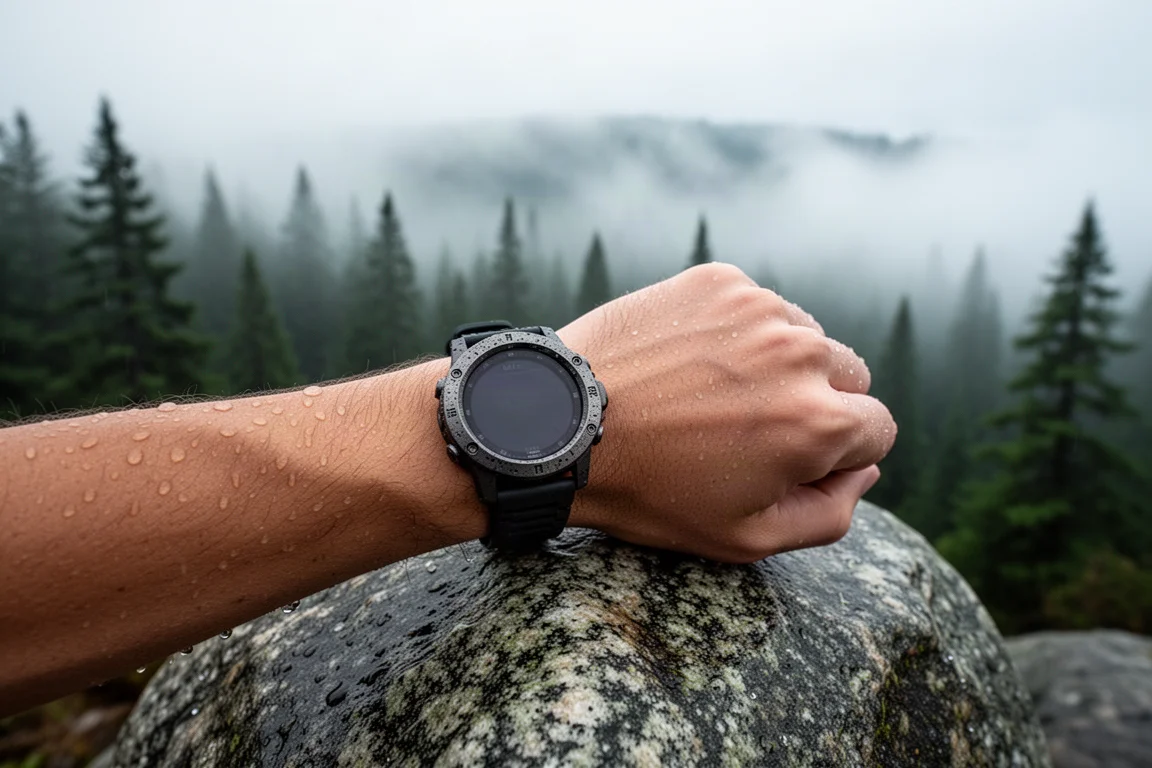
Whatever you choose, the practical test is simple: if the feature list does not include something you will genuinely use on the trail, the price is hard to justify.
Conclusion
The Garmin Fenix 8 gets the fundamentals right. Tracking is accurate, battery life is strong, the AMOLED screen is readable outdoors, and the interface is faster than before. What holds it back is the gap between the price and the experience: launch instability, an aggressive night dimmer, a thin watch face selection, and an upgrade story that is more incremental than it sounds.
Buy it if the hardware features match how you train and travel. Wait if you are upgrading from a recent Garmin and expect a leap forward.
Product link
View more details for Garmin Fenix 8
This product is mentioned in the review. Check the specifications, options, and compatibility before buying.
View more details for Garmin Fenix 8Further reading
Related Reviews
Smartwatches
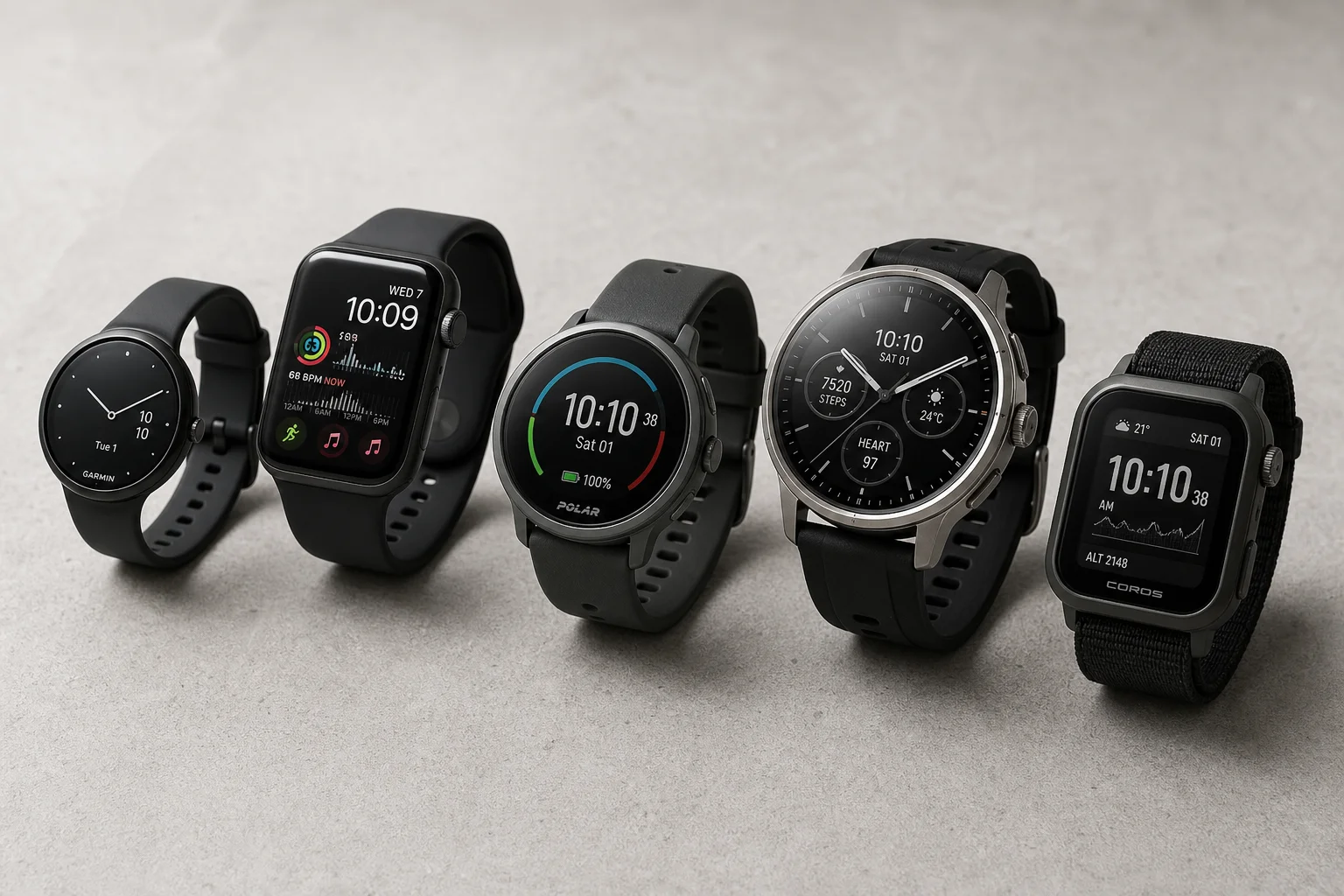
Best Budget Smartwatches 2026: Five Affordable Options That Actually Work
Five budget smartwatches tested for real daily use. From entry-level options to premium features at fraction of the cost, here's what actually delivers.
Smartwatches
Best Smartwatches on AliExpress 2026: Five Practical Options for Different Needs
Five smartwatches with strong customer feedback and competitive pricing, each suited to different priorities: premium design, battery life, outdoor durability, advanced health tracking, and sports versatility.
Smartwatches
Best Smartwatches Under $300: 9 Practical Options for Every Need
A curated selection of nine smartwatches under $300, each excelling in health tracking, durability, battery life, or fitness features. Find the right match for your lifestyle.