Smartwatches
Garmin Fenix 8 Pro MicroLED: First Run Impressions of Garmin's New Display
A first run with the Garmin Fenix 8 Pro MicroLED, comparing display brightness, clarity, viewing angles and battery drain against the 51mm Fenix 8 AMOLED.
Introduction
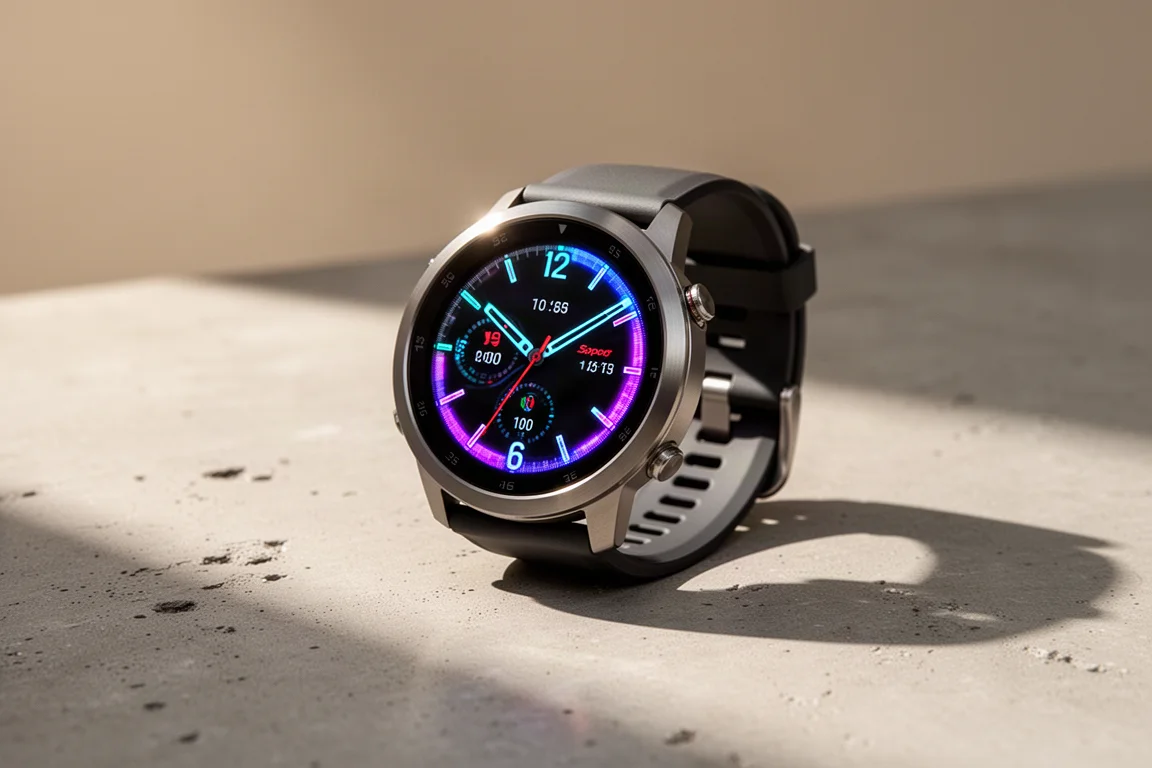
The Garmin Fenix 8 Pro MicroLED is the first Garmin watch to use microLED display technology, and it arrives at the very top of the Fenix price range. After a first run with it in bright, hot conditions, wearing the 51mm Fenix 8 AMOLED on the other wrist, the picture is mixed: the display delivers genuine improvements in clarity and viewing angles, but the battery drain is noticeably higher than the AMOLED models.
Who This Watch Is For
Running features and tracking smarts on the Fenix 8 Pro MicroLED are exactly the same as the Fenix 8 Pro AMOLED, so this version is really for buyers who want the newest display technology and the added satellite and LTE connectivity that rolled out across the Fenix 8 Pro range. It is a very expensive watch, even by Fenix standards, so it suits committed Garmin users who prioritise display quality over value.
The Display: What MicroLED Changes
MicroLED uses far more individual LEDs than an AMOLED panel, giving Garmin greater control over brightness, black levels and colour accuracy. Because there is no organic element, the screen should also avoid the burn-in and degradation that AMOLED panels can suffer over time, meaning it should hold its qualities for longer.
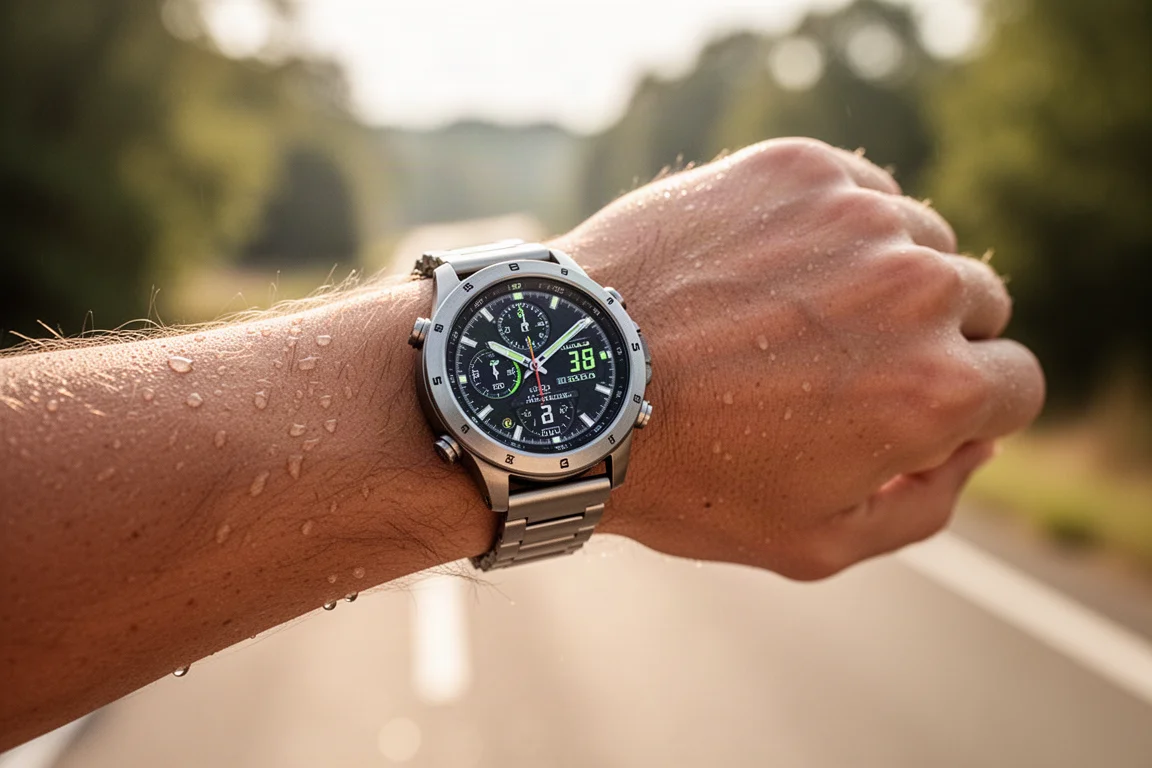
The headline benefits Garmin promotes are a brighter display than any of its previous AMOLED screens, improved viewing angles and better overall clarity, with the longer-term promise of better power efficiency. On the run, brightness alone did not feel like the big leap: the AMOLED on the 51mm Fenix 8 still looked very good in sunny conditions. What stood out was the clarity when the two watches were viewed close together, and the viewing angles when glancing at the watch at a slant or raising it toward the sun. In those moments, the microLED panel was noticeably better.
Design and On-Wrist Feel
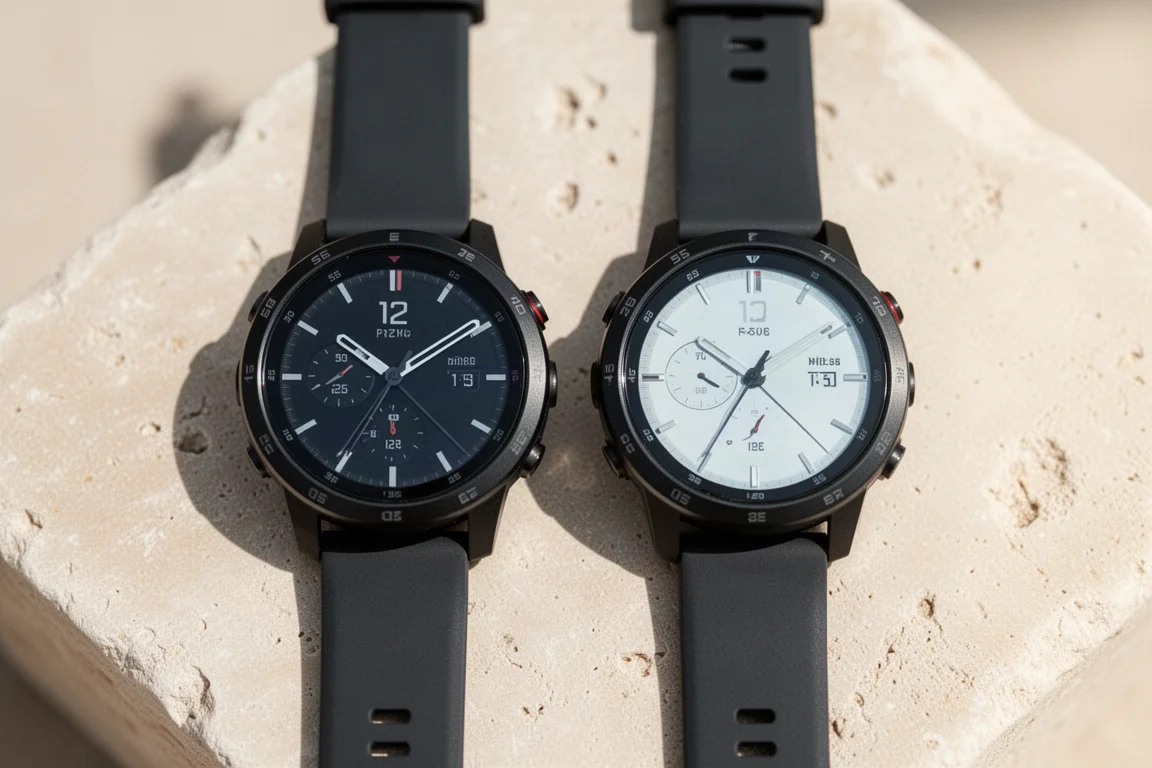
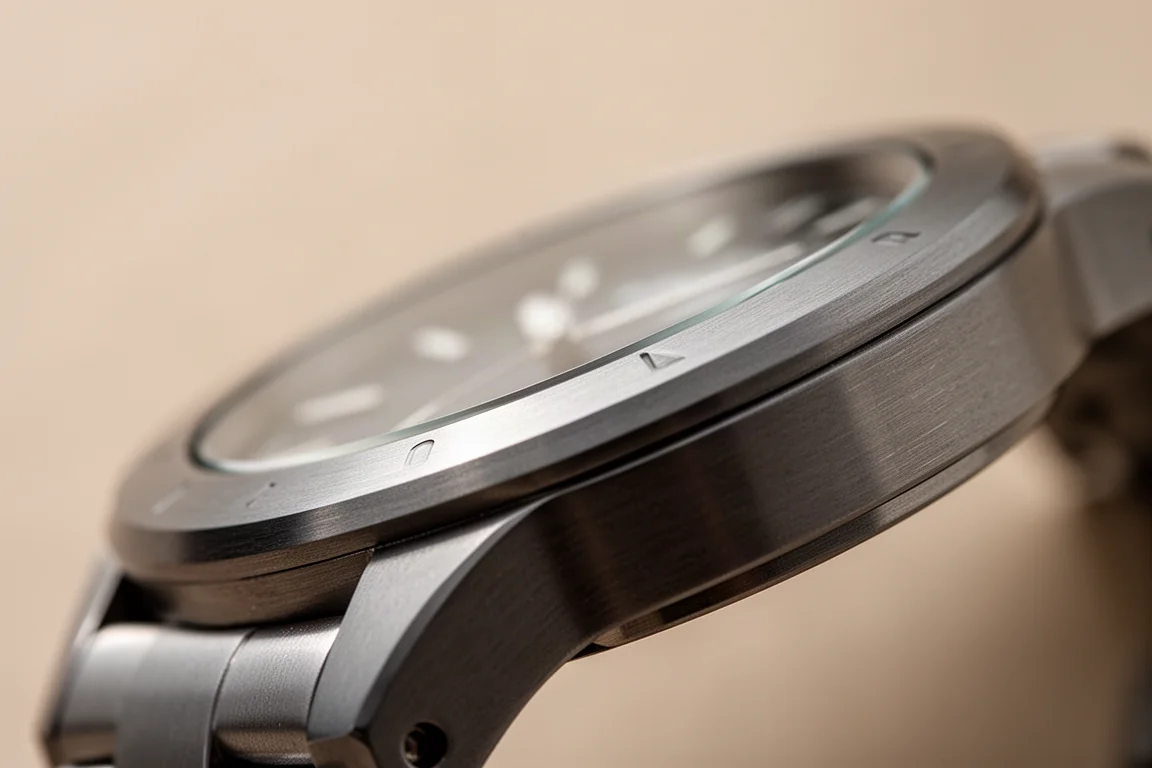
Compared with the 51mm Fenix 8, the Fenix 8 Pro MicroLED feels like the bezel dominates the design a little more and encroaches on the display, even though both watches share the same screen size and resolution. The thicker case is the other compromise, likely the cost of packing in satellite and LTE connectivity alongside the new screen technology.
The two watches weigh the same in the titanium version, strap included, but the Pro sits with slightly more presence on the wrist. It never felt uncomfortable, just a touch more noticeable during the run.
Battery Life: The Current Trade-Off
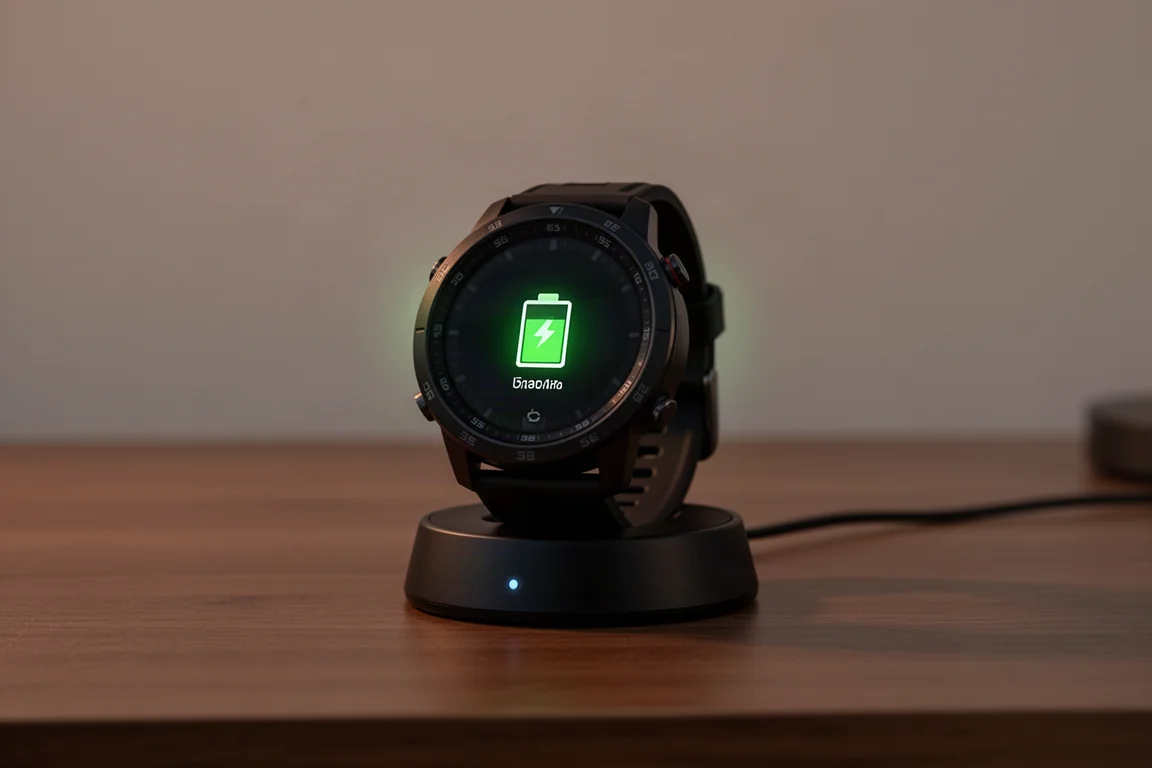
This is where the microLED version currently falls short. Garmin’s own numbers quote lower battery life for the Fenix 8 Pro MicroLED than for the Fenix 8 Pro AMOLED and the Fenix 8 AMOLED, and the first run bore that out. With both watches in always-on display mode at max brightness, no sensors paired, an hour and a half of running cost the Fenix 8 Pro MicroLED 10% of its battery, while the Fenix 8 dropped just 4%.
You do get the same battery modes to rein things in, and turning off the always-on display will clearly help. But in max GPS mode with the always-on display at maximum brightness, the gap between the Fenix 8 and the Pro MicroLED is significant. If long battery life at high brightness is your priority, the AMOLED models remain the safer bet today.
Buying Advice
The microLED panel is genuinely promising: brighter potential, better viewing angles, better clarity and no screen degradation over time. It is very likely the direction most sports watches will eventually take, and Garmin deserves credit for shipping it first. But right now the technology is expensive and in its infancy, and the battery numbers have not yet caught up with the promise.
If you already own a recent AMOLED Fenix, there is little here that justifies the upgrade on display quality alone. If you want the most advanced Garmin watch available, with LTE and satellite connectivity on top, the Fenix 8 Pro MicroLED is that watch, provided you accept the price and the battery trade-off.
Conclusion
After one run, the Fenix 8 Pro MicroLED impresses on clarity and viewing angles but not yet on battery life, and its price places it firmly in premium territory. Longer testing may sway the verdict, but for most runners the AMOLED Fenix models remain the more balanced choice today.
Product link
View more details for Garmin Fenix 8 Pro MicroLED
This product is mentioned in the review. Check the specifications, options, and compatibility before buying.
View more details for Garmin Fenix 8 Pro MicroLEDFurther reading
Related Reviews
Smartwatches
Best Budget Smartwatches 2026: Five Affordable Options That Actually Work
Five budget smartwatches tested for real daily use. From entry-level options to premium features at fraction of the cost, here's what actually delivers.
Smartwatches
Best Smartwatches on AliExpress 2026: Five Practical Options for Different Needs
Five smartwatches with strong customer feedback and competitive pricing, each suited to different priorities: premium design, battery life, outdoor durability, advanced health tracking, and sports versatility.
Smartwatches
Best Smartwatches Under $300: 9 Practical Options for Every Need
A curated selection of nine smartwatches under $300, each excelling in health tracking, durability, battery life, or fitness features. Find the right match for your lifestyle.