Smartwatches
Garmin Fenix 7 vs Fenix 6: Which Sports Watch Makes Sense for You?
A close look at how the Garmin Fenix 7 compares with the Fenix 6 on design, GPS accuracy, heart rate, mapping, running features, and battery life.
Introduction
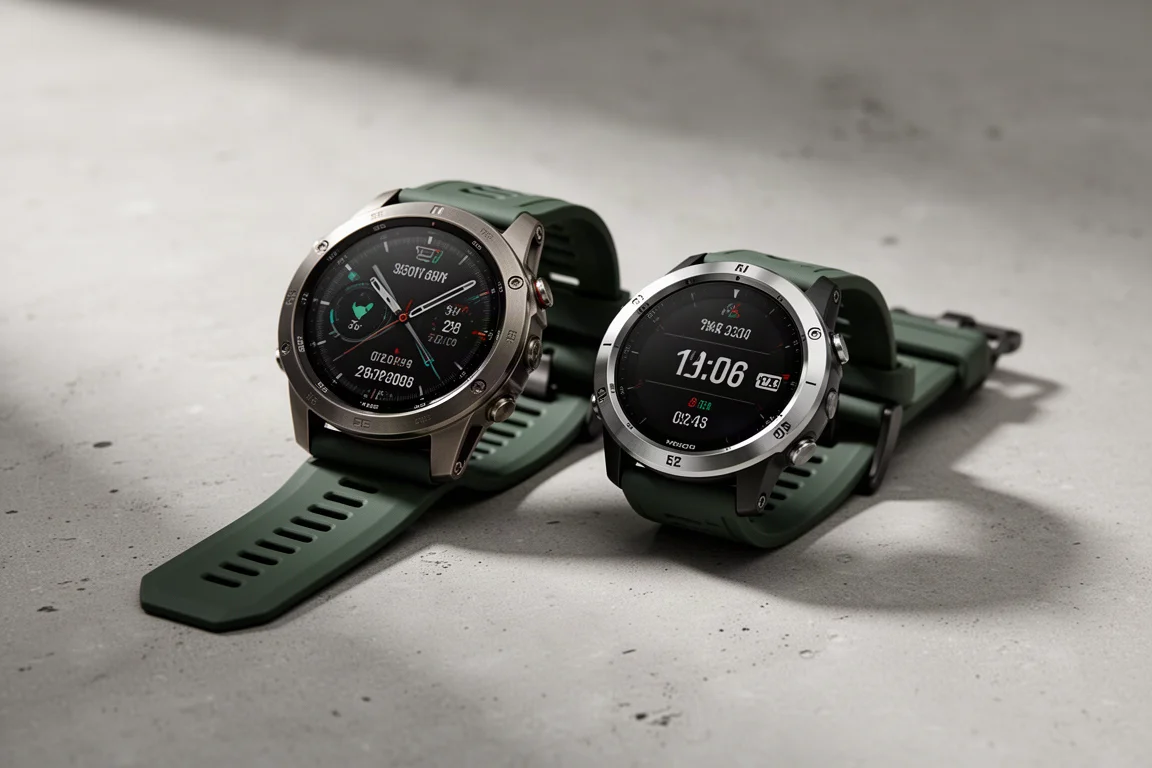
The Garmin Fenix 7 and Fenix 6 share a lot of DNA, and that makes choosing between them genuinely tricky. Both are feature-rich multisport watches aimed at runners and outdoor athletes, and on paper many of the headline features look identical. The differences that matter come down to touchscreen controls, GPS accuracy, battery life, a few new running metrics, and one eye-catching extra on the largest model. Here is how they stack up.
Design and Everyday Wear
In terms of case sizes, the two ranges match up almost perfectly: 42mm, 47mm, and 51mm options are available on both. The Fenix 7 uses the same screen sizes and the same transreflective display technology as the Fenix 6, and the overall look and feel is very similar, including quick-release straps and the range of bezel materials.
The main design difference is that every Fenix 7 model adds a touchscreen, which the Fenix 6 does not have. Impressively, it is a genuinely usable touchscreen rather than a gimmick; swiping through widgets and dismissing notifications is quick and responsive, and there are moments when it beats the buttons. That said, plenty of runners find they still default to the buttons, especially while running, so this is a nice addition rather than a dealbreaker. The Fenix 7 series also adds a Power Sapphire lens option on some models for solar charging and extra display protection, with solar now spread more widely across the range. One final design extra: a built-in LED flashlight, but that is exclusive to the Fenix 7X.
GPS Accuracy
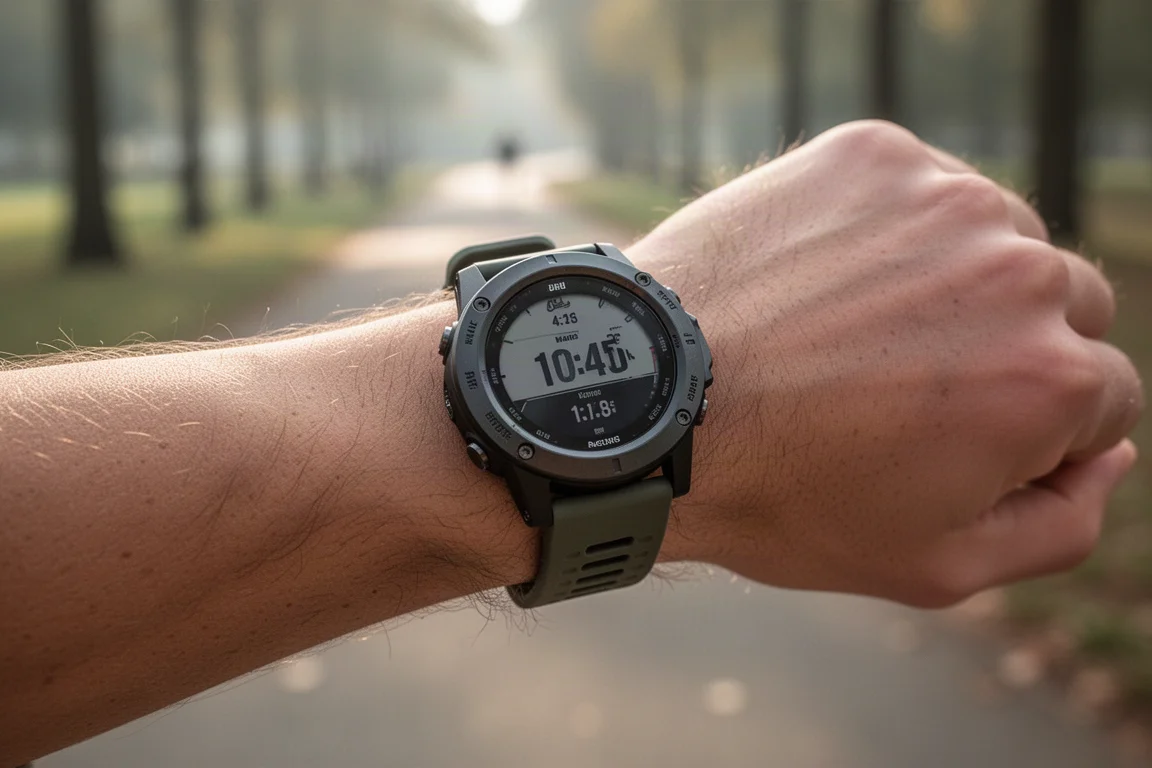
This is one of the clearest upgrades in the Fenix 7 range. The new watch supports multiband GNSS, which uses two satellite bands at the same time for improved outdoor tracking, available on the sapphire solar models. Even without multiband, every Fenix 7 gets multi-GNSS mode that accesses all satellite systems at once.
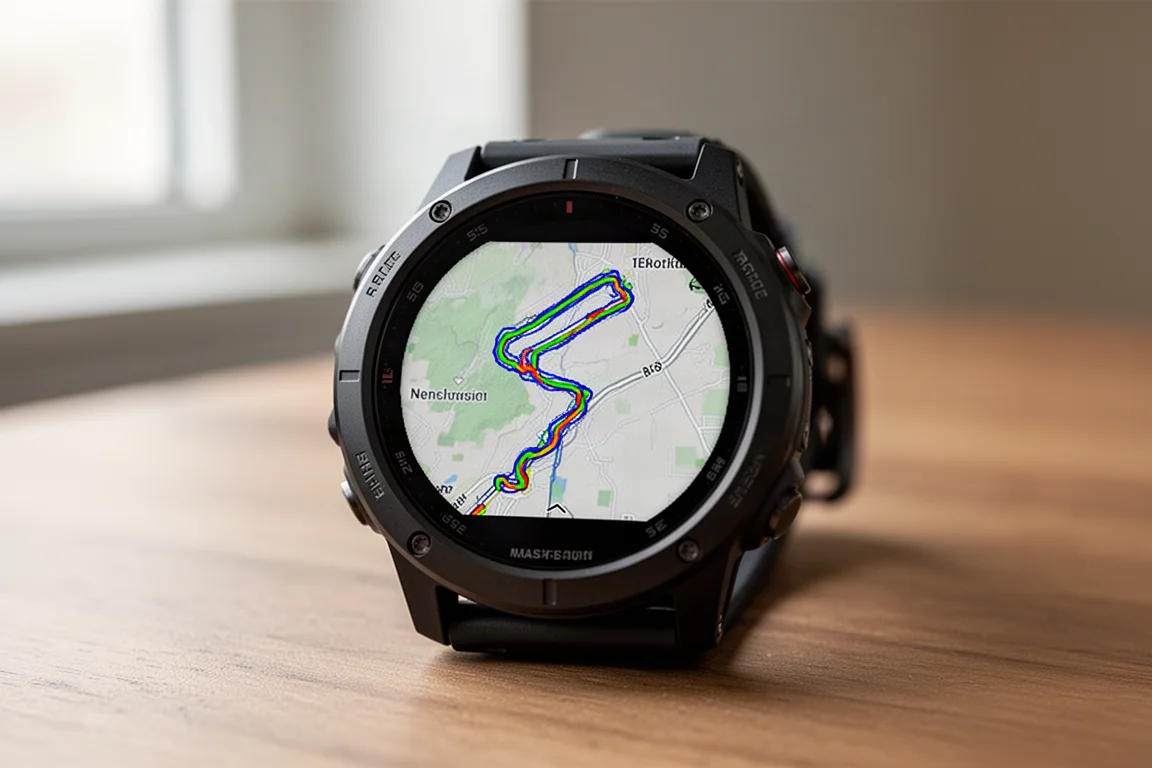
In practice, the Fenix 7 delivers noticeably cleaner tracks. The Fenix 6 Pro, despite being a strong daily trainer for years, could be a bit flaky on GPS: occasional wobbles, stray bits of route, and uneven lap pacing even when the overall distance was right. The Fenix 7 tracks tend to sit dead level along the side of the road. It is still a GPS watch and not flawless, but if GPS inaccuracy was ever your frustration with the Fenix 6, the 7 is a meaningful step up, and notably even the base model benefits in multi-GNSS mode.
Heart rate is a different story. The Fenix 7 uses a later generation of Garmin’s Elevate optical sensor, but real-world performance feels very similar between the two. Optical heart rate on both can bounce around, particularly during interval sessions, and both benefit enormously from pairing a chest strap. There is simply not much to choose between them here.
Mapping and Navigation
Both watch ranges offer full-color mapping and the same core navigation features, and the mapping experience is excellent on both. Only the Pro versions of the Fenix 6 line include maps, and on the Fenix 7 range there are minor differences in whether maps are preloaded or downloaded, but if your watch has maps, some of the best mapping support available on a sports watch is on either one.
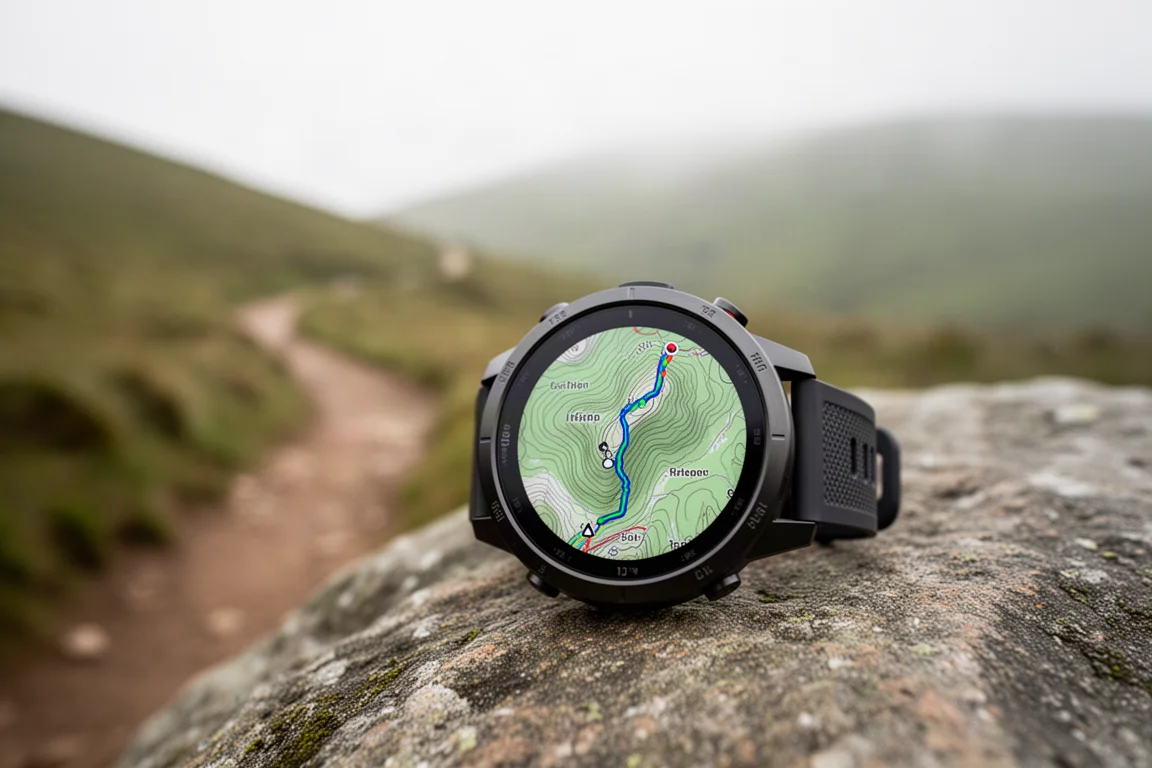
The touchscreen does change how you interact with maps on the Fenix 7: swiping to scroll around a map is a welcome option. However, there is no pinch-and-zoom, which many users instinctively try first. There is also a practical caveat: touch has to stay enabled during a run, which creates a risk of accidental touches if the watch sits under a jacket sleeve. Many runners will still prefer the buttons for precise map movement.
The Fenix 7 adds multi-continent topographic maps, either preloaded or downloadable, plus an Up Ahead feature that shows POI checkpoints on your route, such as aid stations on an ultra, with distance and estimated arrival. That feature is powered by the improved GPS and has not come to the Fenix 6.
Running Features
On core running, the two are remarkably aligned. Both offer the same running profiles, performance metrics like VO2 max, training insights, PacePro, Garmin Coach, Climb Pro, daily suggested workouts, and a recovery advisor. If you love the Fenix feature set, nearly all of it is present on both watches.
The Fenix 7 adds a real-time stamina feature that aims to show how much exertion you have left on a run or race, plus an improved race predictor that shows trends over time alongside predicted times. Stamina is an ambitious idea, but early experience suggests it is hard to fully trust in a race setting; readings can swing dramatically early on even as you tire late in a run. It is a lovely concept, but not yet a compelling reason to buy the 7 on its own. The trend view in the improved race predictor is genuinely more useful than a hard number, though again it is a nice addition rather than a dealbreaker. PacePro, available on both, remains the stronger race-strategy tool.
Smartwatch Features
Both watches offer the same board of smartwatch features: contactless payments, music storage, notifications, and access to the Garmin Connect IQ store. Neither supports the newer voice features introduced elsewhere in Garmin’s lineup, so no one is losing out by choosing either watch on that front.
Battery Life
This is where the Fenix 7 pulls clearly ahead. Garmin has brought technology and lessons from the Enduro into the Fenix range, and the numbers across the board are bigger. Even in demanding multiband GPS mode with daily running, the Fenix 7X has been reaching around three weeks of life, and with lighter GPS modes and sensible power management it can stretch past a month.
The Fenix 6 Pro delivers solid battery life too, but getting the most from it requires deliberate power management, such as custom night modes, and even then charging roughly every seven to ten days is typical. On the equivalent Fenix 7 model, longer life comes even without leaning on those tricks, and even without solar. Solar gains have also grown: where the Fenix 6 Pro Solar might gain about a day from solar charging, some Fenix 7 solar models promise up to eight extra days in solar modes, which is particularly appealing for long, sunny ultra events.
Which Should You Buy?
If the price gap is significant, the Fenix 6 remains an excellent watch. Everything that makes the Fenix line great, the maps, the design, the training features, and the workout screens, is largely the same, and a discounted Fenix 6 Pro is still a strong buy. If the difference comes down to roughly 150 to 200 in savings, many runners would be happy to keep the extra money and skip the touchscreen alone.
If budget is not the constraint, the Fenix 7 earns its place on two very practical grounds: noticeably better GPS accuracy, available even on the base model, and battery life that gets close to a month between charges. Most testers would also shop lower in the Fenix 7 range rather than paying up for the 7X’s flashlight, fun as it is. The flashlight is charming for camping, dark mornings, and a flashing red safety light, but it is not a buying reason in itself.
Conclusion
The Garmin Fenix 7 is not a radically different watch from the Fenix 6, but it improves two of the most important things a runners watch can improve: GPS accuracy and battery life. If either of those has ever frustrated you, the 7 is the better watch. If you can find the Fenix 6 at a much lower price and accuracy has never bothered you, it remains a very capable option.
Product link
View more details for Garmin Fenix 7
This product is mentioned in the review. Check the specifications, options, and compatibility before buying.
View more details for Garmin Fenix 7Further reading
Related Reviews
Smartwatches
Best Budget Smartwatches 2026: Five Affordable Options That Actually Work
Five budget smartwatches tested for real daily use. From entry-level options to premium features at fraction of the cost, here's what actually delivers.
Smartwatches
Best Smartwatches on AliExpress 2026: Five Practical Options for Different Needs
Five smartwatches with strong customer feedback and competitive pricing, each suited to different priorities: premium design, battery life, outdoor durability, advanced health tracking, and sports versatility.
Smartwatches
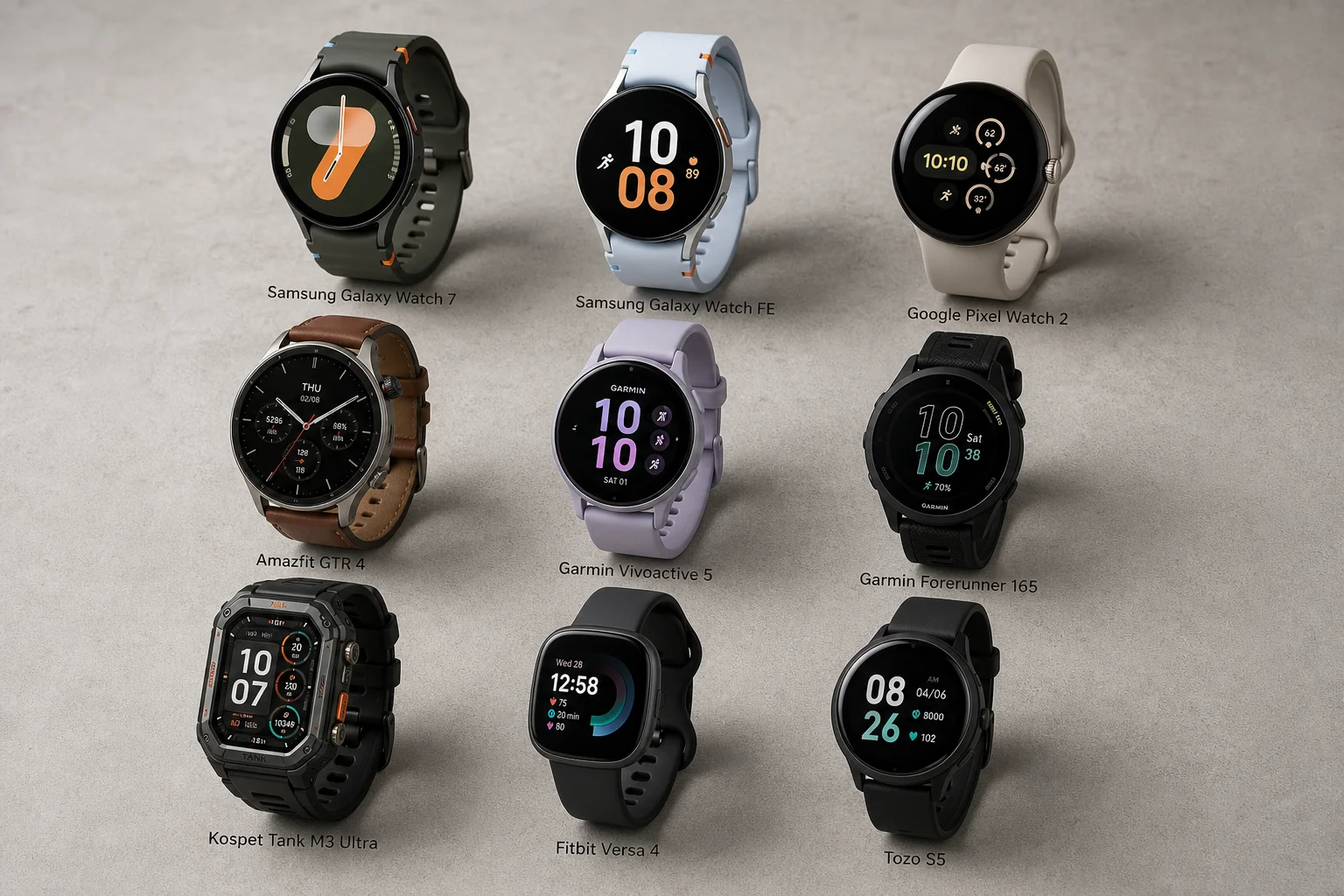
Best Smartwatches Under $300: 9 Practical Options for Every Need
A curated selection of nine smartwatches under $300, each excelling in health tracking, durability, battery life, or fitness features. Find the right match for your lifestyle.