Smartwatches
Garmin Fenix 7 vs Epix (Gen 2): Which Adventure Watch Fits Your Running?
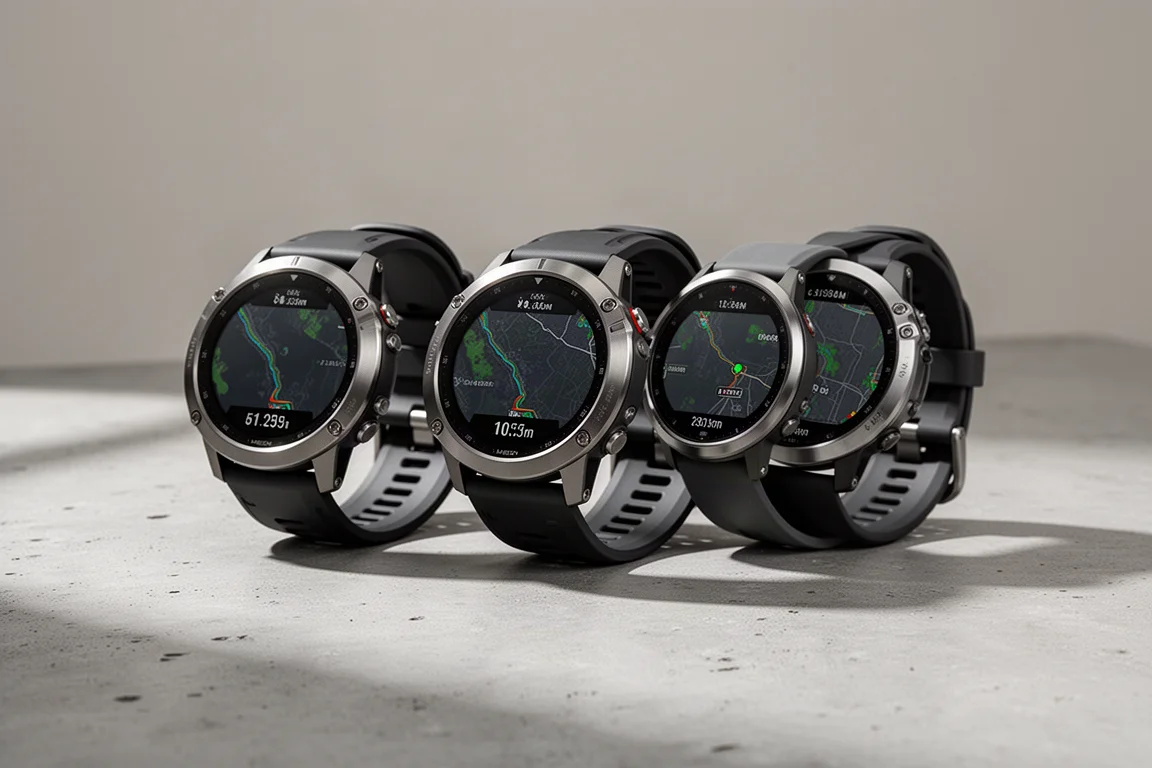
Four rugged Garmin watches, one big decision: the vivid AMOLED screen of the Epix or the extended battery life of the Fenix 7 range.
Introduction
Garmin’s Fenix 7 range and the Epix (Gen 2) share almost everything: the same rugged adventure build, the same training and navigation toolkit, and the same hybrid button-plus-touchscreen controls. The real choice comes down to two things, the screen and the battery, and which one matters more to the way you run.
Screen and Build: Same Rugged Body, Very Different Displays
The Fenix 7 series comes in three sizes: a 1.2-inch 240x240 display on the Fenix 7S, a 1.3-inch 260x260 panel on the Fenix 7, and a 1.4-inch 280x280 screen on the chunkier Fenix 7X. The Epix offers a single size, a 1.3-inch AMOLED display that is impressively bright and crisp. Both watch families are always-on, combine Garmin’s five-button setup with partial touchscreen control, use QuickFit straps, and feel like the same big, durable adventure watch on the wrist. The Epix is slightly smaller, and the weights tell the story: the Fenix 7S comes in at 63g, the Fenix 7 at 79g, the Fenix 7X Solar we tested at 89g, and the Epix at 70g.
Screen: The Epix’s Defining Advantage
The AMOLED panel is the standout difference. In every condition where you would expect a screen to struggle, the Epix is brighter and easier to read on the run, easier to follow routes, and simply more enjoyable to interact with day to day. Side by side, the Fenix’s transflective display can look dull by comparison, and once you have seen the Epix screen it is hard to unsee it.
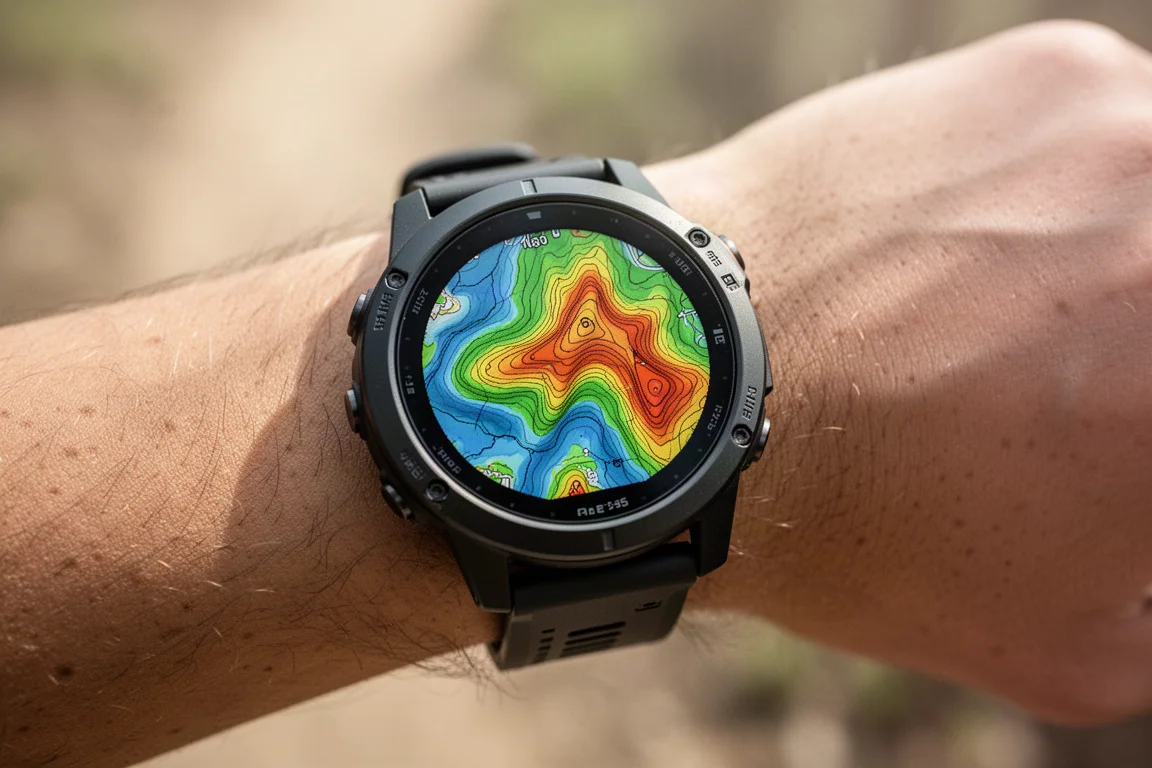
One practical note: with always-on mode enabled you lose nothing, but the Epix also offers a gesture-to-wake setting, and leaning on that instead costs battery. Most testers leave always-on switched on so they can just glance at stats.
Battery Life: A Month Versus a Week
This is where the Fenix 7 fights back. The Fenix 7S delivers 37 hours of GPS, extending to 46 hours with solar. The Fenix 7 manages 57 hours GPS, or 73 with solar. The Fenix 7X reaches 89 hours GPS and up to 122 hours with solar. The Epix tops out at 42 hours of GPS runtime, though lower power modes can stretch that further.
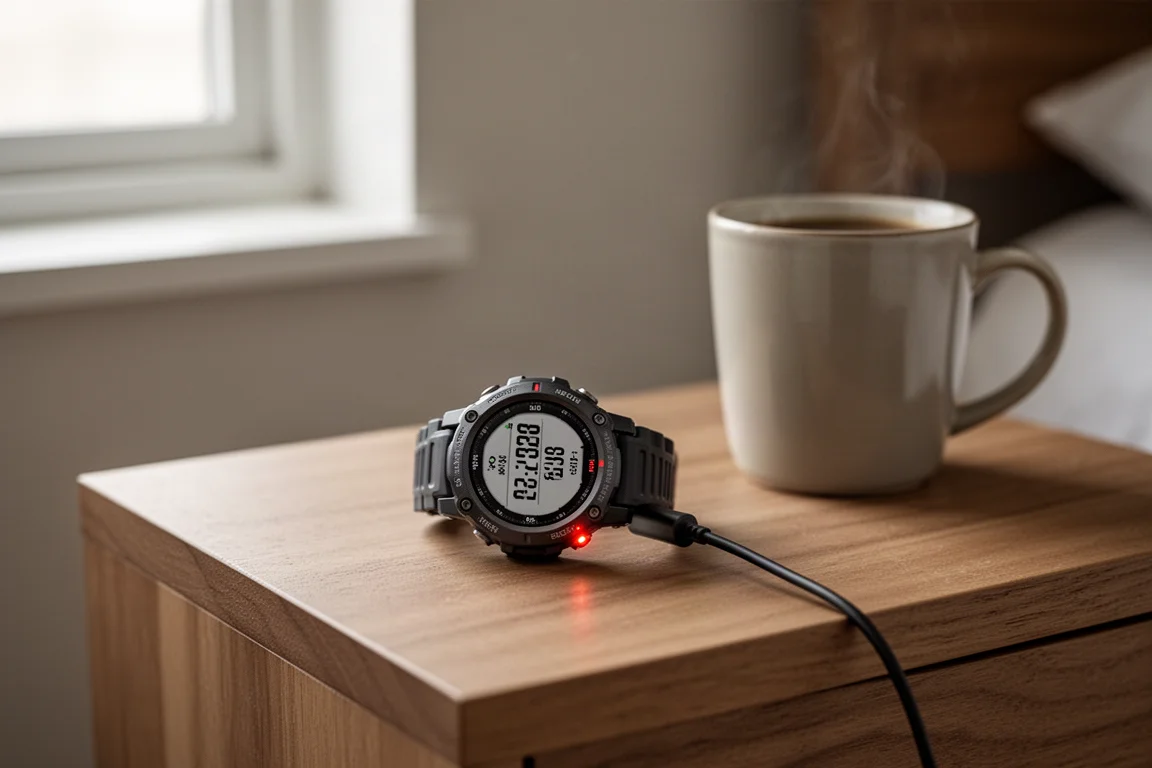
In everyday use it felt like a week versus a month. The Epix lasted around eight days, or about ten hours of training, even with daily running, top GPS modes, notifications, and occasional music. The Fenix 7X comfortably burned through two weeks of regular training and could realistically go a month.

You can power everything on with the Epix and still get five to six days, and a single long activity is rarely a problem: in max GPS mode it runs 15 hours, which covers most ultras short of multi-day events. Solar charging on the Fenix side is a genuine bonus, but you need to spend a lot of time outdoors to see the real benefit.
Features and Value
The feature sets are nearly identical: the same training, racing, recovery, and daily health tools, the same maps and navigation, Garmin Pay, offline music from Spotify, Deezer, and Amazon, plus newer additions like stamina, route following, the virtual race predictor, and scrollable colour topo maps. What the Epix lacks is solar charging, and only its sapphire edition carries the multi-band GPS accuracy booster.
On price, the Epix starts at £799 for the fibre-reinforced polymer model with a steel rear cover, rising to £899 for the lighter sapphire edition with DLC finish and titanium rear cover, and £999 for a sapphire version bundled with a leather strap and an extra silicone band. That puts it in the same ballpark as the Fenix 7X Sapphire Solar, which ranges from around £779 to £989; only the Fenix 7X Sapphire Solar costs more than the Epix.
GPS and Heart Rate Accuracy
GPS performance was very good on both. Both watches improve on the previous generation, and the Epix with multi-band was the most accurate watch on test, though that margin was small and not necessarily consistent across every unit. Lap pace during hard reps was spot on, and core metrics like distance and average pace sat within roughly the same margin of error. Base Fenix models lack multi-band, but All Systems GNSS remains very capable, and most runners will not need to pay extra for it.

Optical heart rate follows the usual Garmin pattern: solid on steady runs, erratic during hard interval sessions, where both watches produced implausible max readings against a chest strap. The smaller Epix case fit a little more snugly and tracked slightly better, and it counted strength-training reps with a touch more accuracy too. If heart rate guides your training, plan on a chest or arm strap either way. Treadmill running was similarly mediocre on both, so trust the treadmill’s own numbers. For most runners, accuracy is not the deciding factor here.
Buying Advice: Screen or Staying Power
The choice boils down to a simple trade. Pick the Epix if the vibrant AMOLED screen appeals to you, you are happy charging roughly weekly, and your longest single efforts stay under 15 hours of GPS. Pick a Fenix 7 if battery life rules your decisions, you want solar support, or you regularly run multi-day ultras and back-to-back long runs.
The base Fenix models also undercut the Epix on price while delivering more battery life, which makes the decision tougher if budget matters. If money were no object, the Epix screen arguably makes it the best sports watch of the pair, but plenty of runners will be completely served by a cheaper Fenix and never miss the AMOLED panel.
One last detail: the built-in LED torch is exclusive to the Fenix 7X. If you genuinely need it, that settles the debate; if not, it comes down to screen versus battery.
Conclusion
These watches are near-twins where it counts, and either will serve serious runners extremely well. Choose the Epix (Gen 2) for its gorgeous AMOLED display and a still-respectable week of battery, or a Fenix 7 model for months-leading endurance, solar charging, and a lower entry price. Match the trade-off to your training habits and you cannot really go wrong.
Product link
View more details for Garmin Fenix 7
This product is mentioned in the review. Check the specifications, options, and compatibility before buying.
View more details for Garmin Fenix 7Further reading
Related Reviews
Smartwatches
Best Budget Smartwatches 2026: Five Affordable Options That Actually Work
Five budget smartwatches tested for real daily use. From entry-level options to premium features at fraction of the cost, here's what actually delivers.
Smartwatches
Best Smartwatches on AliExpress 2026: Five Practical Options for Different Needs
Five smartwatches with strong customer feedback and competitive pricing, each suited to different priorities: premium design, battery life, outdoor durability, advanced health tracking, and sports versatility.
Smartwatches
Best Smartwatches Under $300: 9 Practical Options for Every Need
A curated selection of nine smartwatches under $300, each excelling in health tracking, durability, battery life, or fitness features. Find the right match for your lifestyle.