Smartwatches
Garmin Fenix 7 vs Apple Watch Series 7 (Plus Garmin Epix): Which Watch Fits You?
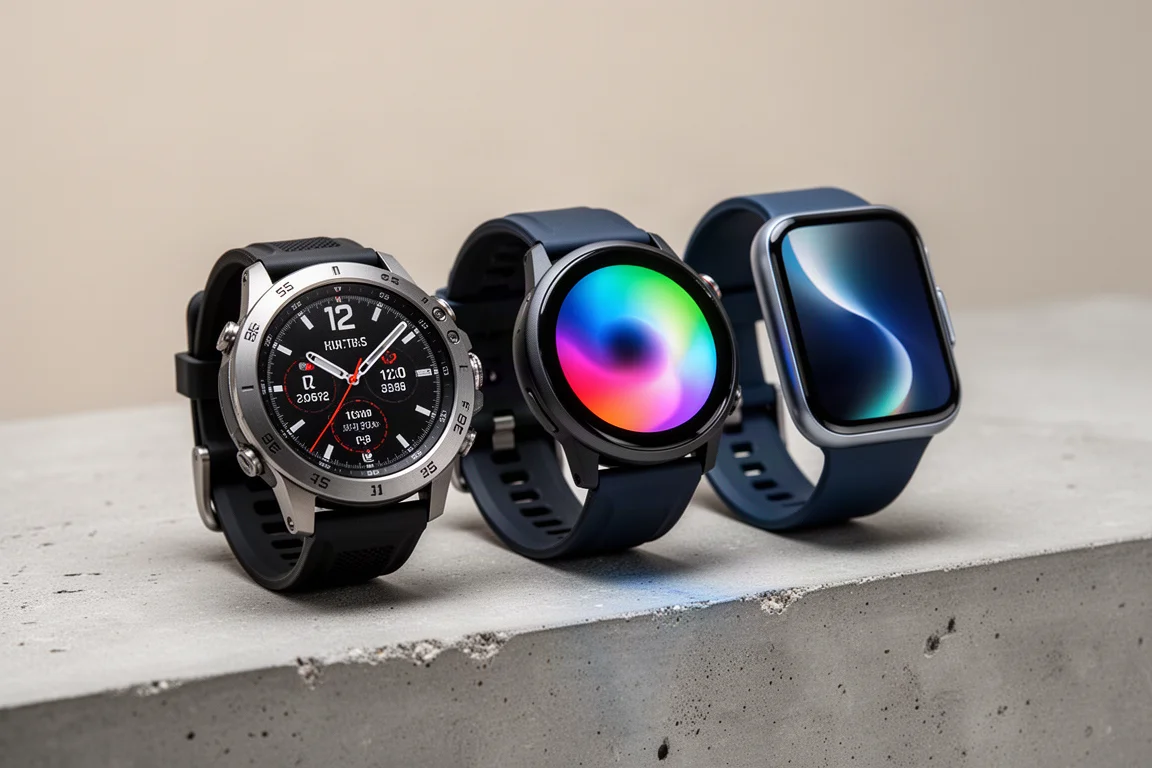
Three very different watches, one honest comparison: the sport-first Garmin Fenix 7, the AMOLED-equipped Garmin Epix, and the iPhone-native Apple Watch Series 7.
Introduction
This is one of those comparisons where no single watch wins everything. The Apple Watch Series 7 is a deeply polished smartwatch built as a natural extension of the iPhone. The Garmin Fenix 7 and Garmin Epix are outdoor-focused sport watches built for durability and astonishing battery life. They overlap on core features, then diverge sharply on the smartwatch side and the sports and fitness side. The goal here is to lay out those differences so you can pick the watch that matches how you actually live and train.
First Up: The Garmin Fenix 7
The Fenix 7 comes in three sizes: 42mm, 47mm, and 51mm, across three feature levels. The base Fenix 7 has a stainless steel bezel and no solar charging. The Fenix 7 Solar adds solar charging. The Fenix 7 Sapphire Solar steps up to a sapphire glass lens, a titanium bezel, more internal storage, and a multiband satellite system mode that can use two concurrent satellite frequencies at once.
A few hardware details matter here. Both the Fenix 7 and the Epix add a touchscreen, which the Fenix 6 lacked, and the overall build is clearly aimed at extreme durability: a metal bezel surrounds the entire display, the bezel extends over the lugs, and there is a button guard to prevent accidental presses on the start and stop button. The 51mm Fenix 7X even gets a built-in LED flashlight, which is more than a novelty and genuinely useful as a safety beacon when running at night.
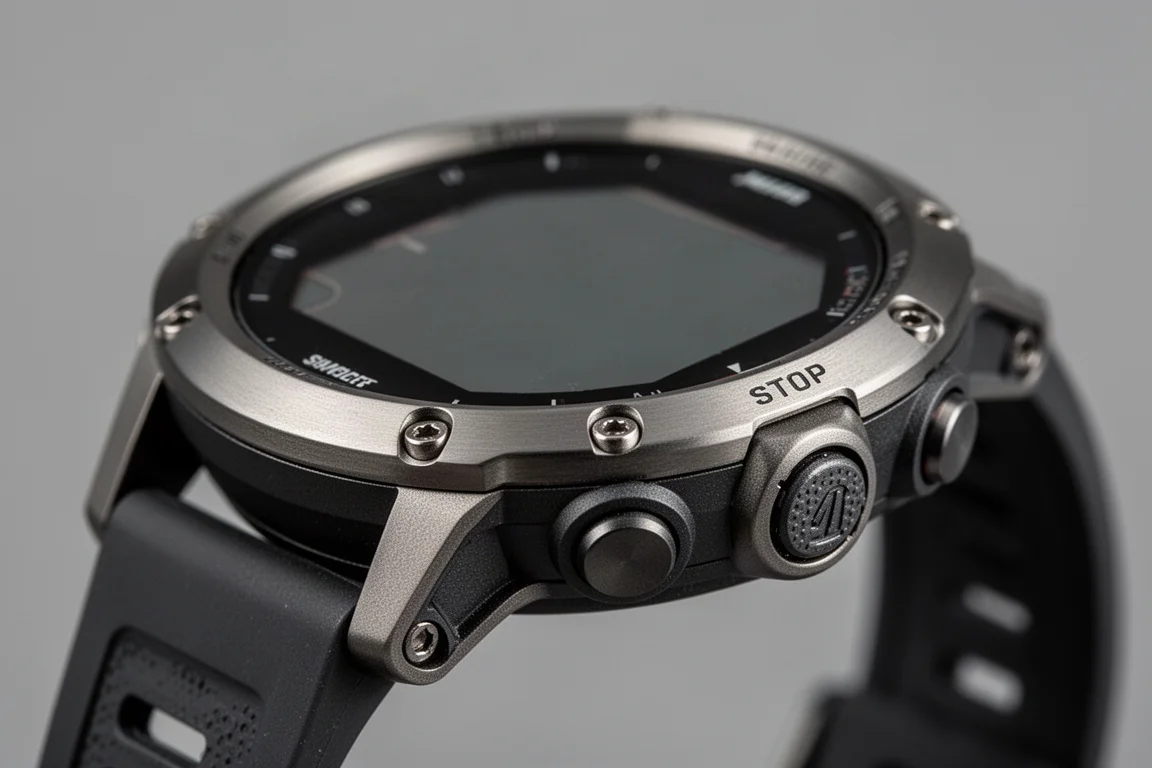
Both the Fenix 7 and Epix are water resistant to 100 meters, double the 50 meters of the Apple Watch Series 7.
The Garmin Epix: A Fenix with an AMOLED Display
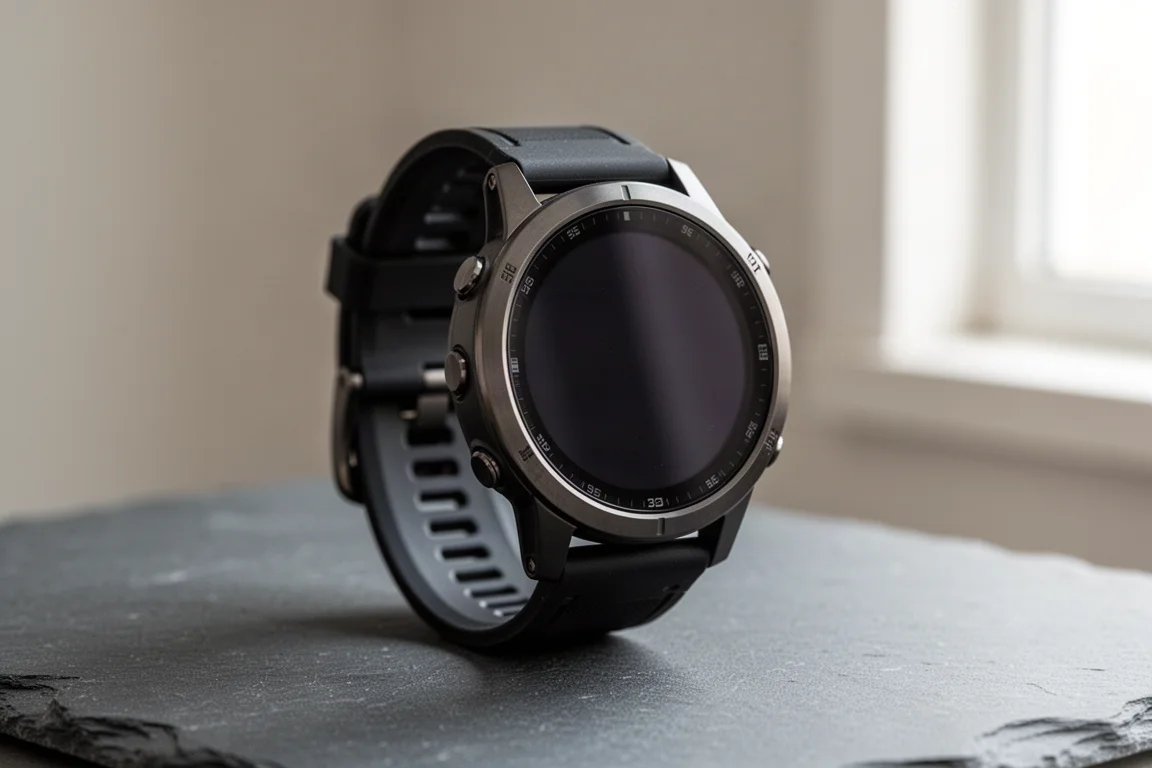
The Epix is essentially a midsize Fenix 7 in a single 47mm case, with one big difference: an AMOLED display. It comes in a stainless steel version with a stainless steel bezel and a Sapphire edition with a titanium bezel, more internal storage, and the multiband satellite system mode. There is no solar charging option on the Epix.
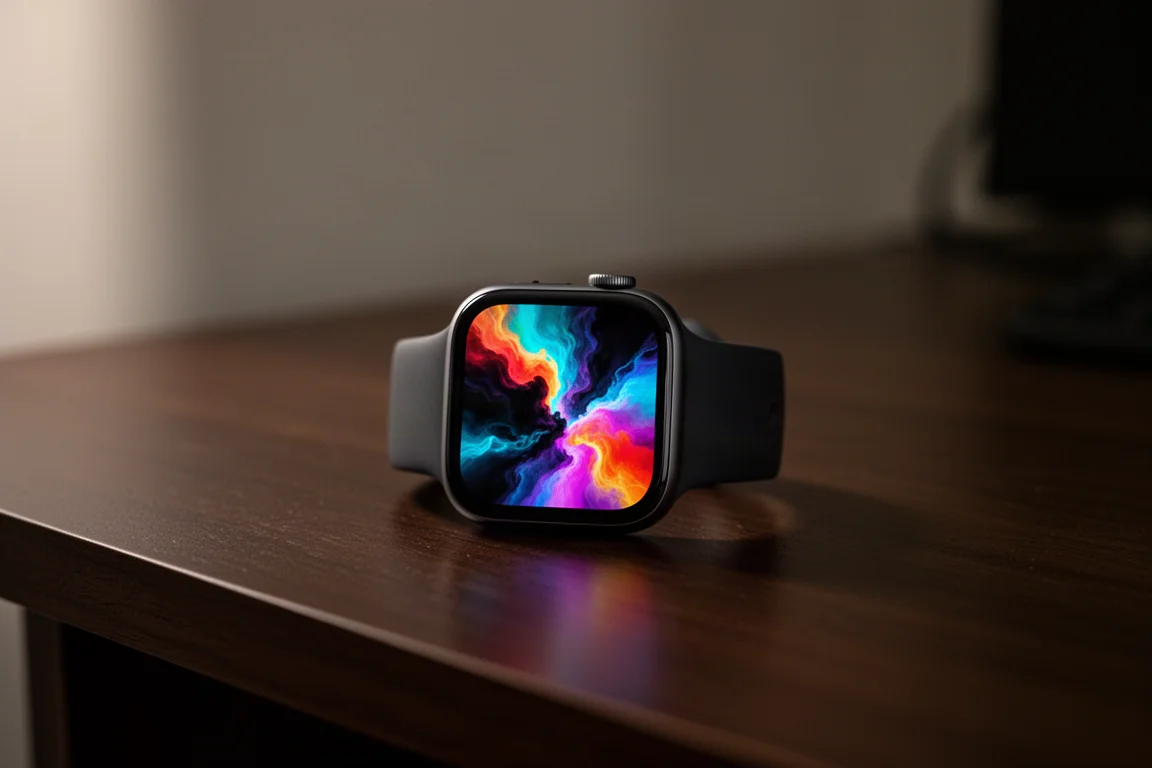
The AMOLED panel changes the character of the watch. Indoors it looks better than the Fenix 7, with the extra contrast and pop that this display technology brings, and outdoors it stays easy to read simply because it is so bright. If you want the Fenix hardware with a screen that looks more like an Apple Watch, this is the one.
The Apple Watch Series 7
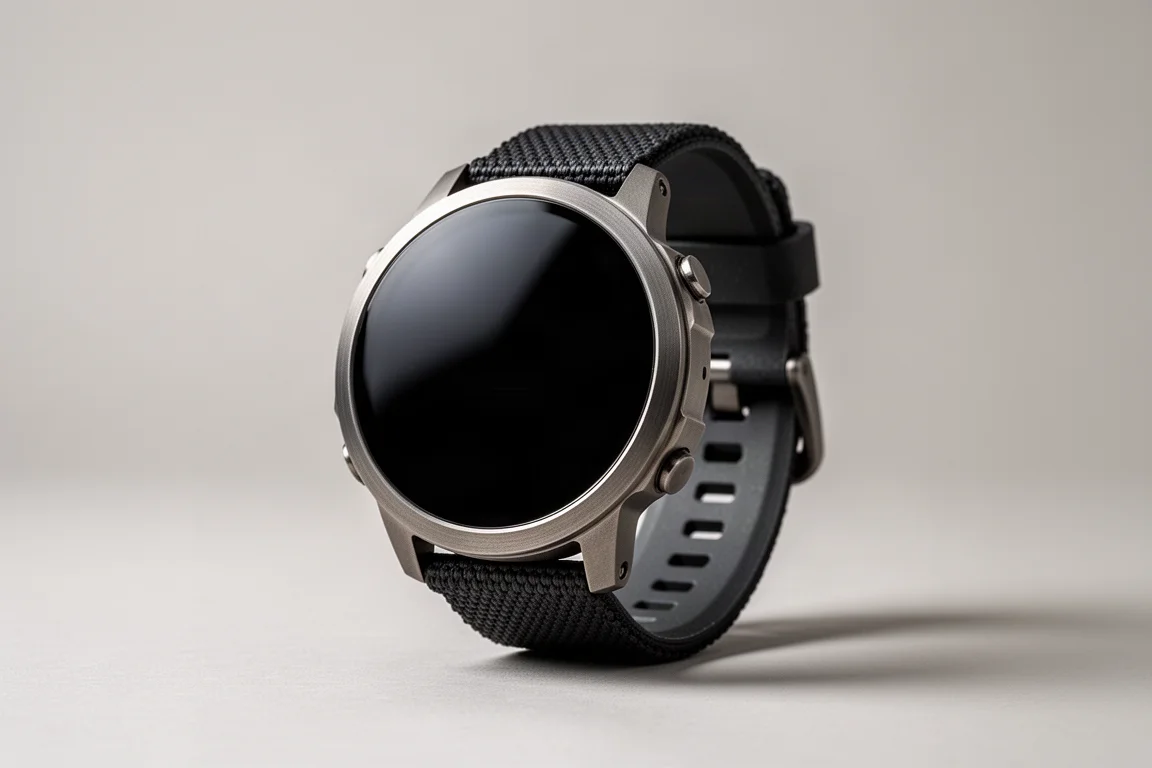
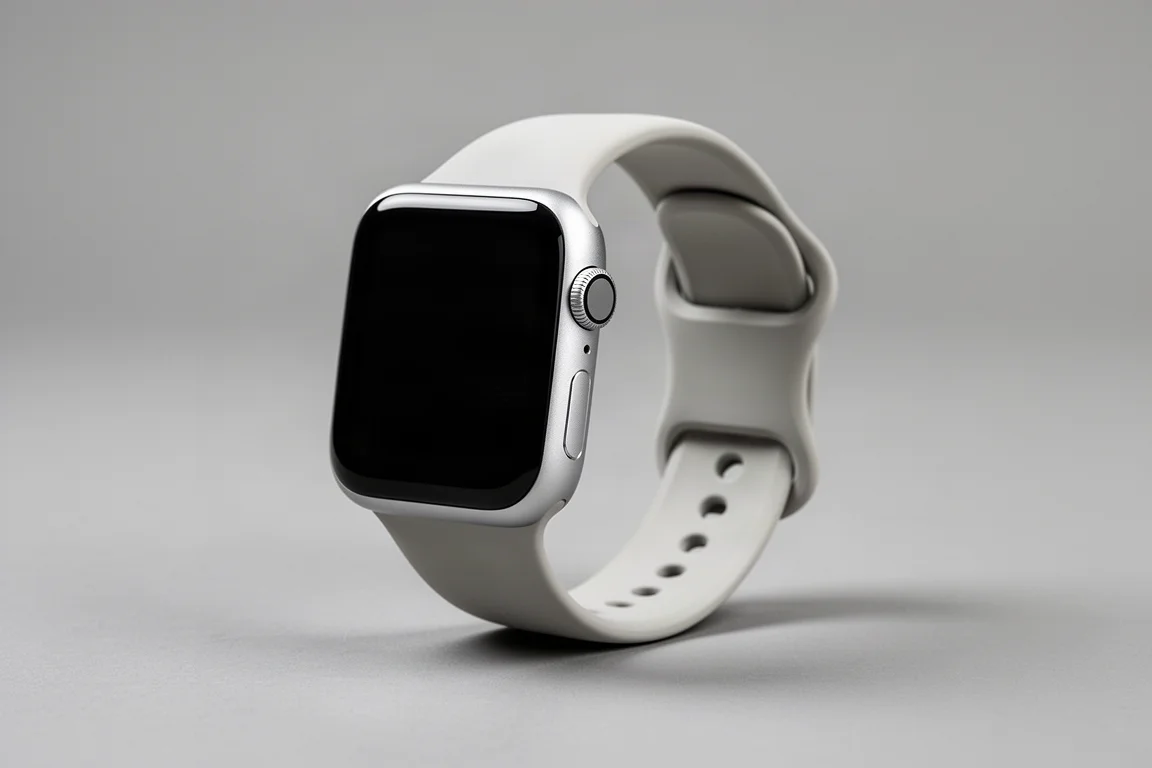
The Series 7 comes in 41mm and 45mm cases, with a cellular option available. The base aluminum models use Ion-X front glass, while stainless steel and titanium versions come with a sapphire glass lens. There are also endless combinations of case colors and bands, which is where Apple’s styling options clearly outpace the Garmins.
Apple improved durability over the Series 6 with a front crystal that is supposed to be 50% thicker and more crack resistant, but the design still leaves the glass exposed, with no raised bezel for protection. An aftermarket case can add some protection if you are worried.
Build, Screens, and Controls
On lens materials, the stainless steel Fenix 7 and Epix use Corning Gorilla Glass DX, while the aluminum Series 7 uses Ion-X glass. Both are reasonably durable for everyday use. Sapphire, found on the higher-end models of both camps, is one of the hardest materials on earth and is the carefree-durability choice.
The Fenix 7 and Epix screens are the easiest to read outdoors by a small margin, since that display technology was optimized for exactly that, while the Epix and Series 7 are bright enough to do just fine. Indoors, the AMOLED-equipped Epix and Series 7 look better than the Fenix 7.
The touchscreen on the Fenix 7 and Epix is good: taps and swipes are responsive and predictable, and you can disable it entirely and use buttons only. The Series 7 touchscreen still feels slightly smoother and more organic, and it is required for most of the interface. Its rotating crown dial adds a nice extra interaction layer for zooming and scrolling.
Smartwatch Features and Battery Life
When paired with an iPhone, the Series 7 is the clear winner. It mirrors notifications, texts, calls, and events, and even gives haptic alerts for upcoming turns in Apple Maps. Text replies work via on-screen keyboard, voice dictation, and emojis, and you can take calls directly on the watch with its microphone and speaker. The cellular version extends all of that without your phone nearby.
The Garmins can receive notifications when paired with an iPhone but cannot reply to them, which is a restriction Apple places on iMessage rather than a Garmin limitation. However, the Fenix 7 and Epix can pair with Android phones, where you can reply to texts and calls with predefined responses set up in Garmin Connect. That flexibility alone makes them the better fit for non-iPhone households.
Battery life is not close. The Series 7 delivers roughly a day to a day and a half of typical use, maybe two days if you disable the always-on display. The smallest Fenix 7 reaches up to 11 days, and the Epix reaches up to 16 days, dropping to around 6 days with the always-on display enabled. For GPS recording, the Series 7 manages around six to seven hours, while the Epix gets roughly 32 to 42 hours depending on GPS settings and the smallest Fenix 7 gets around 26 to 37 hours.
The Series 7 counters with fast charging, going from empty to full in about an hour, which does soften the daily charging routine. All three watches support music storage and playback: the Series 7 works with Apple Music, Spotify, and Pandora, and can stream Apple Music over Wi-Fi or cellular, while the Garmins support Spotify, Deezer, and Amazon Music.
On health tracking, all three have good heart rate and SpO2 sensors, and the SpO2 readings on each line up within a point or two of a fingertip sensor. The Series 7 gets a slight edge in heart rate accuracy but samples periodically rather than continuously, while the Garmins track heart rate around the clock. The Series 7 uniquely offers an ECG, and the Garmins offer more advanced sleep tracking with sleep stages and a sleep score, while the Series 7 focuses on sleep duration and schedule, extendable with third-party apps.
Safety Features
All three watches cover the basics. The Series 7 has fall detection, an SOS feature, and a noise monitoring feature that alerts you when sound levels get too high. The Garmins have incident detection and an Assistance feature, plus LiveTrack, which lets chosen contacts open a map and see your location in real time.
One caveat: the Garmin safety features require your phone with you since there is no cellular option on either watch. The cellular Series 7 adds international emergency calling. And the Fenix 7X flashlight deserves a repeat mention here: beyond lighting your way, it can be used as a beacon to alert others of your presence during night runs, which many runners will genuinely appreciate.
Sports and Fitness Features
All three track outdoor workouts using GPS and leverage all five major satellite systems. The Sapphire editions of the Fenix 7 and Epix add multiband mode, using two concurrent satellite frequencies at once. GPS accuracy is solid on all of them; recent updates have significantly improved Apple’s track accuracy, so the historical Garmin advantage has narrowed considerably.

All three also include an altimeter for tracking floors climbed and viewing real-time altitude during outdoor workouts.
The big difference is what happens under the hood of each sport profile. On the Series 7, profiles are mostly names with appropriate calorie calculations: outdoor activities track speed, distance, heart rate, and calories, indoor workouts track heart rate and calories. On the Fenix 7 and Epix, profiles collect activity-specific data. Garmin’s strength training profile counts reps and sets and attempts to identify the exercise you are doing. The HIIT profile includes dedicated timers for formats like Tabata and every-minute-on-the-minute. Skiing and snowboarding profiles automatically track your ski runs, and there are profiles the Series 7 simply does not have, including triathlon mode, surfing, kiteboarding, and skydiving.
The Garmins also ship with full topo maps out of the box, complete with street names, trail names in the woods, and detailed ski maps labeling green, blue, and black runs plus cross-country ski trails. The Series 7 can close some of this gap through third-party apps like Slopes for skiing, but that means managing multiple apps for different activities, whereas the Garmins consolidate everything in the single Garmin Connect app. Apple splits its ecosystem across the watch app, Fitness, and Health, with more apps potentially layered on top.
External Sensors and App Ecosystem
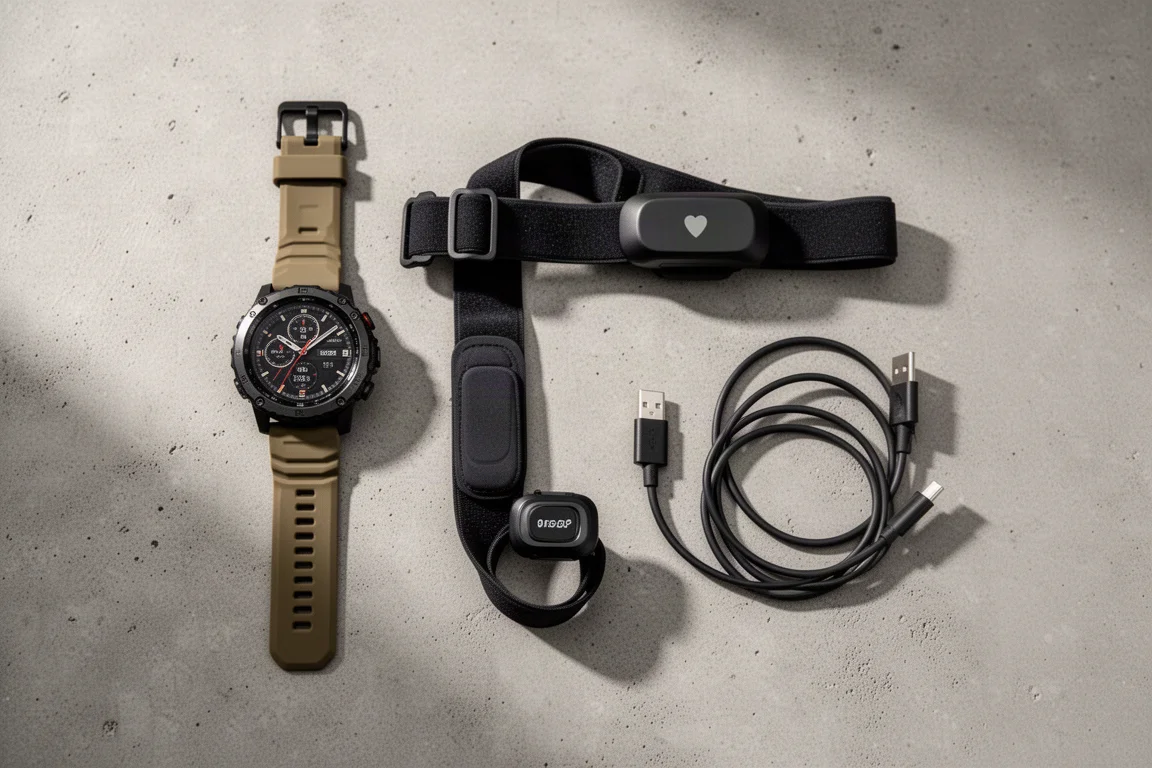
The Series 7 can pair Bluetooth heart rate straps, useful for activities like weight training where wrist-based readings struggle, plus foot pods like the Stride Foot Pod. The Fenix 7 and Epix pair both Bluetooth and ANT+ sensors across a much wider range: heart rate straps, foot pods, cycling speed and cadence sensors, power meters, temperature sensors, electronic shifting, Garmin Varia radar and lights, and golf club sensors.
On software, the Series 7 has a large app store for workouts, productivity, and everything else, while Garmin’s Connect IQ offers apps, watch faces, and widgets that are somewhat less robust but still useful. Watch face customization is a notable Garmin strength: Connect IQ has a huge library of third-party watch faces, while Apple offers excellent stock faces but no third-party options.
Which One Should You Buy?
The pattern is the same as previous generations, with a few new wrinkles: Garmin added touchscreens to the Fenix 7 and Epix, and the Epix brings AMOLED display technology closer to the Apple Watch experience. The Series 7 remains clearly the better smartwatch when paired with an iPhone, especially for texting, calls, and ecosystem integration, and it is the only one with an ECG and a cellular option. The Garmins work with both iPhone and Android, last weeks between charges rather than hours, and offer far more out of the box for serious and varied training.
If your watch is primarily a phone companion, the Series 7 is the straightforward pick. If your watch is primarily a training tool for running, cycling, skiing, or adventure racing, the Fenix 7 or Epix will do more with less fuss. And between the two Garmins, choose the Epix for the vivid AMOLED screen, or the Fenix 7 for maximum battery life and the solar and flashlight options. There is no single best watch here, but there is very likely a best watch for you.
Conclusion
These three watches succeed at different missions: the Apple Watch Series 7 as the ultimate iPhone companion, the Garmin Fenix 7 as a rugged endurance watch with class-leading battery life, and the Garmin Epix as that same athletic platform with a brighter, more modern display. Match the watch to the job it will do most often, and you will be happy with any of them.
Further reading
Related Reviews
Smartwatches
Best Budget Smartwatches 2026: Five Affordable Options That Actually Work
Five budget smartwatches tested for real daily use. From entry-level options to premium features at fraction of the cost, here's what actually delivers.
Smartwatches
Best Smartwatches on AliExpress 2026: Five Practical Options for Different Needs
Five smartwatches with strong customer feedback and competitive pricing, each suited to different priorities: premium design, battery life, outdoor durability, advanced health tracking, and sports versatility.
Smartwatches
Best Smartwatches Under $300: 9 Practical Options for Every Need
A curated selection of nine smartwatches under $300, each excelling in health tracking, durability, battery life, or fitness features. Find the right match for your lifestyle.