Smartwatches
Garmin Fenix 7 Pro: Early Impressions of Garmin's Upgraded Outdoor Watch
A hands-on look at the Fenix 7 Pro's new heart rate sensor, brighter flashlight, endurance and hill scores, and how it compares with the Fenix 7.
Introduction
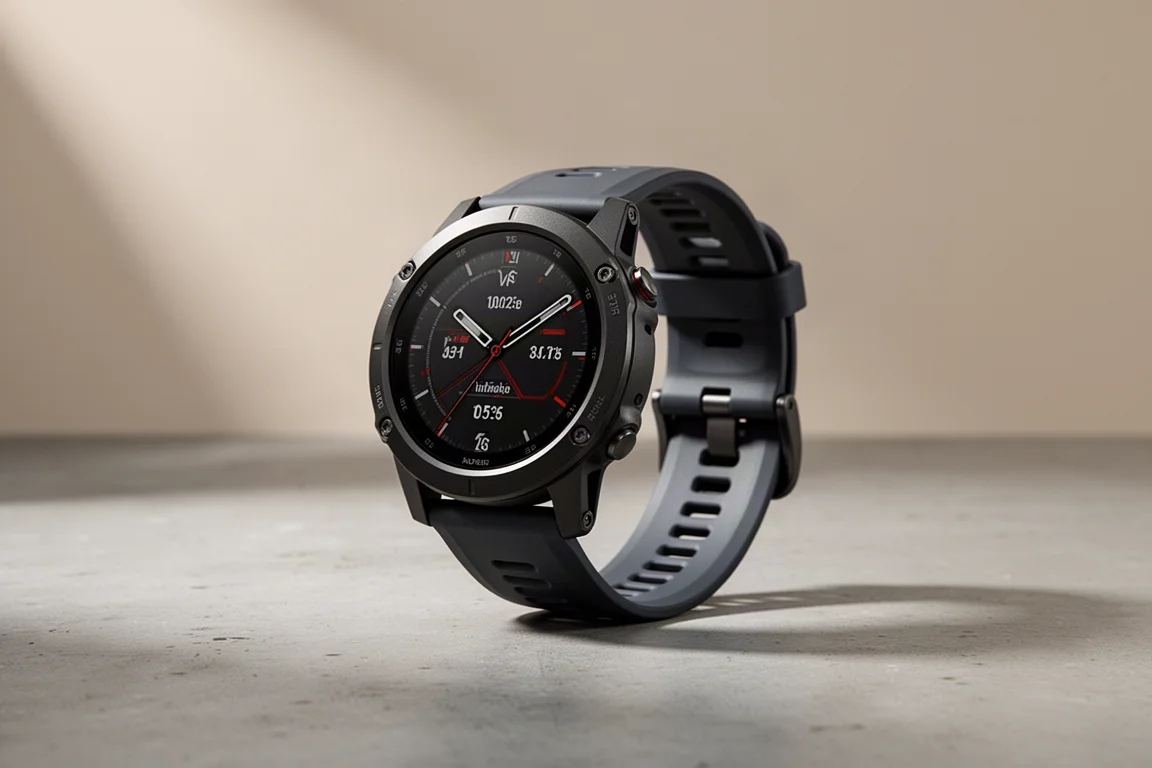
The Fenix 7 Pro arrives as a fairly quiet update rather than a dramatic redesign. On the surface, it looks and behaves very much like the existing Fenix 7: the same case sizes, solar and non-solar options, a choice of titanium or stainless steel bezels, and identical weight, thickness, screen size, resolution, waterproofing, and connectivity compared with the corresponding top-end Fenix 7 model.
What actually sets the Pro apart comes down to four things: a redesigned optical heart rate sensor, an LED flashlight now offered across all size options (previously only on the 7X), a promised redshift display mode for easier night viewing, and an improved memory-in-pixel display that Garmin says should perform better, even if the improvement is hard to see in person.
Who This Product Is For
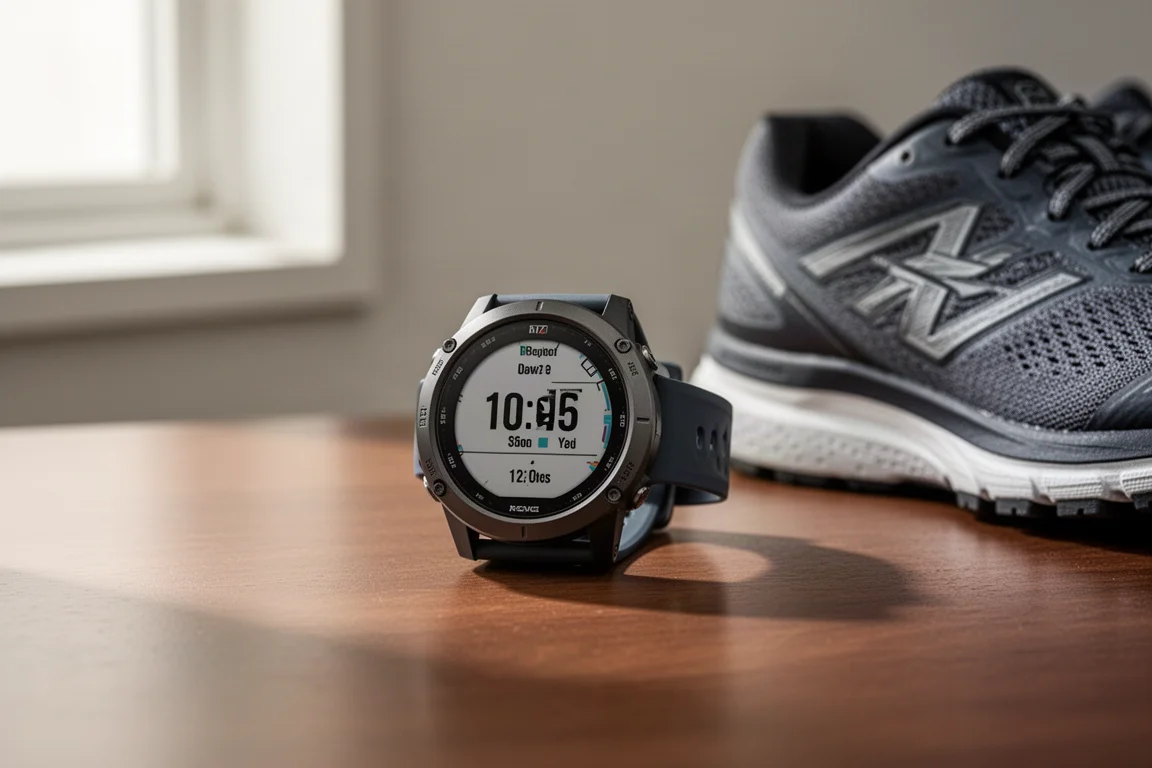
The Fenix 7 Pro makes sense for endurance athletes who want a rugged, long-lasting GPS watch with detailed training metrics. The new endurance score, built from short- and long-term training load data, is aimed at ultra runners and anyone who wants a better sense of how well they can sustain prolonged efforts. The hill score, which uses VO2 max and training history to measure how easy it is to run uphill, will appeal to a broader group, including hill runners and anyone preparing for their first ultra.
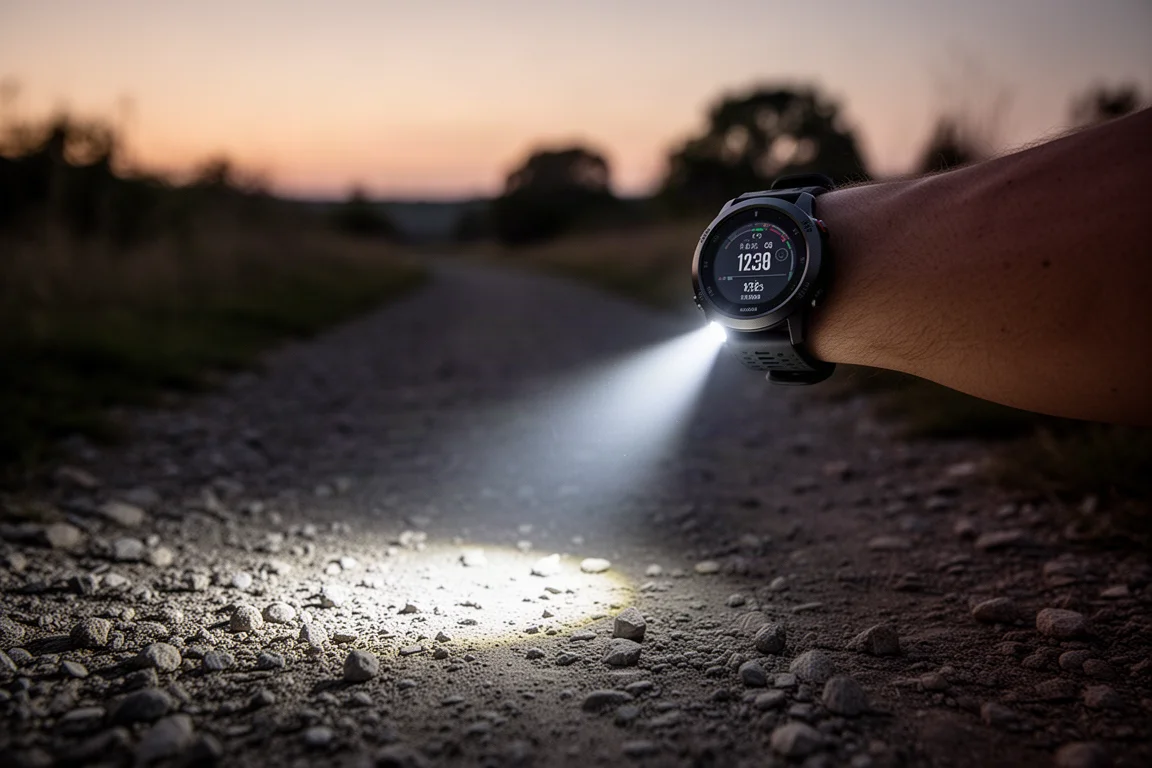
The flashlight across all sizes is worth particular attention for runners who train in the dark. It includes cadence settings that change color as you move, strobe modes, and an SOS light, which many runners who train alone in winter will value as a visibility and safety feature.
Main Strengths
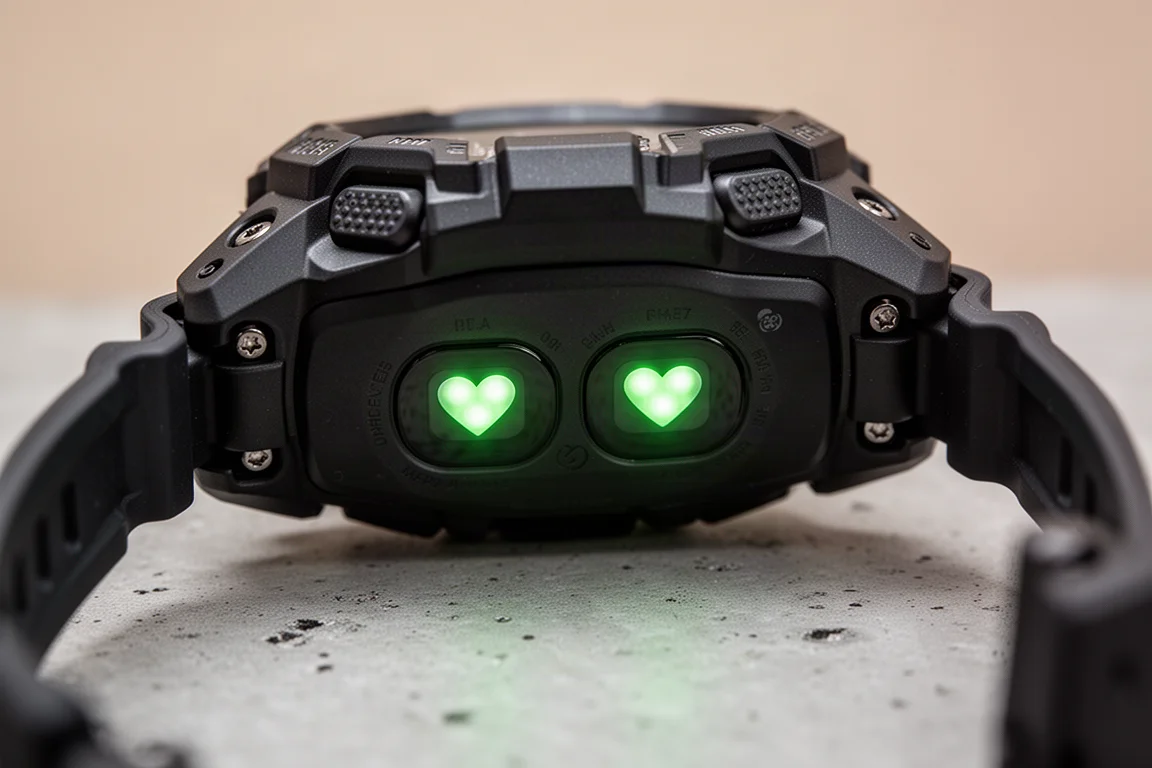
The standout upgrade so far is the heart rate sensor. Across multiple test runs, including a long slow run, hill training, intervals, treadmill sessions, and heat training in a sauna, the new optical sensor tracked closely with a chest strap, including on a two-hour run where the graphs matched almost beat for beat. It also held up well against the optical sensors on the Garmin Enduro 2 and Apple Watch Ultra. On steady runs the readings were consistently reliable, though at very high intensity some testers saw slightly elevated maximum readings compared with a chest strap, so it is not flawless in every scenario.
Battery life is another clear strength. Garmin’s figures put the Pro on par with the Fenix 7 in both solar and non-solar models, and real testing backs that up: roughly a third of the battery burned over about six days of use, including three and a half hours of GPS training plus two to three hours of non-GPS activity. A two-hour run in Max accuracy mode cost around 11 percent, and an hour in multiband mode around five percent, both close to what Garmin claims. Overnight drain was just one percent, which matters if you charge in the evening and want to run a marathon the next morning.
GPS accuracy has been similarly solid. Distances clocked on runs stayed within the usual margin for error against comparison devices, and detailed traces looked essentially bang on against the Apple Watch Ultra and Garmin Enduro 2, with no odd line jumps through rivers or buildings in the tests so far. Treadmill pace after calibration also matched the Enduro 2 closely.
On the software side, the Pro adds a more running-focused version of Up Ahead with points of interest and checkpoints, plus weather map overlays that show upcoming conditions on the map, useful for deciding whether to change kit before a run. One important caveat: Garmin has confirmed these software features are not exclusive to the Pro forever. They are also rolling out to the Fenix 7 and the Epix Gen 2, so early Pro buyers get them first, but not permanently.
Things to Consider Before Buying
The display is the main compromise. The transflective screen is perfectly readable and big, but it is noticeably less bright than the AMOLED screens now appearing across the Garmin range and on watches like the Apple Watch Ultra. If you expect a very bright, vibrant display, this will feel different, though you get much longer battery life in exchange.
The silicone quick-release strap divided testers. It requires frequent adjustment between tight (for heart rate accuracy during runs) and loose (afterwards), and one tester experienced skin irritation that forced a switch of wrists. The nylon straps on the Enduro 2 avoid this, and straps can be swapped out.
There are gaps worth knowing about too. No skin temperature sensing is included here, so cycle tracking remains manual in the Garmin app rather than automatic. The endurance and hill scores need roughly two weeks of data before they activate, so their real usefulness is still unproven. And for existing Fenix 7 owners, the upgrade case is thin: the battery, build, and software features are the same or coming to the older watch, so the decision mostly hinges on the new heart rate sensor and the flashlight.
Buying Advice
If you are buying your first Fenix or upgrading from an older generation, the Pro is an easy recommendation. The heart rate accuracy shown so far, the multi-day battery life, and the added flashlight on every size make it one of the most complete options in the range.
If you already own a Fenix 7, the calculus is tighter. Garmin will roll the Pro’s new software features to the Fenix 7 and Epix Gen 2, and the promised display improvement is marginal in practice. Unless the redesigned heart rate sensor or the flashlight matters to you personally, waiting may serve you better. For maximum battery life above all else, the Enduro 2 still outlasts the Fenix 7 Pro, so it remains the pick for ultra-focused athletes who prioritize runtime over versatility.

Conclusion
The Fenix 7 Pro is another excellent, rugged, highly capable Garmin watch, and the new optical heart rate sensor is a genuinely promising upgrade that could eventually let some runners leave their chest straps at home. Whether it justifies an upgrade over the Fenix 7 depends almost entirely on how much you value that sensor and the flashlight, since everything else matches or will arrive on the older models. As an early verdict, it is a strong watch looking for a clearer reason to exist, and full testing of the endurance and hill scores will settle the rest.
Product link
View more details for Garmin Fenix 7 Pro
This product is mentioned in the review. Check the specifications, options, and compatibility before buying.
View more details for Garmin Fenix 7 ProFurther reading
Related Reviews
Smartwatches
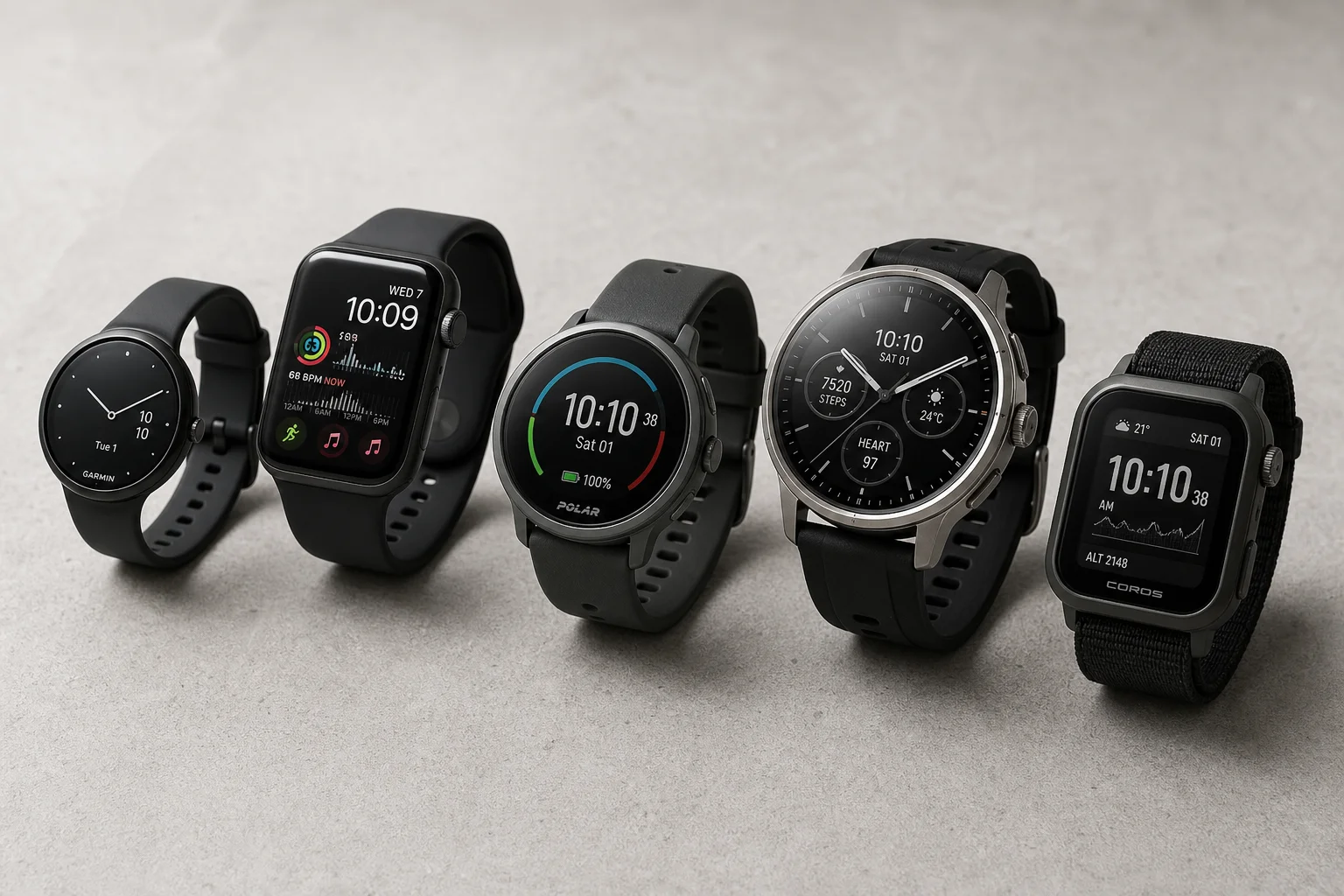
Best Budget Smartwatches 2026: Five Affordable Options That Actually Work
Five budget smartwatches tested for real daily use. From entry-level options to premium features at fraction of the cost, here's what actually delivers.
Smartwatches
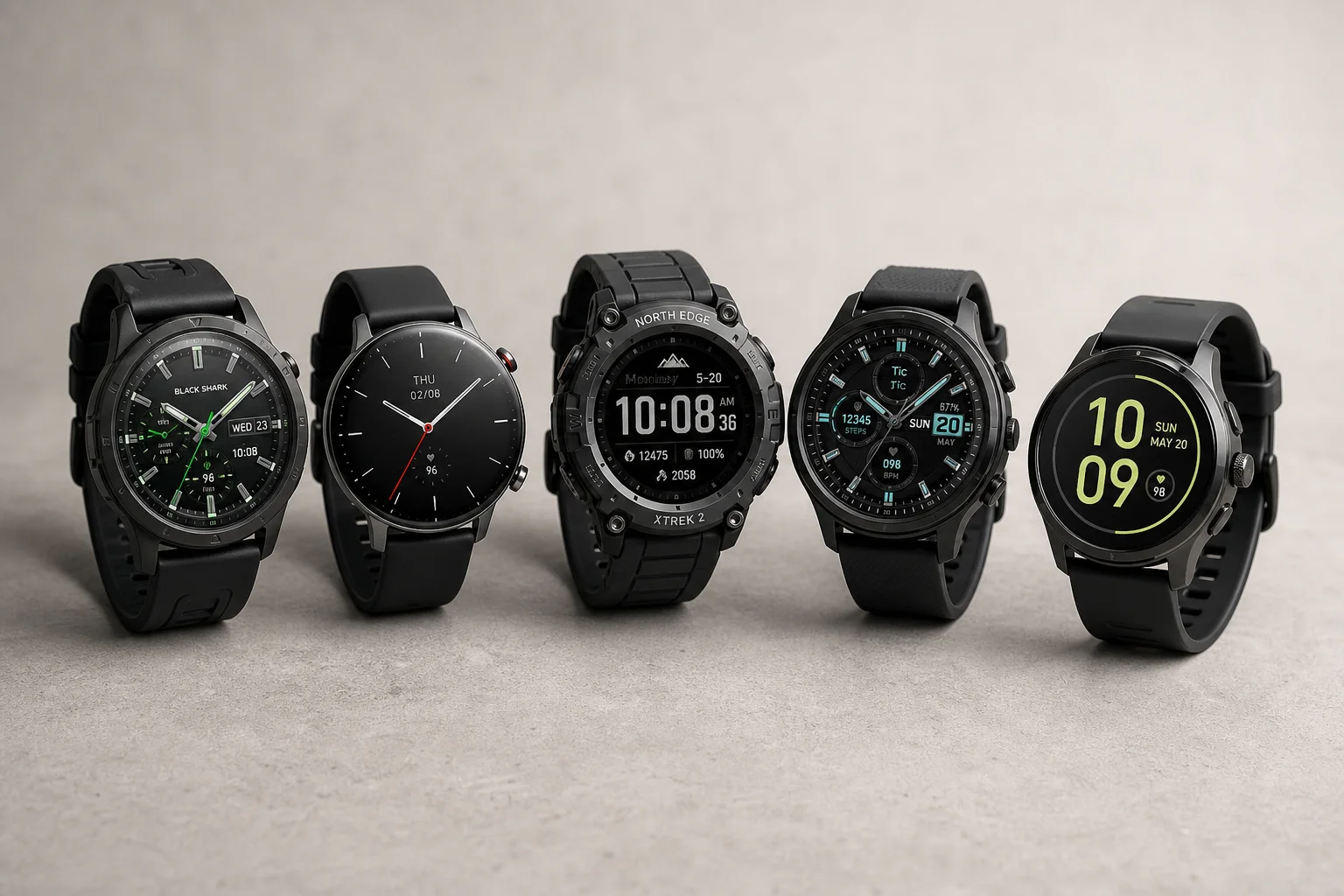
Best Smartwatches on AliExpress 2026: Five Practical Options for Different Needs
Five smartwatches with strong customer feedback and competitive pricing, each suited to different priorities: premium design, battery life, outdoor durability, advanced health tracking, and sports versatility.
Smartwatches
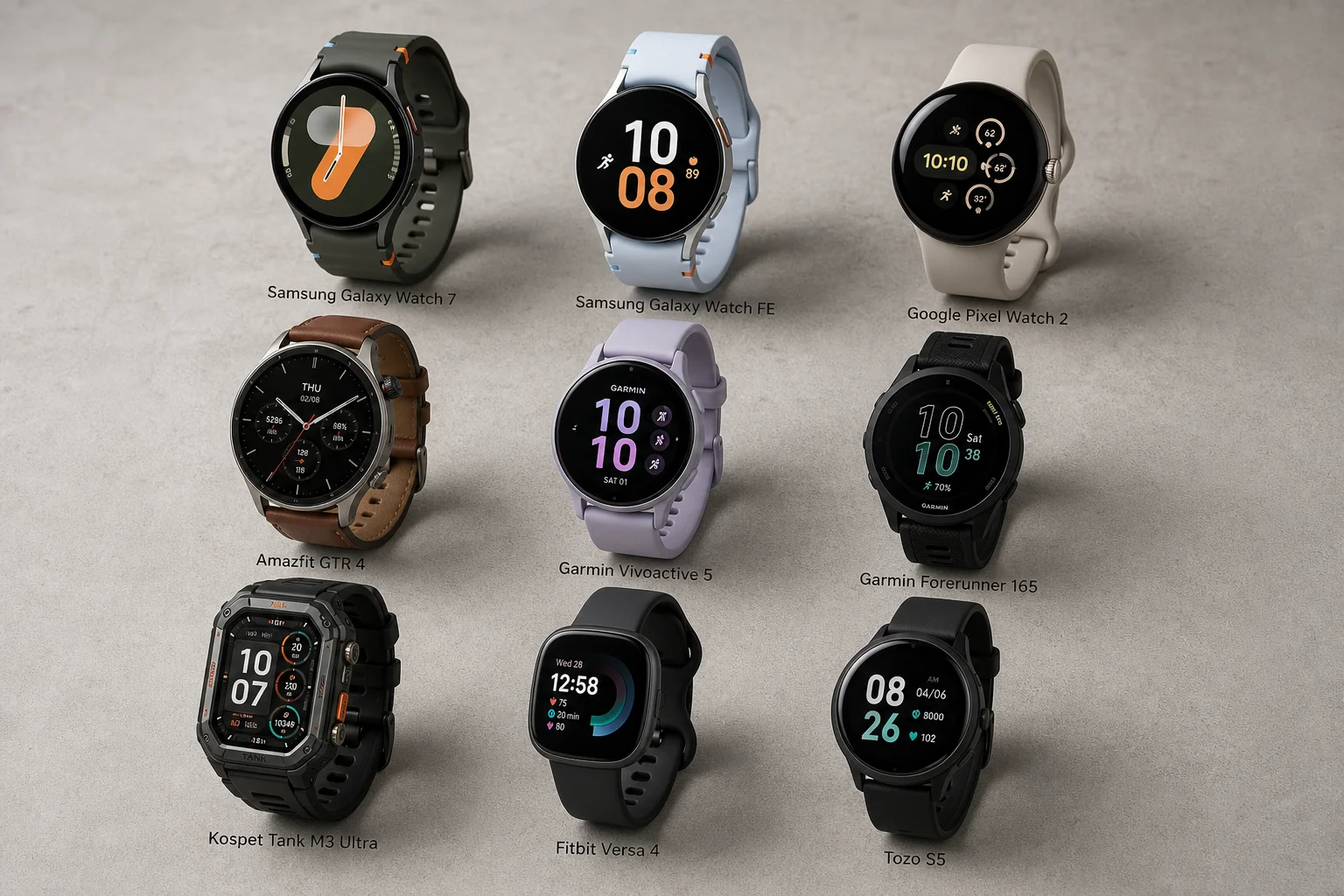
Best Smartwatches Under $300: 9 Practical Options for Every Need
A curated selection of nine smartwatches under $300, each excelling in health tracking, durability, battery life, or fitness features. Find the right match for your lifestyle.