Smartwatches
Garmin Epix Pro Review: The Best Sports Watch Going, If Money Is No Object
A multi-size, multi-tester look at the Garmin Epix Pro: new sizes, an LED flashlight, a redesigned heart rate sensor, Hill Score and Endurance Score, and where the value really sits in Garmin's range.

Introduction
The Garmin Epix Pro arrives with an unusually simple pitch: take the Epix Gen 2, add new case sizes, an LED flashlight, a redesigned optical heart rate sensor, and a couple of new training metrics. We spent time with the 42, 47, and 51 millimeter versions across several testers to see whether that pitch is enough.
The short version: it is a very good watch, arguably the best-equipped sports watch in Garmin’s current lineup, but its value depends heavily on which size you pick and how much the new extras actually matter to you.
What’s New on the Epix Pro
The biggest structural change is sizing. The original Epix Gen 2 only came in a 47 millimeter case; the Pro is now available in 42, 47, and 51 millimeter options. All three come in Standard or Sapphire editions, with the Sapphire version adding sapphire glass, a titanium bezel, and preloaded TopoActive maps.
Hardware updates include the LED flashlight, which debuted on the Fenix 7X and is now fitted across the entire Fenix 7 Pro and Epix Pro ranges, plus a redesigned optical heart rate sensor aimed at improving exercise tracking accuracy.
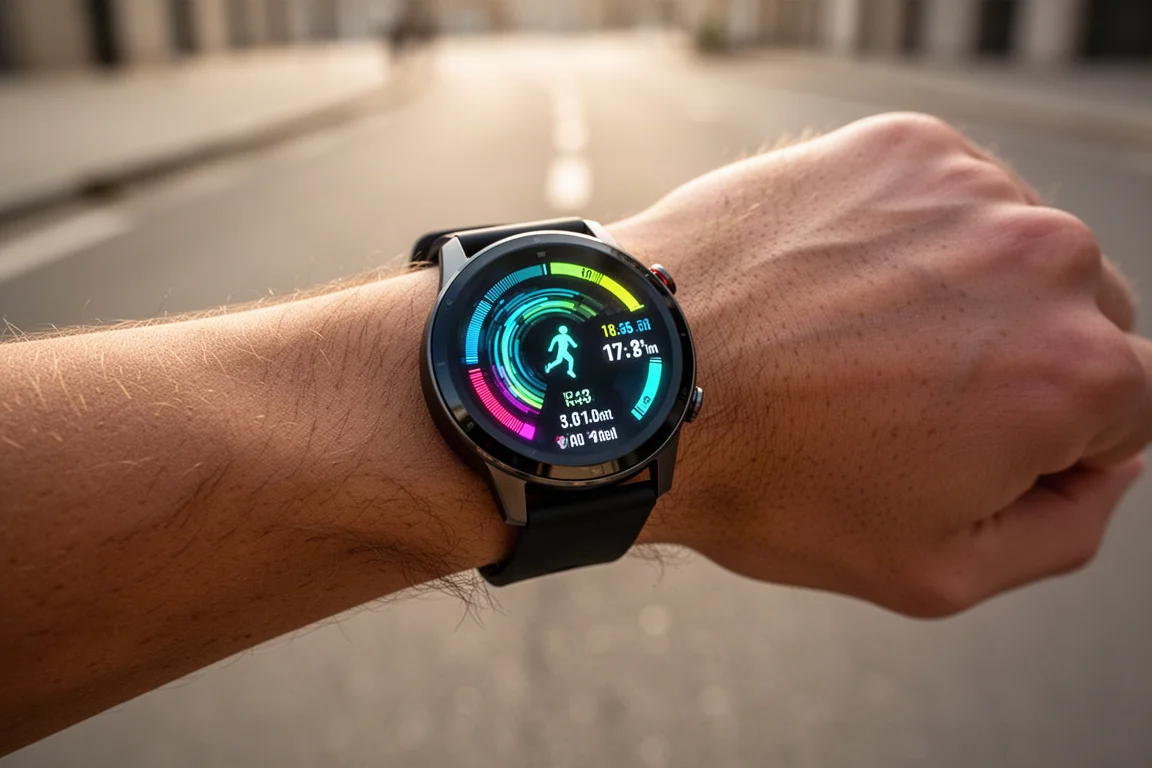
Software additions include relief shading and weather overlays on maps, and two new metrics: Hill Score and Endurance Score. Notably, Garmin has confirmed that most of these new software features will roll back to the original Epix Gen 2, which shapes much of the buying advice below.
Battery Life: The 51mm Model’s Party Trick
Battery life is the headline surprise, and it applies almost entirely to the 51 millimeter model. The 47 millimeter Epix Pro performs almost identically to the Epix Gen 2, at roughly five to six days on a charge with the always-on screen enabled.
The 51 millimeter version is a genuine step up. In testing it lasted around ten days in always-on display mode, including near-daily runs and notifications, which is among the best we have seen from an AMOLED sports watch. Switching to raise-to-wake instead drops battery use to roughly five percent per day. The 42 millimeter model sits at the shorter end of the range.
If long battery life and a bright AMOLED screen together are what you are after, the 51 millimeter Epix Pro is currently the watch that delivers both.
Heart Rate Accuracy
The redesigned optical heart rate sensor has generally impressed. One tester ran with it for a month without a chest strap and saw only a handful of short-lived errors: occasional lag on intervals and, a couple of times, missed or late interval pickups. Overall, it reads as a genuinely good optical sensor, noticeably closer to chest strap behavior than previous versions.
That said, expectations matter. Another tester did not find the improvement significant enough to abandon a chest strap like the Garmin HRM Pro Plus. If you rely on heart rate data for training analysis, a strap is still the safer bet. If you normally use the optical sensor anyway, you should see improved results here.
Hill Score and Endurance Score
Hill Score tries to quantify how well equipped you are for hilly terrain. It draws on tracked hiking, walking, and running activities with a gradient of two percent or more, combines recent and historical data, factors in your VO2 max, and produces a score out of 100 with guidance on whether more hill training would help.

Endurance Score does something similar for long-duration performance, using VO2 max alongside the last three months of historical data and recent weeks to gauge how well optimized you are to sustain effort over longer periods.
Our take: these are less about new data and more about packaging. In the spirit of Training Readiness, Garmin is making its growing mountain of metrics easier to absorb, which is genuinely useful if you are rebuilding fitness or planning an endurance event. There are caveats, though. One tester found Hill Score felt generous, scoring around 61-62 despite relatively modest hill training, and Endurance Score closely tracks figures you can already get from race predictions and VO2 max. Treat them as trends rather than gospel.
The LED Flashlight
The flashlight is divisive on paper and surprisingly practical in use. It is bright, customizable, can be set up for runs, and in its gesture mode the light color changes to match your cadence, helping you stay visible to traffic.
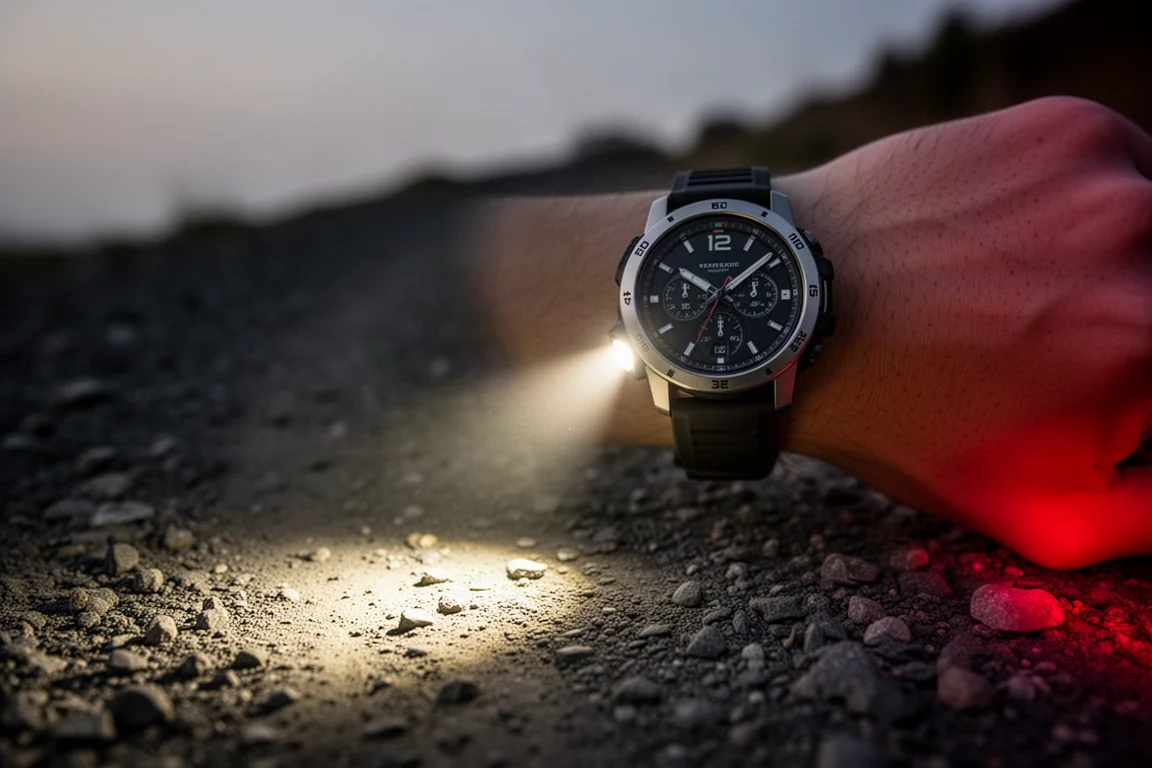
For runners who train in dark winter months or anyone who wants to feel more visible and safe, it is a legitimately useful addition rather than a gimmick. One tester initially dismissed it on the Fenix 7X and came around after regular use. Just be aware that it is one of the few things genuinely exclusive to the Pro over the standard Epix.
What We Didn’t Love
The price stings. At around £829 or $899 for the 47 millimeter model, and more for the 51 millimeter, the Epix Pro is a lot of money for a watch that is not dramatically different from the Epix Gen 2, especially when most new software features are rolling back to the older watch anyway.
A few other gripes:
- The core run tracking experience is essentially identical to the Epix Gen 2, and that experience was already excellent, with strong multi-band positioning and detailed training analysis.
- Weather map overlays do not work during an active activity, which limits their usefulness when you most want to check changing conditions mid-run.
- Hill Score accuracy is questionable and felt overly generous in testing.
- The smartwatch experience remains limited: you can view notifications, use Garmin Pay, and load music, but you cannot reply to messages or take calls. Compared with the Apple Watch Ultra, this is very much a sports watch, not an iPhone on your wrist.
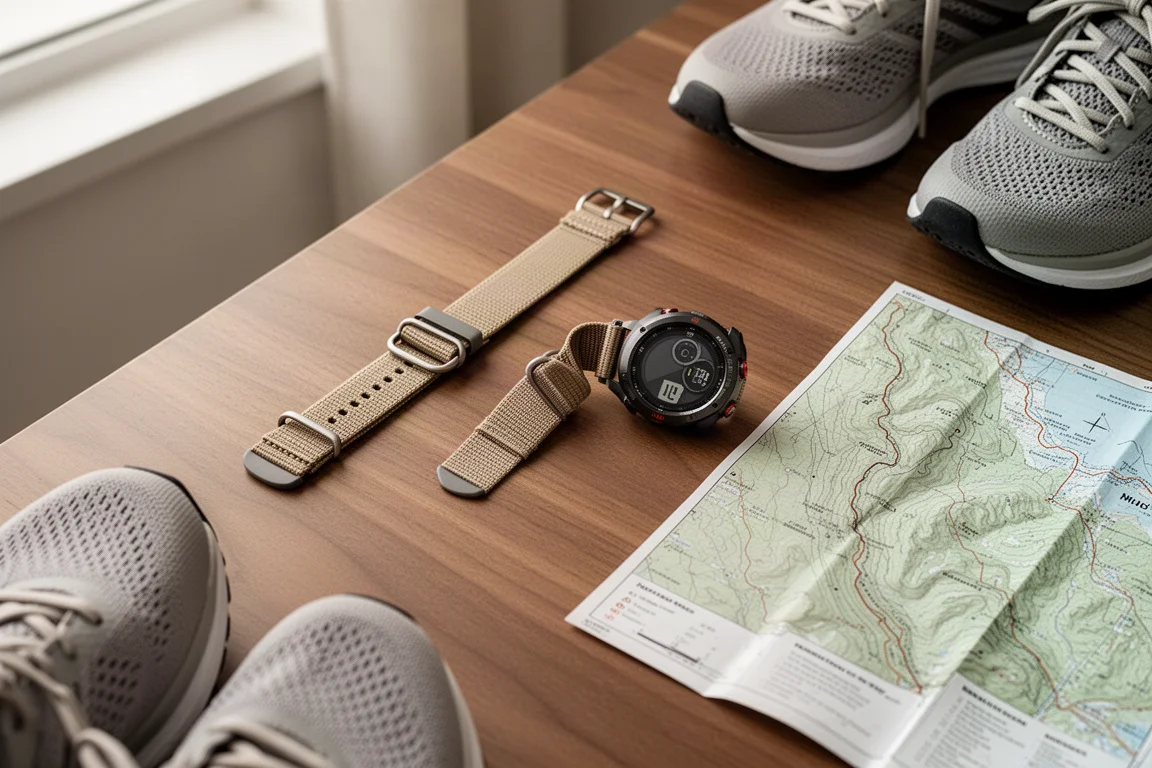
- It is still a big watch, particularly in the 51 millimeter size. A lightweight nylon strap helps it feel smaller, but it will remain too large for plenty of wrists.
Should You Buy the Epix Pro?
If money is no object, the 51 millimeter Epix Pro is arguably the best sports watch available: a huge bright AMOLED screen with battery life that comfortably exceeds a week, and stretches toward two to three weeks with the always-on display switched off outside training. Add the flashlight, strong mapping, and excellent GPS, and the package is genuinely compelling.
For everyone else, there is better value elsewhere in Garmin’s range:
- Garmin Epix Gen 2: nearly all the same core experience, and the new software features are coming to it. The heart rate sensor is slightly older and there is no flashlight, but it is significantly cheaper.
- Garmin Forerunner 965: our pick for most runners. It is lighter, has the same size AMOLED screen as the 51 millimeter Epix Pro, lasts around six to seven days with always-on, and costs far less.
- Garmin Forerunner 955: probably the best value-for-money watch in Garmin’s range, with nearly all the same features and a good, if not AMOLED, display.
- Garmin Fenix 7 / 7 Pro: the choice if you prefer battery life and a lower price over the AMOLED screen, with solar charging available for multi-day adventures.
Conclusion
The Epix Pro is a very good watch that earns its “best sports watch going” label on the strength of the 51 millimeter model’s battery life and the universal appeal of its AMOLED screen. But for the 47 and 42 millimeter sizes, the upgrade case over the Epix Gen 2 is thin: the flashlight and improved heart rate sensor are nice, the new metrics will arrive on the old watch anyway, and the price premium is steep. If you are choosing from Garmin’s top tier on value, the Forerunner 965 is the smarter buy. If you simply want the best and are happy to pay for it, the Epix Pro, especially in 51 millimeter trim, will not disappoint.
Product link
View more details for Garmin Epix Pro
This product is mentioned in the review. Check the specifications, options, and compatibility before buying.
View more details for Garmin Epix ProFurther reading
Related Reviews
Smartwatches
Best Budget Smartwatches 2026: Five Affordable Options That Actually Work
Five budget smartwatches tested for real daily use. From entry-level options to premium features at fraction of the cost, here's what actually delivers.
Smartwatches
Best Smartwatches on AliExpress 2026: Five Practical Options for Different Needs
Five smartwatches with strong customer feedback and competitive pricing, each suited to different priorities: premium design, battery life, outdoor durability, advanced health tracking, and sports versatility.
Smartwatches
Best Smartwatches Under $300: 9 Practical Options for Every Need
A curated selection of nine smartwatches under $300, each excelling in health tracking, durability, battery life, or fitness features. Find the right match for your lifestyle.