Cycling GPS
Garmin Edge 850 Review: Big-Screen Features in a Compact Package, With One Big Trade-Off
The Edge 850 brings Edge 1050 features, a speaker, a bike bell, and new MTB tools into a smaller unit, but battery life pays the price.
Introduction
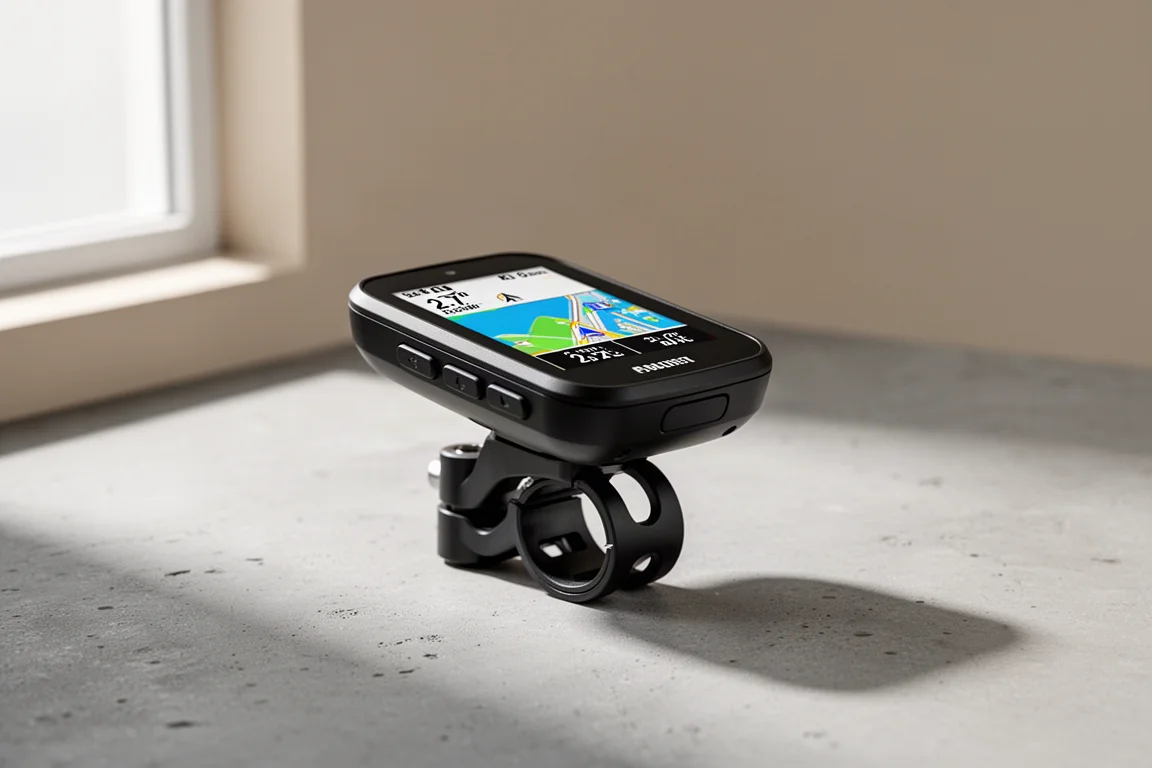
The Garmin Edge 850 takes virtually everything from the Edge 1050 and fits it into a smaller device, while also carrying over the new features introduced with the Edge MTB earlier this summer. After riding it across gravel, mountain, and road routes, the picture is clear: this is a genuinely good unit with a very stable software base, but the display switch brings a battery life trade-off that not everyone will accept, especially at $599.
Who This Product Is For
The Edge 850 is aimed at riders who want the premium Edge 1050 experience, including its processor, speaker, and feature set, in a more compact form factor. It works across road, gravel, and mountain biking, and it is particularly appealing if you value route navigation, training tools, and off-road features in one device.
It is also worth understanding the price context. At $599, it costs more than the Wahoo Roam V3 at $464 and the Hammerhead Karoo 3 at $525. The premium over the Karoo 3 is easy to justify given the broader feature set, and the Karoo 3 in turn is clearly worth more than the Roam V3. So while the price stings, it is not unreasonable within the current market.
Main Strengths
Speaker and Bike Bell
The biggest headline addition is a true speaker, replacing the beeper found on the Edge 840 and still used on the Edge 550. That enables actual voice commands for upcoming turns, summit notifications, and more. The feature everyone ends up loving, though, is the bike bell. Tap the screen or assign it to a bonus button on compatible SRAM AXS shifters, and it produces a convincing bell sound. In real-world use, people on shared paths generally believe it is a real bell. You could buy a $3 bell instead, but the built-in one is undeniably convenient.
Faster Processor and Bigger Storage
The Edge 850 uses the same processor as the Edge 1050, and it shows. Map panning is noticeably faster than the Edge 840, and route calculation is quicker still. Storage has doubled to 64GB, which comfortably fits two full continents of mapping, potentially three or four depending on the regions. Downloads work over Wi-Fi or wired, though it remains a frustration that Garmin still only offers very large map regions, roughly 11 to 15GB each, rather than country-level selections like Wahoo and Hammerhead.
New Smart Features
Several new tools round out the package. Garmin Pay arrives for contactless payments, subject to bank support, which covers most major banks in the US and Europe. Weather overlays now appear on the map widget view, showing precipitation and clouds with an animated forecast, handy for checking what is coming on a long ride. Garmin’s free cycling coach plans now factor in event elevation, and the Power Guide feature accounts for heat and altitude acclimation. There is also post-ride gear ratio analysis for electronic shifting, and group rides now show five-minute averages for heart rate, power, cadence, speed, and watts per kilogram across all riders.
The smart fueling feature is more of a work in progress. On a hot gravel ride, it recommended a surprisingly small amount of water, while the coaching plan recommendations felt far more realistic. It is meant to use your body, course, and weather to calculate fueling needs in real time, but it still seems to need refinement.
New Mountain Bike Features
All the mountain bike features from the Edge MTB are here, and they also arrived on the Edge 1050 over the summer. Five Hz GPS recording activates automatically on descents and mainly proves useful on tight switchbacks where one-second recording can cut corners. New downhill, enduro, and e-enduro activity profiles automatically track descents and climbs separately, similar to ski run tracking on Garmin watches. An enhanced fork sight feature adds more trail detail via Trail Forks, though usefulness depends on Trail Forks coverage in your area.

The timing gates feature lets you create start, split, and finish gates on the trail, then race against your best splits from that day. It has real limitations, though: gates must be created on the unit itself rather than in the app, comparisons are only against efforts from that same day, and in testing the starting gate occasionally failed to trigger correctly.
Accuracy
Accuracy across elevation, GPS, and high-speed descents was spot on in every test, including mountain road rides, gravel climbs, forest sections, and tight switchbacks at speed. That matches the current state of cycling GPS units generally, and the Edge 850 follows the pattern.
Things to Consider Before Buying
Display and Battery Life
The display has changed from the transflective panel of the Edge 840 to a transmissive panel, similar in concept to the Edge 1050 and now used across the new X50 series. It grew slightly from 2.6 to 2.7 inches, though that is hard to notice in practice. The brightness is excellent, and the automatic brightness management works very well in both sun and shade.
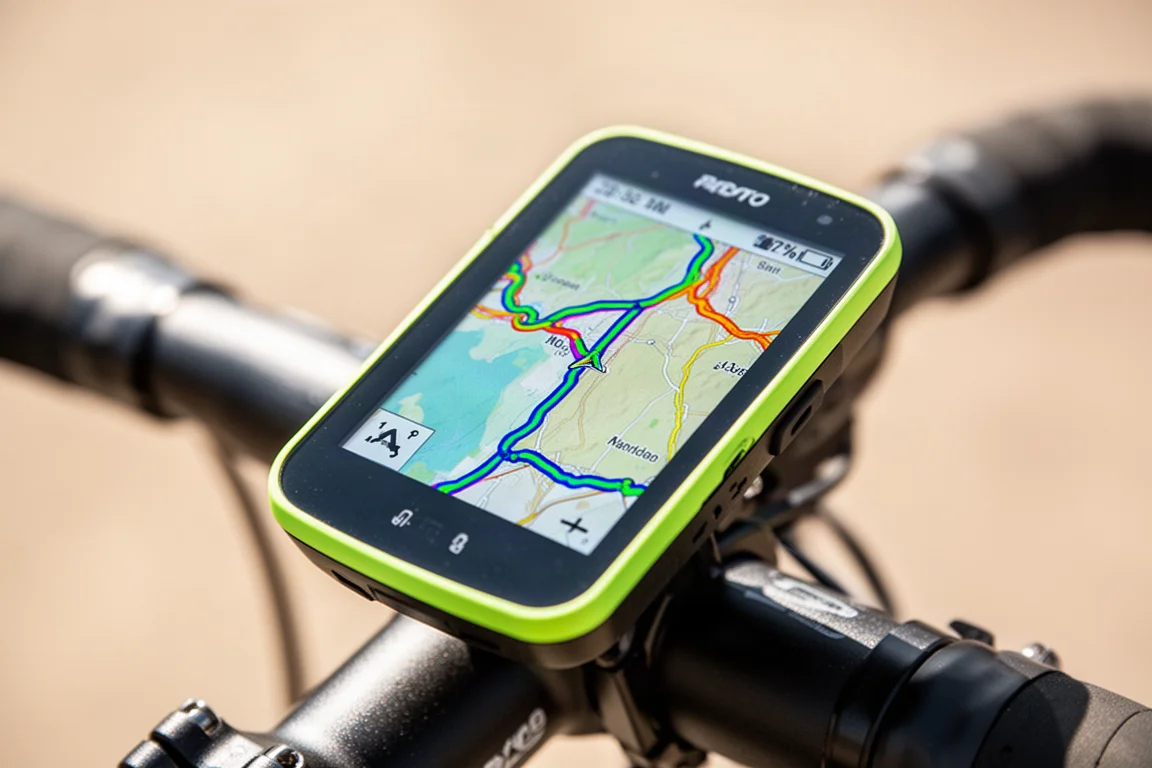
The cost is battery life. The claimed 10 to 12 hours held up in real testing across free riding and navigation, with sensors and phone connected, regardless of the type of ride. Dropping the display to 30% brightness roughly doubled that to around 20 hours, which is workable in shadier or winter conditions but tougher in bright sun. Battery saver mode extends things further.
The comparison with the Wahoo Roam V3, which claims 20 hours, is less clear-cut than it looks. To match the Edge 850 at 30% brightness, the Roam V3 needs full brightness with an always-on display, at which point it burns roughly 10% per hour, and its battery indicator also holds at 100% for the first 52 minutes of every ride. Still, the broader concern stands: 10 to 12 hours is a steep drop from previous Edge units, and the Edge 1050’s compromise of around 20 hours in normal riding felt much easier to live with.
Wet Touchscreen Performance
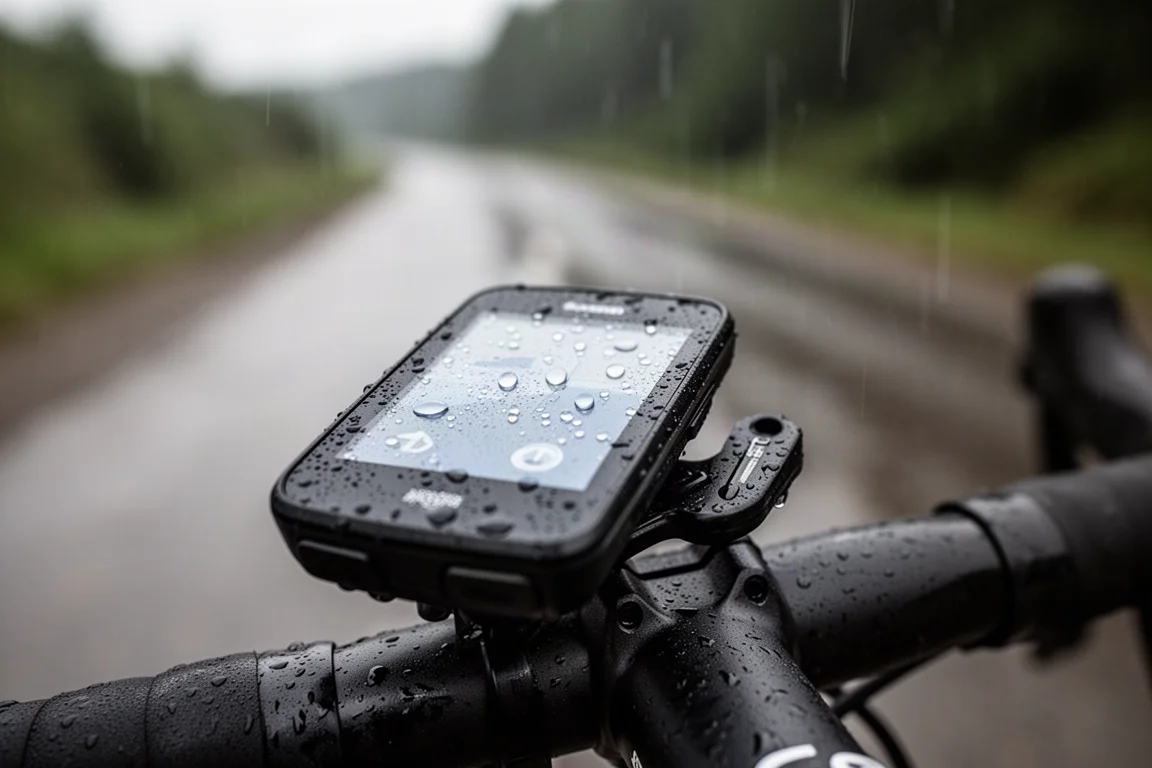
The touchscreen works only roughly when wet, becoming sluggish and occasionally unresponsive. The saving grace is that the Edge 850 has buttons on all sides, unlike the Edge 1050, so you can fall back on physical controls in the rain. Ironically, the cheaper unit handles this better than the flagship.
Buying Advice
If you want the most complete Garmin experience in a smaller body, the Edge 850 delivers: fast maps, a speaker, the bike bell, Garmin Pay, and the full off-road feature set, all in a stable, largely bug-free package. If long battery life between charges is your priority, the trade-off here is real and worth thinking hard about, especially alongside the $599 price. Riders more focused on value should weigh the alternatives carefully, while those already comfortable with the Edge 1050’s display approach will feel at home here.
Conclusion
The Edge 850 is an easy unit to like and a harder one to recommend without a caveat. The feature depth, speed, and off-road tools are excellent, and the speaker and bike bell add genuine everyday usefulness. The transmissive display is the sticking point: it looks great, but it cuts battery life to 10 to 12 hours in real-world riding. If that trade-off works for how you ride, the Edge 850 is one of the most capable compact bike computers available.
Product link
View more details for Garmin Edge 850
This product is mentioned in the review. Check the specifications, options, and compatibility before buying.
View more details for Garmin Edge 850Further reading
Related Reviews
Cycling GPS
Garmin Edge 1040 vs Edge 1030 Plus: How the Touchscreens Handle Heavy Rain
Two Garmin cycling computers, one serious downpour, and a practical look at how each touchscreen holds up when the weather turns ugly.
Electric Skateboards
Acedeck Ares X1 Review: A Powerful First Board From a New Name
The Acedeck Ares X1 brings a 14s battery, CNC aluminum trucks, and strong performance to the electric skateboard market. Here is a closer look at what it offers.

Air Purifiers
AirDoctor 3000 Review: A Simple Air Purifier With Impressive Performance
The AirDoctor 3000 delivers strong purification results in a medium-sized room, with a straightforward design that prioritizes ease of use over smart features.