Cycling Tech
Garmin Edge 540 vs 840 vs 1040: Which Cycling Computer Makes Sense for You
Three Garmin Edge units, three price points. We break down the real differences in hardware, solar charging, GPS accuracy, and training features to help you pick the right one.
Introduction
Garmin’s current Edge lineup covers three clear tiers: the Edge 540, the Edge 840, and the flagship Edge 1040. All three share the same core software experience, which makes choosing between them mostly a question of input style, storage, screen size, and budget. This guide walks through what each unit actually offers, where the differences matter, and who each one suits best.
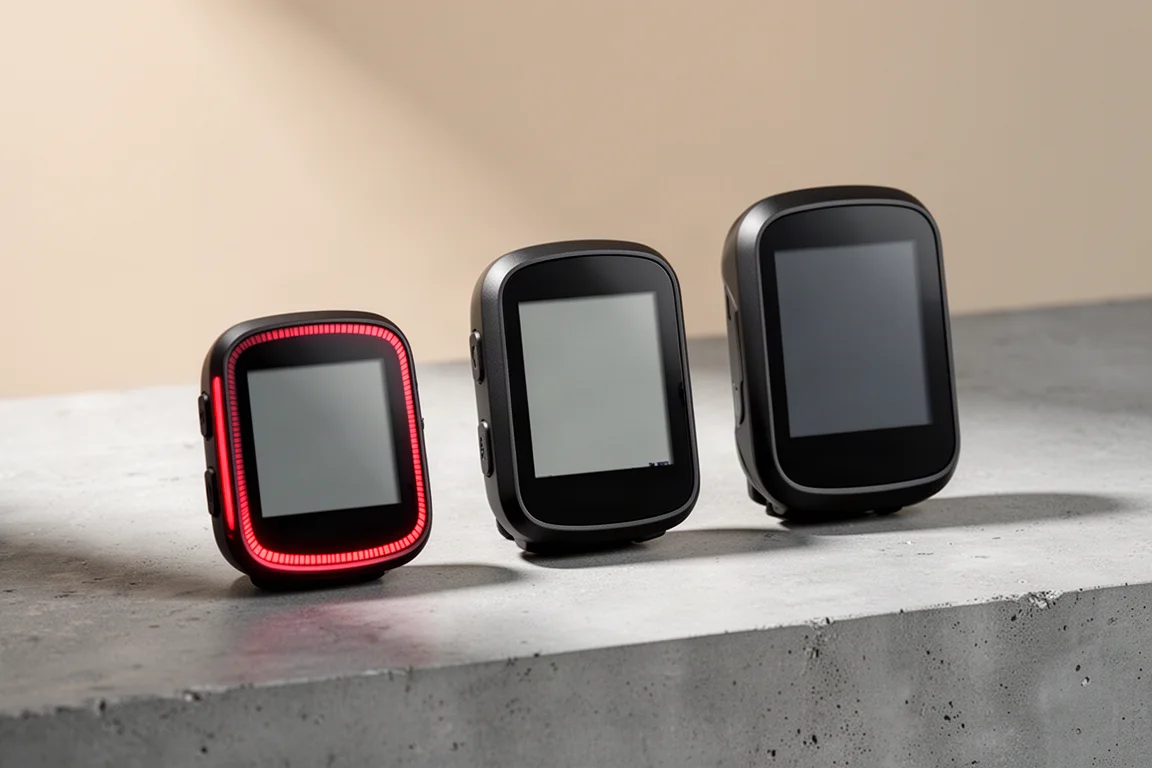
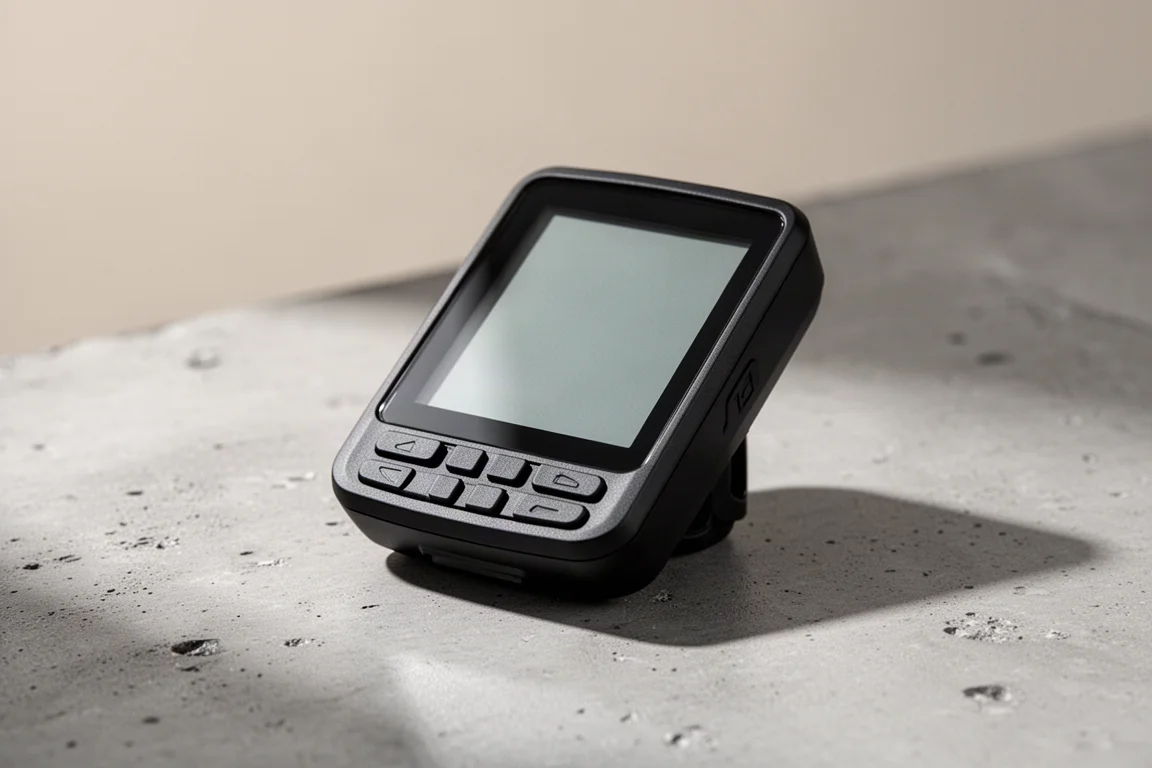
Both the Edge 540 and Edge 840 are identical in case size and slightly chunkier than previous generations. The Edge 840 uses a touchscreen display, while the Edge 540 sticks to buttons only. Notably, both units now share the same button layout, whereas in the past the button-only and touchscreen models used different designs.
Solar Versions: Useful, But Not Game-Changing
Each model is available in a solar variant. The solar feature works in two parts: a red solar section along the outside edge of the unit operating at 100% photovoltaic level, plus the entire display acting as a solar panel at 15% photovoltaic level. A dedicated data page shows solar gains as you ride.
In practice, the gains are modest. Over a four-hour ride, roughly 26 minutes of battery life can be gained, but the unit still burns through the other three and a half hours, roughly 6% of the battery. Topping an Edge 840 Solar from 1-2% up to 11% took about seven to eight minutes of sunlight exposure. If you ride long hours in bright sun, the solar option can add a useful buffer. For most riders, though, it is a nice-to-have rather than a reason to upgrade.
Multi-Band GPS: The Accuracy Upgrade That Matters Most
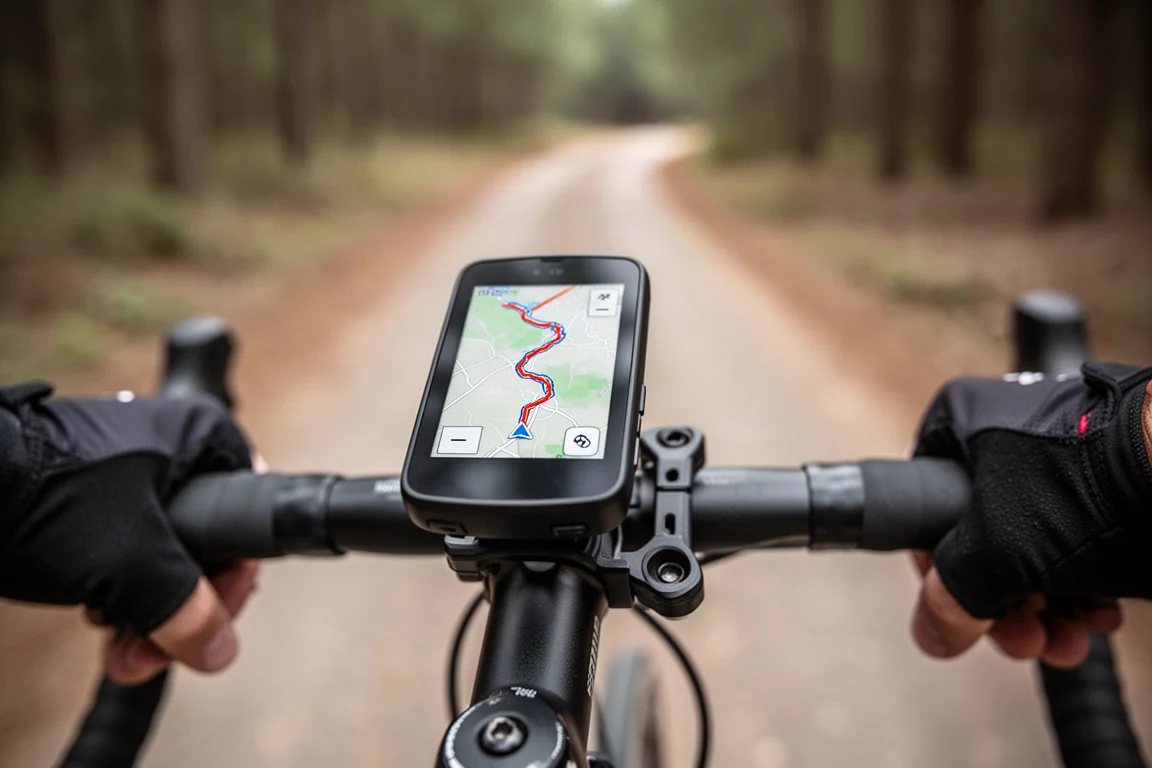
The more meaningful hardware change is multi-band GPS, also known as dual-frequency GPS. This is currently the highest level of GPS accuracy available in the consumer market, and in testing it tracks closely to the performance of the Edge 1040, which set that benchmark the previous summer. If accurate route tracing matters to you, this feature is the strongest argument for the current generation.
Battery life claims also hold up well. Real-world testing has generally exceeded Garmin’s published figures, with the stated battery charts proving more conservative than actual results.
Climb Pro Without a Course: The Standout Software Feature
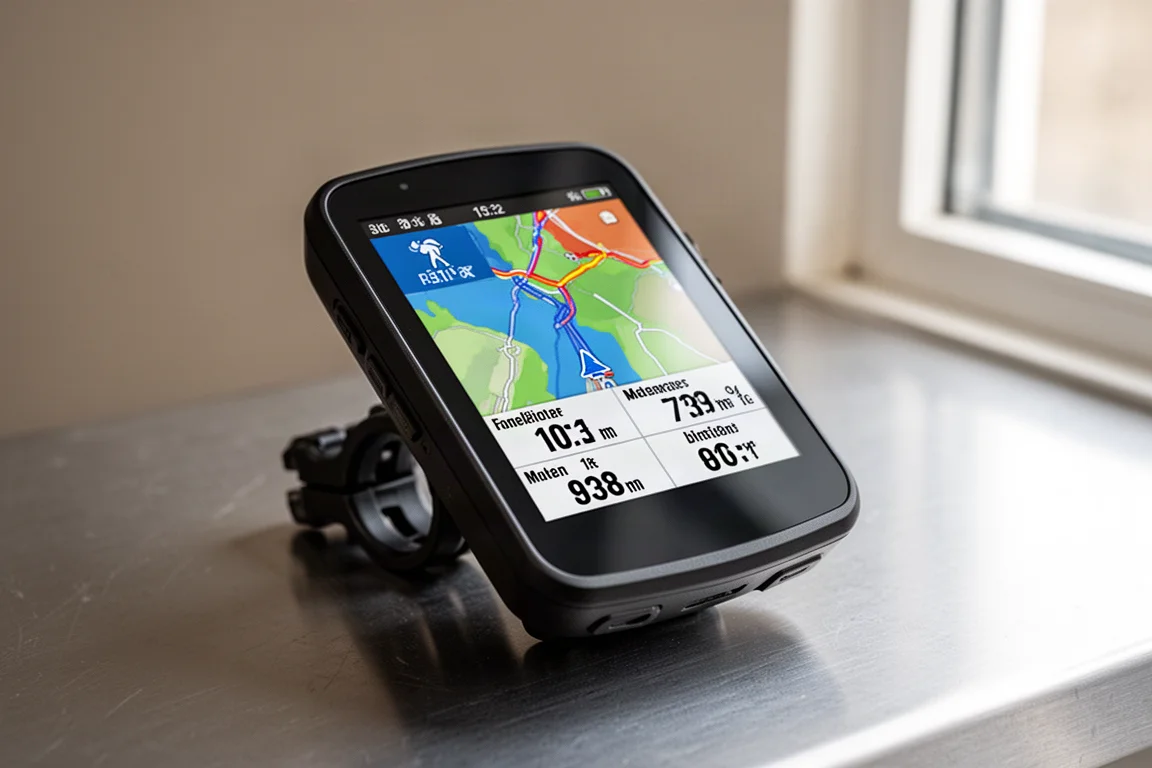
The biggest software addition is the free-ride Climb Pro mode. In the past, Climb Pro required a preloaded course to show remaining distance and total elevation gain for a climb ahead. Now it detects climbs automatically as you ride, showing the ascent, remaining distance, and total elevation you have to get through until the top.
It works well as long as the road has a single endpoint. When a route splits, the unit uses heatmaps and popularity routing to guess which way you will go, and it makes the right call most of the time. Roughly one in five rides, though, it ends the climb early if you take a different turn.
Training Features Across the Lineup
All three units carry the same training-focused software. The home screen includes Trending Status 2.0, acute load tracking, and a cyclist ability assessment that identifies your strengths and weaknesses as a rider.
Add an event or race to your calendar and the unit builds out a complete training plan, organized into base, build, peak, and taper phases, followed by a recovery phase. You get specific workouts for every day, and if you pair a Garmin wearable, the schedule adapts automatically when you sleep poorly or travel, such as taking a red-eye flight.
Power Guide, carried over from the Edge 1040, generates power targets based on the elevation profile of a loaded course and the finish time you want. Think of it as a simplified take on dedicated pacing tools, giving you targets for each segment, including tricky terrain like cobblestone sections.
The user interface across all three mirrors that of the Edge 1040 and works very well on the touchscreen Edge 840. On the button-only Edge 540, it is easy to use before and after a ride, but digging into menus mid-ride with buttons feels cumbersome. The interface appears designed primarily for touch, and the button adaptation has not fully caught up yet, though software updates could refine this over time.
Garmin Edge 540: The Button-Only Value Pick
The Edge 540 keeps the traditional button control scheme, which some riders still prefer, especially with gloves or in heavy rain. It has 16GB of storage, which matters now because maps are considerably larger. With 16GB, you can fit only one region at a time, such as all of North America or all of Europe but not both. One region comes preloaded, and additional regions can be downloaded and swapped for free.
It also lacks on-device address search, so you cannot type in a specific street address for routing, and structured workouts must be built on your phone or computer and then synced over. Trailforks mountain biking maps are supported but need to be activated manually. It costs $100 less than the equivalent Edge 840, solar or non-solar.
Garmin Edge 840: The Sweet Spot
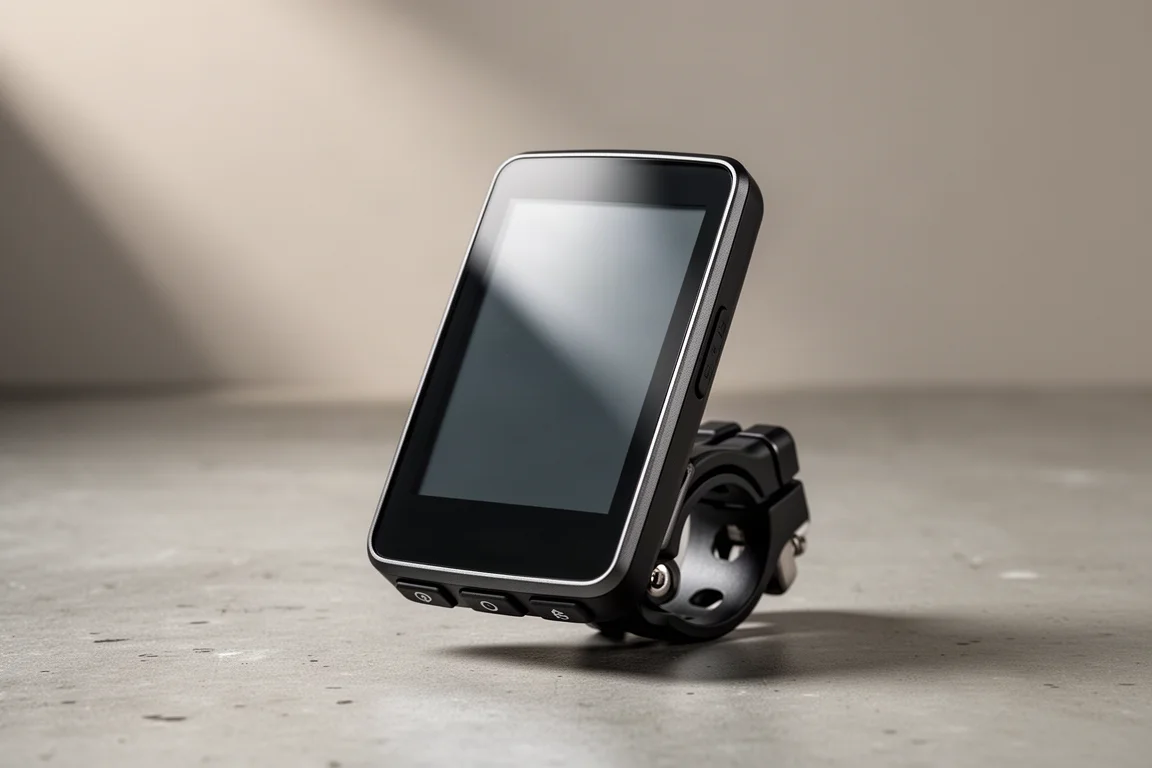
The Edge 840 is the touchscreen model, and it is the easiest of the pair to live with day to day given how the new interface is designed. Beyond the display, there are seven concrete differences over the Edge 540: the touchscreen, 32GB of storage (enough for two map regions), two regions preloaded, on-device address search, preactivated Trailforks maps, on-device structured workout building, and a $100 higher price.
That 32GB of storage matters more than it sounds, because larger maps now include the on-demand Climb Pro data. The Edge 840 also inherits Power Guide and the full training suite, making it the most complete package at its price point.
Garmin Edge 1040: The Big-Screen Option
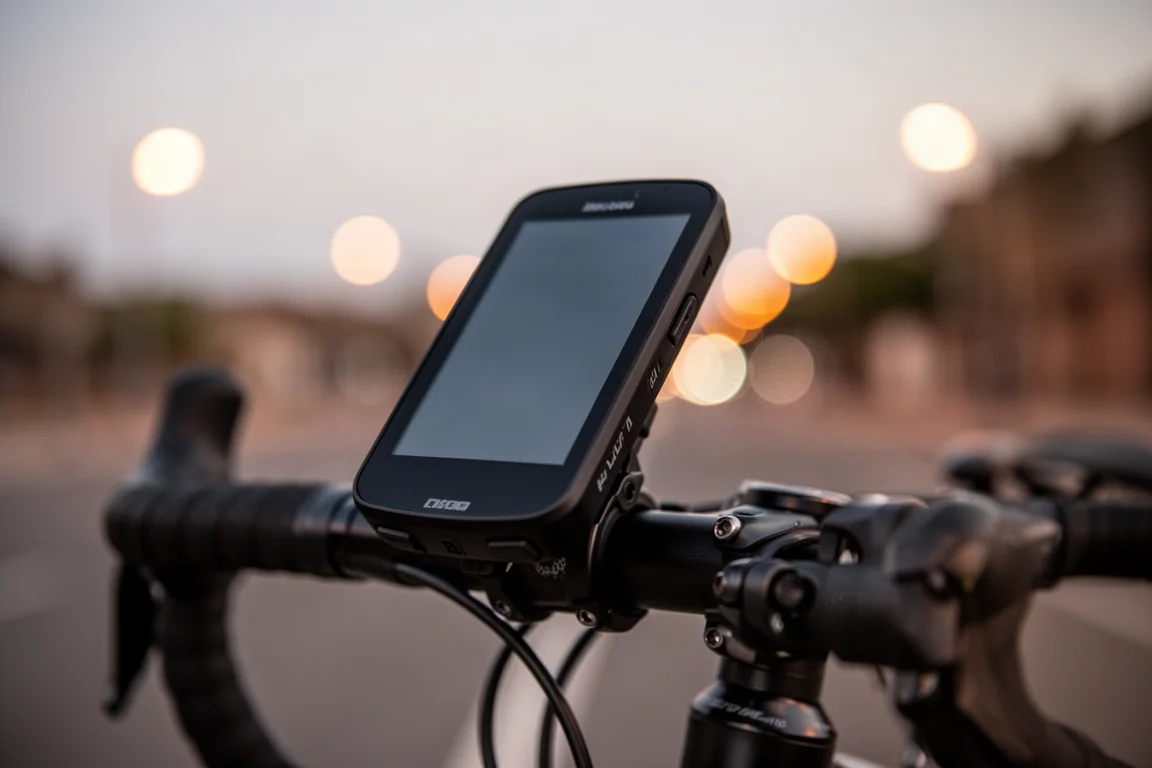
Compared to the Edge 840, the Edge 1040 differs in hardware only. Feature for feature, the Edge 840 and Edge 1040 become identical once the Edge 1040 receives the matching firmware update. What you pay extra for is a bigger display, 64GB of storage, a physically larger unit, and longer battery life. For riders who want maximum screen real estate and endurance, it remains the flagship choice.
Which One Should You Buy
For most riders, the Edge 840 is the sweet spot right now. The touchscreen makes the new interface far easier to use, and the extra storage and on-device tools justify the premium over the 540. Historically, the button-only 5x series was the go-to recommendation, but the button experience on the 540 is not quite as polished under the new UI as it could be, so the touchscreen earns its place.
If you want a larger screen and longer battery life and your budget allows, the Edge 1040 is an excellent unit that has proven itself over a full year of use. If you are set on buttons and want to save $100, the Edge 540 still delivers the same core features, just with more storage constraints and fewer on-device conveniences.
Conclusion
The Garmin Edge 540, 840, and 1040 all share multi-band GPS, solar options, adaptive training plans, and free-ride Climb Pro. Your decision comes down to interface preference, screen size, and budget: the 840 hits the balance for most cyclists, the 1040 serves those who want the biggest and longest-lasting unit, and the 540 remains the entry point for button purists.
Further reading
Related Reviews
Cycling Tech
Best Cycling Tech: Nine Standout Products Worth Considering
Nine pieces of cycling kit that earned their place through long-term use, from a keenly priced World Tour race bike to a multi-tool that has survived two years of hard riding.
Cycling Tech
Best Pro Peloton Bikes and Components 2023: 8 Standout Upgrades
A roundup of the most technically interesting pro peloton bikes and components for 2023, from the Cannondale SuperSix EVO to Shimano Dura-Ace and Continental GP5000 S TR tires.
Cycling Tech
Bike Tech Roundup: Five Standout Upgrades Worth a Closer Look
A four-season tubeless tire, a featherweight climbing wheelset, a hangar-free drivetrain and two pairs of gravel shoes, assessed on the details that matter.