Cycling Tech
Garmin Edge 1050 vs Edge 1040: Which Flagship Bike Computer Makes Sense?
Garmin's new Edge 1050 brings a brighter smartphone-like display, a full speaker, and a faster processor. Here is how it stacks up against the Edge 1040.
Introduction
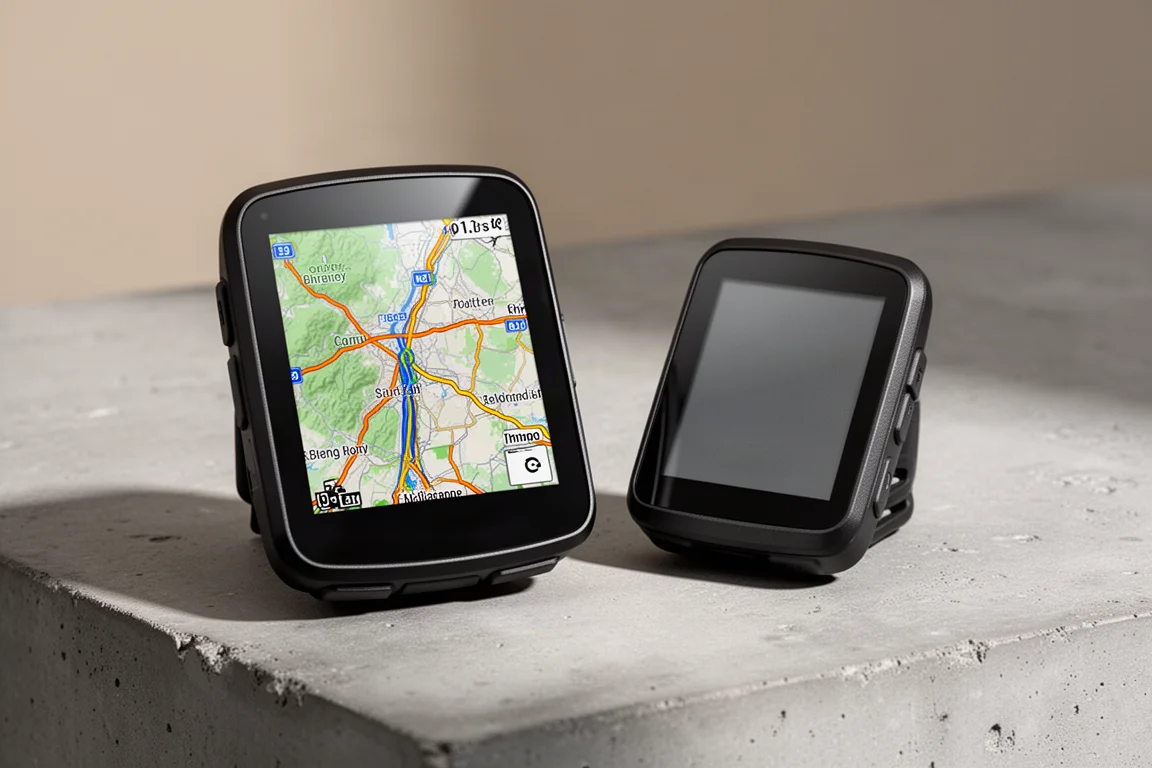
Garmin’s new Edge 1050 is the company’s newest flagship bike computer, and the easiest way to think about it is as a more premium companion to the Edge 1040. The headline change is a bright, smartphone-like display, but there is also a full speaker, a new processor, and a significantly revamped interface. Alongside the hardware, Garmin is rolling out new software features to other Edge units too, including enhanced group ride functionality, crowdsourced hazard reporting, and easier route sharing.
Pricing matters here: the Edge 1050 comes in at $699, which is $100 more than the Edge 1040 and actually $50 less than the Edge 1040 Solar at current prices. That puts the 1050 squarely alongside the 1040 family, so the real question is which one fits your riding best.
Garmin Edge 1050: The Bright New Flagship
The big highlight of the Edge 1050 is its new 3.5-inch LCD display with 480x800 pixels and a claimed 1,000 nits of brightness, which puts it roughly at full smartphone brightness. Garmin chose a transmissive LCD over OLED primarily because transmissive panels are more durable and less susceptible to screen burn-in. In practice, outdoor visibility is excellent, and an ambient light sensor adjusts the backlight automatically.
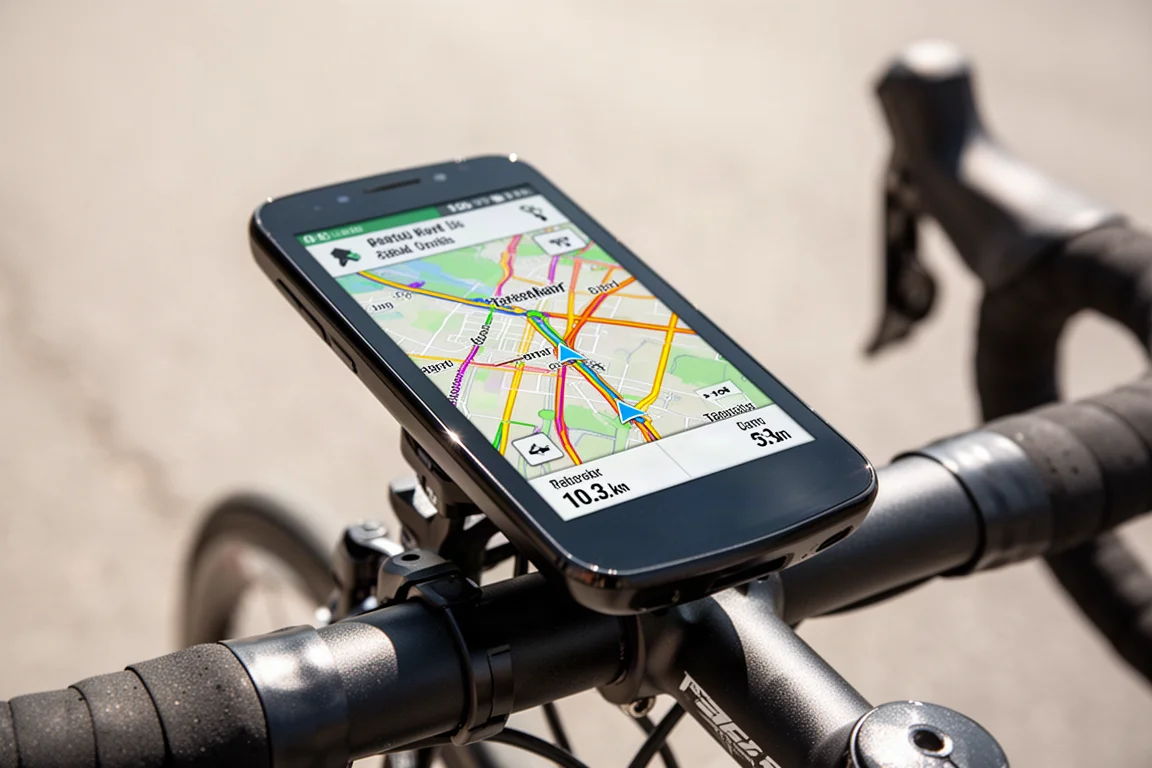
The extra pixels and colors show up most clearly on the maps, which carry noticeably more detail than on the 1040. The trade-offs: the display has a glossy finish that can be harder to see at some off angles, and in direct sunlight the 1040’s transflective screen may still look marginally better.
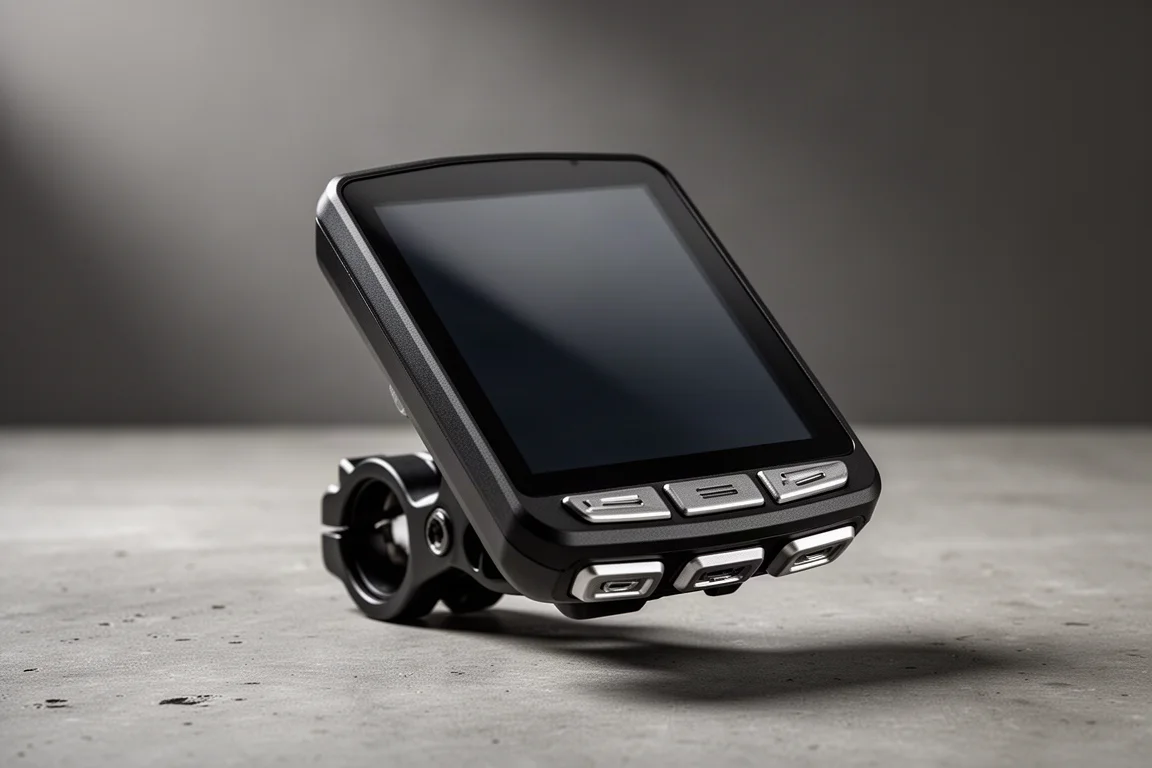
The 1050 is slightly taller and thicker than the 1040 to accommodate a bigger battery for the power-hungry display, and it is heavier too: around 160g versus 133g for the Edge 1040 Solar. Controls combine three physical buttons with the touchscreen. Unlike the Edge 840, which lets you choose freely between buttons and touch, the 1050 leans on the touchscreen more. It works decently with light gloves and some moisture, but ghost taps can occur in heavy rain, and heavier gloves are a no-go.
Battery Life and Real-World Performance
Garmin advertises between 20 hours in the most demanding conditions and up to 60 hours depending on settings. In testing with dual-frequency satellite mode, auto brightness, a power meter, a heart rate monitor, and route navigation, rides landed right around the 20-hour mark in very bright conditions.
With more sensors paired, including a heart rate monitor, power meter, radar, and electronic shifting, a 2.5-hour ride went from 95% to 81% remaining, slightly under expectations, though heavy interface use and screen recording likely contributed. Treat these as worst-case numbers. Battery management features can stretch runtime toward that 60-hour figure, and Garmin’s Auto Select satellite mode, which switches between dual-band and single-band automatically, works well and saves battery.
For multi-day rides, the 1040 or 1040 Solar remains the better bet if battery life matters more than display brightness. On heat, a 2.5-hour ride in 95-plus degree heat gave no overheating issues. GPS accuracy on the multi-band chipset was faultless over three weeks of testing, with distances, elevation, and tracks all looking solid.
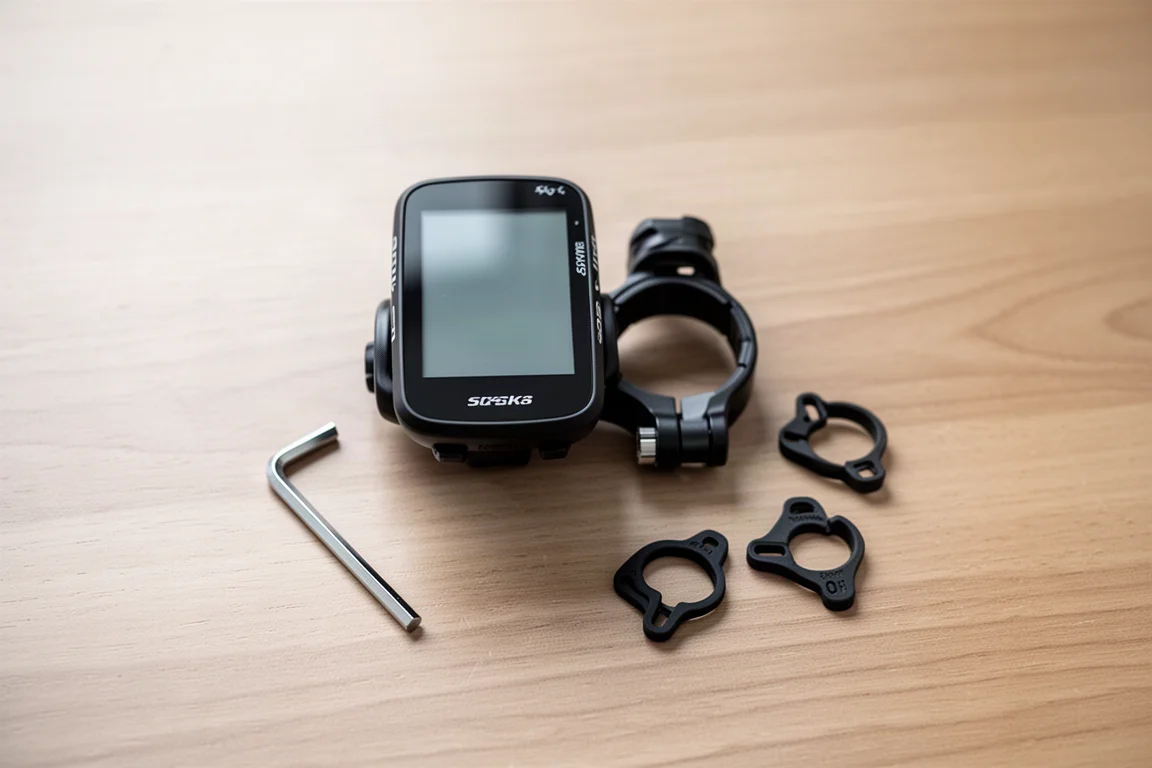
One practical change: the 1050 uses a replaceable plastic quarter-turn mount like the Edge 840 and 540 rather than the 1040’s all-metal mount, with replacements costing around $10. The mount position has also shifted slightly forward for weight distribution, which means some existing third-party mounts may not fit, though K-Edge is making compatible mounts.
The Revamped Interface and Speaker
The 1050’s interface has been reworked to exploit all those pixels and colors. The home screen uses larger cards with an odometer per ride profile, a section that cycles through daily training suggestions, your last ride, and your last course, plus shortcuts to training, navigation, and the main menu. The widget glances from the 1040 still exist, just hidden below the home screen behind an upward swipe, which is not immediately obvious even with the new on-device tutorials.
New interactive elements include a resizable Climb Pro popup, much easier real-time data page customization, and a controls menu with tappable page icons instead of arrows. The new processor makes the whole interface dramatically faster than the 1040: panning and zooming maps feels near-instant, with very little delay. Note that this revamped interface is exclusive to the 1050; the 1040 will not receive it.
The other hardware addition is a full speaker replacing the 1040’s beeper. It handles startup sounds, alerts, radar warnings, and full voice prompts for navigation and workouts, and it gets genuinely loud. That speaker enables a surprisingly useful digital bell: tap the screen during a ride and hit the bell icon, and it gets people’s attention. It can also be mapped to Ant+ devices like Shimano blips or a Garmin Edge remote. One nitpick: the alert tones could be a bit louder relative to the bell.
Group Ride, Safety, and Sharing Features
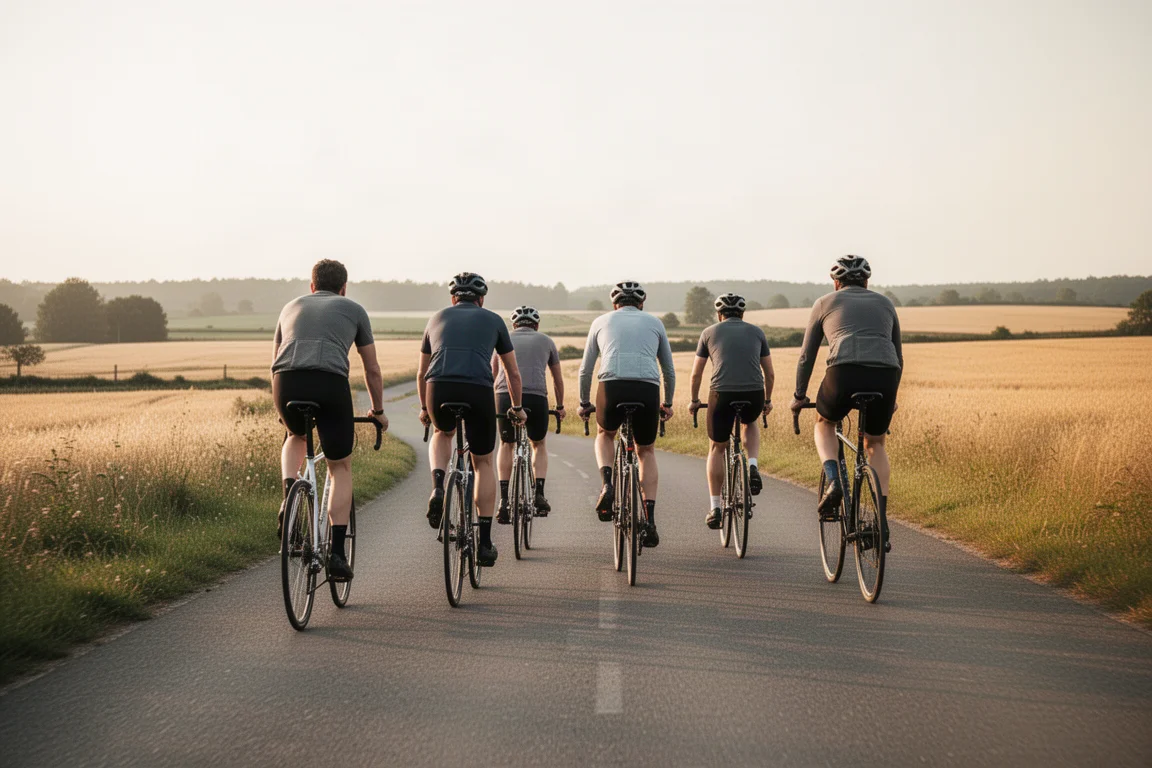
The group ride feature extends LiveTrack to a group, letting you see where other riders are during a ride. New additions include in-ride segment challenges with Climb Pro, so you can track group members’ positions on climbs, plus post-ride awards based on performance. Because it relies on your phone’s cell signal, positioning updates roughly every 10 to 15 seconds, and delays of 30 to 45 seconds were observed, so this is not a live racing tool. Incident detection is integrated too, alerting the whole group with the affected rider’s location.
Road hazard alerts are crowdsourced from compatible Garmin devices. Reporting is as simple as tapping the screen and choosing a hazard type, and approaching riders get an alert with distance. When you reach the hazard, the device asks whether it is still there, and enough down-votes eventually remove it from the database. Updates arrived anywhere from 15 to 20 seconds to around a minute in testing, depending on phone connection.
New Garmin Share functionality lets you quickly send routes, workouts, or locations between compatible Edge 840, 540, 1040, and 1050 units. The 1050 also gains Wi-Fi map management and Garmin Pay contactless payments, plus 64 GB of storage for maps. Smaller refinements include road surface change alerts and improved gradient responsiveness, though the 1050 was occasionally a touch slow to register when a steep gradient leveled off. A minor bug saw high-traffic road alerts arriving late, sometimes mid-intersection, which was reported during testing.
Should You Switch from the Edge 1040?
The decision mostly comes down to display preference, which also translates into battery life. The 1050 offers the brighter, more detailed screen, the speaker and bell, and a much faster processor with a nicer interface. The 1040 counters with longer battery life, a slightly better screen in direct sunlight, and a lighter body.
What makes the choice less clear-cut is that the 1040 will receive nearly all the new software features except the revamped interface. Both units do roughly 90 to 95% of the same things, so there is no urgent need to upgrade from a 1040 unless the display, speed, and speaker genuinely appeal to you.
View more details for Garmin Edge 1040
Conclusion
The Garmin Edge 1050 is a meaningful step up in display quality, responsiveness, and everyday polish, and for riders who want the most modern Edge experience, it justifies its $699 price. The Edge 1040 remains the smarter pick for multi-day battery life and value, especially since it inherits most of the new software features. Choose the 1050 for the screen and speed; choose the 1040 for endurance and savings.
Further reading
Related Reviews
Cycling Tech
Best Cycling Tech: Nine Standout Products Worth Considering
Nine pieces of cycling kit that earned their place through long-term use, from a keenly priced World Tour race bike to a multi-tool that has survived two years of hard riding.
Cycling Tech
Best Pro Peloton Bikes and Components 2023: 8 Standout Upgrades
A roundup of the most technically interesting pro peloton bikes and components for 2023, from the Cannondale SuperSix EVO to Shimano Dura-Ace and Continental GP5000 S TR tires.
Cycling Tech
Bike Tech Roundup: Five Standout Upgrades Worth a Closer Look
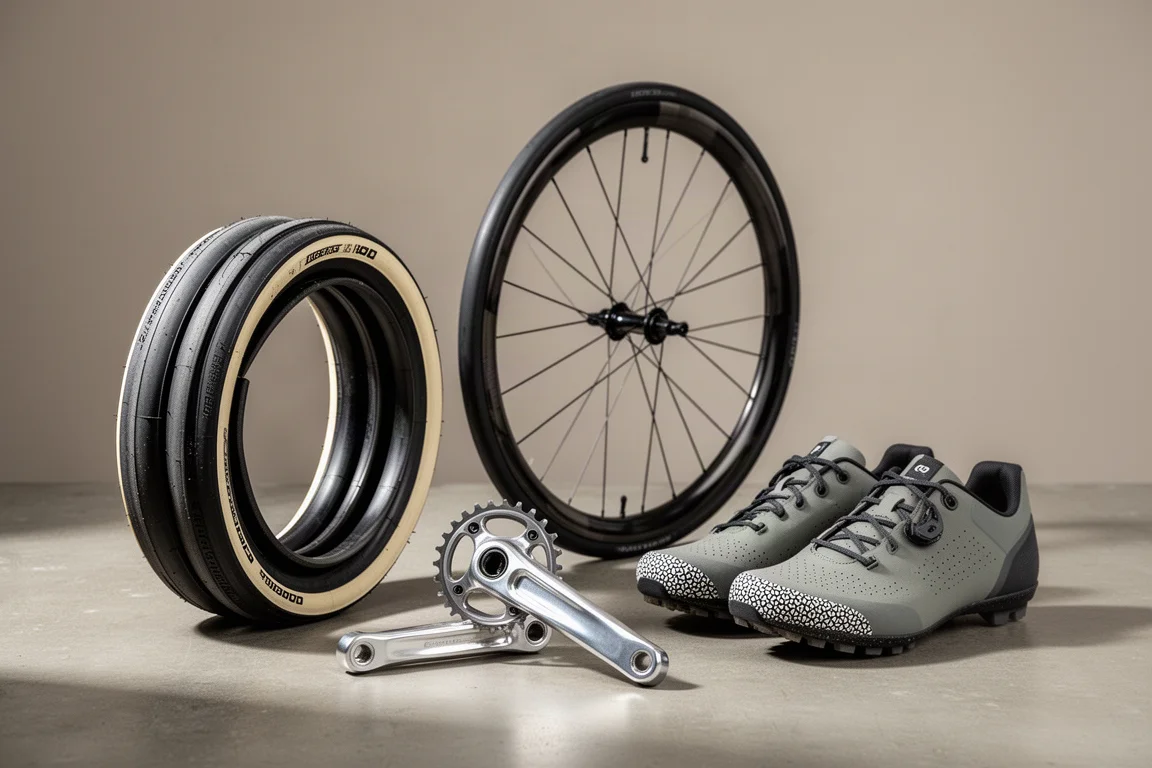
A four-season tubeless tire, a featherweight climbing wheelset, a hangar-free drivetrain and two pairs of gravel shoes, assessed on the details that matter.