Cycling Computers
Garmin Edge 1050 Review: Is a Premium Cycling Computer Worth It?
A close look at the Garmin Edge 1050, from its brighter screen and claimed 20-hour battery life to its navigation accuracy and cycling-specific data tools.
Introduction
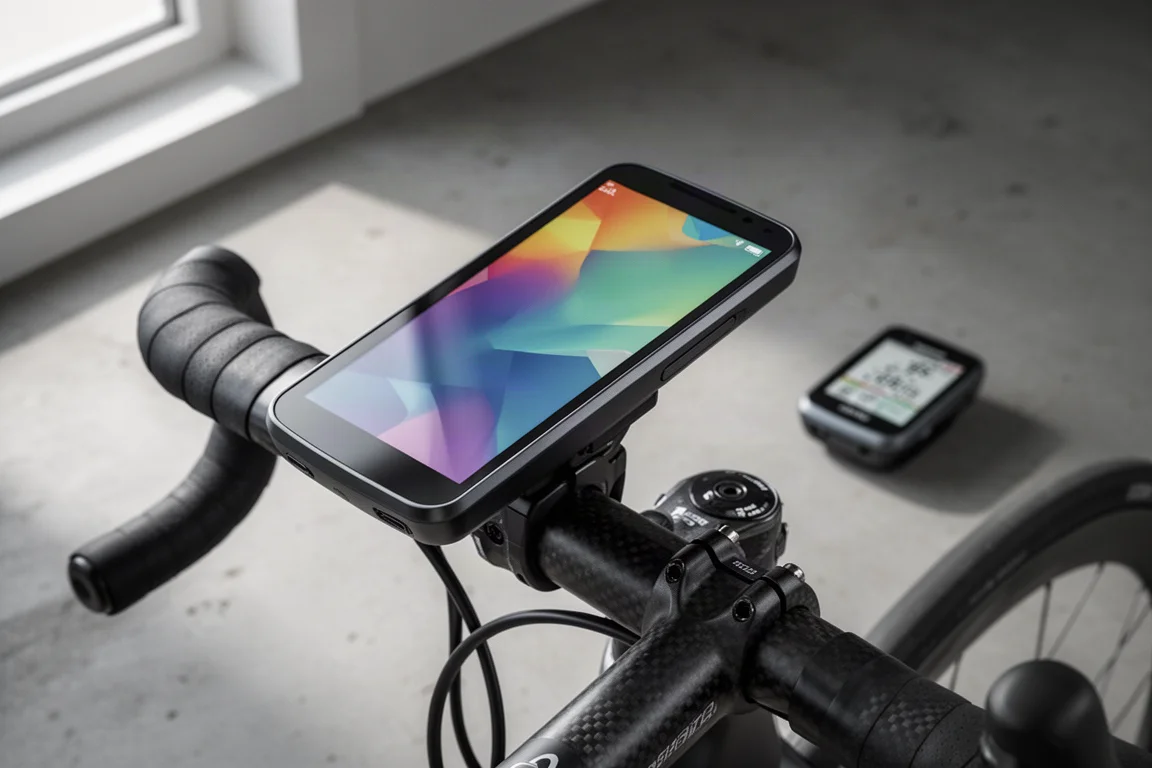
The Garmin Edge 1050 sits at the top of the brand’s cycling computer range, and at around $700 it invites an obvious question. Most riders already carry a phone that can record a ride, show a map, and upload to Strava, so what does a dedicated bike computer add?
The honest answer is that the two devices are good at different things. The Edge 1050 earns its price on long rides, where accuracy, battery life, and cycling-specific data matter. For short spins around town, a phone remains a perfectly reasonable tool. This review breaks down where the Edge 1050 clearly wins, and where it is worth pausing before you buy.
Who the Garmin Edge 1050 Is For
The Edge 1050 is aimed at riders who spend real time on the bike. If your rides regularly run beyond an hour, the case for a dedicated computer becomes strong: the GPS and elevation tracking are noticeably better than a phone’s, the battery lasts longer, and the cycling-specific functions go well beyond basic distance and speed.
It is also the natural choice for riders who care about pacing their efforts on climbs, following a route with proper turn guidance, or reviewing detailed metrics after a ride. The Edge 1050 is designed to make that information easy to read at a glance while you are moving.
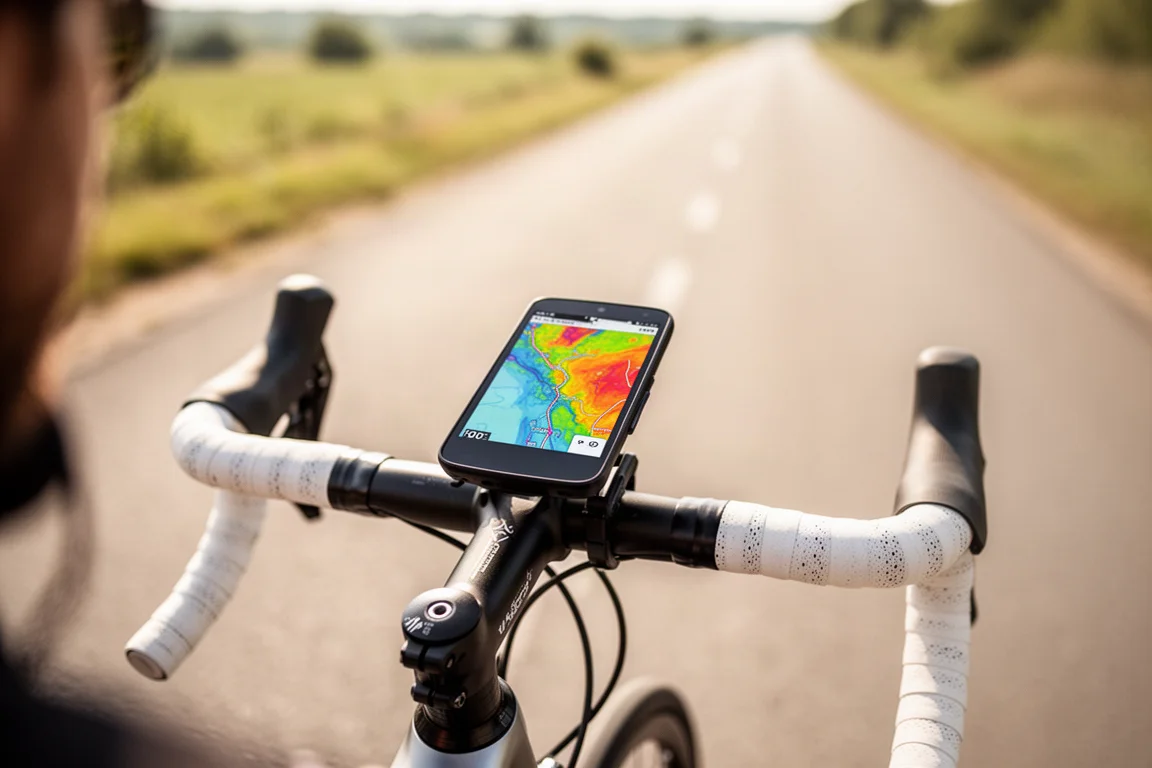
For riders who are new to cycling, or who mainly take short rides and simply want to log them afterwards, the picture is different. A phone is genuinely good enough for that job, and the extra spend is hard to justify on a thirty-minute loop.
Main Strengths: Screen, Battery Life, and Build
The display is smaller than a modern smartphone’s, and the bezels around it are noticeably thick. That is partly a functional choice, since the housing has to accommodate the GPS antenna bands. Resolution is also lower than a phone’s, though for showing ride data and maps it is as sharp as it needs to be.
Where the Edge 1050 pulls ahead is brightness. In normal use it is a little brighter than a typical phone screen, which makes it easier to read in direct sunlight, exactly the condition most rides happen in. Storage comes in at 64GB, half of what many phones offer, but more than enough for the map data navigation requires.
Battery life is the headline. Garmin claims around 20 hours of demanding use, and the company has pushed a larger battery into this model to serve the brighter screen and a more powerful processor. By comparison, the older Edge 840 manages roughly two weeks or about 16 hours on a single charge in regular use. For most riders that means several rides between charges and no range anxiety on a long day out.
Ride Accuracy and Navigation Performance
Accuracy is where the gap between a phone and a dedicated computer becomes obvious. On a test ride covering a built-up area, open road, and tree-covered paths, the Edge 1050 tracked the route almost perfectly, while the phone’s trace wandered noticeably. If elevation data matters to you, the computer is the clear choice.
Navigation is the other strength. Following a route on the Edge 1050 gives proper turn guidance rather than the breadcrumb trail you get from most phone apps, which makes it far more usable for unfamiliar roads. Using a phone for mapping is easy and familiar, and it remains a fine option for navigating across town, but for anything longer or more complex the dedicated unit is the more dependable tool.
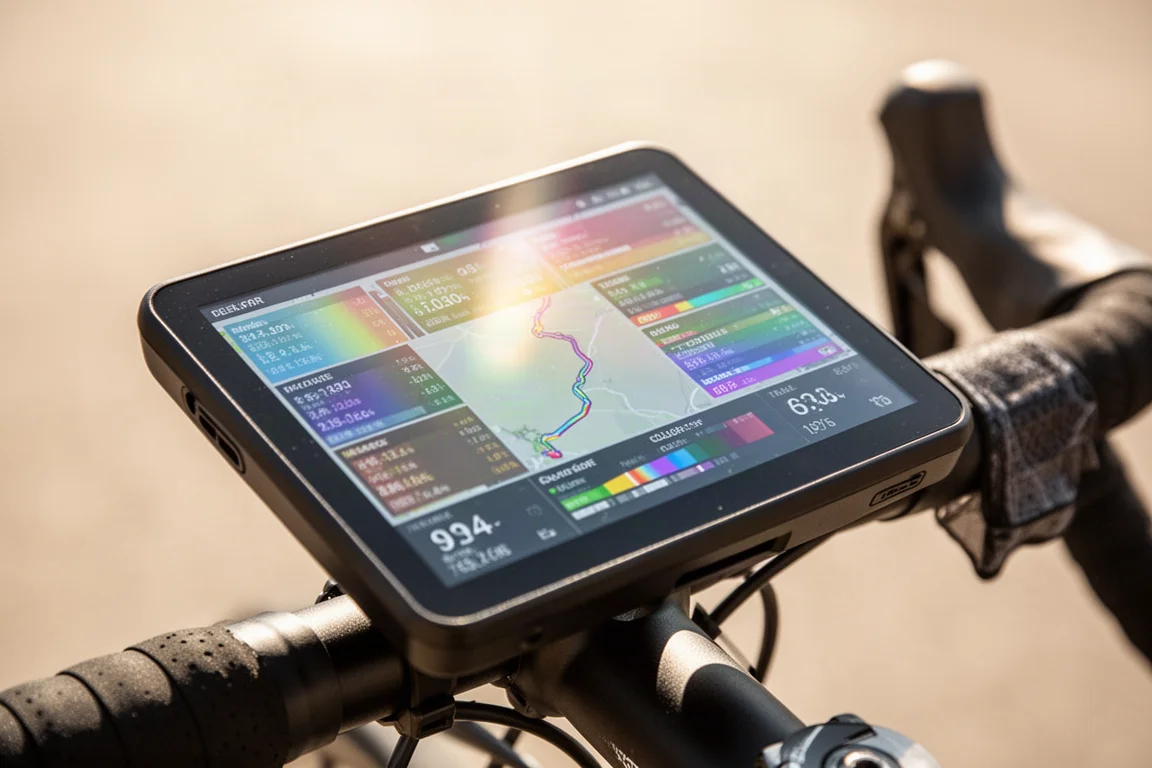
It is worth being realistic about what the phone can do. Apps such as Strava will record a ride, connect to a heart rate monitor, and follow a route if you pay for premium, though sensor support is limited and route following is basic. Cyclemeter offers deep customisation and a wide range of metrics for a small annual fee, and the free tier of Ride with GPS is genuinely strong for route planning. All of them work, and all of them drain the battery quickly.
Cycling-Specific Features That Add Context
This is the area where a phone simply cannot compete without a paid subscription, and often not even then. The Edge 1050 carries a broad set of cycling-specific metrics and data pages, from detailed ride analysis to features that shape how you ride in the moment.
ClimbPro is the standout. When the road tilts upward, it shows the length of the climb and its key statistics, which makes it much easier to pace an effort instead of going too hard at the base. Strava Live segments add another layer for riders who train against their own times.
Group ride features and hazard notifications, including pothole alerts, are exclusive to this model for now. That is a meaningful caveat: the value of a shared hazard map depends on how many other riders are using it, so these features will take time to become genuinely useful. There is also a practical limit, since a steady stream of pothole alerts could become distracting rather than helpful on a relaxed ride.
Things to Consider Before Buying
Battery behaviour is the first thing to think through. Tracking a ride with a phone is power-hungry: a thirty-minute spin consumed close to half the battery in testing on an older handset. Newer phones have larger batteries, but the extra processing power and larger display still draw more energy than a bike computer doing the same job.
The interface deserves a mention too. Garmin has made the Edge 1050 noticeably smoother than earlier cycling computers, and it is pleasant enough to use day to day, but it still does not match the fluidity of a modern phone. If a slick touchscreen experience is a priority, a bike computer will feel a step behind.
Finally, consider whether the newer features will actually reach you. Group ride and hazard tools depend on adoption, and their usefulness grows only as more riders carry compatible devices.
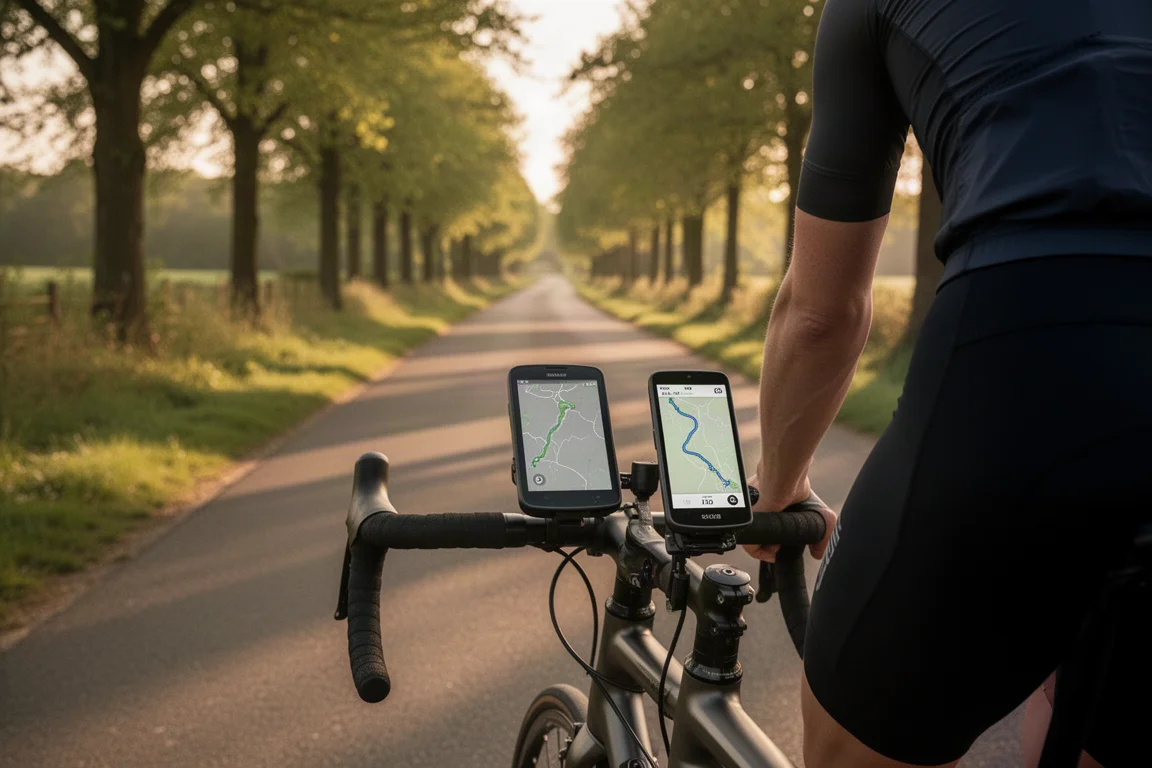
Set against those caveats, the practical trade-offs are modest. You are giving up a phone’s flexibility and app ecosystem in exchange for a device that is built to survive long days on the bike, read clearly in bright light, and keep recording when a phone would already be reaching for a charger.
Buying Advice: Computer or Phone?
The decision comes down to how you ride. If you are heading out for more than an hour, the Edge 1050 is the better tool: the GPS and elevation accuracy are clearly superior, the battery lasts far longer, and features like ClimbPro and Strava Live add real value to a training ride.
If your rides are shorter, or you are new to cycling and mainly want to log a route, a phone is the sensible choice. The computer in your pocket handles that job well, and there is no compelling reason to spend on a dedicated unit until your riding demands more.
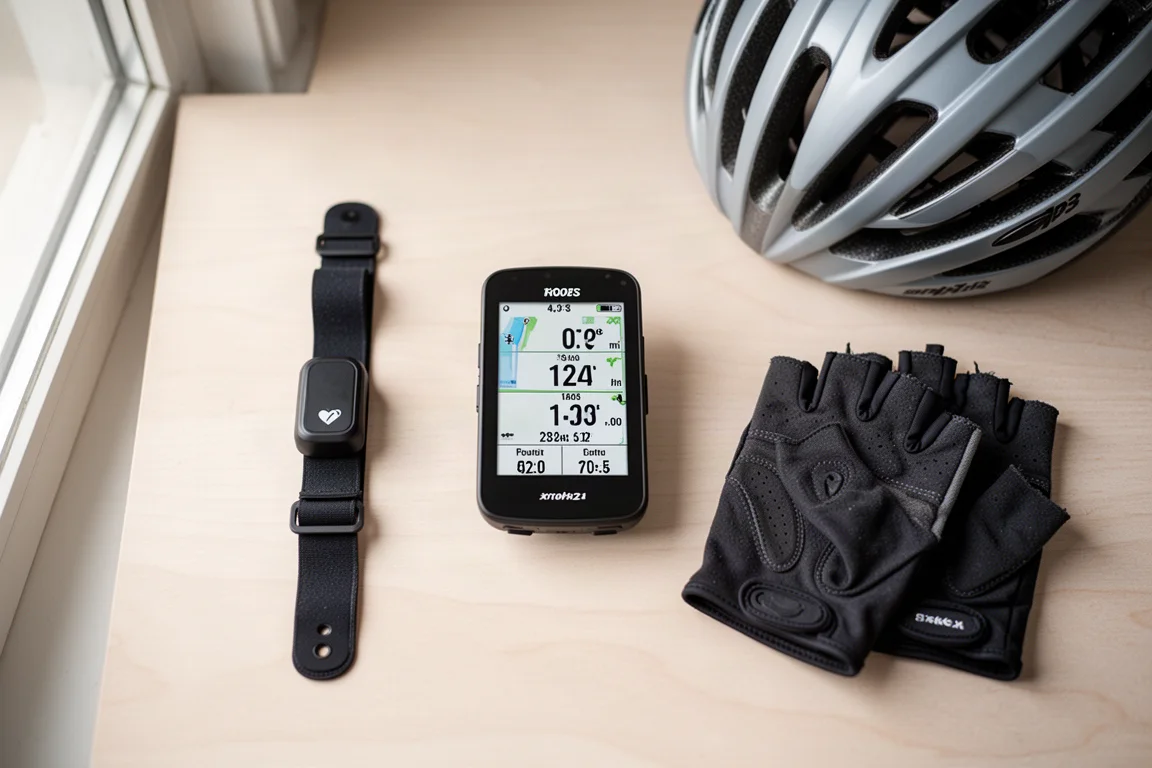
For riders on the fence, a useful rule is to look at your longest typical ride. Under an hour, stay with the phone. Consistently longer, and the case for a dedicated computer becomes difficult to argue with. The Edge 1050 is the most polished version of that argument Garmin has made, provided you value accuracy, battery life, and cycling-specific data over the flexibility of a phone.
Conclusion
The Garmin Edge 1050 is a premium device with a premium price, and it does not pretend to replace your phone. What it offers instead is dependable accuracy, a screen that stays readable in bright sun, battery life measured in long rides rather than hours, and a set of cycling features that phone apps cannot match without subscriptions and compromises. If your riding has outgrown casual ride logging, it is a genuinely capable companion. If it has not, your phone is still the smarter buy.
Product link
View more details for Garmin Edge 1050
This product is mentioned in the review. Check the specifications, options, and compatibility before buying.
View more details for Garmin Edge 1050Further reading
Related Reviews
Cycling Computers
Best Cycling Computers: 11 Options Compared
A practical look at 11 cycling computers, from the premium Garmin Edge 1050 to the budget Coros Dura, with strengths, trade-offs, and buying advice.
Cycling Computers
Best Cycling Computers 2026: 10 Head Units Across Every Price Point
A practical guide to ten cycling computers, from a $9.99 wired unit to solar-assisted flagship head units with colour mapping, sensor pairing and long battery life.
Cycling Computers
Best Cycling Computers Under £200: Seven Capable Head Units Compared
Seven cycling computers below £200 compared on navigation, sensor support, battery life and everyday value.