Cycling Computers
Garmin Edge 1040 Review: Solar Charging Comes to the Flagship Head Unit
A practical look at the Garmin Edge 1040 and Edge 1040 Solar, covering solar harvesting, multi-band positioning, storage, mapping and training features.
Introduction
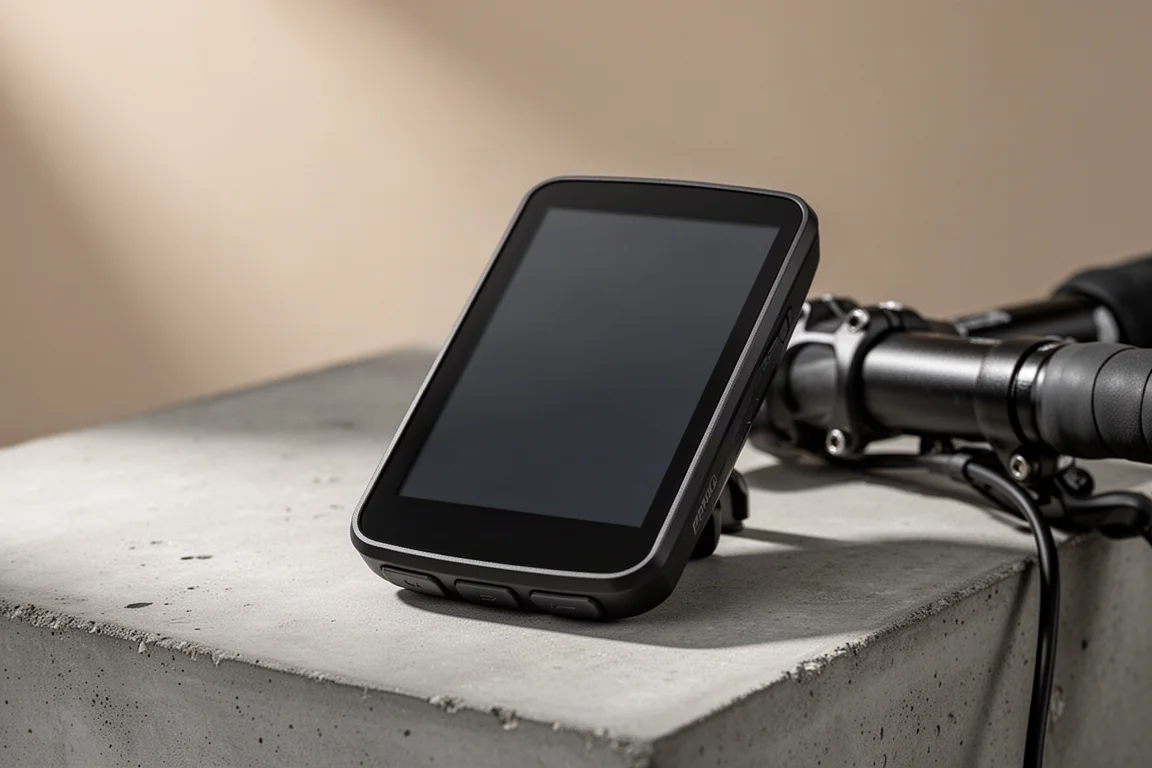
The Garmin Edge 1040 arrives as Garmin’s new flagship cycling head unit and the direct replacement for the Edge 1030, a computer that first appeared in 2017. Five years on, the update brings a larger feature set, more storage, and one genuinely new idea: the Edge 1040 Solar is the first Garmin head unit to build solar panels into the device itself.
That solar layer sits quietly behind the display and around the rim of the screen, and it changes how often you need to think about charging. Alongside it, the Edge 1040 adds multi-band positioning, expanded mapping, and a deeper set of training and stamina tools that lean on your riding history.
This article walks through what is new, how the two versions differ, and who each one suits.
What Changed From the Edge 1030
The most straightforward changes are the ones you can measure. Internal memory doubles across the range: the Edge 1040 carries 32 GB against the Edge 1030’s 16 GB, while the Edge 1040 Solar offers 64 GB against the 32 GB of the Edge 1030 Plus. Extra storage matters more than it first sounds once you start loading full regional maps and keeping years of ride files on the device.
The display measures 3.5 inches diagonally, and the whole unit has gained only about three grams over the Edge 1030, which is close to meaningless in the hand or on the bars.
Positioning is the other quiet upgrade. The Edge 1040 uses multi-band GNSS, which in practice means a stable signal under dense tree cover and among city buildings where older units tend to struggle.

Mapping has moved on too. Garmin’s worldwide mapping is on board, so route planning works wherever you happen to be riding, and the discipline-specific maps now cover both on-road and off-road use, with popular routes highlighted as you go.
Garmin Edge 1040: The Core Head Unit
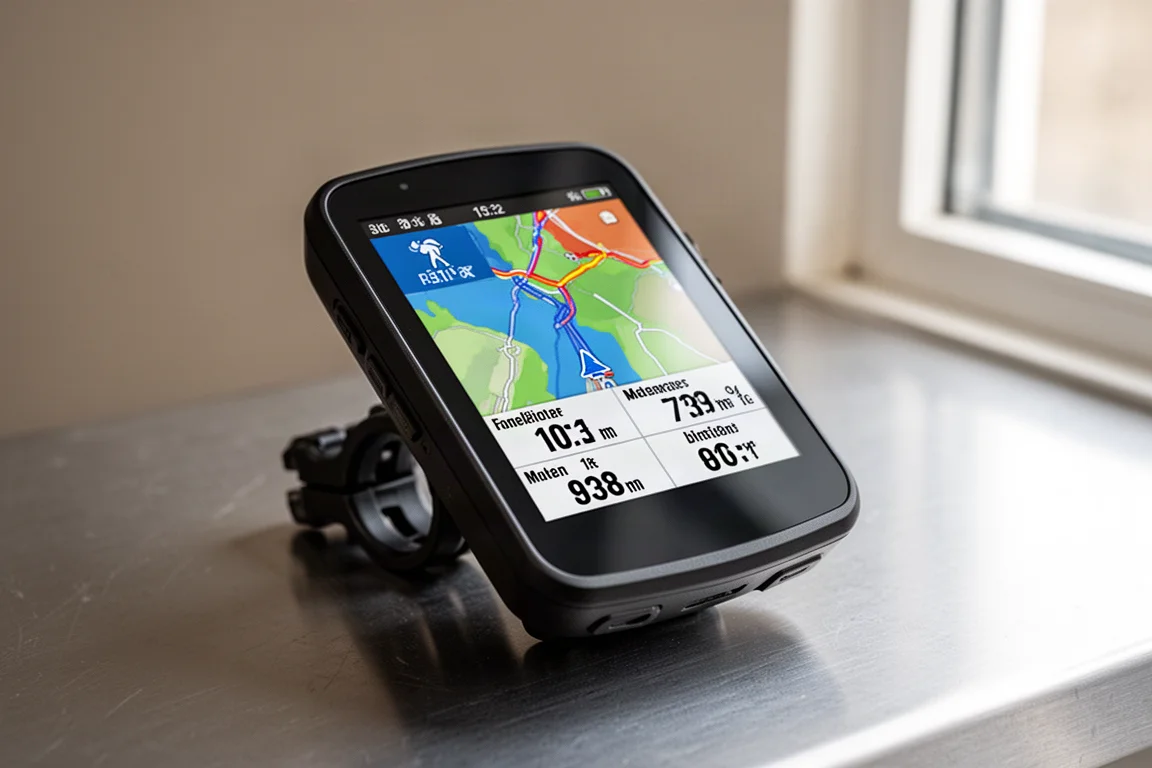
The standard Edge 1040 is the same computer without the solar layer. You get the 3.5-inch display, 32 GB of memory, multi-band GNSS, and the full mapping and training feature set. For riders who charge from a wall socket out of habit and rarely ride long enough to worry about battery life, this is the version that makes the most sense.
Garmin offers it in two ways. The head unit on its own suits riders who already own a heart rate strap, speed sensor, and cadence sensor. The bundle adds all three sensors, which is the simpler route if you are starting from nothing.
It is a large device, and that is deliberate. The screen is built to hold several data fields at once, and the value of that depends on how much information you actually want in front of you mid-ride.
Garmin Edge 1040 Solar: Solar Charging in Practice
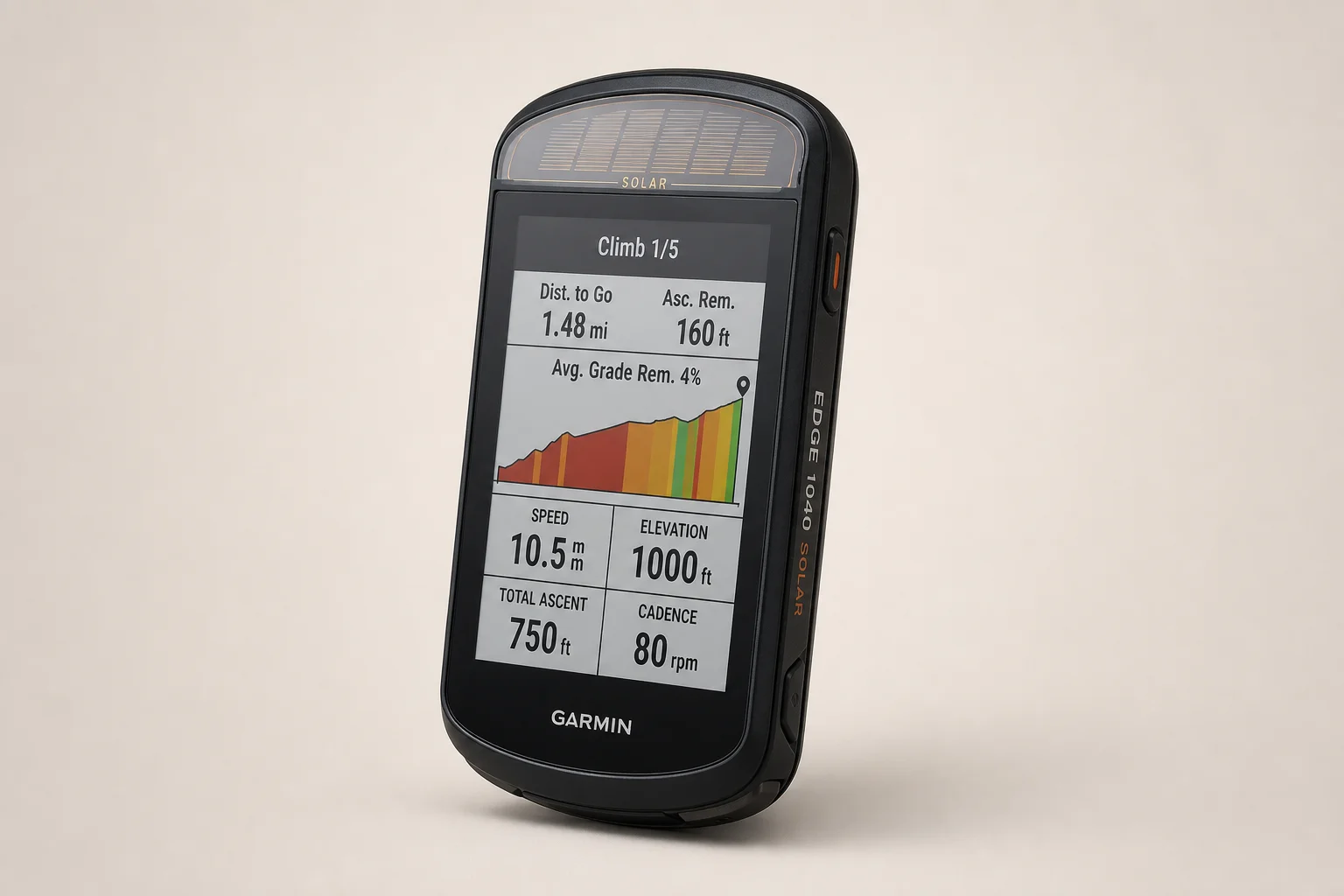
The solar implementation is the headline, and the clever part is where the panels sit. Garmin spread them across the display itself, where they capture roughly 10 percent of the light passing through, and around the entire rim of the screen, where they can capture up to 100 percent of the light that reaches them. The result is a panel you would not notice unless you looked for it.
The payoff is measured in riding time. For every hour out in normal daylight, the unit harvests roughly 20 minutes of additional power. That supports up to 45 hours of intensive use, with the backlight on, navigation running, and external devices connected. On a minimal setup, that figure stretches to around 100 hours.
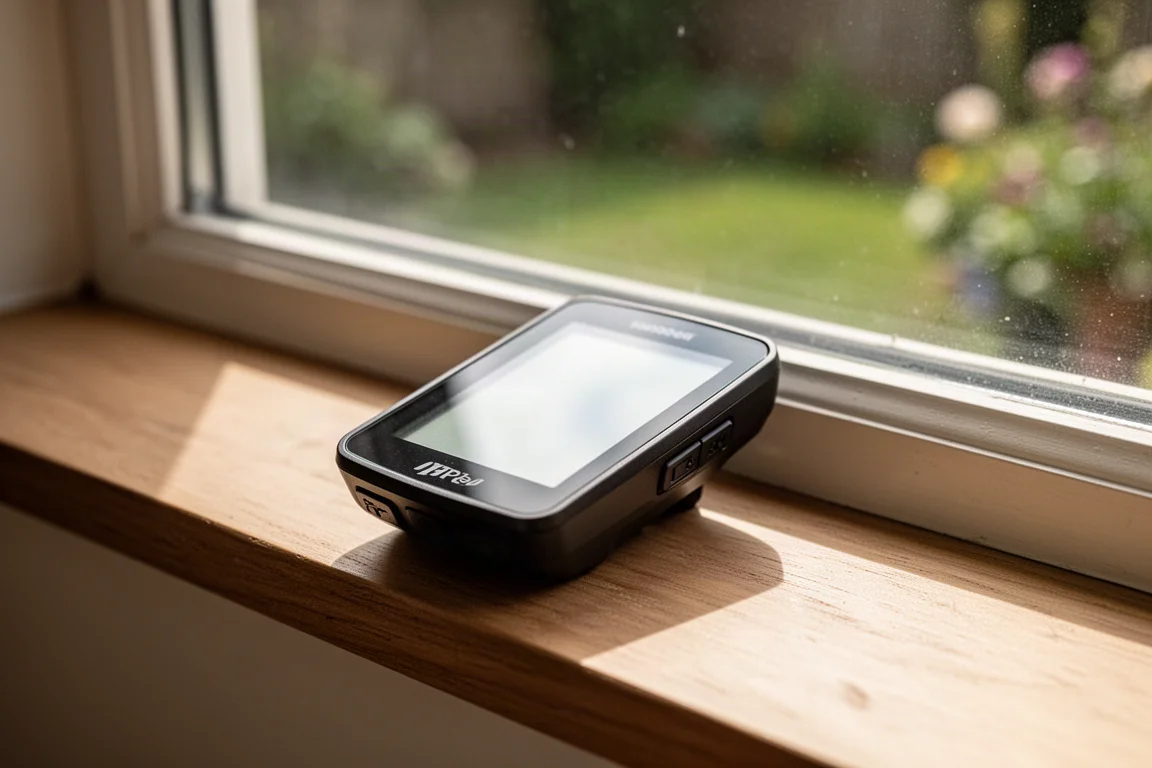
The detail that stands out most is what happens when the computer is switched off. The solar layer keeps working, so leaving the unit next to a window after a ride continues to top up the battery. Riders who do this consistently may go weeks or even months between proper charges, which removes the worry of running flat mid-ride.
The Solar version carries 64 GB of internal memory and is sold as a head unit only. It is priced above the standard model, and the premium is really a question of how much you value not thinking about a charging cable.
Setup, Mounts, and Getting Riding
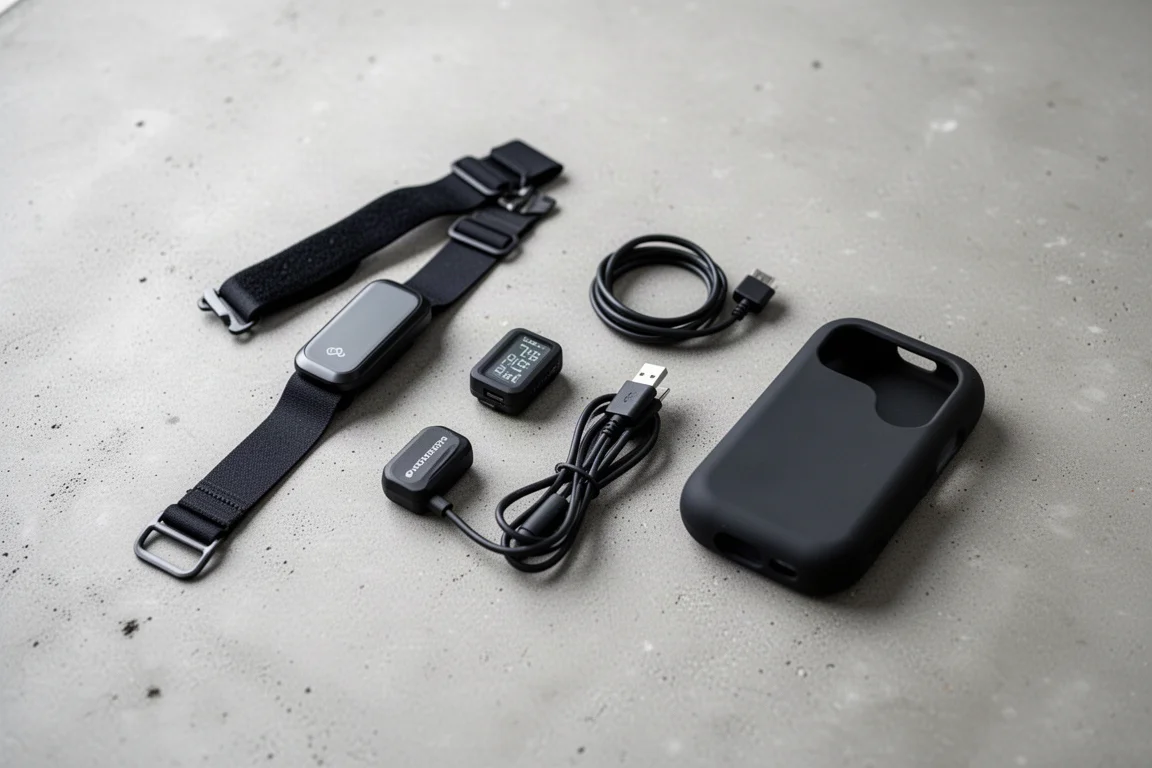
The box covers the practical side well. There are mounts and bands for mountain bike bars, a large out-front mount, a shorter stubby mount that sits the computer closer and higher, a tether, a pair of Allen keys, and rubber mounts to suit different handlebar diameters. A silicone case and a USB-C to USB-C charging adapter are included, along with the usual documentation.
Garmin has also worked on the setup process, and the aim is to have you riding within a few minutes of unboxing rather than working through menus for an evening. For anyone moving up from an older unit, that is a welcome change.
Training, Stamina, and Navigation Features
This is where the Edge 1040 leans hardest on the Garmin ecosystem. If you already use Garmin Connect, the device reads your existing history and starts producing feedback from it straight away. If you are new to the platform, you can sync your previous rides into Garmin Connect first and build a picture of your current capabilities from there.
Once that history exists, the more interesting features switch on. Real-time stamina insights estimate how long you can keep pushing before you bonk, which is more useful than a simple percentage readout because it responds to the effort you are actually putting out.

Training plans have been reworked as well. Scheduling sessions is simpler, keeping to them is easier, and the device can point out the areas of your ability that are holding you back so you can target them deliberately instead of guessing.
Navigation sits alongside all of this. Worldwide mapping means route planning works wherever you ride, the discipline-specific maps separate on-road and off-road information properly, and popular routes are highlighted when you are somewhere unfamiliar. Combined with the multi-band GNSS, the practical effect is a computer that stays useful in places where signal and map detail usually fall apart.
What to Consider Before Buying
The first thing to weigh is size. A 3.5-inch display with granular data fields is genuinely useful, but it is worth asking how many of those fields you will actually read while riding. The screen is there to be absorbed at a glance, and that is the part worth checking on your own bars.
Charging habits matter too. The solar harvesting depends on daylight, so riders who train indoors through the winter or ride mostly after dark will see less benefit than someone logging long daylight hours. The window-charging behaviour helps, but it still needs light.
Finally, decide which version you actually want. The standard Edge 1040 gives you the same core computer and the same feature set without the solar premium, while the Solar adds the charging behaviour and double the internal memory. If you already own sensors, the head-unit-only options avoid paying twice for equipment you have.
Buying Advice
The Edge 1040 range splits cleanly. The standard model comes as a head unit on its own or as a bundle with heart rate, speed, and cadence sensors at £599.99, which is the sensible entry point for most riders who want the new platform without paying for solar. The Edge 1040 Solar is sold as a head unit only at £629.99.
If you ride long days, multi-day routes, or simply dislike remembering to charge devices, the Solar version earns its place. The ability to keep topping up on a windowsill, even while switched off, is the kind of detail that quietly changes a habit. If your rides are shorter and your charging routine is reliable, the standard Edge 1040 delivers the same navigation, mapping, and training features for less.
Either way, the upgrade from an older unit is substantial: more memory, better positioning, and a training toolset that gets more useful the longer you use it.
Conclusion
The Edge 1040 is a considered update to a long-running flagship. The standard version brings the larger screen, doubled storage, multi-band GNSS, and the expanded mapping and stamina features. The Solar version adds the first built-in solar charging on a Garmin head unit, and with it the possibility of going weeks or months between charges. The right choice comes down to how you ride and how much you value never thinking about a charging cable.
Further reading
Related Reviews
Cycling Computers
Best Cycling Computers: 11 Options Compared
A practical look at 11 cycling computers, from the premium Garmin Edge 1050 to the budget Coros Dura, with strengths, trade-offs, and buying advice.
Cycling Computers
Best Cycling Computers 2026: 10 Head Units Across Every Price Point
A practical guide to ten cycling computers, from a $9.99 wired unit to solar-assisted flagship head units with colour mapping, sensor pairing and long battery life.
Cycling Computers
Best Cycling Computers Under £200: Seven Capable Head Units Compared
Seven cycling computers below £200 compared on navigation, sensor support, battery life and everyday value.