Hand Tools
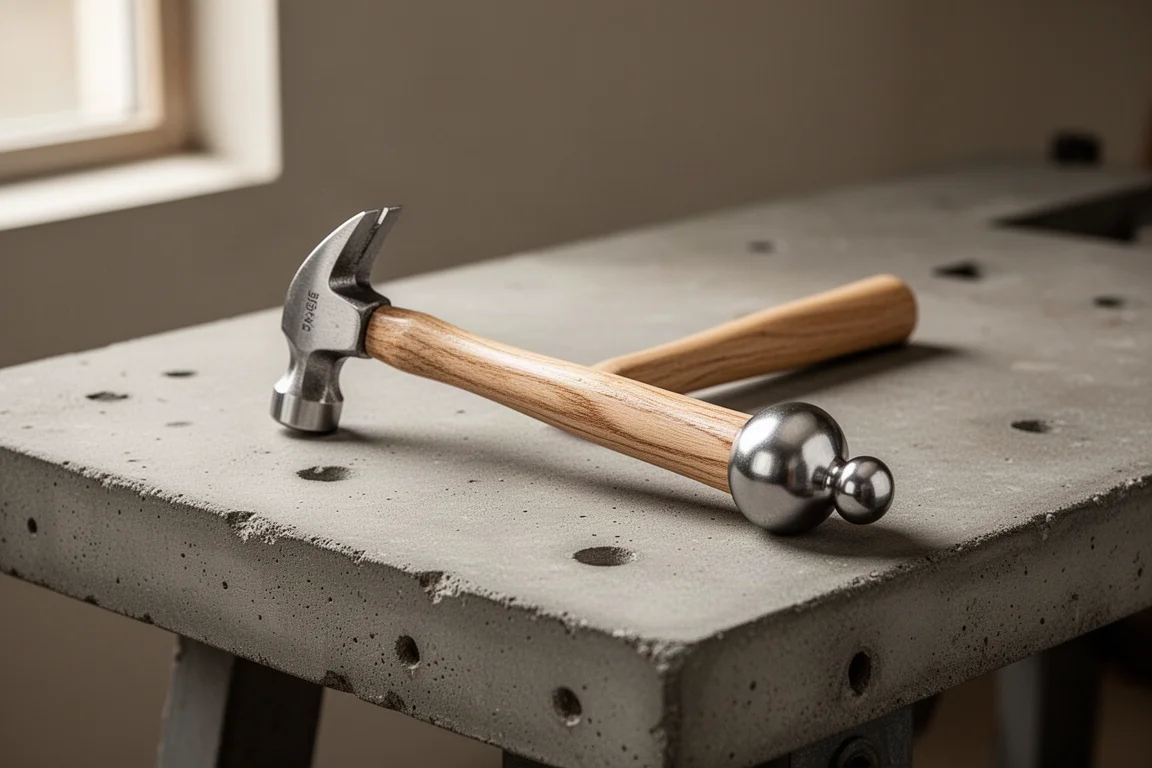
Gador Red 4 oz Ball Peen Hammer Review: A Ten-Dollar Small Striking Tool Worth a Look
A budget four-ounce ball peen hammer with a hickory handle that fills a gap left by discontinued premium small hammers, with a few trade-offs to know about first.
Introduction
Small ball peen hammers are deceptively hard to shop for. The category has thinned out in recent years, and good options in the very light weight classes have become surprisingly scarce. The Gador Red 4 oz ball peen hammer entered that gap at ten dollars, which immediately raises a fair question: can a budget hammer in the jeweler-class weight range actually be worth keeping on the bench?
After putting it to work on light striking tasks and small metalworking jobs, the short answer is yes, with a couple of caveats worth understanding before you buy.
A Hard-to-Find Size at a Friendly Price
The four-ounce class sits at the large end of what many people call the jeweler-class range. It is light enough for delicate work but heavy enough to give a stubborn small part a firm nudge without overdoing it. That makes it a genuinely useful weight, and it is the smallest size widely available right now.
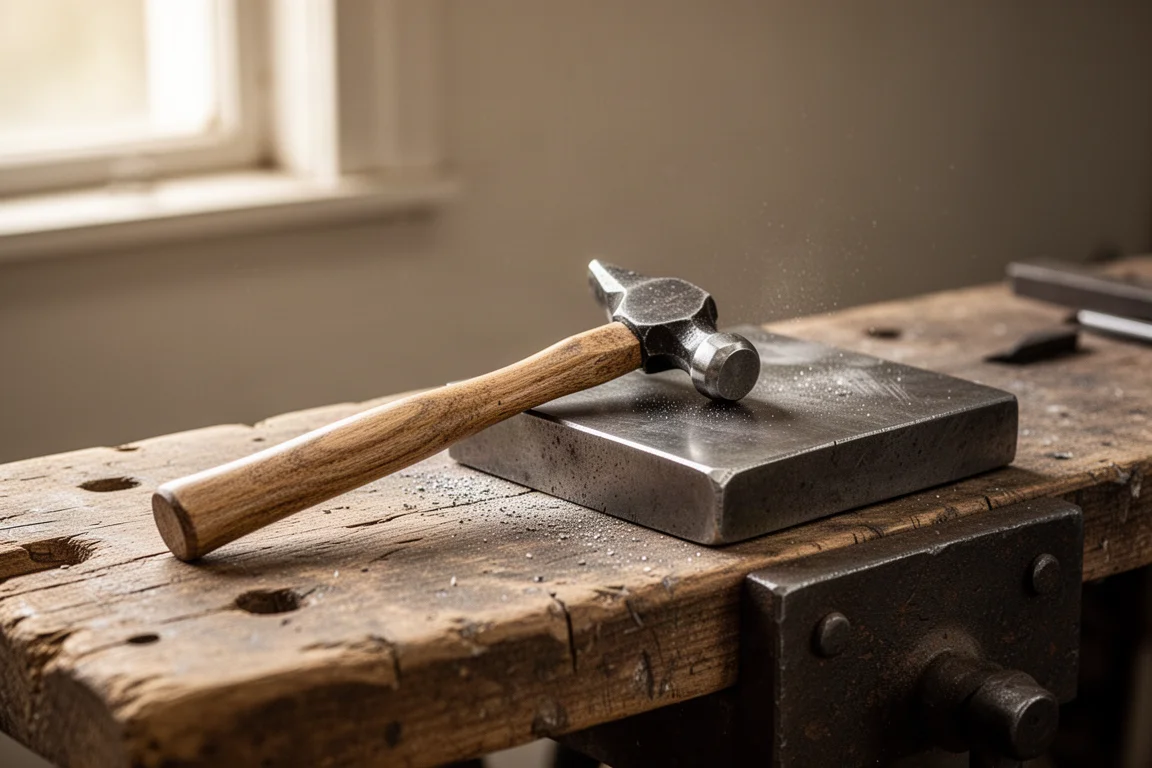
The context matters here. A well-regarded two-ounce small ball peen hammer was discontinued, and the four-ounce offering from that premium line now sells for roughly thirty dollars. The Gador Red lands at ten dollars for the same weight class. For anyone who does not already own a selection of light hammers, that price difference is hard to ignore.
Construction and Handle Quality
There is not a lot to a tool like this, and that simplicity is part of the appeal. The Gador Red uses a hickory shaft with a small quarter-pound head. The wood itself is not the finest grade of hickory, and the grain orientation is offset by roughly thirty degrees from the ideal direction of tool use.
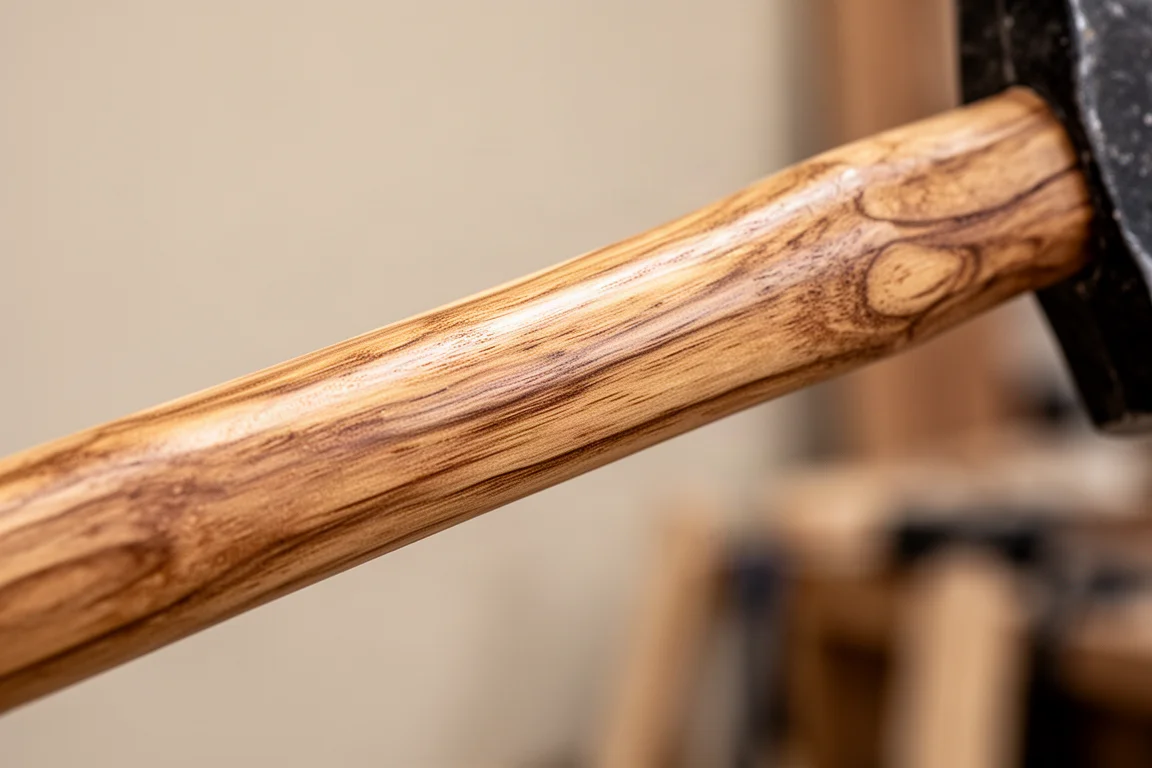
That grain offset is worth a moment of honesty. On a premium hammer, the grain can run dead straight along the handle’s working axis, and some higher-end handles achieve exactly that alignment. On this one it is off, though notably a well-regarded Swiss precision hammer shows a similar offset, so at this small head size it is not a practical problem. It becomes more significant on larger striking tools, where grain alignment matters more.
Head attachment is another area where budget construction shows. The head is secured with some kind of sealing agent rather than a traditional expansion wedge driven into the wood and then ground down flush. The fitting has a slightly rubbery texture where the adhesive was applied, and plenty of tool marks remain. How well it stays attached over years of use remains an open question, though nothing came loose during use.
Where It Shines in Actual Use
In hand, the hammer feels good and balanced for its size. The small head makes it easy to place taps precisely, and the light weight keeps you from accidentally applying too much force.
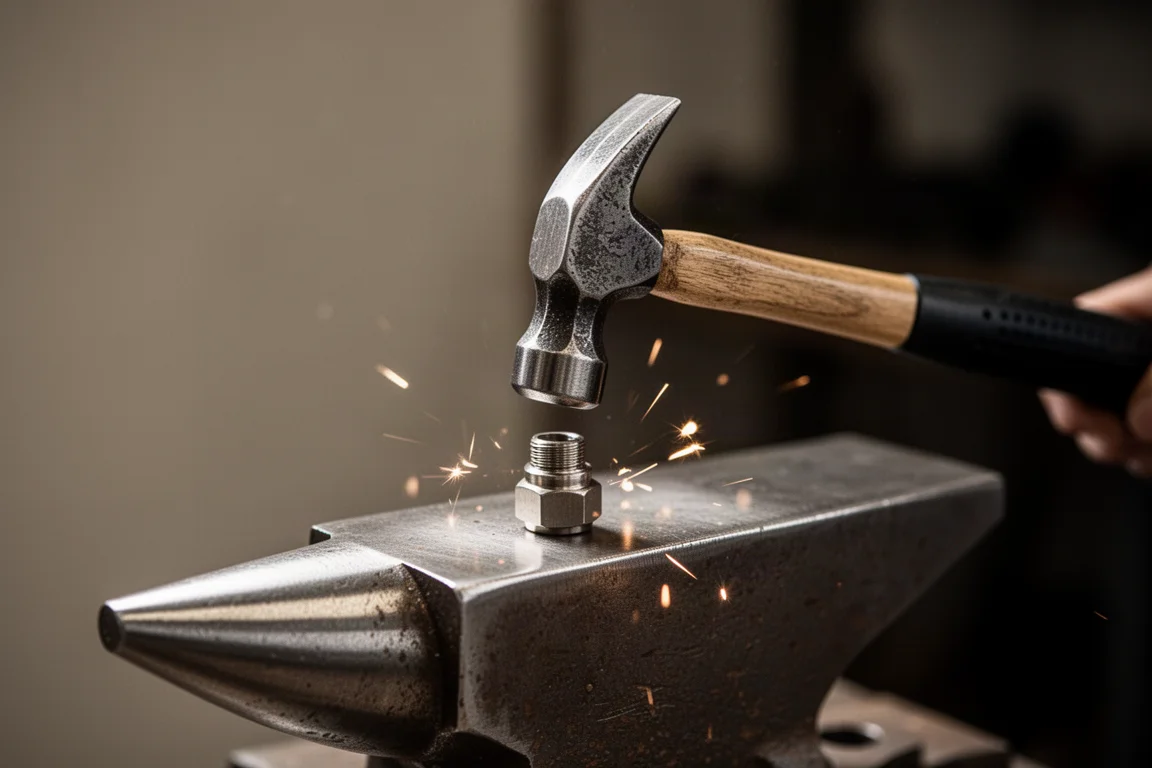
It proved genuinely useful for light smithing operations, including work on a small anvil surface where good rebound matters. When striking on a surface with decent rebound, the hammer pops back up naturally, so you are not lifting it fully between blows. That rhythm is exactly what light striking work benefits from.
The other sweet spot is precision adjustment work: centering a slightly misaligned pin, seating a small fitting, or encouraging a part to go where it is supposed to go. These are tasks where reaching for a large hammer would be overkill and risky. A light tap from a four-ounce head is often all that is needed, and this hammer delivers it cleanly.
Things to Consider Before Buying
The trade-offs are real but manageable. The hickory is not premium grade, the grain is noticeably offset, and the head attachment method is basic compared with wedged or one-piece forged designs. If you expect the fit and finish of a tool costing three times as much, you will notice the difference.
That said, a hammer like this has essentially no moving parts. The head has to stay attached to the handle, and the handle has to not break. Those are low bars, and this tool clears them for everyday light-duty work.
Should You Buy It
For ten dollars, this is an easy recommendation for the right buyer. If you already own a collection of light hammers, you may not need it. But if you are looking for an affordable entry into the jeweler-class weight range, or a second small hammer to keep in a different drawer or kit, the value is genuinely strong.
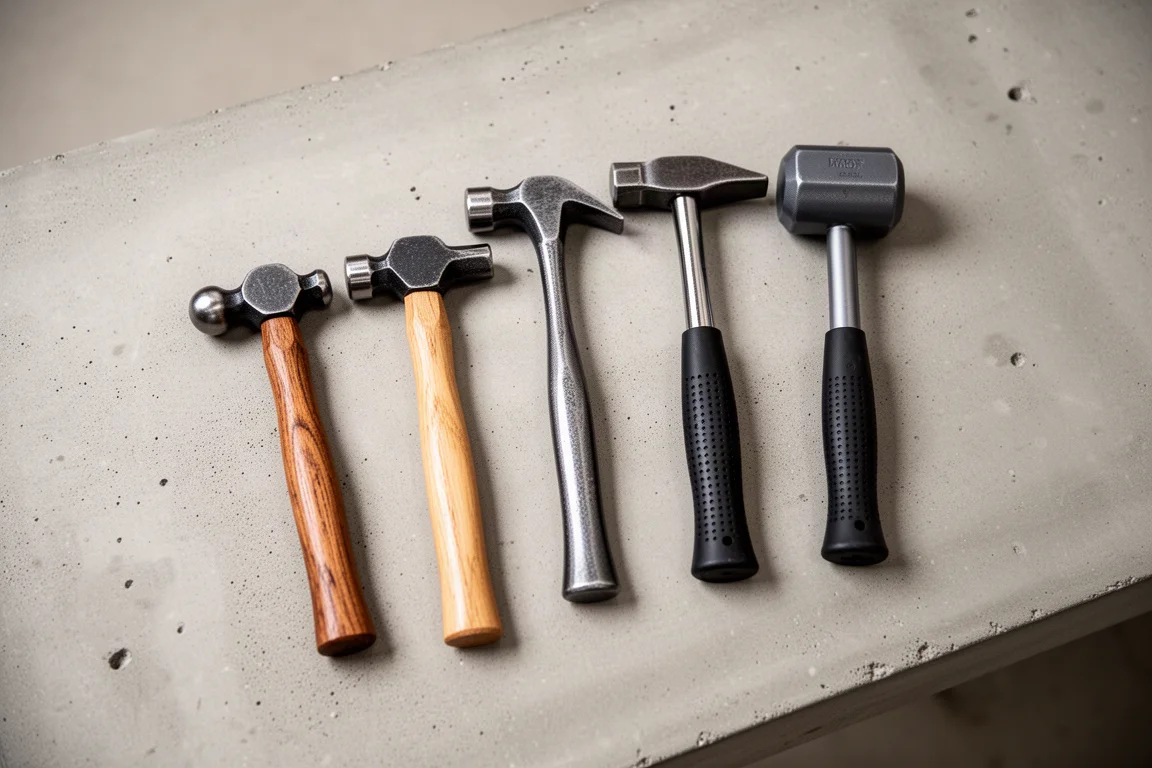
The realistic expectations are simple: this is a budget tool that does its one job well. It will not win any finish awards, and long-term handle durability is a fair question mark, but for light striking applications and precision tapping work, it earns its place on the bench.
Conclusion
The Gador Red 4 oz ball peen hammer fills a real gap in the current market for small, light striking tools. At ten dollars, it delivers solid performance for smithing work, precision adjustments, and general light-duty striking, with trade-offs limited to handle grade and attachment refinement. For anyone without a full collection of small hammers already, it is an easy tool to say yes to.
Product link
View more details for Gador Red 4 oz Ball Peen Hammer
This product is mentioned in the review. Check the specifications, options, and compatibility before buying.
View more details for Gador Red 4 oz Ball Peen HammerFurther reading
Related Reviews
Hand Tools
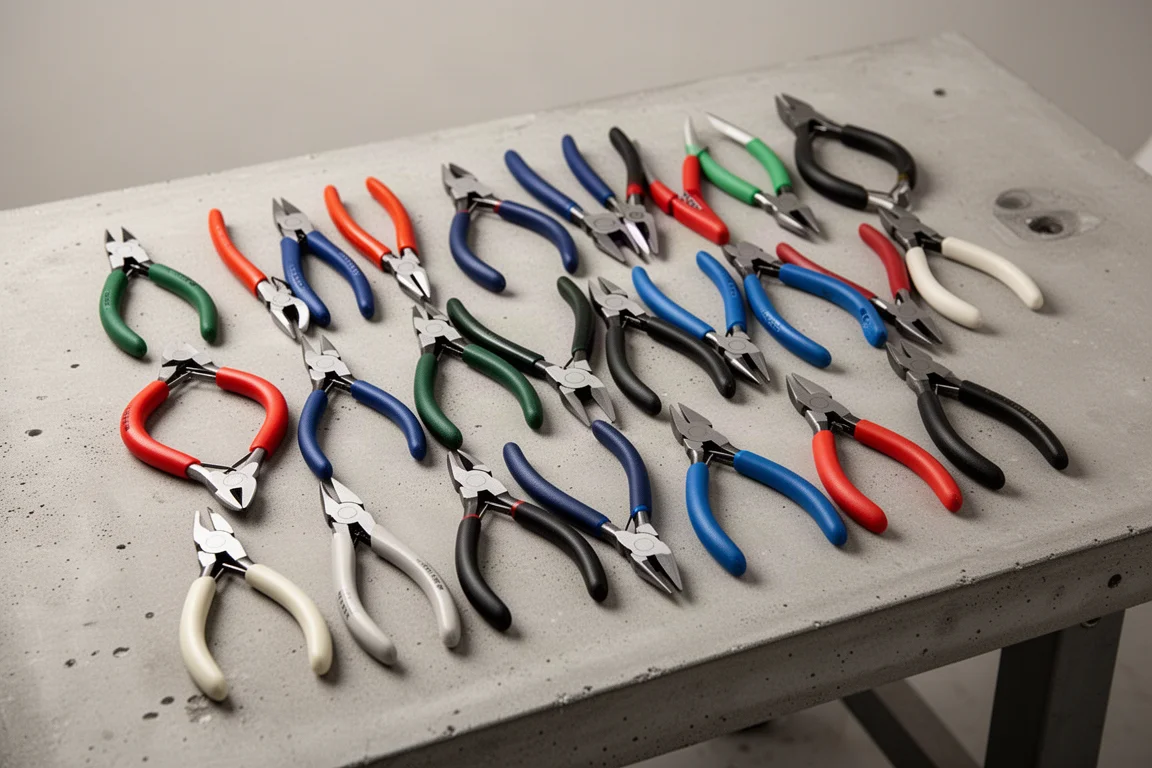
Best Diagonal Cutters 2026: 16 Pliers Tested for Cutting Power and Durability
We put 16 diagonal cutters through nail, screw, drill bit, and hex key tests to find the best value picks for your toolbox.
Hand Tools
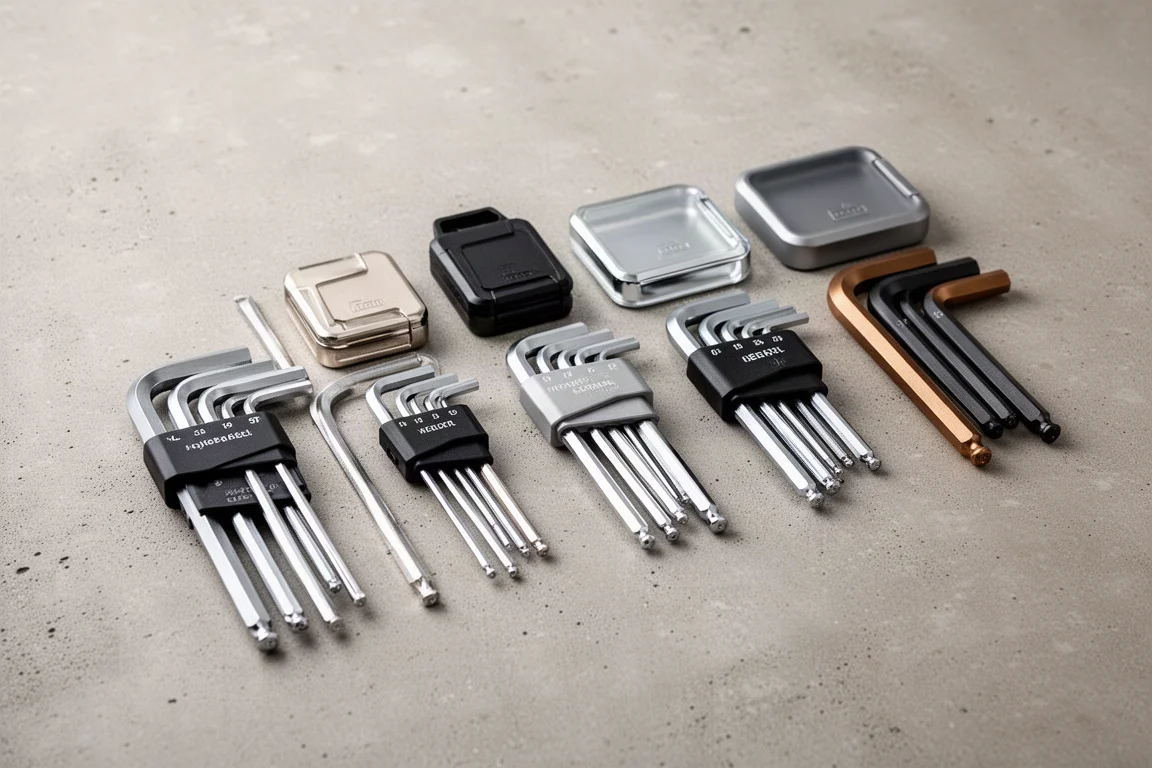
Best Hex L Key Sets 2026: Nine Sets Tested for Real-World Torque
Nine hex L key sets from budget to premium, tested for torque, fit, and durability. See which sets deliver real performance and which ones to skip.
Hand Tools
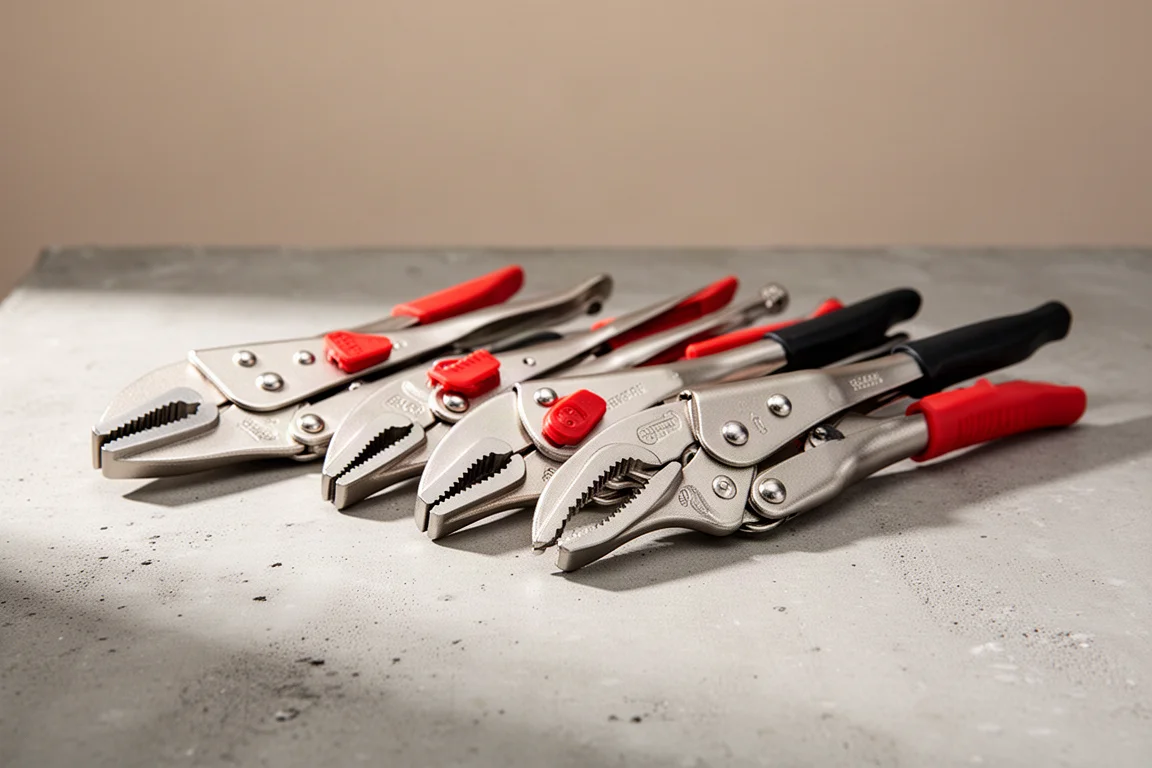
Best Locking Pliers 2026: Top Picks Tested for Grip and Durability
We tested 18 brands of 10-inch locking pliers for grip strength, jaw bite, build quality, and ease of release to find the best options for tough jobs.