Kitchen Knives
Fujimoto SLD 270 vs Masakage Koishi 270: Which Sujihiki Should You Buy?
A practical comparison of two 270mm sujihiki slicing knives, covering blade height, balance, and what each does best in the kitchen.
Introduction
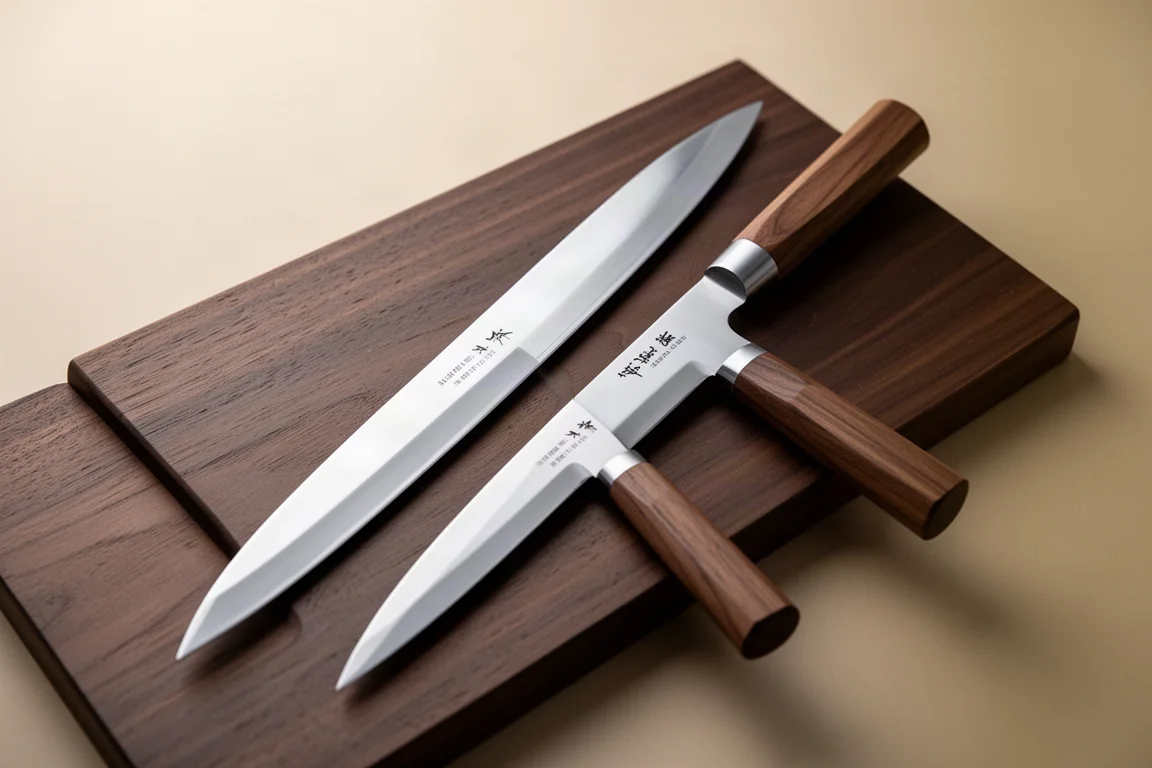
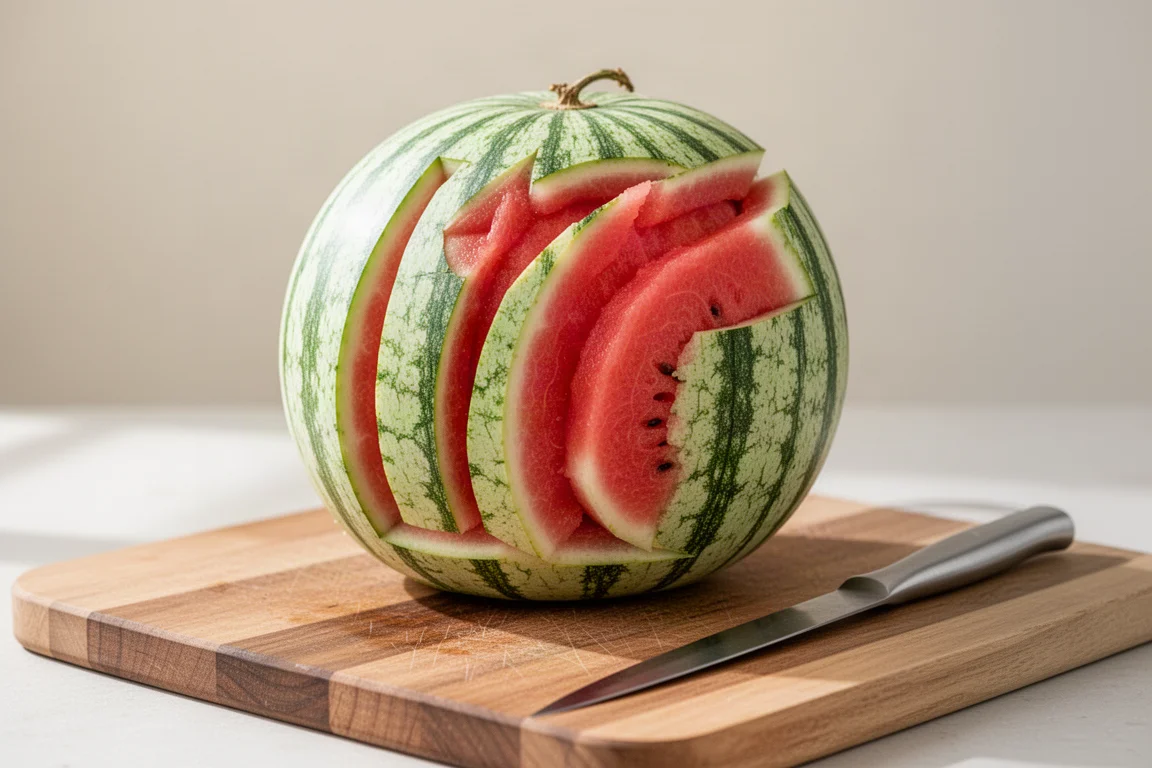
If you ask for a carving knife, there is a good chance you will be pointed toward a sujihiki. It is a Japanese slicing knife built for carving cooked meats, cutting steaks, portioning fish, and even peeling large melons. Here we compare two 270mm options: the Fujimoto SLD 270 and the Masakage Koishi 270.
Why the Sujihiki Deserves a Spot in Your Kitchen
Slicing is all about edge length. The longer the blade, the more you can slide it through food in a single stroke, which means less sawing back and forth and a cleaner cut. A sujihiki also stands apart because the blade is thin from the spine down to the edge. Where a gyuto has a tall blade that suits chopping as well as slicing, the sujihiki is refined specifically for the slice.
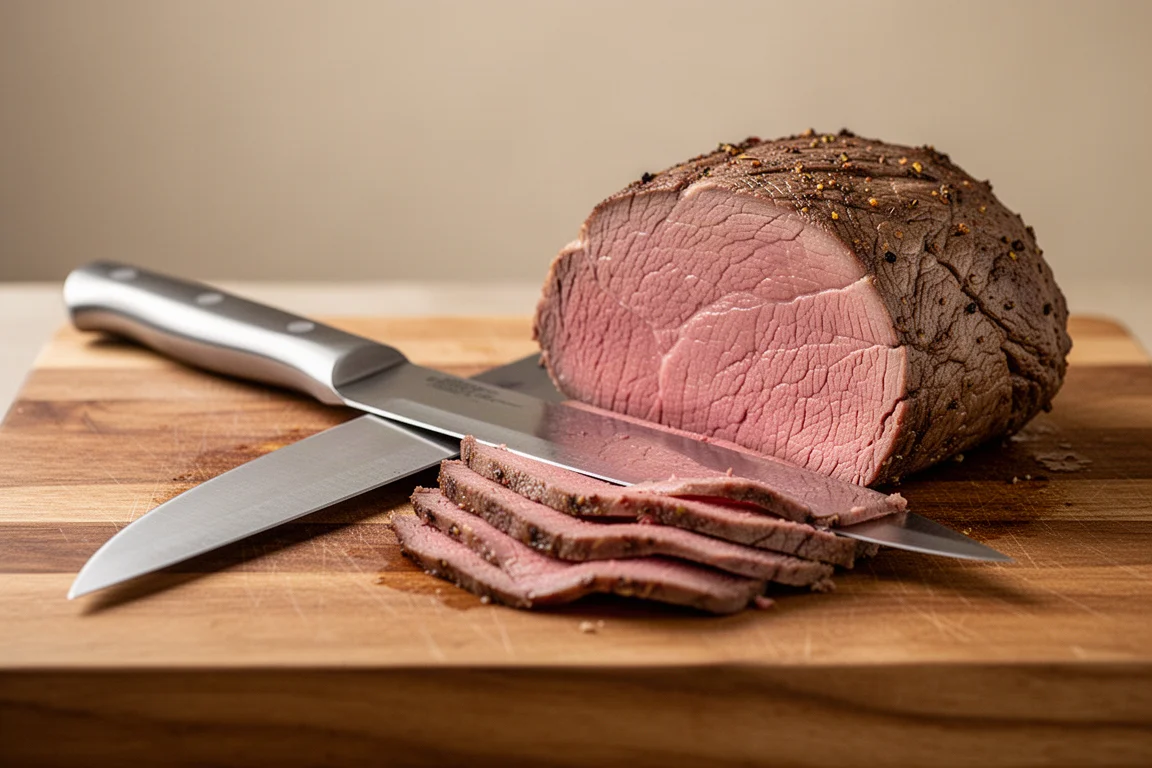
That slim profile makes it surprisingly versatile. It handles cooked roasts, raw beef, fish, and even large produce with ease, and a sharp one lets the weight of the knife do most of the work.
Choosing the Right Blade Shape and Size
Sujihiki blades come in different heights. Very skinny blades, measured from spine to edge, are particularly good for pure slicing. A taller blade gives you something that can double as a big gyuto. The Masakage Koishi 270 has a somewhat taller profile that works in that role, while some of the very thin options are pure slicers.
Length matters too. For most home roasts, something in the 240mm range will do the job. For a big prime rib or cutting steaks from a whole piece of beef, a 270mm knife is the way to go, and some go even longer to 300mm. Be honest about what you will use: a knife that feels too big can end up sitting unused.
Weight is another consideration. A lighter sujihiki suits delicate work, but for dense foods a heavier blade helps, because you simply draw the knife through and the weight pulls it down. Typically a sujihiki is lighter than the single-bevel yanagiba it resembles, yet it can handle far more general work.
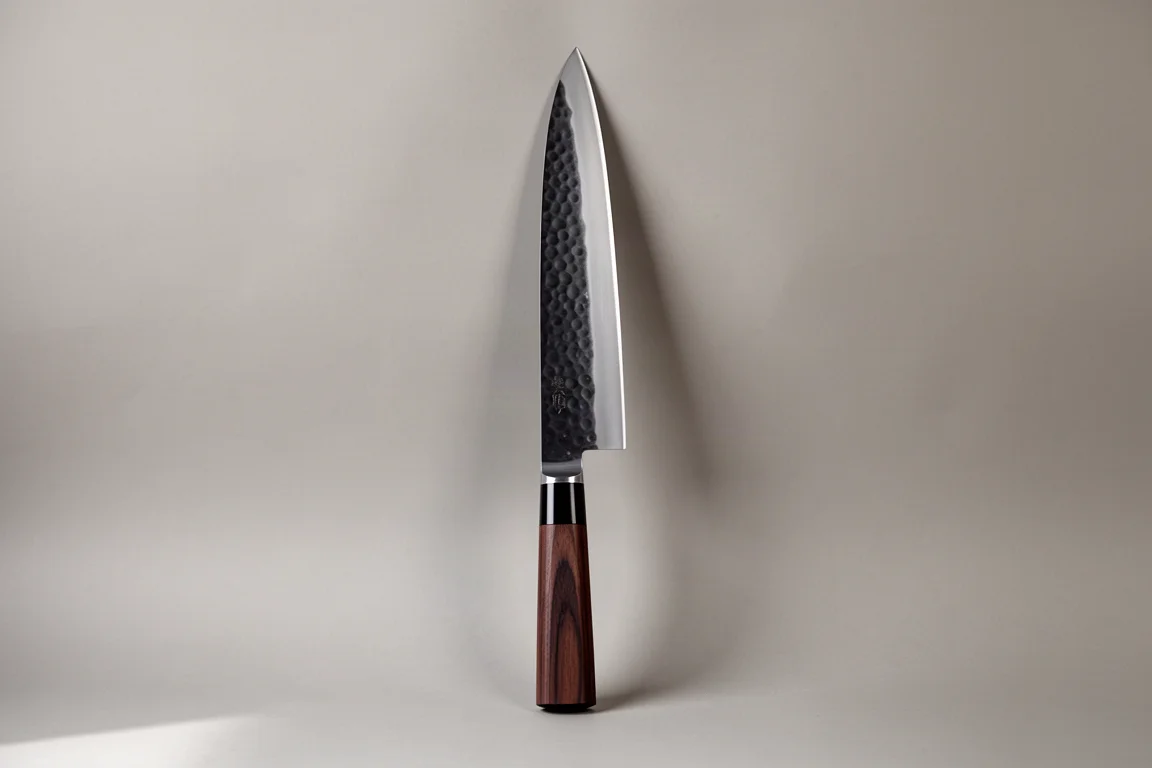
Fujimoto SLD 270
The Fujimoto SLD 270 is a beautifully balanced knife with a nice tall bevel. That long taper creating the edge is a less abrupt transition, and it does not push food apart as much, which helps produce very thin, smooth slices. It performed smoothly on roast beef, and starting a cut at the heel and sliding backwards worked especially well when slicing fish.
It is the knife used for nearly everything in this comparison, from carving to dicing meat for yakitori skewers to cutting thin fish slices, and it stayed smooth and controlled throughout. When the shorter 240mm alternative felt too short for steaks, going back to this 270mm blade felt right.
Masakage Koishi 270
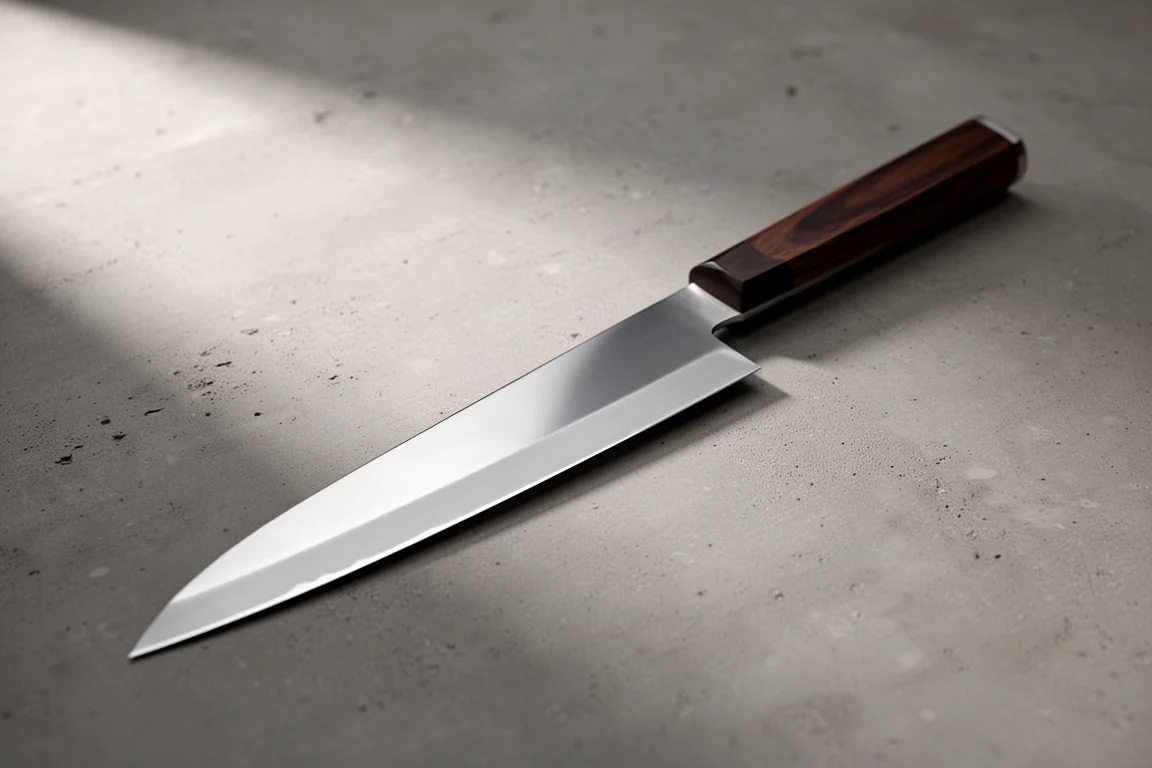
The Masakage Koishi 270 comes from a maker known for genuinely beautiful knives. Its slightly taller blade means it can double as a big gyuto, giving it a wider range of jobs beyond pure slicing. If you want one knife that carves a roast on Sunday and still handles general prep during the week, the taller profile is worth considering.
There is also an aesthetic argument. Sujihiki knives often live on display, and if you are carving at the head of the table, showing off a roast you spent all day on, a knife with a little flash to it is nothing to apologize for.
Carving and Cutting Steaks at Home
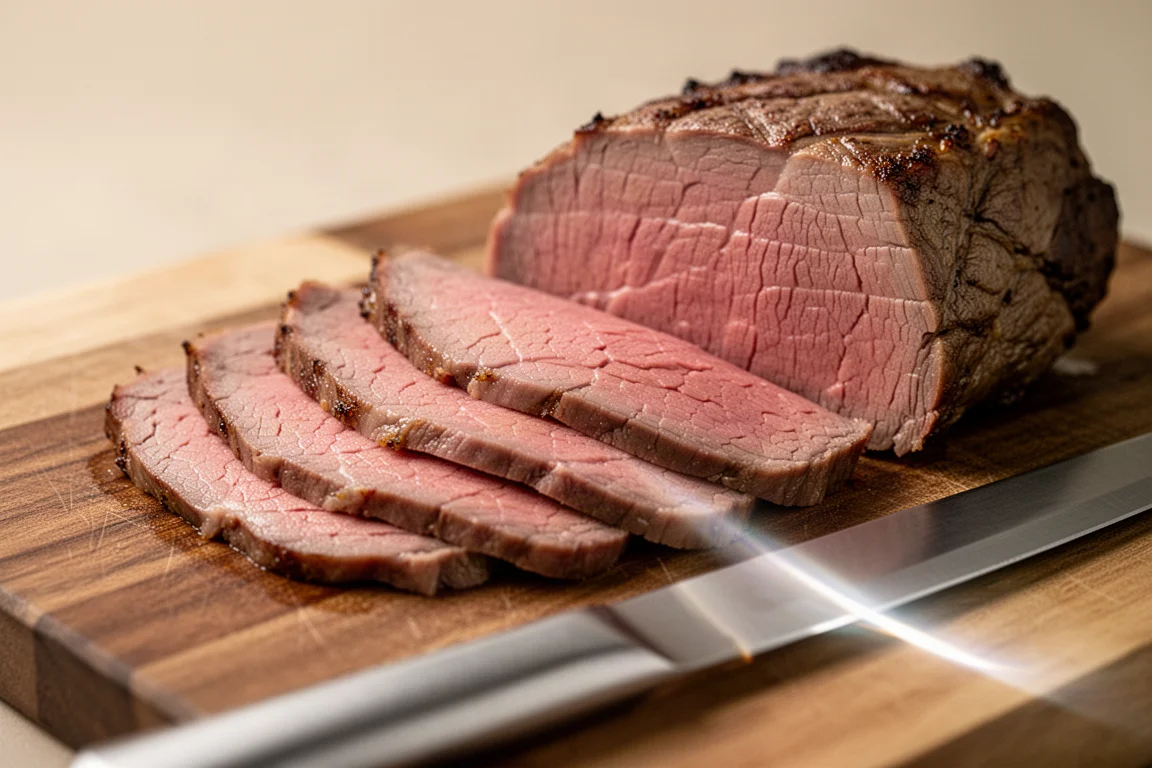
Whatever knife you choose, technique matters. First rule of carving any roasted meat: find the direction of the grain and cut across it. Second, let the meat rest after cooking so the juices reabsorb. A rough guide is to rest the meat for almost half the time it spent cooking; even a well-done roast that is well rested stays moist and juicy.
Keep the pressure on the flat face of the blade rather than on the bevel, so the knife tracks straight through the food. For steaks, aim for even thickness so the piece cooks uniformly, cut against the grain, and avoid excessive zigzag strokes. A dry-brine trick helps too: salt the meat, rest it on a wire rack in the fridge for a few days, and it firms up and cuts more cleanly.
Slicing Fish and Everyday Versatility
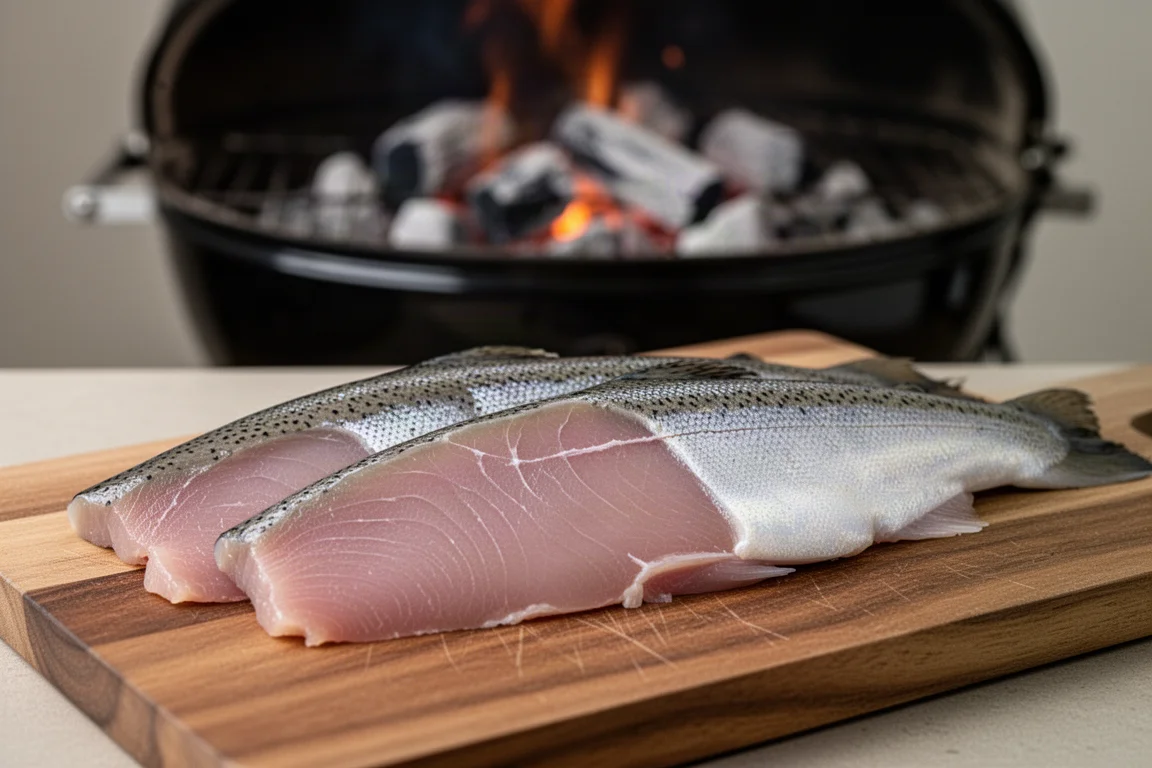
Fish is where a very sharp sujihiki really earns its keep. Delicate flesh tears easily with a dull edge, and clean cuts keep the fish looking better and lasting longer. When cutting thin slices, start just behind the heel, pull the knife back toward you, and let the tip come down to the cutting board as you drag through. A sharp blade glides through the layers of flesh and fat with almost no pressure.
For precise work, pull cuts leave everything in place and use less force, while push cuts go faster when evenness matters less. If your edge starts to fade, a ceramic honing rod will keep it in shape. And think beyond carving: a big sujihiki lets you cut your own steaks, dice meat for skewers, and put trim to use in stock.
Buying Advice
Choose the Fujimoto SLD 270 if you want a refined, well-balanced pure slicer with a tall bevel that excels at thin, smooth cuts. Choose the Masakage Koishi 270 if you want a beautiful knife whose taller blade can pull double duty as a big gyuto. Consider carbon steel too, especially if you will be cutting a lot of meat and are less concerned about rust. And match the length to your reality: 240mm for most roasts, 270mm for prime rib and cutting steaks.
Conclusion
A sujihiki is a bit of an investment, so it is worth getting one you genuinely like. Both the Fujimoto SLD 270 and the Masakage Koishi 270 are strong choices, and either one tends to open doors to recipes you had not thought of before.
Further reading
Related Reviews

Kitchen Knives
Best Chef's Knives 2026: 27 Popular Options Tested and Ranked
A comprehensive review of 27 chef's knives ranging from $18 to $380, with honest assessments of handle comfort, blade balance, and real-world performance.

Kitchen Knives
Best Chef's Knives Under $75: Two Tested Recommendations
Two practical 8-inch chef's knives that balance sharpness, comfort, and durability without premium pricing.

Kitchen Knives
Best Chef's Knives 2026: 27 Options Tested and Ranked
A comprehensive review of 27 chef's knives ranging from $18 to $380, with honest assessments of handle design, balance, blade profile, and real-world performance.