Tool Buying Guides
FUD Tools: Outdated Workshop Beliefs Worth Rethinking
From the Stanley PowerLock to the slip-joint pliers trio, here are five tool habits and beliefs that deserve a second look, plus the modern alternatives that do the job better.
Introduction
FUD, borrowed from an old Bugs Bunny cartoon, has come to describe someone out of touch with modern technology: someone holding onto beliefs that may have been true once, or maybe never were, and refusing to appreciate new advancements in their field. Applied to tools, FUD thinking shows up in five recurring patterns: over-relying on an aging tape measure, treating three generic tools as a complete kit, misreading a brand relationship, romanticizing old materials, and ignoring safety gear. This guide walks through each one and points to products that represent the smarter, modern side of the argument.
The Stanley PowerLock Tape Measure
The Stanley PowerLock is a classic, and plenty of people will defend it. Stanley makes a lot of tape measures, and this one has been a fixture in toolboxes for decades. But when you see it today, it is usually habit rather than choice. Blade technology, readability, strength, and locking mechanisms have all moved forward considerably in the last twenty years, and there are many better-performing options at similar cost. A common failure point matters too: these cases tend to shatter and crack when they hit the ground, and the old days of buying a new spring and servicing the tape yourself are long gone.
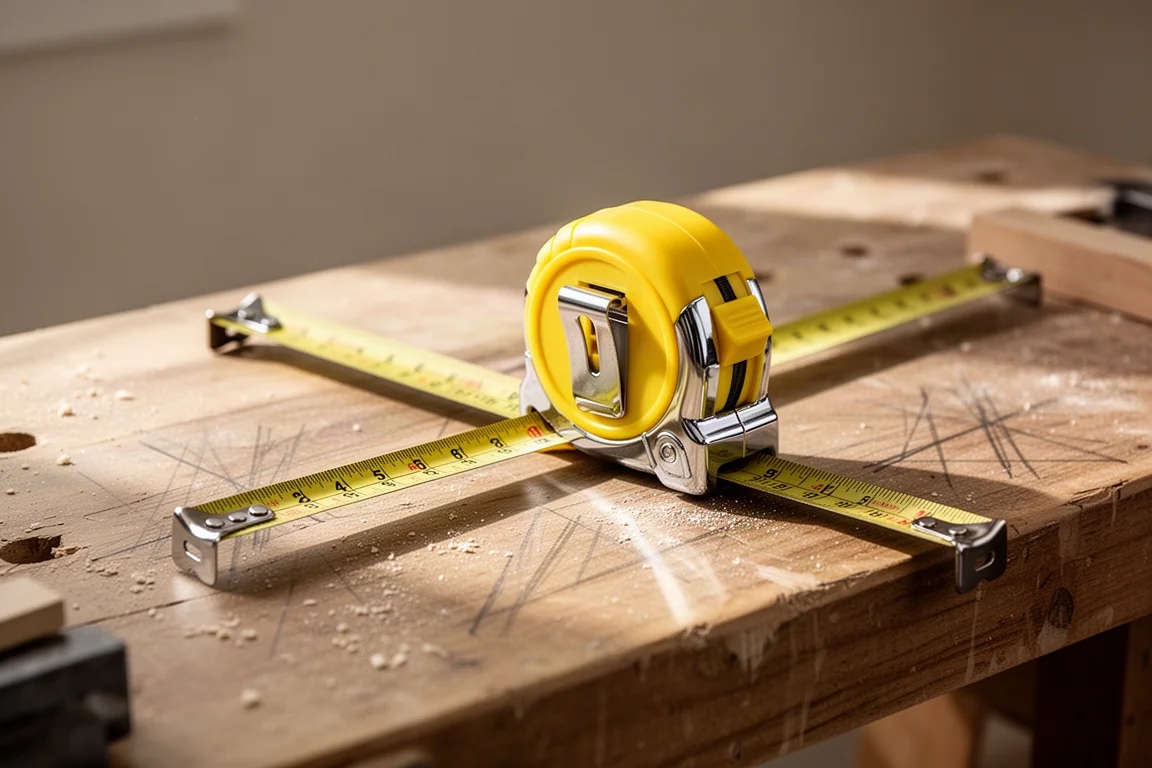
There is something to be said for its legacy. Most houses in America were probably built with a Stanley tape measure in reach, and the PowerLock remains inexpensive. Still, if you are buying new today, higher-performance tapes exist for roughly the same money, which makes this the textbook FUD purchase: chosen by memory, not by merit.
The Universal Three-Tool Kit
Slip-joint pliers, locking pliers (Vice Grips), and an adjustable wrench. If that trio is your entire gripping and turning arsenal, you are working harder than you need to. These tools are genuinely useful, and each has its own talents, but for almost every task one of them covers, there is a more specific tool that does the job better and with less risk of scarring fasteners. Modern specialty pliers, in particular, replace most of what this trio does, with far better results.
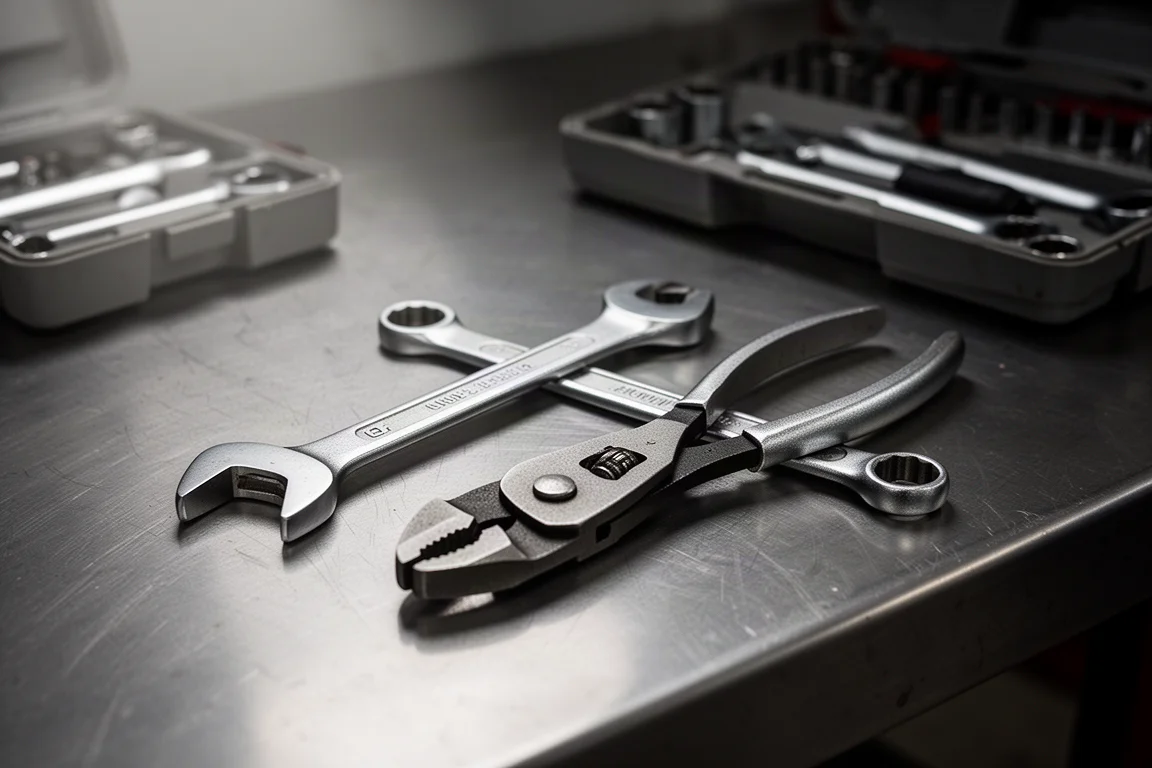
The FUD element here is not owning these tools. It is being fine with them as the whole kit and feeling no need for anything newer. Fastener damage is the real cost: generic pliers and adjustable jaws round off bolts and nuts that a purpose-built tool would grip cleanly. Drilling down to the right fastener-specific tool is where modern toolkits have quietly pulled ahead.
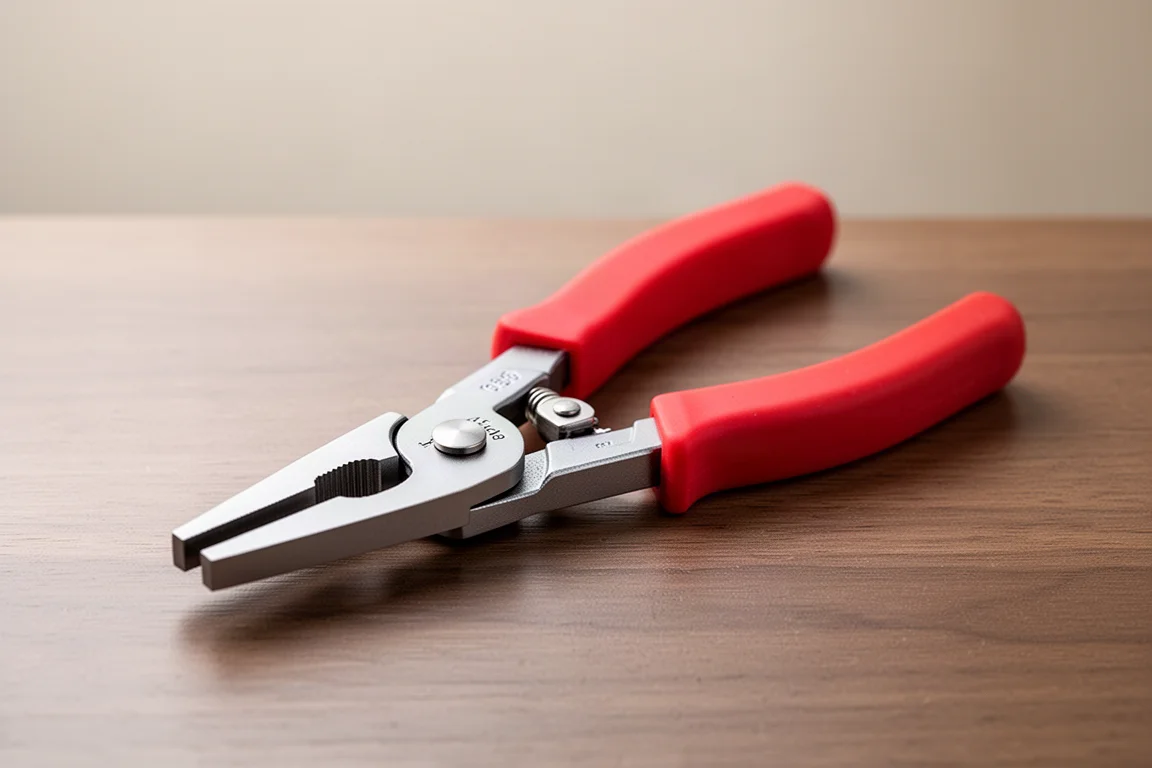
The Better Alternative: Knipex Plier Wrench
A plier wrench is the clearest example of what the universal trio misses. It adjusts smoothly like a wrench, grips like pliers, and clamps fasteners with parallel jaws instead of rounded slip-joint teeth, which means far less fastener scarring. Knipex, a German toolmaker with a deep specialty pliers lineup, makes the category-defining version. It handles the jobs you would otherwise reach for adjustable wrench or Vice Grips for, and it does them without chewing up the hardware.
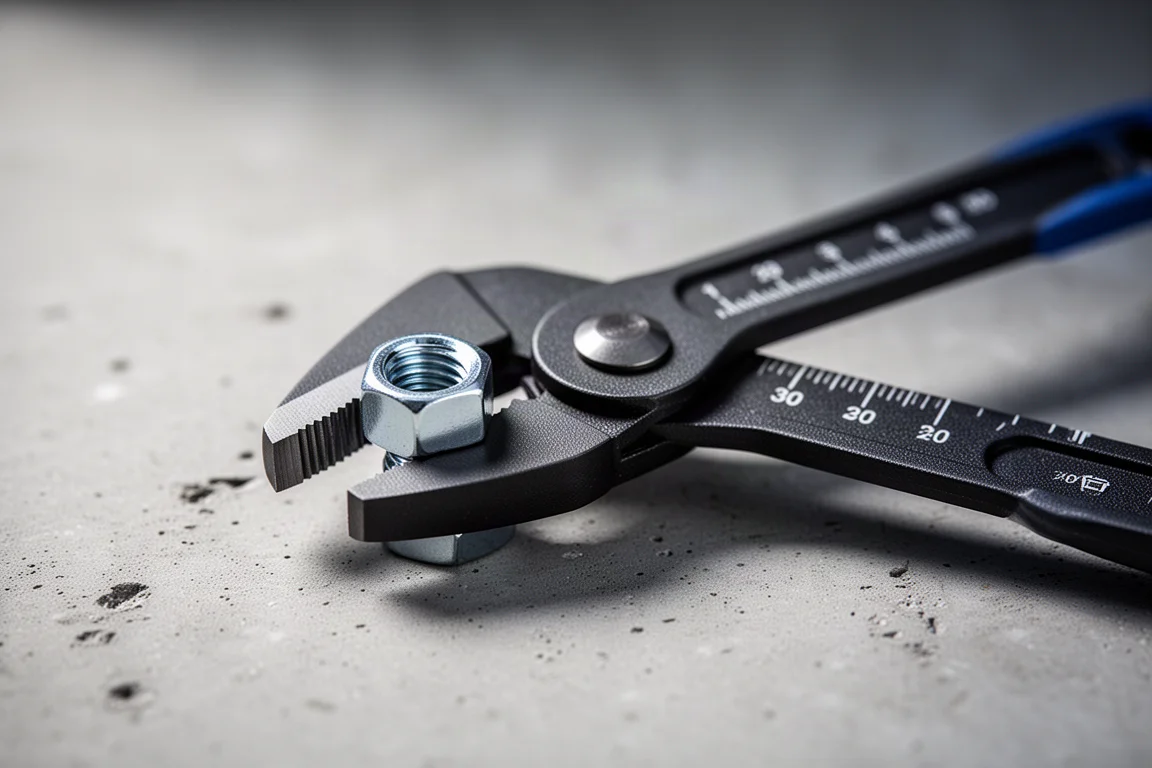
If your kit stops at slip-joint pliers and an adjustable wrench, one good plier wrench is the single highest-impact upgrade you can make. It is the kind of tool that quietly replaces two others and performs better than either.
Snap-on vs. Blue Point: Untangling the Brand Belief
There is a persistent old belief that Blue Point is Snap-on. It is not. Blue Point is Blue Point, owned by Snap-on and warrantied similarly, but a separate line. Confusion runs in both directions, and sometimes Blue Point tools end up being sold as Snap-on, which is exactly the kind of mix-up that keeps the myth alive. If you are shopping secondhand, it is worth knowing the difference before you pay Snap-on prices for Blue Point tools.
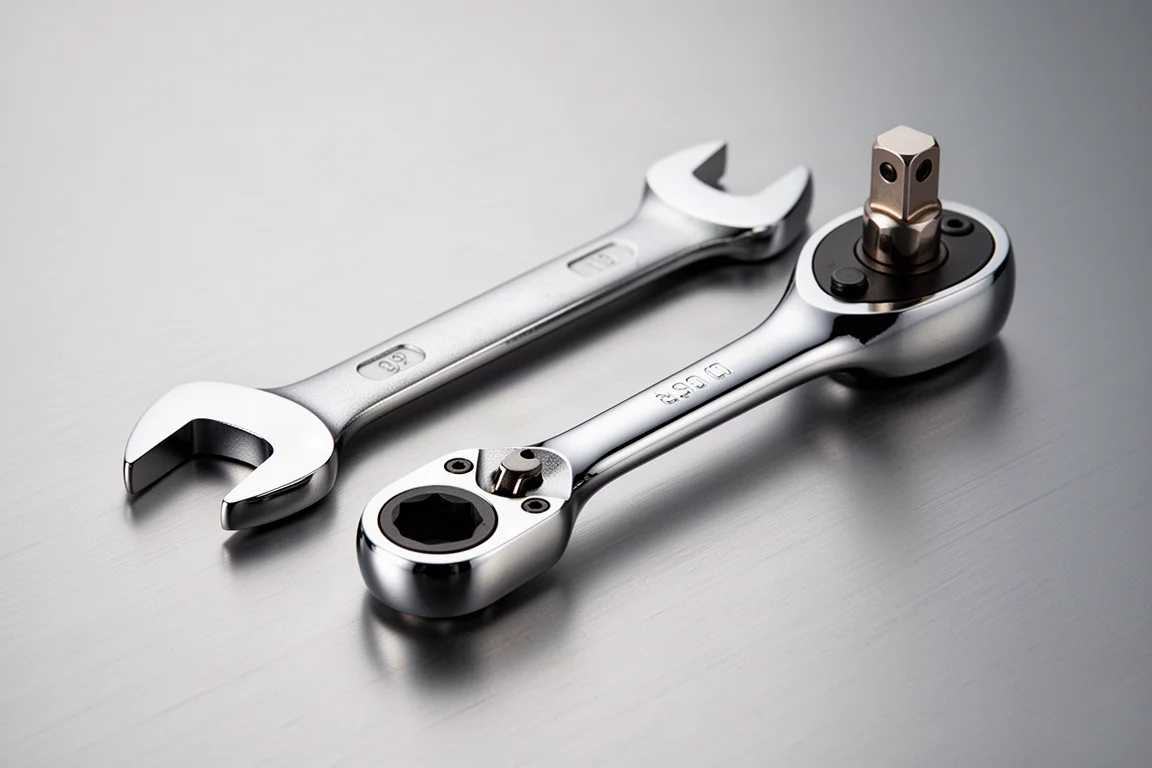
The related FUD belief is that Snap-on is bizarrely expensive, used only by pros, and the status choice of better mechanics. That framing ignores a lot of other high-quality tool companies, and it either overvalues or undervalues the brand, depending on who is talking. Part of the confusion is self-inflicted: it is genuinely hard to find out exactly who makes what and where it is made, so old assumptions calcify into facts.
Old Beliefs About Craftsman and Wood Handles
A double-dip FUD belief: that Craftsman anything is automatically a top tool brand, and that wood handles represent some lost golden age. Most older cars were worked on with Craftsman tools, and plenty of toolboxes still contain them, which fuels the nostalgia. As a brand assessment today, however, it is a dated assumption.
On wood: the movement away from wood handles is not something to mourn. Wooden hammers and screwdriver handles are fine and many of us own them, but they have real problems, and most modern fiberglass and steel handle materials perform at least as well. The closed-mindedness goes further: what about titanium hammerheads, or dead-blow designs? Locking in the belief that old materials and old brands were the best there ever will be is the essence of FUD thinking.
PPE Is Not a FUD Topic
This one cuts the other way. The FUD problem with personal protective equipment is not the gear itself; it is the FUD habit of ignoring it. The reasoning usually sounds like this: “I haven’t lost an eye or a finger yet, so why wear gloves when handling automotive fluids?” Or: “After a few shots at the loud tool, you don’t notice the noise anymore.” That is not adaptation. That is hearing damage in progress, and the same rationalization appears everywhere from air tools to hammering on an anvil.
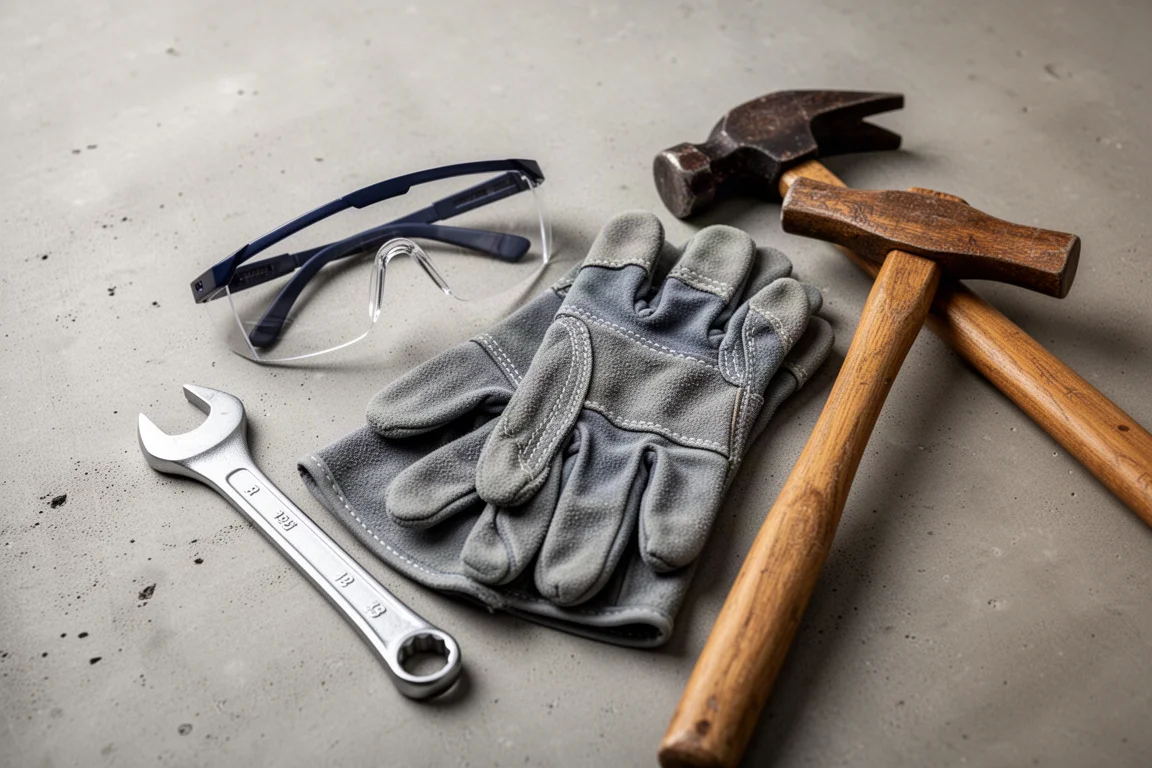
Safety glasses get the same treatment: they are in the way, they are a hassle, they were forgotten, or they will be worn “when something might happen.” Do not take your PPE cues from a grandpa who never wore any. Of the five FUD patterns here, this is the only one where staying old-school carries a real, irreversible cost.
Buying Advice
There is a fair counterpoint in all of this: there is safety in being a FUD. It is cheaper, the performance differences are often modest, and fastener scarring from generic tools is a manageable annoyance for casual work. If your old tools still do the job, there is no shame in that.
But the purchases worth making are the ones that close a real gap. A modern tape measure costs about the same as a PowerLock and performs better. A plier wrench protects fasteners that generic pliers damage. And PPE, unlike the rest, is not about performance at all; it is about not paying for a mistake you cannot undo. Spend where it matters, keep the sentimental favorites on the bench, and let go of the beliefs that no longer hold up.
Conclusion
FUD tools are less about bad products and more about stale reasoning. The Stanley PowerLock survives on habit, the three-tool universal kit survives on inertia, the Snap-on and Blue Point confusion survives on mystery, and the Craftsman-and-wood romance survives on nostalgia. The one area where FUD thinking is genuinely dangerous is PPE. Question the assumptions, upgrade where the modern alternative is clearly better, and never skip the safety gear.
Further reading
Related Reviews
Tool Buying Guides
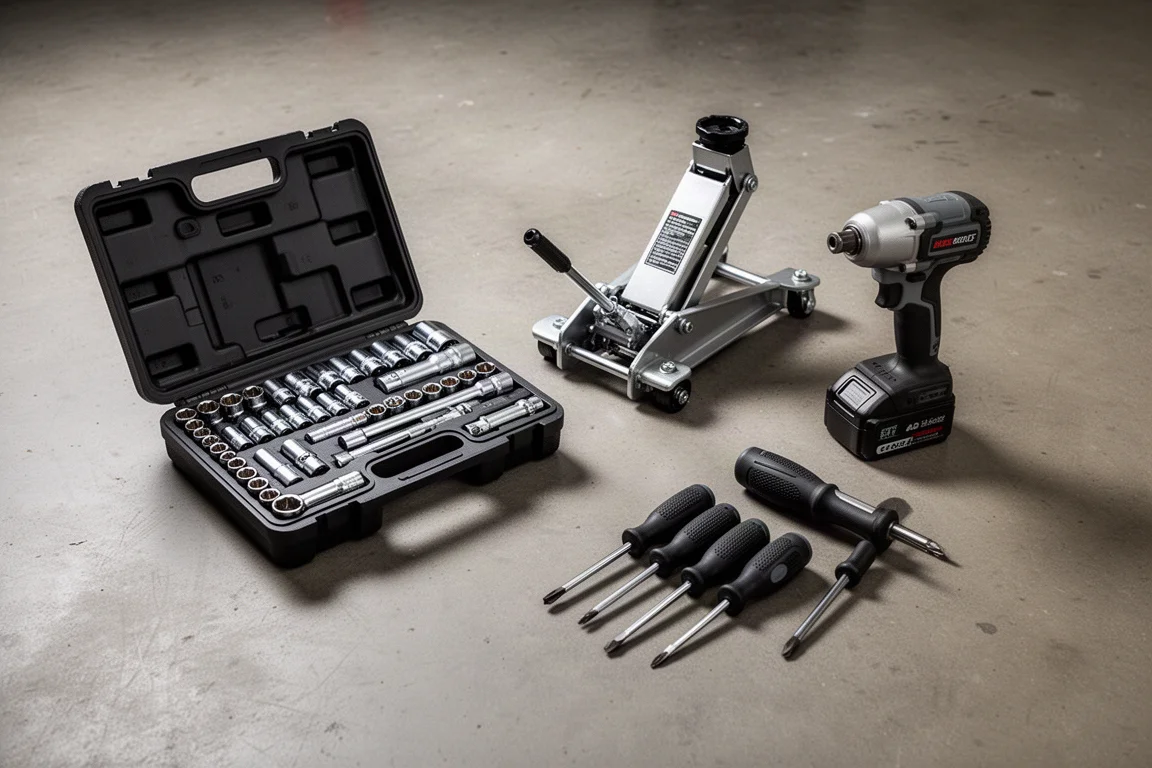
Amazon vs Harbor Freight: Where Budget Tools Are Worth Your Money
A side-by-side look at sockets, jacks, impact wrenches, screwdrivers, and mechanics tool sets to see which store stretches a small repair budget further.
Tool Buying Guides
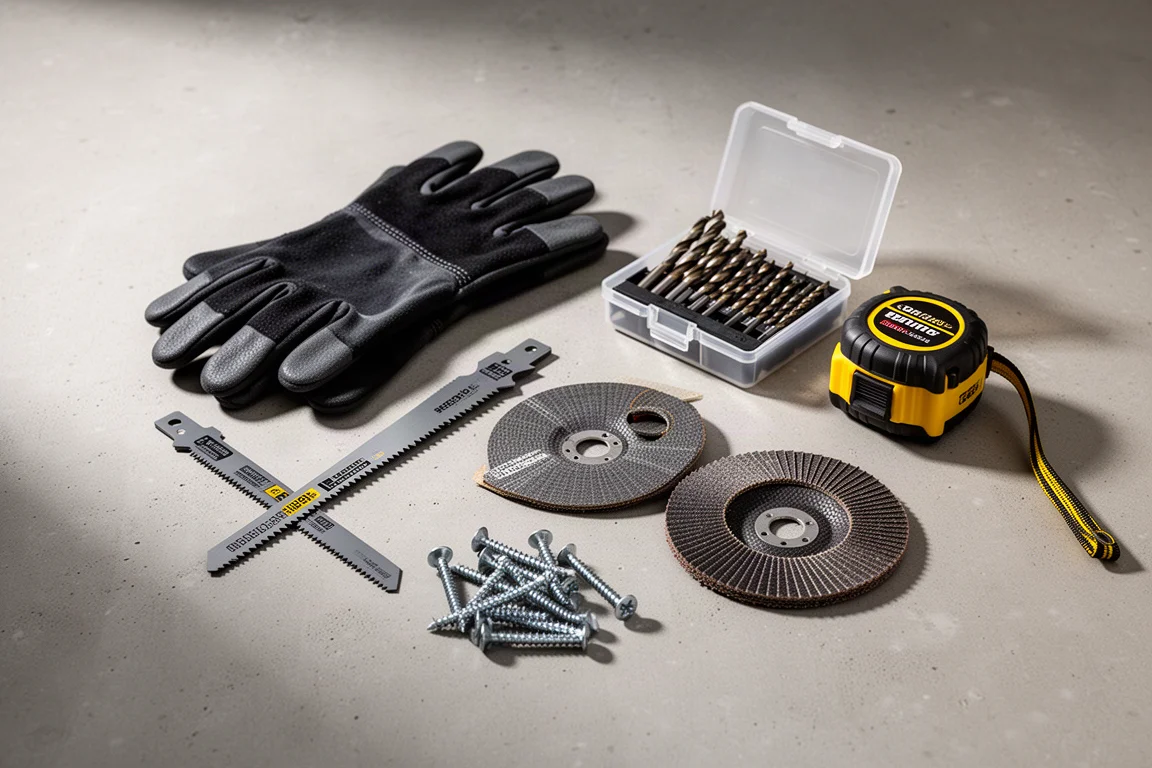
The Best Consumable Tools for DIY and Job Site Work: Our Top Picks
From gloves and blades to bits, screws, and fasteners, these are the consumable tools that earned top marks after a full year of daily use.
Tool Buying Guides
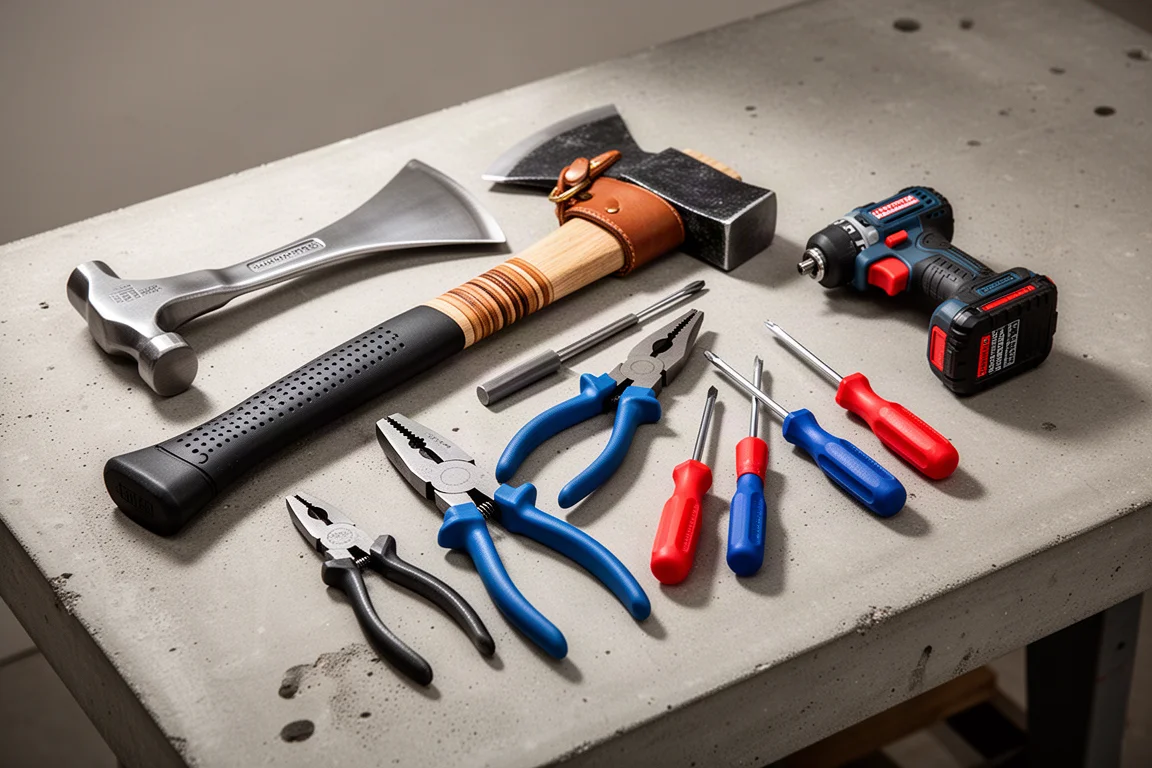
Best Made in the USA Tools at Lowe's: Hand Tools, Power Tools, and Storage Worth Buying
Thirteen well-priced, American-made tools and accessories from Lowe's, including Estwing hammers, Klein pliers, Channellock cutters, a DeWalt brushless combo kit, and even a ten-dollar tub.