Food & Kitchen
Fresh vs Frozen vs Canned: 11 Everyday Ingredients Tested in Real Dishes
Salmon, pineapple, spinach and chicken go head to head in fresh, frozen and canned form, with per-kilo prices and clear advice on which format suits which dish.
Introduction
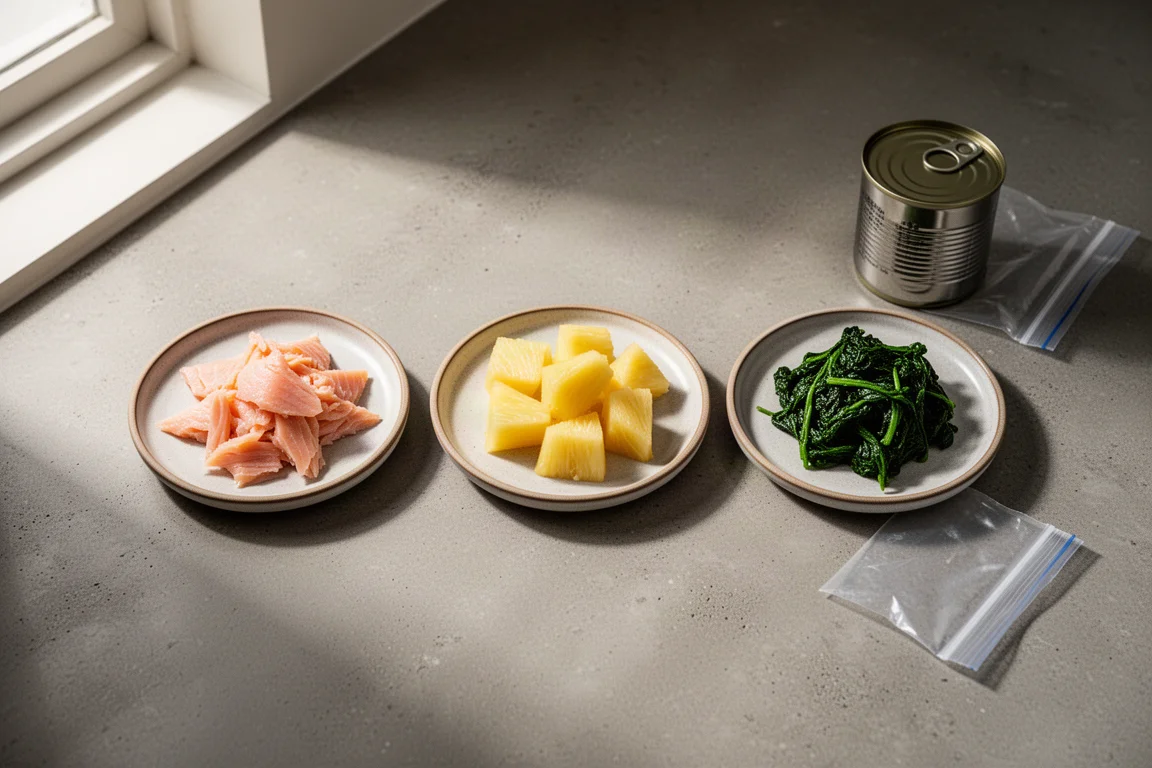
Fresh, frozen and canned versions of the same ingredient can behave very differently once they hit the pan, and the price gap between them is not always what you expect. To find out where each format earns its place, we compared four everyday ingredients, salmon, pineapple, spinach and chicken, in identical dishes, then broke down the cost per kilo for every option.
The headline lesson applies to almost everything on the shelf: always compare the weight, not just the item. A tin that looks like a bargain is often mostly juice, oil or water, and the per-kilo number tells a very different story.
Salmon: Fresh, Thawed Frozen and Tinned
Three salmon pastries were made side by side: one with fresh salmon, one with frozen salmon that was defrosted before cooking, and one with tinned salmon, simply drained from the can. Blind-tasting them, the differences were subtler than expected. The fresh and frozen versions looked and ate almost identically, with big flakes, strong but not overly fishy flavour, and beautifully cooked texture. The tinned option had smaller, chunkier pieces, a slightly drier bite and a texture closer to tinned tuna, though it was still genuinely tasty.
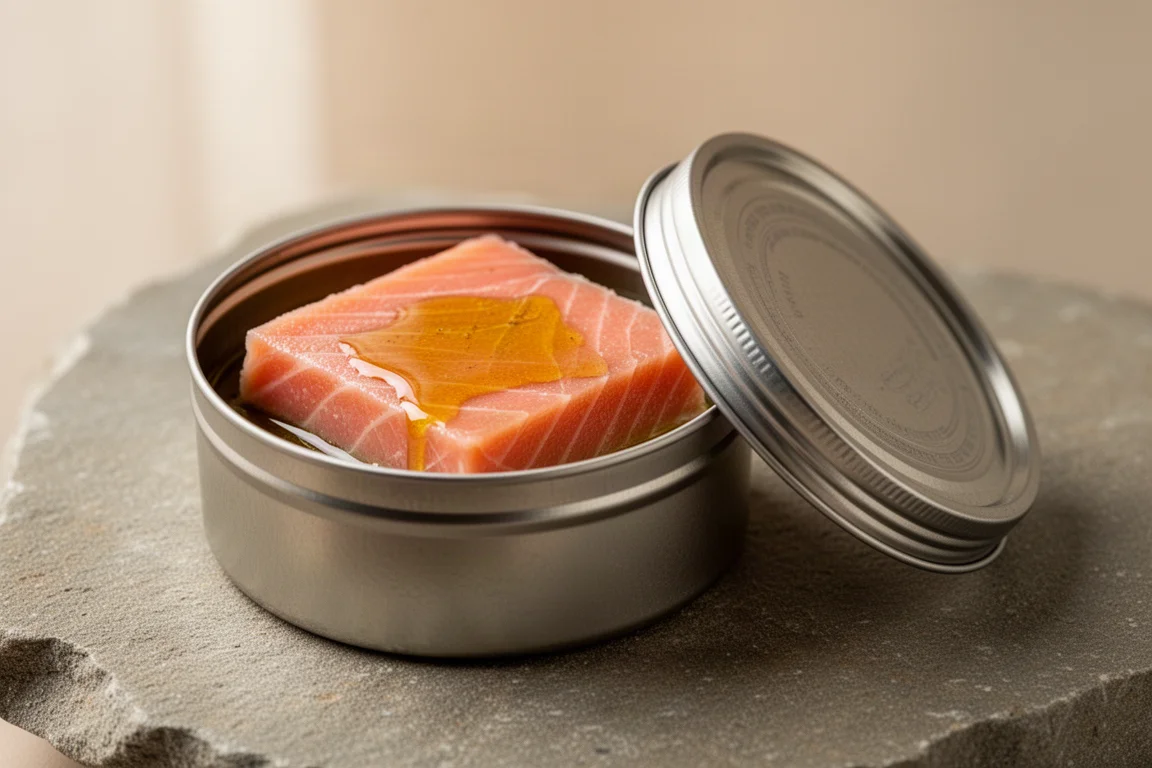
It is worth noting that tinned salmon, typically tinned in oil, is arguably quite nutritionally sound. The canning process softens the small bones, so it can often be higher in calcium than fresh or frozen because you eat those softened mini bones along with the flesh.
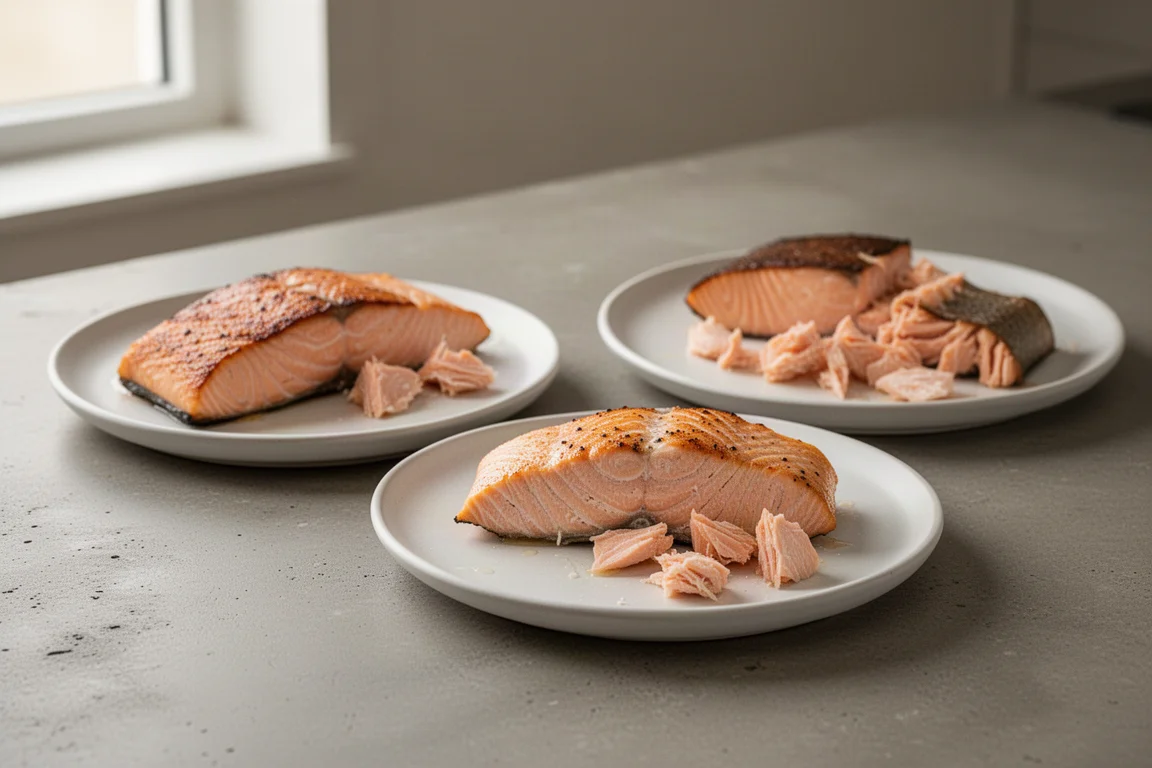
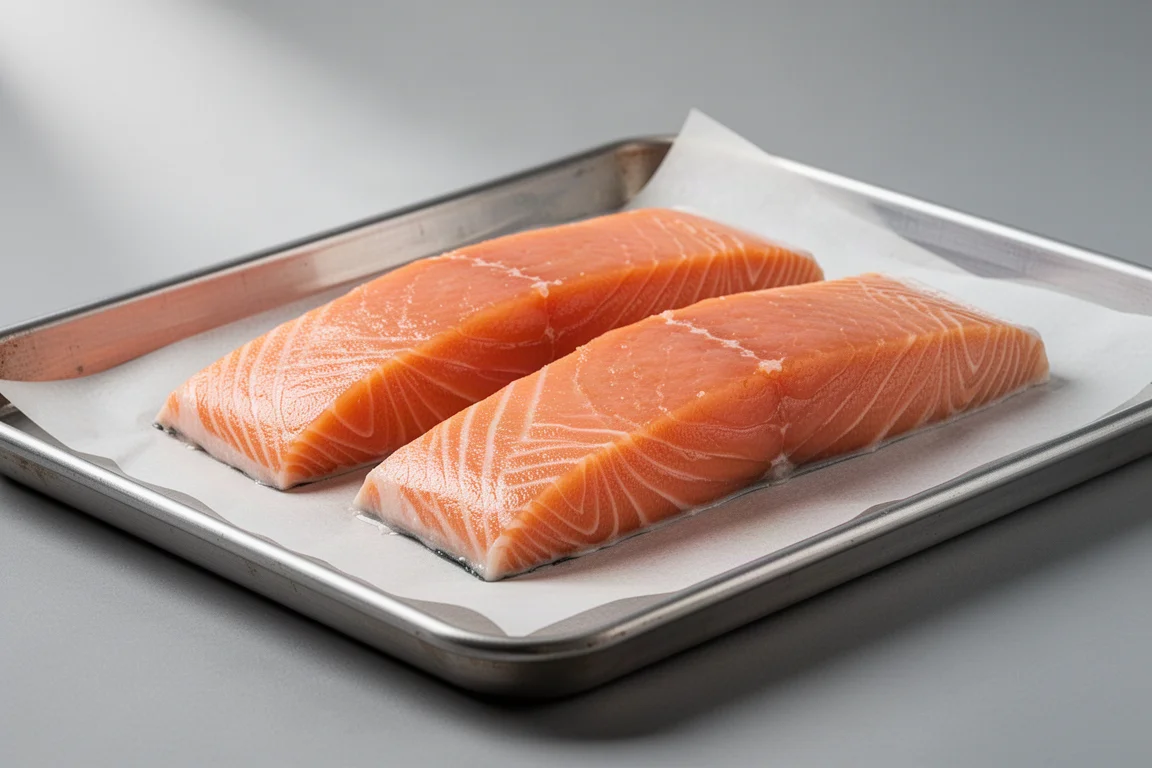
On price, fresh salmon from a fish supplier came in at £21.42 per kilo, while Iceland’s thawed Atlantic salmon fillets worked out at £21.15 per kilo, effectively the same. The surprise was the tin: John West Atlantic salmon fillet in olive oil reached around £30 per kilo once you account for the drained weight and the olive oil you are paying for. The freezer option is the value sweet spot here, and the fresh and frozen versions are interchangeable in flavour, with fresh being slightly firmer because freezing softens connective tissue. Use fresh for pan frying, grilling or the barbecue; use frozen when you are breaking the fish into pasta sauces, curries, salads or meal prep.
If you want a no-fuss frozen option that held its own against fresh fish in a blind test, Iceland’s thawed fillets are the one to look at.
For a shelf-stable option that is ready straight from the can, John West’s fillet in olive oil is convenient and nutritious, just check the per-kilo price before assuming tinned means cheap.
Pineapple: Fresh, Tinned in Juice and Frozen Chunks
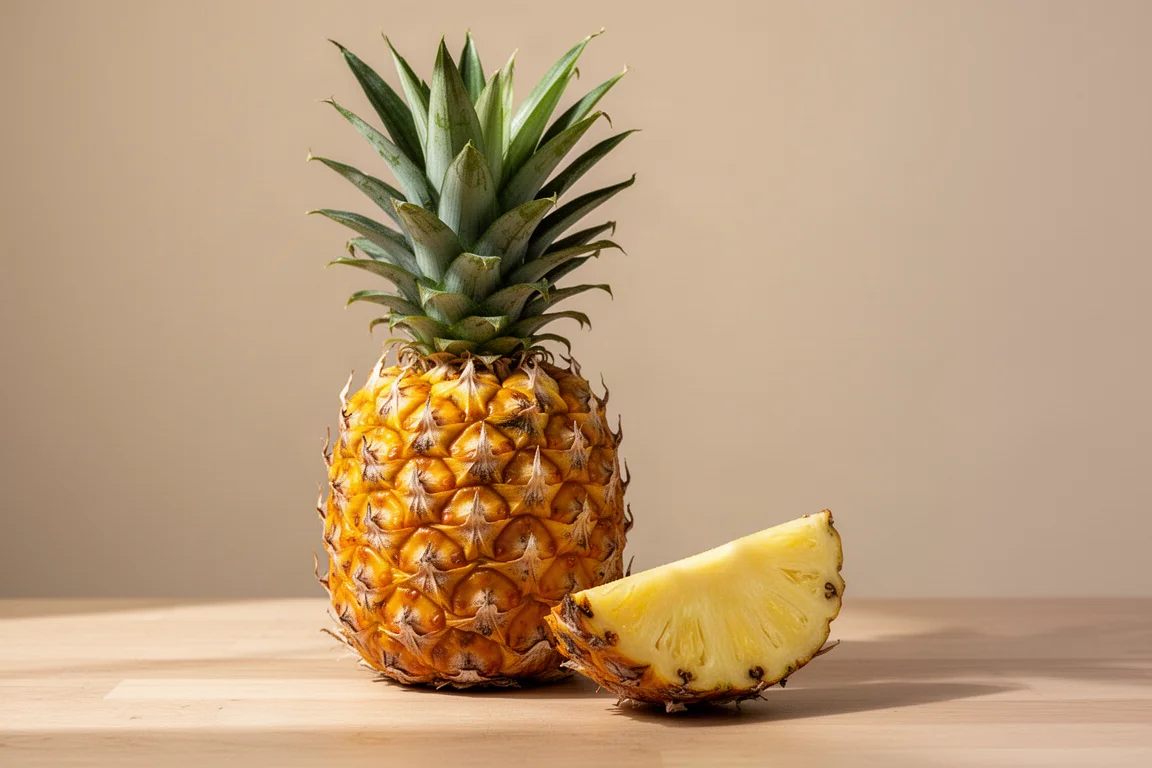
For round two, each pineapple went into an upside-down pineapple pancake, cooked into the batter. The results split clearly. The fresh M&S King pineapple delivered the most pineapple-like flavour, fragrant and sweet with firm, not-too-mushy texture. The tinned Dole chunks in juice were paler and noticeably more acidic, and that bite actually worked well, offsetting the sugar in the bake. The frozen M&S chunks lost the most in translation: after freezing, defrosting and breaking down, they released a lot of water into the bake, turning soft and juicy with far less flavour.
Here is the counterintuitive part for bakers: when you are using a tried-and-tested recipe with fixed ratios of flour, fat and sugar, a consistent tinned pineapple or a consistent branded frozen pineapple is often the safer bet, because they are prepped at the same ripeness every time. Fresh pineapple is better when you want fragrant aromas, subtlety and crunch.
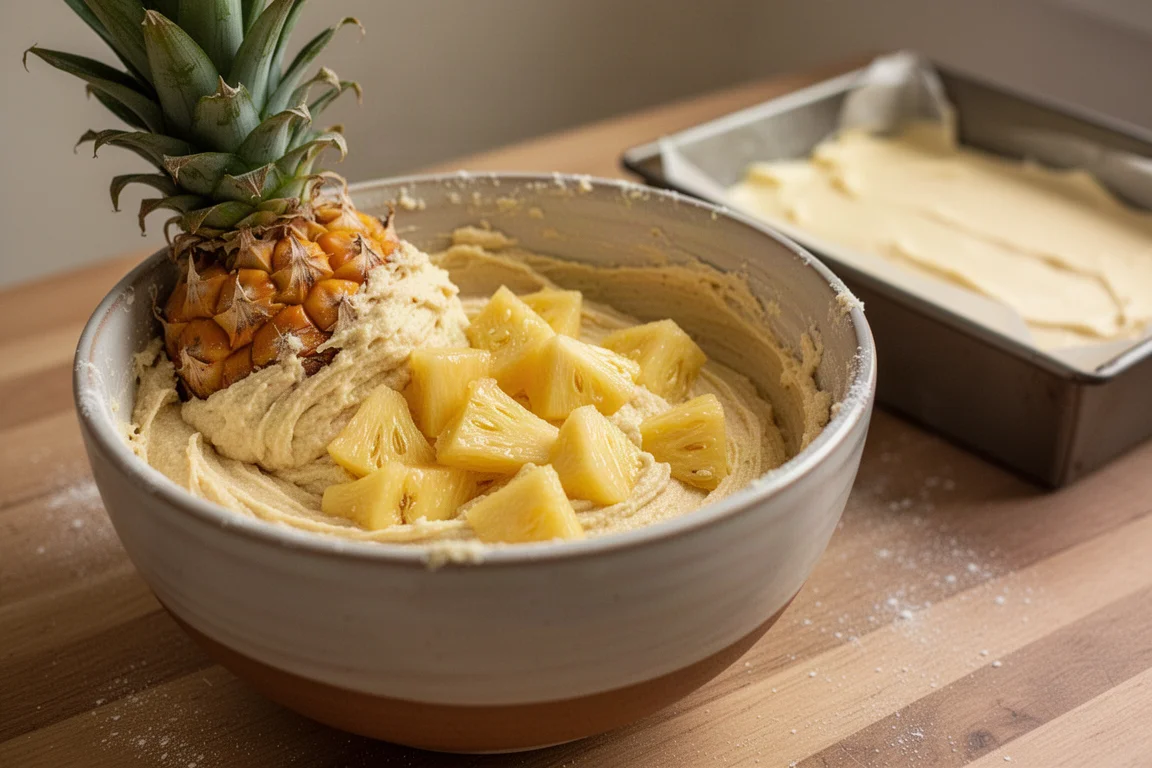
On price, the whole M&S King pineapple cost £2.40, which is excellent value for the quality. The tinned chunks in juice are one of the most common tinned fruits in the UK and remain a reliable baking standby. The frozen chunks sit at the back of the pack for eating quality in a wet bake, though they will keep far longer than a whole fresh fruit.
For bakers who want consistency and acidity to balance sweet batters, Dole’s chunks in juice are the dependable choice.
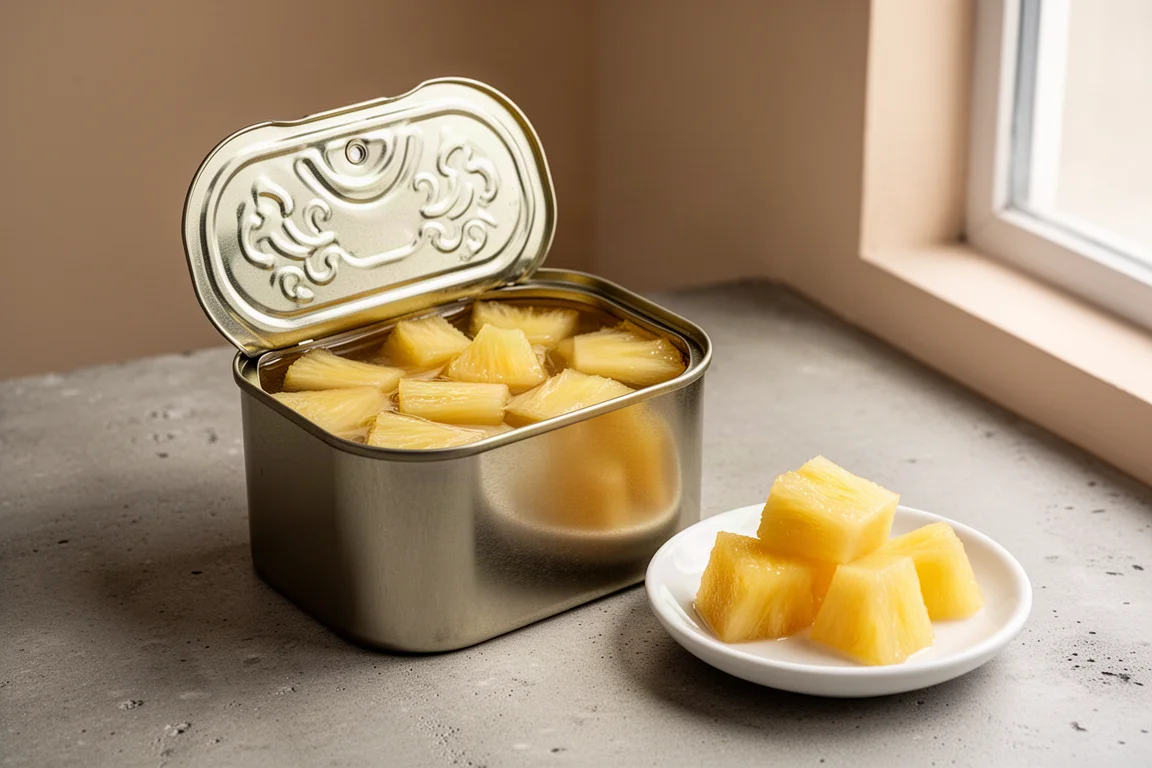
For the best raw eating experience and the lowest cost of the trio, the fresh M&S King pineapple is hard to beat at £2.40 a fruit.
Spinach: Frozen Pellets, Fresh Leaves and Tinned
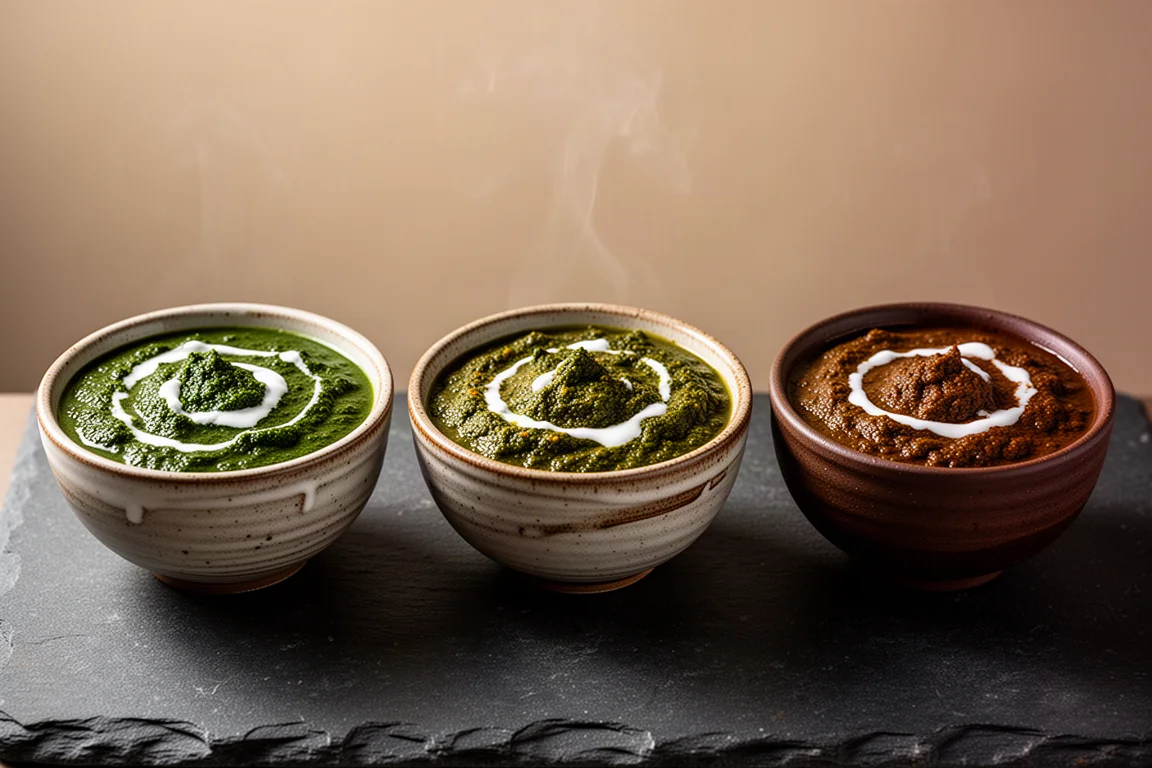
Three bowls of saag, cooked down with onion, ginger, garlic, spices, butter and cream, hid the biggest visual differences of the day: vibrant green, green-brown, and deep brown. The frozen Tesco leaf spinach produced the most appetising result, with the spinach reading as a proper vehicle for the spices and a texture tasters called genuinely saag. It is frozen within hours of harvest and wilted down before freezing, so of the 900 grams in the bag, nearly all of it is usable spinach with only a little water coming out.
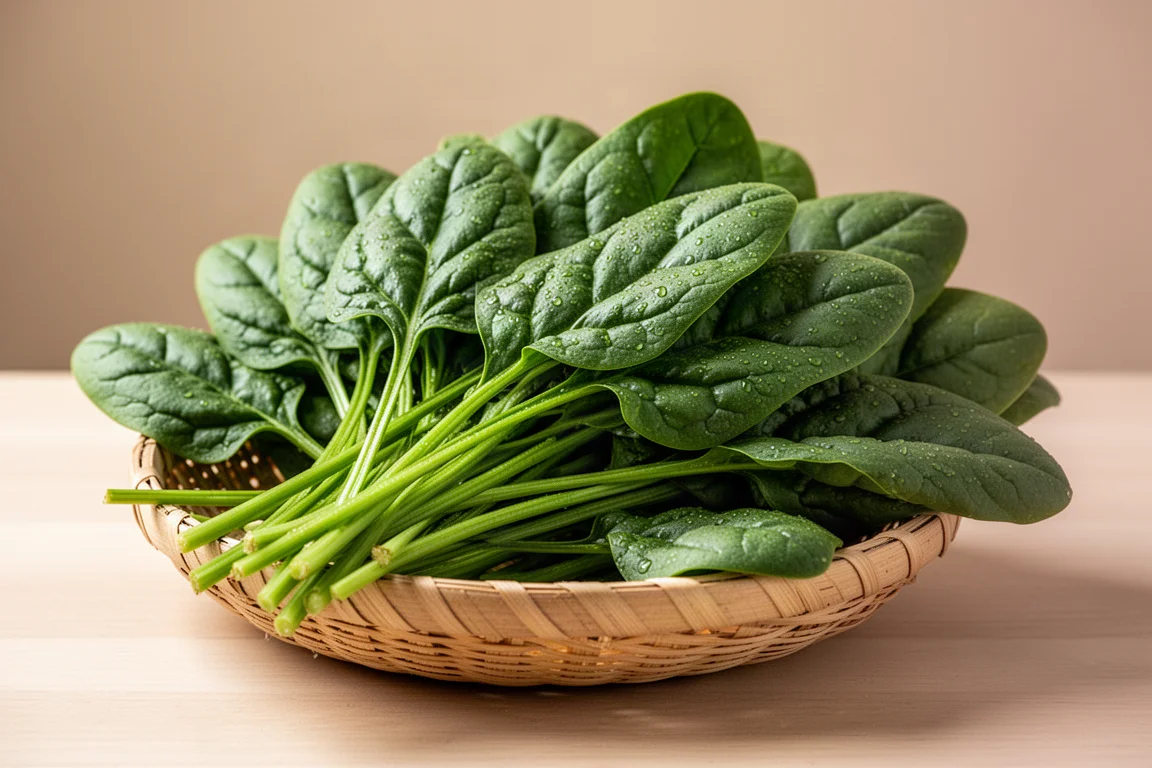
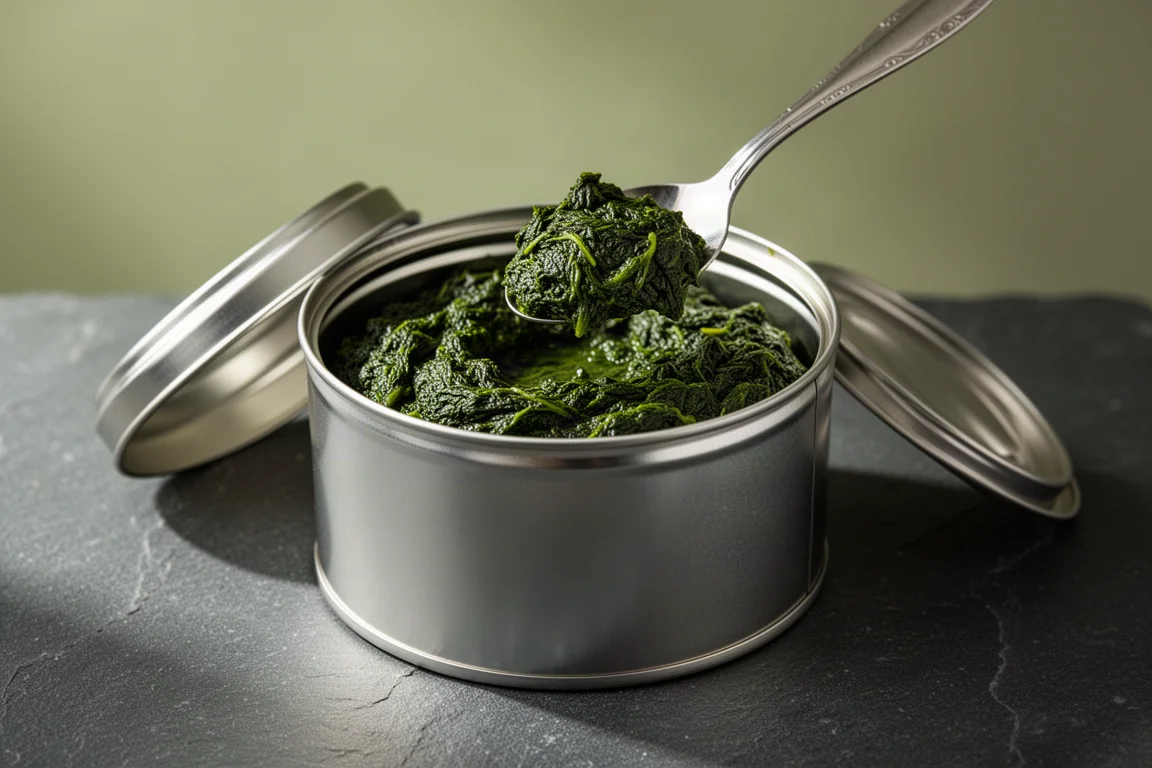
The fresh Tesco spinach also cooked well, slightly more bitter with that ironic mineral edge you expect from spinach. Sourcing shifts with the seasons, from Germany, Spain, the UK, Italy and the Netherlands, because young fresh leaves are always preferred and much of it is grown indoors. The tinned NatCo spinach, produced in France with a little added salt, was the earthiest of the three, less bitter, with a stewed, twice-cooked character from being cooked before canning and then heated again in the can. Tasters liked it, but it really belongs in long, wet cooks rather than as the star.
The price gap here is dramatic. The frozen spinach works out at £1.78 per kilo, with a 900 gram bag costing around £1.60. The fresh spinach, at £1.47 for a 500 gram bag, comes to £3.54 per kilo, roughly twice the price, and you lose most of it when it wilts down. The tin, at £1.95 for 765 grams, lands at £3.68 per kilo of drained weight, about the same as fresh. For everyday cooking, the frozen bag is the clear winner: keep one in the freezer and stir it into fish pie mix, pasta dishes, soups and broths like minestrone. Fresh wins for salads and dressings. The tin is shelf-stable and consistent but the least versatile.
If you cook spinach regularly, Tesco’s frozen leaf spinach is the standout, both in the pan and on price.
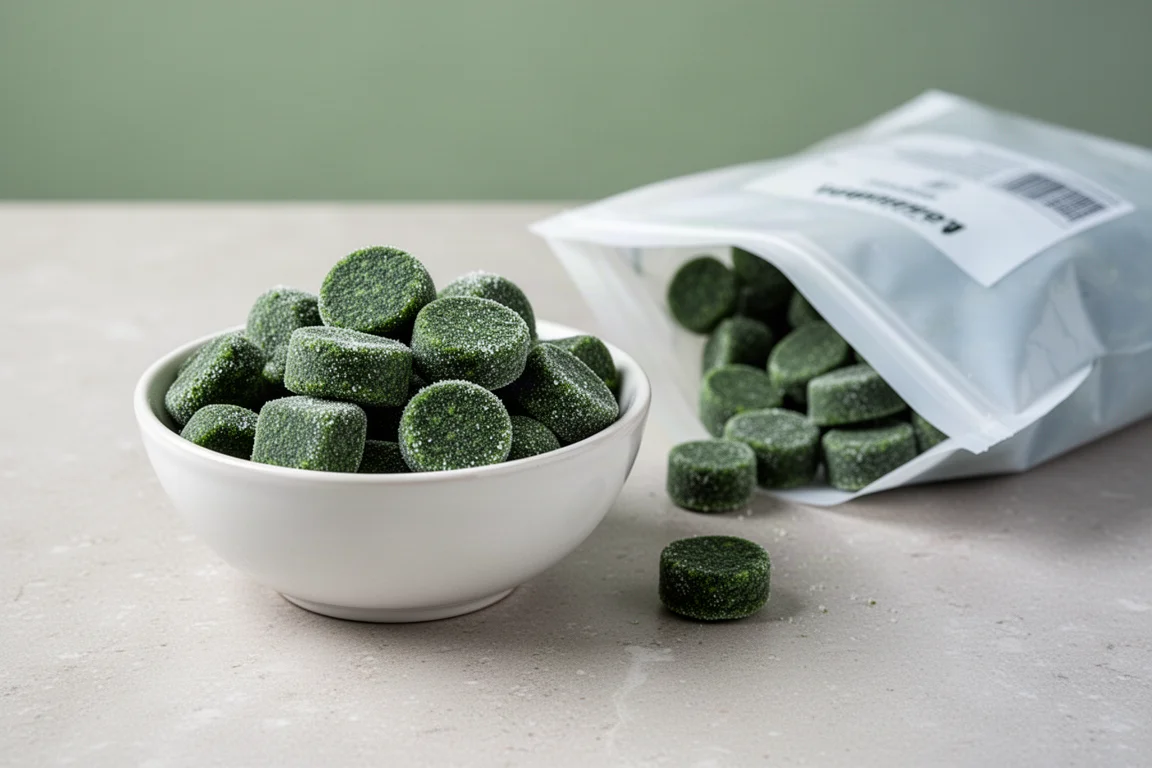
For salads and dishes where you control the washing and wilting, fresh Tesco spinach gives you full control over texture and grittiness, at about twice the per-kilo cost.
The tinned option does a solid, consistent job in long wet cooks, just be aware of the possible slight grittiness that is outside your control.
Chicken: Fresh, Frozen and Canned Breast Fillets
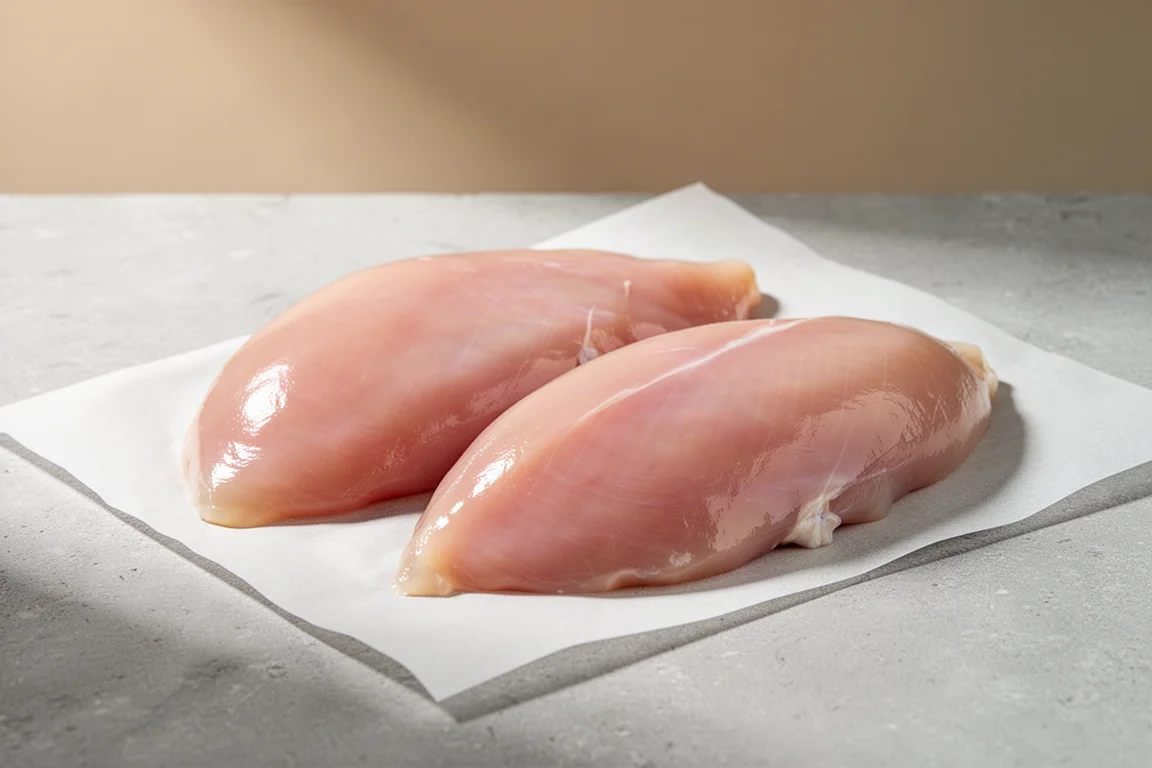
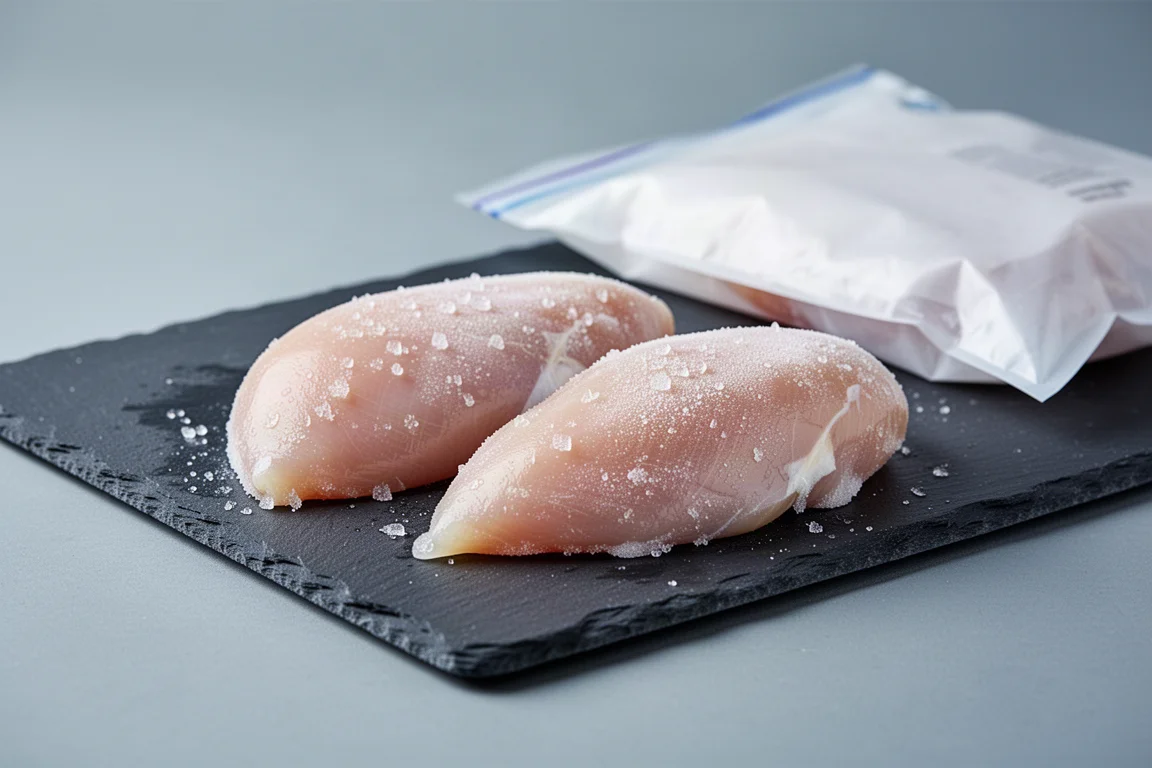
The final round hid three chicken preparations in a Caesar salad, and this was the most decisive result of the day. The fresh Waitrose slowly reared chicken breast fillets set the benchmark: well cooked, not dry, with proper grain and bite, exactly what you want from a chicken Caesar. The frozen Waitrose breast fillets, still Class A British chicken, were identifiable by a softer, almost pappy texture with less bite. Freezing changes the muscle structure and forces out some moisture, which is why you sometimes see ice crystals on frozen breasts. Flavour-wise, fresh and frozen were the same; it is purely a texture thing.
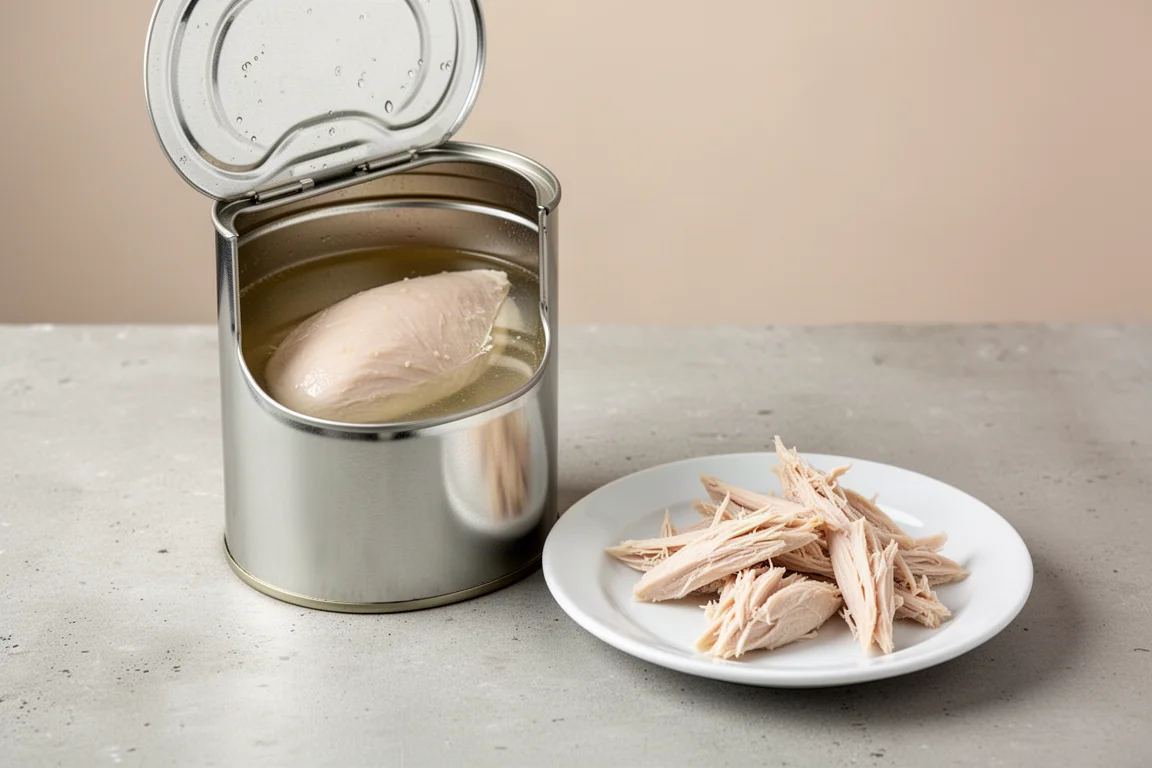
The canned chicken was the outlier. It fell apart the moment a fork touched it, with a shredded texture tasters compared to tuna, and a noticeably dry eating experience on its own. Its genuine advantage is convenience: it is cooked and stabilised in the can, so it is open-and-ready for salads and lunch prep.
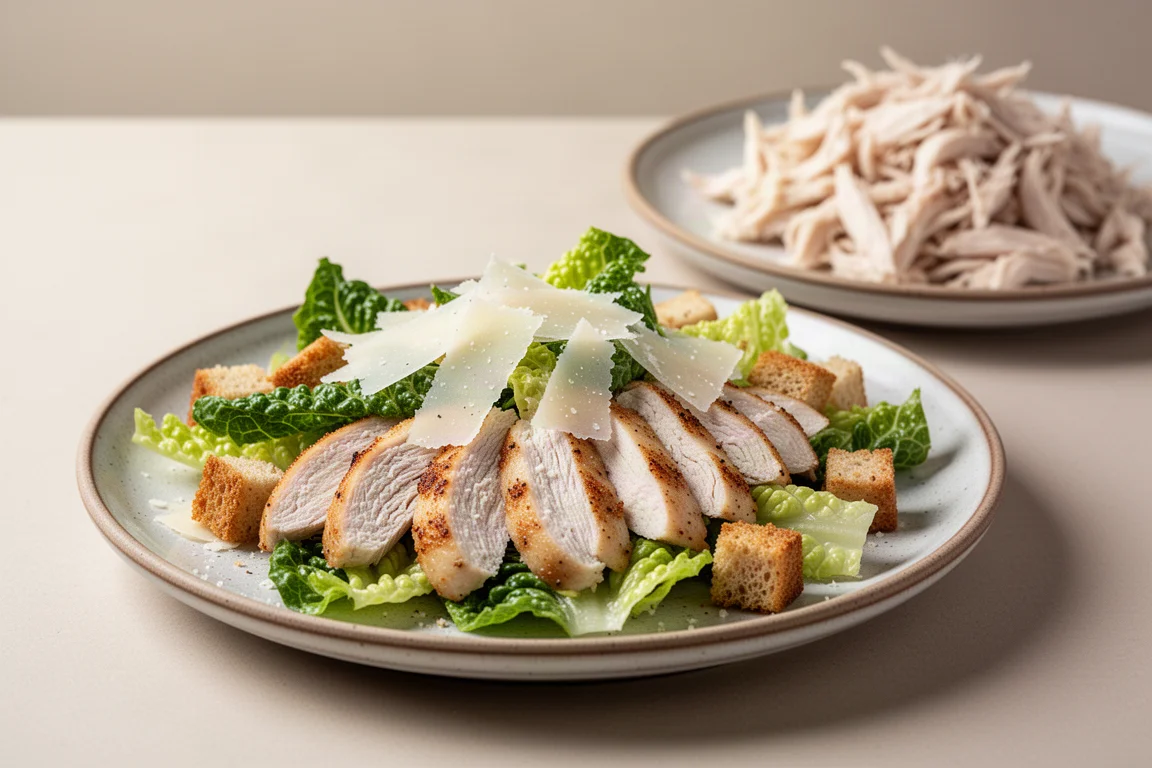
Where the canned chicken earns a place is in pies, stews and casseroles, where other textures are at play and you just want chicken flavour. Price-wise, the fresh fillets cost £12.50 per kilo, the frozen about £8 per kilo, making fresh 50 percent more expensive, and the tin came to £25 per kilo, twice the price of fresh. For the frozen option, think of it as a freezer contingency for marinades, stews and curries, or cooking for a crowd. For the tin, you are partly paying for a premium brand.
For the main-event chicken dishes where texture matters, the fresh Waitrose slowly reared fillets delivered the benchmark result.
The frozen Waitrose fillets cost significantly less per kilo and taste the same, making them a sensible freezer backup for wet cooks and big batches.
Vilgain’s chicken breast in a tin, lightly seasoned in water, is the ultimate open-and-go option for lunch prep, but at £25 per kilo it is a premium price for the convenience.
Overall Buying Advice
Three patterns emerge across all four ingredients. First, fresh and frozen from the same brand are usually flavour-identical, with freezing only affecting texture, so choose based on the dish: intact pieces favour fresh, mixed-in dishes favour frozen. Second, tinned is rarely the bargain it appears to be once you calculate the drained weight per kilo, because you are paying for oil, juice, or premium branding. Third, frozen vegetables, spinach in particular, are dramatically better value than their fresh equivalents and lose very little in the cooking.
Conclusion
None of the three formats is universally best. Fresh wins for texture-led dishes, frozen wins on value and consistency, and canned wins on shelf-stable convenience, sometimes with genuine nutritional upside, as with salmon bones. The single most useful habit from this comparison is to check the weight, and especially the drained weight, before buying, because the per-kilo price is the only fair way to compare fresh, frozen and canned.
Further reading
Related Reviews
Food & Kitchen
Apple Products Worth Knowing: From Applesauce to Hard Cider
Applesauce, apple butter, cider, hard cider, apple cider vinegar, and apple juice compared, with two picks that stand out.

Food & Kitchen
Best Bone Broth, Chicken Stock, and Chicken Base: Four Kitchen Staples Worth Knowing
Four warmed-and-tasted pantry staples compared: two bone broths with notably more protein, a classic chicken stock, and a convenient chicken base.
Food & Kitchen
Best Box Brownie Mixes: Four Standouts Worth Baking
We tested popular box brownie mixes for chocolate flavor, texture, and that crackly top. Here are the four that rose to the top of the pan.