Food & Grocery
Fresh vs Frozen: Four Everyday Supermarket Staples Put to the Test
Rice, scallops, mushrooms and triple cooked chips go head to head to see whether frozen really deserves its second-class reputation.
Introduction
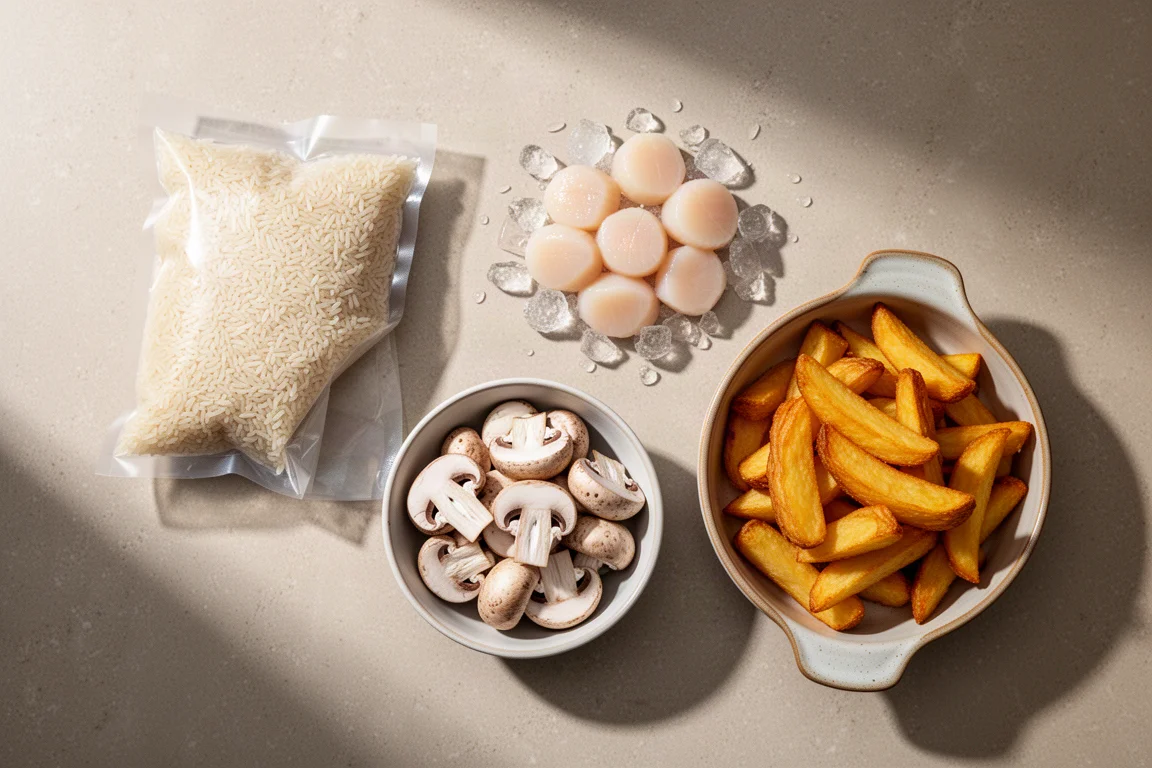
Frozen food has a reputation problem. Most of us assume that anything from the freezer aisle is a compromise, and that the fresh equivalent is always worth the extra money. But is that actually true? Four everyday staples were cooked side by side, fresh versus frozen, prepared exactly the same way according to packet instructions, and the results were genuinely surprising. Some frozen options held their own. One fresh product turned out to be the same item in a smarter box. And one frozen option was simply not worth it at all.
Round One: Microwaveable White Rice
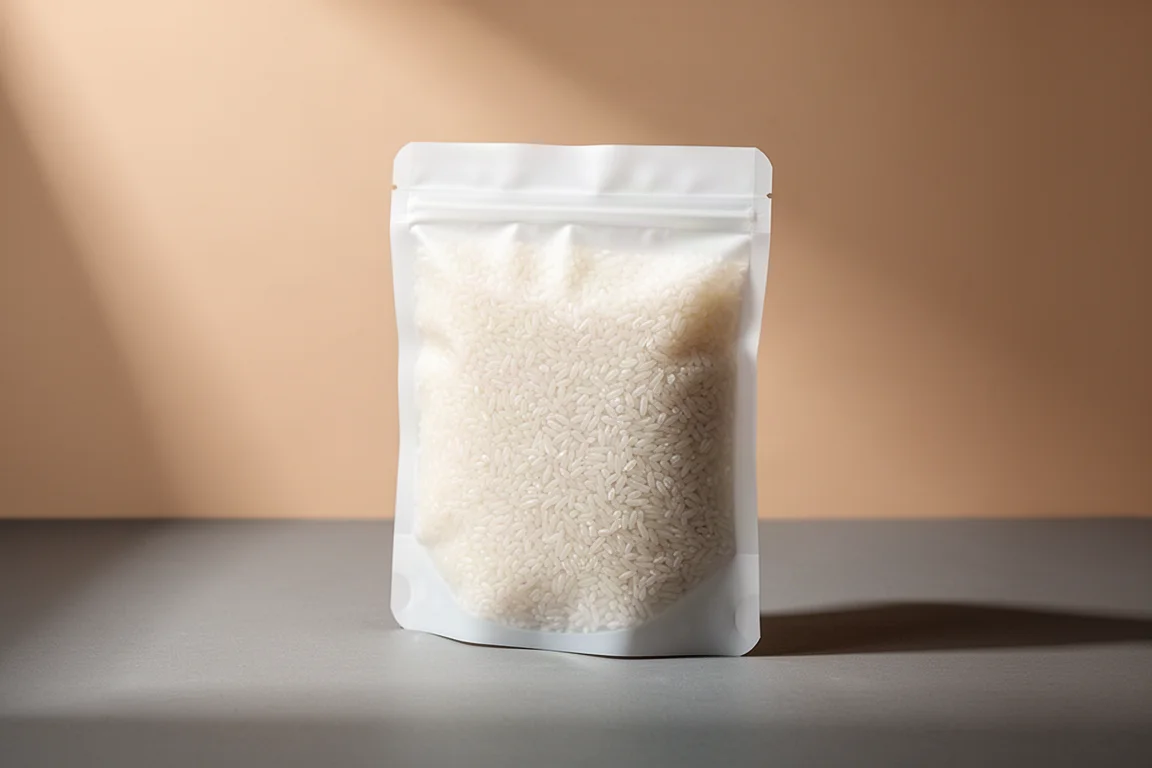
The first test was a stir-fried prawn rice dish, with the only variable being the rice itself. One dish used Sainsbury’s microwaveable white rice, sold as four 200g frozen bags, essentially an individual cooked portion. The other used a standard white long-grain ambient rice pouch, which includes a little oil to keep the grains from sticking. Everything else, weights, measures, flavourings and ingredients, was identical.
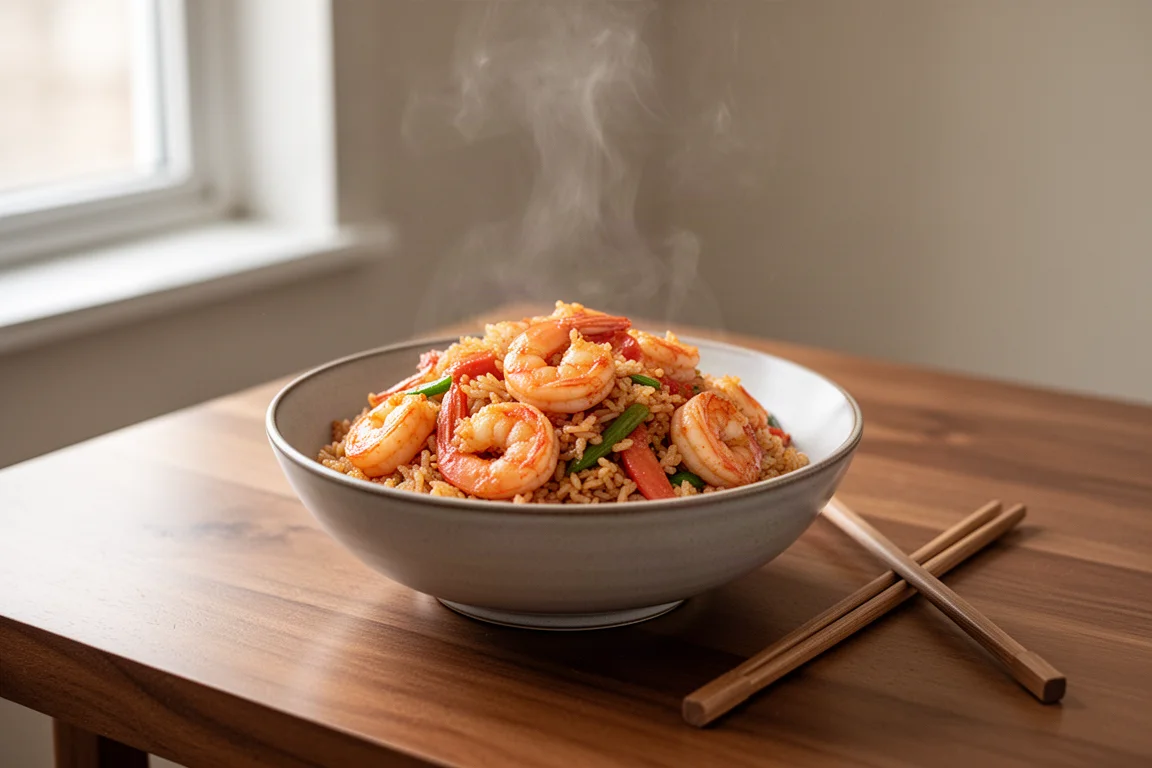
The tasters picked the frozen rice out correctly. The frozen version soaked up far more of the dish’s flavours, leaning almost risotto-like, while the pouch rice kept more bite and more of its own fragrance. That tracks with the processing: freezing can break down some of the rice’s structure, making it softer and mushier. Neither was bad, but they suit different dishes.
The economics, however, settled the debate decisively. The fresh pouch rice comes in at £2.40 per kilo, roughly twice the price of cooking raw grains yourself. The frozen microwaveable rice is actually more expensive at £3.63 per kilo. Combined with the fact that an ambient pouch is already convenient, shelf stable and waste-minimising, the frozen version of this staple is hard to justify.
Round Two: Raw Canadian Scallops
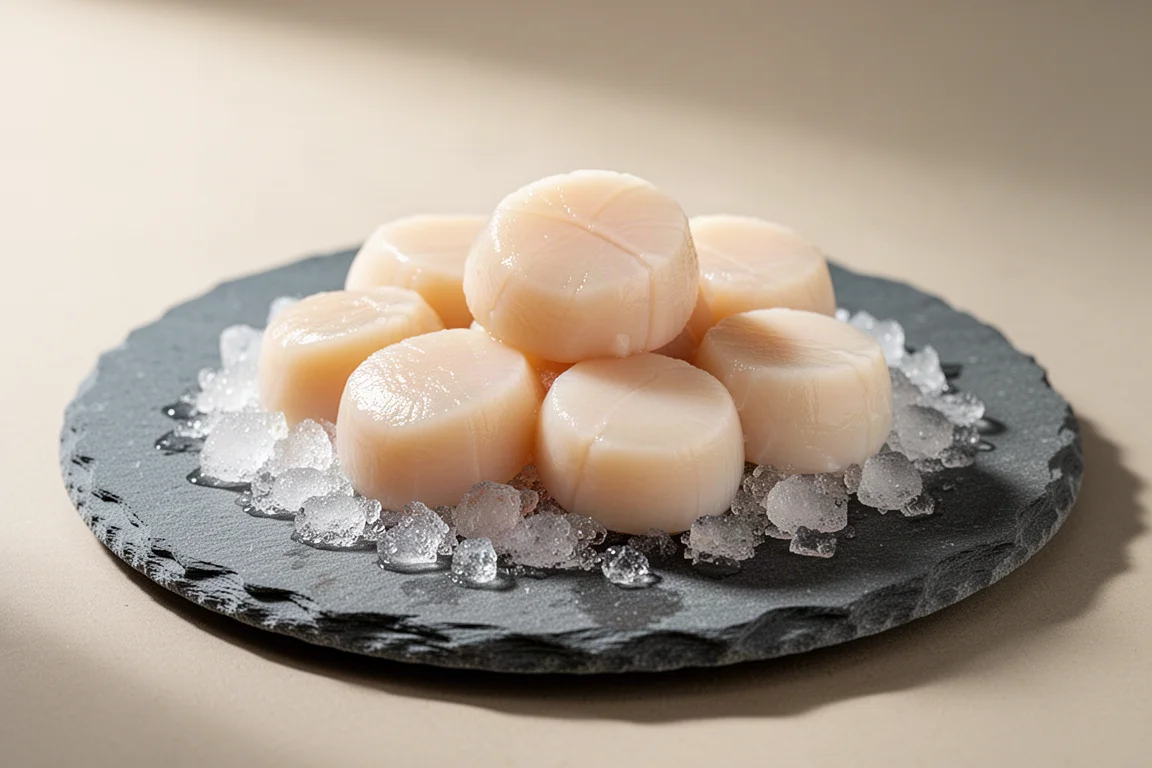
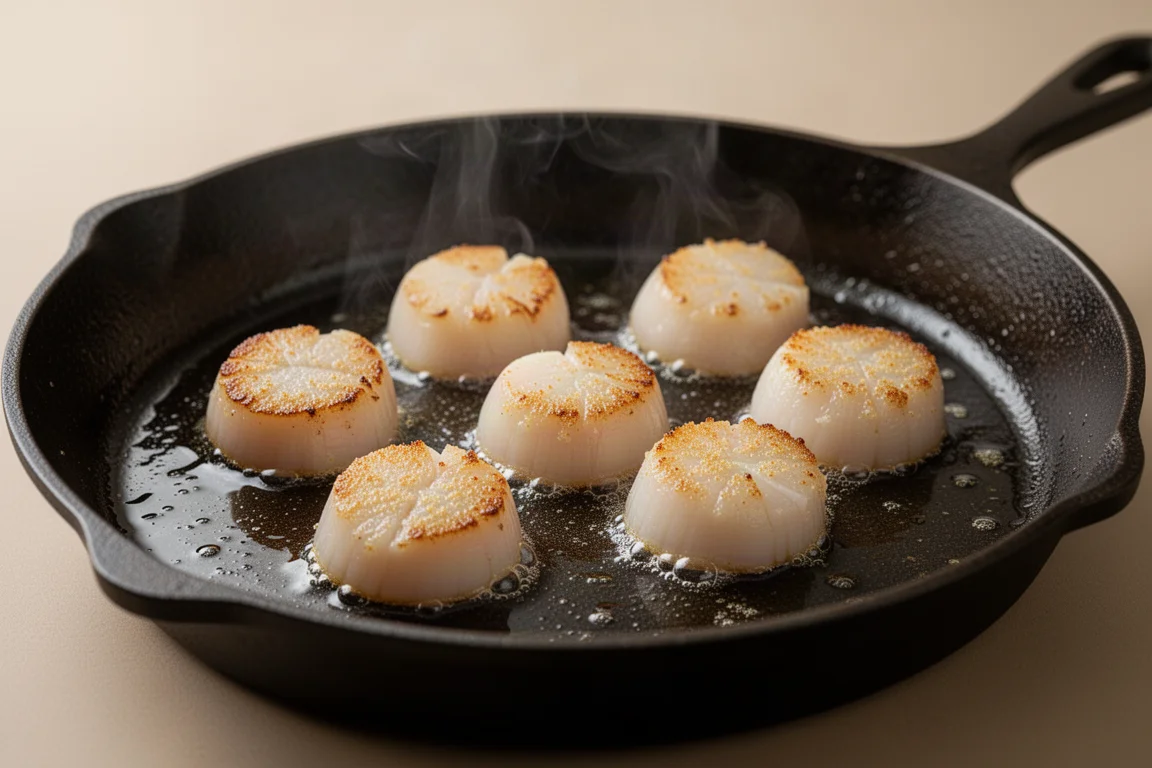
Next came scallops, defrosted, patted dry and seared in a scorching hot pan, identically prepared. The frozen option was Waitrose raw Canadian scallops, around 18g each, ten in a pack, dredged from the northwest Atlantic by trawlers. The fresh comparison was hand-dived scallops from Scotland, 25g each once prepped, sourced through a fishmonger.
This round is where modern freezing technology shines. Individually quick-frozen, or IQF, scallops freeze so rapidly that quality holds up remarkably well, and the tasters again correctly identified the frozen scallop as firmer, plumper and more uniform in texture from top to bottom. The fresh hand-dived scallops were slightly sweeter and visually fresher, with a firmer, springier bite.
There is also a sourcing story worth knowing. Dredging drags a large rake across the seabed, damaging habitats and breaking shells, which is why these scallops are sold without shells. Waitrose states they are sustainably sourced under Sustainable Seafood Coalition guidelines, though the question of whether those guidelines are strong enough remains fair.
Then the price gap: the frozen Canadian scallops work out at £42.50 per kilo, or about 80p per scallop. The fresh hand-dived ones cost £130 per kilo once prepped, roughly £3.25 per scallop, nearly three times the price. For everyday cooking, the frozen option makes a strong case; for a special occasion, the fresh ones earn their premium.
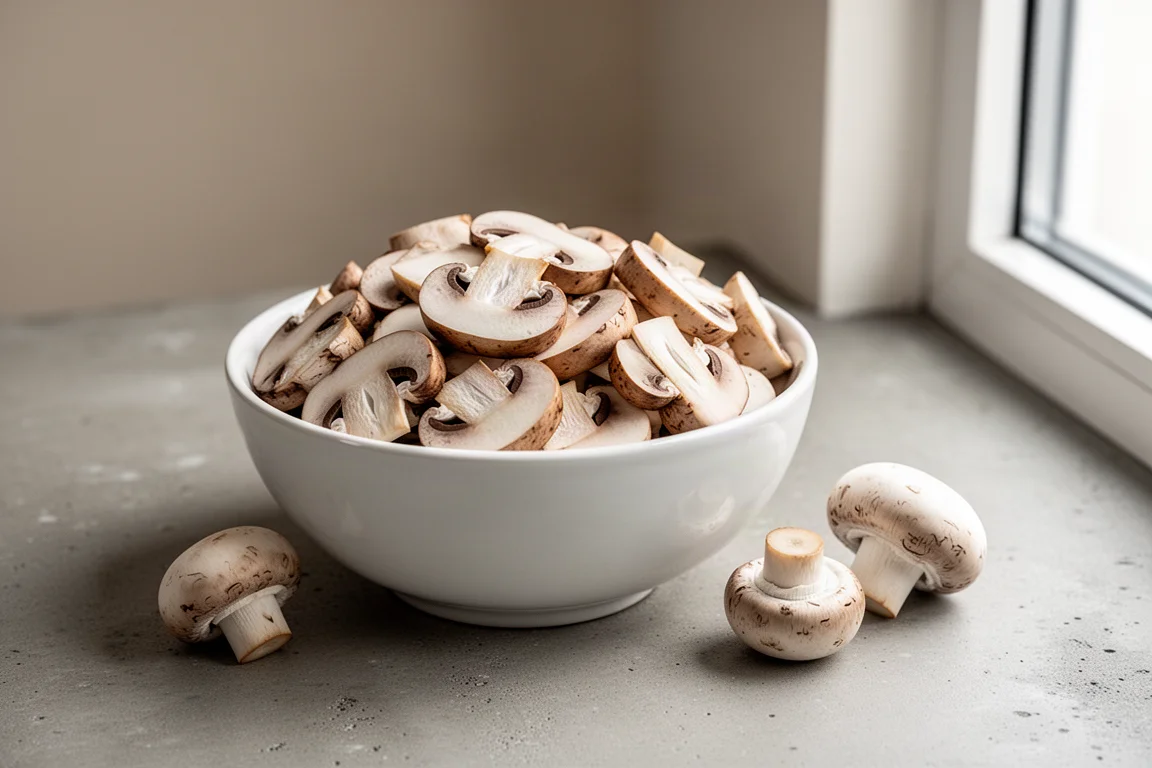
Round Three: Sliced Mushrooms
The third test was a creamy pancetta mushroom pasta, one batch made with fresh Tesco sliced mushrooms, the other with frozen ones from the same supermarket. This was judged the hardest round yet, and it split the tasters, who disagreed for the first time.
The key difference comes down to moisture. Freezing breaks some of the mushroom cell walls, so the frozen slices release more water as they cook, making it harder to achieve the crispy, caramelised edges and the sticky fond that deepens the sauce’s colour and flavour. The fresh mushroom pasta was visibly darker and richer as a result.
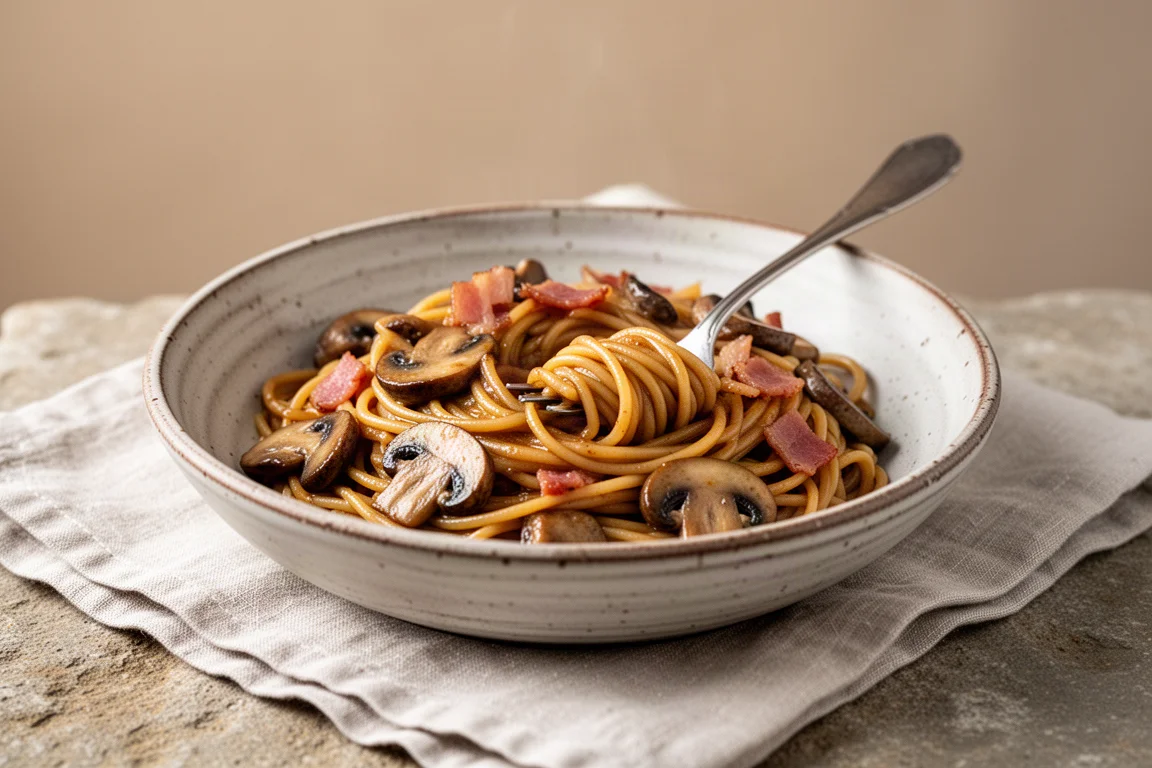
That said, the frozen mushrooms still did a blooming good job in the dish, and they have real advantages elsewhere. At £2.50 per kilo they are less than half the price of the fresh ones at £5.40 per kilo, and portion control is a genuine win: take out a handful as needed and nothing rots in the fridge drawer at the end of the week. They are best suited to long, slow, wet cooks like stews, soups, broths and risottos, where their softer texture disappears into the dish anyway.
Round Four: Triple Cooked Chips
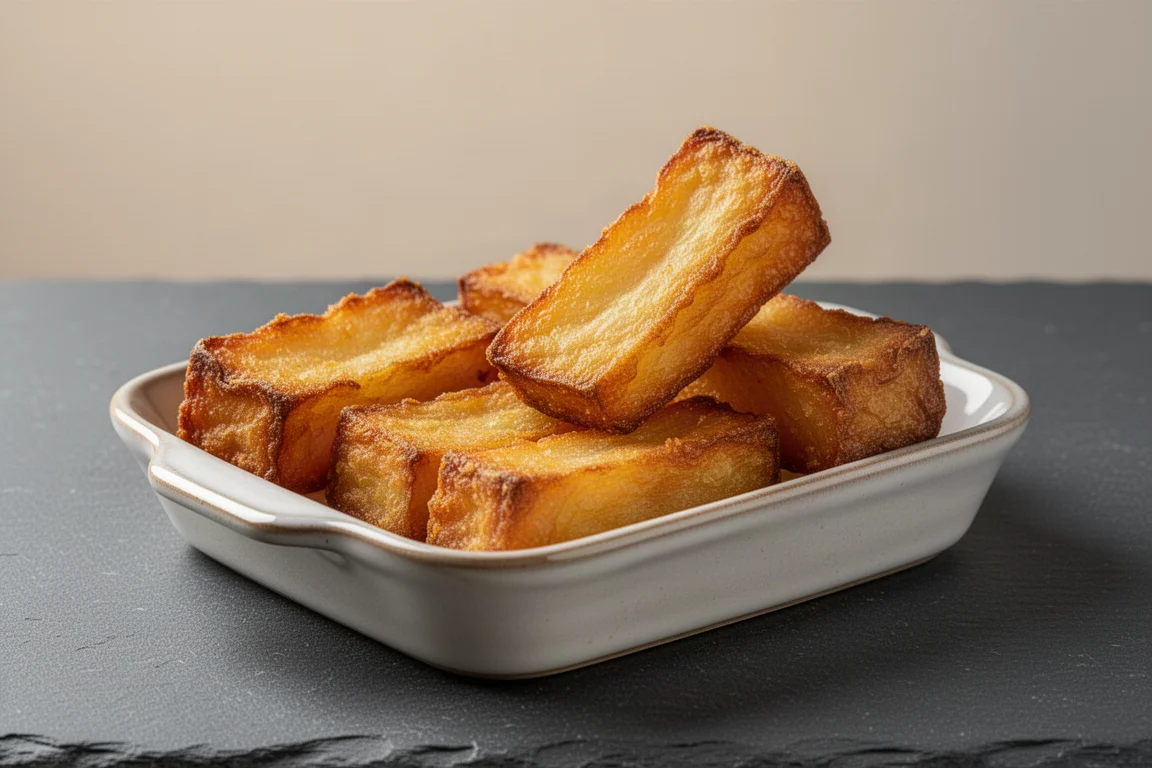
The final round delivered the biggest surprise of all. Two batches of chunky oven chips were served, and both tasters were convinced they could tell them apart instantly. The texture gap was described as being in a different stratosphere: one batch was crisp outside and fluffy, potato-ey and moist inside, the other noticeably drier.
The twist? Both batches were M&S Gastropub Triple Cooked Chips, believed to be the identical product: 87% potato, followed by beef dripping and vegetable oil. The “fresh” box simply contains frozen chips that have been defrosted and repackaged, with the label even stating they have been previously frozen. The boxed version needs sturdier packaging and gets a more premium shelf presence, but the trade-off is real. Freezing, defrosting, bagging and refrigerated transport plus a day or two in your kitchen leave the potatoes shrunk back from the crust, shrivelled and drier when cooked.
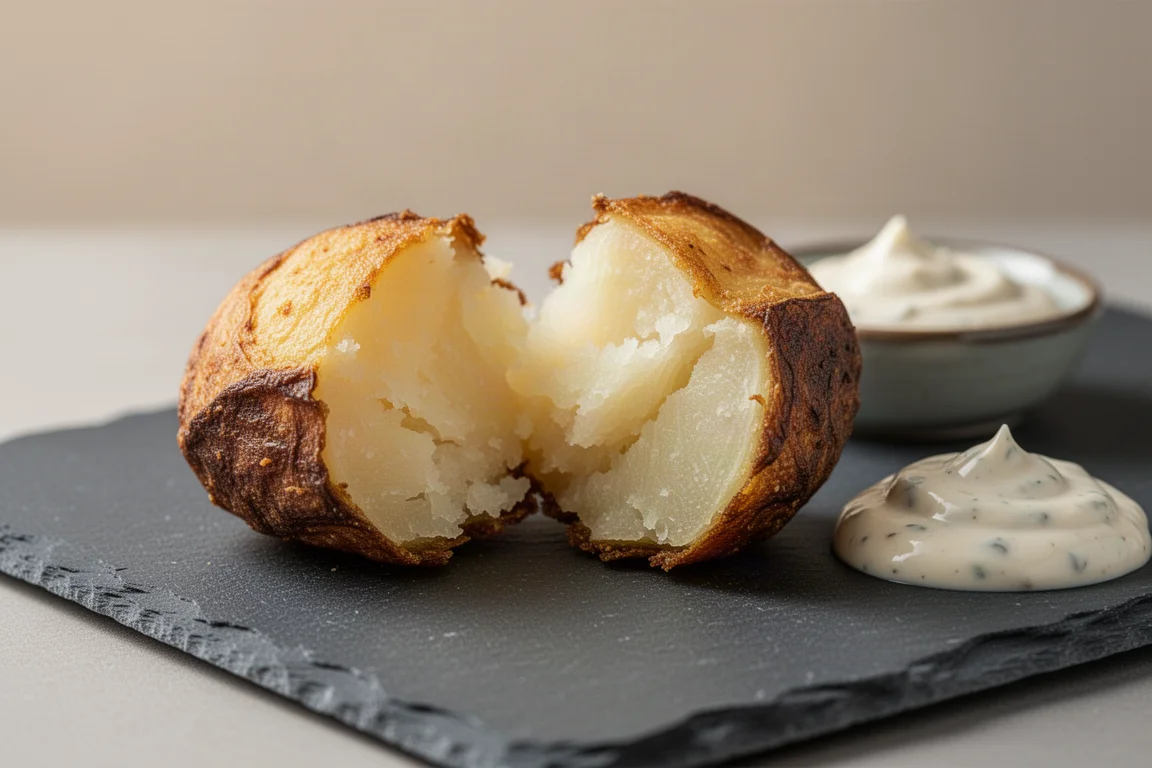
The price twist is just as striking: the frozen version costs £4.80 per kilo, while the defrosted “fresh” version is £8.90 per kilo, four pounds more for a product that cooked noticeably worse. The frozen option was the better chip in every respect, and the tasters were genuinely fooled in the opposite direction to expectations.
Overall Buying Advice
Four rounds, four different lessons. Frozen is not automatically worse, but it is not automatically better either. Where a fresh alternative is already highly convenient, like the ambient rice pouch, the frozen version can end up both pricier and mushier. Where freezing technology is genuinely excellent, like IQF scallops, the frozen option delivers most of the quality at a fraction of the price. Where cooking method matters, like mushrooms, frozen is best saved for wet, slow dishes. And where packaging is doing the selling rather than the product, like the repackaged chips, checking the back of the box for “previously frozen” can save you serious money.
Conclusion
The biggest takeaway is to shop with the process in mind rather than the label on the front. Freeze dates, defrosting and repackaging change texture, flavour and price in ways that are not always obvious until you cook them side by side. Know which of your regular staples genuinely benefit from frozen, which are better fresh, and which “fresh” products are simply frozen ones in a smarter box, and your weekly shop gets both cheaper and better.
Further reading
Related Reviews
Food & Grocery
Best Store-Bought Cranberry Sauce: 9 Options Ranked for Your Holiday Table
We tasted nine store-bought cranberry sauces, from classic jellied cans to nutty relishes, to find which ones actually earn a spot next to the turkey.
Food & Grocery
Best Mozzarella for Cooking and Salads: Two BelGioioso Cheeses Worth Buying
Fresh mozzarella vs whole milk block mozzarella: how moisture content changes melting, flavor, and which one belongs in your cart.
Food & Grocery
Best Store-Bought Hummus: 9 Supermarket Brands Compared
We tasted nine widely available supermarket hummus brands plain and with pita to find which ones actually earn a spot in your cart.