Food & Grocery
Fresh vs Frozen: Which Everyday Ingredients Are Actually Worth Buying?
Four blind taste comparisons between fresh and frozen staples, covering taste, texture, price, and convenience.
Introduction
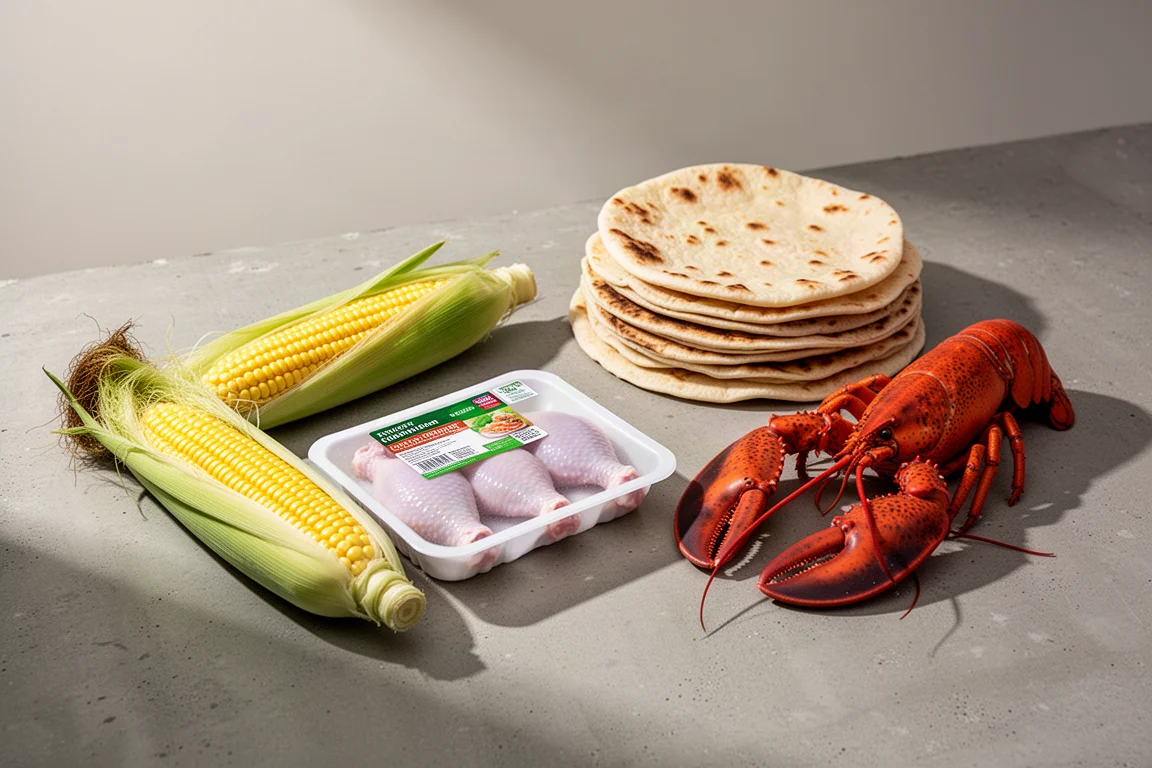
Fresh versus frozen is one of the most quietly divisive questions in the grocery aisle. Is frozen food a genuine compromise, or have industrial freezing processes improved so much that the difference barely registers? To find out, we compared four everyday ingredients prepared identically in fresh and frozen form: corn on the cob, chicken drumsticks, parathas, and Canadian lobster. Each dish was tasted blind, with tasters trying to identify which version was frozen before prices were revealed. The results were closer than most shoppers would expect, and the verdicts varied by ingredient.
Round 1: Corn on the Cob
The first comparison was a corn on the cob served elote style, coated in a creamy dressing with pickled jalapeno, ground cumin, fresh coriander and fried onions. One version used frozen corn, the other fresh. The tasters noticed a texture difference more than a flavour difference: one cob had a softer bite with juices that tasted more watery, while the other bit cleaner and felt slightly sweeter, though not by a dramatic margin.
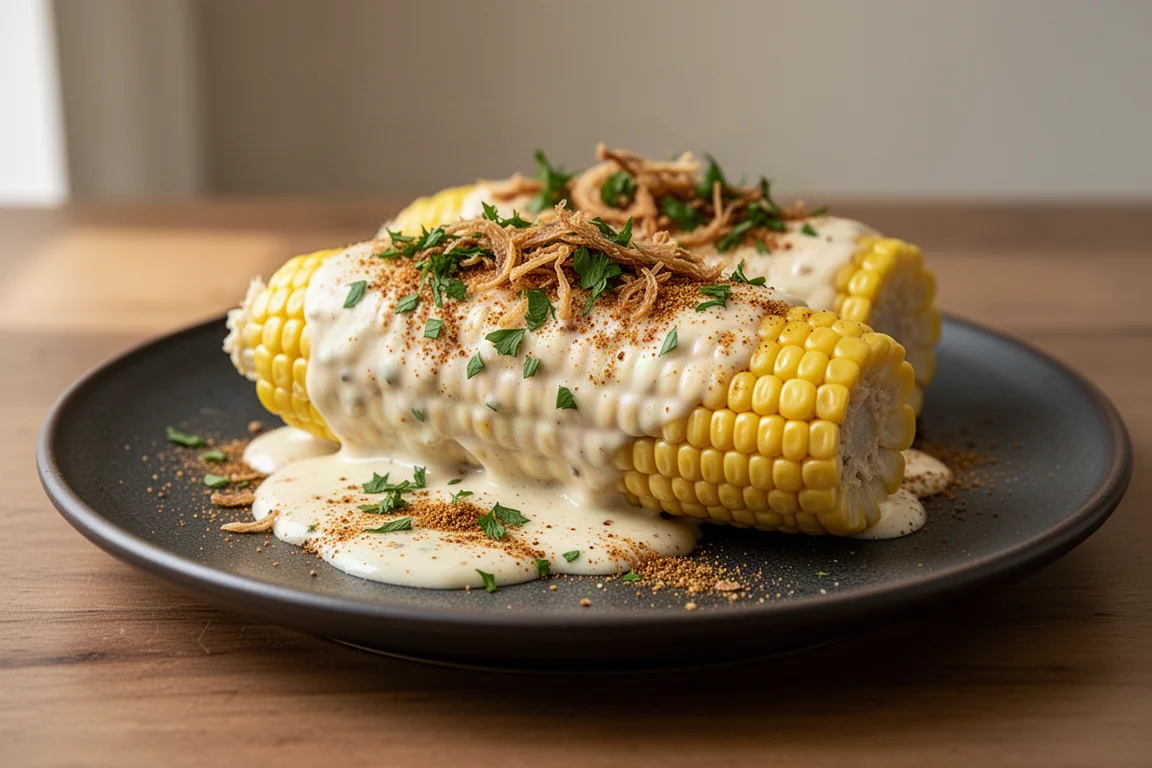
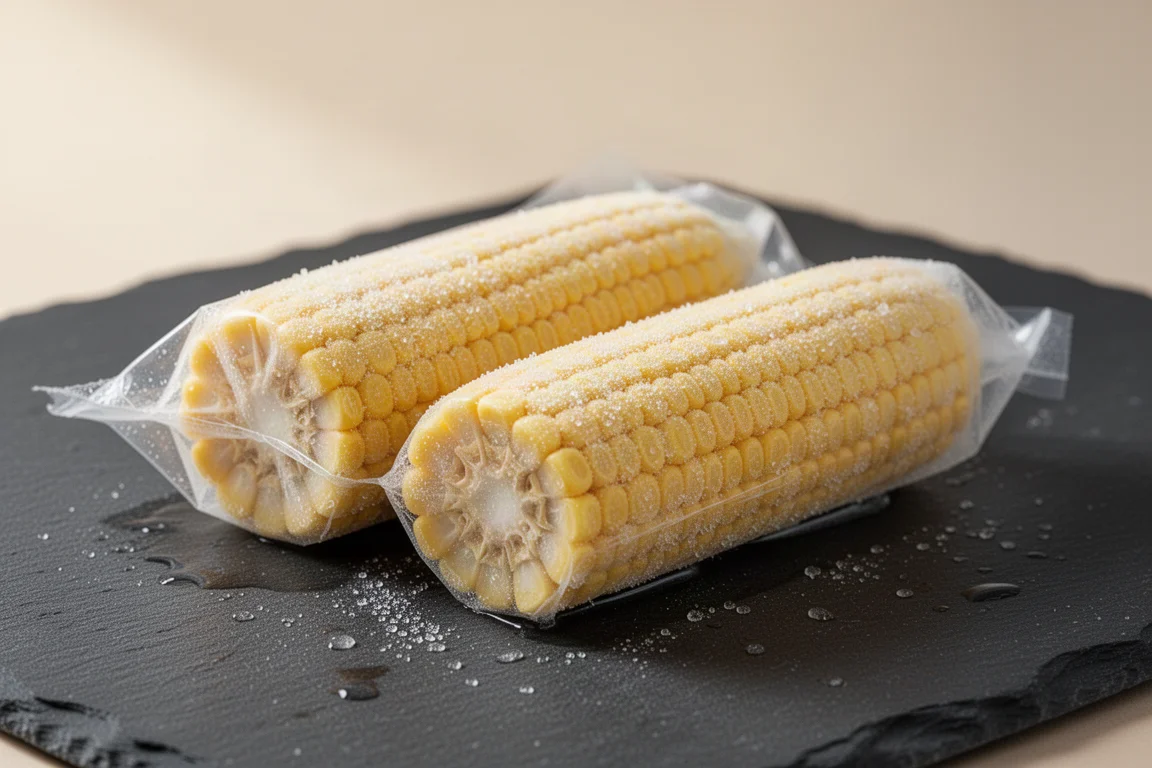
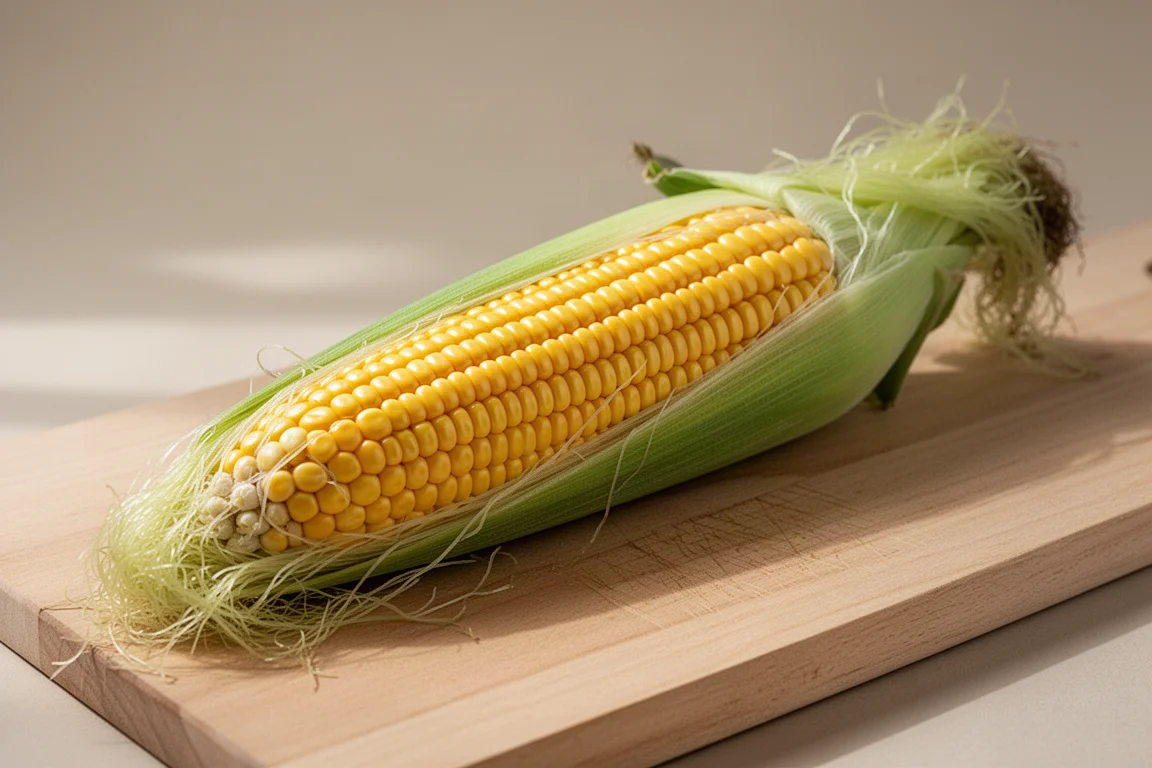
Both guessed correctly in the end. The frozen option was Sainsbury’s super sweet mini corn cobs, while the fresh one was Waitrose essential fresh sweet corn. Notably, the fresh corn cost more than twice as much as the frozen version.
There is a good reason frozen corn performs so well. Sweetness starts deteriorating the moment corn is picked, so freezing it very quickly after harvest, sometimes on the machinery in the field itself, locks in sweetness and nutrients that a “fresh” cob sitting on a shelf may already have lost. The trade-off is texture: freezing can make the kernels slightly softer, much like how berries go mushy after defrosting. The ideal, of course, is corn eaten within a day or two of being pulled from the plant, but since corn has a very specific season, frozen offers that locked-in goodness all year round.
Round 2: Chicken Drumsticks
The second dish was fried chicken drumsticks with Indochinese flavouring, combining Chinese and Indian spices in a chilli peanut oil with tamarind. Both drumsticks were marinated overnight and cooked identically, one fresh and one frozen. This time the tasters genuinely struggled to find a difference, partly because dark meat is so tender to begin with.
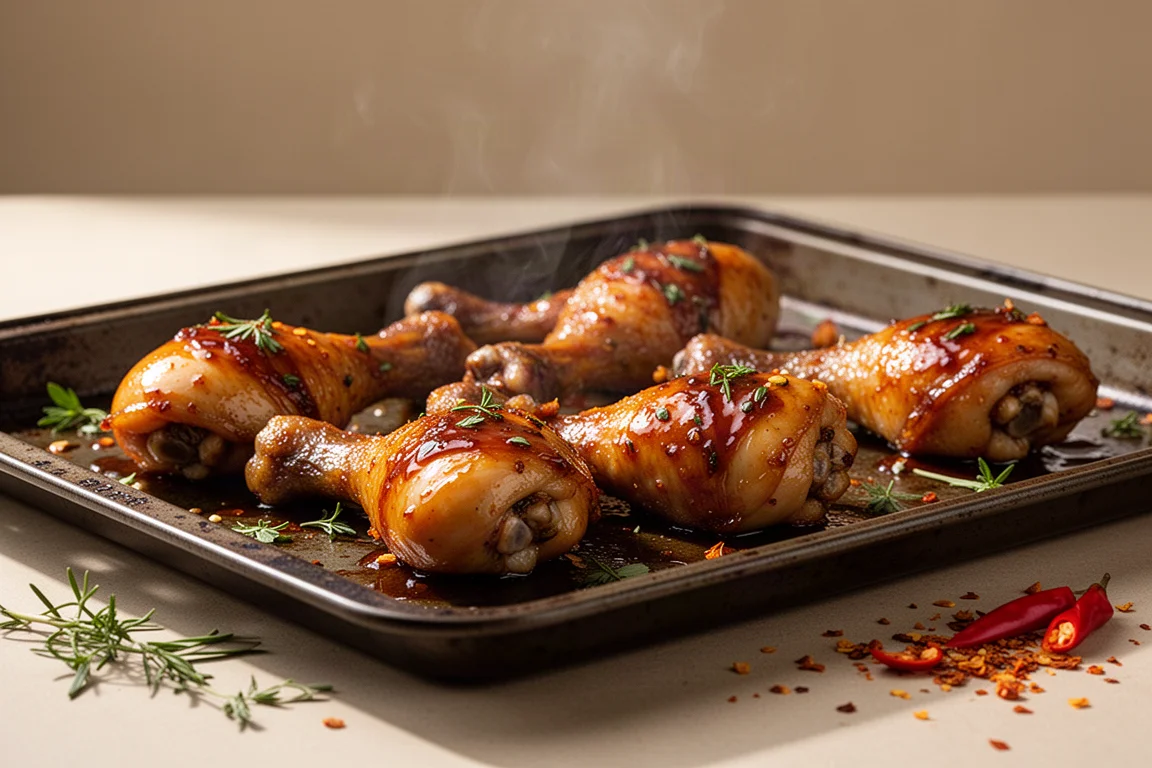
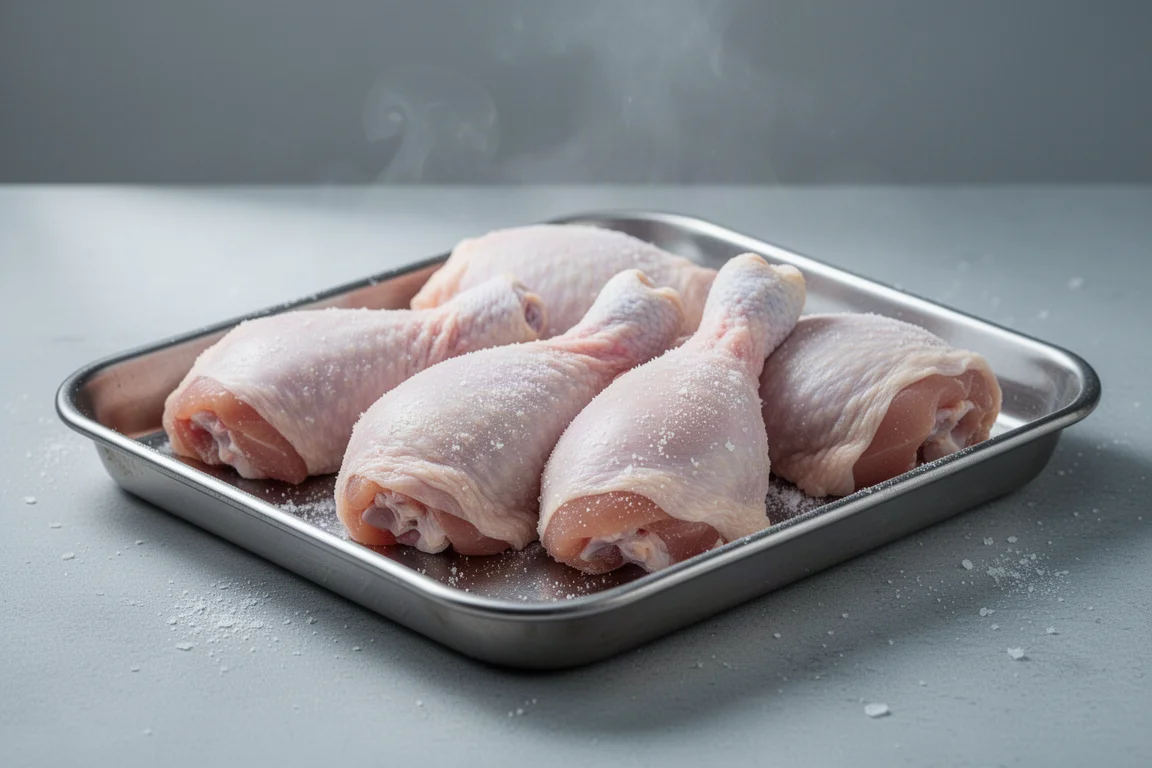
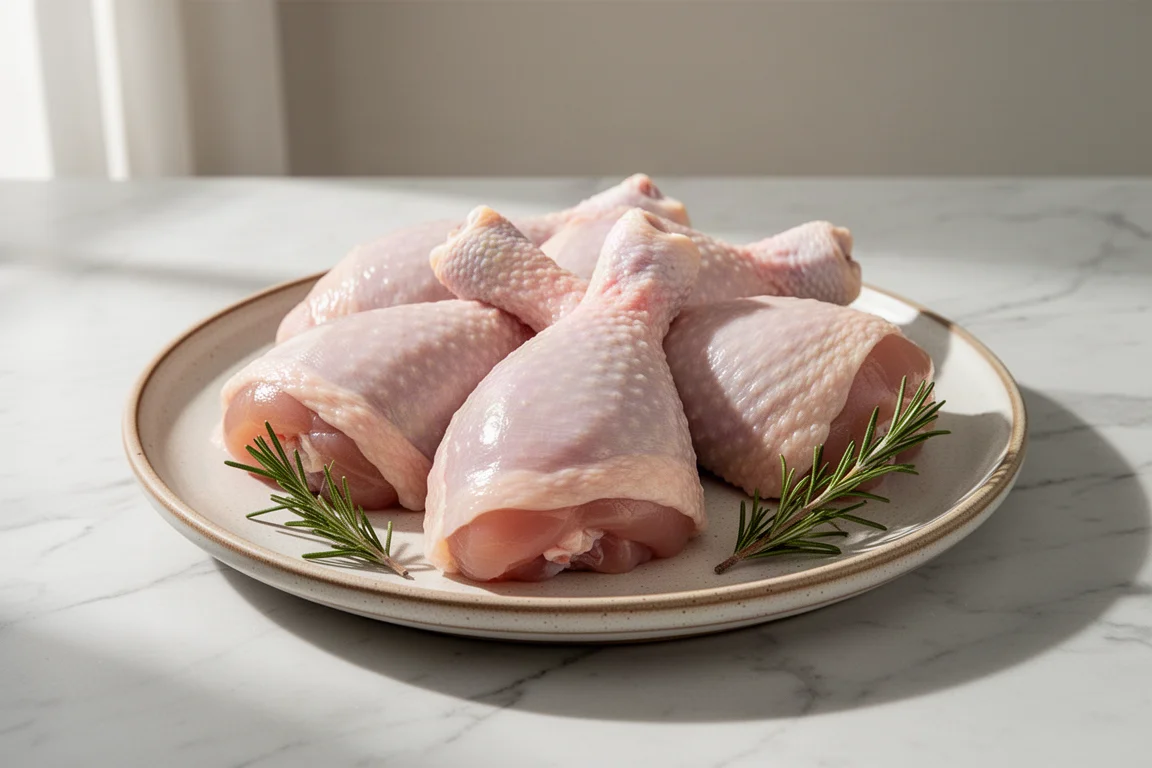
Both tasters still picked the same answer, and both were right. The frozen option was Stamford Street Company British frozen chicken portions, sold as a kilo pack, essentially the supermarket’s basic range. The fresh version was Ocado’s British chicken drumsticks, also a kilo pack, and the fresh chicken was 43% more expensive.
A practical note for home cooks: frozen chicken normally needs to be defrosted safely in the fridge ahead of time, though a few recipes allow cooking from frozen if you are careful to cook it all the way through. Interestingly, after defrosting, the frozen chicken actually leached less water into the marinade than the fresh one, which had water added to bulk up its weight. Frozen also has a sustainability argument: a longer shelf life means less food waste, because you only take out of the freezer what you need. Modern industrial freezing creates tiny micro ice crystals that barely change texture, unlike a domestic freezer, where larger ice crystals can dry out meat and cause freezer burn.
Round 3: Parathas
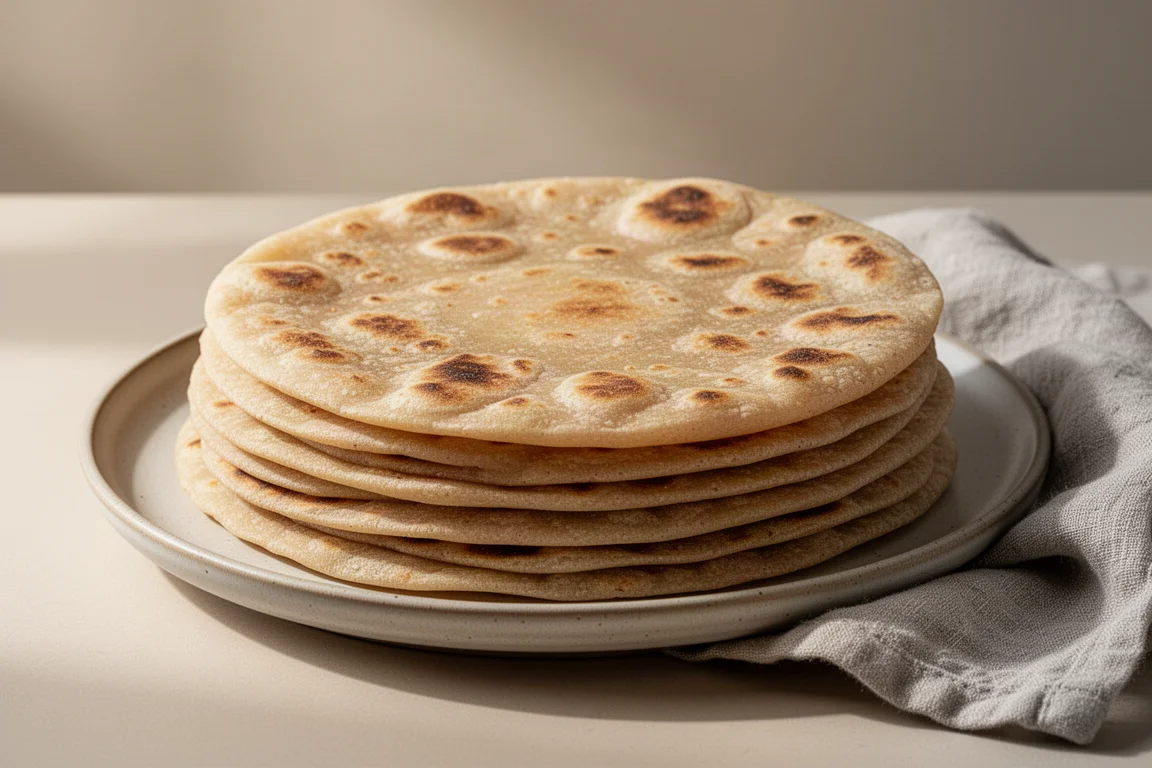
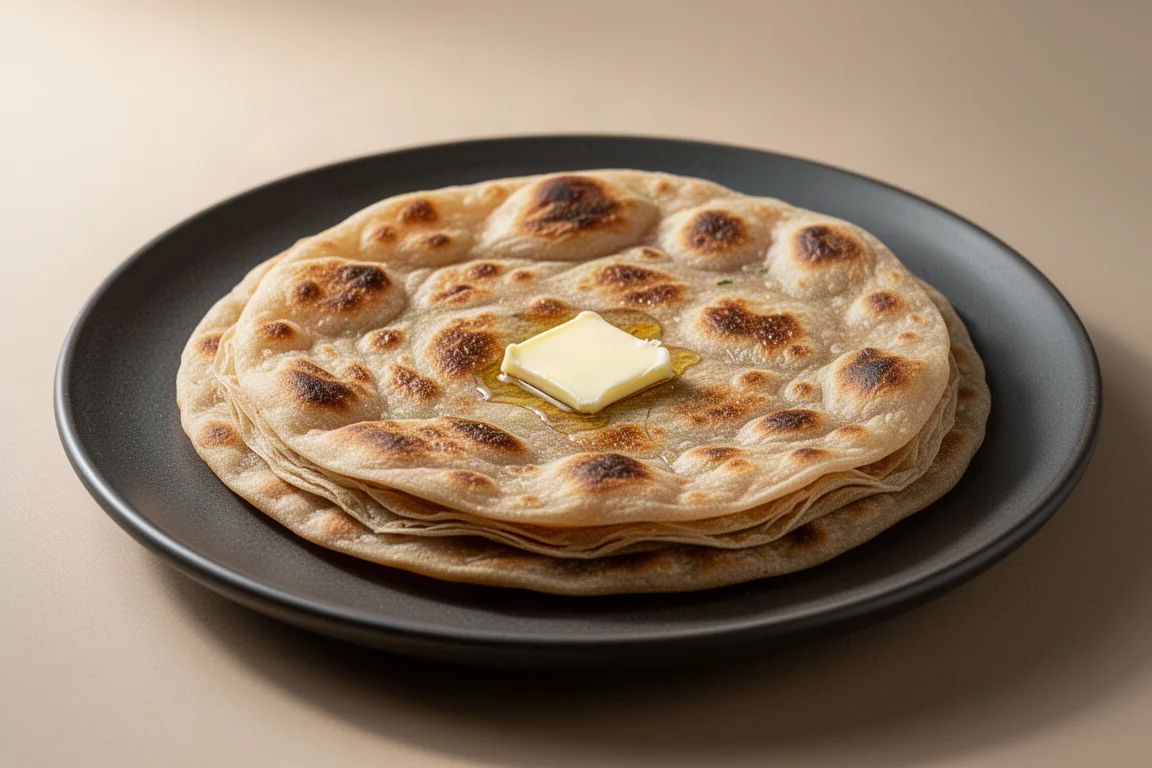
The third round delivered the clearest result of the day. One paratha was flaky, buttery, crispy and bendy. The other was described as flat, dry and cardboard-like. The frozen option was actually the one both tasters preferred once the reveal came: B was frozen raw, cooked from frozen in a pan just once, while A was a fresh, already-cooked paratha that had been buttered and reheated.
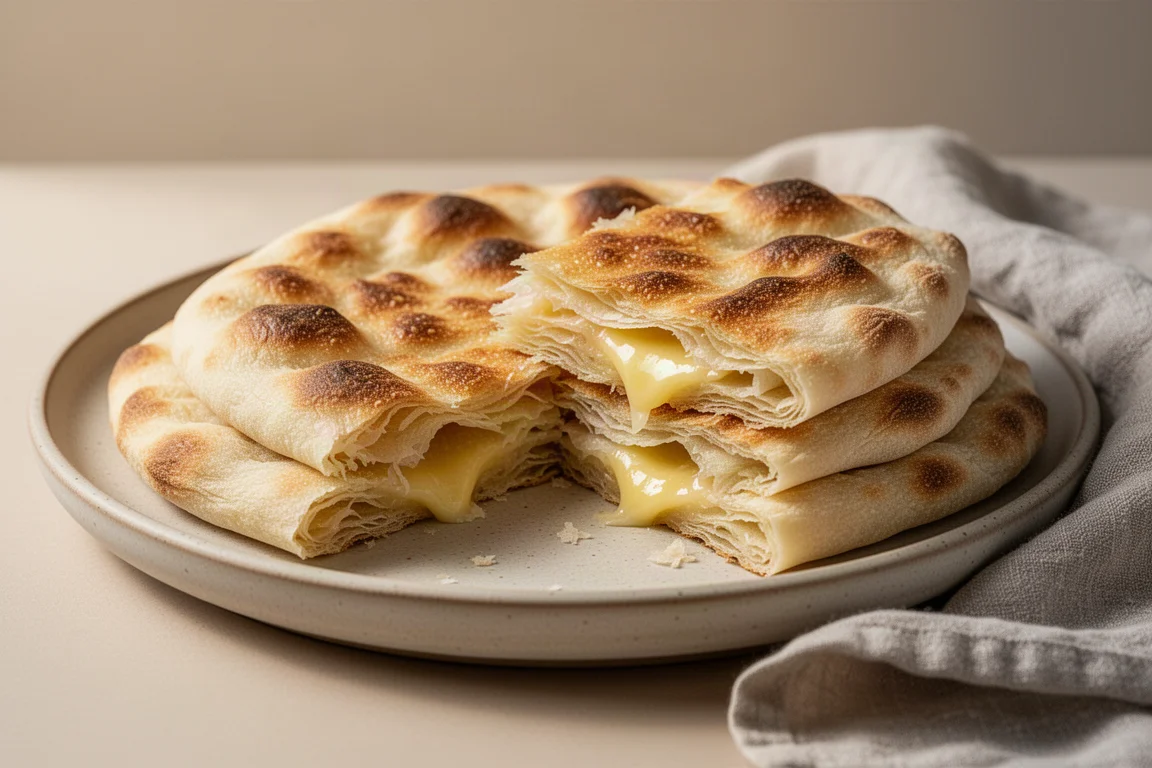
The fresh option was Niche plain parathas, a pack of four working out at about 35.5p per 100g. The frozen Shwarma original parathas, a pack of five cooked from frozen, work out at around 40p per 100g, making frozen roughly 13% more expensive but clearly superior in quality, since you cook them once from raw rather than reheating a cooked product.
There are trade-offs beyond taste. The frozen parathas come with considerably more packaging, with sheets between each one to stop them sticking together. On the other hand, they take up far less space in transport because they have not yet been cooked and puffed up, so the packaging does a worthwhile job rather than being superfluous.
Round 4: Canadian Lobster
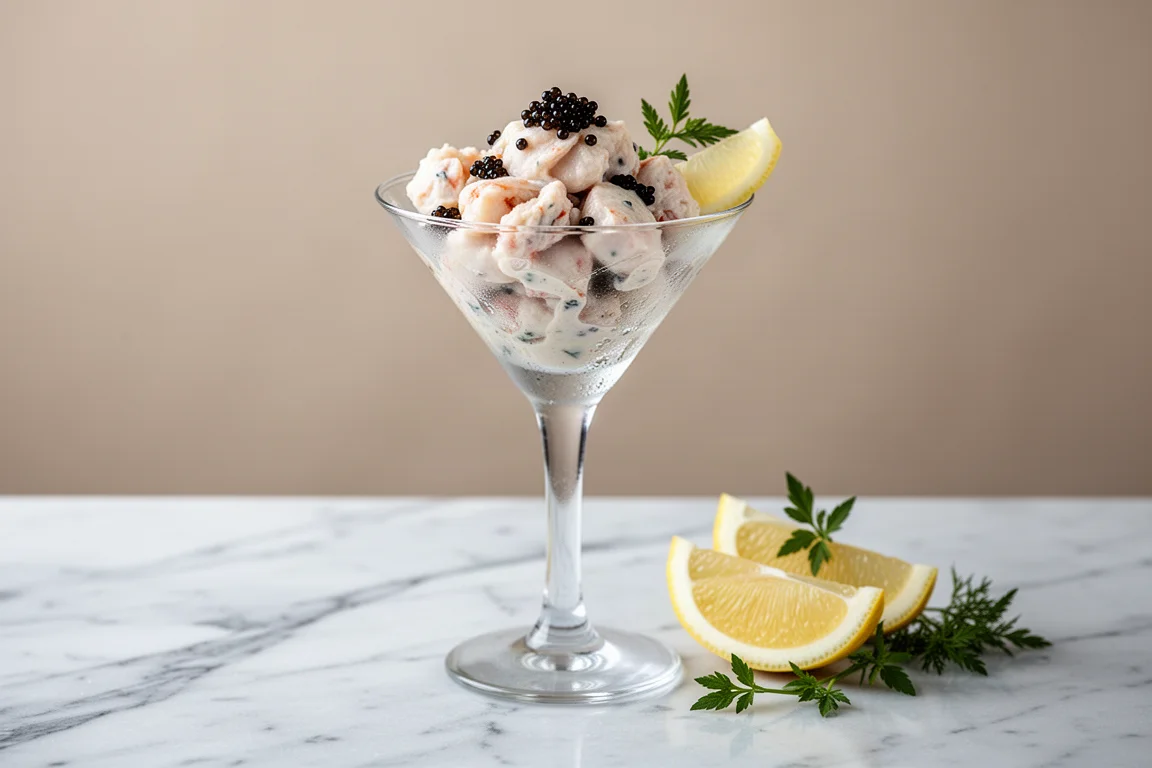
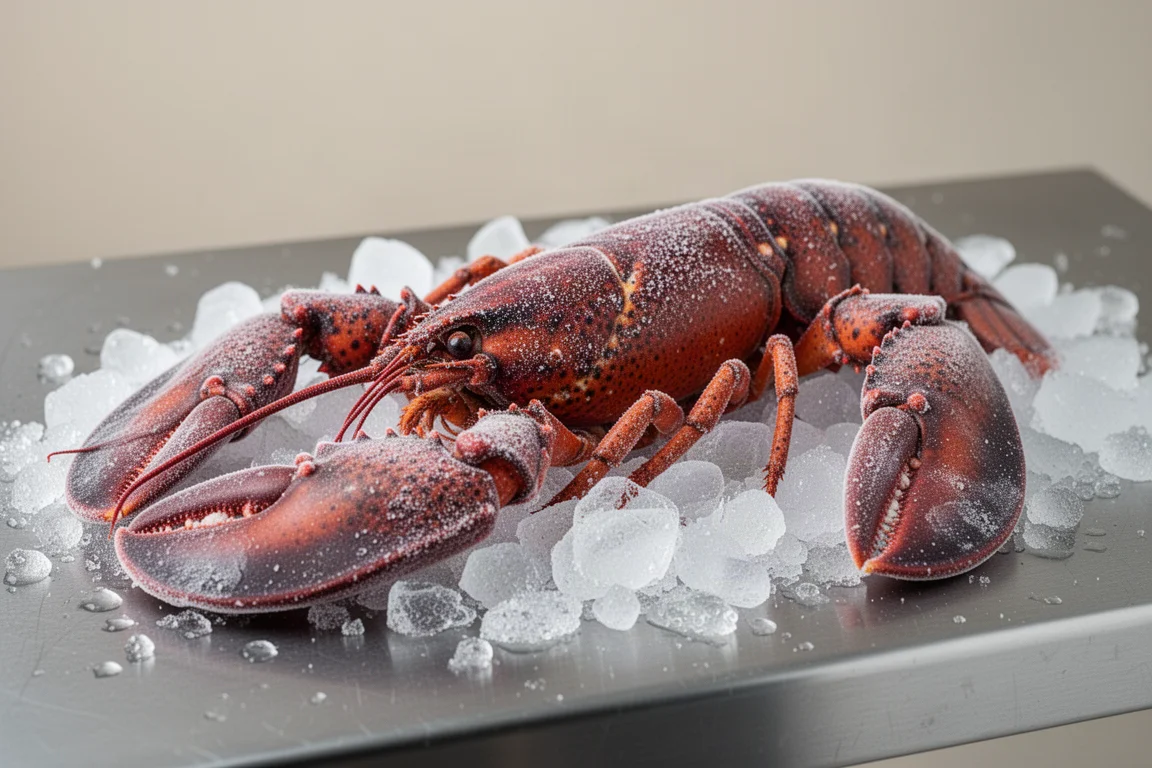
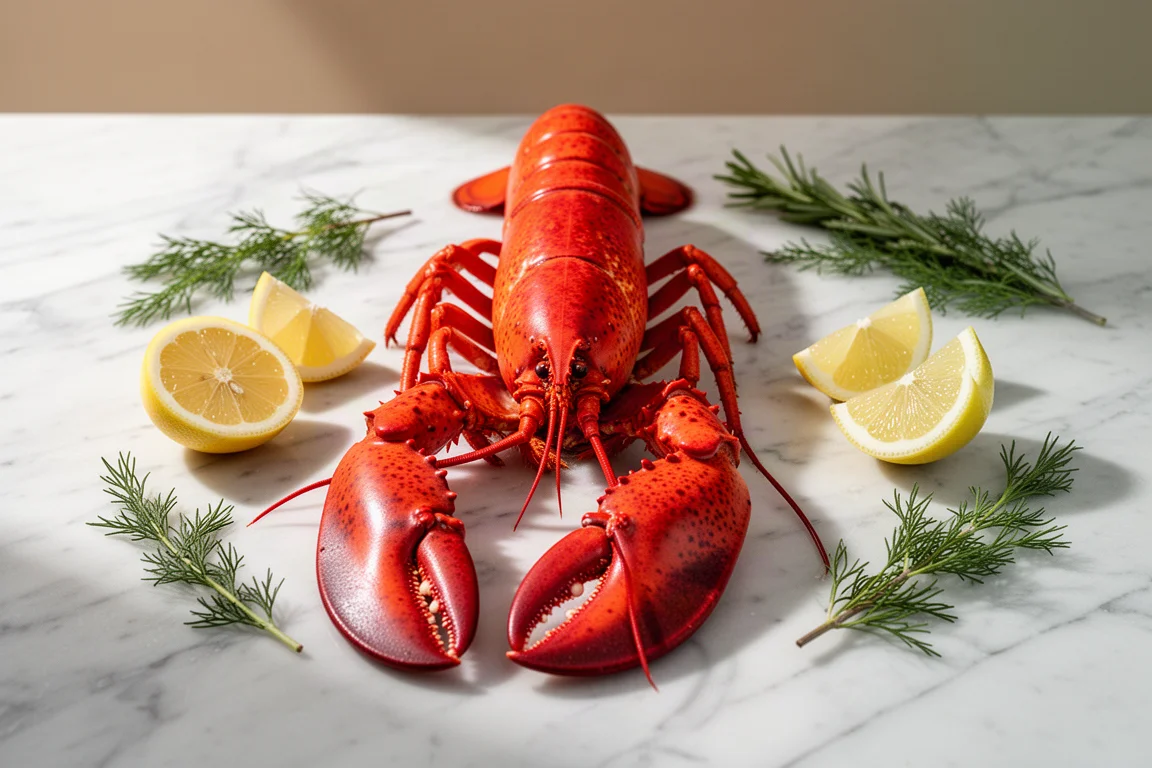
The final round was a lobster cocktail served in a martini glass with a little smoked caviar. One version used a whole fresh Canadian lobster cooked on site, the other a whole frozen Canadian lobster, both cooked exactly the same way. This was the round where frozen clearly fell short: the frozen lobster was softer and mushier, with a less appealing colour, while the fresh version had bigger, meatier chunks, more chew and bite, and noticeably more sweetness.
Both tasters picked correctly. The fresh lobster costs about twice as much as the frozen one, and both were sourced from a fish supplier. Frozen is far more convenient with a longer shelf life, and if you are squeamish, it spares you from dealing with a live lobster in your kitchen. But at this price point, expectations are high, and one taster would rather have prawns or crab for the same money.
There is also a safety angle worth knowing. Shellfish such as mussels, clams, crabs and lobsters degrade very quickly the moment they die, giving off toxins that are genuinely harmful to humans. Shellfish must be prepared either extremely fresh or frozen the moment it died. It is also worth considering local options: around the British Isles, for example, there is excellent lobster, langoustine, prawn and crab.
Overall Buying Advice
The pattern across all four rounds is that the answer depends on the ingredient and the application. Frozen vegetables like corn can outperform fresh ones on sweetness and nutrition when the freezing happens almost immediately after harvest, at a fraction of the price. Frozen dark-meat chicken was nearly indistinguishable from fresh and meaningfully cheaper, though it does require planning ahead for safe defrosting. Frozen raw parathas were a genuine upgrade over reheating a fresh-cooked product. Frozen shellfish, however, lagged clearly behind fresh in texture and appearance, and at premium prices that gap matters more.
Conclusion
The final score ended in a tie, which is a fitting result: fresh and frozen each win depending on what you are buying. Frozen earns its place for sweetcorn, everyday chicken and cook-from-raw flatbreads, delivering comparable eating quality at lower prices with less food waste. For premium shellfish, fresh remains worth the extra cost and effort. Judged blind, frozen food is no longer a compromise by default, but a case-by-case decision.
Further reading
Related Reviews
Food & Grocery
Best Store-Bought Cranberry Sauce: 9 Options Ranked for Your Holiday Table
We tasted nine store-bought cranberry sauces, from classic jellied cans to nutty relishes, to find which ones actually earn a spot next to the turkey.
Food & Grocery
Best Mozzarella for Cooking and Salads: Two BelGioioso Cheeses Worth Buying
Fresh mozzarella vs whole milk block mozzarella: how moisture content changes melting, flavor, and which one belongs in your cart.
Food & Grocery
Best Store-Bought Hummus: 9 Supermarket Brands Compared
We tasted nine widely available supermarket hummus brands plain and with pita to find which ones actually earn a spot in your cart.