Cycling Tech
Free Ride Climb Detection Compared: Hammerhead Karoo 2 vs Garmin Edge 840
Free Ride climb detection is coming to more devices. We compare how the Hammerhead Karoo 2 and Garmin Edge 840 handle unscripted climbs, and where the two differ.
Introduction
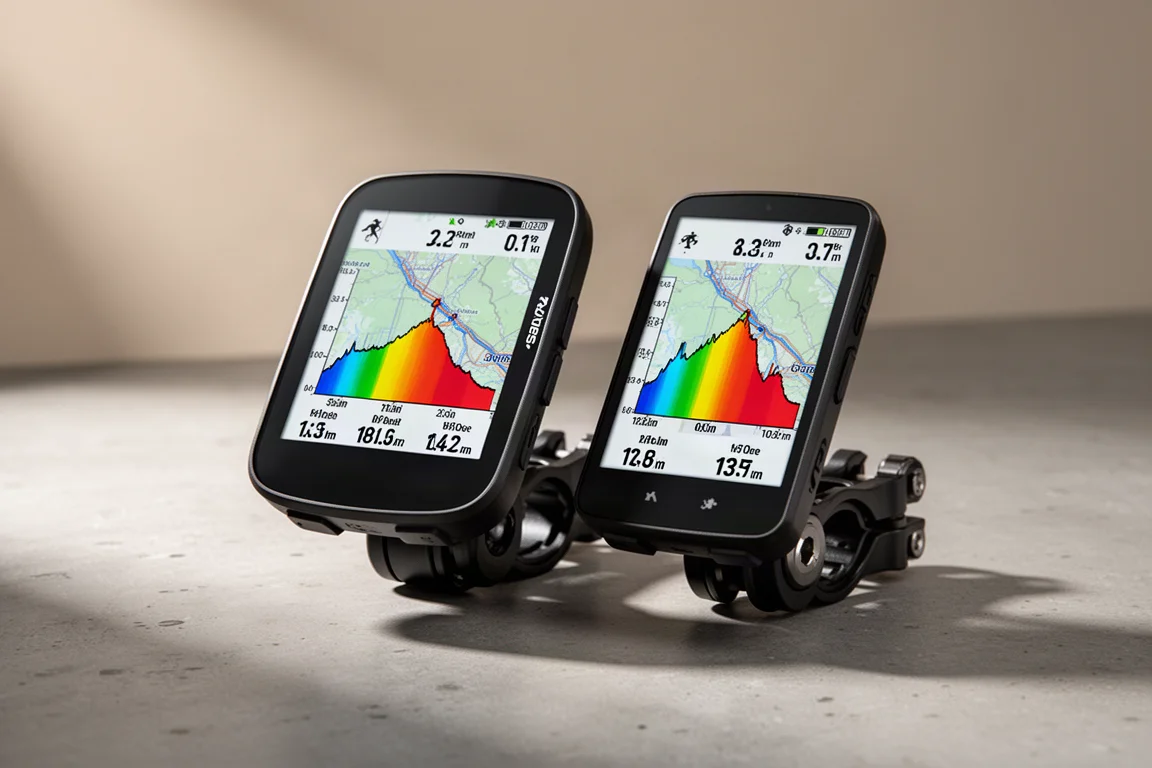
Free Ride climb detection has become the new battleground for GPS cycling computers. The idea is simple: instead of preloading a course, the unit recognizes climbs on any road you happen to be riding and starts feeding you gradient, meters remaining, and estimated time to the top automatically. Hammerhead pioneered this with the Karoo 2 about a year before the competition caught up, Garmin followed with its Climb Pro Free Ride feature, and Wahoo has now joined with a Free Ride version of its own Summits feature.
We tested these features side by side on a real ride, comparing how each unit triggers, how early or late each calls the top of a climb, and the small details that separate a polished experience from a frustrating one.
Free Ride Climb Detection: How It Triggers
On the first test climb, all three units picked up the climb almost simultaneously. The Karoo 2, the Edge 840, and the Wahoo unit each started incrementing their climb data within seconds of each other, which made the initial trigger race essentially a wash.
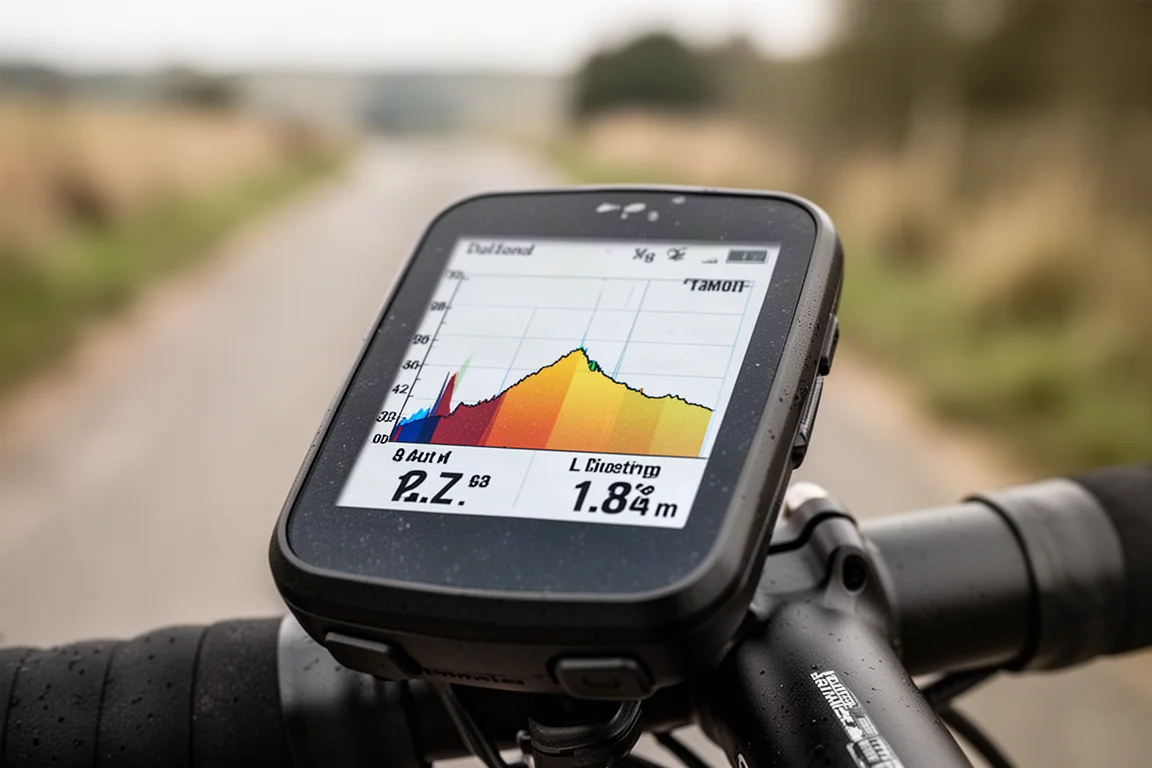
Once running, each unit displays a similar core set of data: current gradient, distance remaining, meters to the top, and an estimated time to the summit. The Karoo 2 shows how many attempts you have logged on that particular climb, which is a nice touch for riders who repeat local hills, along with a climb-specific elevation profile.
Free Ride Climb Detection: How It Triggers
The trigger thresholds differ between platforms. Garmin and Wahoo historically required roughly 500 meters at a 3 percent average gradient before a climb was recognized, while Hammerhead used a shorter 400 meter threshold at the same 3 percent. With its updated Free Ride Summits feature, Wahoo has matched Hammerhead’s 400 meter bar and added a sliding scale down to 250 meters at 7 percent, specifically to catch short, steep ramps, including off-road ones. The Karoo 2 and Edge 840 stick with their more conservative thresholds.
In practice, that matters on rolling terrain. On several shorter and steeper approaches to the same test hill, only the Garmin unit triggered on one of them. Hammerhead did not trigger on the alternates in Free Ride mode, though it does detect them when the climb is part of a loaded course. The lesson: if your local hills are short and punchy, threshold design directly affects whether the feature works at all.
Free Ride Climb Detection: How It Triggers
One more practical note on triggering: Strava Live Segments can clutter the climb experience. Live segment banners took over part of the display mid-climb on one test unit and ignored attempts to disable them, forcing repeated paging away from the segment data. If you use live segments, expect some screen management during recognized climbs.
Where Climb Start and End Points Get Fuzzy
Climb completion is where the units diverged most. On a hill whose summit is not a crisp peak but a flat, ambiguous stretch of road, the Karoo 2 ended its climb noticeably early, calling “climb complete” while the rider was still pedaling. The Edge 840 ended late, still showing around 40 meters to go while the rider was already coasting downhill. The Wahoo unit finished somewhere in between, closer to the late side.
None of this is a flaw unique to any one company. Climbs with false flats at the start and flat tops at the end make the exact start and end points inherently interpretive, and every platform draws those lines slightly differently. On a climb with a clear, unmistakable summit, the differences largely disappear.
What Sets Each Unit Apart on Climbs
The Karoo 2’s main advantage is maturity. Its Free Ride climb feature has been refined over a longer period, and it triggered reliably on recognized climbs during testing. Its attempt tracking and clean climb page give it a polished feel, though its climb detection is more conservative on shorter approach variants in Free Ride mode.
The Edge 840 benefits from Garmin’s Climb Pro ecosystem, and Garmin has indicated it plans to allow climb data fields to be placed on other data pages, something it does not currently support. Its late climb endings on ambiguous summits are worth knowing about, but its trigger on one alternate climb the other units missed shows its recognition is not entirely rigid.
Two shared gaps are worth noting. Neither unit here offers a countdown alert before a climb begins, and neither provides an average gradient remaining field that updates as you climb, a metric that is genuinely useful for pacing. Both are small omissions, but climbers will notice them.
Which One Should You Buy
If you want the most mature Free Ride climb experience with refined data presentation, the Hammerhead Karoo 2 remains the benchmark. If you are already invested in Garmin’s ecosystem and want strong climb detection with broader sensor and navigation integration, the Edge 840 is the safer pick.
Short, steep hill hunters should pay attention to trigger thresholds when comparing any unit, since the difference between a 400 meter and a 500 meter minimum is the difference between a feature that works and one that stays silent. It is also worth verifying, on whatever unit you choose, that the map-based gradient look-ahead data matches reality, since pre-climb data accuracy varies more between platforms than the real-time sensor data does.
Conclusion
Free Ride climb detection has moved from a Hammerhead exclusive to a table-stakes feature, and both the Karoo 2 and the Edge 840 now deliver a broadly similar core experience. The Karoo 2 wins on refinement and earlier availability of the concept; the Edge 840 wins if Garmin’s ecosystem already anchors your setup. On ambiguous summits, expect each unit to call the top a little differently, and let your local terrain decide which behavior suits you best.
Product link
View more details for Hammerhead Karoo 2
This product is mentioned in the review. Check the specifications, options, and compatibility before buying.
View more details for Hammerhead Karoo 2Further reading
Related Reviews
Cycling Tech
Best Cycling Tech: Nine Standout Products Worth Considering
Nine pieces of cycling kit that earned their place through long-term use, from a keenly priced World Tour race bike to a multi-tool that has survived two years of hard riding.
Cycling Tech
Best Pro Peloton Bikes and Components 2023: 8 Standout Upgrades
A roundup of the most technically interesting pro peloton bikes and components for 2023, from the Cannondale SuperSix EVO to Shimano Dura-Ace and Continental GP5000 S TR tires.
Cycling Tech
Bike Tech Roundup: Five Standout Upgrades Worth a Closer Look
A four-season tubeless tire, a featherweight climbing wheelset, a hangar-free drivetrain and two pairs of gravel shoes, assessed on the details that matter.