Food & Drink
Four Food and Drink Trends That Rethink Everyday Products
A shake-at-home canned cocktail, seaweed-packaged olive oil, a Korean hangover drink, and edible tableware: four clever ideas worth knowing about.
Introduction
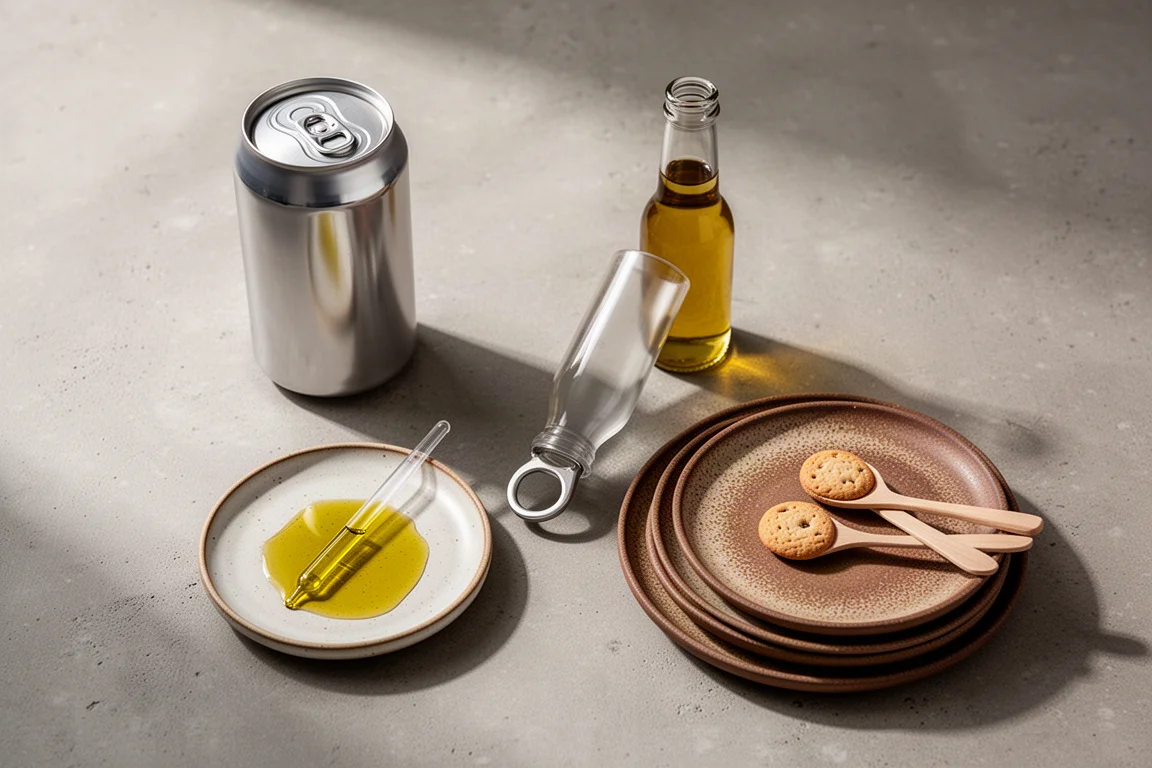
Some of the most interesting innovation in food and drink is not about new flavours. It is about rethinking the container, the portion, or the moment of use. This roundup covers four products that each take a familiar category and twist it in a genuinely practical direction: a canned cocktail that turns the can into the shaker, olive oil in compostable seaweed packaging, a Korean drink designed for the morning after, and plates and spoons made from wheat bran that you can compost, or even eat.
ShakaCan Mai Tai: A Cocktail Shaker in Every Can
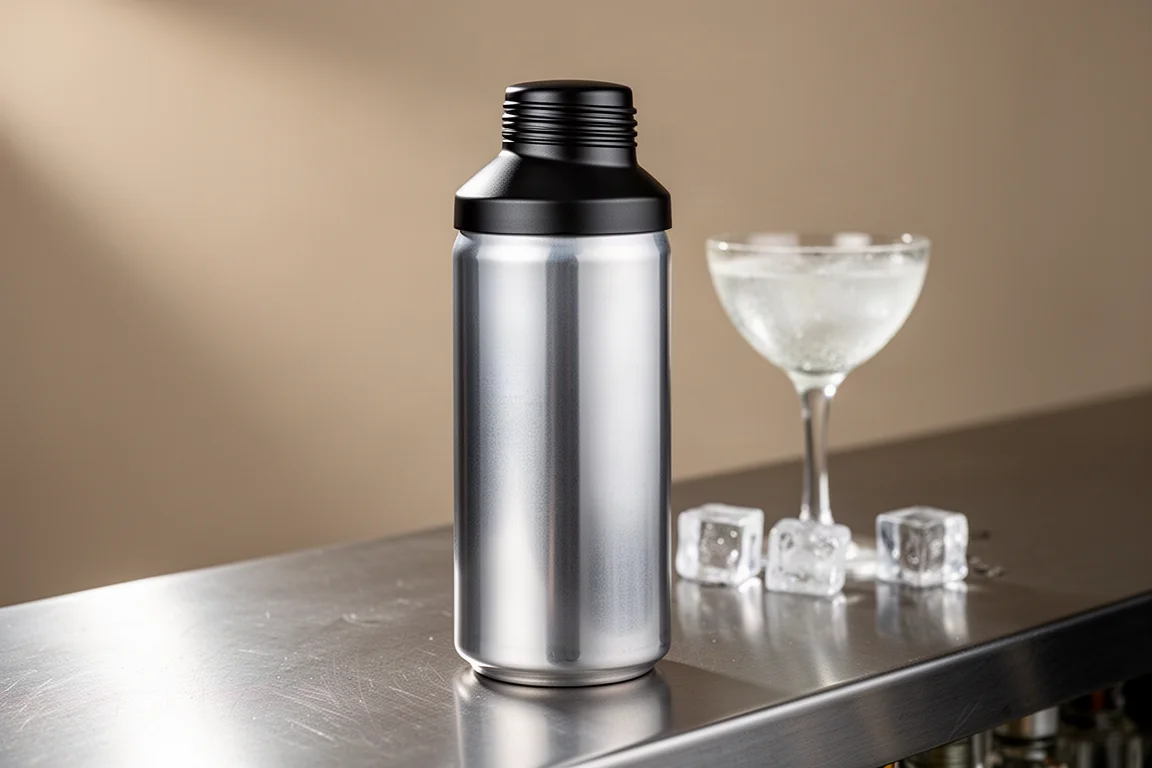
ShakaCan is a range of premium canned cocktails designed to be shaken at home. Each can comes with a reusable lid attachment that turns the can itself into a cocktail shaker. You remove the ring pull, add ice up to about two thirds of the can, clip the ShakaCan top on with a clockwise twist, and shake for eight to ten seconds before pouring. Each can holds roughly a 100 ml cocktail serve with extra space for ice, and the headspace is filled with an inert gas that keeps the ingredients fresh and gives the drink a long shelf life without refrigeration.

The Mai Tai we tried was pungent, sour and genuinely delicious, and the shaking experience feels and sounds convincingly professional. The cans recycle like any other can, but the lid is built to last: the brand claims up to 100,000 uses, effectively a lifetime of shaking. The attachment costs about five pounds, and the cans work out at roughly four to five pounds each in a multi-pack, in line with standard canned cocktail prices. Because they chill instantly when shaken, you can store them in the cupboard rather than the fridge, which makes them a nice option for friends dropping by.
Citizens of Soil Olive Oil Pipette: Single-Serve Seaweed Packaging
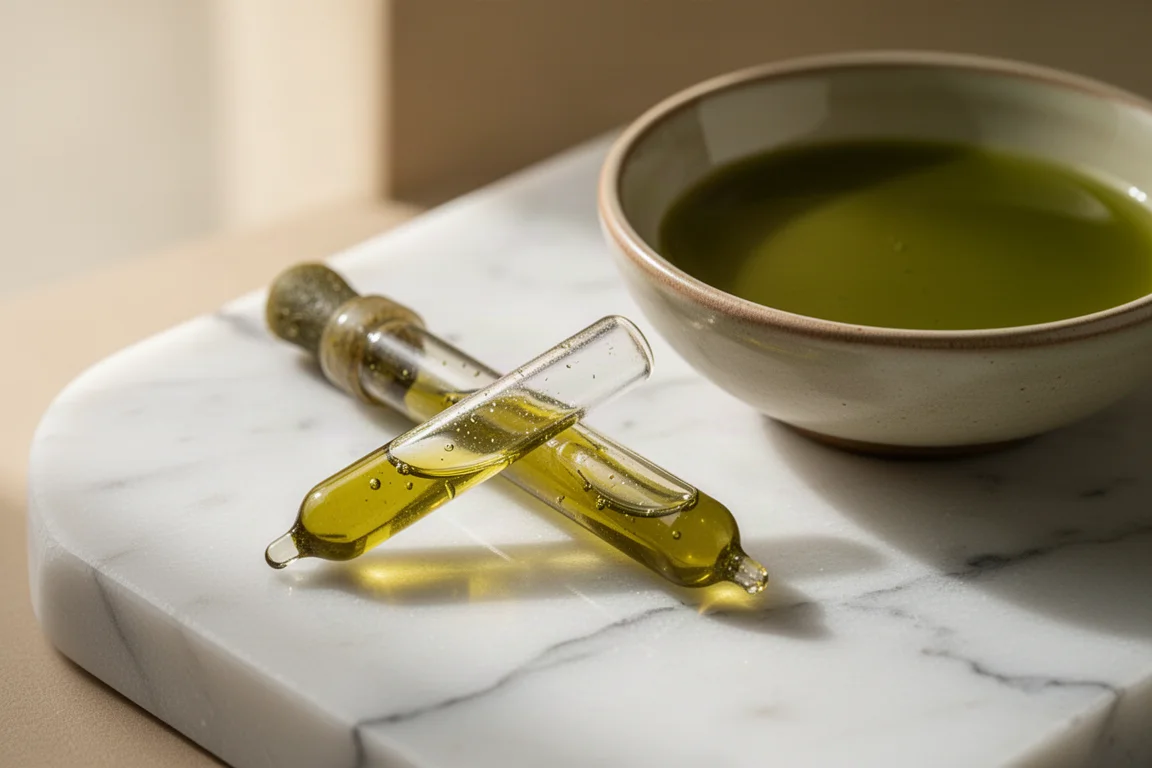
Citizens of Soil is a brand already known for excellent olive oil, sold in thoughtful bulk packaging with real attention to the biodiversity of the olive groves it sources from. This new product pairs that oil with packaging from Notpla, the company behind seaweed-based alternatives to single-use plastic. The result is a single-serve olive oil pipette: you snip off the end and squeeze the oil directly over a salad.
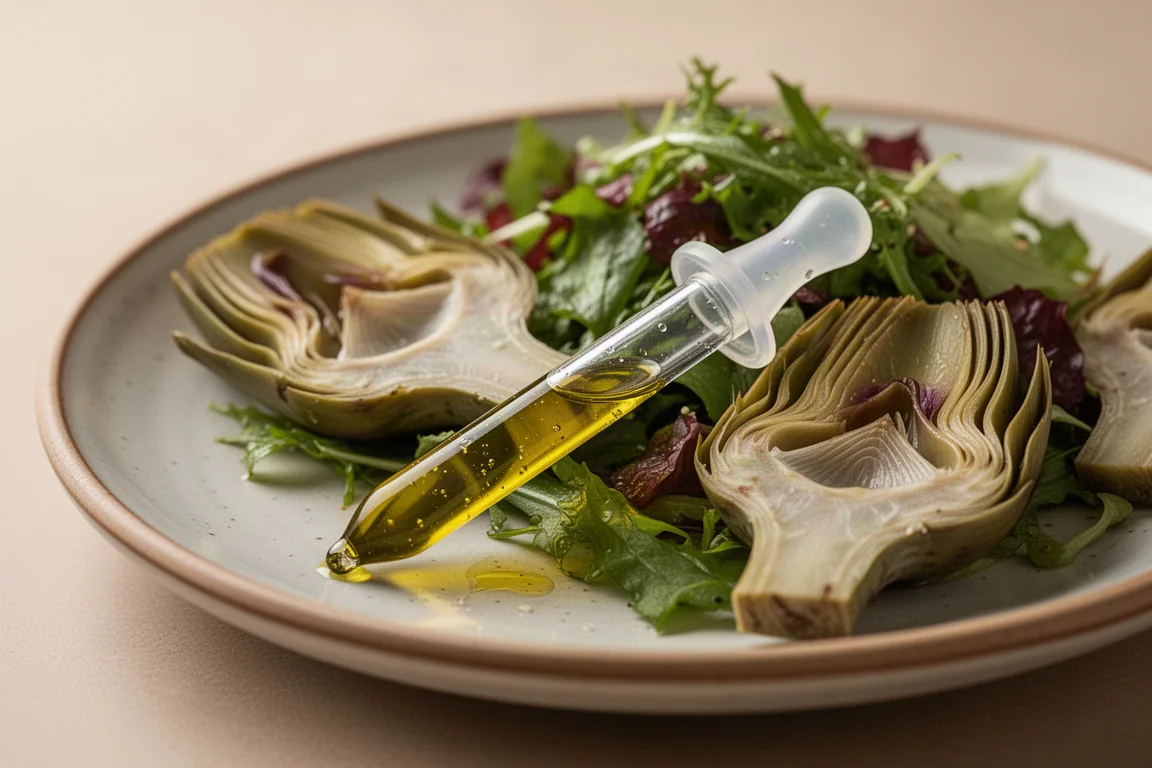
The oil itself is lovely, with a good mouthfeel and a peppery note that comes through at the finish. The pipette is 100 percent natural, biodegradable, home compostable and vegan, decomposing completely in around 30 days, and it is technically edible too. The real target is professional settings: buffets, airline catering, and restaurants where controlled portions of oil or vinegar sit on the table. Notpla has pledged to replace one billion units of single-use plastic by 2030, and industry and catering partnerships are how that scales. For home use it is harder to justify, but for the sectors it is designed for, it is a compelling idea.
Sukhee Haesoo: The Korean Hangover Relief Drink
Sukhee Haesoo is a Korean drink designed to be enjoyed alongside soju, either on its own or as a mixer. The name roughly translates to shining tiger and relief water, and the drink is positioned around hangover relief. Its key ingredient comes from Acer tegmentosum Maxim, a plant whose leaves, twigs and bark are said to contain compounds that support liver cell recovery, while sprout barley is claimed to help the body absorb it and break down acetaldehyde, the hangover-inducing substance. Those are the brand’s claims rather than verified science, so treat them with reasonable caution.

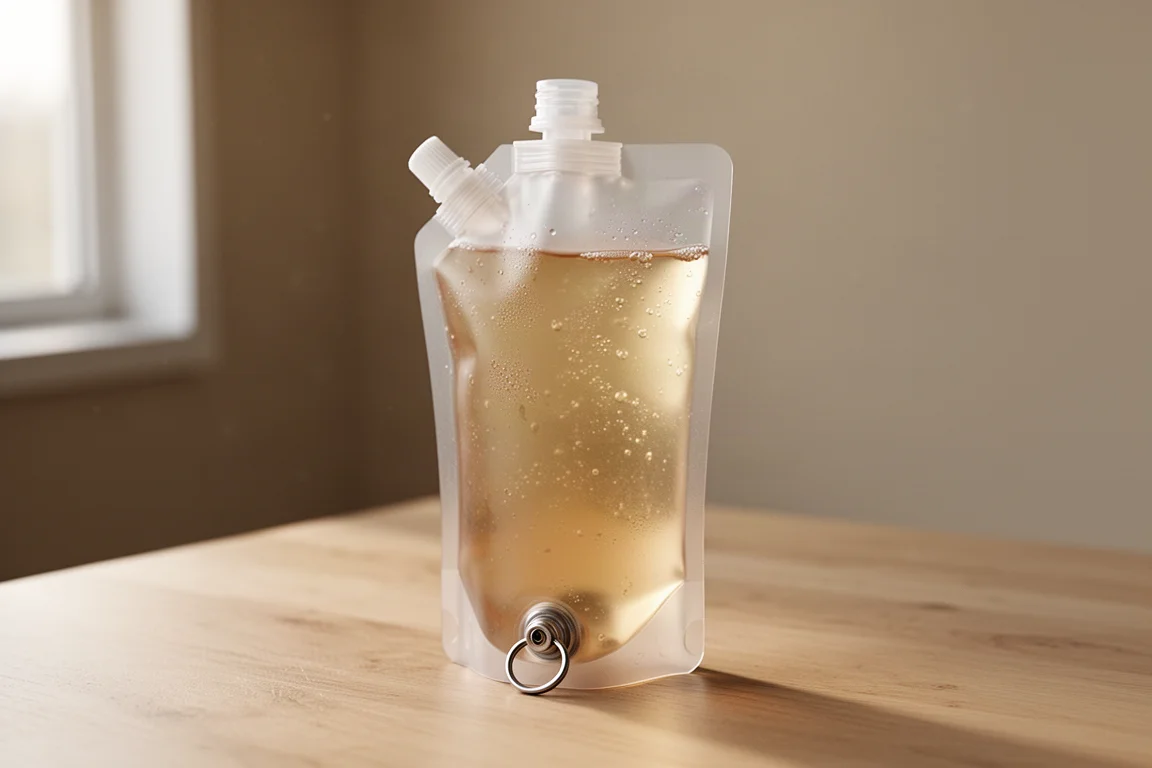
The packaging is the fun part: the bottle has a twist cap at the top and a ring pull at the base, so you can screw it directly onto a soju bottle and let it pour in as you invert it. Mixed, it is sweet and genuinely delicious, softening soju’s clean rice character without dulling it entirely. It is also simply a soft drink on its own, or can be diluted with water for morning hydration. The drink has found particular popularity in South Korea, where alcohol flush reaction is common among East Asian populations and tends to encourage more moderate drinking. Bottles cost three pounds 99 and are easy to find in Korean supermarkets or specialist stores.
Stroodles Wheat Bran Plates and Biscuit Spoons: Edible Tableware
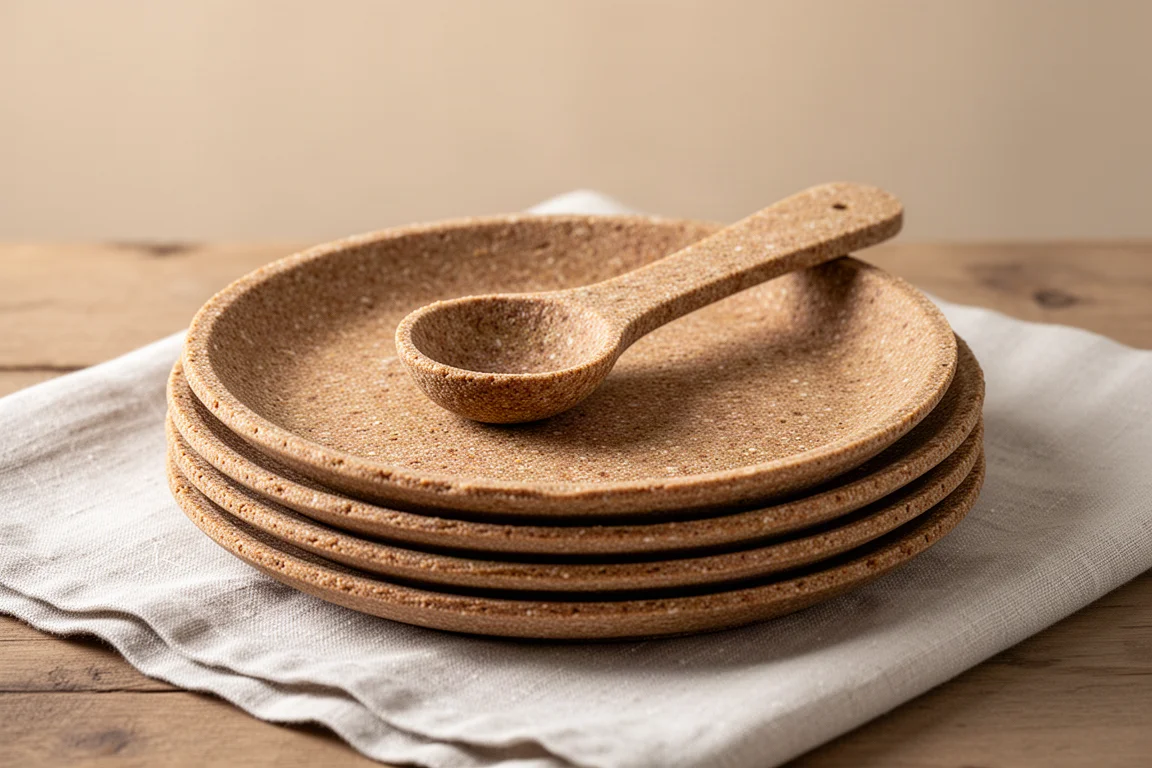
Stroodles, the company behind pasta straws, has expanded into edible tableware with wheat bran plates and biscuit spoons. The spoons are made from excess flours from the food industry, which could be wheat, millet, oat, rice, barley or chickpea flour, so material that would otherwise have gone to waste gets a second life. Straight out of the pack they taste like bran cereal: dry, a bit Ryvita-like, and not bad at all.
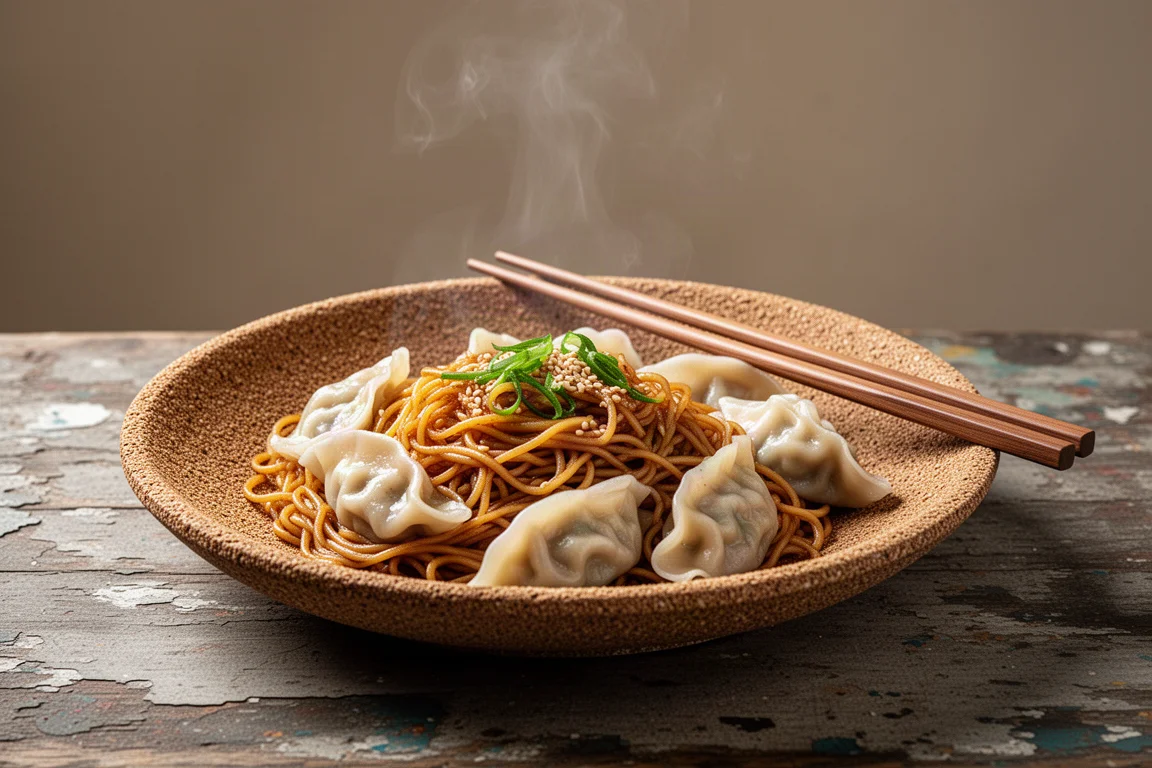
The important claims are about performance rather than taste. The wheat bran plates are said to stay intact for the full duration of a meal, handle hot and cold food, and even survive the microwave. We tested a plate with noodles and gyoza kept warm in the oven for 20 minutes, and it held up with real structural integrity. The spoons deliver food perfectly and add a pleasant texture at the end of a meal, especially once they have absorbed the sauces and oils from the dish. Plates cost 70 pence and spoons 60 pence, considerably more than paper alternatives, but they sit in a sensible middle ground between breakable crockery and soggy paper, and they compost or biodegrade within about 30 days.
Overall Buying Advice
Each of these products solves a slightly different problem. ShakaCan is the easiest to recommend for home use: the maths works, the theatre is real, and the lid lasts effectively forever. The olive oil pipette is an industry-focused innovation that you can admire even if it will not land in your kitchen drawer. Sukhee Haesoo makes sense if you already enjoy soju or want a novel mixer for a gathering. Stroodles tableware suits events, street food, and conscious consumers willing to pay a premium for compostable convenience. Think about which problem you actually have before buying, because each product earns its place in a different context.
Conclusion
From a shaker built into a can to plates you can compost or chew, all four products show how much untapped potential there is in the packaging and format of everyday food and drink. None of them reinvents flavour, but all of them make the experience around the food and drink smarter, more sustainable, or simply more fun.
Further reading
Related Reviews
Food & Drink
Best Plant-Based Burgers From Major Chains: Six Options Rated
Six plant-based burgers from KFC, Leon, McDonald's, Burger King, Shake Shack, and Honest Burgers put to the taste test to see which fast-food options are actually worth ordering.

Food & Drink
Best Dark Chocolate for Less Sugar: Four Picks From 60% to 90%
Four dark chocolates that deliver more cacao and less sugar, from an everyday baking bar to an intense 90% pick.
Food & Drink
Four Kansas City Barbecue Sauces Worth a Spot on Your Table
We compare four very different Kansas City style barbecue sauces, from a classic sweet supermarket staple to three landmark restaurant sauces you can order online.