Food & Kitchen
Foods Worth Paying More For: Three Pantry Upgrades That Actually Deliver
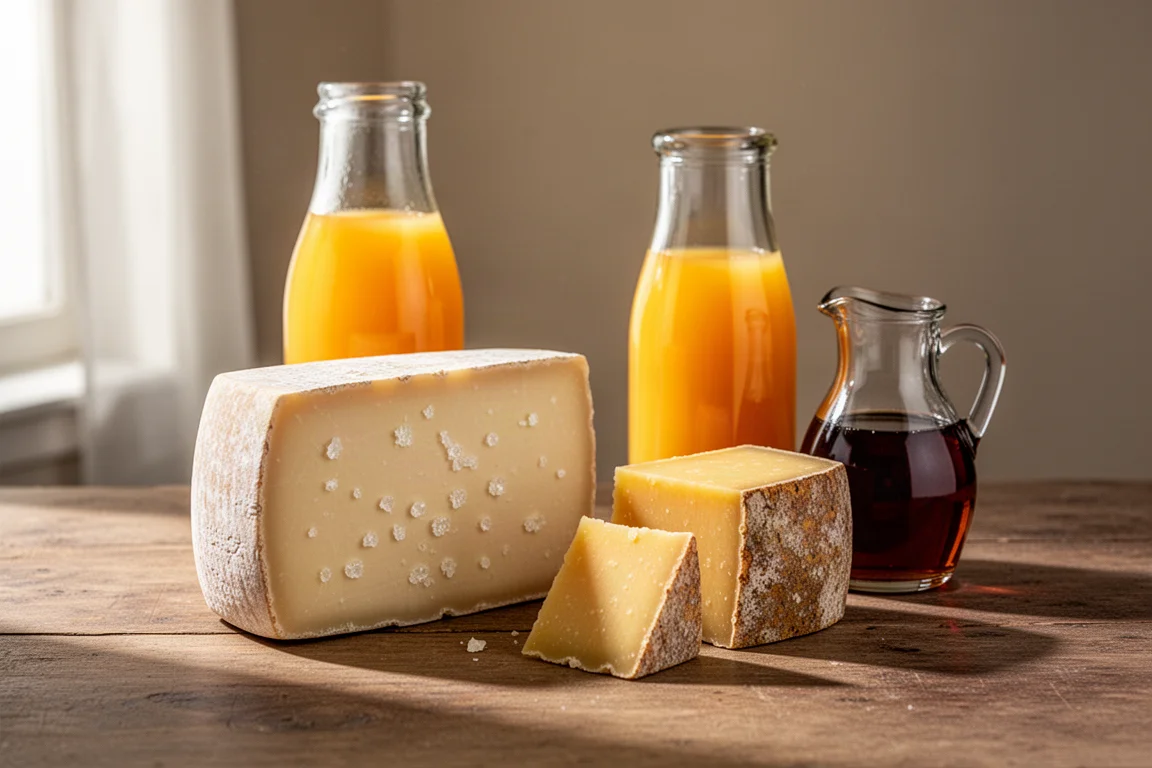
Parmigiano Reggiano, Pecorino Romano, and Natalie's orange juice prove that spending a little more can mean a lot more flavor.
Introduction
Some pantry staples genuinely justify a higher price tag, while others are a waste of money that better flavor simply does not back up. The difference comes down to how a product is made: real ingredients, longer aging, and less processing almost always taste better. Here are three foods where spending more pays off, plus one spot where you can happily save.
Parmigiano Reggiano: The Cheese That Earns Its Price
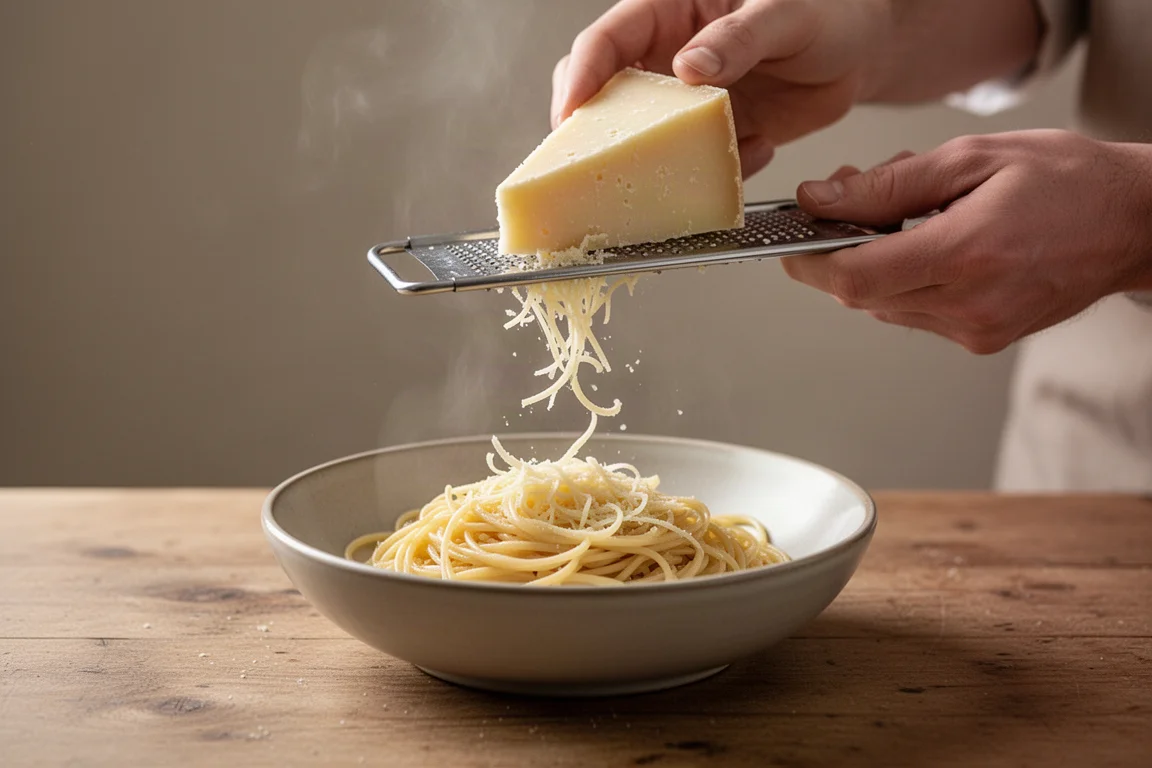
Cheeses labeled simply “Parmesan” differ from true Parmigiano Reggiano in two key ways. First, Parmigiano Reggiano is made with raw, unpasteurized milk. Pasteurization strips much of the flavor out of the milk, which is why many generic Parmesan wedges taste flat. Second, aging matters enormously. A well-aged wheel develops crunchy white crystals throughout the paste, a sign it has been aged at least 12 months.
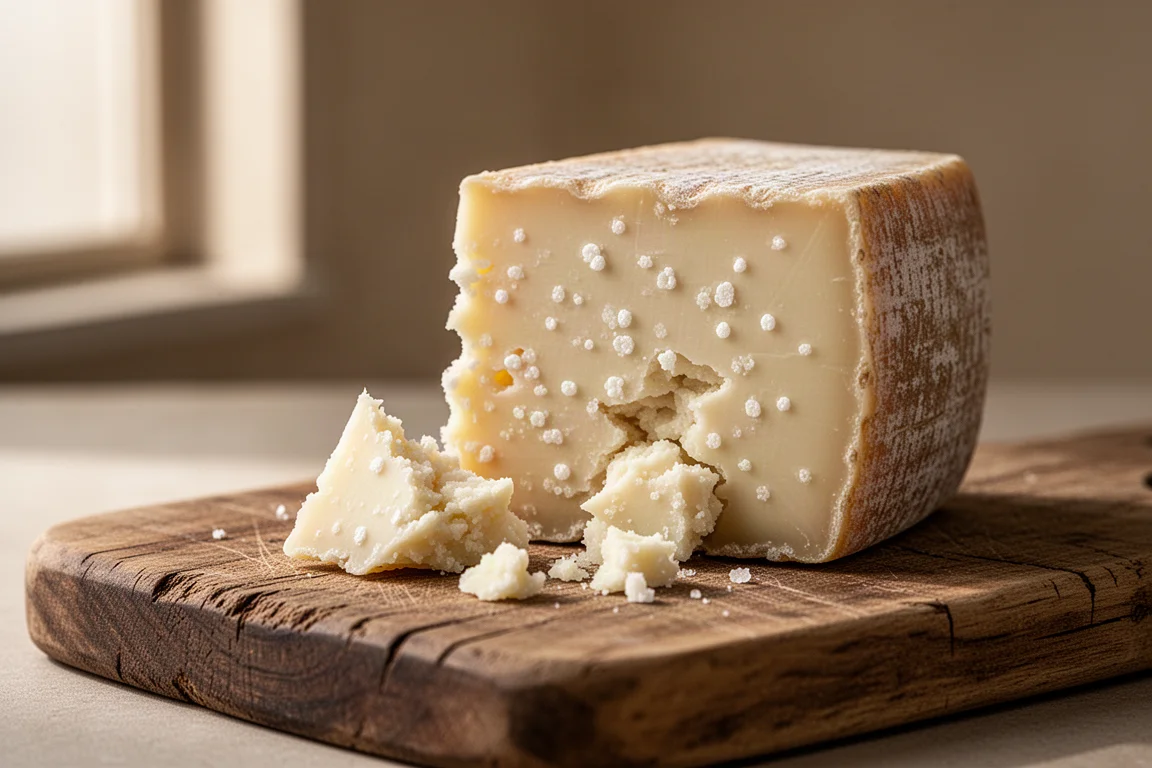
The sweet spot is the 24-month aging, which delivers the deepest flavor, though a 12-month wheel is perfectly fine. Either way, look for those visible crystals and the signature crumbly texture when you shop.
Pecorino Romano: Know Your Milk
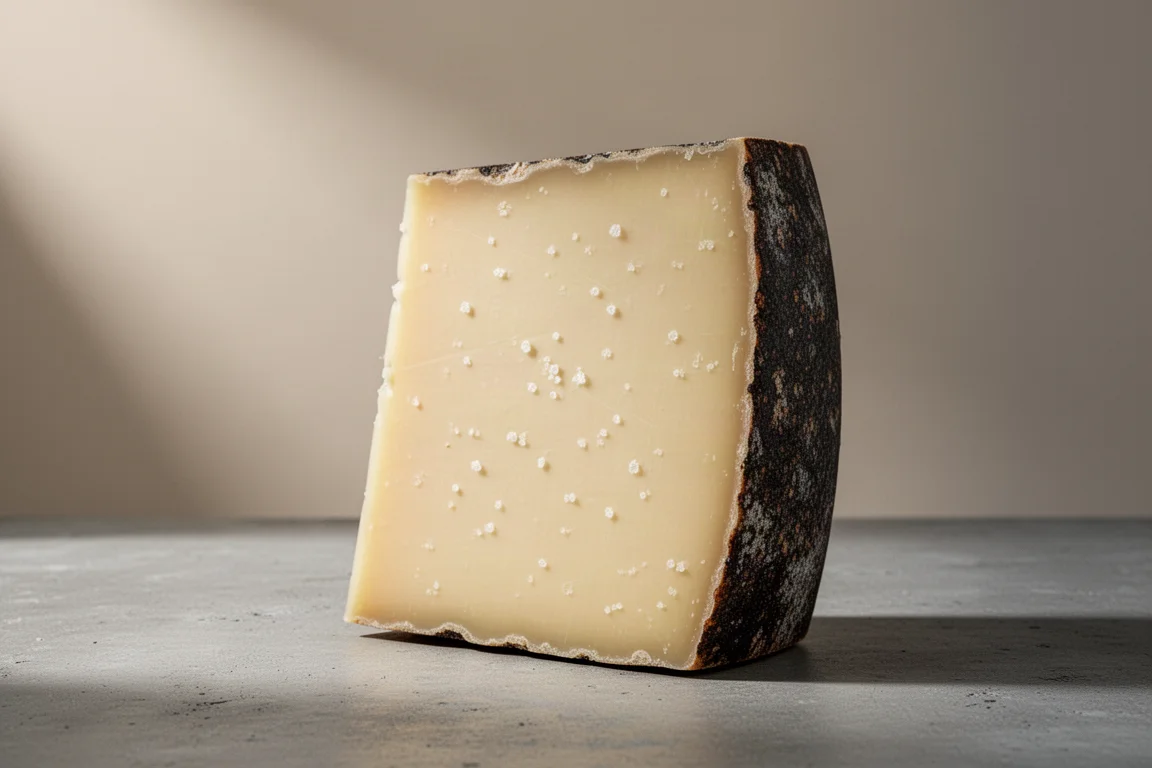
Almost every Romano cheese on the shelf is made with cow’s milk. The real deal is made with sheep’s milk; pecora is the Italian word for sheep, and that milk is what gives true Pecorino Romano its distinctive gamey, sharp character. If you want the flavor this cheese is famous for, check the label and make sure sheep’s milk is what is actually in the block you are buying.
Natalie’s Orange Juice: Fresh Flavor Without the Squeezing
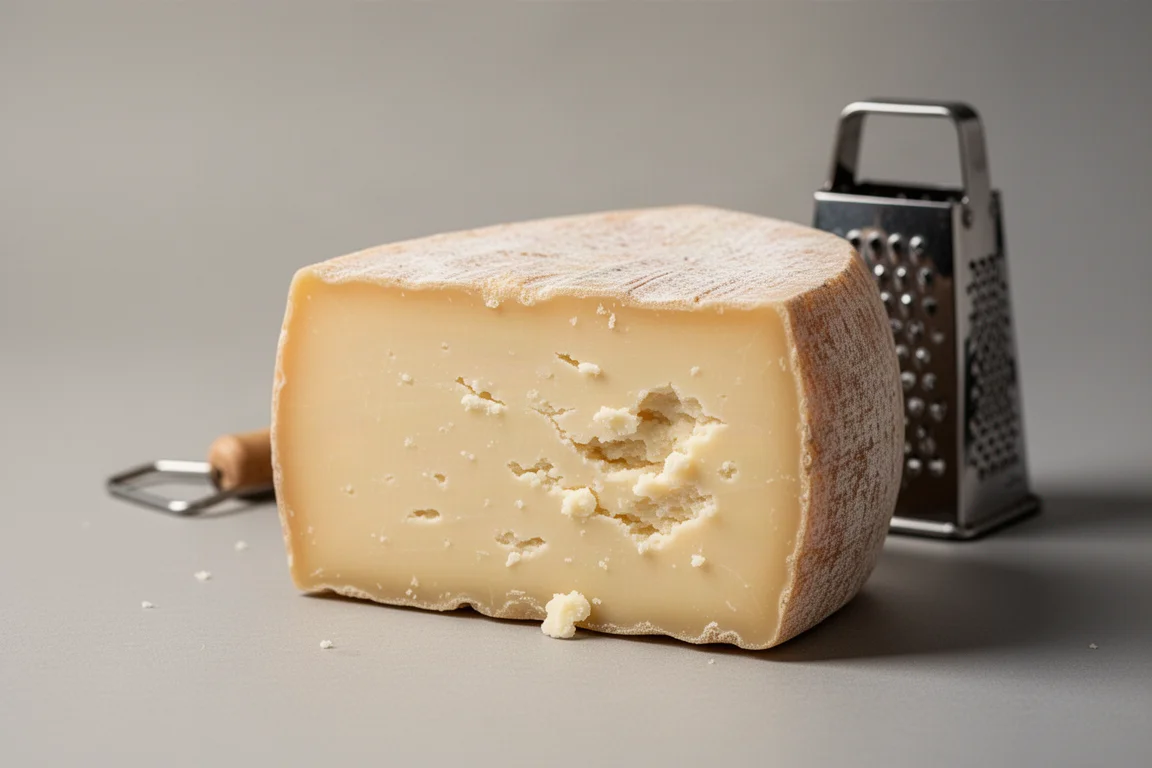
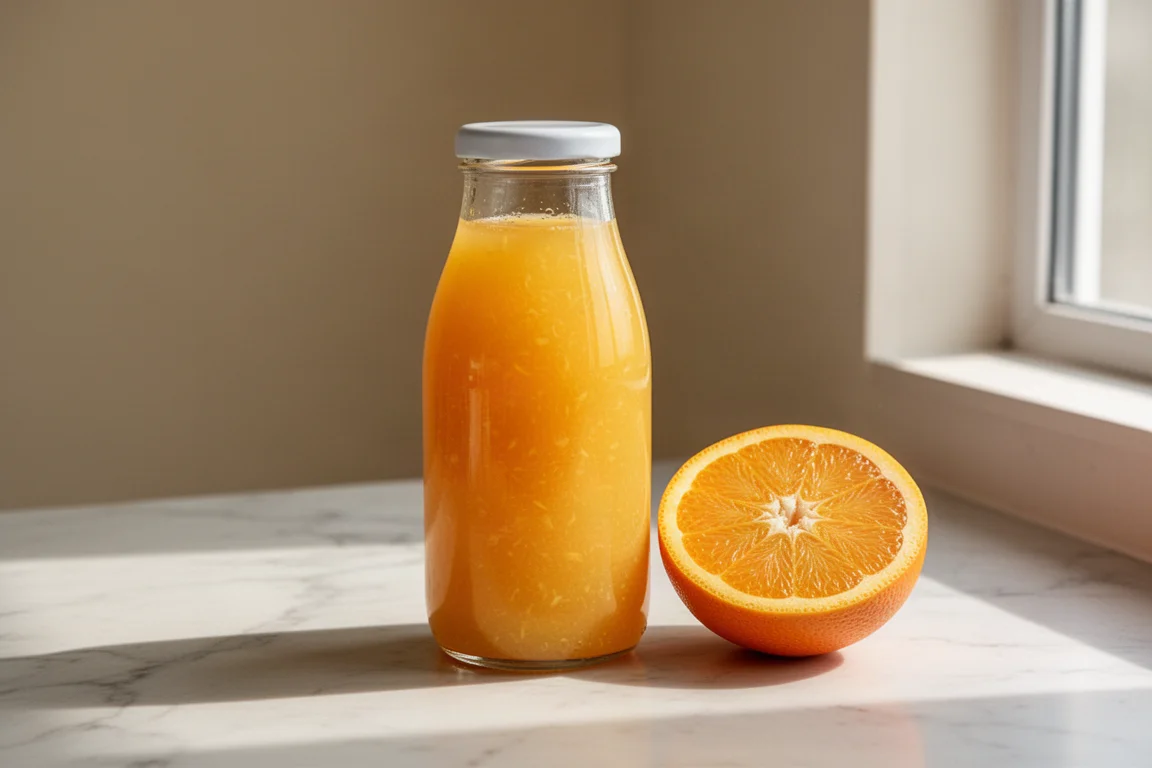
Fresh-squeezed orange juice is always the best option, but few people want to squeeze oranges at seven in the morning. The problem with most supermarket juices is that they simply do not have much flavor. Natalie’s stood out because it tastes like fresh-squeezed juice, and the reason is straightforward: the juice is squeezed and shipped almost immediately.

Many supermarket juices are squeezed and held in storage tanks for months or even years, then treated with various tricks to make them taste something like fresh juice. Natalie’s takes a different route, pasteurizing at lower temperatures for less time, which preserves more fresh flavor. The trade-off is shelf life: it lasts weeks rather than months in the supermarket case, but it rarely lingers long in the fridge anyway. Its lemonade and grapefruit juice have also come out on top in tastings for the same reason; they just taste freshly squeezed.
The Maple Syrup Rule Worth Remembering
Skip pancake syrup entirely; it is not worth eating. Real maple syrup costs more, but any genuine maple syrup you can buy, even the cheapest bottle on the shelf, is delicious. The most useful tip is on the label: choose grades marked dark or very dark rather than golden or amber, because those darker grades carry the most flavor.
Where to Save: Vanilla Extract
Here is the good news for anyone watching their budget: imitation vanilla extract is completely fine. In a cookie or a cake, nobody, including trained palates in a test kitchen, can tell the difference. The dollars you save on cheaper extract can go straight toward better syrup, better juice, and better cheese.

Overall Buying Advice
The pattern across these picks is simple: pay for real ingredients and proper production, not for marketing. Look for aged Parmigiano Reggiano with visible crystals, Pecorino Romano made from sheep’s milk, and juices that are squeezed and shipped quickly rather than stored for long periods.
When you shop, read labels closely and be willing to spend a bit more where the process behind the product genuinely shows in the flavor. Then offset that spending in the places where cheaper versions perform just as well, like imitation vanilla.
Conclusion
A few smart upgrades in the cheese and juice aisles can transform everyday cooking, and knowing where to save keeps the grocery bill in check. Spend on real aging, real milk, and real freshness, and let the pantry do the rest.
Further reading
Related Reviews
Food & Kitchen
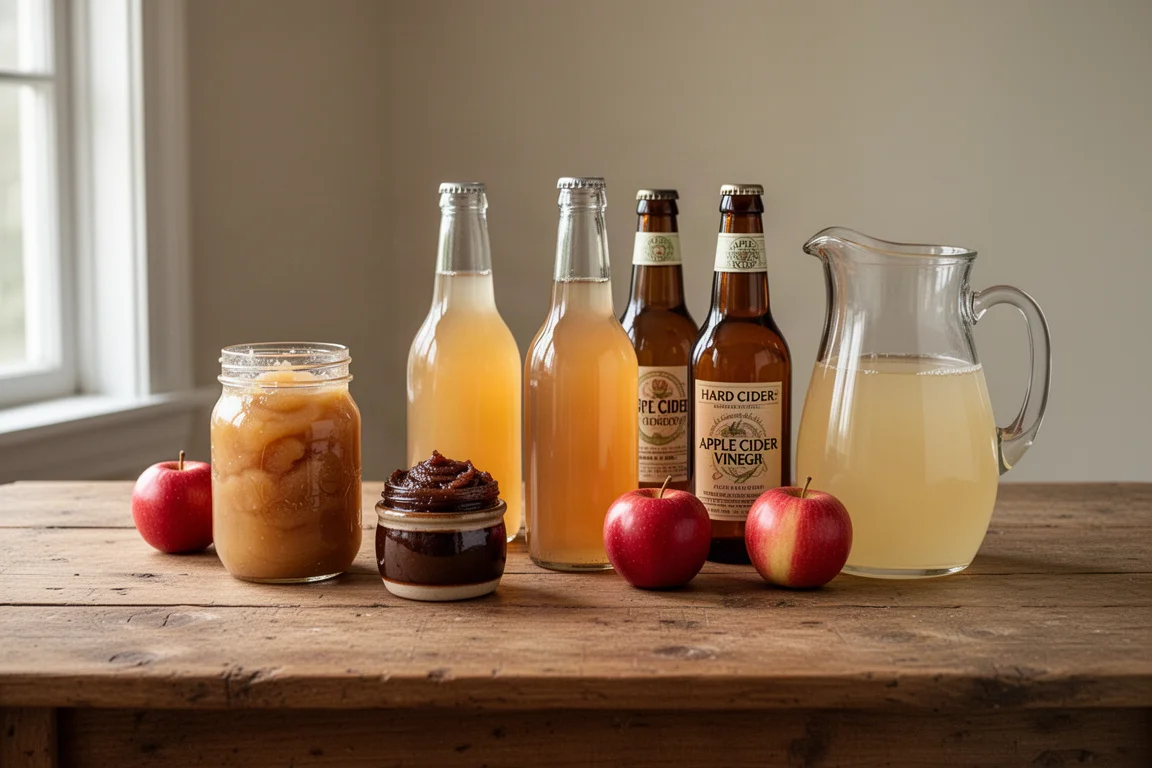
Apple Products Worth Knowing: From Applesauce to Hard Cider
Applesauce, apple butter, cider, hard cider, apple cider vinegar, and apple juice compared, with two picks that stand out.

Food & Kitchen
Best Bone Broth, Chicken Stock, and Chicken Base: Four Kitchen Staples Worth Knowing
Four warmed-and-tasted pantry staples compared: two bone broths with notably more protein, a classic chicken stock, and a convenient chicken base.
Food & Kitchen
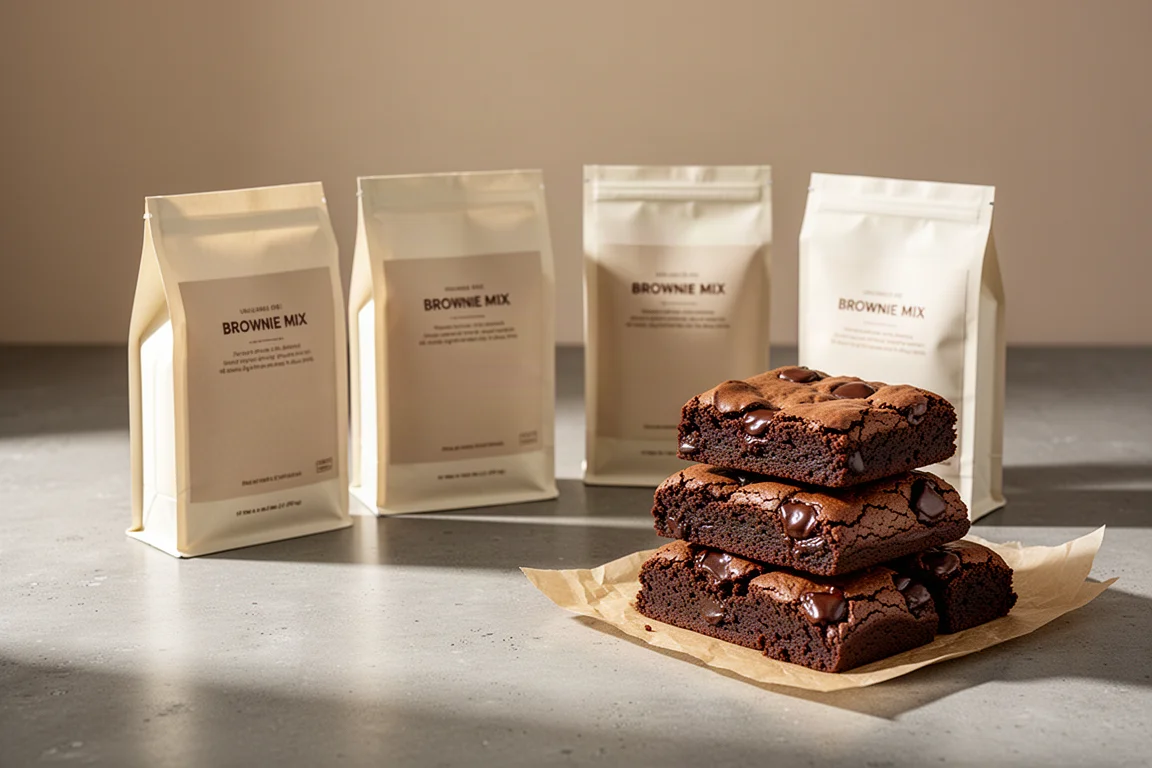
Best Box Brownie Mixes: Four Standouts Worth Baking
We tested popular box brownie mixes for chocolate flavor, texture, and that crackly top. Here are the four that rose to the top of the pan.