Food & Drink Trends
Two Food and Drink Trends Worth Trying: Sipello Amaro and Prodigy Chocolate
A British-grown bitter aperitivo and a plastic-negative chocolate brand show where snacking and sipping are heading next.
Introduction
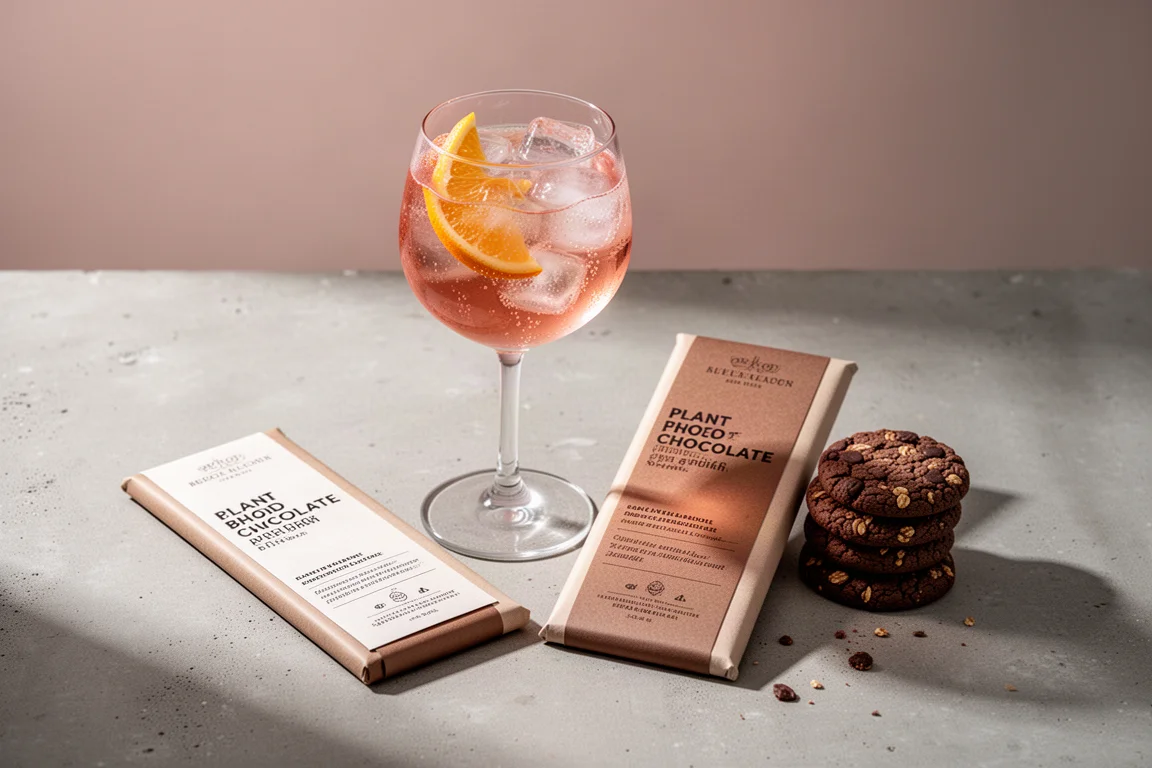
Not every food trend deserves a spot in your shopping basket, but a few manage to combine genuine flavour with a story that holds up to scrutiny. Two products that fit that description right now are Sipello, a British amaro built on hedgerow fruits, and Prodigy’s range of plant-based chocolate bars, which pair a B Corp mindset with an unusually ambitious approach to plastic waste. Here is how they taste, what they cost, and who they suit.
Sipello Amaro: A British Take on the Bitter Aperitivo
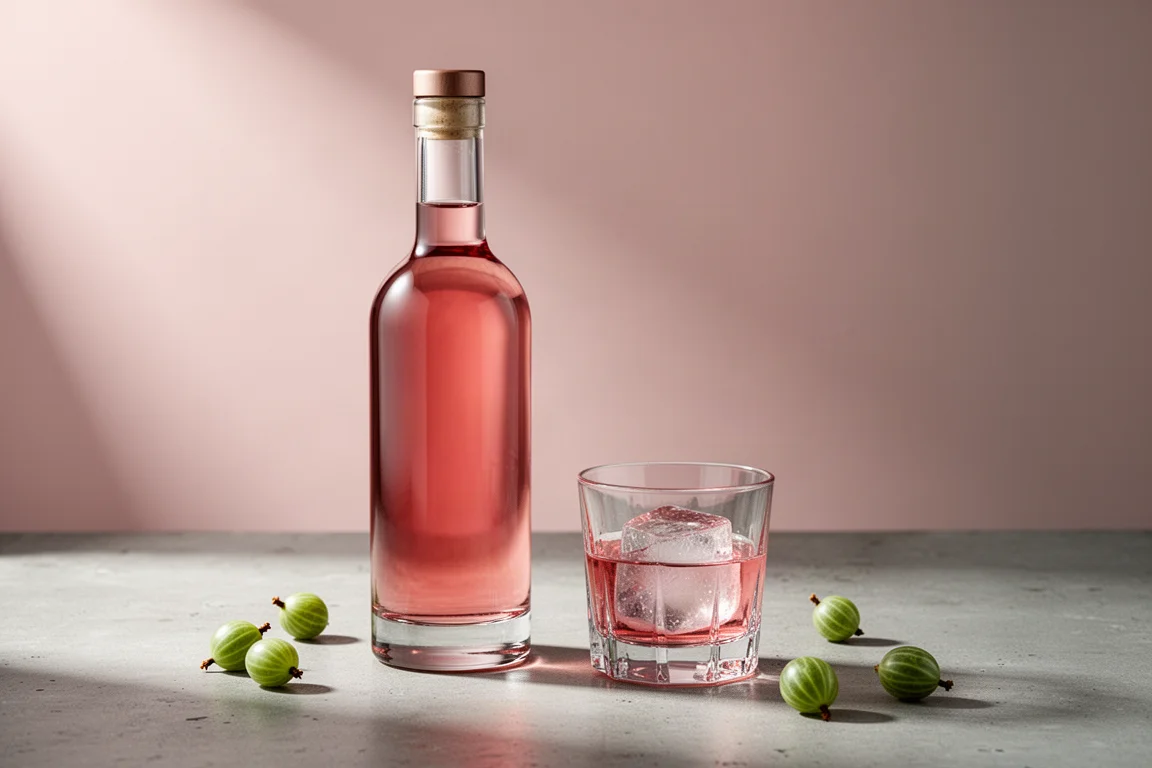
Sipello sits in the amaro category, the family of Italian-style bitter liqueurs that includes Campari and Aperol. It comes in at 22% ABV and is built predominantly on gooseberry, with rhubarb and chuckleberry, a sour, bitter hedgerow fruit, alongside a long list of botanicals that even includes wormwood, the strongly scented herb best known from absinthe. The fruit is sourced from the Surrey Hills, which gives it a distinctly local, seasonal identity compared with the orange-based Italian classics.
Straight and neat it is intensely bitter, with a fruity, Aperol-like profile and a bitterness on the tongue that lands somewhere between a Negroni and an aperitif spray. That said, nobody drinks amaro like this by default. On the rocks it becomes a slow, sippable digestif, and mixed longer it genuinely shines: with sparkling wine it reads remarkably like a good sparkling rosé, with wine notes leading and sweetness and bitterness playing behind, while over tonic water it comes across as summer in a glass.

The timing is no accident. Bitter drinks are booming, with a threefold rise in amaro in the UK and a claimed 148% rise in Aperol sales at Waitrose back in 2021. Sipello is part of a wave of local, artisanal versions of a continental concept, and it suits drinkers who want an aperitivo or digestif with more character than a supermarket spritz. If you already enjoy Campari or Aperol, this is an easy and interesting step sideways.
Prodigy Chocolate Bars: Snacking With a Conscience
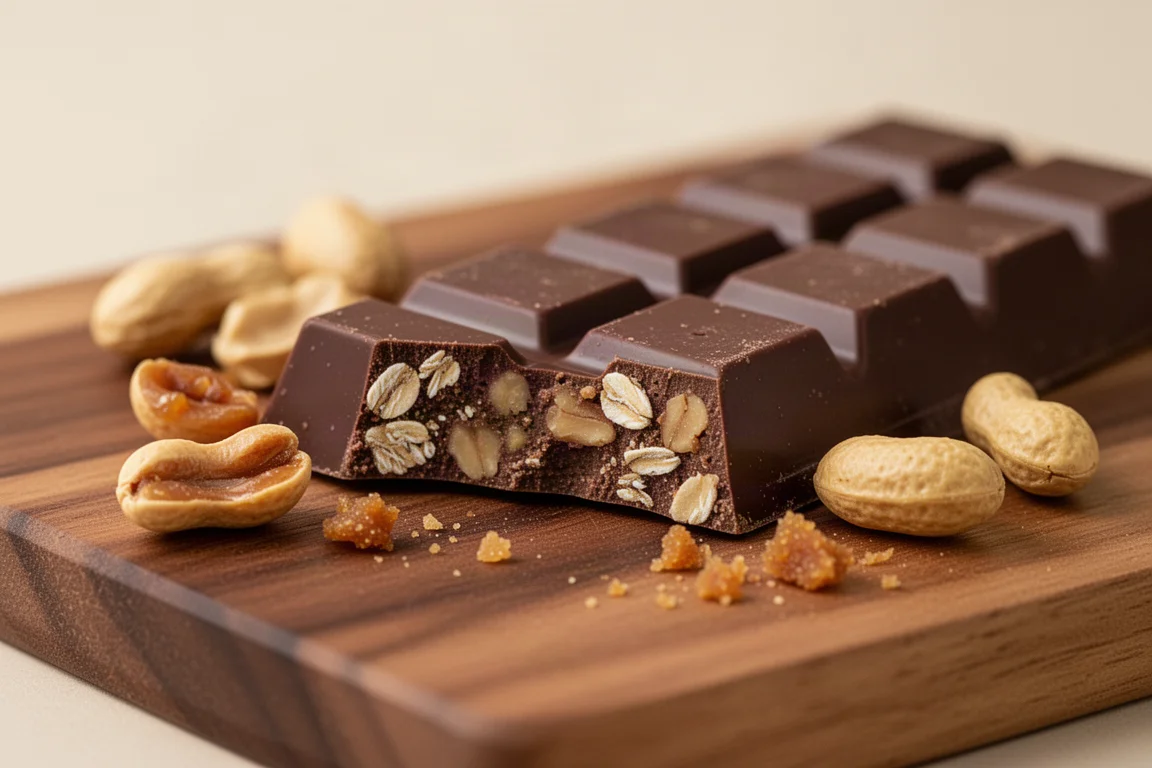
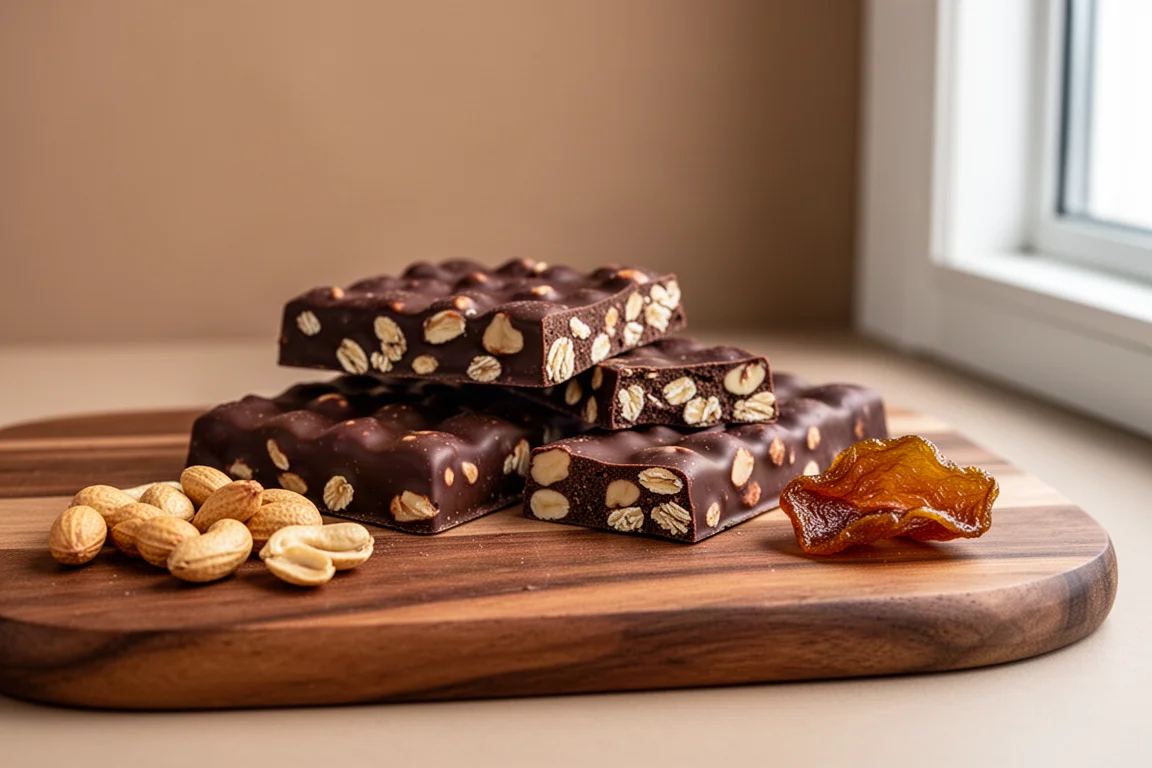
Prodigy makes a range of plant-based chocolate bars, biscuits and oat-based snacks, including a peanuts and caramel bar billed as “chocolate, only better.” The credentials stack up: B Corp certified, plant-based, lower in sugar, with added soluble fibres that are good for your gut. The company also fosters an inclusive, sustainable economy through its workplace practices.
The standout detail is waste. Prodigy positions itself as the first plastic-negative chocolate or confection brand in the UK, meaning it takes more plastic out of circulation than it puts in. Packaging is compostable pouches with cardboard boxes made from 95% recycled materials, and through an organisation called Repurpose, for every chocolate sold it removes ten pieces of plastic from the ocean. So far the company has funded the removal of 19 million plastic wrappers from oceans in places like Indonesia.
There is a fair critique here: offsetting schemes, whether plastic or carbon, are not a substitute for producing less waste in the first place, and the model only works if the products are good enough to buy on merit. On taste, the bars hold their own as sweet, satisfying plant-based snacking, and the compostable packaging is a step in the right direction. Bars come in boxes of six at £9.95, and a taster box of 13 different items costs £18.95.
Bonus Trend: Sonic Seasoning and Gastromusicology
One experiment worth knowing about even if you never buy anything: gastromusicology, the study of how sound changes taste. In a side-by-side test, two tasters ate the same honey yoghurt while listening to different music. One heard dissonant, clashing brass and clarinets with no discernible rhythm, and found the distraction flattened the flavour into a simple “sweet yoghurt.” The other heard calm piano and soft strings and described citrus notes and a gentle zing.

The wider science, tested properly on hundreds of participants, is solid: high tinkling chimes and light, airy music enhance the perception of sweetness, while low frequencies, hums and deep bass enhance bitterness in coffee and chocolate. Brands already use culturally resonant music to sell authenticity, and researchers such as Charles Spence, author of “Sense-hacking,” are exploring practical applications, from calming hospital dining rooms to using sound so that food can taste properly seasoned with less added salt.
Bonus Trend: Cactus Water
The wilder sip of the day was cactus water, a Spanish product inspired by a producer’s trip to Mexico. Fresh from the bottle, tasters immediately picked up pear-like aromatics and a spicy warmth that suggested tequila, which makes sense: it is essentially tequila’s base before fermentation, in the same way grape juice is wine before fermentation. On the palate it is watery rather than juicy, like a well-made cordial cut with water, with a grassy, gently bitter smoothness and a herbaceous edge. It is not currently available in the UK.

The reason it matters goes beyond novelty. The cactus used is grown in Spain and needs 80% less water than most other crops, with minimal fertiliser inputs, making it a genuinely resilient crop for drought-hit regions. The original version is 100% organic with no artificial flavours, preservatives, added sugars or colours, and flavoured versions exist with jalapeño or lime and ginger. It is currently listed at £27 for a case of 12.
Overall Buying Advice
If your palate leans bitter and aperitivo-style, Sipello is the more distinctive buy, best treated as a spritz or a slow rocks pour rather than a shot. If you want everyday snacking that aligns with lower sugar and lower waste, Prodigy is the more practical pick, though the per-bar price means it is a treat-tier purchase rather than a weekly staple. Both prove that the most interesting British food trends right now are local reinterpretations of proven ideas rather than gimmicks.
Conclusion
Sipello brings the bitter aperitivo trend home to British hedgerows, and Prodigy shows how confectionery can be made with a lighter footprint without losing the point of chocolate. Neither is for everyone, but both are confident, well-executed examples of where food and drink are heading, and both are worth trying if the descriptions above made your ears prick up.
Further reading
Related Reviews

Baking
Best Chocolate Box Cake Mix: Four Brands Ranked From Fudgy to Forgettable
We compared four chocolate box cake mixes on flavor intensity, texture, and convenience to find which ones actually taste like chocolate.
Kitchen Ingredients
Best Chocolate for Baking and Eating: Five Picks Worth Keeping in Your Pantry
From unsweetened baking chocolate to a creamy 48% milk chocolate bar, five chocolate picks with clear roles in the kitchen.

Food & Drink
Best Dark Chocolate for Less Sugar: Four Picks From 60% to 90%
Four dark chocolates that deliver more cacao and less sugar, from an everyday baking bar to an intense 90% pick.