Everyday Carry
16 Folding Knives Tested: Sharpness, Edge Retention, and Lock Strength Compared
From a $4.49 budget knife to a $364 premium folder, we compare 16 folding knives on out-of-box sharpness, edge durability, blade tip strength, lock force, and lateral stability.
Introduction
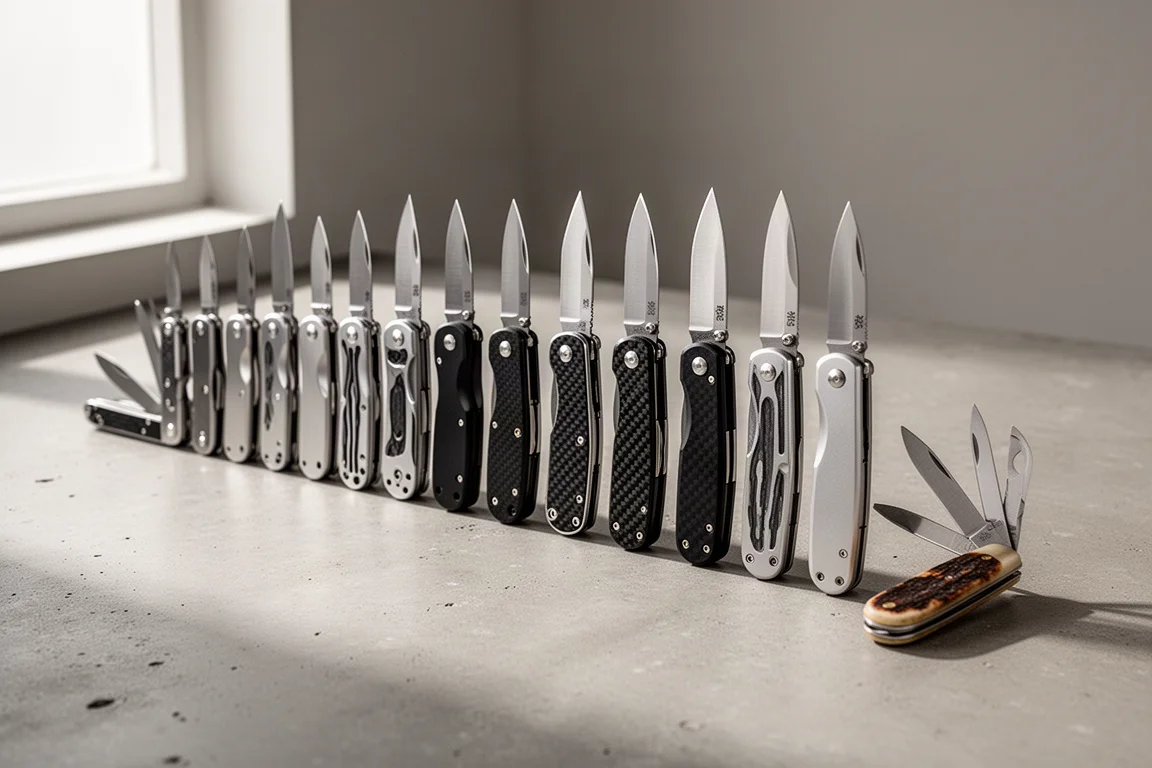
Can a $5 knife perform as well as one costing nearly $400? To find out, sixteen folding knives went through the same set of tests: out-of-box sharpness, blade tip durability after a 48-inch drop, lock release force, one-handed opening effort, edge retention after 100 passes across a bamboo cutting board, and lateral blade stability under a 25 lb load.
The results genuinely challenge the assumption that price equals performance. Several affordable knives held their own against premium blades, and a few expensive ones trailed the field. Here is how each knife performed, from cheapest to most expensive.
How We Tested
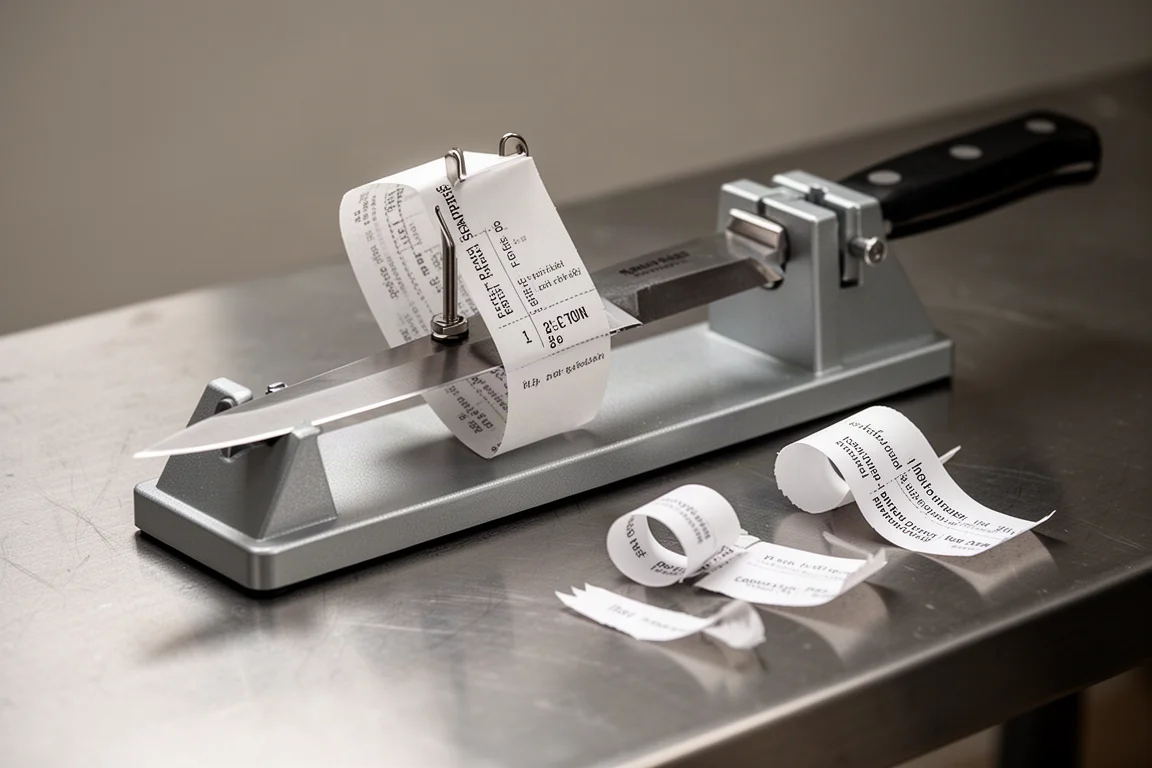
Every knife was measured with a certified knife sharpness tester, which records the downward force needed to cut through standardized test media. For reference, a double-edge razor blade scores between 50 and 75, a utility razor blade between 150 and 200, and new high-end cutlery between 250 and 350. Anything at 400 or above needs sharpening. Lower scores mean sharper blades, and fresh test clips were used between every measurement.
Lock release force was measured with a scale, blade opening effort was measured from the midpoint of the blade stroke, and each knife took 100 weighted passes across bamboo to test edge retention. Blade tips were then assessed after a 48-inch drop through a pipe, and lateral stability was checked under a 25 lb side load with a 6-inch span from tip to handle.
Budget Picks Under $25
Master USA Folding Knife ($4.49)
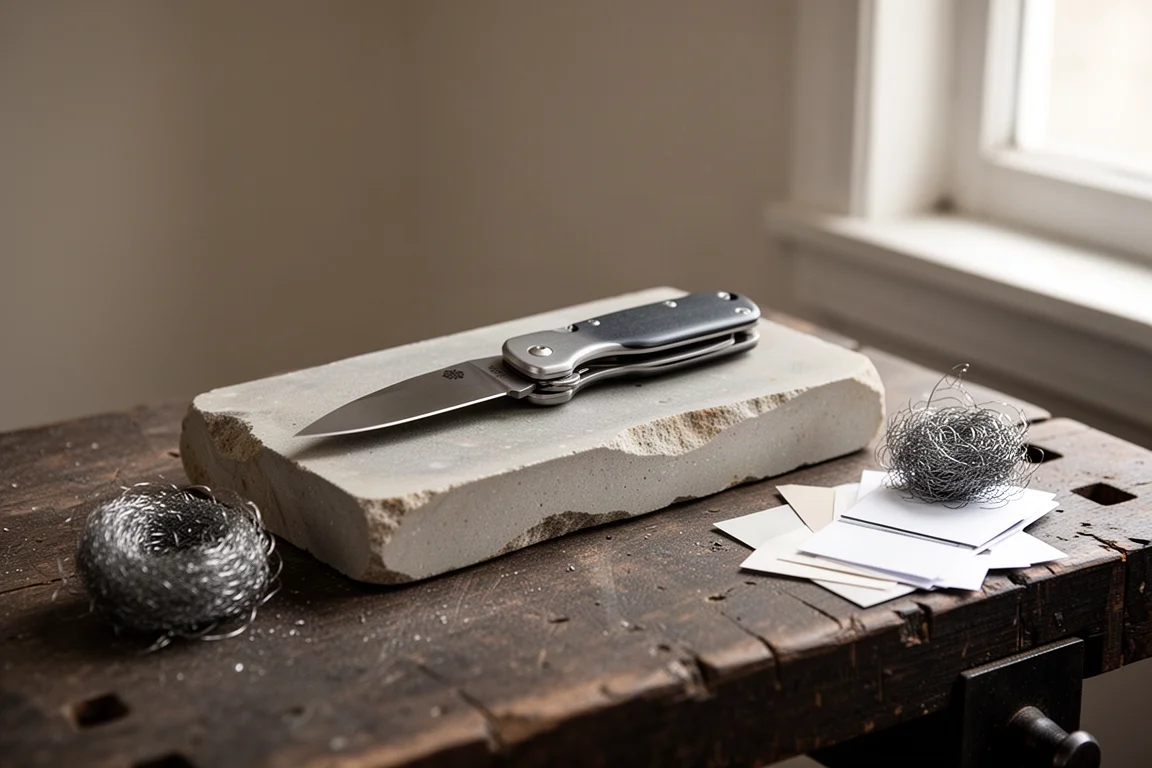
The cheapest knife in the test has a 3.5-inch black stainless steel blade, a 4.5-inch ABS handle with carbon fiber camo finish, and weighs 114 g. It is made in China. Out of the box it scored 330 on the sharpness tester, the weakest result in the field, and it needs sharpening sooner than most. It did survive the 25 lb lock test, though with noticeable blade sag, and it did not break in the lateral test, but there is a lot of slop at the pivot.
Vulcan Gear Spring-Assist Folding Knife ($8)
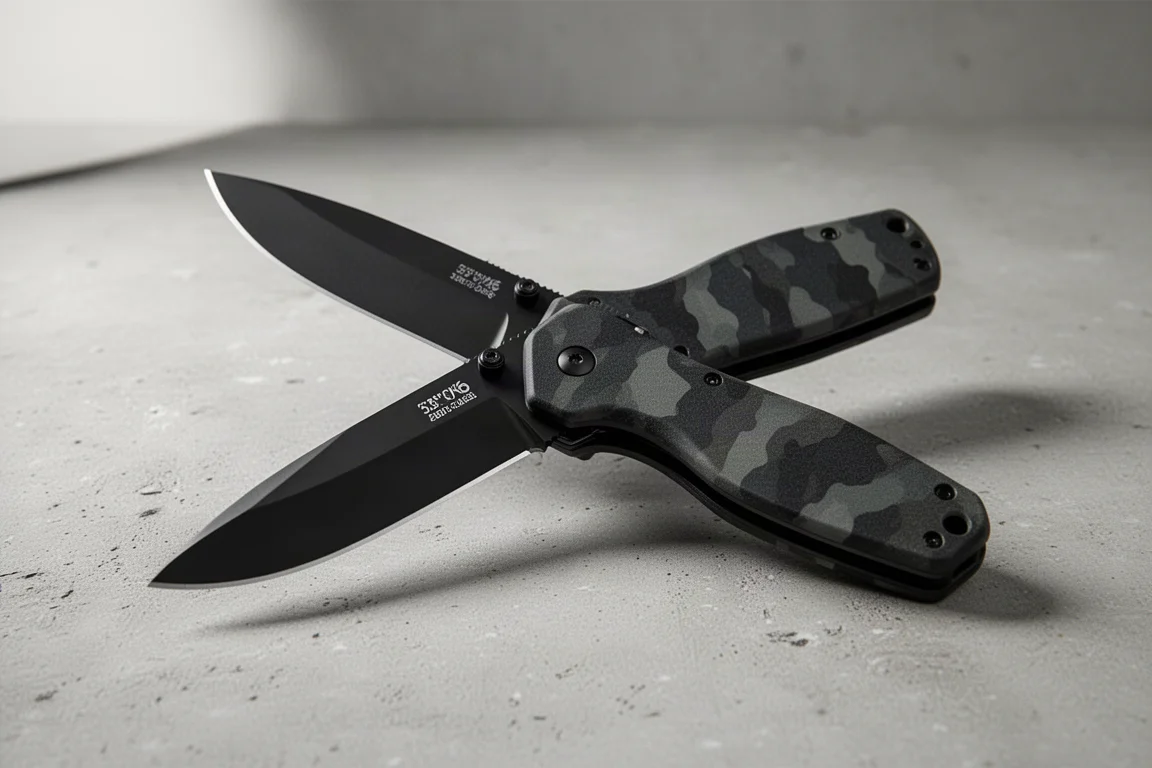
This spring-assist folder has a 3.85-inch black-coated stainless steel blade and a liner lock, and it is assembled in China. At 150 g it is 36 g heavier than the Master USA, and it is considerably sharper at 250. Its liner lock needed 2,560 g of pressure, close to 6 lb, to release the blade. The tip took a direct blow during the drop test and only suffered minor damage.
King Max Folding Knife ($13)
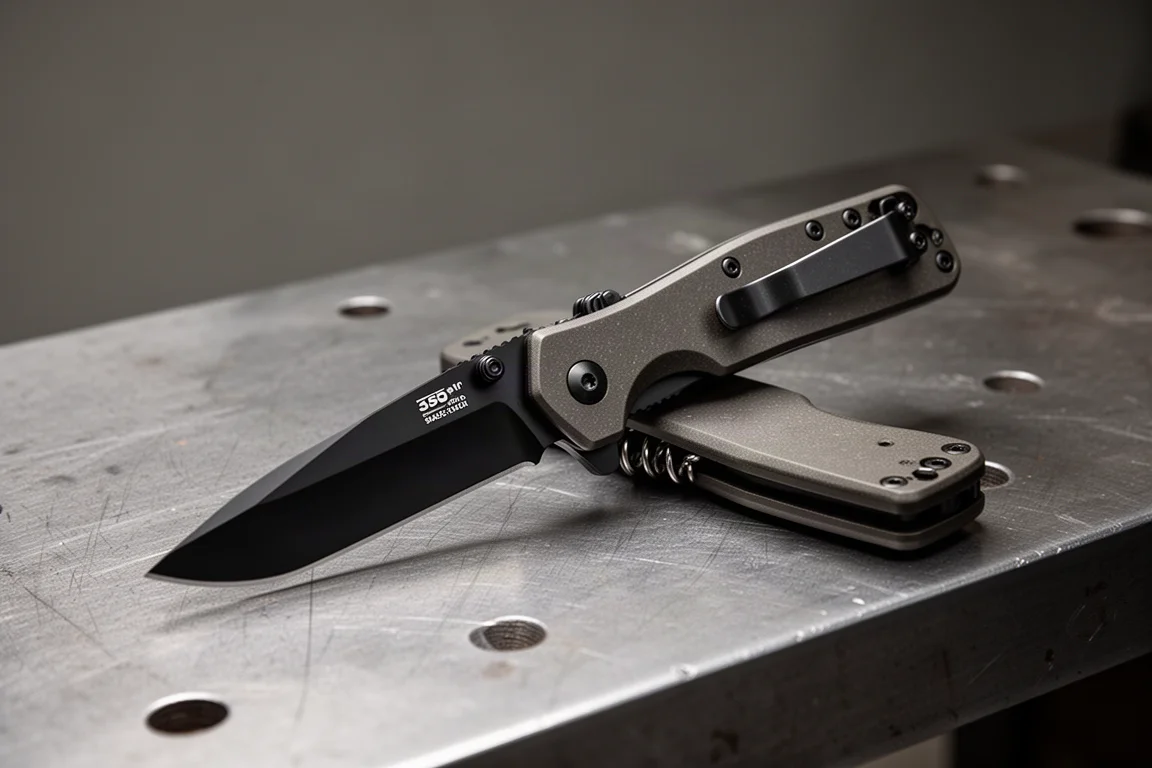
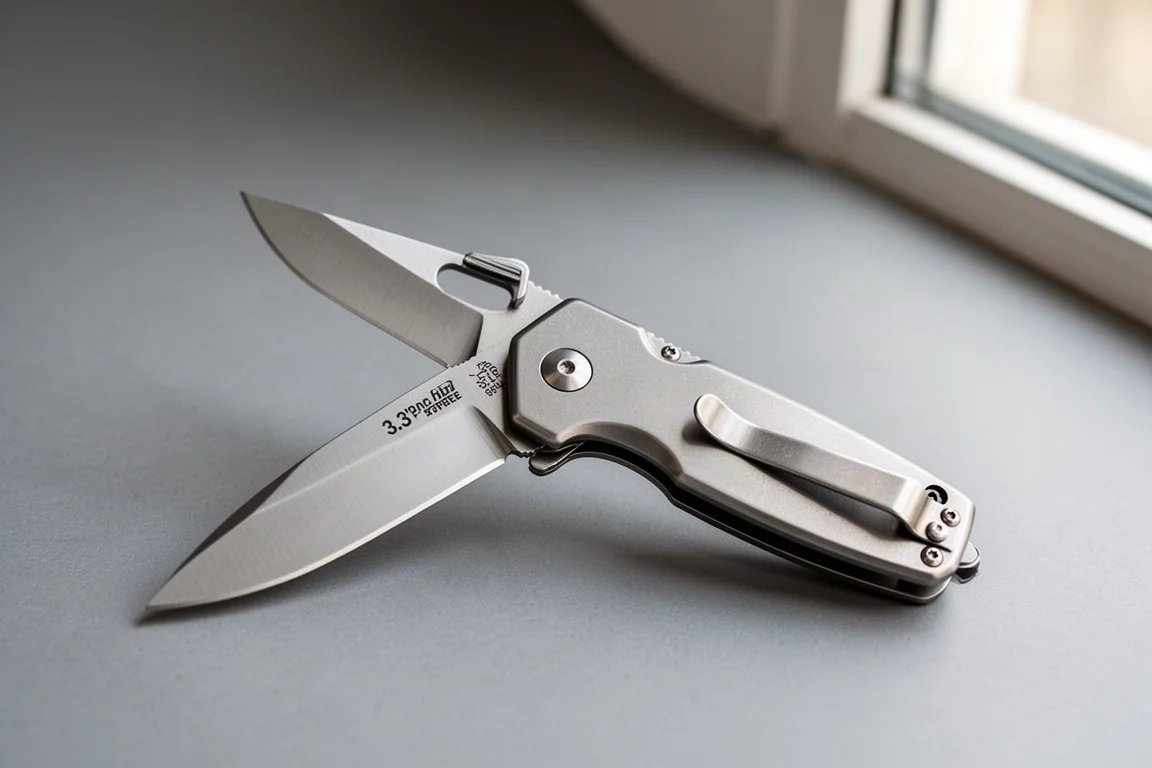
The King Max offers a 3.3-inch stainless steel blade, a flipper for one-handed opening, a liner lock, and bonus features like a window breaker and seatbelt cutter. Made in China, it weighs 130 g. It scored 245 out of the box, and after sharpening and a second 100-pass bamboo run it lost only 35 points, finishing sharper than new at 160. Its lock released at just 628 g, and the tip held up better than the two cheaper knives above. For a knife under $20, this is the standout budget performer.
Coast Folding Knife ($16)
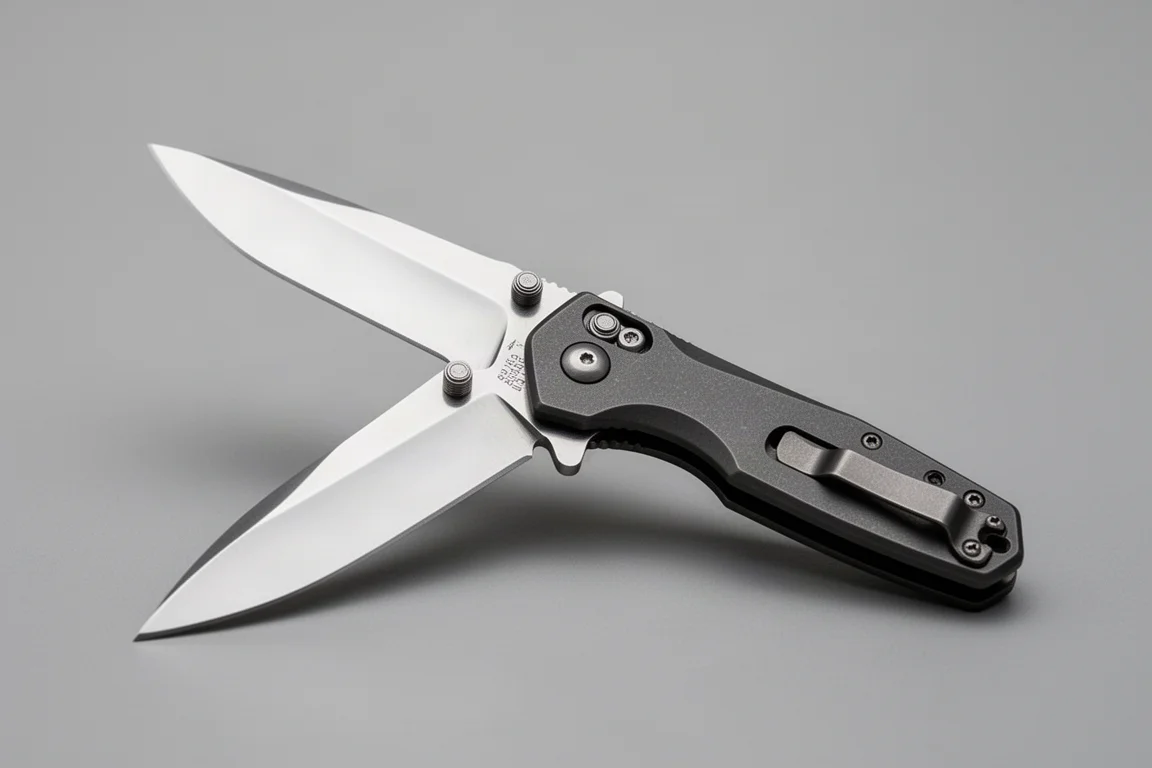
The Coast has thumb studs on both sides, a 4-inch stainless steel blade, a frame lock, and it is the heaviest knife in this price group at 172 g. It is made in China. It posted a 190 out-of-box sharpness score, which led the field at that point, and its lock held with 1,568 g of release force. The downside came in the drop test, where the blade tip bent on impact.
Mid-Range Picks ($25 to $57)
DeWalt Folding Knife ($25)
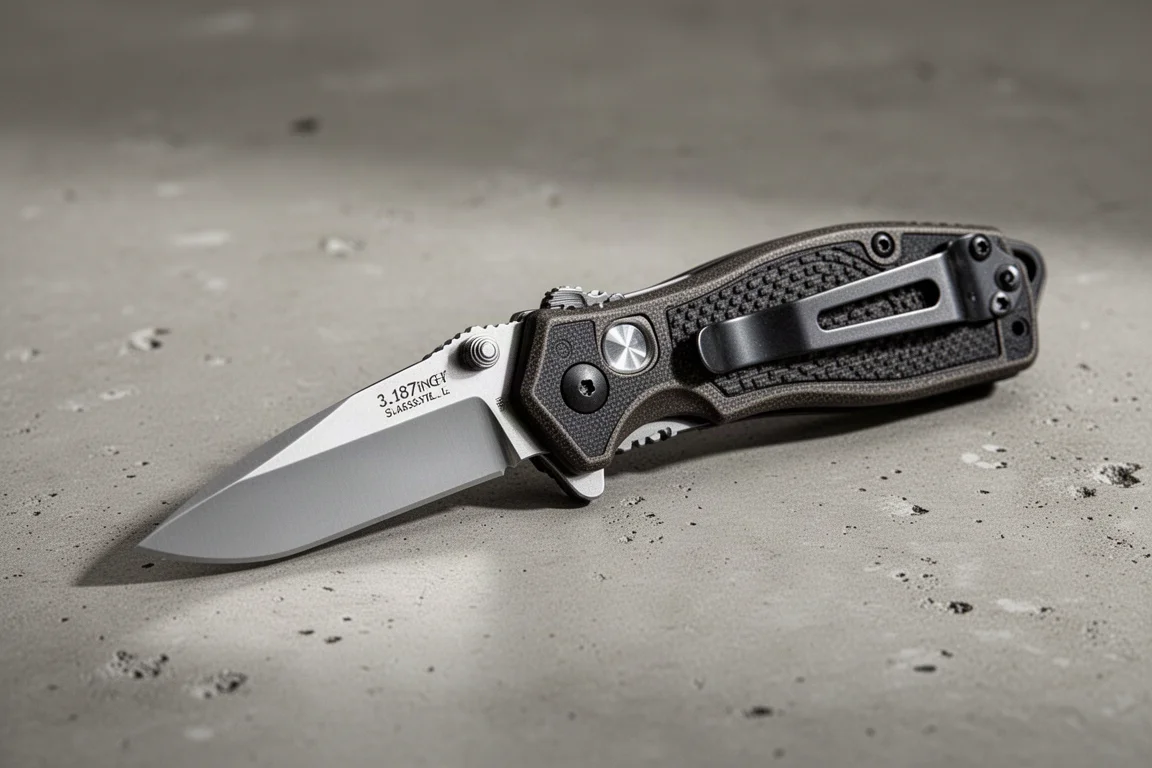
This spring-assisted folder has a 3.187-inch stainless steel blade, a liner lock, an integrated glass breaker, and a dedicated blade lock to prevent accidental deployment. Made in China, it weighs 142 g. It scored 205 out of the box and held its edge reasonably well, dropping to 245 after the first bamboo run. The tip survived the drop with only a small amount of damage, and lateral movement was slightly worse than the Coast.
Milwaukee Folding Knife ($25)
The Milwaukee uses a stainless steel drop point blade, a liner lock, and a reversible belt clip. Made in China, it is 22 g lighter than the DeWalt. It opened the test with a sharp 180, but there is a catch: the blade releases via a push button with no thumb knob, making one-handed opening genuinely difficult. It dulled noticeably during the bamboo test, dropping to 295, and it was the only knife that failed the 25 lb lock test outright.
Leatherman Skeletool ($40)
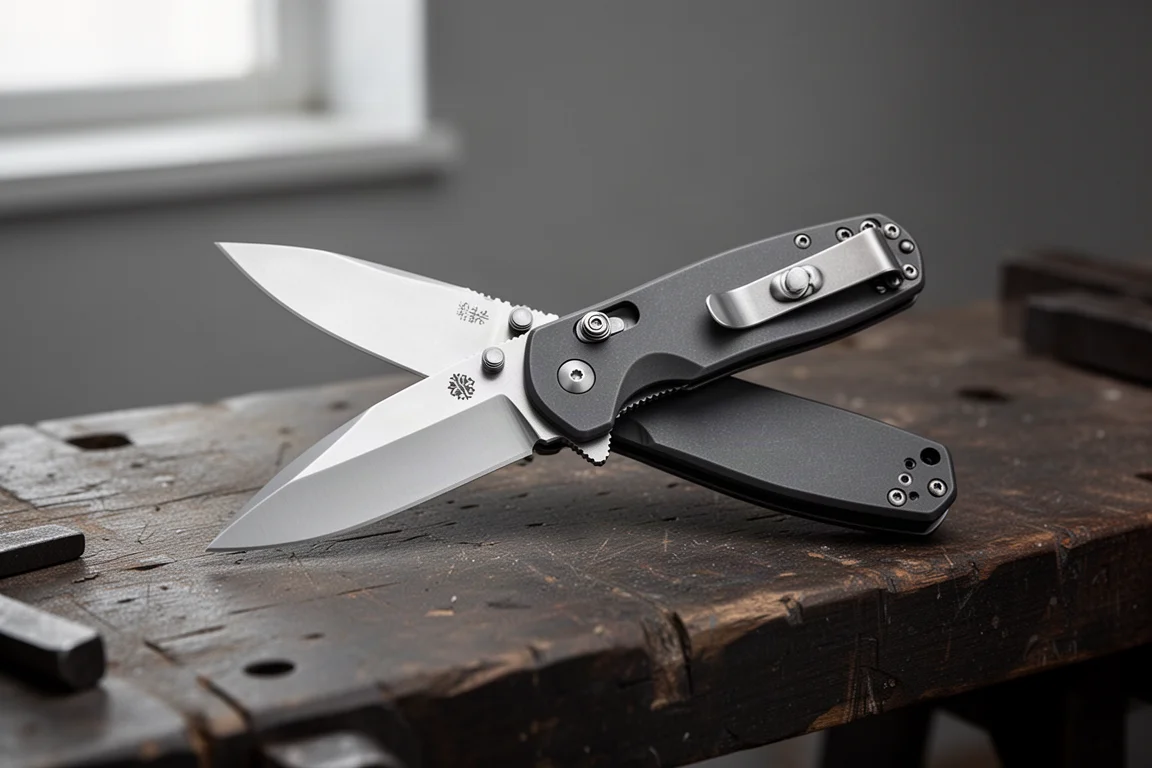
The Skeletool is a lightweight multi-tool with a high-carbon stainless steel straight blade and a bottle opener, secured by a liner lock, and assembled in the US with US and foreign components. At just 38 g, it is by far the lightest knife in the entire test. It scored a strong 185 out of the box, released its lock at 1,436 g, and its blade tip held up extremely well in the drop test. After the second bamboo run it lost only 15 points, finishing sharper than new at 130.
CRKT Folding Knife ($57)
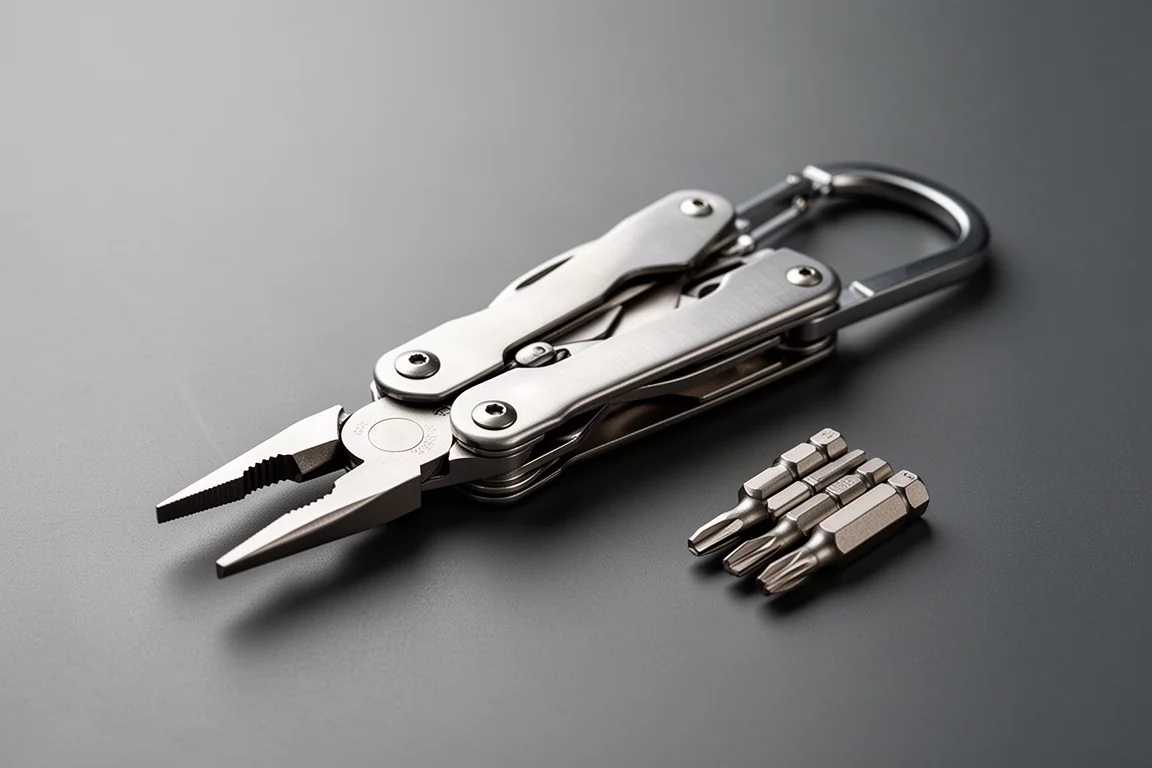
This CRKT uses a ball bearing pivot for smooth deployment, a frame lock, a stainless steel blade, and a G10 handle that provides grip in all conditions. Made in China, it is the heaviest knife in the test at 174 g. It opened with only 16 g of force, matching the Master USA for effortlessness, and it offered great lateral strength and stability. Its tip proved very durable despite the weight.
Upper Mid-Range Picks ($69 to $110)
Kizer Folding Knife ($69)
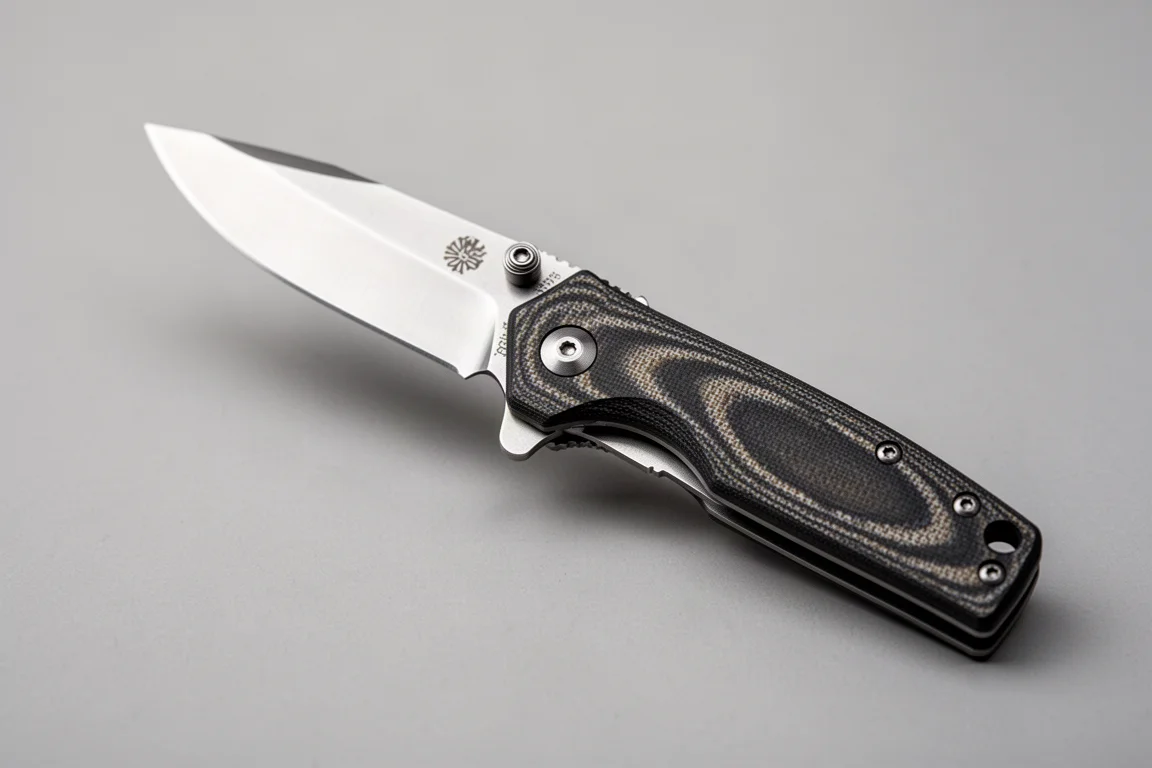
The Kizer pairs a carbon fiber handle with a 3.42-inch N690 drop point blade and a solid liner lock, and it is made in China. At only 90 g it is one of the lightest knives here. Its ball bearing pivot is so smooth the blade opened with 0 g of measured force, and its lock released at an easy 676 g. It held its edge brilliantly, losing just 10 points across each bamboo run, and its light weight helped the tip survive the drop test with very little damage. Dollar for dollar, this is one of the best all-round results in the field.
Cold Steel Code 4 ($86)
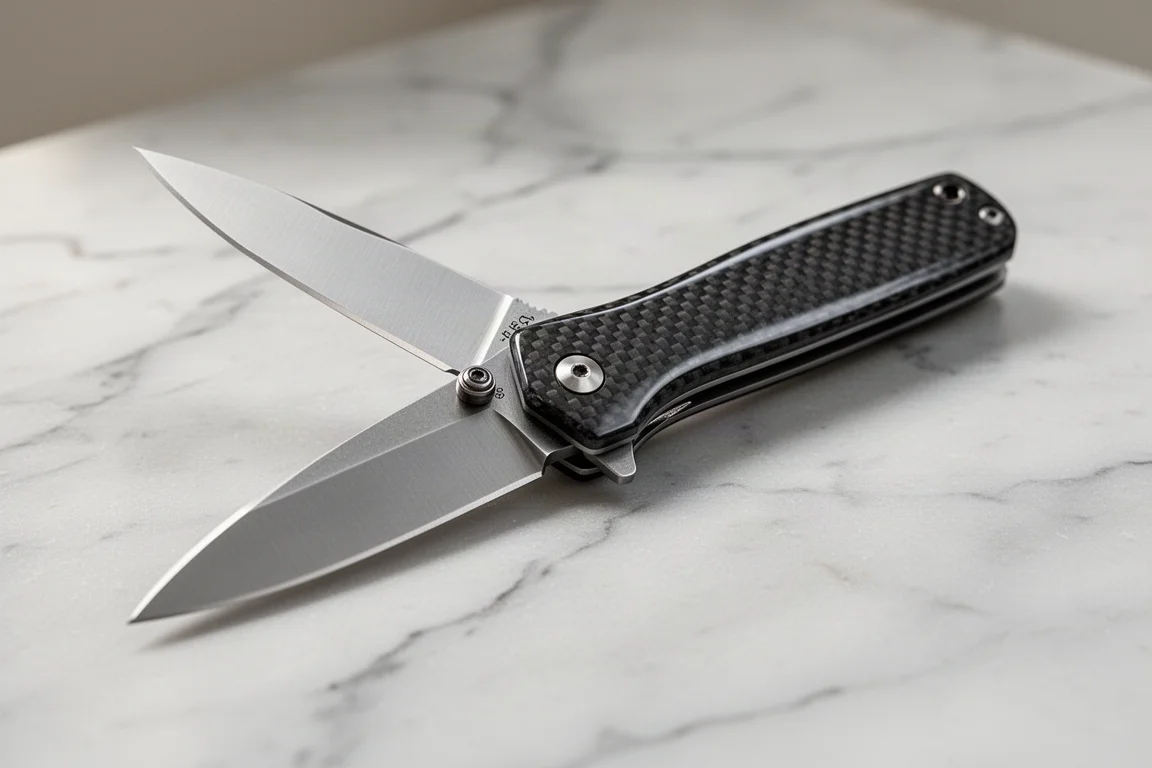
The Code 4 has a 3.5-inch S35VN blade, an aluminum handle, and a mid lock, and it is made in Taiwan. Despite its size, it weighs just 118 g. It scored 175 out of the box and did not lose a single point during the first bamboo run, which is genuinely impressive. Its mid lock required the most release force in the test at 3,566 g, almost 8 lb, and it delivered tremendous lateral strength and stability for a folding knife.
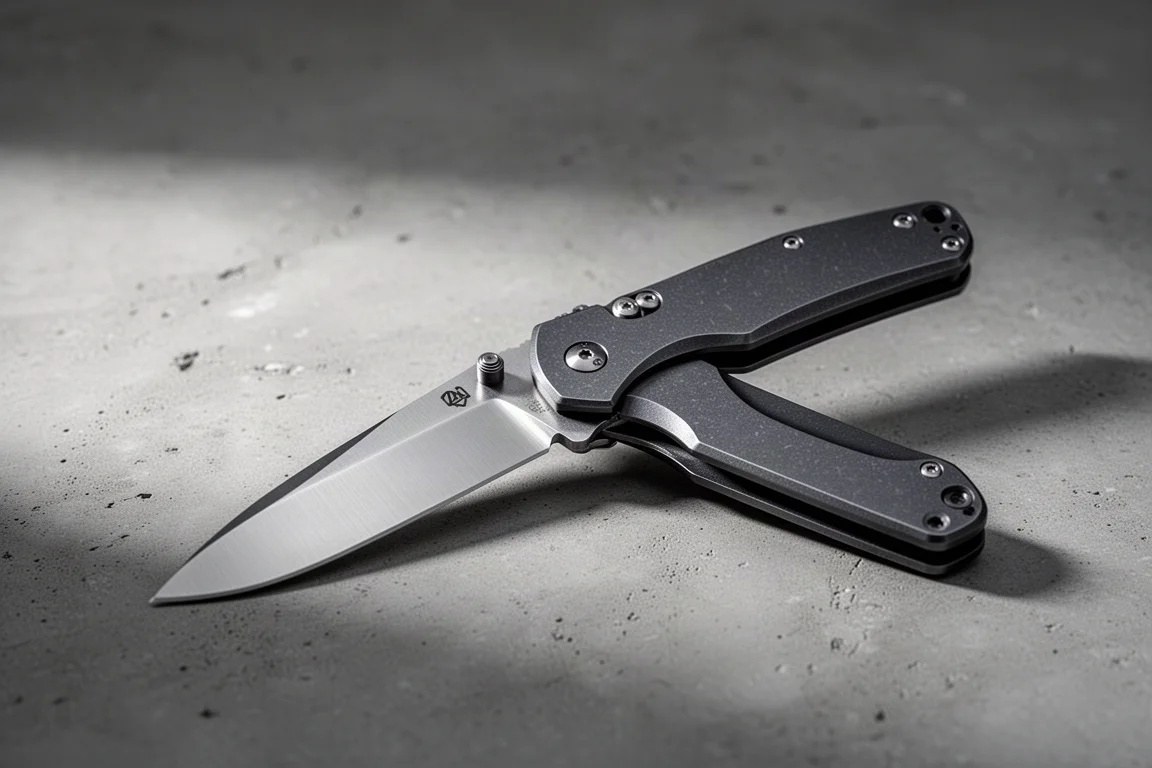
Kershaw Folding Knife ($87)
This Kershaw combines a corrosion-resistant N690 steel blade with a wear-resistant D2 cutting edge and SpeedSafe assisted opening, secured by a liner lock. It is made in the USA and weighs only 82 g. It was one of the strongest performers throughout: a 165 out-of-box score, the sharpest knife after the first bamboo run at 150, the sharpest again after sharpening and the second run at 120, an easy 666 g lock release, and great lateral stability. The one serious concern came in the drop test, where the blade tip proved brittle and visibly broke off. If you never abuse the tip, it is superb; if you might, look elsewhere.
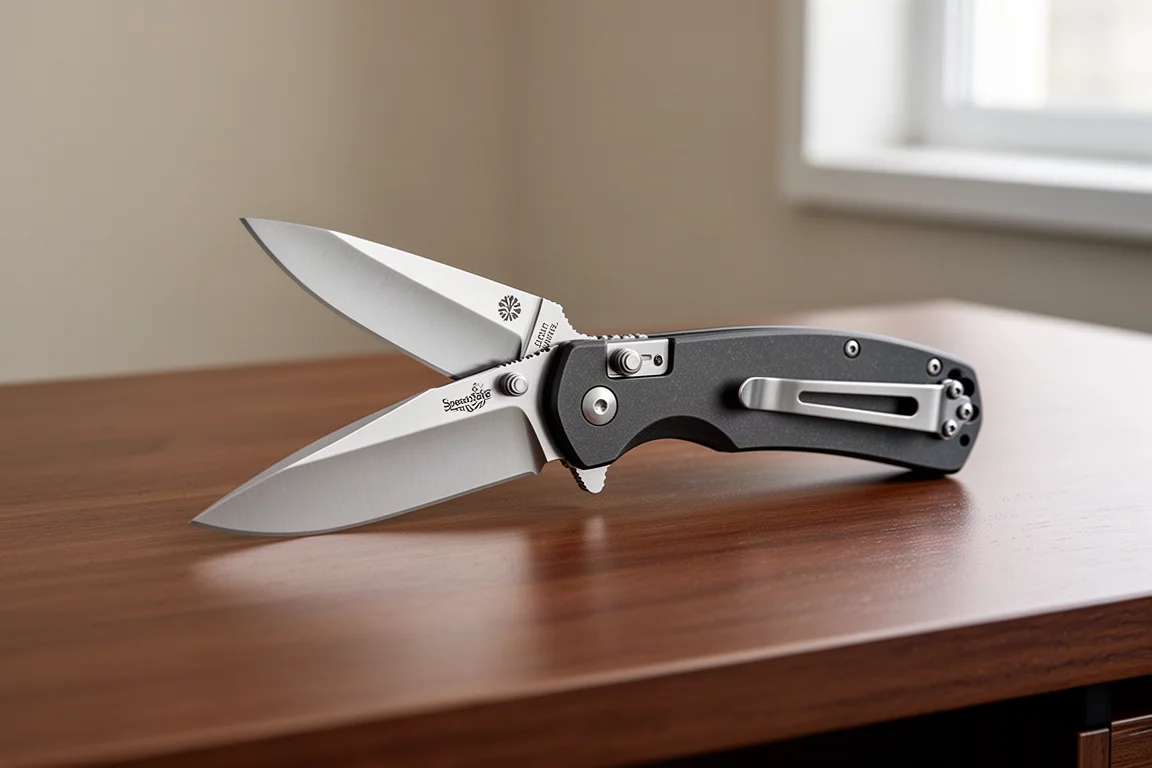
Victorinox Hunter Pro Alox ($87)
The Hunter Pro Alox has a stainless steel blade, a mid lock, and a 5.4-inch overall length, and it is made in Switzerland. At 176 g it is the heaviest knife in the test. Its mid lock is extremely stiff: it took over 15 lb of force to release and 150 g of pressure to open, the highest opening effort recorded. In exchange, it held its edge very well, losing only 10 points on the second bamboo run, and its lateral stability was nearly as impressive as the Cold Steel.
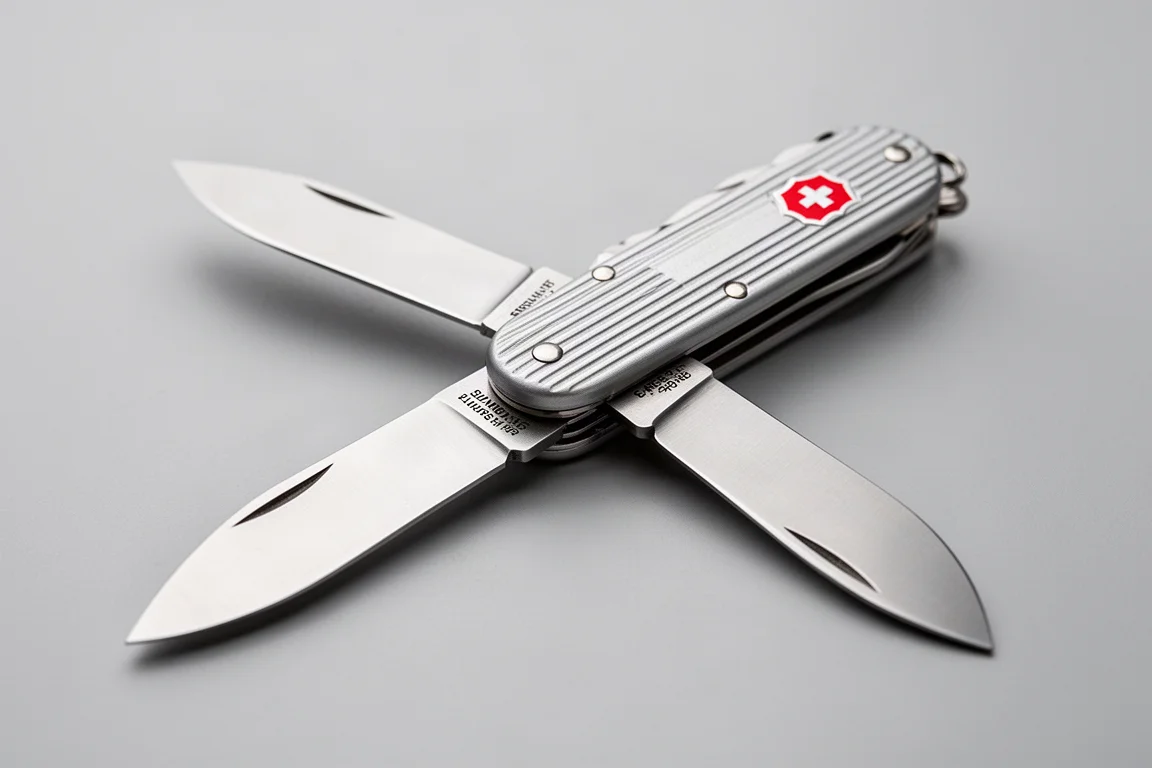
Gerber Fastball ($110)
The Fastball uses a ball bearing system for smooth deployment, an S30V steel blade, and a liner lock, and it is made in the USA. At 78 g it is the second-lightest knife tested. Out of the box it was noticeably duller than most of the field at 215, but after sharpening it matched the Kershaw at 110, and it lost only 35 points across the second bamboo run. The tip survived the drop with minimal damage, and lateral stability was on par with the Kizer and Kershaw.
Premium Picks ($170 and Up)
Benchmade Griptilian ($170)
The Griptilian features an S30V stainless steel blade, a glass-filled nylon handle, and Benchmade’s Axis Lock, which is exceptionally strong and fully ambidextrous. Made in the USA, it weighs a reasonable 108 g for its size. It posted the best out-of-box sharpness in the field at 155, released its lock at just 356 g, the lightest of any knife, and opened with 0 g of measured force. It held up across every test, with the tip still looking nearly new after the drop. It finished as the overall top performer, with the caveat that it is very expensive.
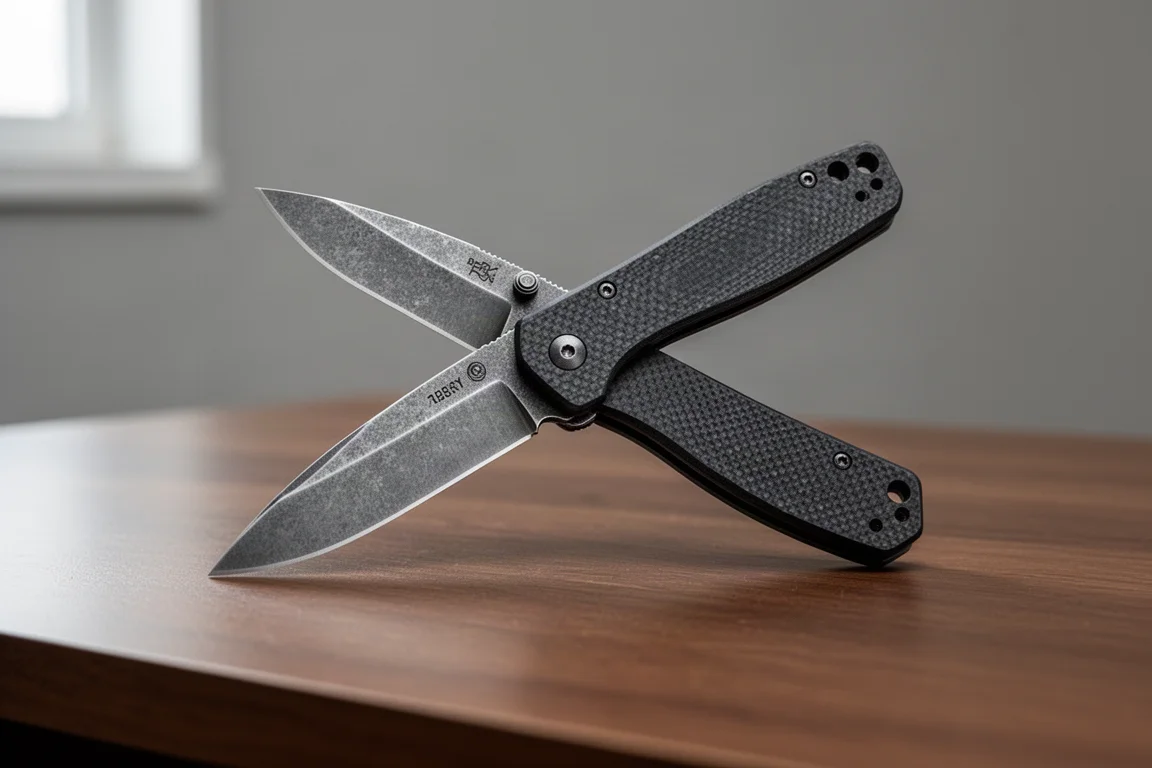
Fallkniven Folding Knife ($364)
The most expensive knife tested uses 3G blade steel, a frame lock, and is made in Sweden. At 74 g it is the lightest full-size folder in the field. It was not especially sharp out of the box at 230, trailing many cheaper knives, but it held an edge consistently, finishing as the sharpest knife at 115 after the second bamboo run, and its tip looked as good as new after the drop test. It performed very well laterally despite the low weight. Excellent, but you pay a large premium for it.
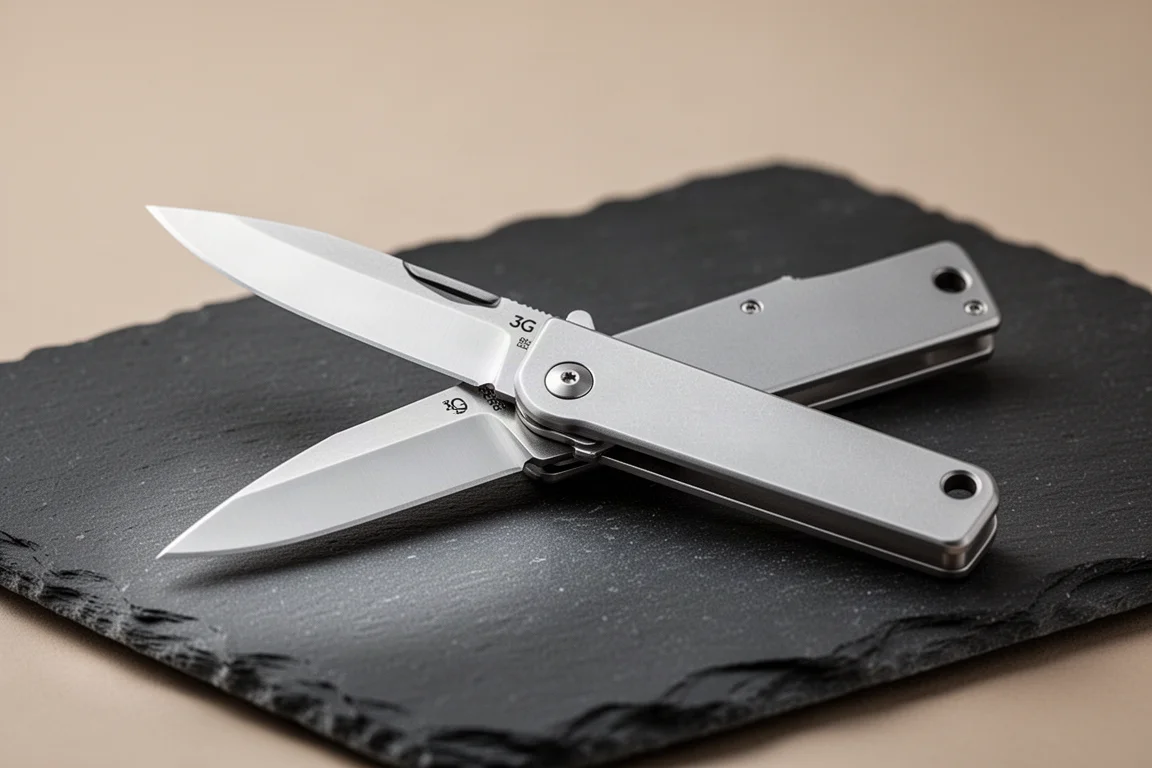
Edge Retention After 100 Passes
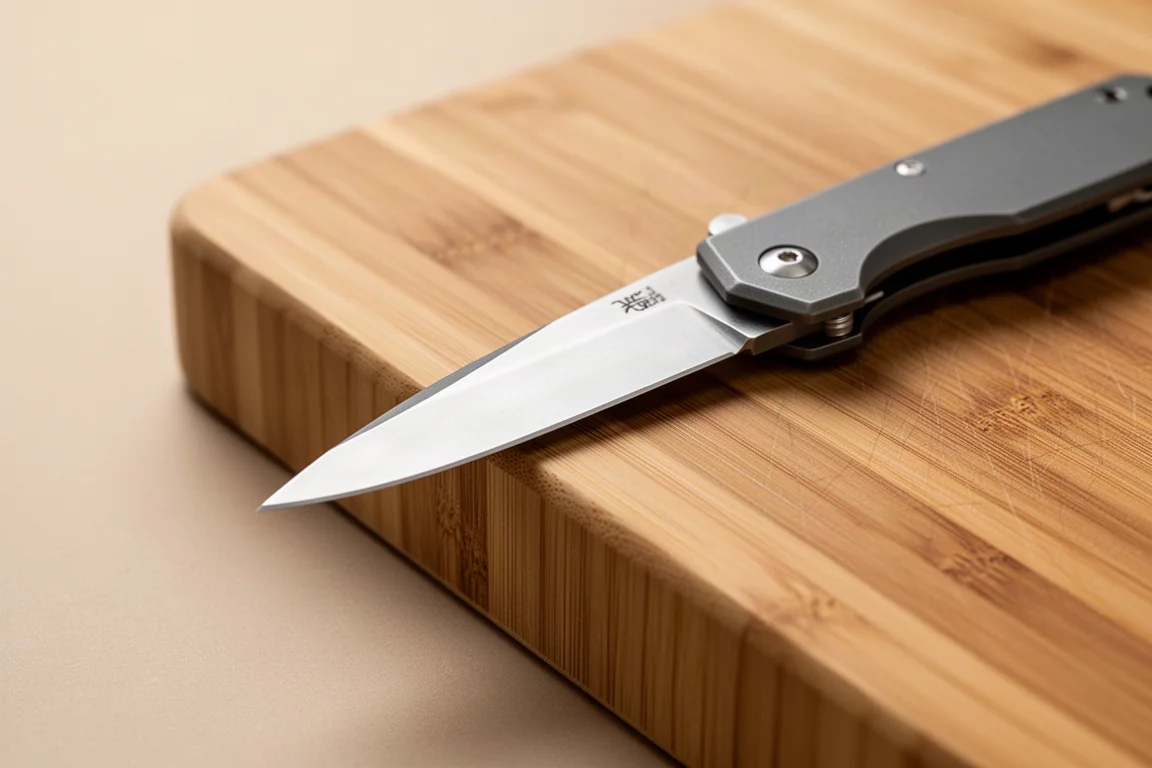
After the first 100 weighted passes across the bamboo cutting board, the knives made with premium blade steels clearly outlasted the less expensive stainless steel blades. The Cold Steel Code 4 did not lose a single point. The Kizer dropped only 10, and the Kershaw actually got sharper at 150, likely thanks to a bur coming off the factory edge.
After re-sharpening all sixteen knives at a 17-degree angle, the field converged to near-identical sharpness, which made the second bamboo run a pure edge-retention contest. The Fallkniven finished sharpest at 115, with the Kershaw and Benchmade right behind at 120, and the Leatherman, Kizer, and Victorinox at 130. Dollar for dollar, the Kizer, Victorinox, and Kershaw held their own against the far more expensive Benchmade and Fallkniven.
Blade Tips, Locks, and Lateral Strength
The 48-inch drop test separated the field quickly. The Kershaw’s tip broke off, the Coast’s tip bent, and the Master USA’s lock released on impact, while the Benchmade, Fallkniven, Cold Steel, Leatherman, Kizer, and Gerber all came through with little to no damage. Beyond the Kershaw, the knives with premium blade steel and lighter-than-average weight fared best.
On lock release force, the Benchmade was the easiest on the fingers at 356 g, followed by the King Max at 628 g, the Kershaw at 666 g, and the Kizer at 676 g. The Victorinox demanded over 15 lb. Under the 25 lb lateral load, the Cold Steel and Victorinox offered the most impressive stability, the Benchmade edged the Gerber, and while none of the budget knives failed at the pivot, the Master USA, Vulcan, and King Max showed noticeable slop. Only the Milwaukee failed the 25 lb lock test.
A Knife Still in Service After 65 Years
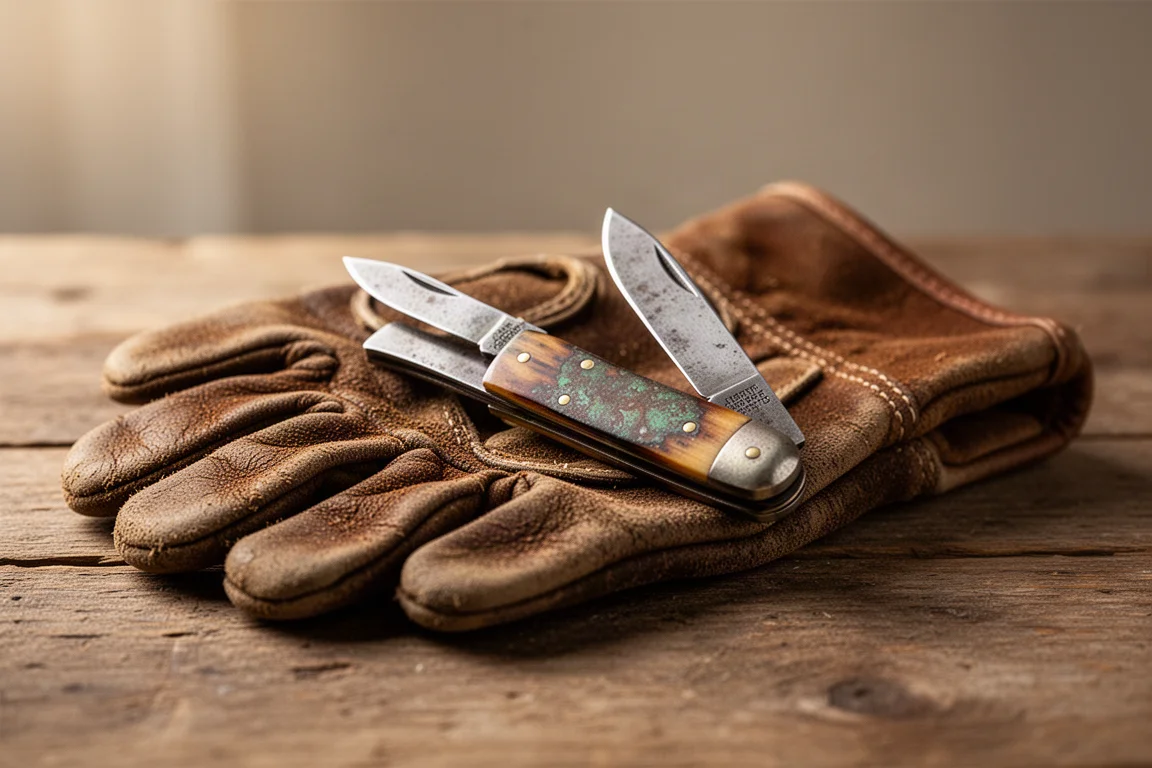
Not every great knife is new. One retired special forces veteran, a Green Beret who made 350 jumps, has carried the same Case Canoe every day since he was about ten or twelve years old. That is 65 to 70 years of daily use, sharpened on nothing more than a basic stone. He calls it his prized possession and reaches for it a dozen times a day. It is a reminder that an everyday carry knife is a long-term relationship, not a purchase, and the Case Canoe remains a proven classic.
Buying Advice: Which Knife Should You Pick?
The Benchmade Griptilian came out on top overall with the best out-of-box sharpness, the easiest lock release, and near-flawless tip durability, but it is expensive. The Kizer and Kershaw performed very well for much less money, with one caveat: the Kershaw’s brittle tip may not survive a hard drop, so choose it only if you are gentle with your knives. The Victorinox and Cold Steel are the picks if lateral stability matters most to you. The Leatherman Skeletool is unbeatable if you want a tool-plus-knife at an absurdly low weight.
If you just want a really cheap knife that performs, the King Max is the clear answer, delivering edge retention and tip strength well beyond its under-$20 price. And if a lifetime of daily carry is the goal, the Case Canoe’s 65-year track record speaks for itself.
Conclusion
Price and performance are not the same thing. The $364 Fallkniven was out-sharpened out of the box by knives costing a fraction as much, while the Kizer and Kershaw rivaled premium steel at a fraction of the cost. Match the knife to your real habits: sharpness, weight, tip toughness, or lock feel, and even a $13 folder can serve you well for years.
Further reading
Related Reviews

Everyday Carry
Everyday Gear That Deserved a Second Look
A roundup of solid everyday carry items: watches, pens, a pencil, a knife, and a smart ring that each earned a place on the table.

Everyday Carry
KORE Tactical Bifold Wallet Review: A Durable Everyday Carry Option
A close look at the KORE Tactical Bifold Wallet, a reinforced nylon wallet with magnetic closure and room for cards, cash, and IDs.

Everyday Carry
Krabby Wallet Review: A Slim, Simple Carry That Has Stood the Test of Time
A closer look at the Krabby Wallet, a slim canvas and elastic design with a loyal following and a simple, functional approach to everyday carry.