Gravel Bikes
Focus Atlas 8.9 Review: Carbon Gravel Comfort for Long Adventures
A full carbon gravel bike with relaxed, adventure-ready geometry, generous mounting options and a firm but reassuringly solid ride.
Introduction
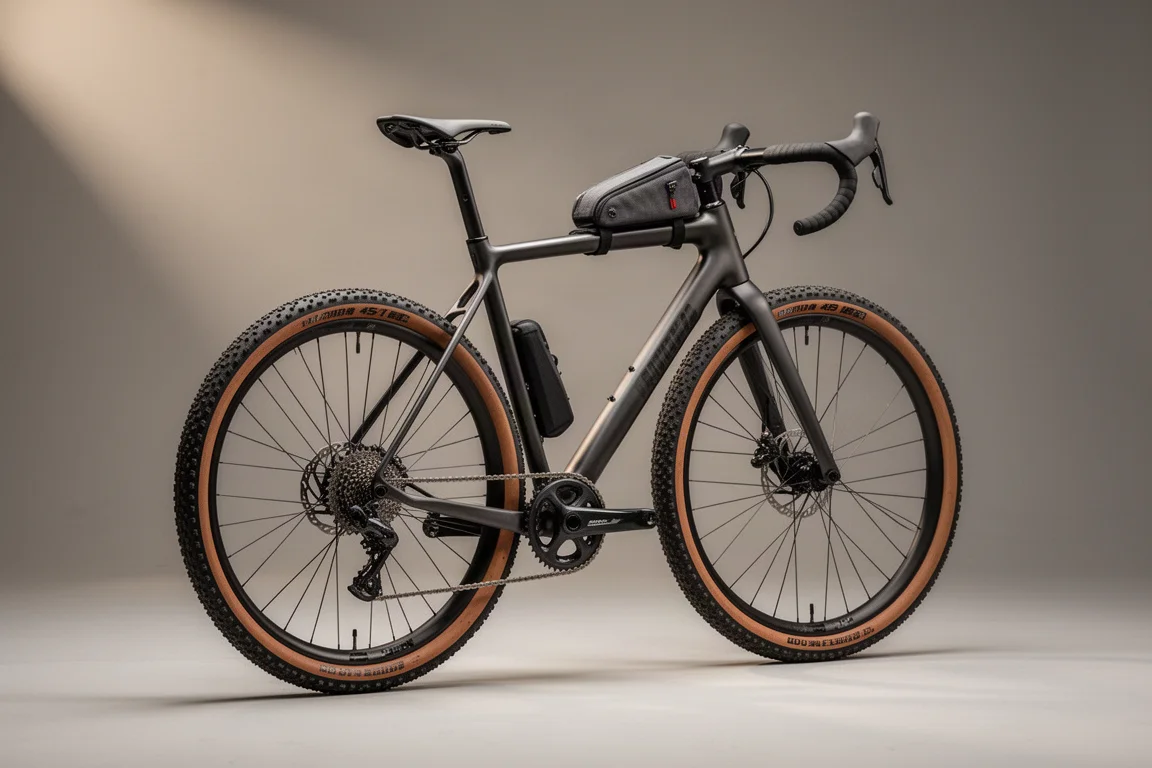
The Focus Atlas 8.9 is the carbon centrepiece of a gravel range that begins with aluminium builds and climbs to a flagship carbon model. This version pairs a full carbon frame and fork with 45 mm tyres, a SRAM Rival Explore groupset, DT Swiss alloy wheels, an Easton flared handlebar and a Selle Italia saddle. A top tube bag is included with the bike at no extra cost, and it can be removed if you prefer a cleaner look.
Focus is not the most high-profile brand in the business, but it has a long off-road heritage and a steady reputation for well-designed bikes with sensible value. The Atlas is its dedicated gravel platform, and the design brief is easy to read: stability, mounting options and long-distance comfort rather than out-and-out race pace.
On the scales, with pedals, a computer and the included top tube bag fitted, this bike came in at 9.35 kg. That is a respectable figure for the specification, and it should not hold anyone back on the climbs. It is also worth noting that the range runs from around £1,700 for aluminium builds up to £5,500 for the top carbon model, with the Atlas 8.9 sitting near the top of that spread.
Who this product is for
The geometry explains most of what you need to know. The Atlas 8.9 uses a slack head angle, a long reach and a short stem, which produces a fairly relaxed, mountain-bike-inspired riding position with a high front end. This is not an aggressive, head-down gravel racer. It is built for riders who want to cover long distances, carry luggage and stay comfortable while doing it.
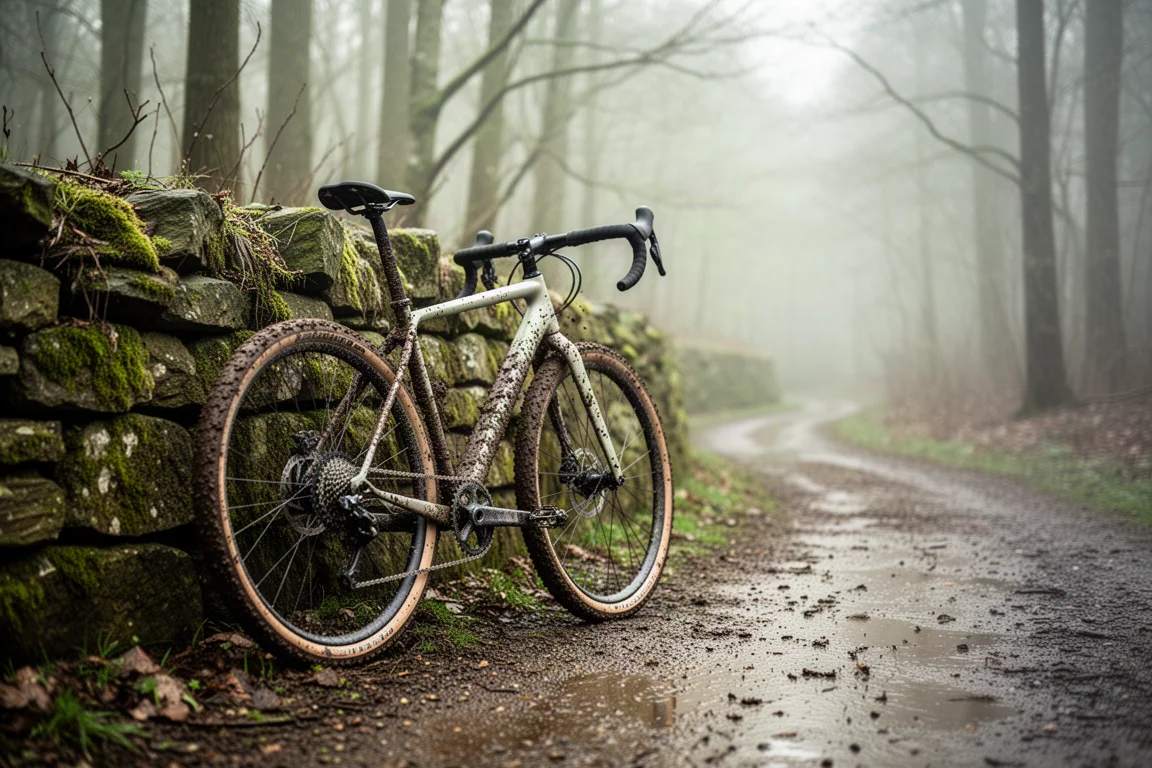
That makes it a natural fit for bikepacking and touring, and for riders who mix surfaces freely: smooth gravel, hardpack, road links and twisty singletrack on the same outing. The fit is calm and upright enough that back strain should not be a concern on long days out. If your priority is covering ground rather than chasing the sharpest possible handling, this is the kind of bike that suits the job.
Main strengths
Geometry that keeps long rides comfortable
On a steady gravel track, the Atlas 8.9 feels docile and settled rather than twitchy. That is exactly the point of the design. A calm, planted front end lets you focus on distance, pacing and the view instead of constantly correcting the steering. The long wheelbase and relaxed head angle contribute to that composure.
Where the geometry really pays off is on tighter, twistier trails. With the wide, shallow-flare Easton drop bar, the higher front end gives a lot of confidence to carry speed through corners without scrubbing off momentum the way a lower, steeper race bike would demand. The bar and bar tape are a genuinely thoughtful specification choice, and the control they offer when sweeping from corner to corner is a real highlight.
Component choices that make sense
The SRAM Rival Explore gearing offers plenty of range, which is welcome both on steep climbs and on fast singletrack sections. The WTB Riddler tyres in 45 mm width are a strong all-round pick: quick and quiet on the road, good on hardpack gravel, and capable enough in mud and looser, slippier ground. They are the sort of fit-and-forget tyre that does not ask much of the rider.
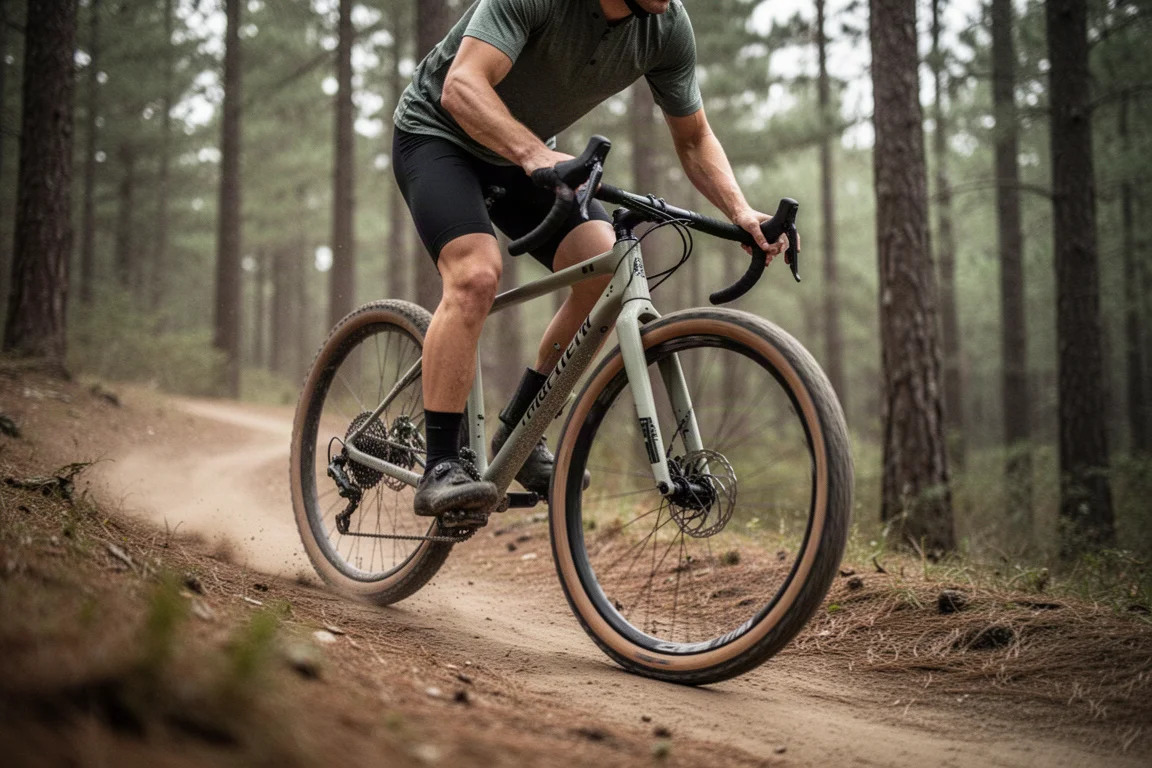
Elsewhere, the saddle is comfortable, and the included top tube bag works well in practice. Because it mounts cleanly rather than relying on straps, it is a neater solution than most aftermarket alternatives, and it comes off easily if you do not want it. Small details like this add up on a bike aimed at long days and overnight trips.
A solid, dependable feel
There is an upside to the firmness in the ride. The frame is stiff enough that the bike feels reassuringly solid, and you can throw it around rocky trails without any sense of flex or vagueness. It comes across as a stout, built-to-last machine, the kind of bike you would trust on a long-distance bikepacking trip where reliability matters more than marginal speed.
Things to consider before buying
The main trade-off is ride quality. On rougher, rockier trails the Atlas 8.9 feels firm, with a fair amount of feedback coming through the seat post and saddle. At the same 45 mm tyre width, it is not the smoothest or most floaty gravel bike out there. Riders who spend a lot of time on chunky surfaces will notice the difference.
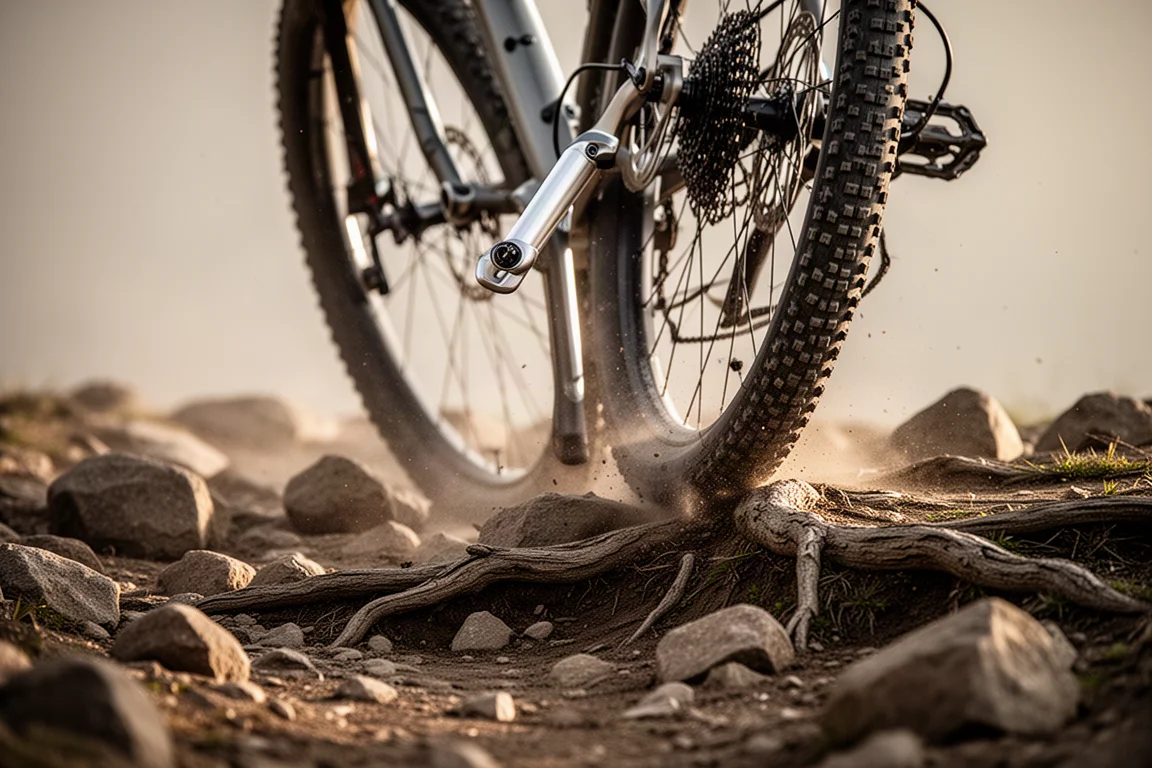
The good news is that this is straightforward to address. The bike uses a regular round seat post with an external seat clamp, so fitting a carbon, flex-style or suspension seat post is simple, and that would likely take most of the sting out of the rougher sections. If you buy this bike with long rides in mind, budgeting for that upgrade makes a lot of sense.
Boost axle spacing and wheel upgrades
The other point worth understanding before you commit is the axle spacing. The Atlas 8.9 uses wider spacing than a conventional gravel bike: 110 mm at the front and 148 mm at the rear, against the 100 mm and 142 mm that most gravel and road bikes use. The reasoning is sound, since wider hub flange spacing builds a slightly stronger wheel, which suits the adventure and bikepacking side of the bike.
In practice, though, that marginal benefit was hard to detect on the trail, and it does create a complication. If you want to upgrade to a set of carbon wheels, or keep a second wheelset with different tyres for switching between road and gravel, your options are narrower than they would be on a standard bike. That is worth weighing carefully if a two-wheelset setup is part of your plan.
Buying advice
Value here is decent rather than outstanding, and the wider market matters. A Giant Revolt at around £4,900 offers similar parts but adds carbon wheels, and its ride comfort through the saddle is notably smoother thanks to its own compliant seat post design. A Canyon Grail CF SL with the same groupset and similar wheels is cheaper again, at around £3,400, which makes it something of a bargain. The Focus splits the difference between a direct-sales brand and a brand with a large dealer network.
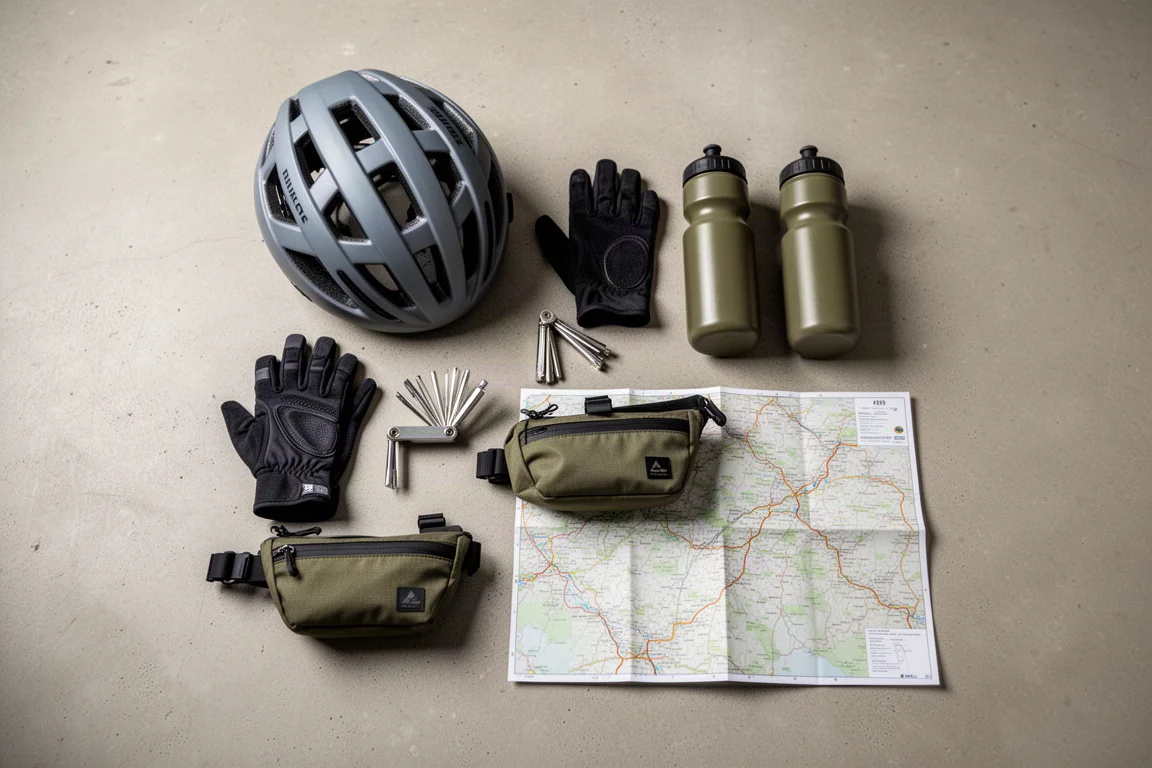
So the honest position is that the Atlas 8.9 is a strong shortlist candidate rather than an automatic pick. It wins on geometry, mounting options and the sense of solidity it delivers. It gives away a little on ride smoothness and, for some riders, on wheel-upgrade flexibility. Compare it against the alternatives, factor in a seat post upgrade if comfort is a priority, and let your own riding mix make the decision.
Conclusion
The Focus Atlas 8.9 is a well-rounded carbon gravel bike with a clear personality. Its relaxed, mountain-bike-inspired geometry makes long distances genuinely pleasant, the mounting options and included top tube bag suit bikepacking, and the Rival Explore drivetrain with WTB Riddler tyres covers a wide range of surfaces competently.
The caveats are real but manageable. Ride quality on rough ground is firm, and a seat post swap is the obvious fix. The wider axle spacing is a genuine consideration for anyone planning a second wheelset. If you want a stable, dependable companion for adventure riding rather than a snappy race machine, the Atlas 8.9 deserves a place on your shortlist.
Product link
View more details for Focus Atlas 8.9
This product is mentioned in the review. Check the specifications, options, and compatibility before buying.
View more details for Focus Atlas 8.9Further reading
Related Reviews
Gravel Bikes
3T Exploro Ultra Review: A Fast Gravel Bike Built for Big Tyres
A close look at the 3T Exploro Ultra, an aero carbon gravel bike designed around wide tyres, with road-like handling, a 980 g frame and genuine rough-terrain capability.
Gravel Bikes
3T Extrema Italia Review: Aero Gravel Speed With Room for 57 mm Tires
The 3T Extrema Italia pairs an aero frame with huge tire clearance, Italian-made carbon and a more comfortable ride than the RaceMax. Here is what to know before buying.
Gravel Bikes
3T Race Max 2 Italia Review: An Aero Gravel Race Bike Made in Italy
A closer look at the second-generation 3T Race Max 2 Italia, covering its aero updates, ride character, tire clearance, internal storage and who it suits.