Ski Outerwear
Flylow Billy Coat and Moxie Bibs Review: A Three-Layer Ski Kit for Storm Days
A hard shell jacket and a stretch-lined bib built on three-layer fabric and a 20K membrane, with notes on fit, venting, and pocket layout.
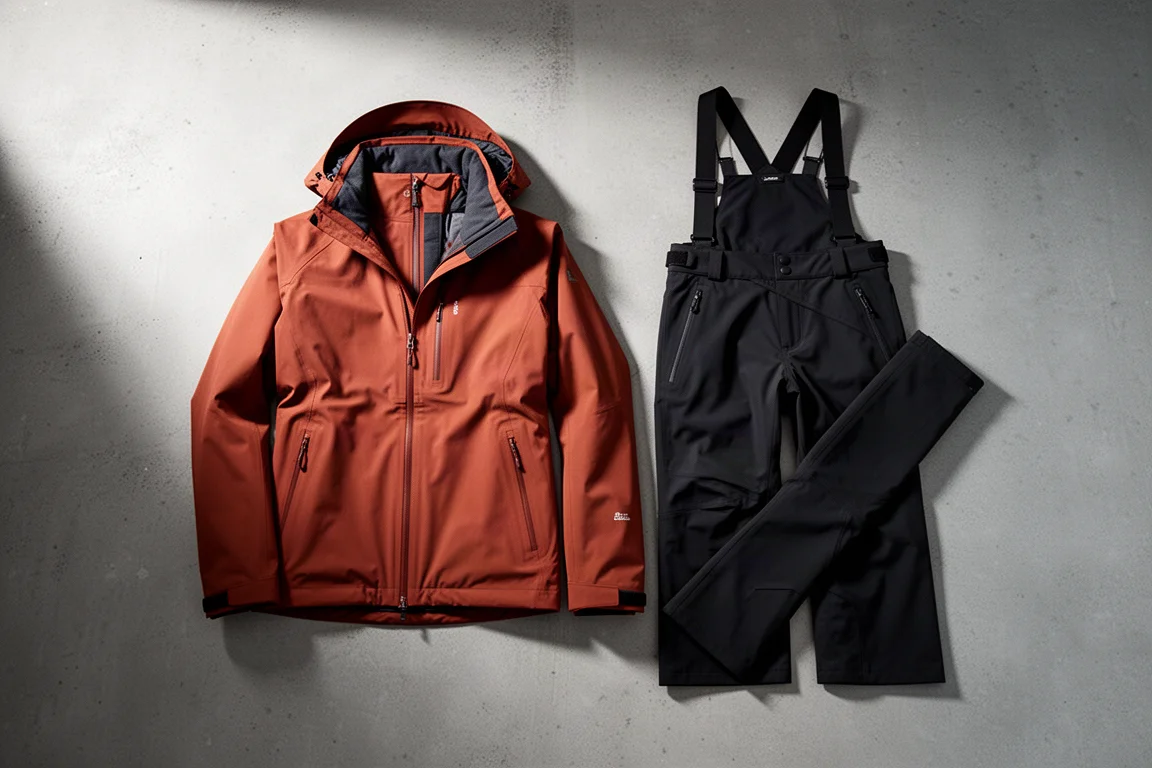
Introduction
Two pieces make up the core of a storm-day kit: the shell that keeps wet snow off your upper body, and the bib that keeps it off your legs without restricting how you move. The Flylow Billy Coat and the Flylow Moxie Bibs are both built on three-layer shell fabric with a 20K waterproof and breathable membrane, and neither one carries insulation, which leaves the layering decision in your hands.
This look at both pieces covers the fabric, the fit, and the features that matter on the hill, so you can work out whether they suit the way you ski.
What Matters in a Ski Outerwear Kit
A shell only earns its place if the fabric can handle wet, heavy precipitation. Three-layer construction bonds the waterproof membrane to both the outer face fabric and a lining, which keeps the membrane protected and the overall package relatively streamlined. A 20K waterproof and breathable rating is a strong number for resort and backcountry use, and a DWR finish adds another layer of protection by encouraging water to bead and roll off rather than soak in.
After the fabric, the details decide the day: pit zips for dumping heat on the skin track, a powder skirt for deep days, sealed zippers, and a pocket layout that keeps a phone and a pass reachable with gloves on.
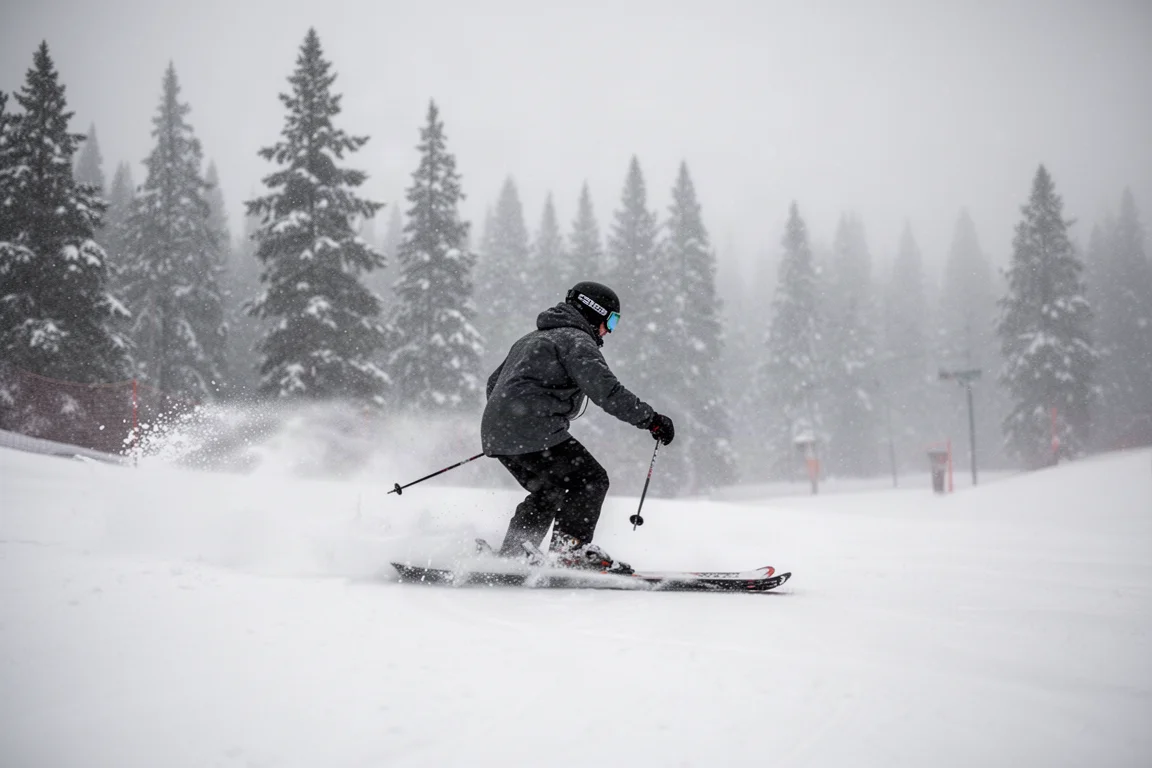
Both pieces here use the same approach to fabric, which means the real differences show up in cut, venting, and how the bibs handle movement.
Flylow Billy Coat: A Versatile Three-Layer Hard Shell
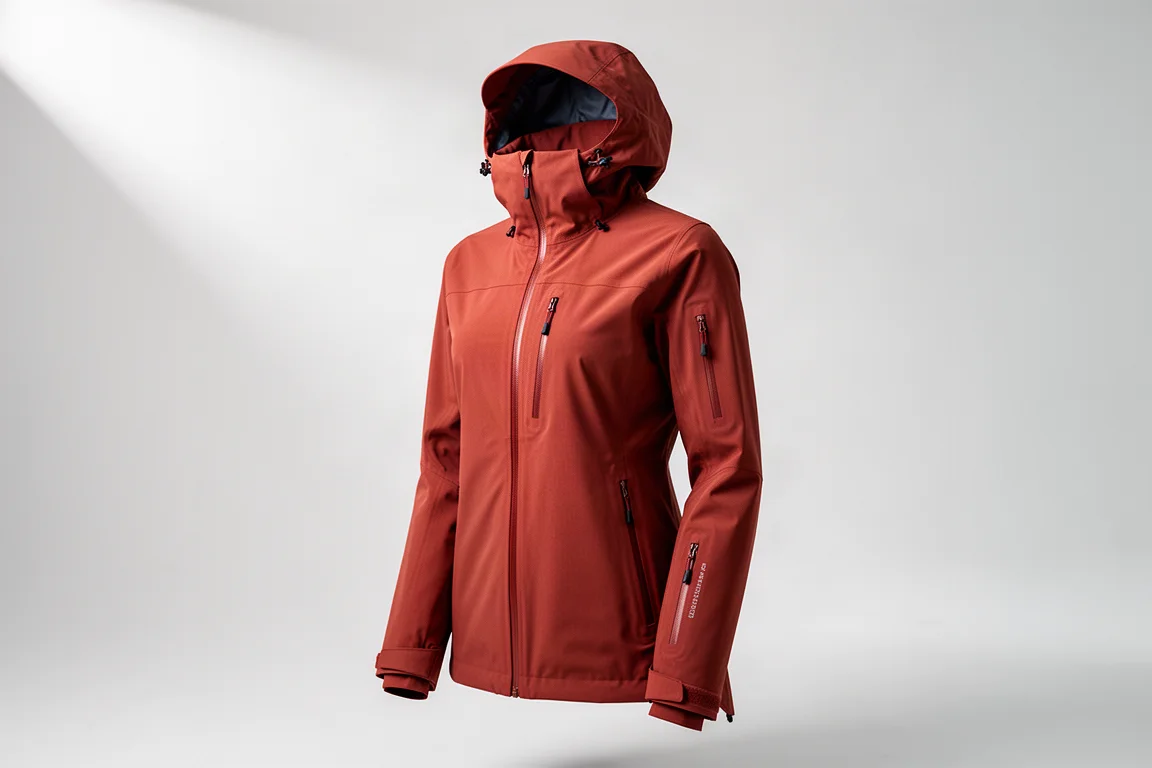
The Billy Coat is an uninsulated hard shell with a freeride-oriented cut. It sits at the waist and runs a little longer in the back, a shape that keeps snow out when you are bending into turns or sitting on a lift.
Fit, Sizing, and Cut
Sizing leans generous rather than trim. In a size small, the jacket leaves room for up to three layers underneath without restricting range of motion, which is the main advantage of a hard shell over an insulated jacket. A smaller size is a realistic option for anyone who prefers a closer fit.
The cut runs straighter through the body rather than tapering at the waist and flaring below it, and the hem sits lower and drops further at the back. If you have struggled to find a women’s ski jacket that does not pinch at the waist, this is the shape worth trying. The color shown here is Mars, a warm red that reads clearly against snow.
Fabric and Storm Protection
The shell uses a Surface three-layer fabric with a 100% polyester face and a 20K waterproof and breathable membrane, finished with a DWR treatment. In mixed precipitation and wet snow, the jacket stays dry and keeps the weather out.
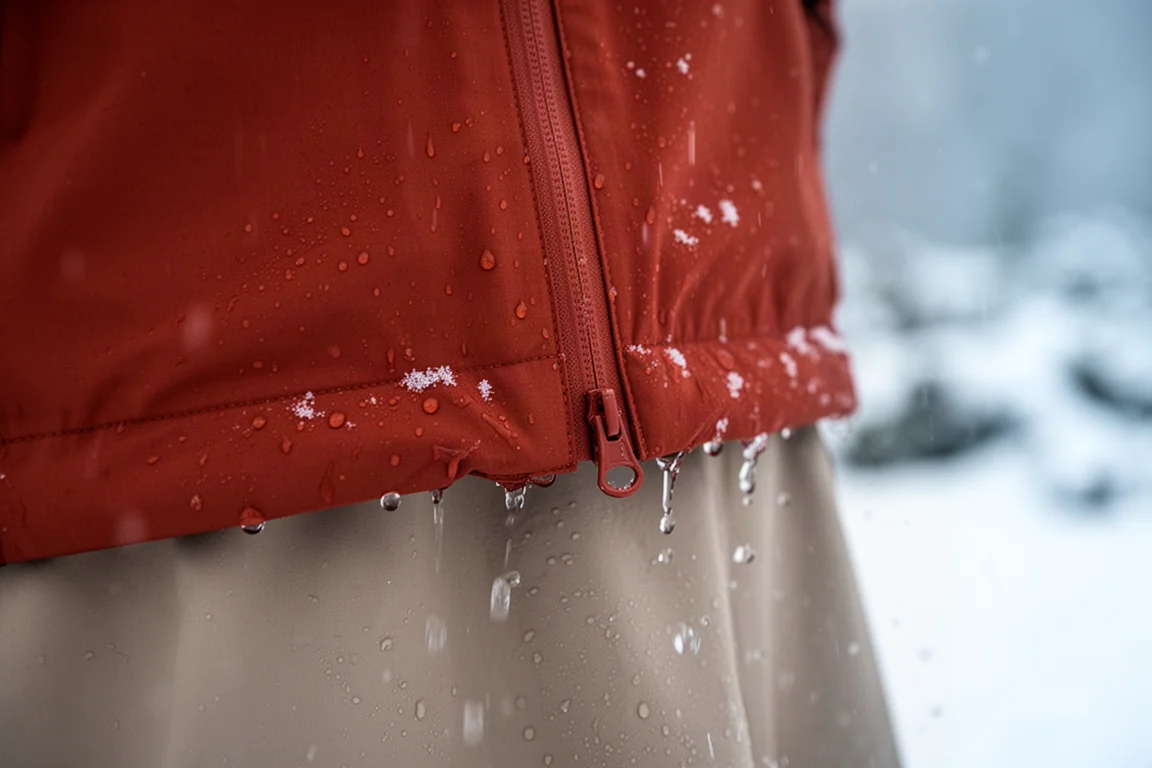
Venting is handled by pit zips that run without mesh backing, so they open fully and move air quickly when you are working hard. The powder skirt, sealed zippers, and the pocket set round out the package: two zippered hand pockets, a chest pocket sized for a phone, a pass pocket on the sleeve, a small interior pocket for keys, and two roomier interior pockets near the waist.
Flylow Moxie Bibs: Stretch Where It Counts
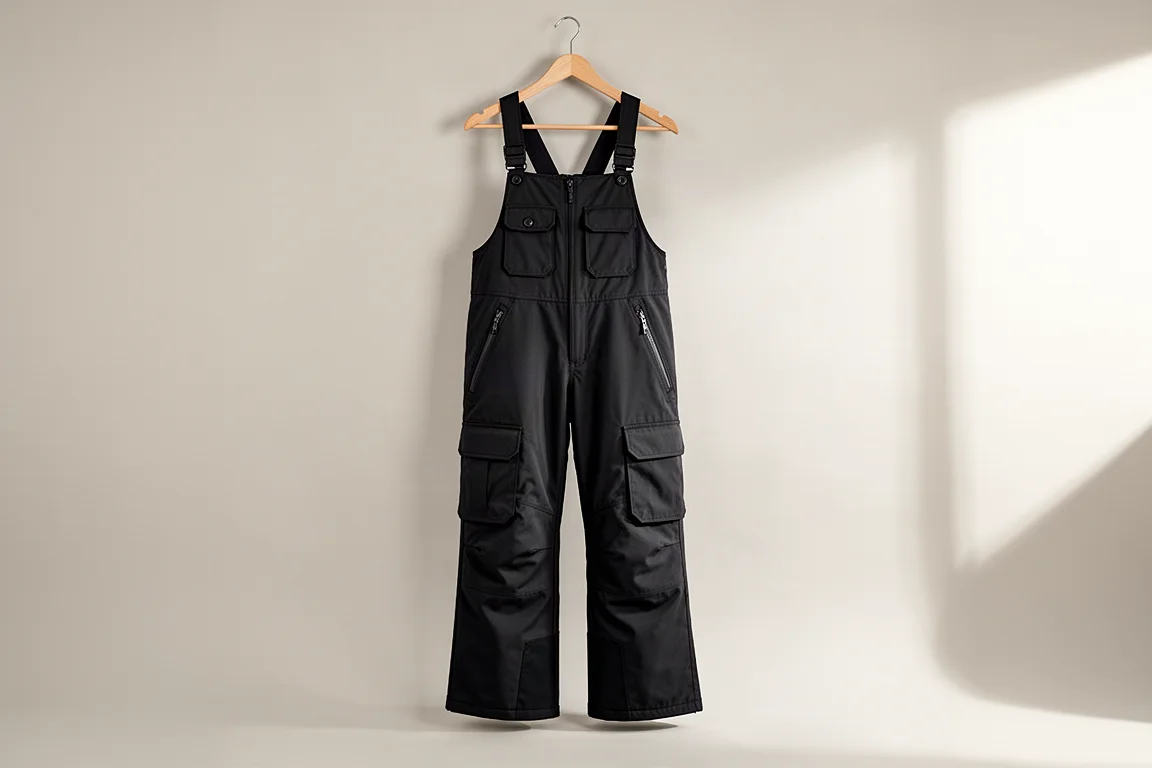
Bibs solve a problem that pants cannot: no gap at the waist when you fall, kneel, or reach. The Moxie Bibs pair the same three-layer shell fabric with a soft shell lining that stretches, so the weather protection does not come at the cost of mobility.
Fit and Sizing
The bibs have a relaxed, straighter leg rather than a close-cut silhouette, and they are comfortable without feeling loose. As with the jacket, sizing is on the generous side, and a smaller size is a reasonable choice for a trimmer fit.
Fabric, Venting, and Features
The outer is a three-layer hard shell fabric that is weatherproof and storm ready. Inside, a recycled Tactic three-layer soft shell material adds stretch, which shows up as easy range of motion on long touring days. The same 20K waterproof and breathable membrane and DWR finish keep the weather out.
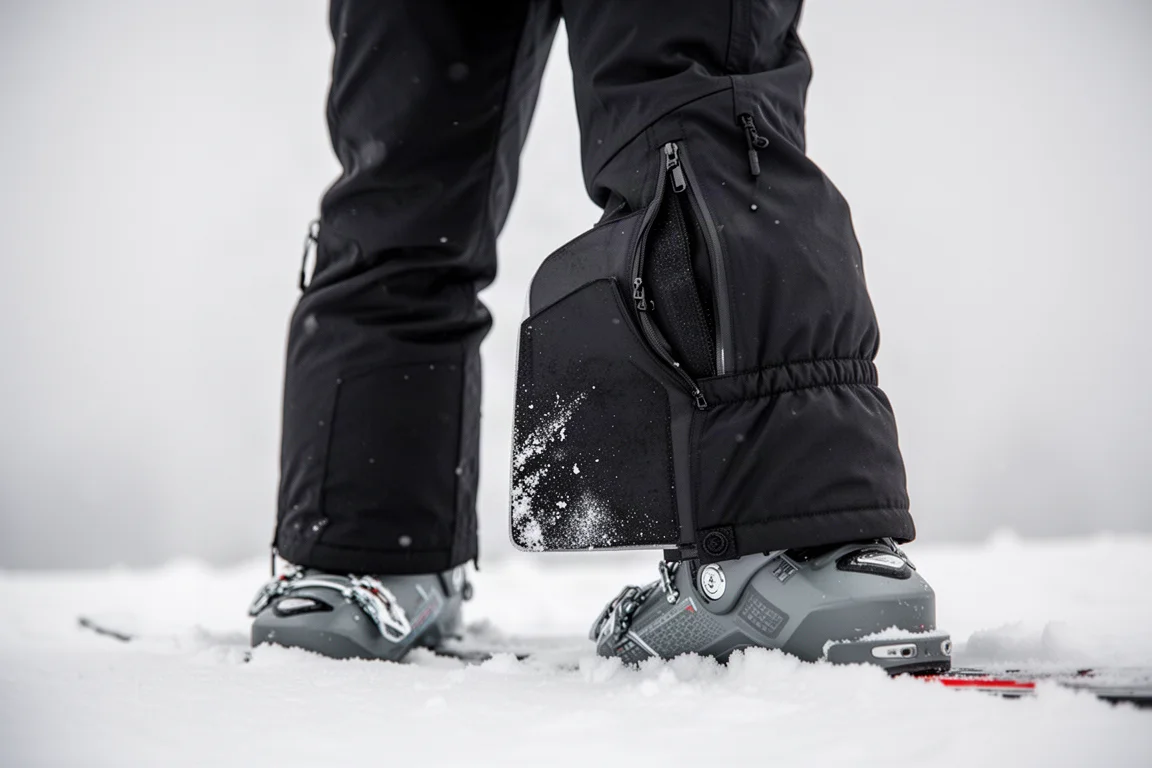
Storage and venting are generous: two chest pockets, one reach-through with zippers and one smaller buttoned pocket in front, plus two spacious thigh pockets. Ventilation zips are placed on both the inside and outside of the legs. Powder gaiters fit snugly over boots, the knees carry an added durable panel, and the lower legs have reinforcements that take the abuse from ski edges. The full-length drop zipper makes restroom stops quick.
How the Two Pieces Work Together
Because both pieces are uninsulated shells, the kit is really a layering system. A base layer and a mid layer handle warmth, and the shell handles wind, wet snow, and everything else the mountain throws at it. The jacket’s roomy fit and the bibs’ stretch lining mean the layers underneath can be substantial without the whole setup feeling bulky.
That combination also makes the kit more versatile than a single insulated jacket. On warmer storm days, the shell goes over a light base layer. On cold ones, it goes over three. The same pieces cover resort laps and longer touring efforts, where the unmeshed pit zips and the leg vents do most of the temperature management.
Buying Advice
The first question is whether you want an insulated jacket or a shell. If you already own mid layers and want one outer piece that adapts to a wide range of conditions, a hard shell with a 20K membrane is the more flexible choice, and it is the reason both of these pieces exist in the same lineup.
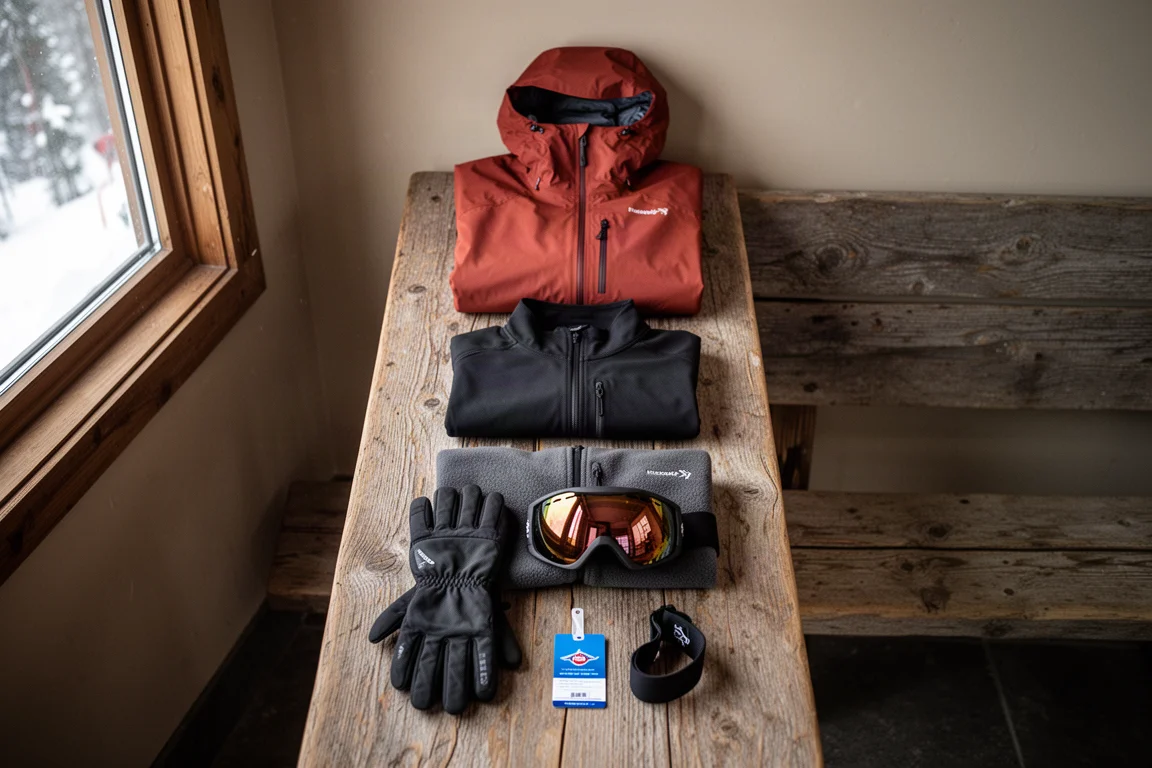
The second question is fit philosophy. Both the Billy Coat and the Moxie Bibs are cut generously, so riders who prefer a closer silhouette can usually size down, while anyone who layers heavily or wants a freeride silhouette can stay true to size.
Finally, check the features against how you actually ski. If you spend most of your time at the resort, the powder skirt, pass pocket, and sealed zippers on the jacket will matter more than weight. If you tour, the fully opening pit zips, the leg venting, and the stretch lining in the bibs are the details that earn their keep.
Conclusion
The Flylow Billy Coat and Moxie Bibs work as a pair because they share the same foundation: three-layer fabric, a 20K waterproof and breathable membrane, and a DWR finish, all without insulation. The jacket brings a longer freeride cut and generous pocketing, and the bibs bring stretch, ventilation, and reinforcements where ski edges and knees put stress on a garment. For riders who want one shell setup that handles wet snow, cold days, and long days on the move, this is a kit worth considering.
Further reading
Related Reviews
Ski Outerwear
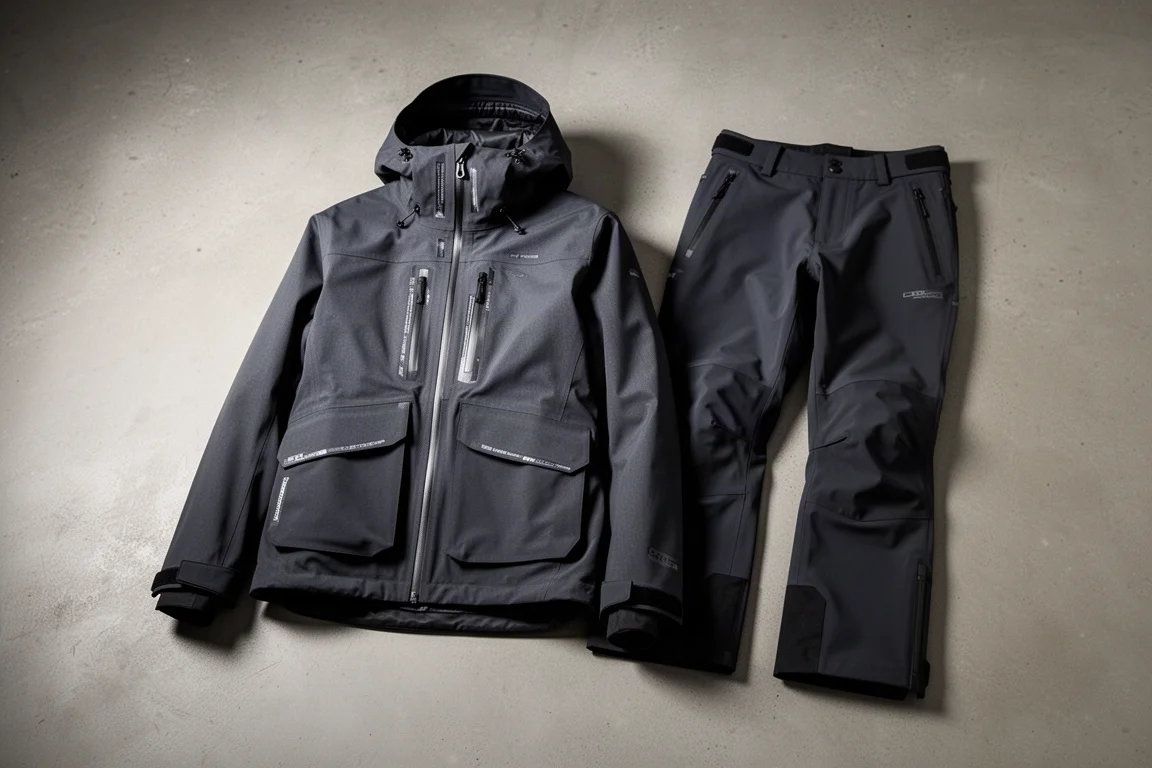
Armada Grands Jacket and Emmons Bib Pant Review: Three-Layer Ski Shells With Real Value
A close look at the Armada Grands jacket and Emmons bib pant, a three-layer ski shell set with taped seams, 15,000 ratings, and pricing that undercuts most comparable outerwear.
Ski Outerwear
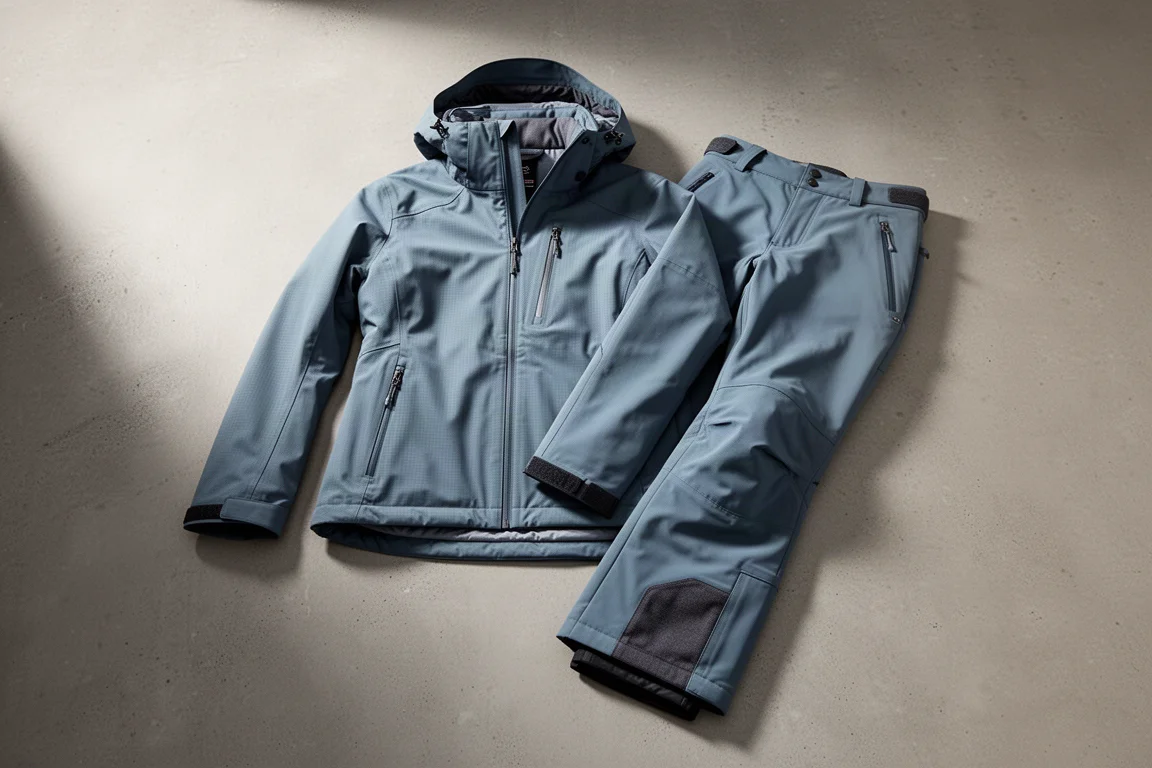
Black Crows Freebird Explore Kit Review: A Minimalist Shell Built for Wet Weather
The Black Crows Freebird Explore jacket and pants pair impressive waterproofing with a lightweight, mountaineering-focused design. Here is what works and what to check before buying.
Ski Outerwear
Black Crows Freebird Export Jacket and Aura Body Map Pant Review
A women's ski kit that pairs a lightweight three-layer touring shell with warmer, more durable big mountain pants, plus sizing notes and feature details.