Ski Outerwear
Flylow Albert Jacket and Chemical Pant Review: A Season-Tested Ski Kit
A matched ski jacket and shell pant put through a full season of resort days, with notes on fit, warmth, venting, and long-term durability.
Introduction
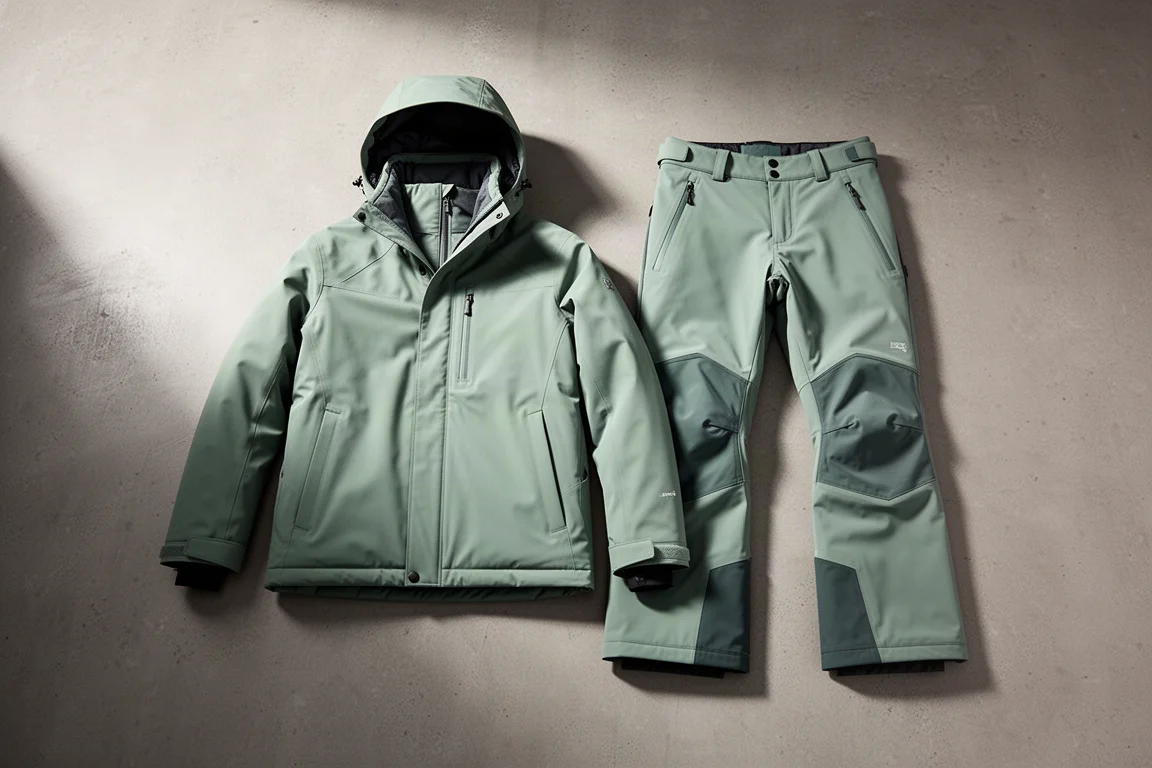
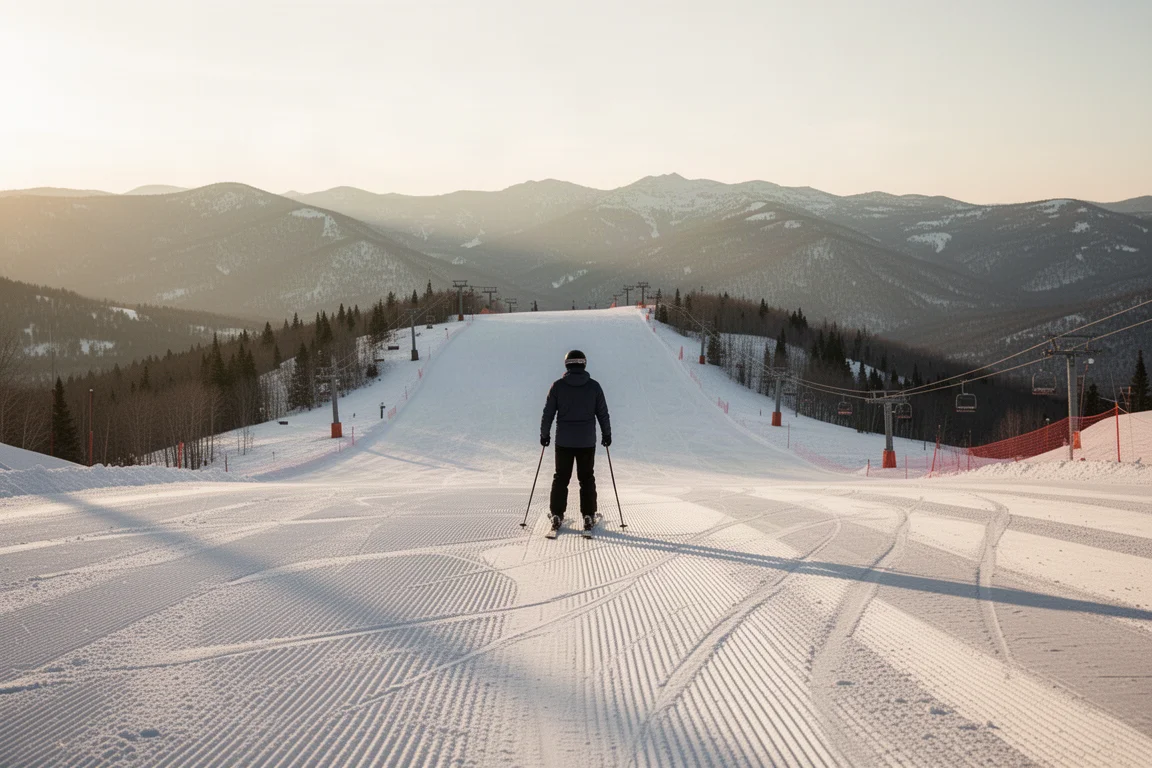
The Flylow Albert jacket and Chemical pant are designed to work together as a coordinated ski kit, and they have been put through a full season of resort riding and heavier-duty mountain work. More than 100 days on snow is a serious test for any outerwear, and this pair has come through it with its structure, finish, and weather protection largely intact.
What stands out is the deliberate split in how the two pieces are built. The jacket is a soft, insulated shell, while the pant is a firmer, uninsulated three-layer shell. That combination is what makes the kit feel closer to a working uniform than a fashion-forward resort outfit, and it is a large part of why it holds up so well to daily use.
Who This Kit Is For
This is resort-oriented outerwear. The feature set is practical rather than technical, aimed at riders who want pockets that make sense, vents that open wide, and fabric that survives repeated seasons of lift-served skiing.
Fit is worth understanding before ordering. In size XL, the jacket fits closely and correctly through the shoulders, chest, and hem for a 6’2”, 225 pound frame, with no excess fabric to manage. The pant in the same size runs noticeably roomier through the seat and knees, and its inseam is shorter than some taller riders prefer.
Riders who spend their days on lifts and groomed runs, or who need outerwear that can double as work wear around the mountain, will get the most out of this kit. Skiers who prioritize the lightest possible touring setup will find that both pieces are built around durability and warmth rather than weight savings, and the jacket in particular is insulated rather than stripped down.
Main Strengths
The jacket and pant share the same Capers colorway, but they are cut from different fabrics, and that difference shapes how each piece behaves on snow.
The Albert Jacket
The jacket carries 60 grams of Thinsulate insulation, and that is enough to make it a genuinely warm piece on its own. On a 20 to 25 degree day, a single long-sleeve layer underneath is plenty while moving around. The shell is rated 20k/20k for waterproofing and breathability and includes roughly 8 percent spandex, so it has a soft, slightly stretchy hand feel. Despite that softness, it sheds rain well on wet ski days.
Pockets are straightforward and genuinely useful. There is a chest pocket that takes small items such as a snack bag or an action camera, standard hand pockets with insulation, a dedicated pass pocket, and a goggle pocket. The powder skirt is removable for riders who prefer a looser fit, and the hood is there for anyone who wants it.
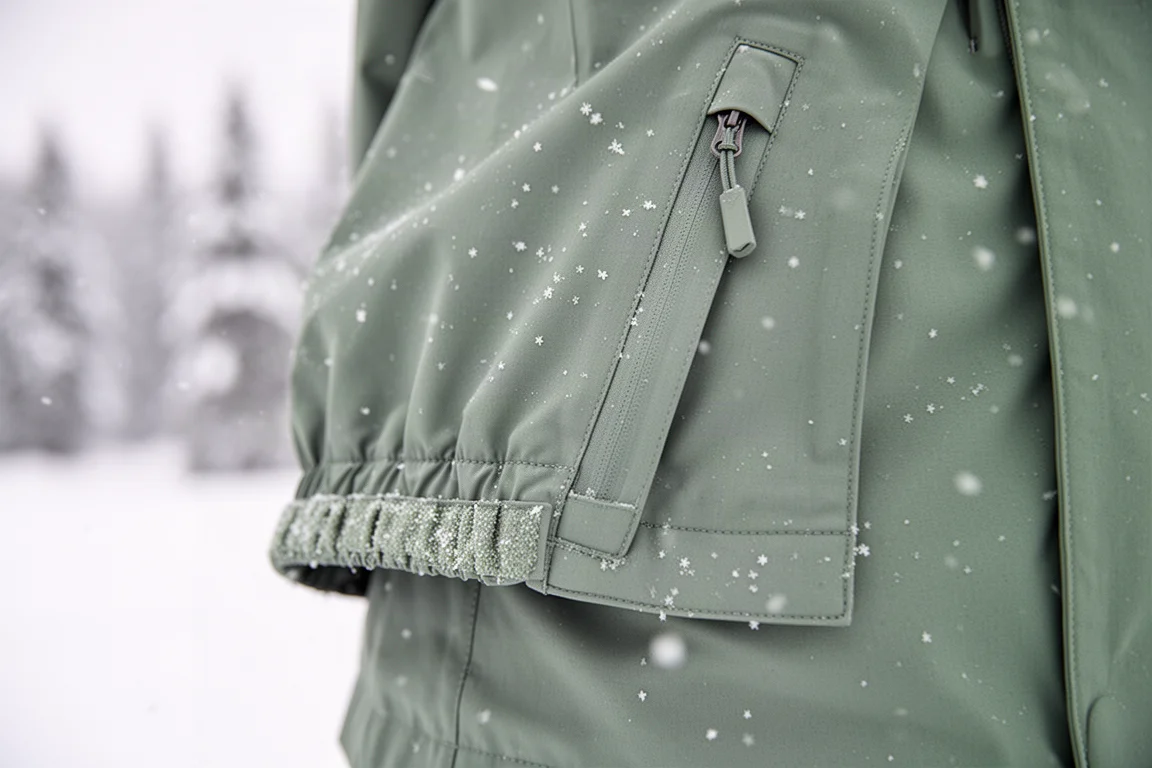
The build has held up over a full season of use. A hard encounter with a tree branch left a patch on the jacket, which is a fair reminder that no shell survives a direct hit, but outside of that incident the fabric still looks and feels close to new.
The Chemical Pant
The pant is the more technical half of the kit. It is a three-layer shell with no insulation, so riders who run cold in the legs will want to layer underneath it. The fabric is firmer and slightly crinklier than the jacket, which is part of why it stands up to abuse so well.
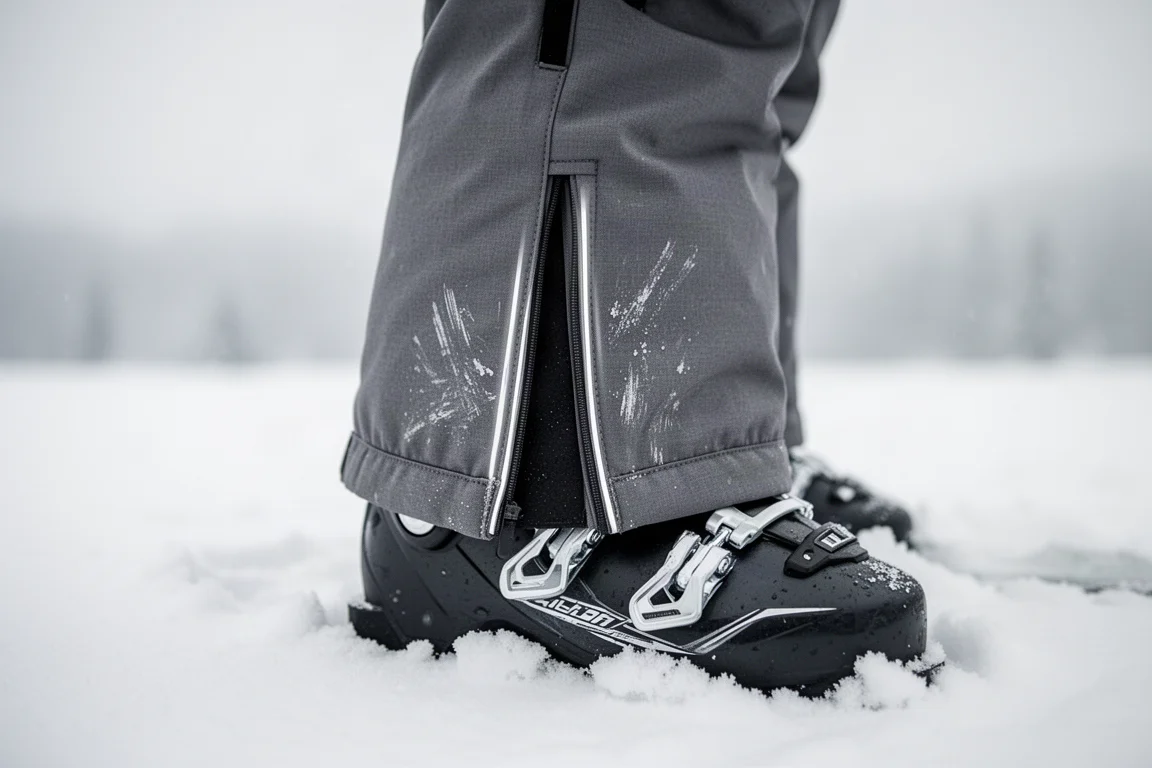
Taped zippers seal the pockets, and the right-hand pocket includes a phone sleeve that keeps a device from bouncing around while riding and shields it from cold and moisture. Venting is generous. A side vent on each leg opens fully with no mesh behind it, and there is a second interior vent for double airflow when legs heat up. The reinforcements are the standout detail. Cordura covers the articulated knees and runs down to the cuffs, an area that takes a beating from ski edges for anyone who skis with their feet close together.
After a season of use, the cuffs show only a few light scuffs.
Things to Consider Before Buying
The main functional complaint is the cuff Velcro, which is not equally sticky on both sides. The left cuff holds better than the right, and the closure occasionally comes loose.
The color match is worth knowing about in advance. The jacket and pant share the same Capers colorway, but because the fabrics differ, the shades are not identical. The difference is subtle in person and more visible in photographs, and it comes down to the jacket fabric being slightly stretchy while the pant fabric is not.
Sizing deserves attention. The jacket fits true in XL for a 6’2”, 225 pound build, but the pant runs roomy through the seat and knees and has a shorter inseam than some taller riders like. Riders between sizes may want to think about which piece matters more to them before ordering.
The zippers are also on the fiddly side with thick gloves on, so expect to pull mitts off for pocket access. And while the waterproof and breathability ratings are solid, they are not the highest available. For a typical winter mix of rain, snow, and wind they perform well, including keeping wind out entirely; riders who regularly chase extreme wet weather may want to weigh that against their priorities.
Buying Advice
If you are building a resort kit around durability and daily usability, the Albert jacket and Chemical pant make a strong pair. The jacket is the warmer, softer piece and works with minimal layering, while the pant is the tougher, uninsulated piece and rewards riders who like to vent hard and layer to taste.
Sizing is the practical decision point. The jacket behaves like a true-to-size insulated shell, so most riders can order their normal size. The pant is the piece to think about more carefully, since it is roomy through the width and shorter in the inseam than the jacket’s proportions suggest. Taller riders in particular should consider whether that leg length suits how they like their cuffs to sit over a boot.
On durability, a full season with more than 100 days of use is a meaningful data point in this category, and this kit has earned it. The fabric still reads as close to new, the reinforcements in the knees and cuffs are doing their job, and the insulation has held its warmth without packing down.
Conclusion
The Flylow Albert jacket and Chemical pant work best as a matched kit for lift-served skiing. The jacket brings warmth and easy layering with a soft, stretchy 20k/20k shell and a sensible pocket layout, and the pant brings a firm three-layer build with Cordura protection where ski edges actually make contact. The trade-offs are small but real: cuff Velcro that is not perfectly even, a slight color difference between the two pieces, a roomier pant with a shorter inseam, and no insulation below the waist. For riders who want durable, comfortable resort outerwear that still looks fresh after a full season, this combination is easy to recommend.
Product link
View more details for Flylow Albert Jacket
This product is mentioned in the review. Check the specifications, options, and compatibility before buying.
View more details for Flylow Albert JacketFurther reading
Related Reviews
Ski Outerwear
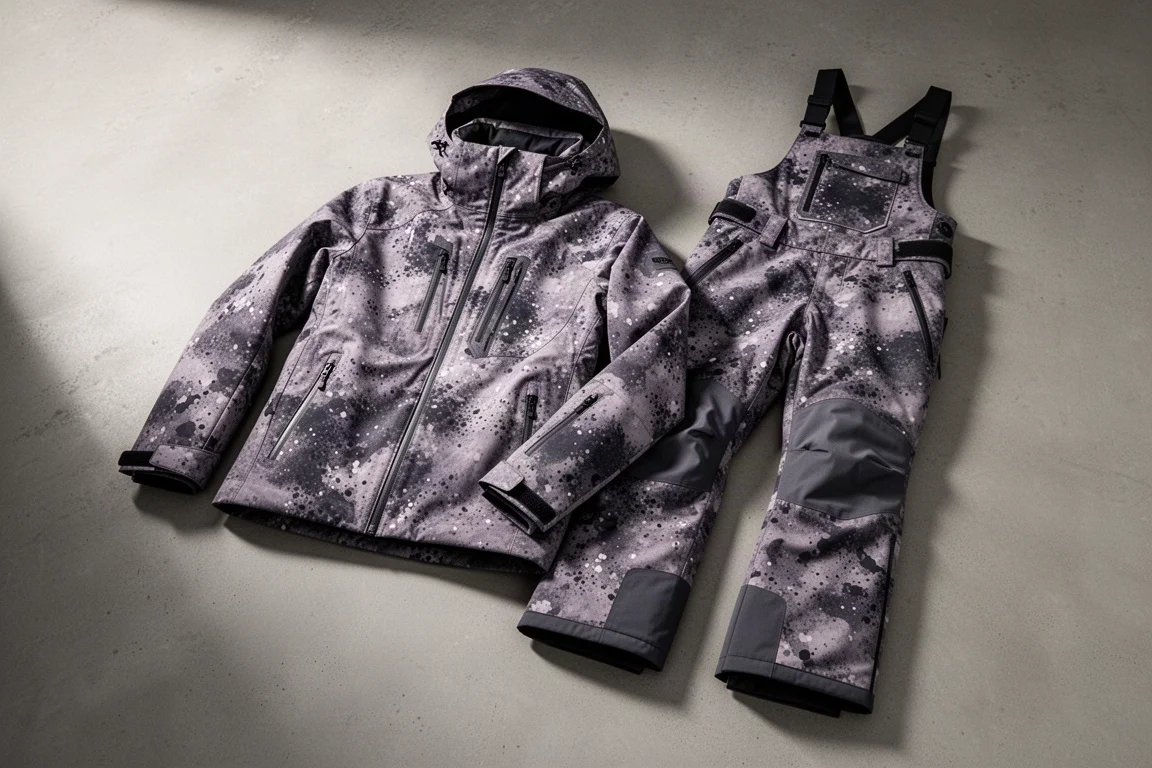
Armada Grands Jacket and Emmons Bib Pant Review: Three-Layer Ski Shells With Real Value
A close look at the Armada Grands jacket and Emmons bib pant, a three-layer ski shell set with taped seams, 15,000 ratings, and pricing that undercuts most comparable outerwear.
Ski Outerwear
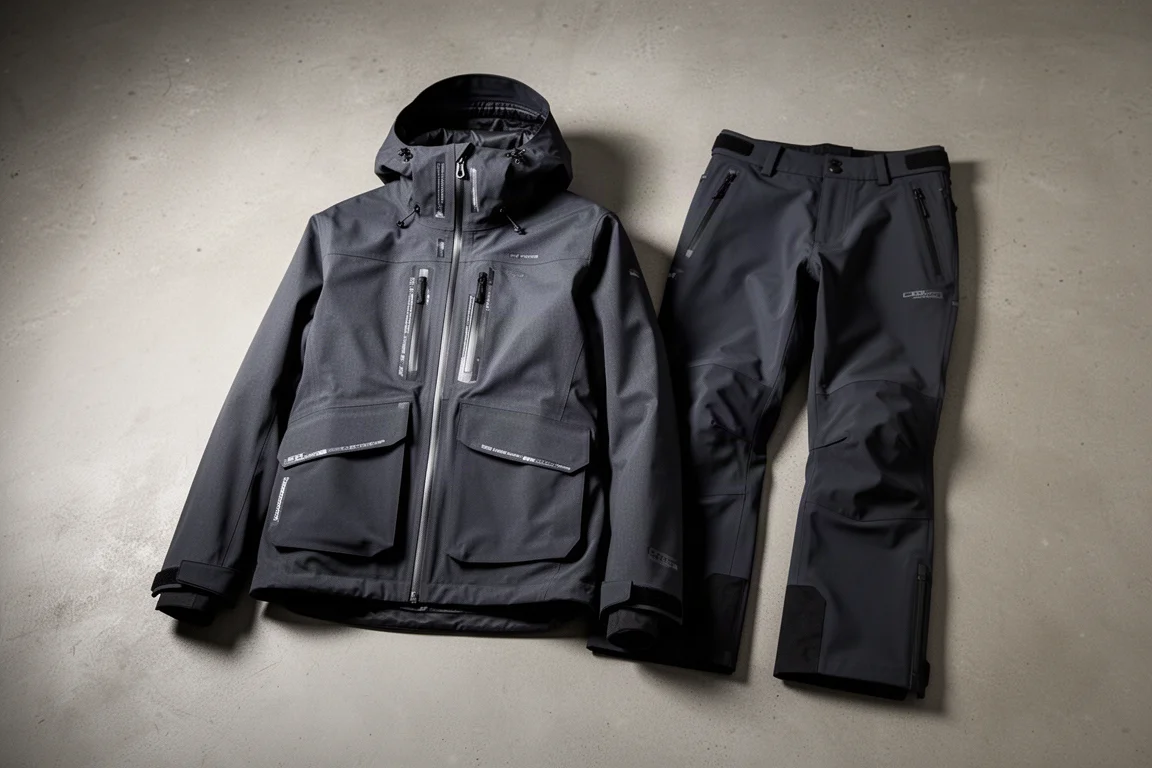
Black Crows Freebird Explore Kit Review: A Minimalist Shell Built for Wet Weather
The Black Crows Freebird Explore jacket and pants pair impressive waterproofing with a lightweight, mountaineering-focused design. Here is what works and what to check before buying.
Ski Outerwear
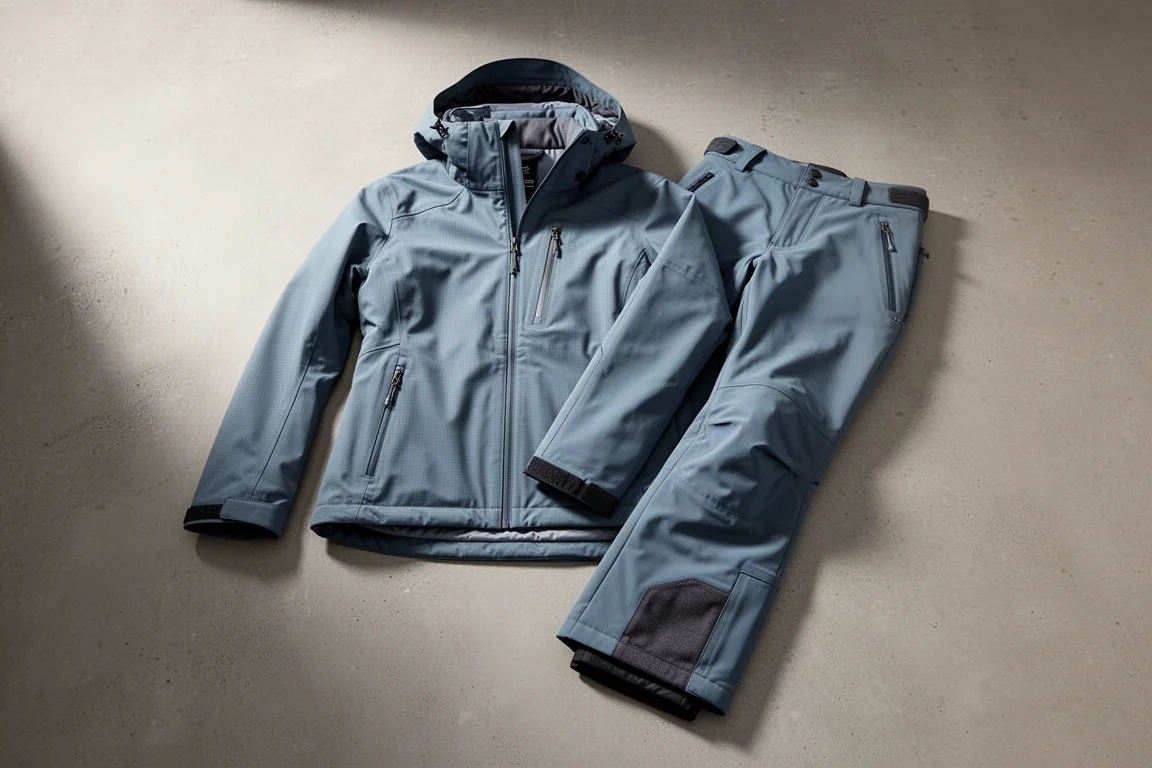
Black Crows Freebird Export Jacket and Aura Body Map Pant Review
A women's ski kit that pairs a lightweight three-layer touring shell with warmer, more durable big mountain pants, plus sizing notes and feature details.