Hand Tools
Flush Cutters Compared: Knipex 78 03 125 vs Snap-on CFS
A close look at two premium flush cutter options, including a real-world blade alignment test that separated one winner from one disappointment.
Introduction
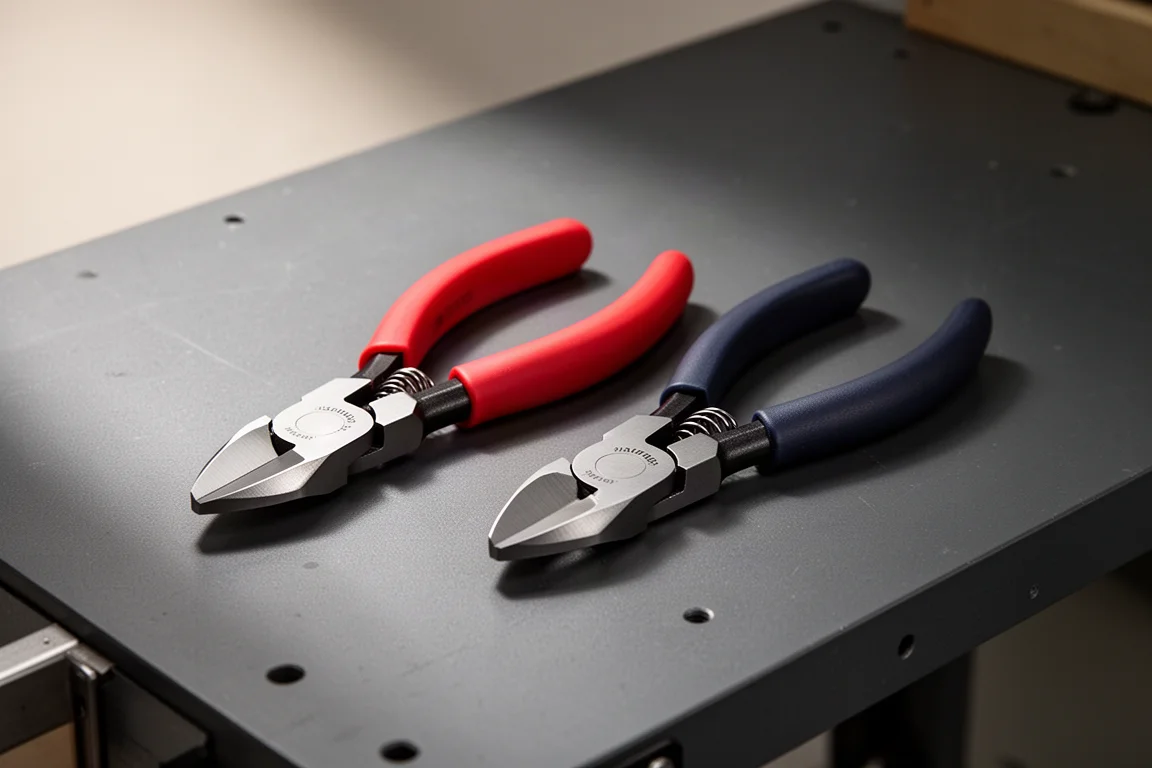
Flush cutters have one job: cut plastic clean and flush. When a pair of premium cutters costs several times more than a $10 basic pair, you expect that job done perfectly every time. This comparison looks at three pairs of flush cutters at very different price points, including one premium pair with a surprising flaw.
How These Cutters Were Evaluated
The test here is deliberately simple, because flush cutters really do have a single task. The main checks were:
- Blade alignment: do the two cutting edges meet perfectly, or is there a visible step or offset where you can catch it with a fingernail?
- Cut quality on plastic: does a zip tie trim cleanly and flush, or does it leave a hook or an uneven edge?
- Build quality and feel: spring loading, handle comfort, and whether the tool feels rock solid rather than loose.
A quick note on technique: flexing the handles to check for play is a useful sanity check. A grinding issue shows up as a step that moves with the handle wiggle; a fixed offset on a rigid tool points to blade alignment instead.
Knipex 78 03 125: Beautiful Finish, One Problem
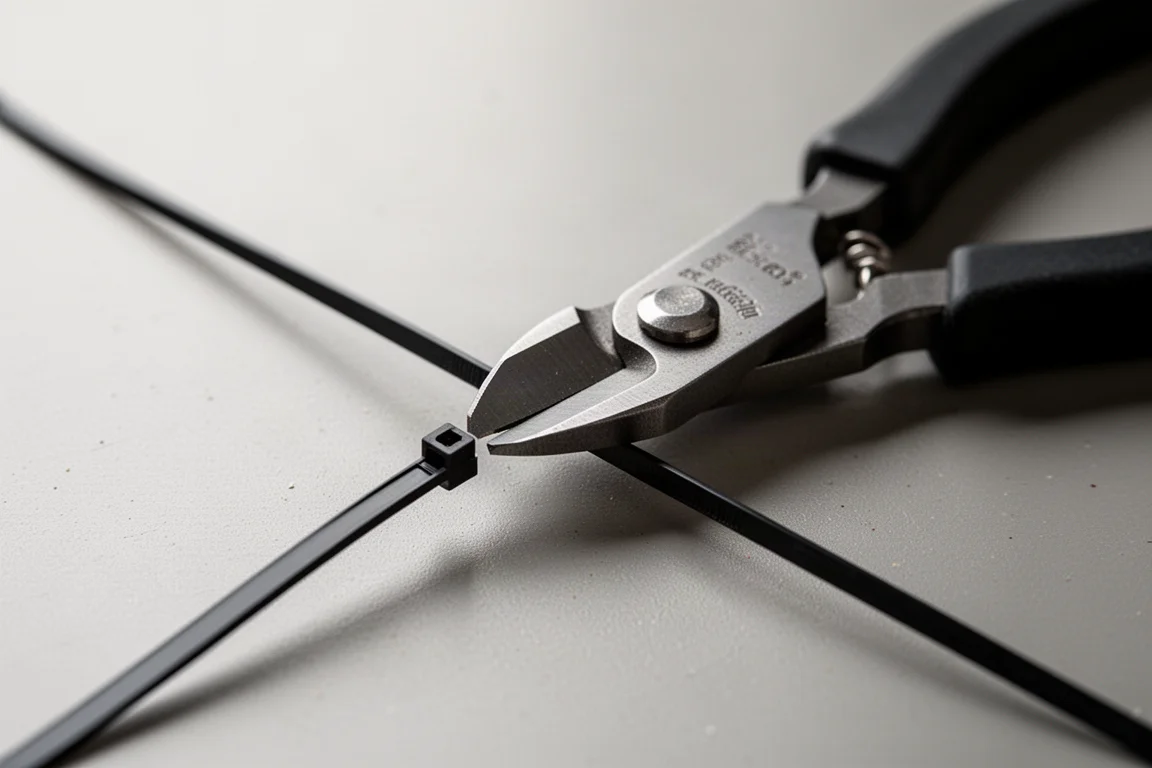
On paper, the Knipex 78 03 125 electronic component flush cutters look like a winner. They are five-inch cutters with a beautiful finish, spring-loaded action, silky-smooth movement, and genuinely great handles. In the hand, everything about them feels like an upgrade.
The problem shows up when you bring the blades together. There is a visible and tactile offset between the cutting edges. You can feel it, and you can snap a fingernail against the step. Applying light cutting pressure makes the blades separate even further. It is a fixed alignment issue, not handle flex: wiggling the handles produces no movement at the blades, which points to a grinding or alignment problem rather than a loose joint.
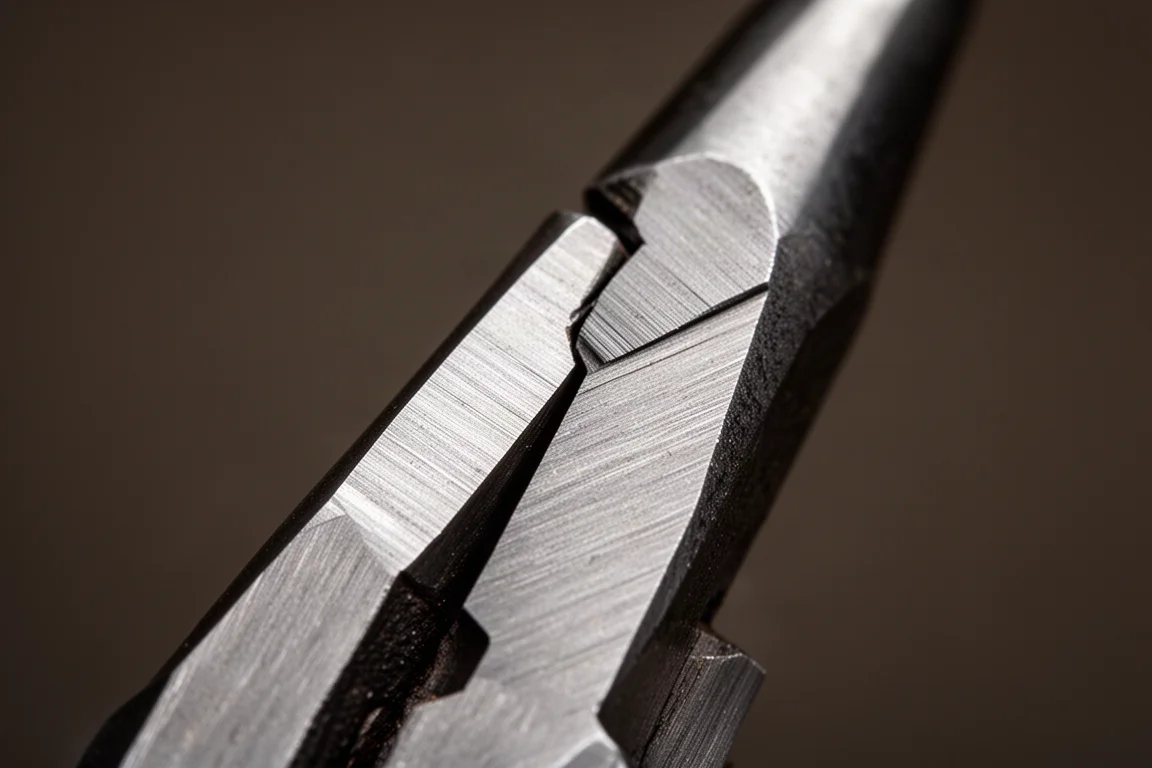
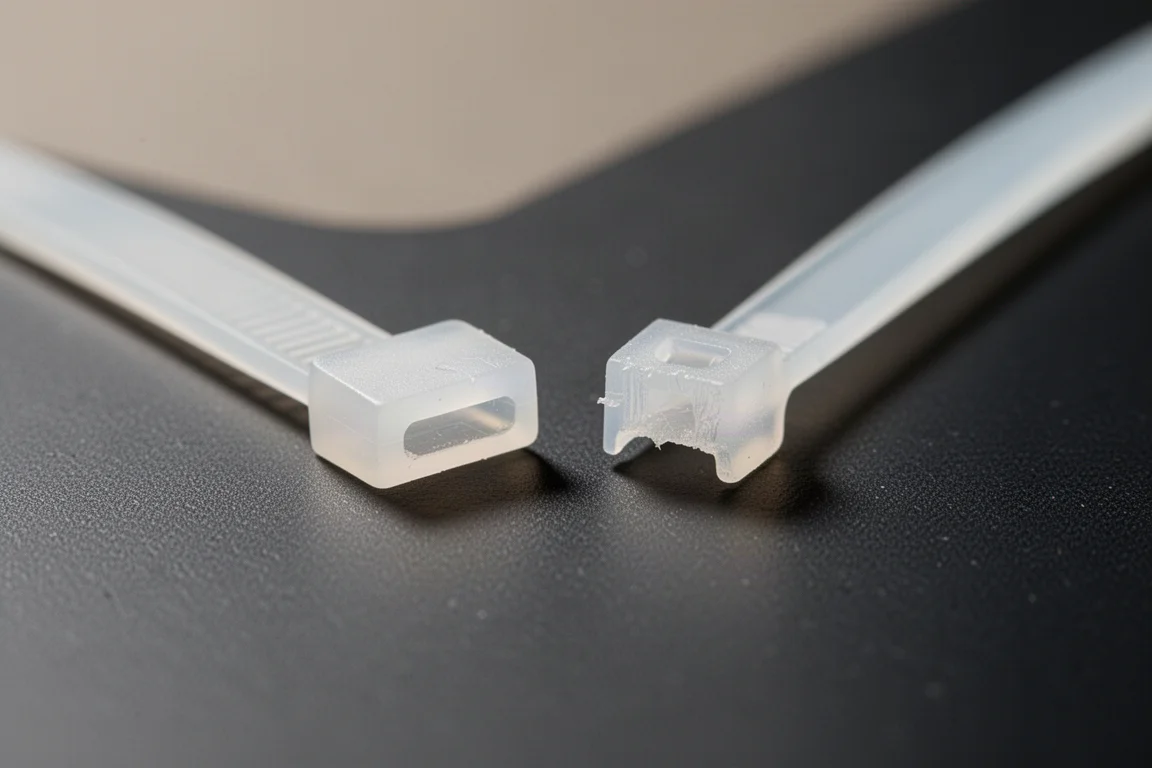
In practice, that offset matters. Cutting a zip tie up against the blade leaves a section that is not fully trimmed, sometimes uneven, and sometimes with a small hook on the edge. If you receive a pair like this, it may simply be at the low end of quality control tolerance, and it is worth contacting the seller or manufacturer.
Snap-on CFS: The Benchmark
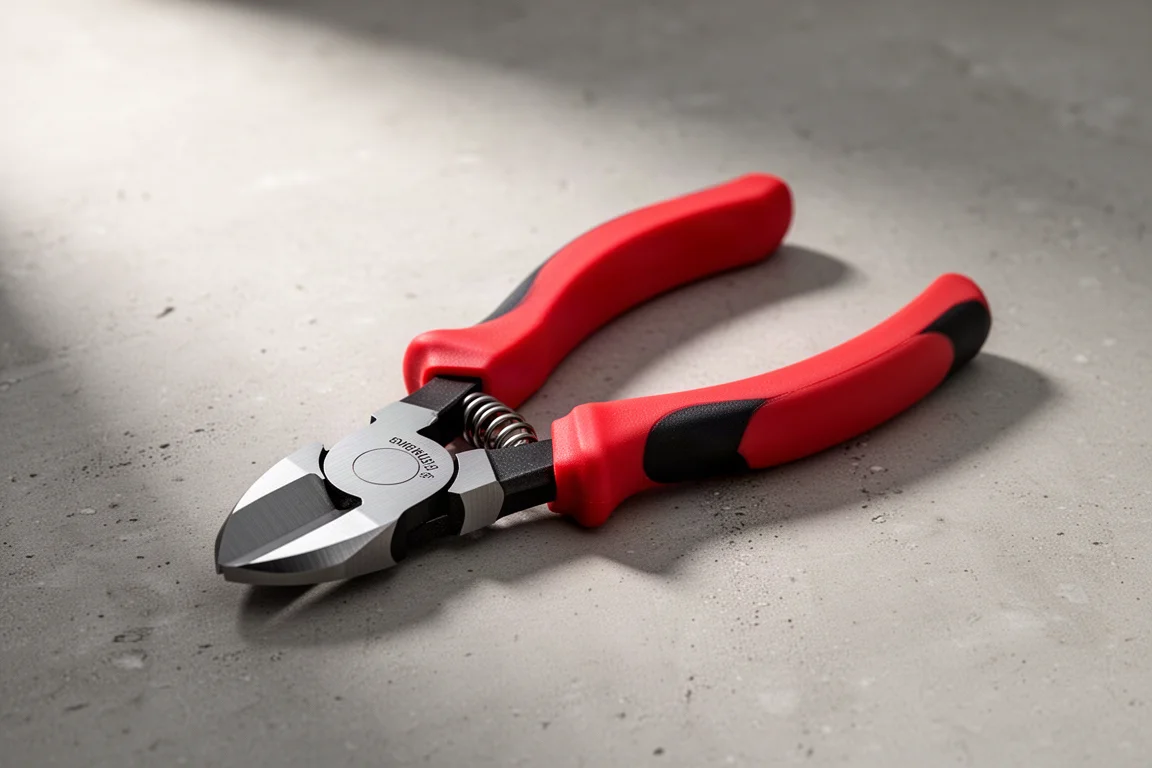
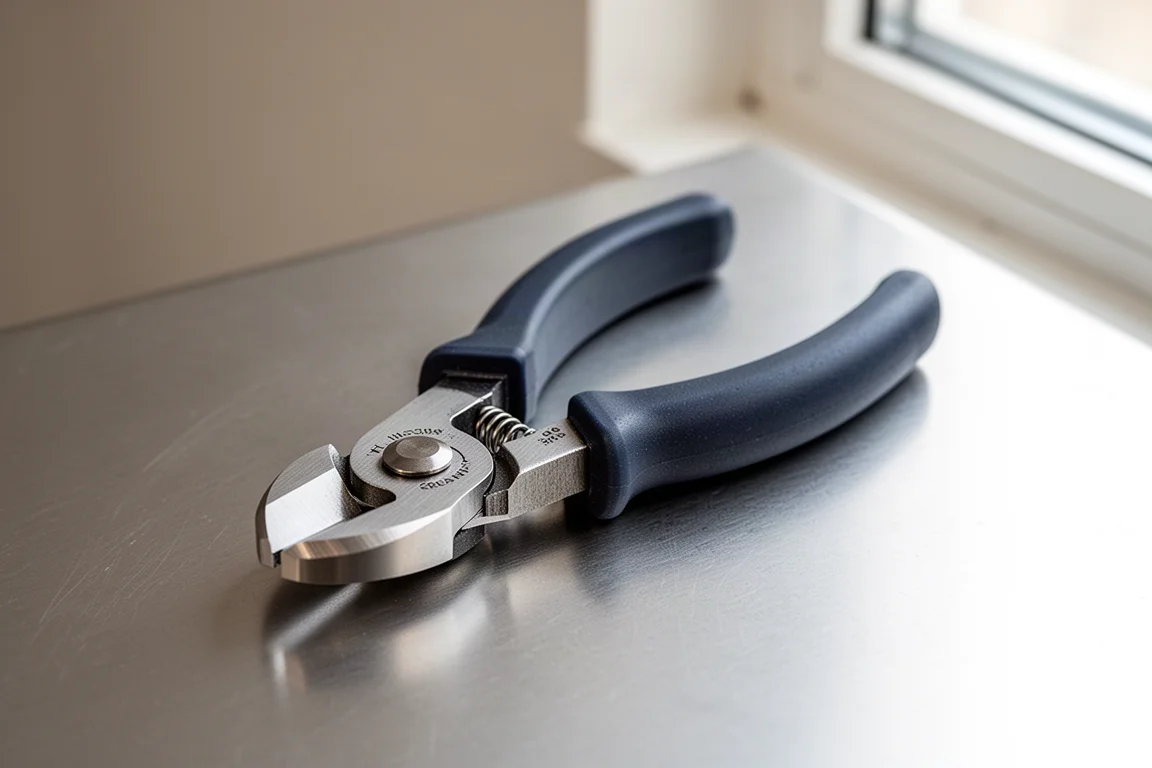
The Snap-on CFS flush cutters are the go-to favorite here, and the test explains why. They are visibly overbuilt for something that mostly cuts plastic zip ties, and the finish is outstanding: only the tiniest hint of a step between the blades, so small you essentially do not notice it. The rest of the tool is silky smooth.
In the cutting test, the difference was decisive. Where the misaligned blades left a smiley-face profile and a hook on a zip tie, the Snap-on pair cut the same tie perfectly flat, right across, with nothing left to feel. They also match the fit and finish quality of other premium hand tools.
The Budget Alternative: Klein Flush Cutters
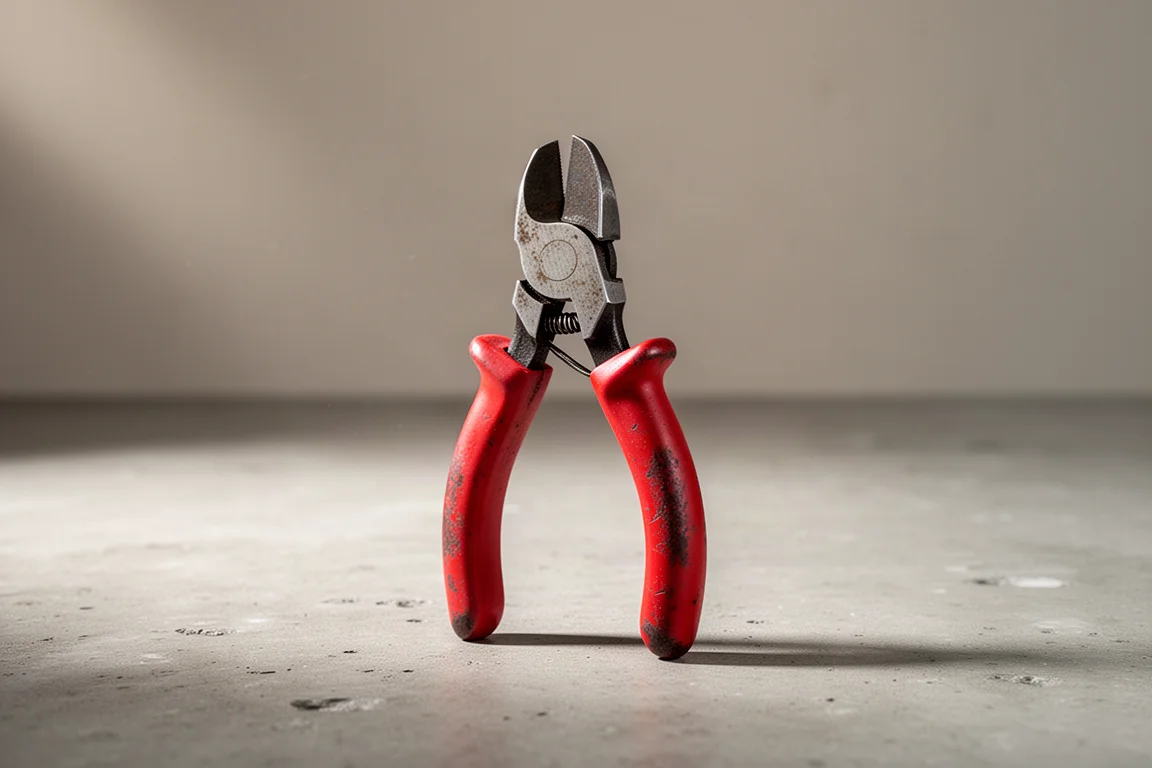
Here is the twist: an inexpensive, well-used, roughly $10 pair of Klein flush cutters delivered the same clean result. The blade edges match up closely, the action has held together for years, and zip ties come off silky smooth with no hook or step. When the cut end slides out, there is nothing to catch.
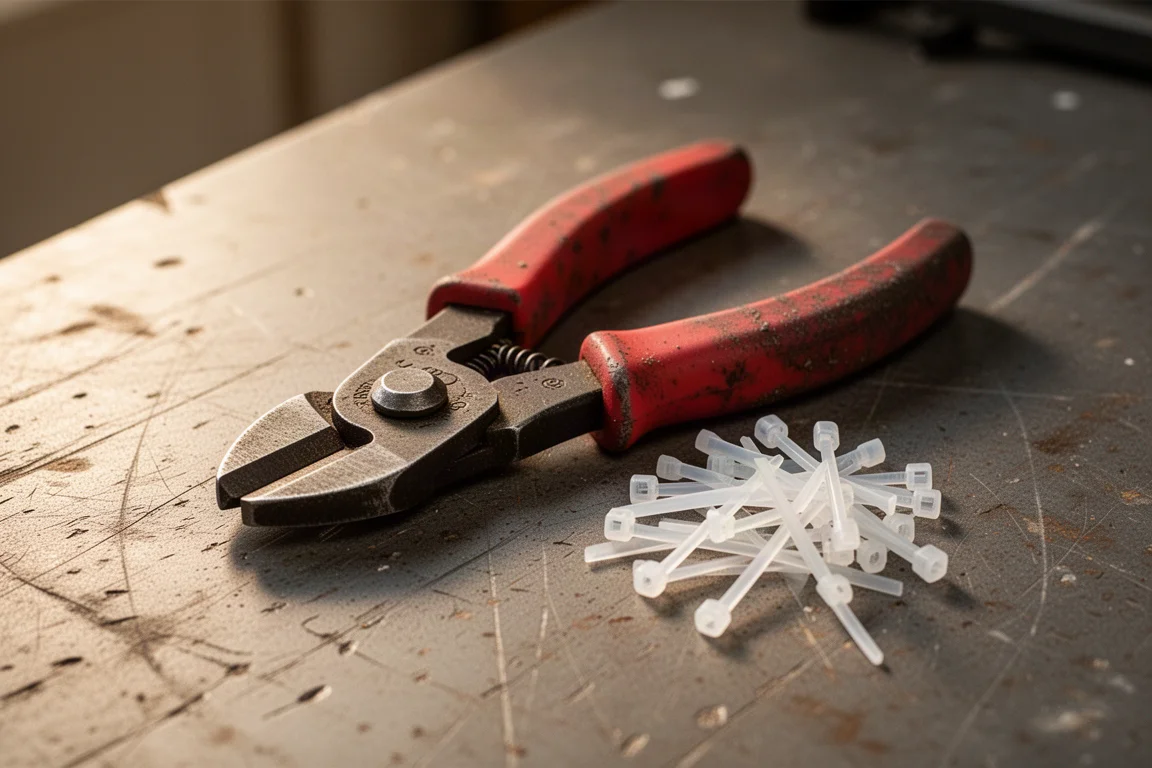
That puts the premium options in perspective. Paying more should buy tighter tolerances, not looser ones, and the cheap pair proves clean flush cutting does not require a big budget.
Buying Advice
A few practical takeaways before you pick a pair:
- Inspect the blades immediately. Run a fingernail along the closed blade edges and cut a test zip tie before settling in with a new pair. A step at the blades or an uneven cut is a quality control problem, not user error.
- Check for handle play separately from blade offset. Wiggle the handles. Movement that shifts the blade gap suggests a joint or grinding issue on a rigid tool is different from a fixed alignment offset.
- Match the tool to the material. The Knipex pair is labeled for electronic components, and the maximum cutting capacity is around 1.6 mm for copper and iron, roughly 1 mm in the softer range. If you only ever cut plastic, a simpler and cheaper cutter may serve you just as well.
Conclusion
The Snap-on CFS is the clear standout: overbuilt, silky smooth, and consistently perfect on plastic. The Knipex 78 03 125 is genuinely lovely in the hand but the example tested had a real blade alignment flaw that showed up in actual zip tie cuts. And the inexpensive Klein pair proves that at this task, careful inspection matters more than price. If you buy premium cutters, test them on day one.
Further reading
Related Reviews
Hand Tools
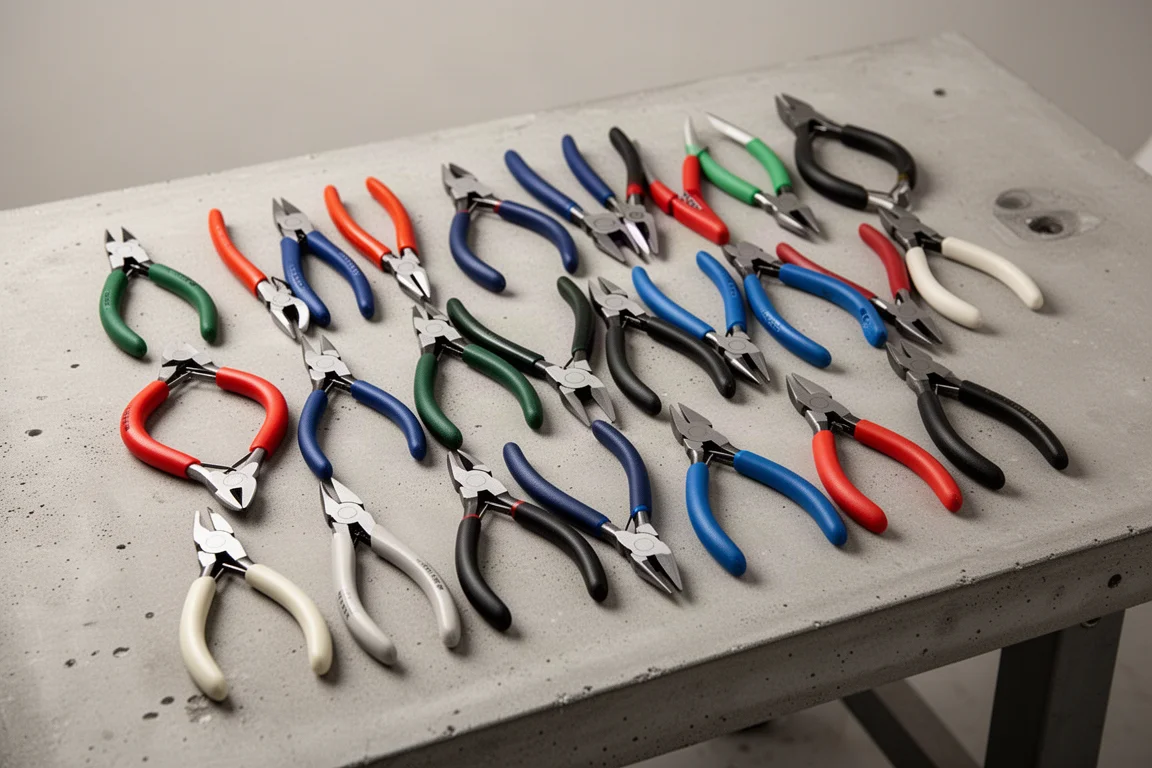
Best Diagonal Cutters 2026: 16 Pliers Tested for Cutting Power and Durability
We put 16 diagonal cutters through nail, screw, drill bit, and hex key tests to find the best value picks for your toolbox.
Hand Tools
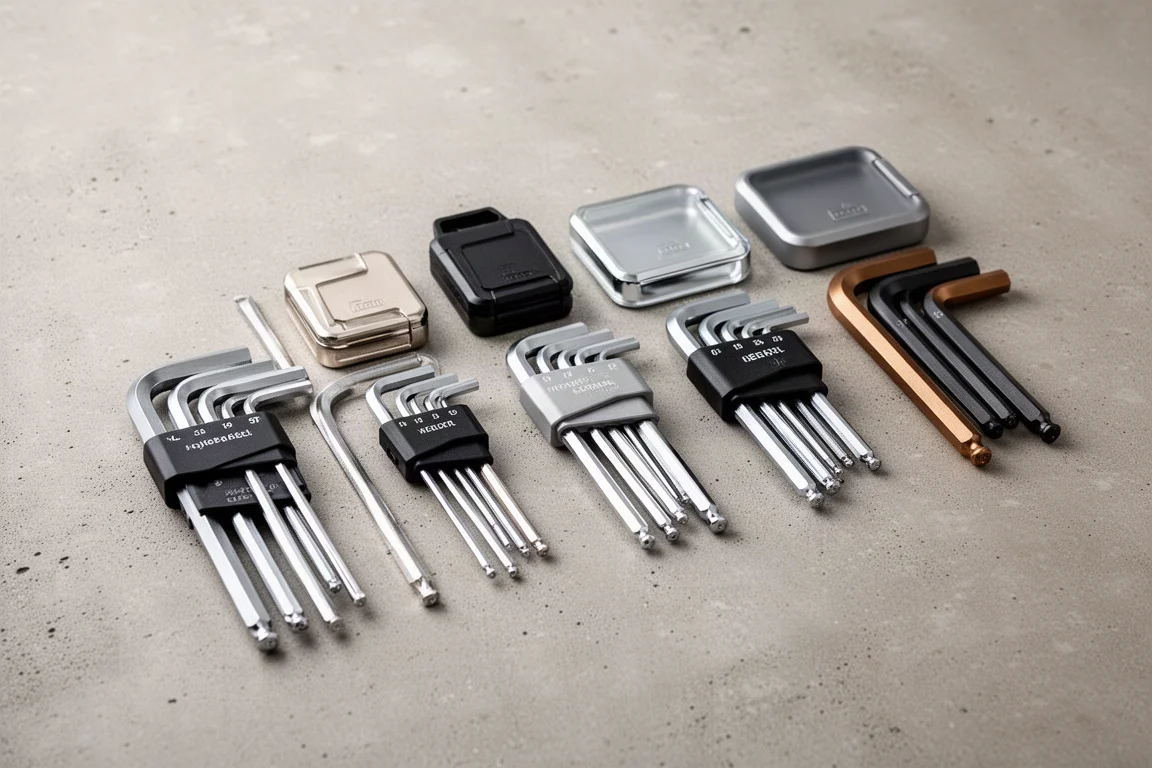
Best Hex L Key Sets 2026: Nine Sets Tested for Real-World Torque
Nine hex L key sets from budget to premium, tested for torque, fit, and durability. See which sets deliver real performance and which ones to skip.
Hand Tools
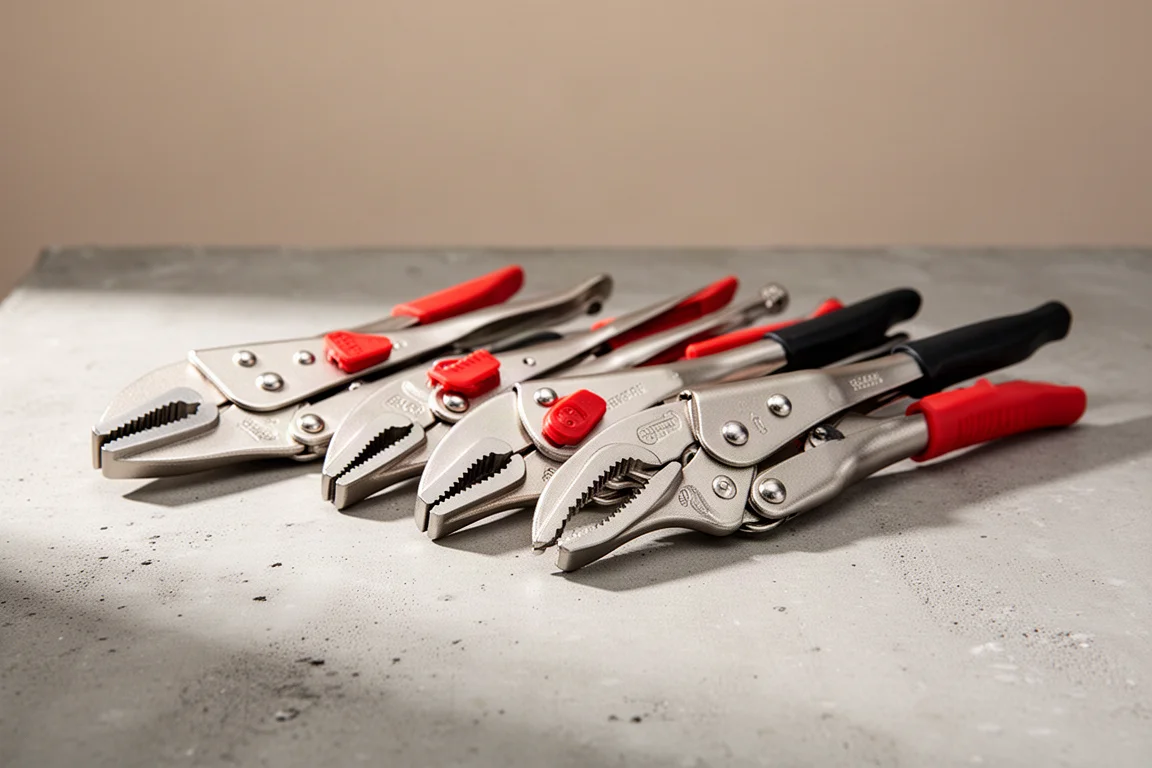
Best Locking Pliers 2026: Top Picks Tested for Grip and Durability
We tested 18 brands of 10-inch locking pliers for grip strength, jaw bite, build quality, and ease of release to find the best options for tough jobs.