Power Tools
Flex 24V vs Milwaukee Sawzall: Which Reciprocating Saw Runs Smoother?
Three flagship reciprocating saws go head to head on vibration, with the Flex 24V emerging as a smoother and cheaper alternative to Milwaukee's legendary Sawzall.
Introduction
Reciprocating saw buyers have long defaulted to one name, and for good reason. Milwaukee invented the Sawzall back in 1951, and the brand has owned the category ever since. But Flex’s 24V reciprocating saw has been making waves with a bold claim: less vibration than the competition. After running the tools through repeated side-by-side vibration testing, the results were hard to dismiss.
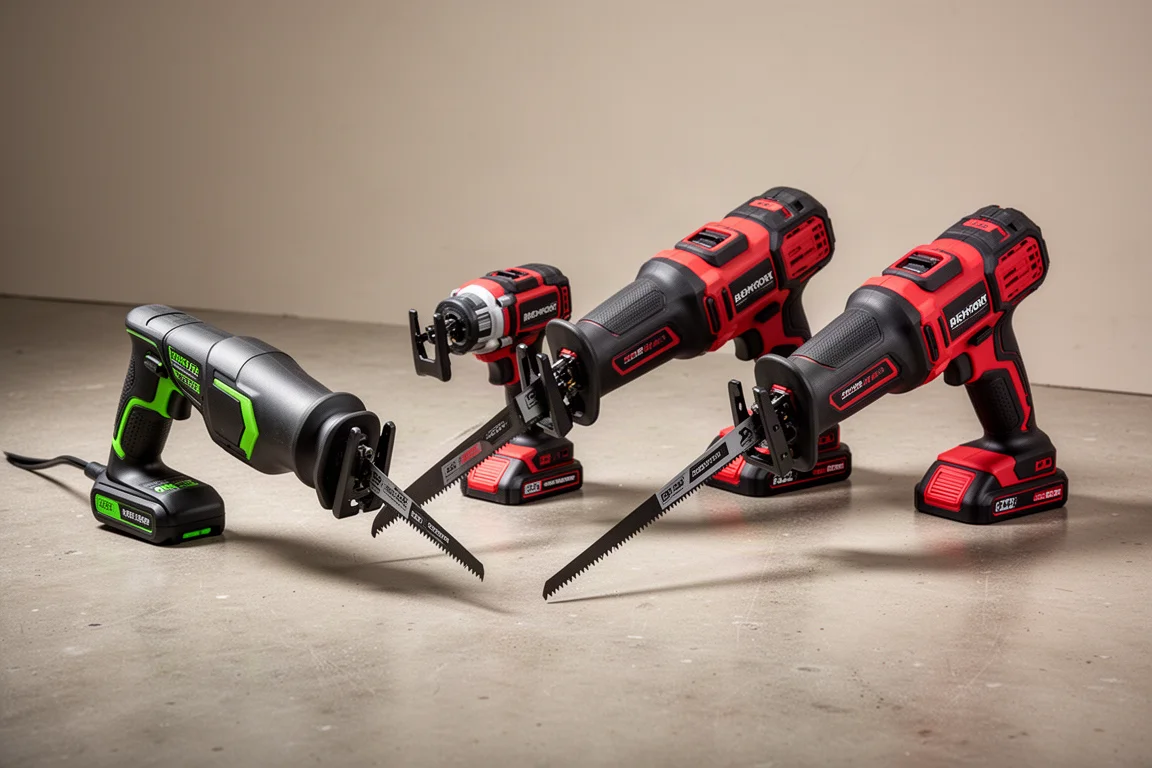
This comparison covers three saws: the Flex 24V reciprocating saw, the classic Milwaukee Sawzall, and Milwaukee’s top-line Fuel Super Sawzall. All three are kit configurations that include the saw, a battery, and a charger.
The Contenders
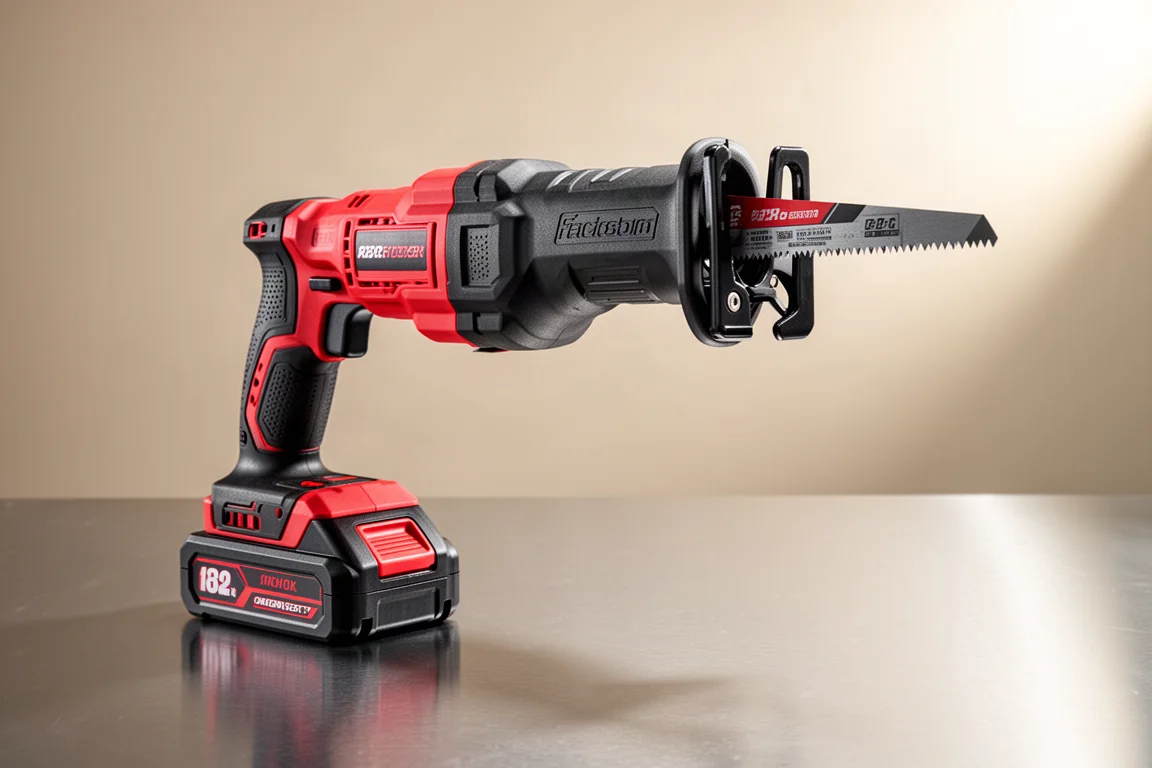
The Flex 24V reciprocating saw delivers 3,000 strokes per minute with a 1-1/4 inch stroke length. It comes as a kit with the saw, battery, and charger for $249. That is a competitive price for a top-line saw from a brand that has been pushing hard into the pro tool market.
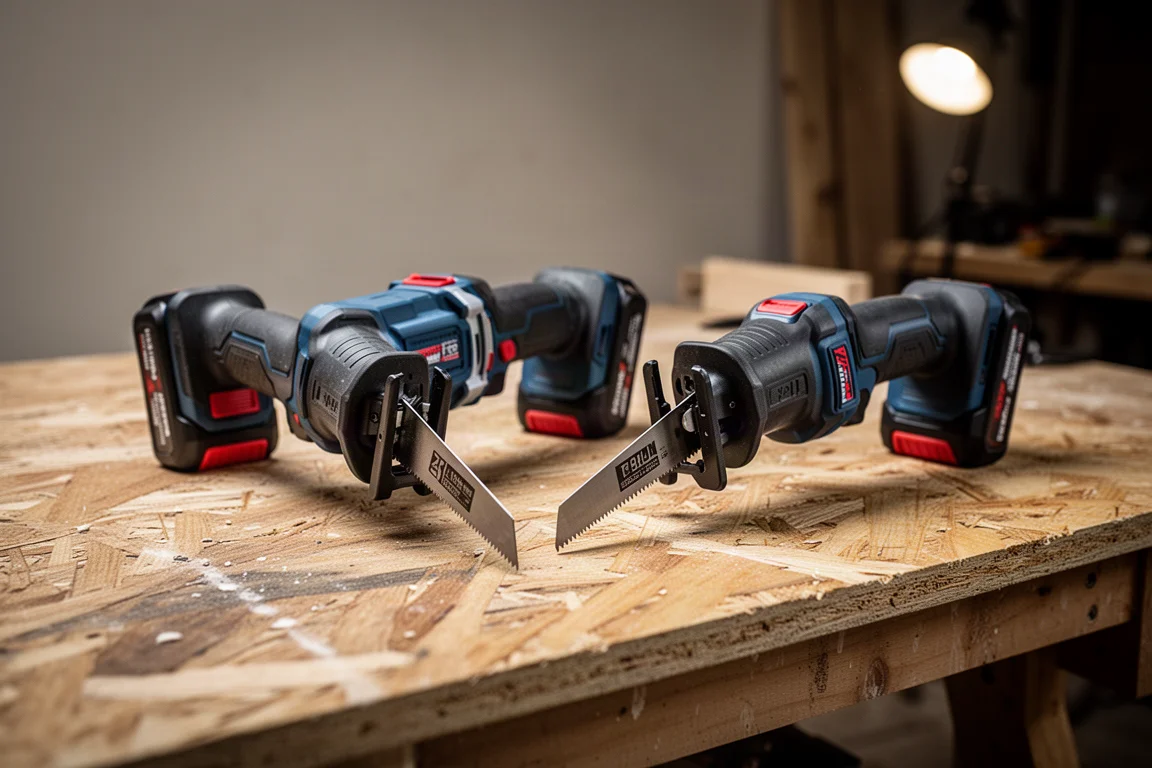
The Milwaukee Sawzall shares the same core specs: a 1-1/4 inch stroke length and 3,000 strokes per minute. Its kit, which includes the saw, a 5.0 amp hour battery, and a charger, carries a price tag of $329. Milwaukee’s legacy in the category is unmatched, and the Sawzall remains the benchmark by which other recip saws are judged.
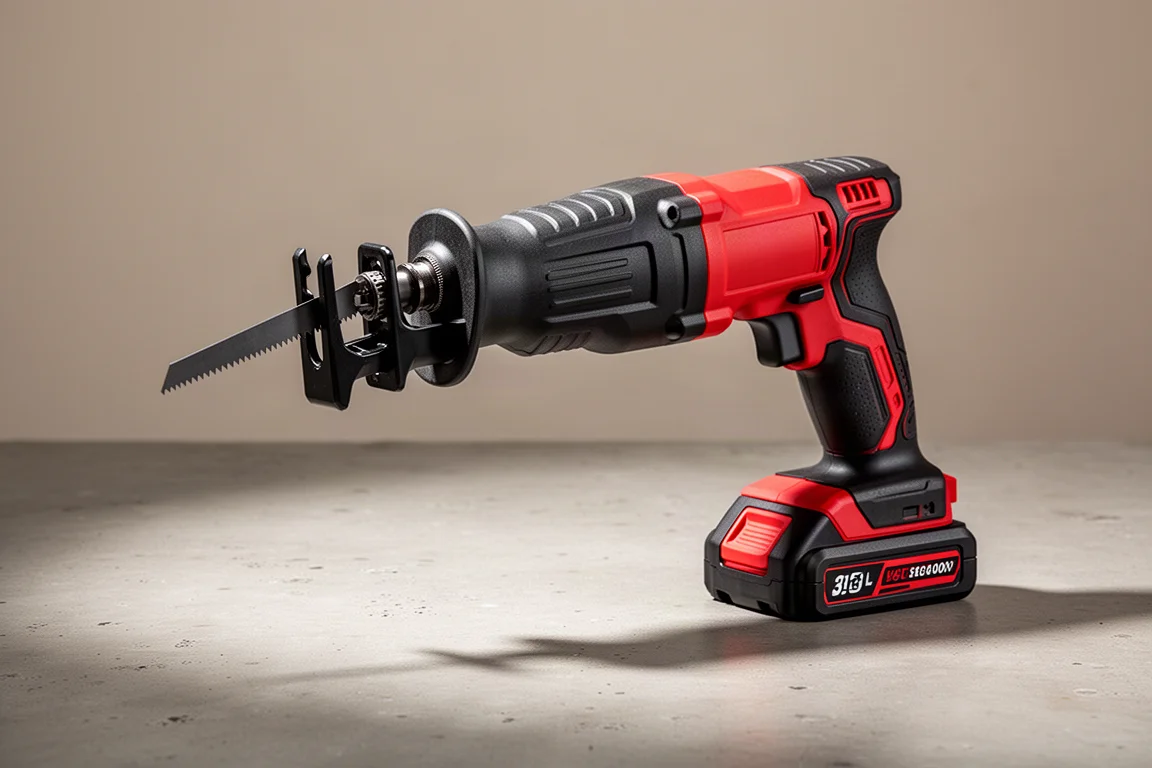
At the top of the lineup sits the Milwaukee Fuel Super Sawzall. It matches the same 1-1/4 inch stroke length and 3,000 strokes per minute, adds orbital action, and comes with a 12.0 amp hour battery and charger for $449. This is Milwaukee’s flagship, and the saw Flex’s own testing lined it up against.
How We Tested Vibration
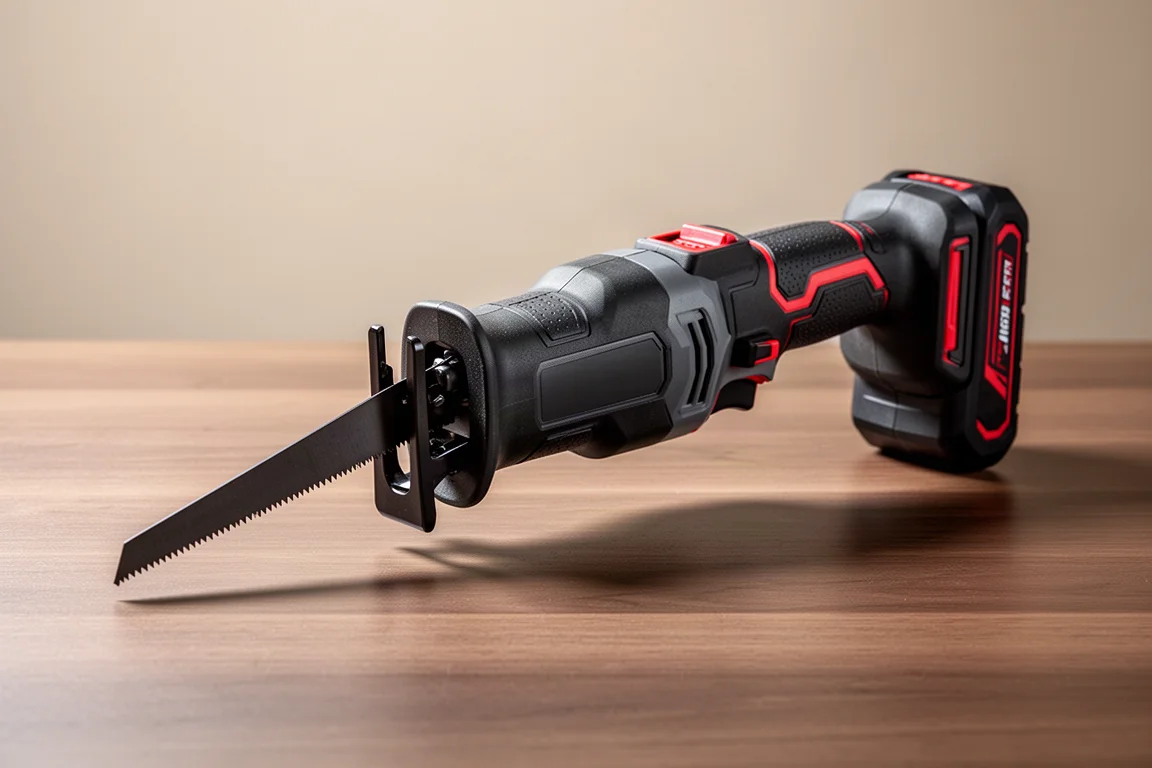
The headline claim was that the Flex runs smoother than the Milwaukee saws. To stress-test that, we ran a series of controlled vibration tests using bottles of liquid placed on top of each saw body. The less the liquid churned, the smoother the tool.
Early skepticism centered on bottle placement, so the first test placed the bottles as far back as possible, close to the motor, while keeping them on the flattest surface available on each tool. A second test moved both bottles as far forward as possible, up against the hand guard, to cover the other extreme. The liquid variable was addressed too: the bottles were switched between tools in real time, with zero cuts in between, to confirm both contained the same liquid.
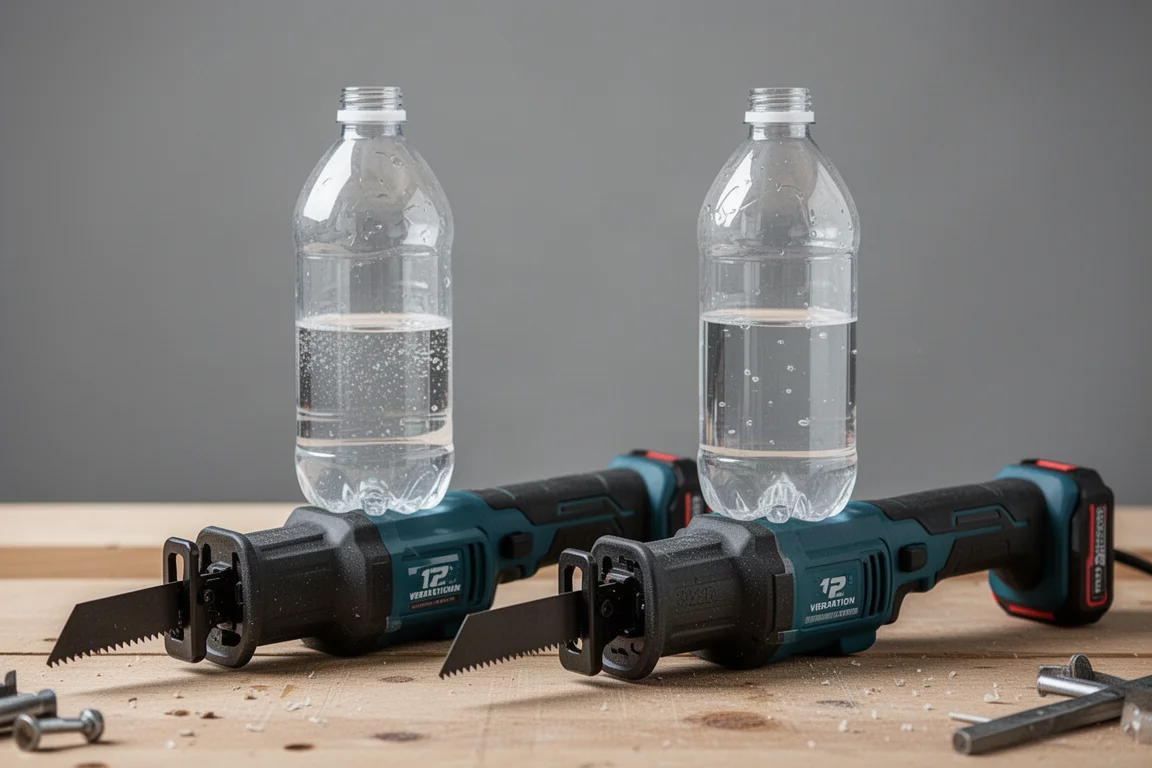
Finally, we ran the same test with blades installed in both saws, addressing the theory that an internal mechanism might be balanced only when a blade was present. Through every variation, the pattern held: the Flex showed noticeably less vibration than the Milwaukee Sawzall.
Orbital Action and Blade Testing
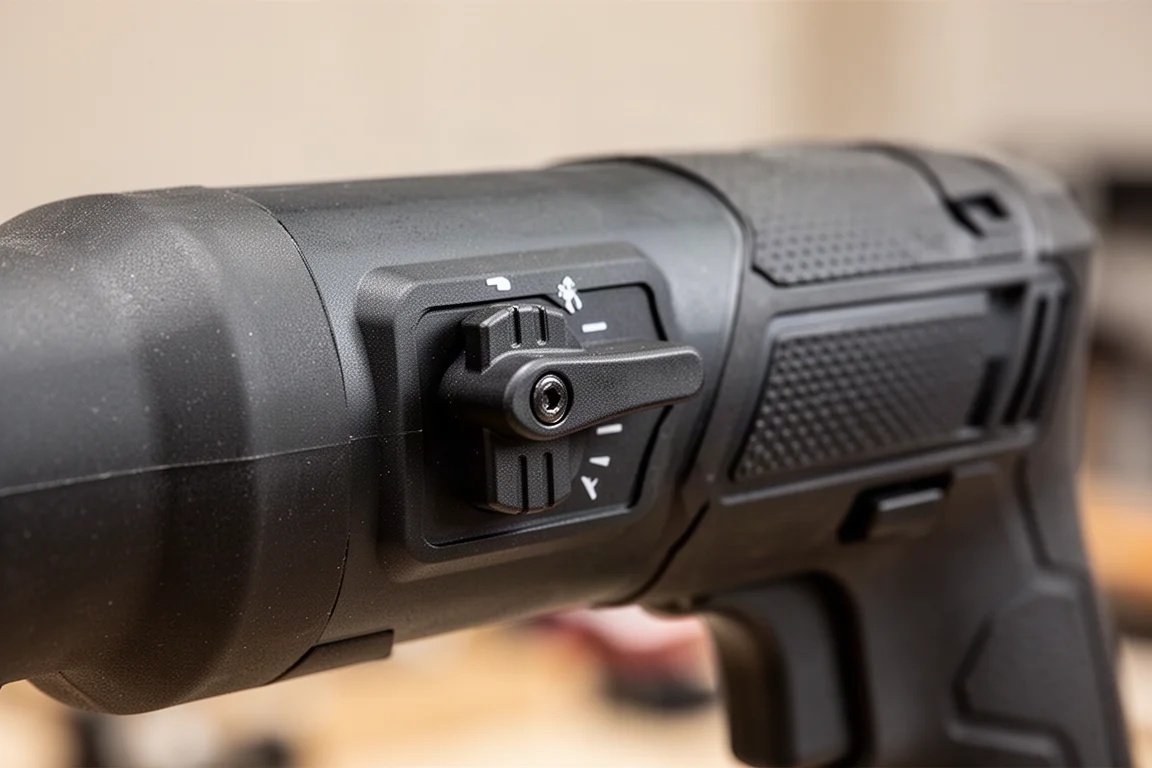
One wrinkle worth knowing: the Flex 24V saw has orbital action, while the standard Sawzall does not. Orbital action adds an orbit to the blade travel, making for a more aggressive cut. It works well through wood but is not recommended for metal cutting.
To be thorough, orbital action was engaged on the Flex during one test to see whether the added blade orbit would introduce more vibration. Even with the lever turned on, the Flex remained the smoother-running tool.
The Fuel Super Sawzall does include orbital action, so we ran the comparison with that feature enabled to see whether it reduced vibration. The verdict from testing stayed consistent: if lower vibration matters to you, the Flex simply performs better in this matchup.
Why Vibration Matters
Vibration is not just a comfort nicety. A saw that beats up your hands and arms leads to faster fatigue, and less fatigue means you can do more work over the course of a day. For anyone who spends long sessions on demolition or rough framing cuts, a smoother-running saw translates directly into productivity. The Fuel Super Sawzall has previously been described as fairly harsh in the hands and arms during extended use, which makes the Flex’s performance in these tests all the more notable.
Which One Should You Buy?
The headline takeaway is simple: you can get what appears to be a better-performing tool for a lower price. The Flex 24V kit undercuts the Sawzall by $80 and the Fuel Super Sawzall by a full $200, while matching both on stroke length and speed and adding orbital action the standard Sawzall lacks.
If brand loyalty and the category’s original pedigree matter to you, the Sawzall remains a proven, widely supported choice, and the Super Sawzall adds orbital action and a big 12.0 amp hour battery for heavy-duty users. But if vibration comfort and value drive your decision, the Flex 24V reciprocating saw is the tool to beat here.
Conclusion
Testing could not disprove the claim: the Flex 24V reciprocating saw ran smoother than both Milwaukee saws across every variation, including bottle placement changes, blade installs, and liquid verification. Milwaukee invented the reciprocating saw and still charges a premium for it, but on vibration and price, Flex’s 24V offering is the smarter buy for most users.
Further reading
Related Reviews
Power Tools
Best 1-Inch Pistol Impact Wrenches: Three Heavy-Duty Options Compared
We compare three 1-inch pistol impact wrenches, from a budget-friendly Harbor Freight model to a premium Caterpillar unit, to help you choose the right one.
Power Tools
Best 3/4-Inch Impact Wrenches 2026: Five Contenders Compared
We compare five 3/4-inch impact wrenches across price and performance, from a budget Amazon option to Snap-on's most powerful model yet.
Power Tools
Best Budget Cordless Tools 2026: Walmart Finds That Punch Above Their Price
We tested five cordless tools from Walmart, including a high-torque impact wrench that trades blows with Milwaukee and a $35 duster that outperforms its price class.