Power Tools
Flex vs Cobalt 1/2-Inch Impact Wrench: A Technician's Long-Term Comparison
Seven months of daily professional use reveal clear differences between the Flex and Cobalt 1/2-inch impact wrenches.
Introduction
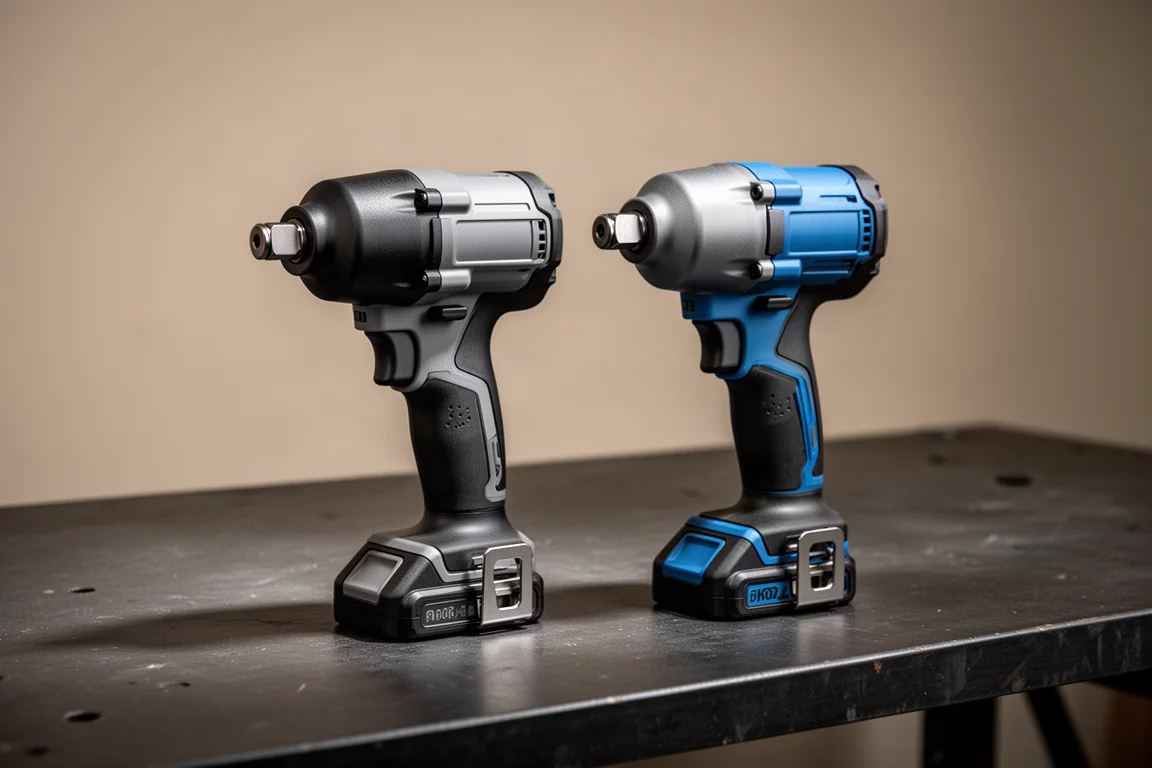
Some tools earn their place on the bench. The Flex 1/2-inch impact wrench has done exactly that over roughly seven to eight months of daily professional use as a Mercedes-Benz technician’s go-to half-inch impact. The comparison everyone asks about is the Cobalt 1/2-inch impact wrench, which looks similar but tells a very different story in day-to-day use.
Flex 1/2-Inch Impact Wrench: Seven Months as a Daily Driver
The Flex is used mainly for wheel work. Mercedes wheel studs are notoriously tight, and this tool has had no trouble with them. It also handles heavy suspension jobs such as struts, lower control arms, and upper control arms, and it takes that kind of abuse and keeps going.
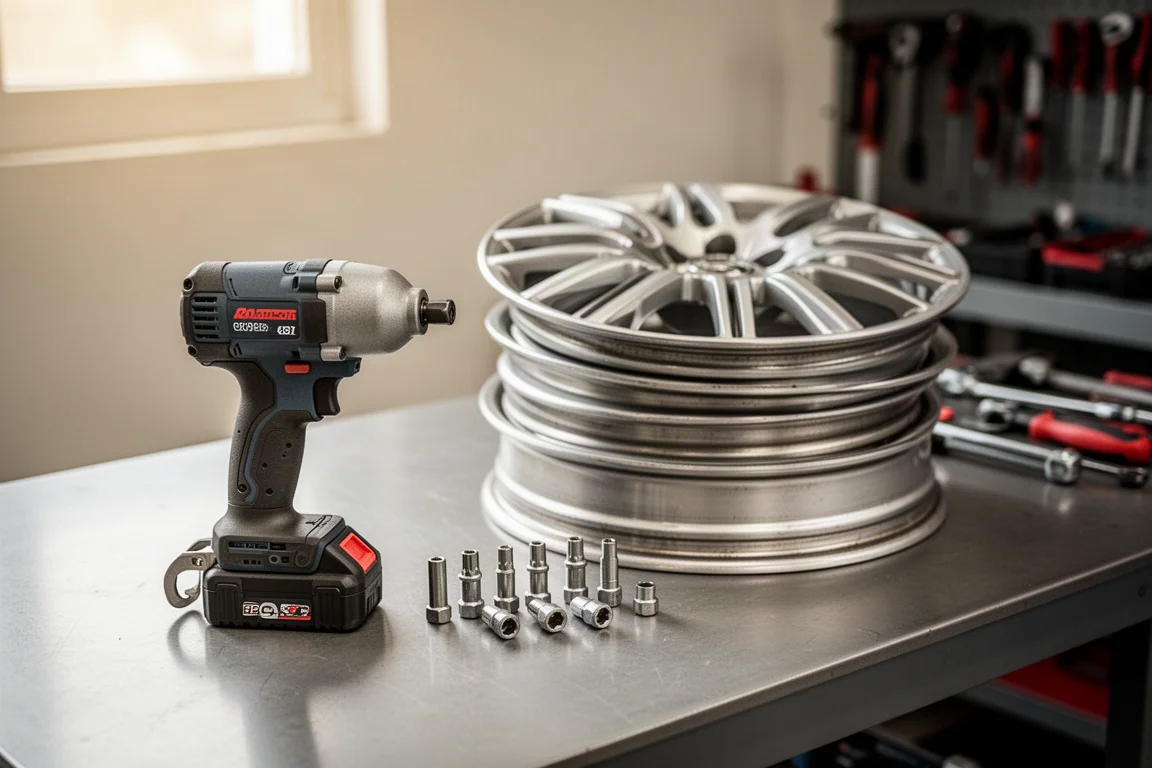
The tool has been visibly beaten up during this period, but the housing shows no dents, and the shock shield has helped the body survive the work.
Modes and Control in Real Shop Use
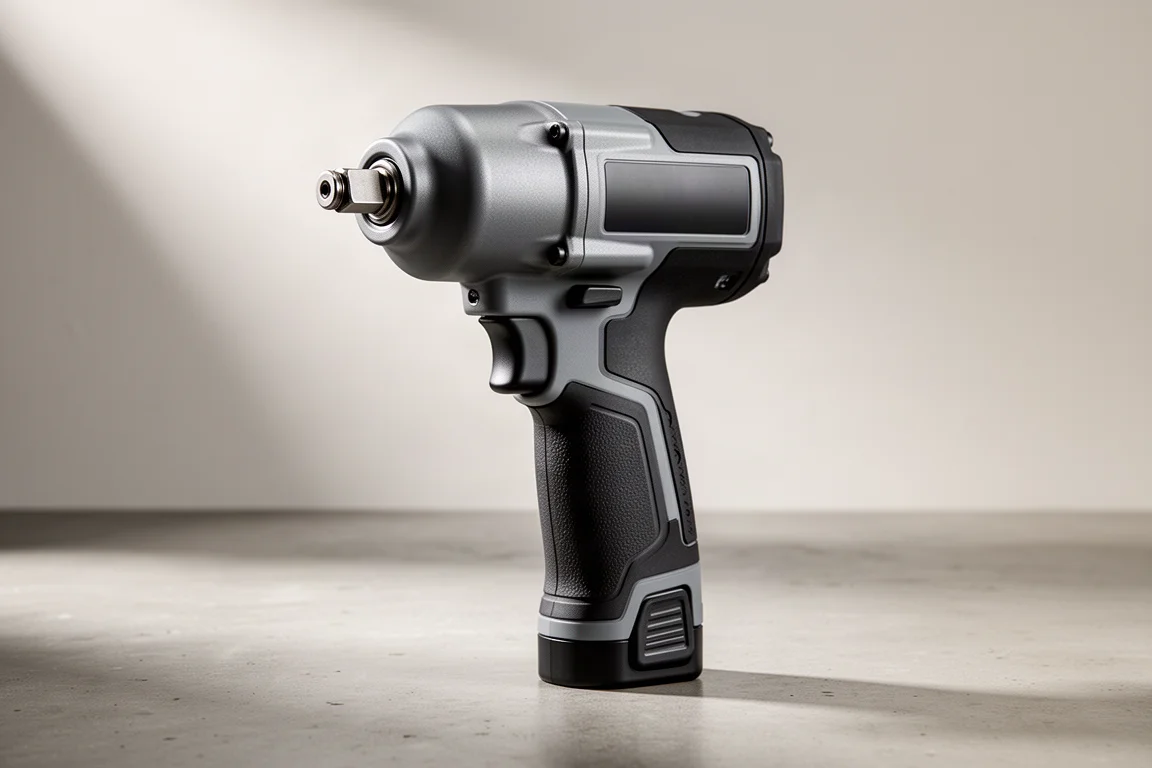
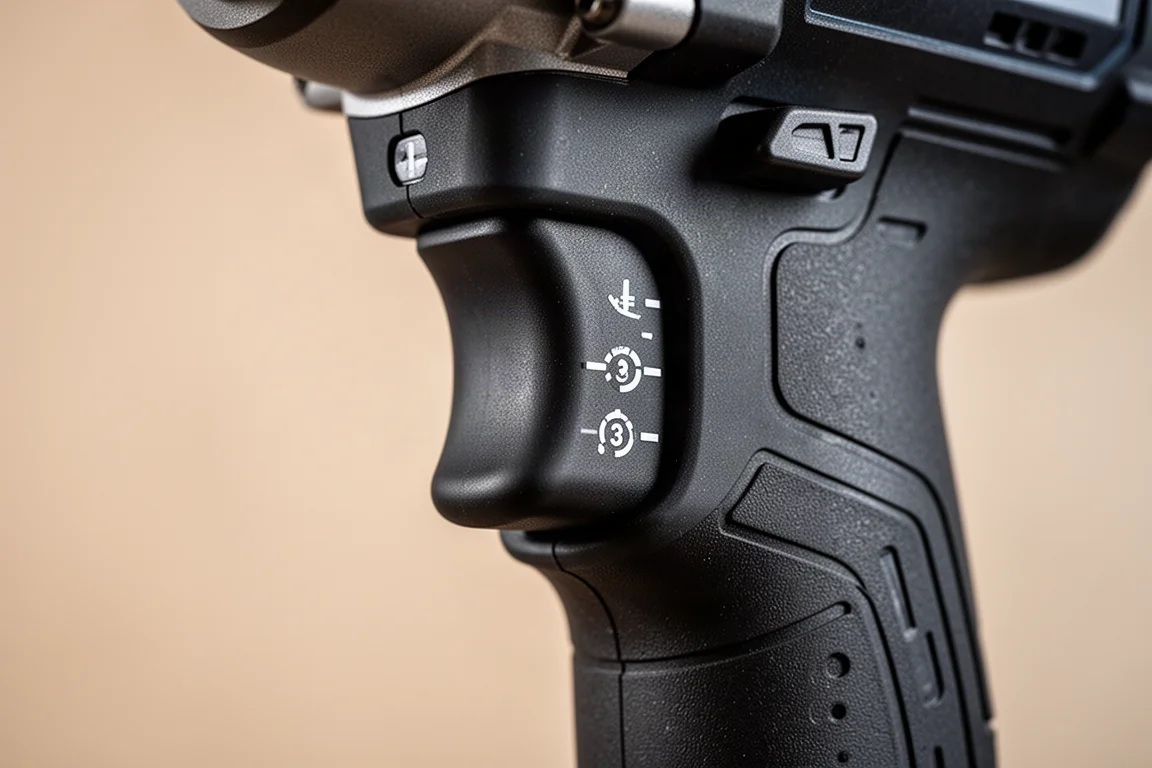
The Flex offers three modes plus an auto mode. In practice, mode three is the workhorse: it breaks everything loose and is also used for the final tightening step. Mode one is useful when carefully locating the end of a bolt or starting a nut. Auto mode proved a little tricky in real use, as it tended to stop slightly before the torque needed to remove a fastener. For the most part, the tool simply stays on three, with lighter trigger pressure used when a more delicate touch is needed.
Battery Life That Lasts Weeks
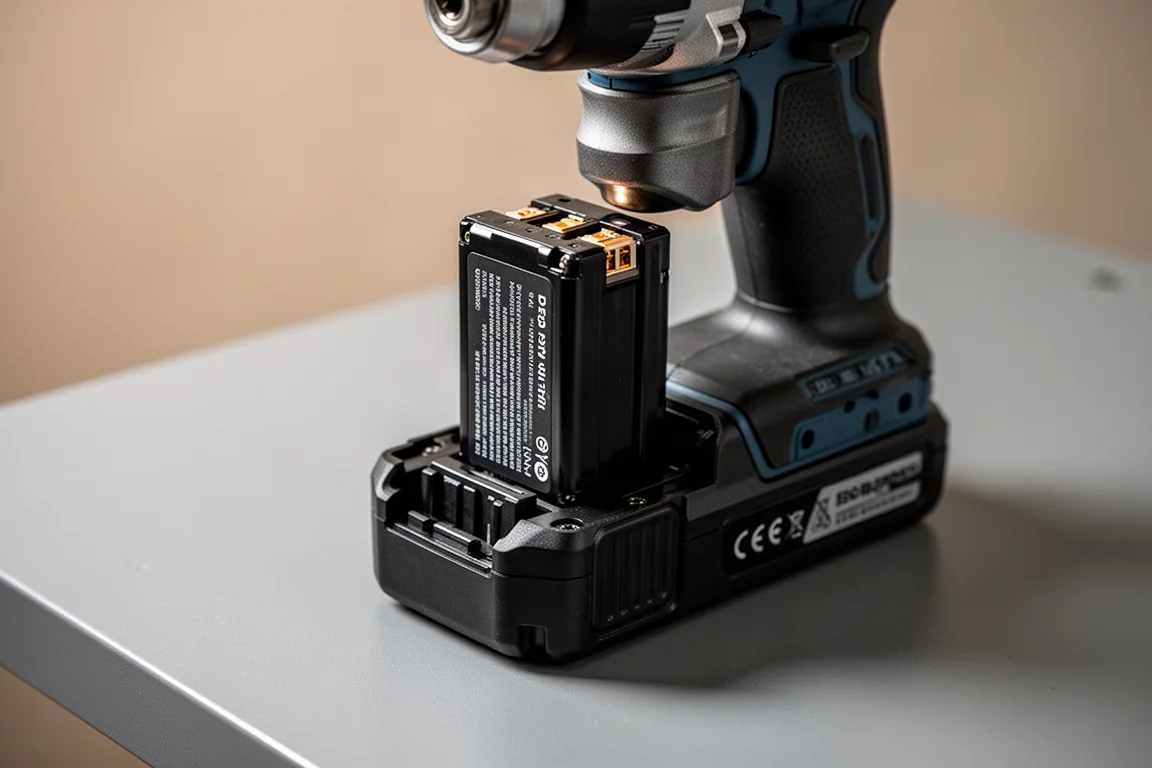
Battery endurance is where the Flex genuinely surprised. Paired with two 5 Ah batteries, a full eight-and-a-half to nine hour workday with only a short lunch break barely dents them. One battery sat at around half charge after two to three weeks without a top-up, and both packs were charged only about three times across the whole seven-month period.
Shock Shield and Comfort
The shock shield is the feature that makes all-day use sustainable. Repeatedly hammering a stubborn bolt forward and back normally wrecks your forearms and wrists. The shock shield does not eliminate that feeling entirely, but it dampens it substantially, and crucially it does not seem to cost the tool any power. For anyone running this wrench nine hours a day, it matters. The tool is also already smaller than most half-inch electric impacts found in shops, though it carries roughly the same weight as its peers, so a compact version would be a welcome addition.
Cobalt 1/2-Inch Impact Wrench: The Alternative
The Cobalt is a different tool, not the same design in a different color case. In extended use it caused problems the Flex never did: it would shut off unexpectedly, the trigger was less fine and less responsive, and it hesitated where the Flex just goes. It also needed charging every couple of days rather than every couple of weeks.
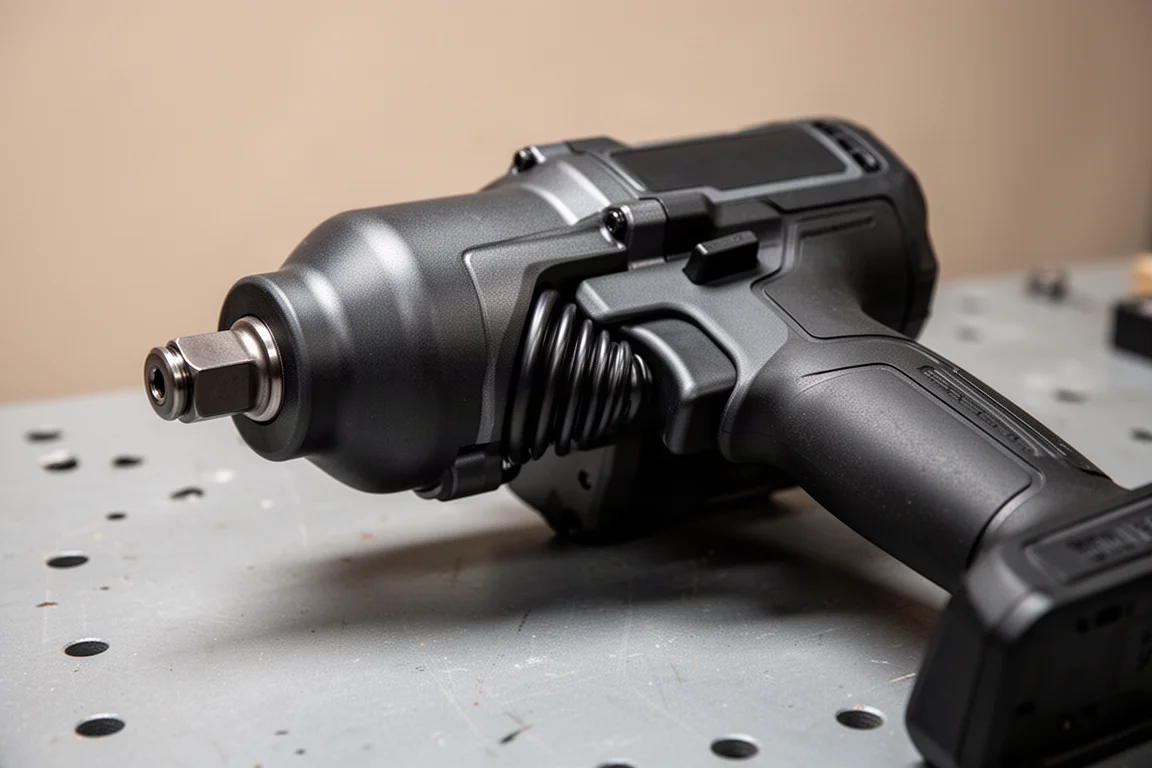
It is not without strengths. The Cobalt is perceived as the more powerful of the two, and its head also moves for vibration control, though less drastically than the Flex. It is heavier, which becomes taxing if you hold it upside down breaking something loose for five to ten minutes, though that is true of most tools in the class.
Buying Advice
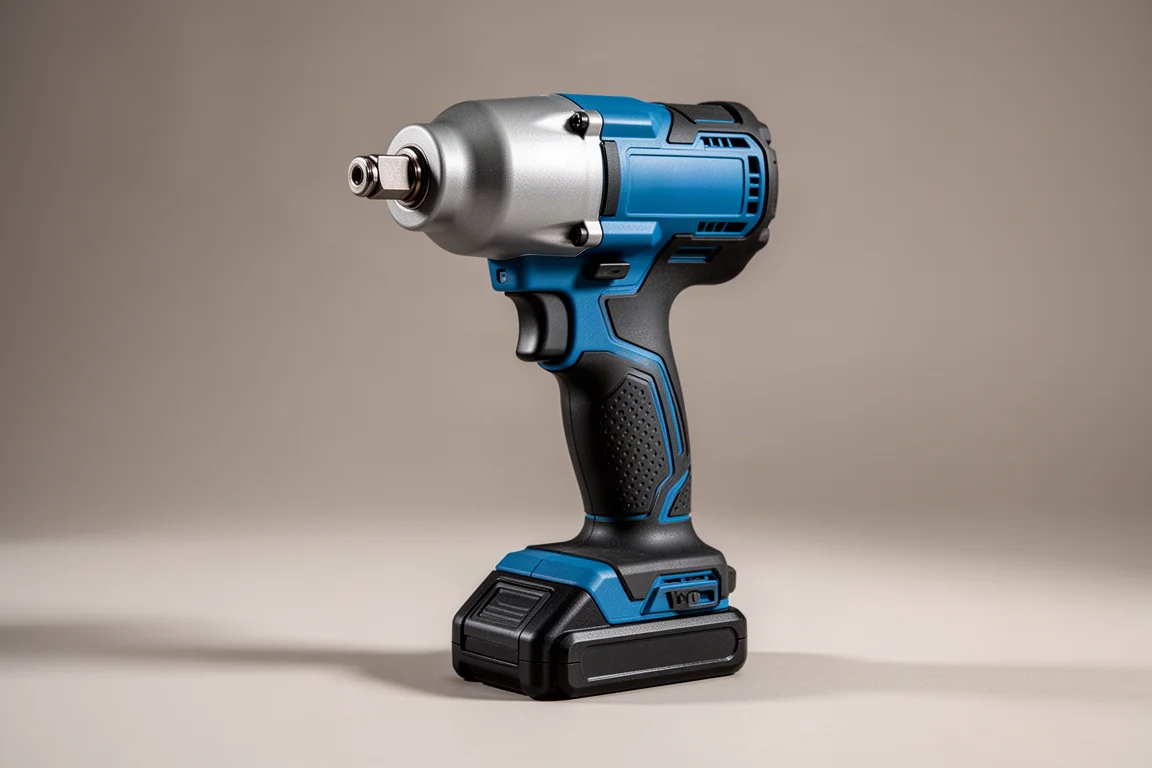
If you use a half-inch impact all day, every day, the Flex is the stronger pick: more responsive trigger, no shut-off issues, exceptional battery life, and a shock shield that genuinely reduces fatigue. The Cobalt suits occasional users who want maximum breakaway power on a budget of effort rather than runtime, but its reliability quirks are hard to ignore.
Conclusion
Two similar-looking tools, two very different ownership experiences. The Flex 1/2-inch impact wrench has proven itself as a durable, comfortable, long-running daily driver, while the Cobalt remains a heavier, less refined option. If professional use is on the table, the choice is clear.
Further reading
Related Reviews
Power Tools
Best 1-Inch Pistol Impact Wrenches: Three Heavy-Duty Options Compared
We compare three 1-inch pistol impact wrenches, from a budget-friendly Harbor Freight model to a premium Caterpillar unit, to help you choose the right one.
Power Tools
Best 3/4-Inch Impact Wrenches 2026: Five Contenders Compared
We compare five 3/4-inch impact wrenches across price and performance, from a budget Amazon option to Snap-on's most powerful model yet.
Power Tools
Best Budget Cordless Tools 2026: Walmart Finds That Punch Above Their Price
We tested five cordless tools from Walmart, including a high-torque impact wrench that trades blows with Milwaukee and a $35 duster that outperforms its price class.